
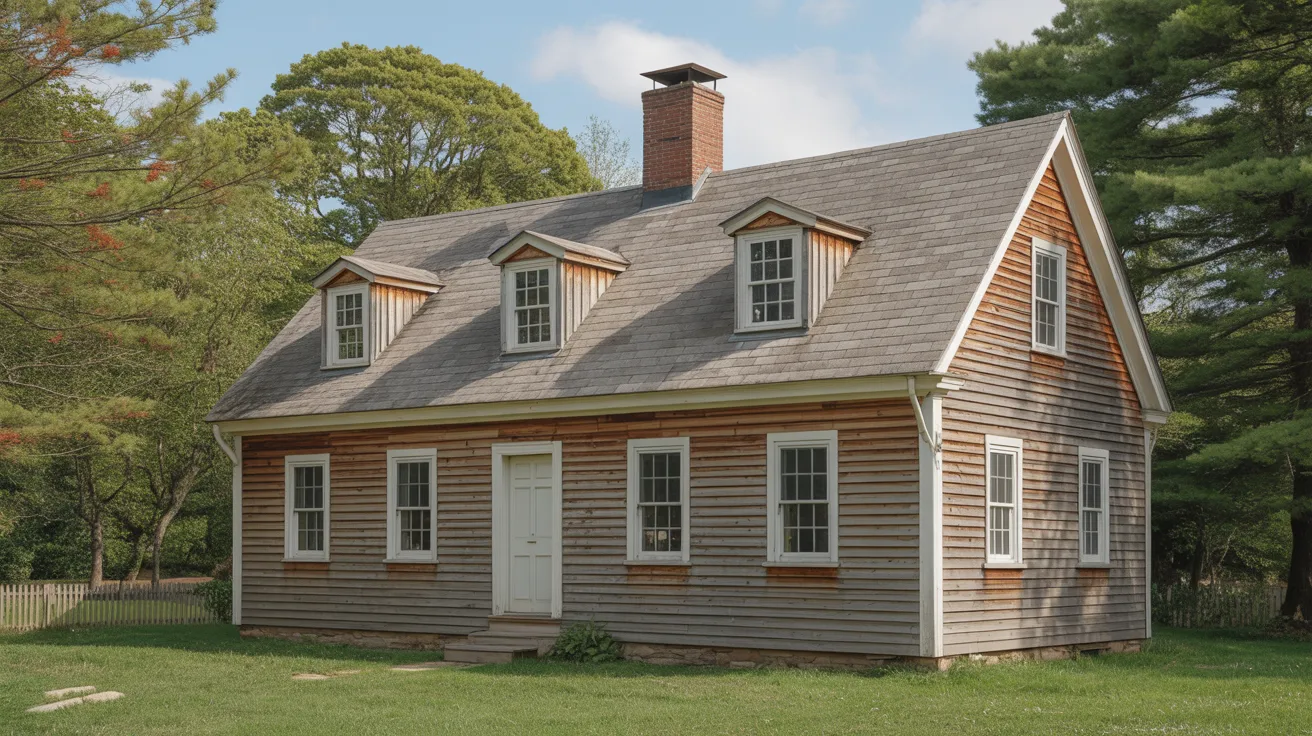
That long, sloping roof stopped me in my tracks the first time I saw a saltbox home in New England. I had to know more.
If you're here, you're probably feeling the same way.
This guide covers everything:what saltbox architecture is, where it started, why people still build them, and how to plan your own build.
I've pulled together floor plan ideas, construction tips, and design guidance all in one place.
By the end, you'll know exactly how to move forward with your saltbox architecture project.
What Is Saltbox Architecture
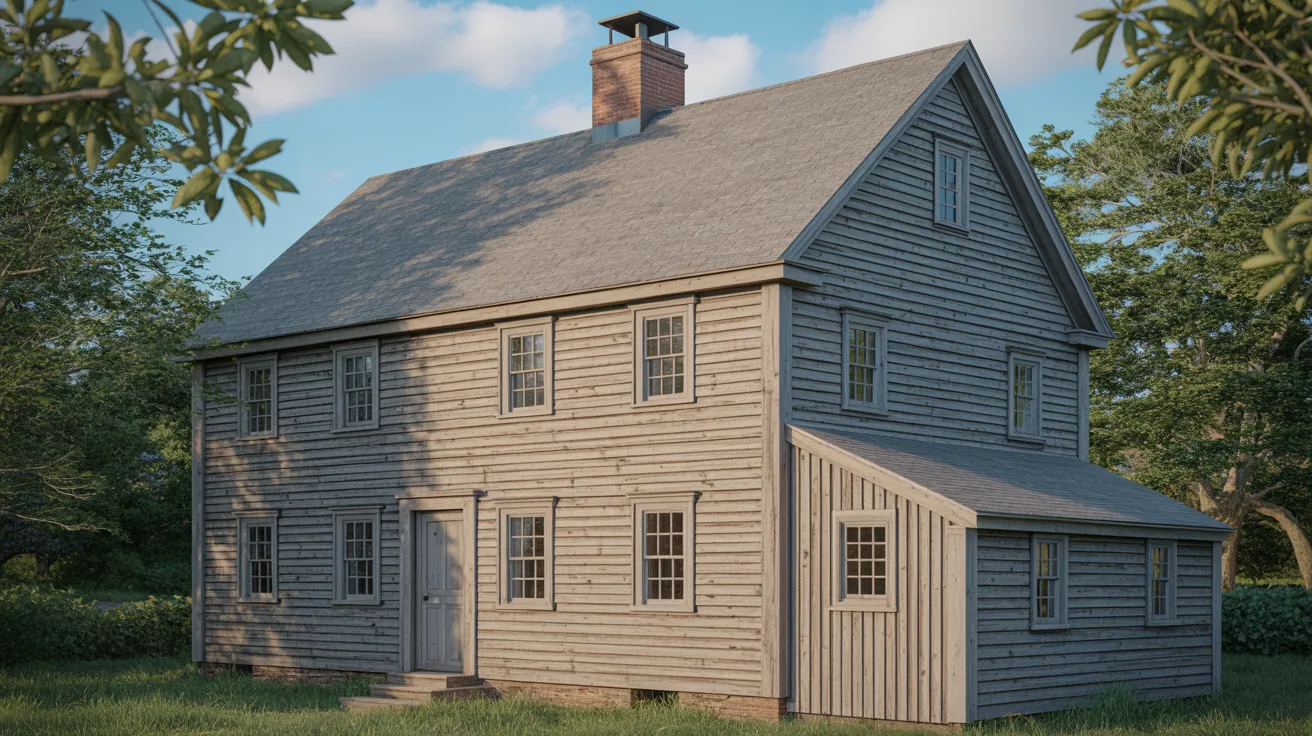
Saltbox architecture is a traditional American home style with roots in New England from the 1600s and 1700s.
The name comes from the shape of old wooden salt storage boxes, which had a sloped lid, just like these homes.
Early settlers created the shape by adding a rear lean-to to an existing house, which extended the roofline all the way down.
Today, people still choose this style for its classic look, smart use of space, and weather-ready structure.
The design blends old-world building logic with a timeless form that fits modern living surprisingly well.
Key Characteristics of Saltbox Architecture
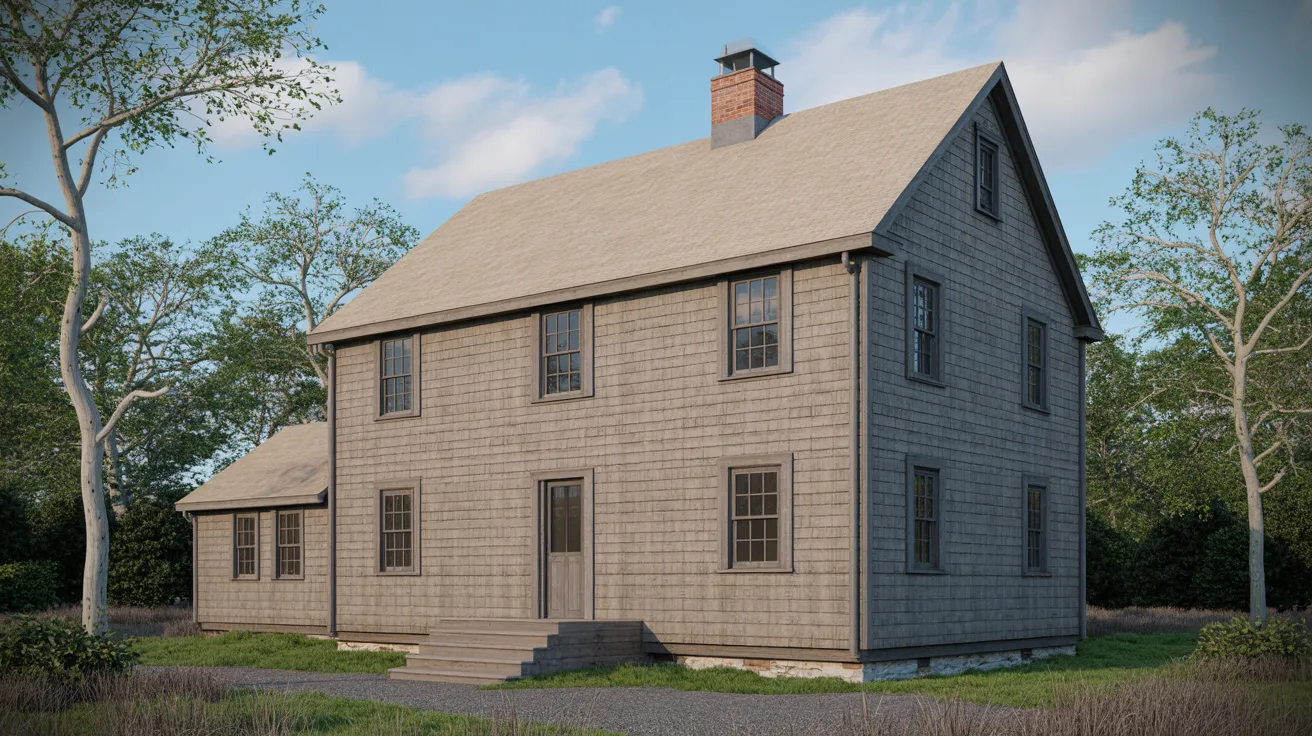
These are the features that set a saltbox home apart from every other house style.
Distinctive Asymmetrical Roof
The roofline is the first thing you notice, and it's what defines the entire style.
Long sloping catslide roof: The rear roof slope extends much lower than the front. This creates the signature shape that gives the style its name.
Two stories in front, one in back:The front of the house stands two stories tall. The back drops to a single story due to the long rear slope.
Weather-resistant design:The steep slope sheds rain and snow quickly. This made it a practical choice for harsh New England winters.
This roof design is both striking and built to hold up in tough conditions year after year.
Simple and Functional Structure
Saltbox homes are built for practical living, not showmanship.
Rectangular footprint: The base of the home is a clean rectangle. This keeps construction simple and cost-effective.
Central chimney (traditional):Traditional saltbox homes had a large central chimney. It served multiple fireplaces and helped heat the whole house.
Efficient use of space:Every room serves a clear purpose. There is no wasted square footage in a well-planned saltbox layout.
The layout keeps things clean, functional, and easy to live in for the long term.
Traditional Construction Elements
Classic materials give saltbox homes their grounded, timeless look.
Timber frame construction: Early saltbox homes were built with heavy timber frames. This method is still used today for its strength and long service life.
Wood or clapboard siding: Clapboard siding was the standard exterior finish. It's durable, weather-resistant, and easy to maintain over time.
Minimal decorative details: Saltbox homes don't rely on ornate details. The appeal comes from clean lines and strong proportions.
These elements come together to create a home that looks honest and is built to last.
Here is the rewritten section:
Guidance on Building and Designing Saltbox Homes
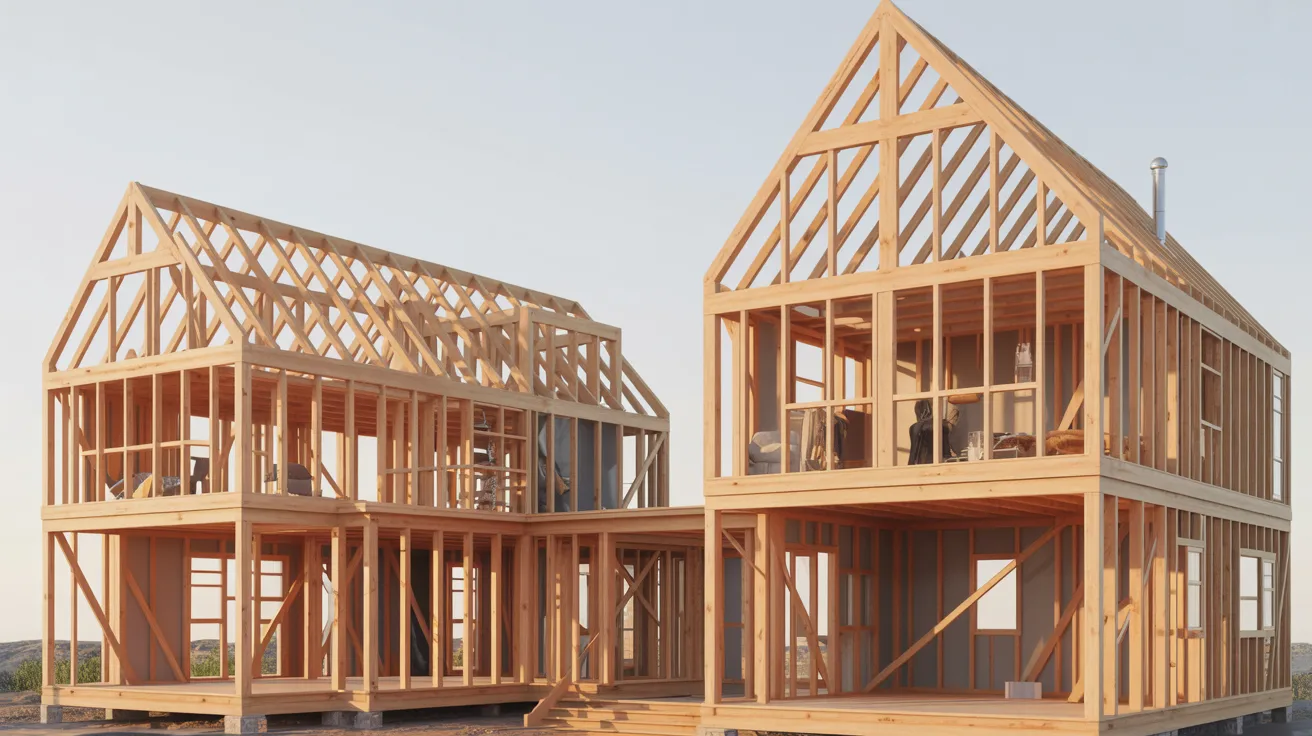
Planning a saltbox home takes careful thought around layout, orientation, and roof direction. One-story versions fit smaller lots and work well for cottages or retirement homes.
Two-story layouts give you more space while staying true to the original style.Modern designs keep the iconic roofline but use open floor plans and smaller footprints.
Face your home south for natural light, use the steep rear slope to shed rain and snow, and plan your roof direction early.
Getting these details right from the start saves time, money, and costly changes later.
Saltbox Floor Plan Ideas
Here are seven floor plan options that cover a range of sizes, styles, and household needs.
1. Traditional Two-Story Saltbox Plan
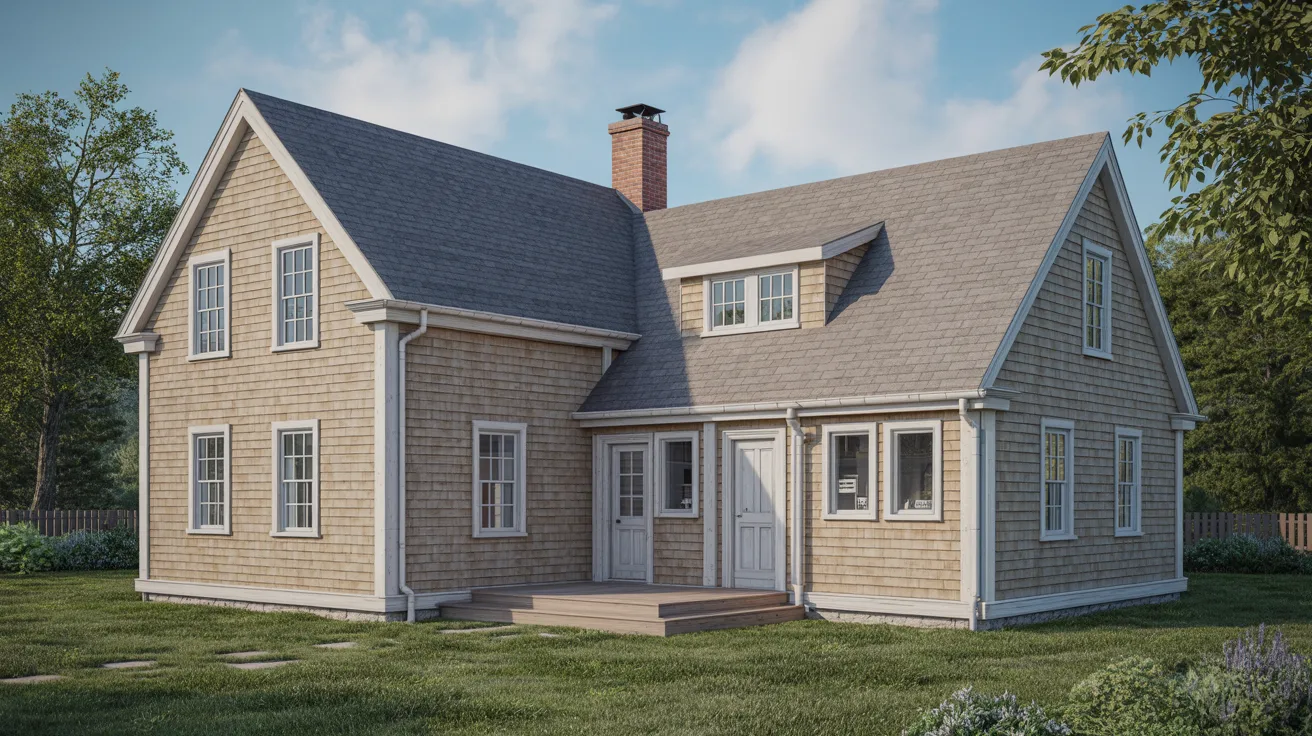
The traditional two-story plan stays close to the original New England design. The front features two full floors with bedrooms upstairs and living spaces on the ground floor.
The rear slopes down to a single story, often used for a kitchen or utility space. A central chimney anchors the whole layout.
This plan is a solid choice if you want a home that feels rooted in history while still working well for everyday modern living.
2. Modern Open-Concept Saltbox Plan
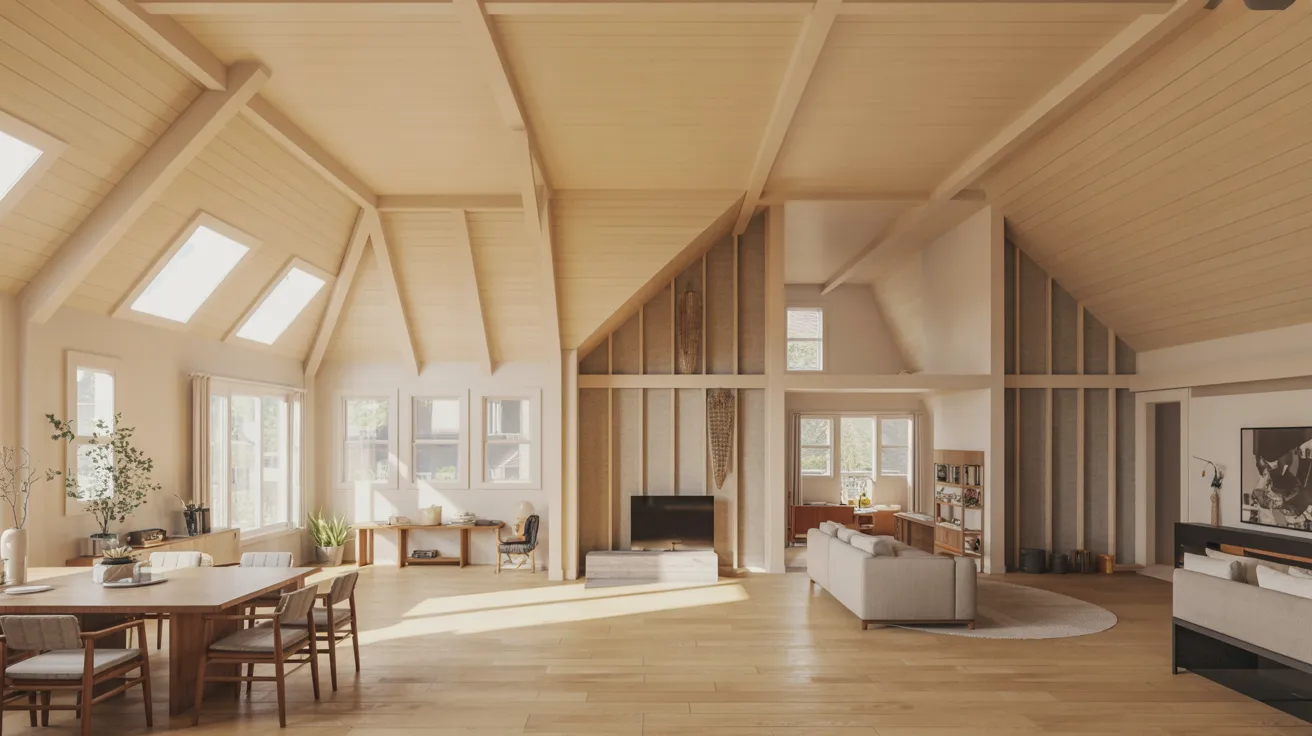
This plan takes the classic saltbox shape and opens up the interior. Walls between the kitchen, dining, and living areas are removed to create one large shared space.
The sloped ceiling adds height and character to the main floor. Large windows at the front bring in plenty of light throughout the day.
It feels spacious without being oversized. This is a great option for people who like a connected, airy home with a modern feel.
3. Small Saltbox Cottage Plan
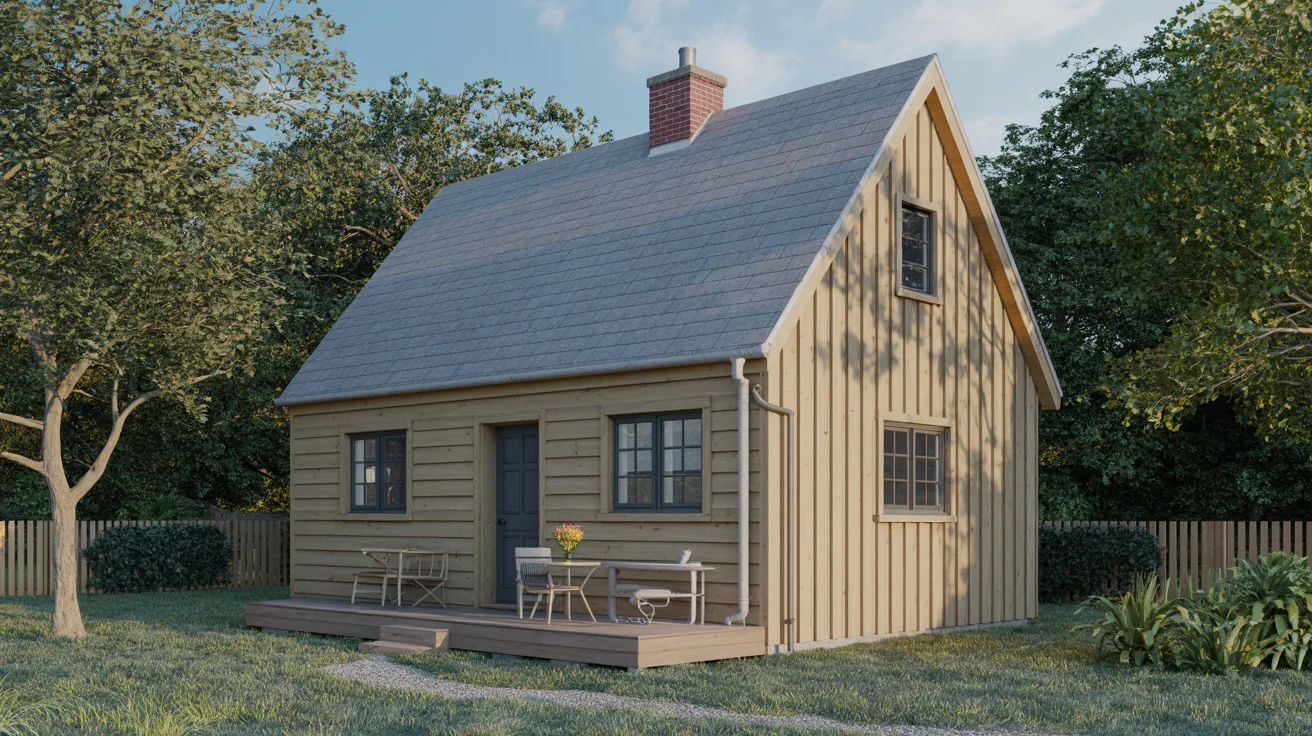
The small cottage plan brings the saltbox style down to a compact size. It works well on tight lots or as a weekend retreat away from the city.
The layout stays simple, with one or two bedrooms, a small kitchen, and a combined living area. The sloped roof still gives the cottage its classic charm.
This plan is ideal for first-time builders or those working with a smaller budget and a clear design goal.
4. Saltbox Plan with Loft Space
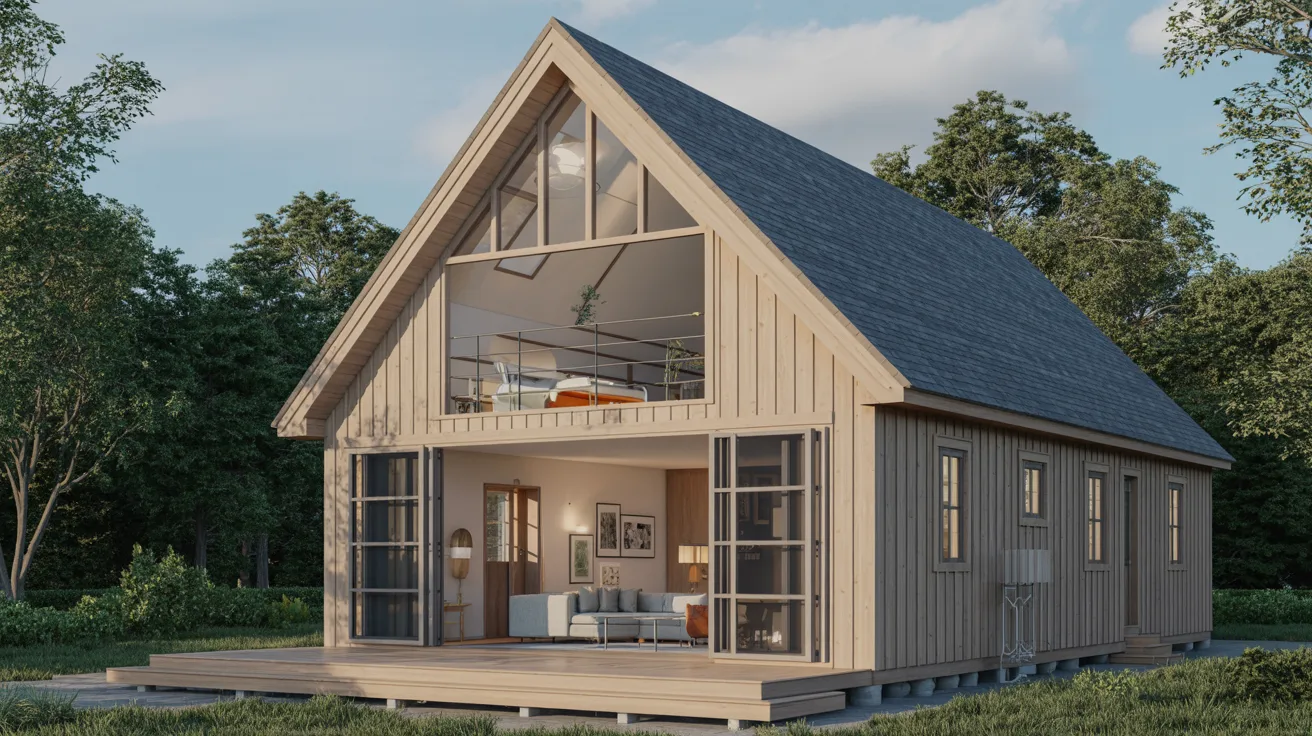
Adding a loft to a saltbox plan makes great use of the upper area beneath the sloping roof. The loft can serve as a bedroom, home office, or reading nook depending on your needs.
It's a smart way to add usable square footage without changing the footprint of the home. The open feel of a loft adds visual interest to the interior.
This option works especially well in taller two-story versions of the saltbox design.
5. Family-Friendly Saltbox Plan
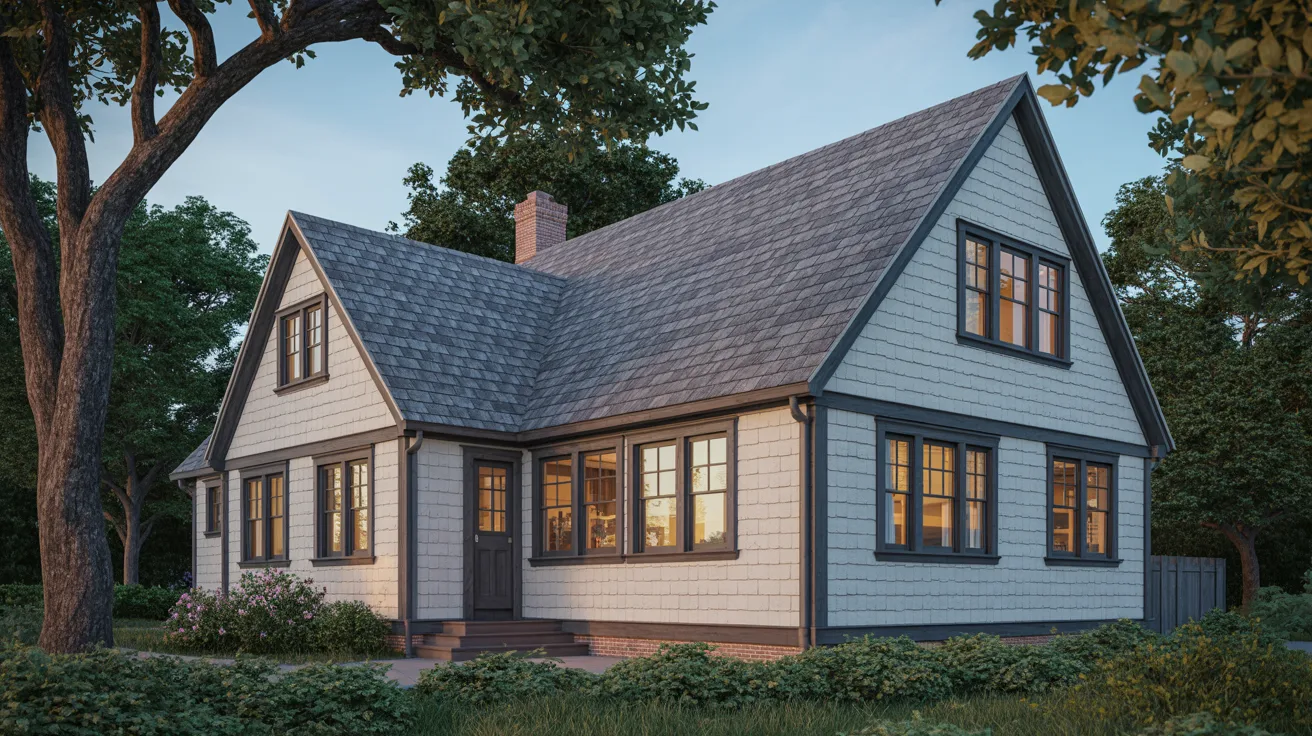
This layout gives families room to spread out and live comfortably. The main floor holds a large kitchen, dining area, and living room.
Upstairs, there are three or four bedrooms with shared baths and good storage throughout. A mudroom near the back entry keeps the main living areas clean and organized.
The saltbox roofline keeps everything under one cohesive structure. This plan balances function and comfort for everyday family life without overcomplicating the build.
6. Single-Story Saltbox Plan
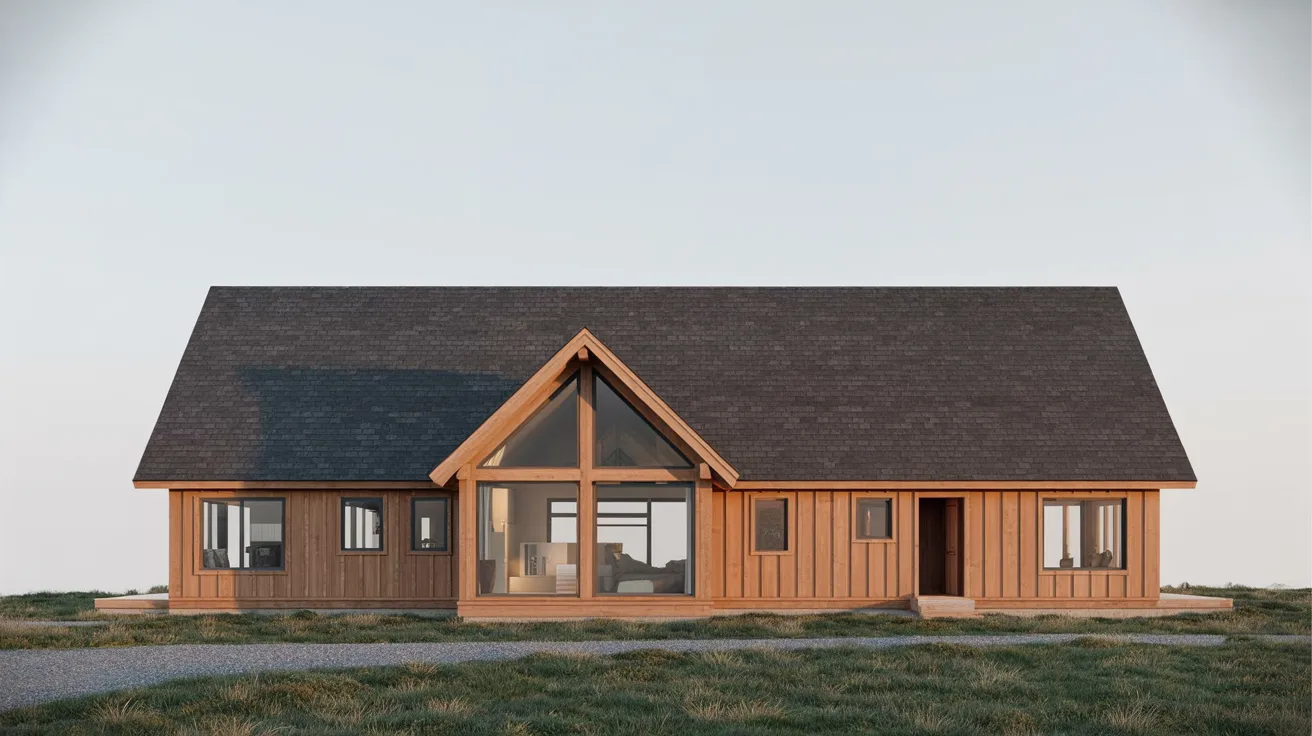
A single-story saltbox plan keeps all living on one level while still featuring the iconic sloping roof.
This layout is popular for aging-in-place homes and builds that need to stay fully accessible. Bedrooms, bathrooms, and living spaces all connect without any stairs.
The rear slope creates a low-profile back section that can house storage or utility rooms. It's one of the easier saltbox designs to build and works well on most lot shapes and sizes.
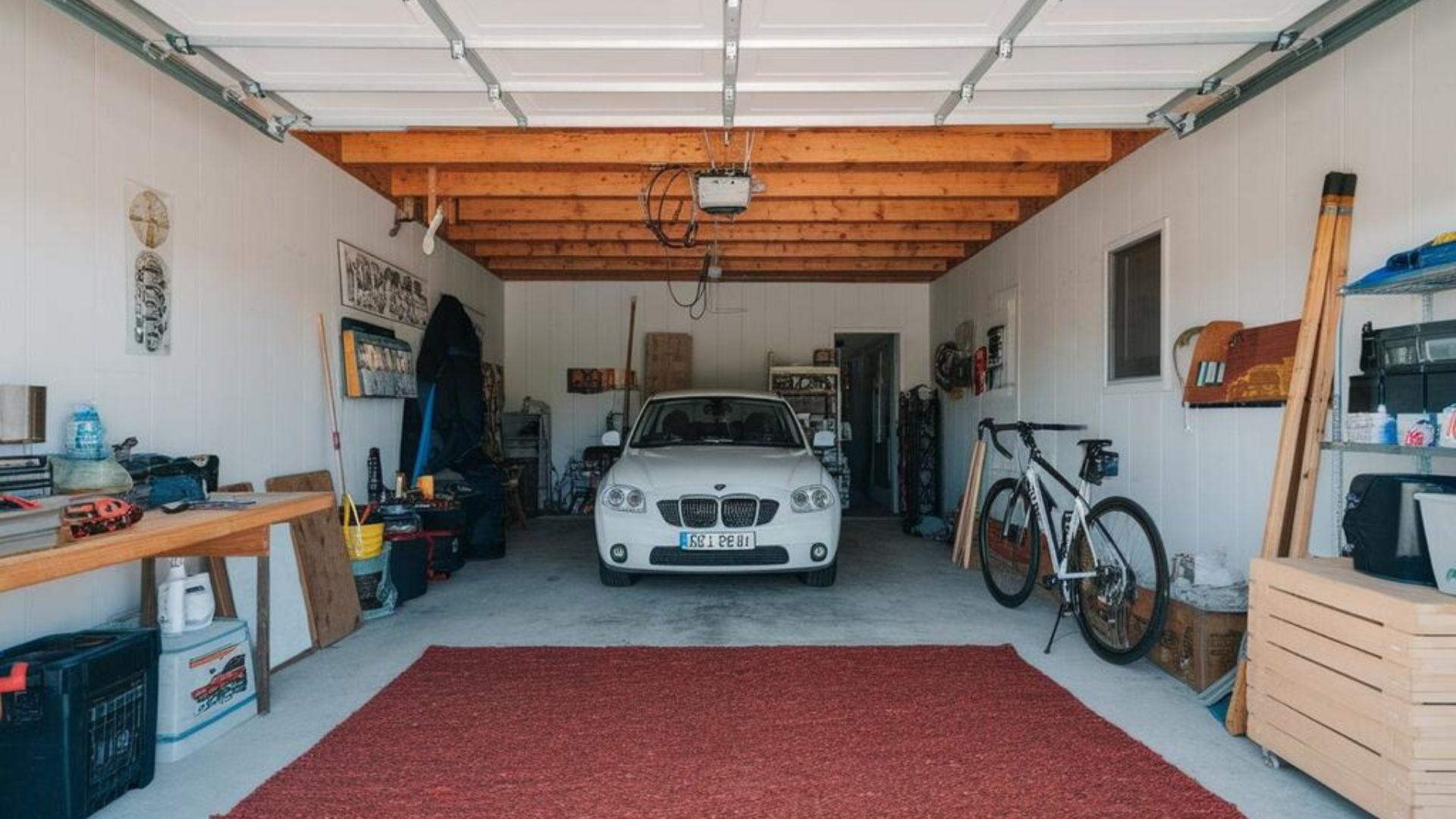
7. Saltbox Plan with Attached Garage
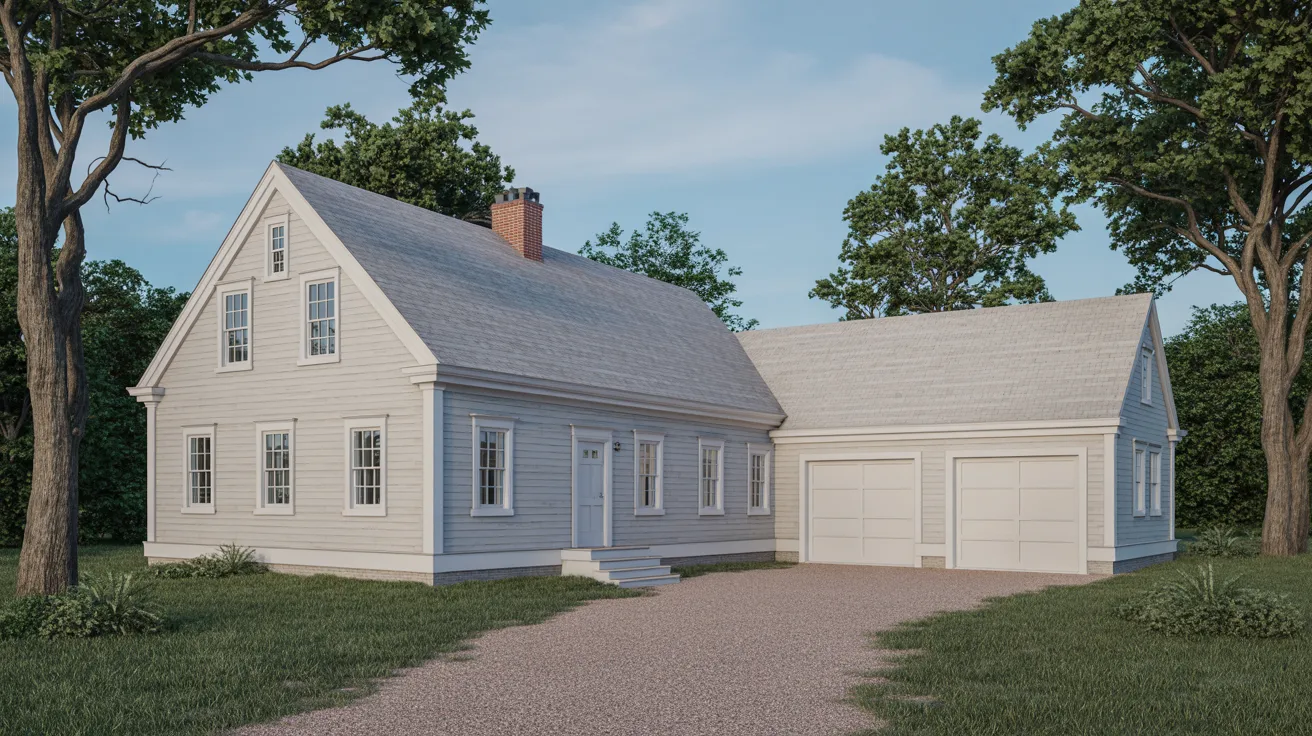
Adding a garage to a saltbox design is more common today than in traditional builds. The garage can attach to the side or front of the home without breaking the roofline.
It adds daily convenience and protects vehicles from rain, snow, and sun. Some plans extend the saltbox slope over the garage, keeping the exterior look consistent from all angles.
This is a practical update for modern families who need parking, workspace, and extra covered storage.
Tips for Building and Designing Saltbox Homes
These tips help you avoid common mistakes and build a saltbox home that holds up well over time.
- Plan the Roof Slope Carefully: Keep the rear slope steep enough to shed rain and snow quickly.
- Choose the Right Construction Method: Use timber or stick framing and always reinforce the long rear slope.
- Select a Strong Foundation: Pick slab, crawl space, or basement based on your budget and climate.
- Maximize Interior Space: Use low rear ceiling areas for built-in storage and multi-functional rooms.
- Improve Natural Light and Ventilation: Add dormer windows and skylights to brighten low rear areas.
A few smart choices during planning can make your saltbox home more functional and built to last.
Conclusion
Saltbox homes reward you the more you learn about them. I've always liked how this style stays practical and still looks great centuries later.
There's something honest about a home that works hard without trying to show off.
Start with the roof, work inward, and don't rush the planning phase.
Got questions about your saltbox architecture project? Drop a comment below. I'd love to hear what you're building.
Share this guide with someone who needs it.
Frequently Asked Questions
What is a saltbox style home?
It's a traditional New England house with a long, low-sloping asymmetrical roof at the rear.
Why is it called a saltbox house?
The shape resembles old wooden salt storage boxes with a slanted lid.
Are saltbox homes energy efficient?
Yes, the steep roof and compact shape provide good insulation and weather resistance.
What is the average cost to build a saltbox home?
Costs range from $150,000 to $400,000 depending on size and location.
Can I build a saltbox home on a small lot?
Yes, compact and single-story plans work well on smaller lots.