
I remember walking into a commercial building that felt completely wrong. Dark, cramped, and hard to move through.
Then I walked into one that felt effortless. Same city. Same purpose. A totally different experience.
That difference always comes down to one thing:design.
In this article, I break down 15+ commercial building design ideas that actually solve real problems.
You will find practical inspiration, clear guidance, and ideas you can act on, all backed by trusted industry principles. My goal is to help you build something people notice.
Let's get started.
Why Innovation and Creativity Matter in Commercial Buildings
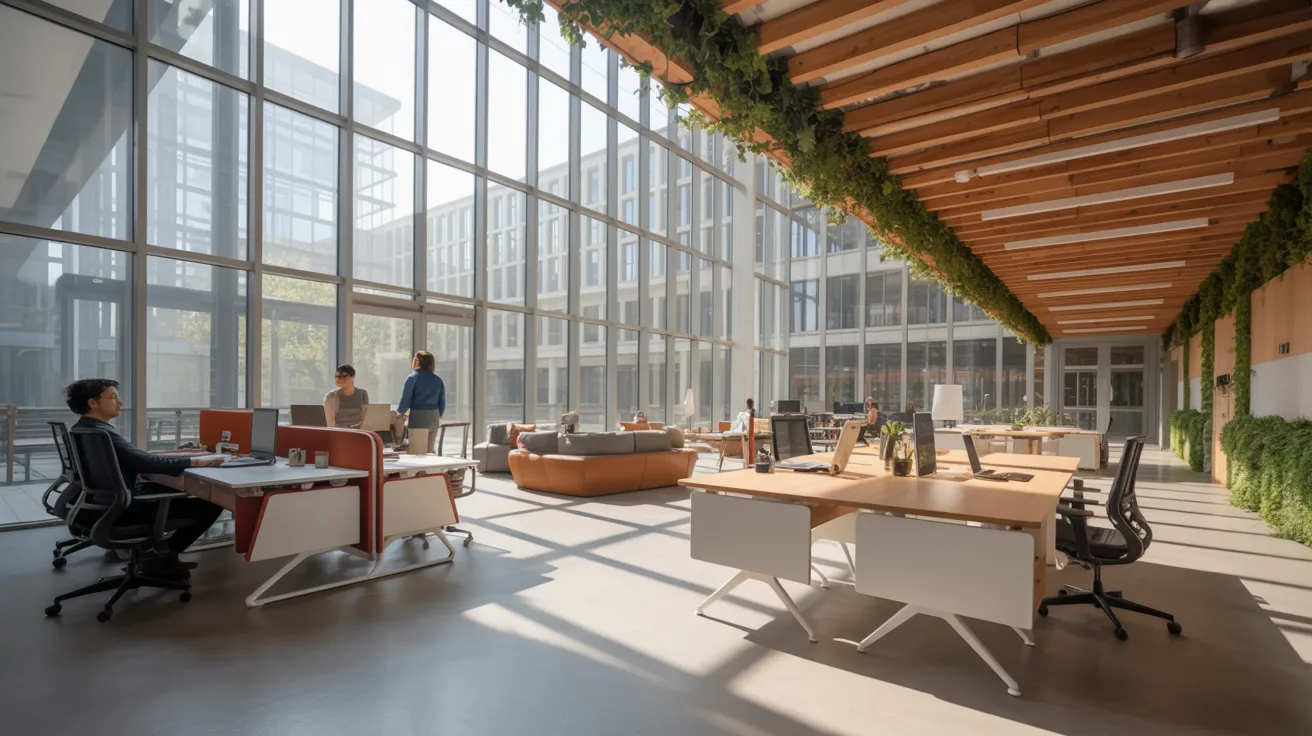
Good design is not just about looks. It shapes how people feel, work, and connect inside a space.
A well-designed commercial building attracts more clients, keeps employees motivated, and reflects a brand's values clearly.
When a building is planned with purpose, every corner serves a function.
Creativity in commercial design also solves real problems, like poor lighting, wasted space, or low energy efficiency.
Buildings that think forward cost less to run and stand the test of time. Innovation is not optional anymore. It is what separates great commercial spaces from average ones.
List of 15+ Commercial Building Design Ideas
Here are the top commercial building design ideas worth knowing about right now.
1. Open-Concept Layouts
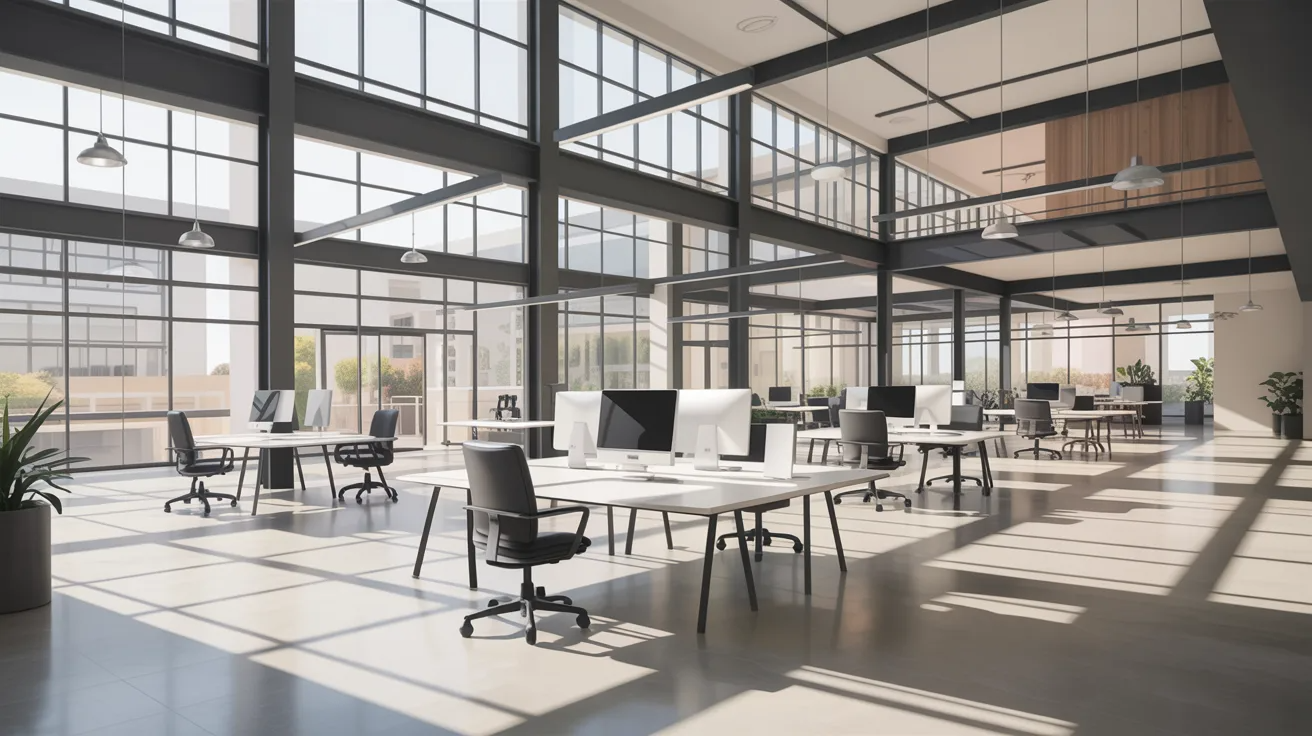
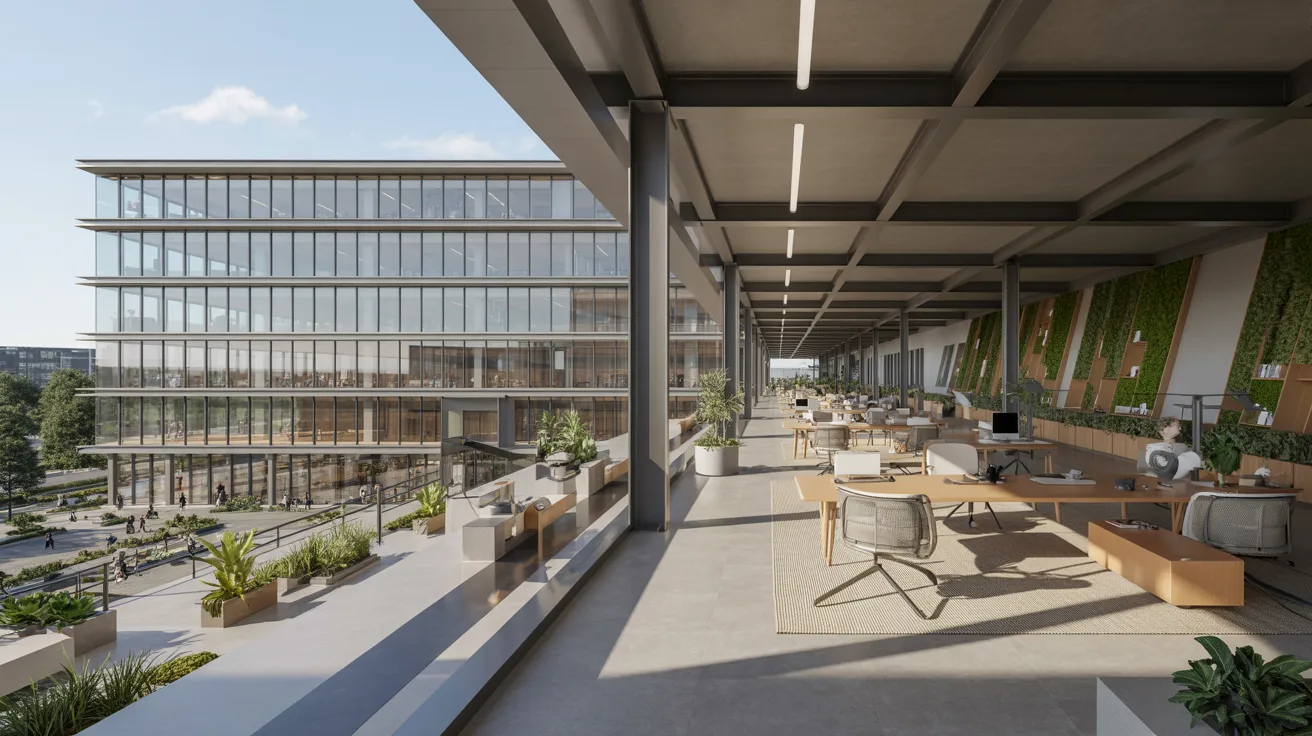
Open layouts remove unnecessary walls and let natural light flow through the space.
They create a sense of openness that makes employees feel less confined. These layouts work well for offices, retail spaces, and co-working environments.
They also make it easier to reconfigure the space as needs change over time.
2. Sustainable & Eco-Friendly Architecture
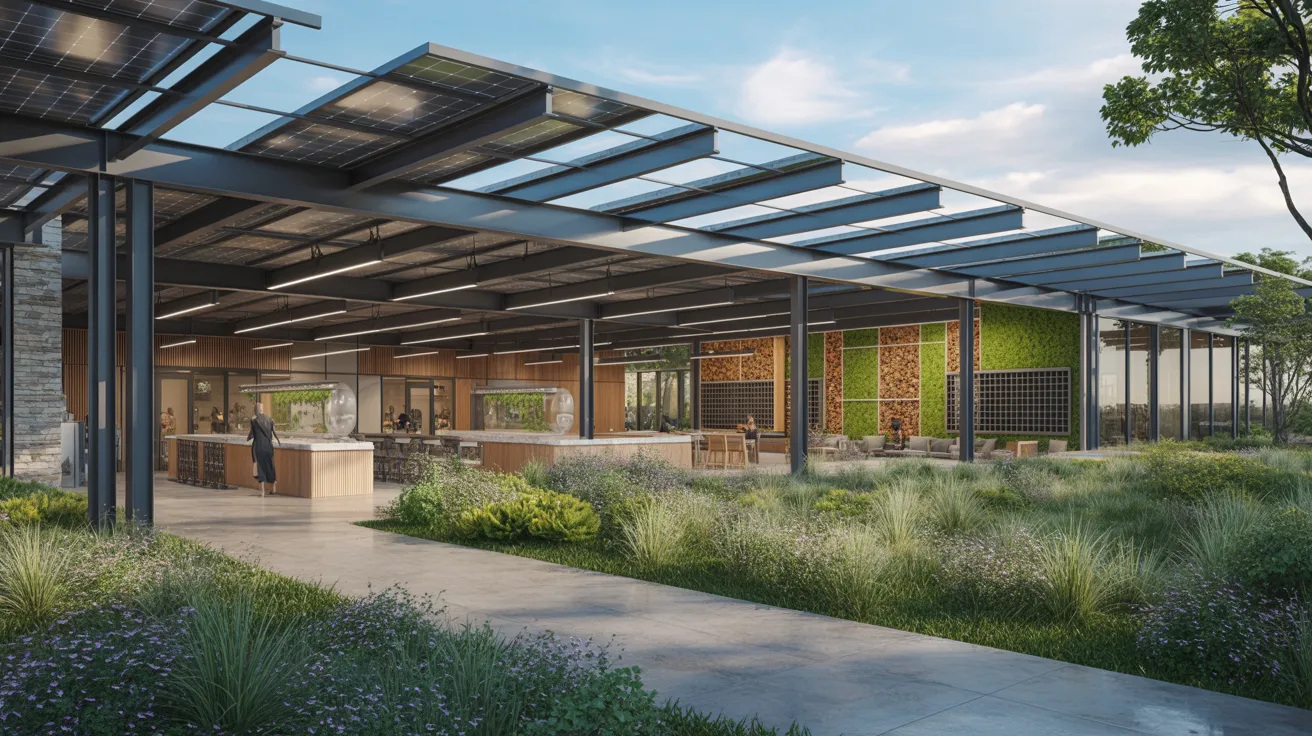
Green building design uses materials and systems that reduce environmental impact.
Think solar panels, rainwater harvesting, and recycled building materials. Sustainable commercial buildings lower utility costs over time.
They also attract clients and tenants who care about the environment. This design approach is growing fast across all industries.
3. Biophilic Design with Natural Elements
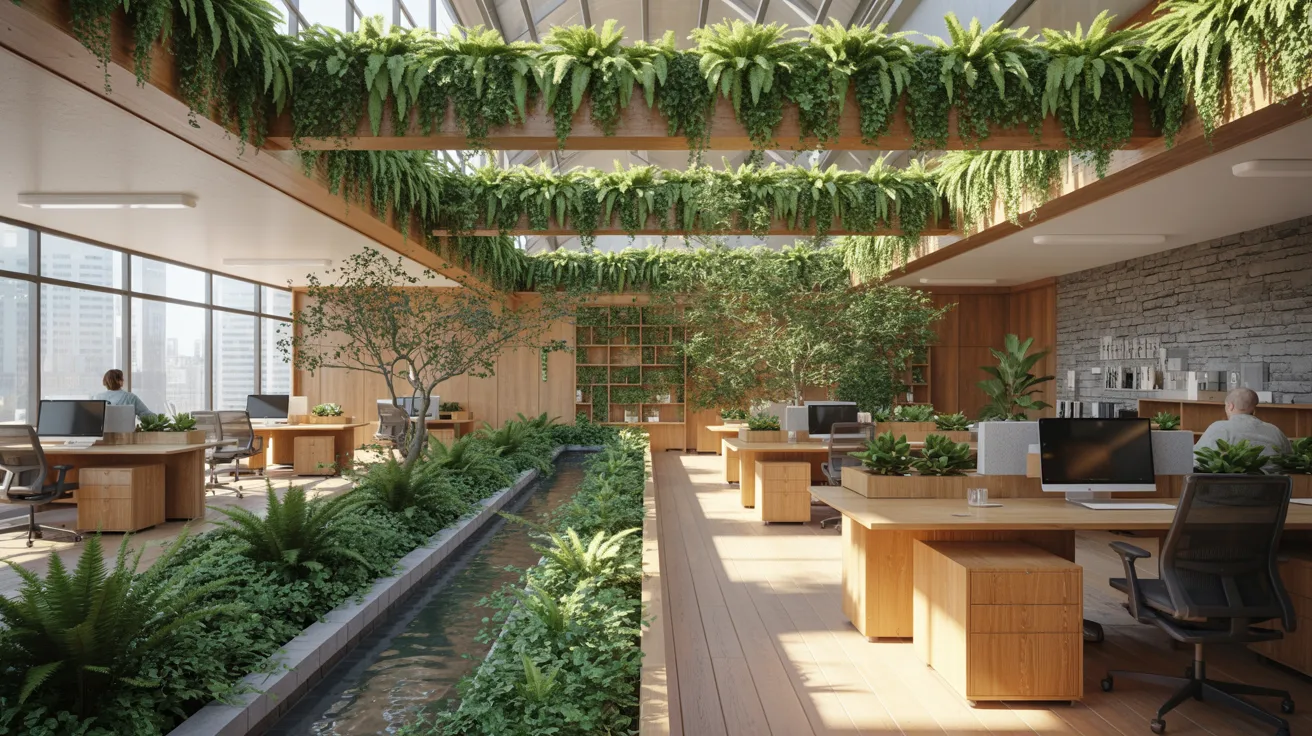
Biophilic design brings nature inside the building. It uses plants, natural light, wood textures, and water features.
Studies show that people feel calmer and more focused in spaces with natural elements.
For commercial spaces, this means better productivity and a more welcoming atmosphere for visitors.
4. Smart Technology & Automation Integration
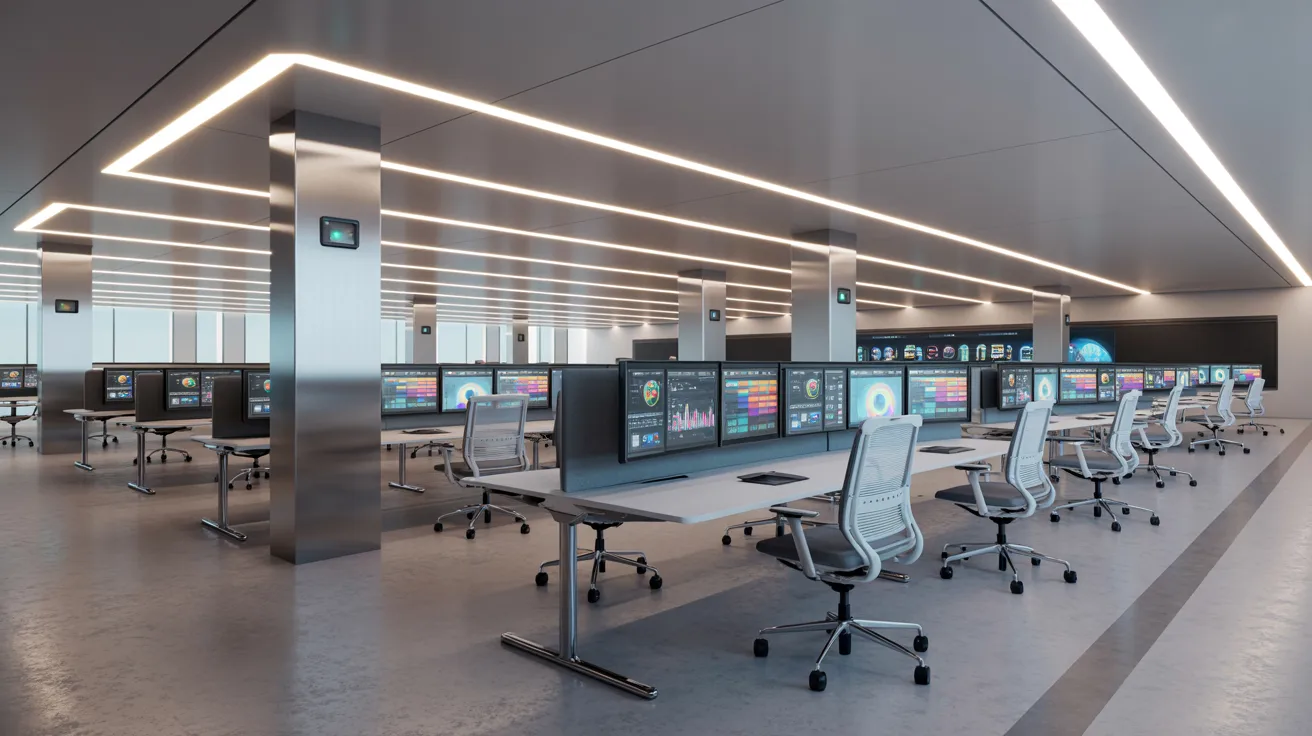
Smart buildings use sensors, automated lighting, climate control, and security systems. These systems respond to how people use the space in real time.
Energy gets used only when needed. Costs go down. Comfort goes up.
Smart technology also makes it easier to manage large commercial properties from a single dashboard.
5. Creative & Dynamic Facades
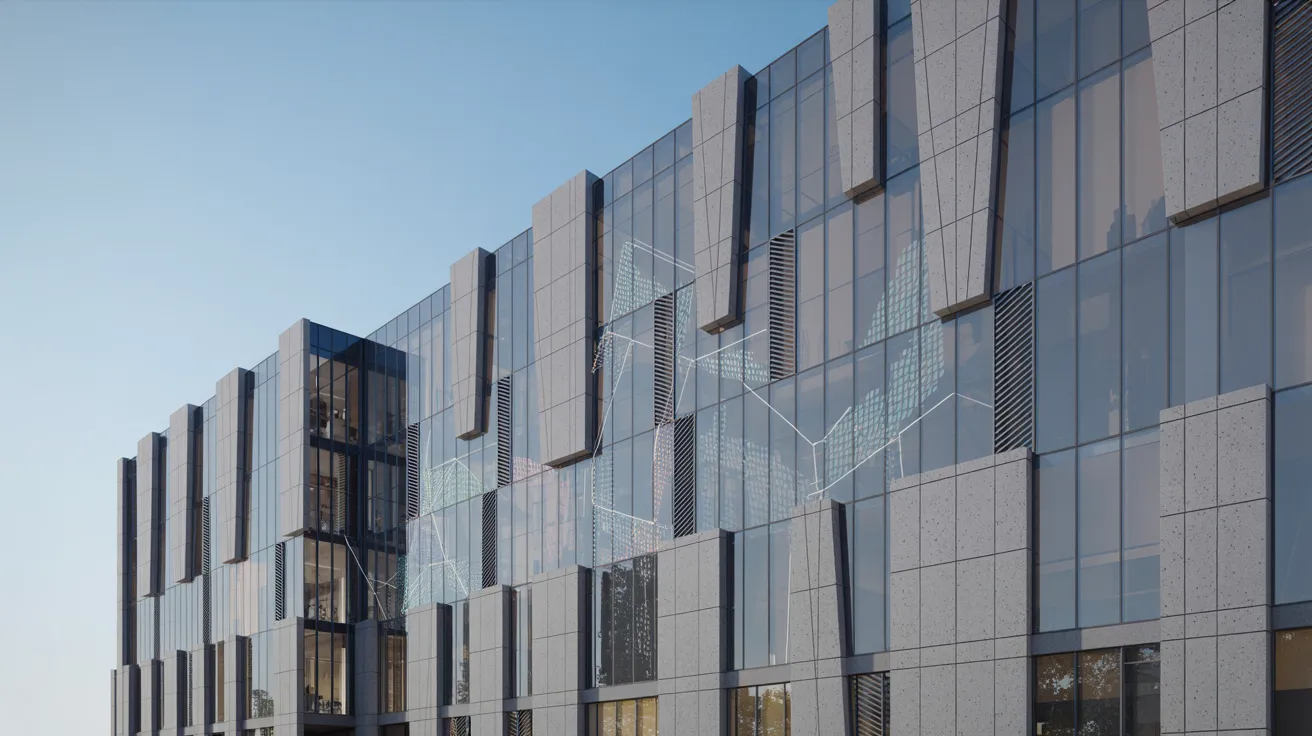
A building's exterior is its first impression. Dynamic facades use patterns, textures, and materials that shift with light and season.
Some facades are interactive or change based on weather conditions.
A strong exterior design builds brand recognition and makes a commercial property stand out on any street.
6. Adaptive Reuse of Historic or Old Buildings
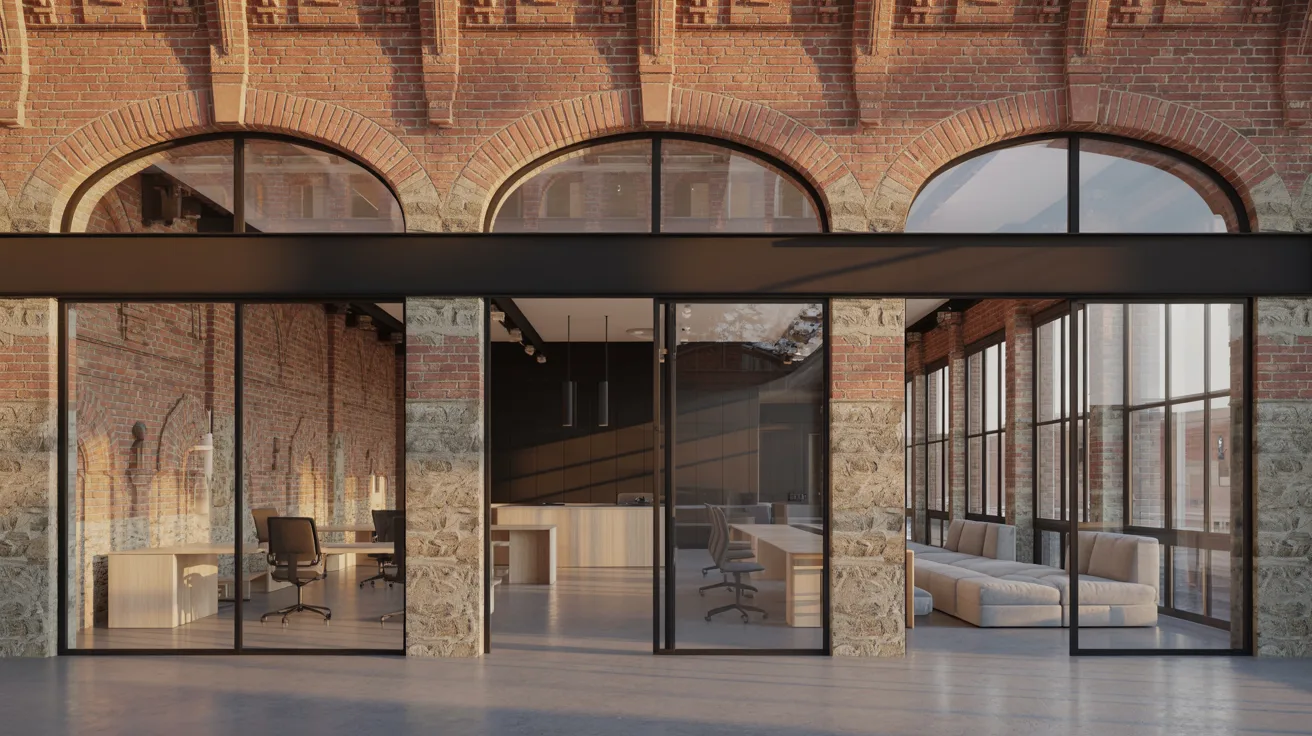
Adaptive reuse means taking an old structure and giving it a new commercial purpose. A factory becomes an office.
A warehouse becomes a retail hub. This approach saves construction costs and keeps the character of the original building.
It is also a more sustainable option than full demolition and rebuild.
7. Flexible & Modular Office Spaces
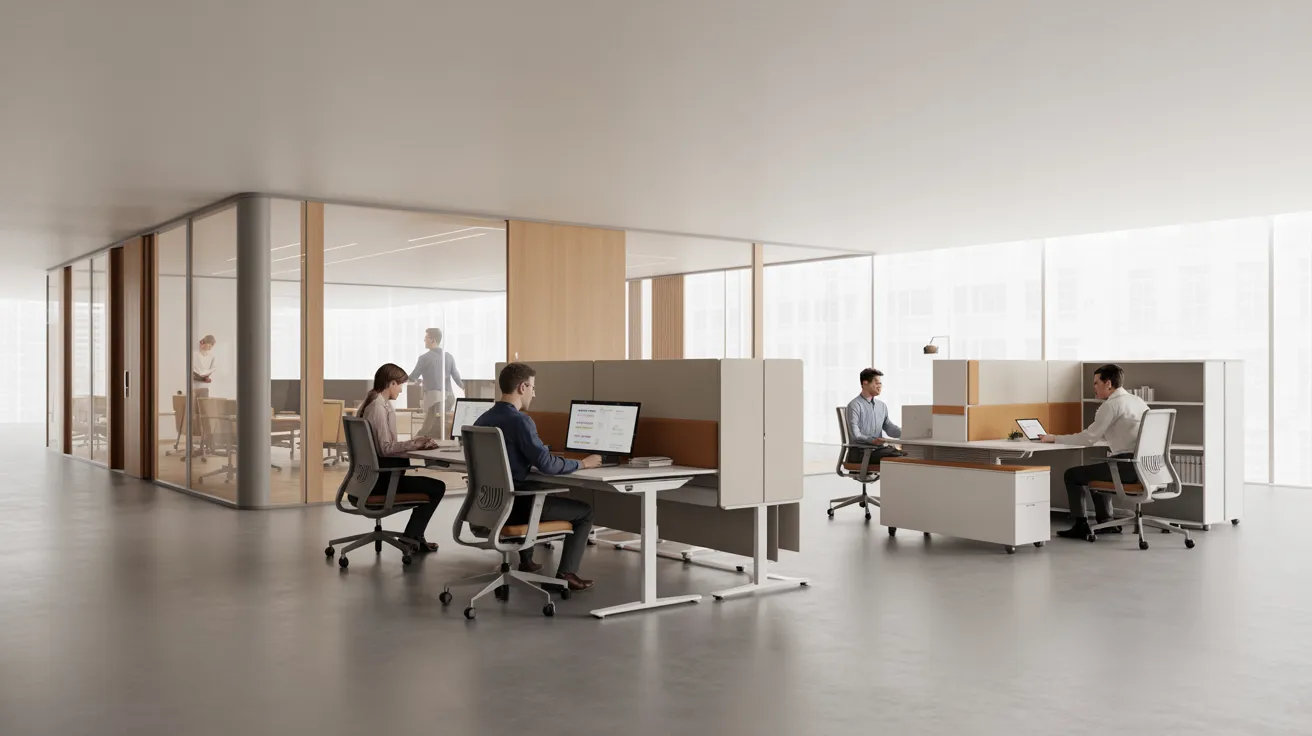
Modular spaces can be rearranged quickly based on changing business needs. Movable walls, stackable furniture, and plug-and-play systems make this possible.
A modular office can serve ten employees today and thirty next month.
This flexibility is valuable for growing businesses that do not want to relocate constantly.
8. Outdoor Workspaces and Rooftop Gardens
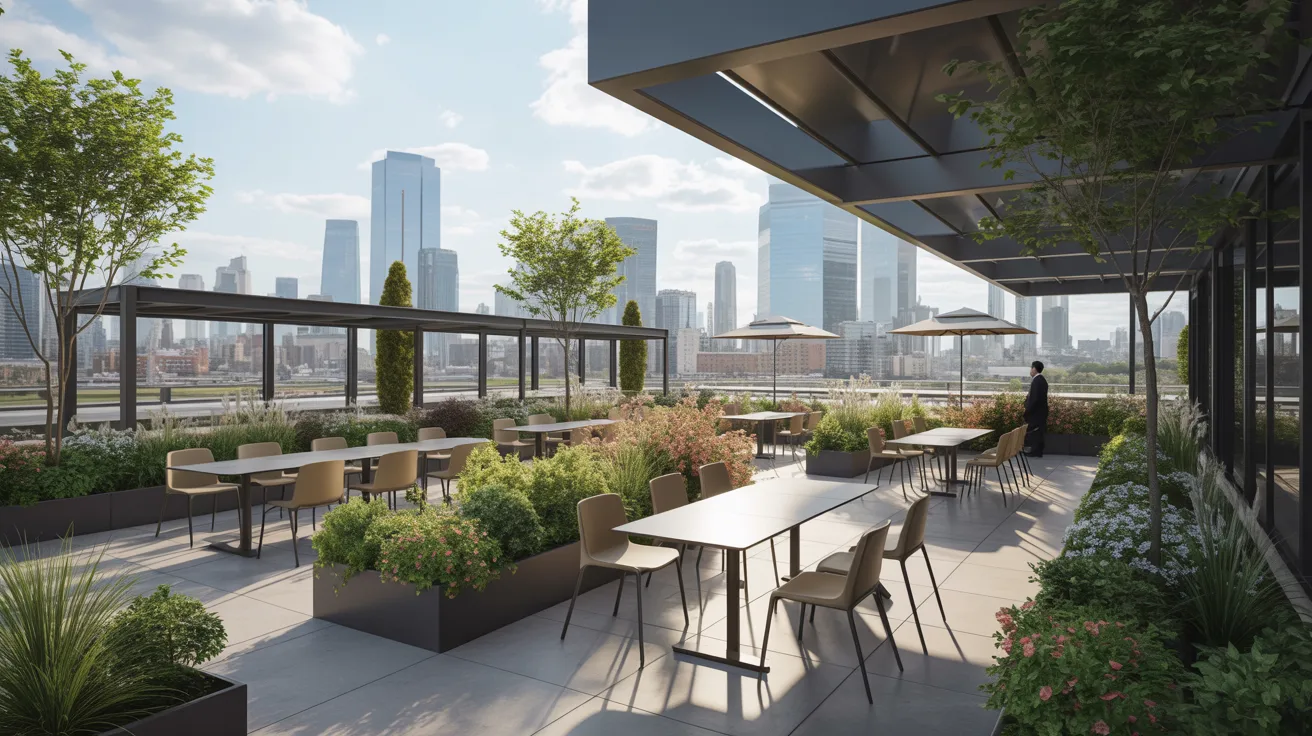
Rooftop gardens and outdoor work areas add usable square footage to any commercial property.
Employees benefit from fresh air and natural surroundings during the workday. Outdoor spaces also serve as event areas, green spaces, or casual meeting zones.
They increase property value and improve overall well-being for building occupants.
9. Unconventional Shapes & Organic Architecture
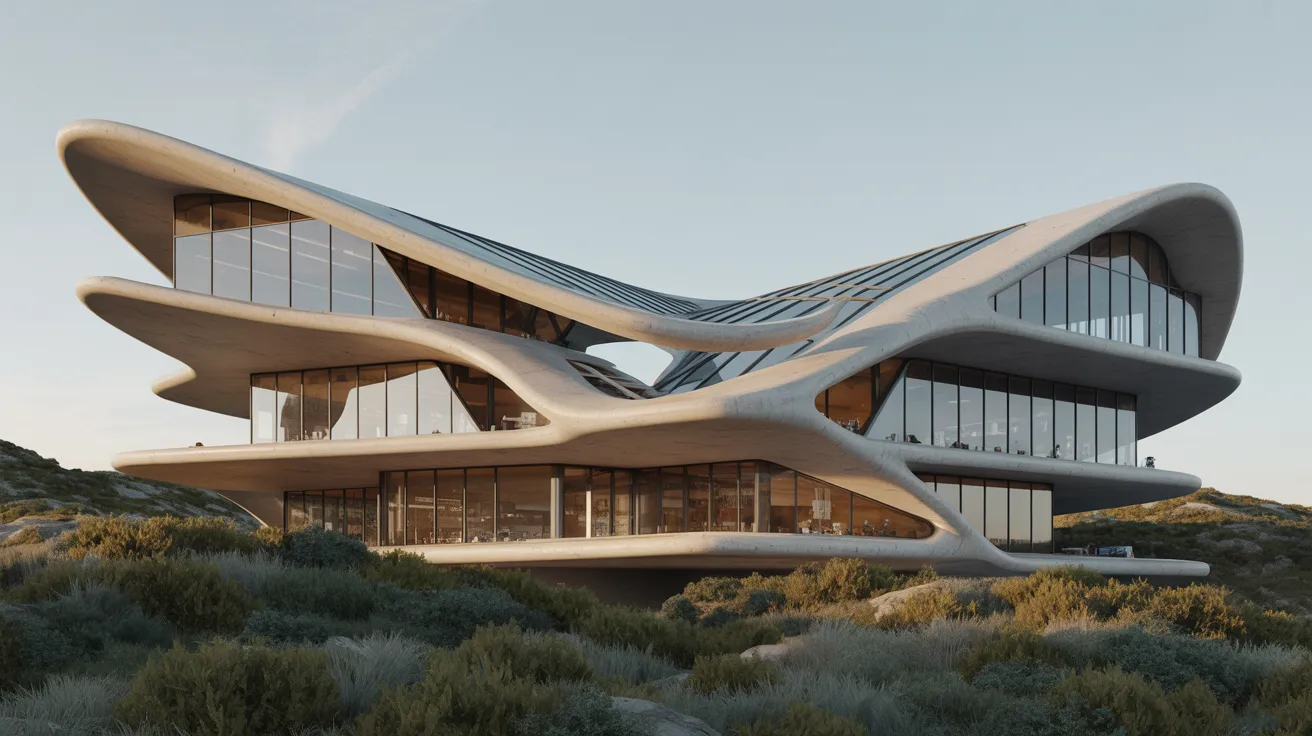
Not every building needs to be a rectangle. Organic shapes, curved walls, and bold geometric forms make a commercial property memorable.
These designs are often used for museums, showrooms, and corporate headquarters.
When done well, the shape of the building itself communicates the brand's personality.
10. Minimalist, Sleek, and Clean Design
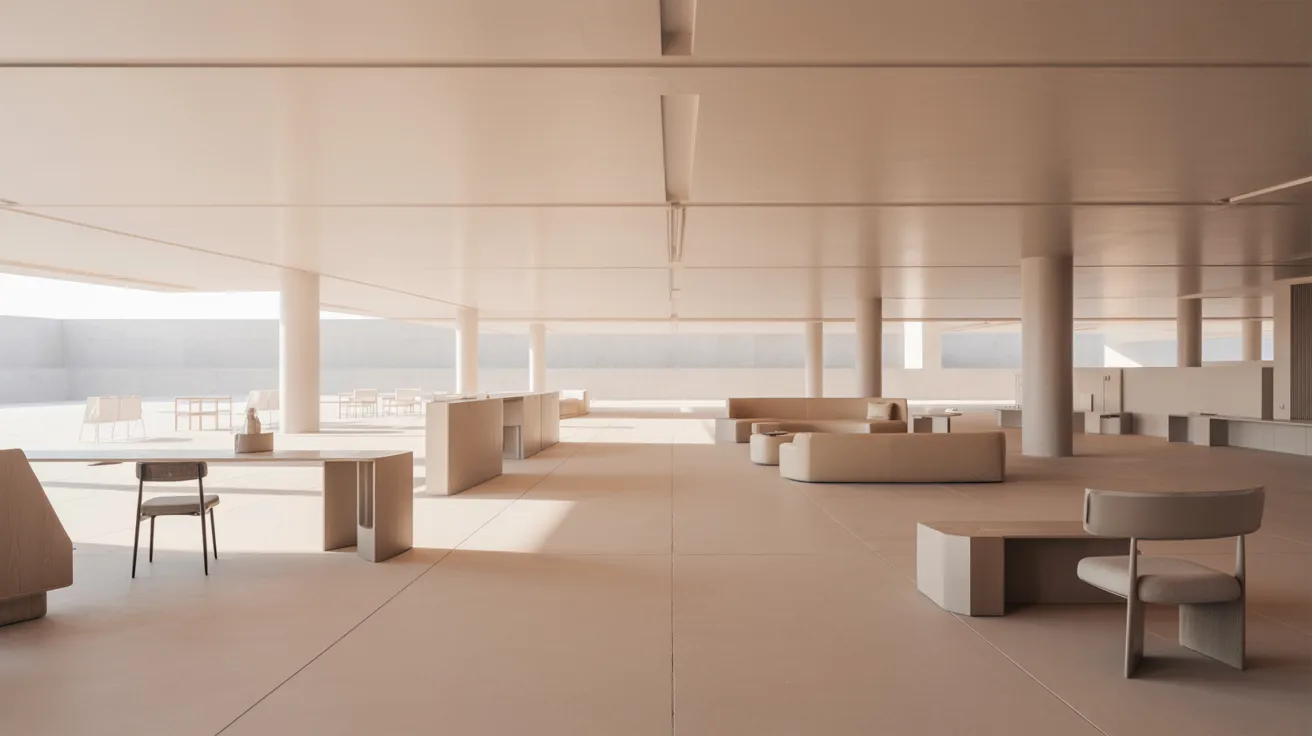
Less can be more. Minimalist commercial design uses clean lines, neutral colors, and uncluttered spaces.
This approach reduces visual noise and helps people focus. It works well in medical offices, tech companies, and high-end retail.
Minimalism also makes maintenance easier since there are fewer complex elements to manage.
11. Integrated Exterior-Interior Branding & Themes
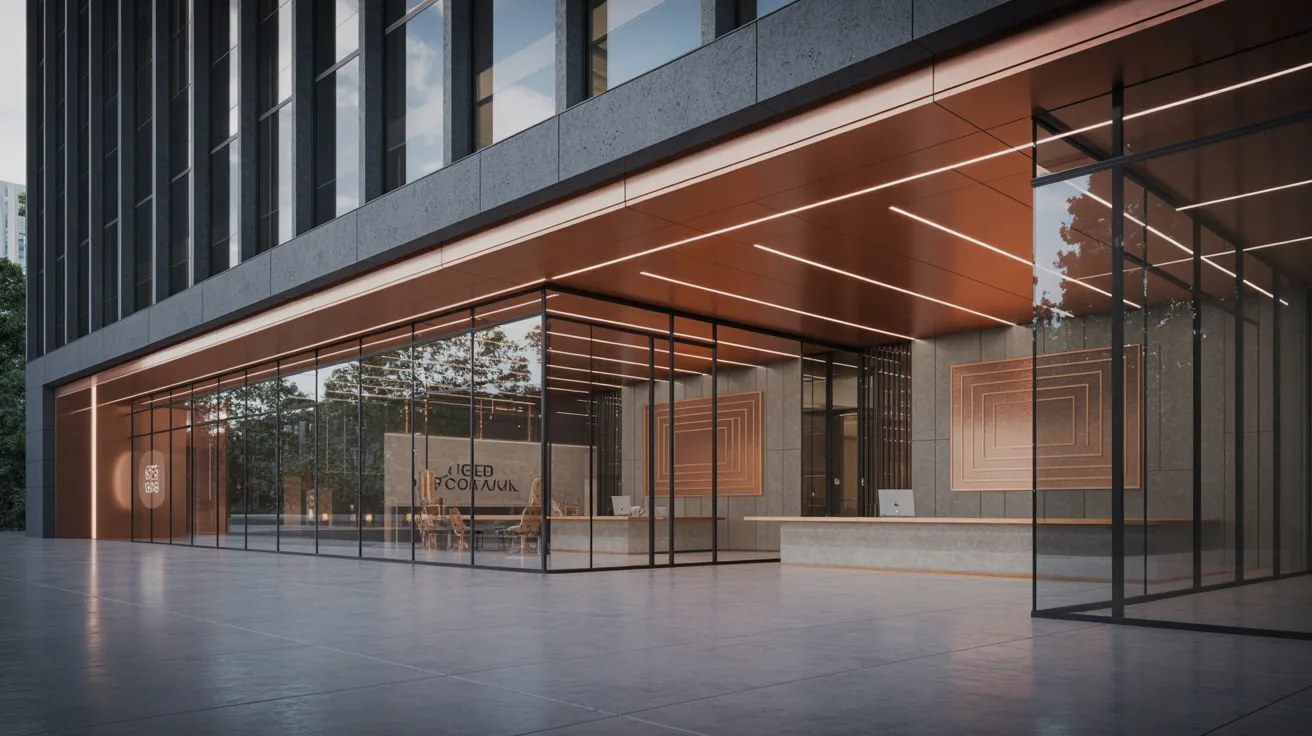
Strong commercial spaces carry a consistent brand from the outside in. The colors, materials, and signage all tell the same story.
Branding is not just a logo on a wall. It is the feeling you get the moment you walk in.
Integrated design makes sure every surface supports the brand experience.
12. Digital & Interactive Signage Integration
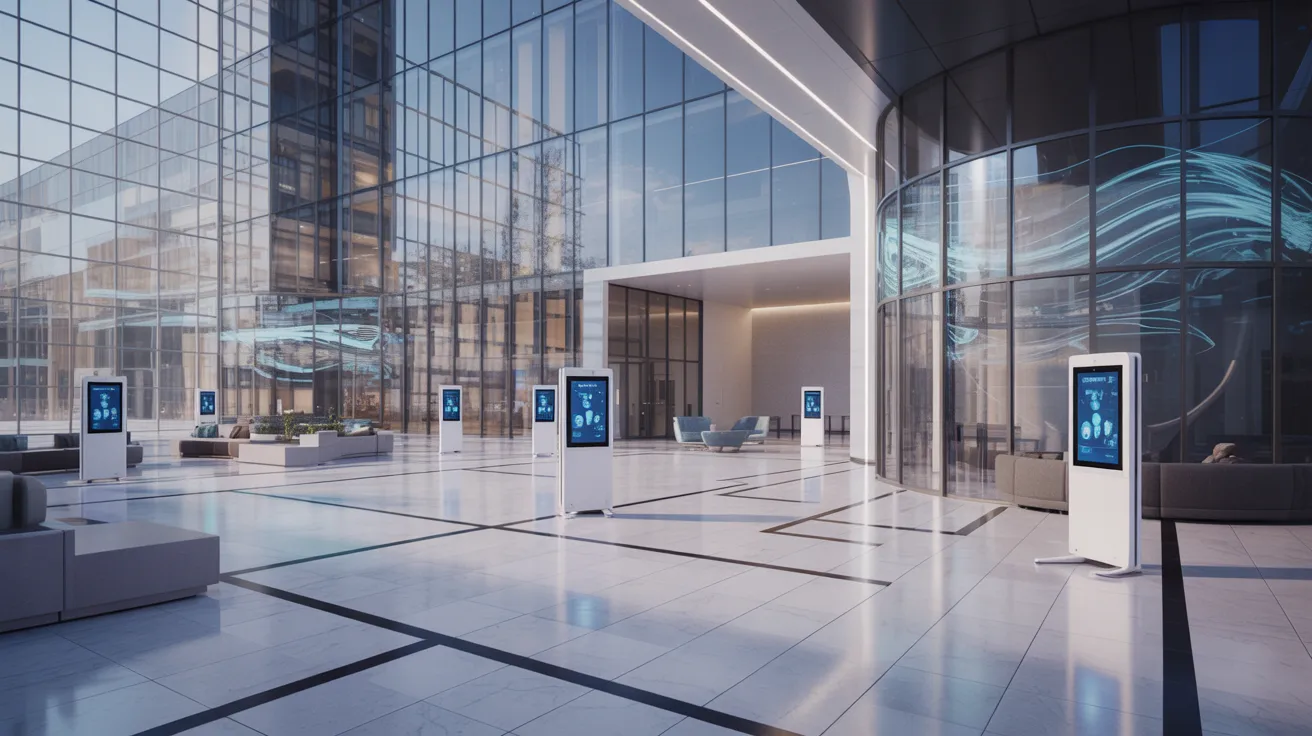
Digital signage replaces static signs with screens that update in real time. Interactive displays let visitors find information, check schedules, or engage with content.
These systems improve communication inside large commercial buildings.
They also create a modern, forward-thinking impression for anyone who enters the space.
13. Mixed-Use Development Concepts
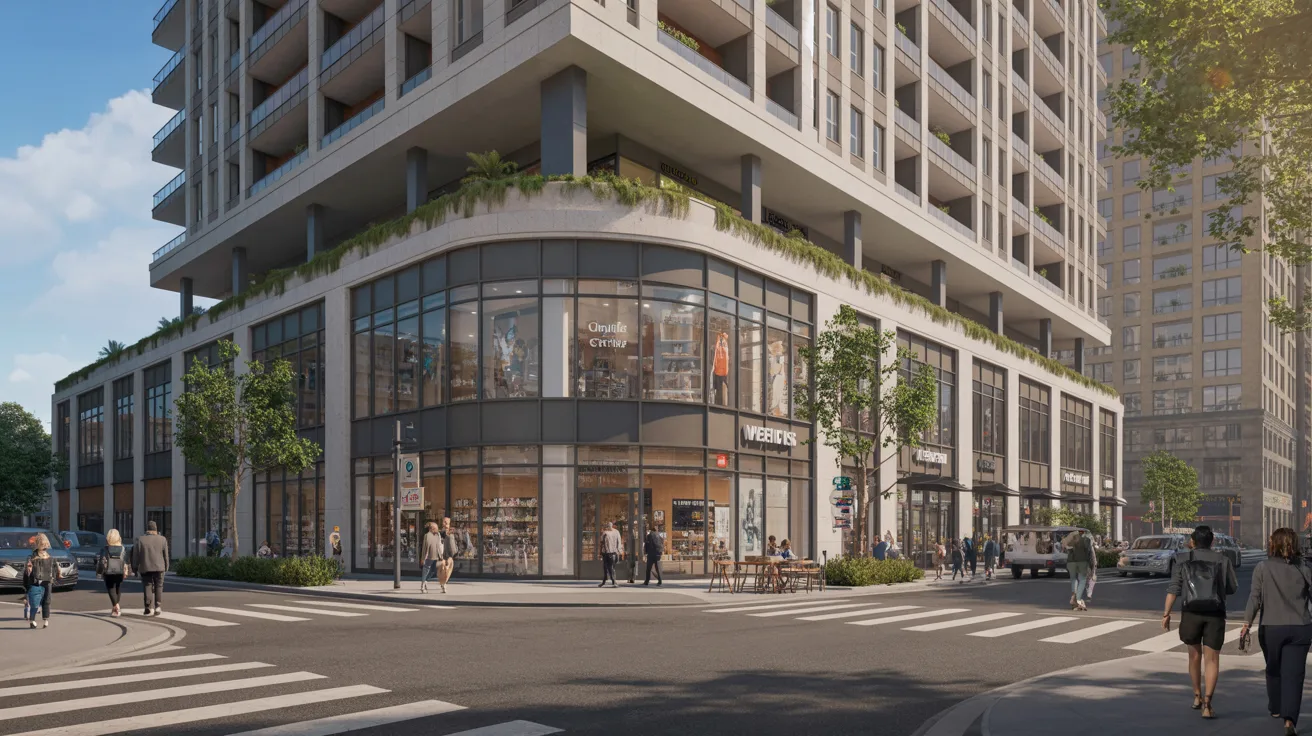
Mixed-use buildings combine retail, office, and residential spaces in one structure.
This model reduces commute times and creates built-in foot traffic for commercial tenants. It is especially popular in urban areas where land is limited.
Mixed-use developments also build stronger communities by putting daily needs within walking distance.
14. Textured Cladding & Innovative Materials
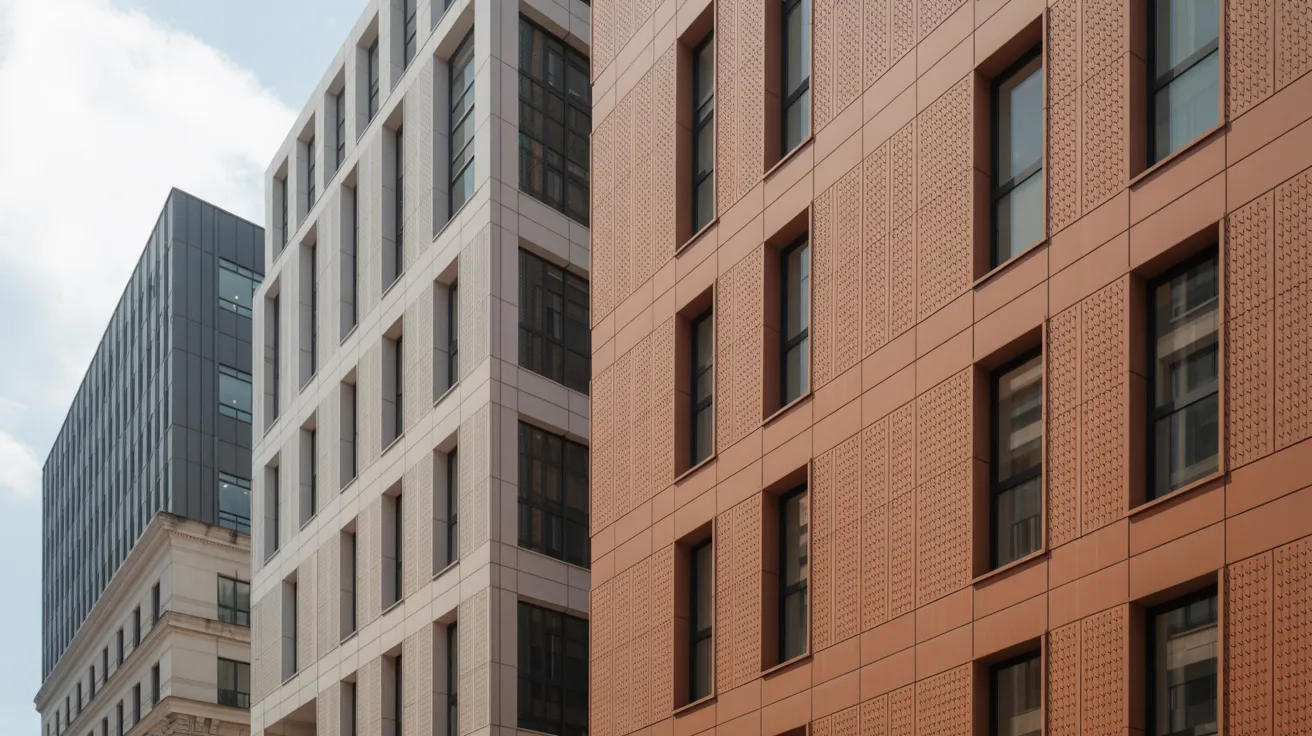
Building cladding is no longer just protective. Modern cladding materials like perforated metal, terracotta panels, and fiber cement create bold visual effects.
Textured surfaces add depth to flat facades. New materials also perform better against weather, heat, and moisture compared to older options.
15. Wellness-Focused & Human-Centric Interiors
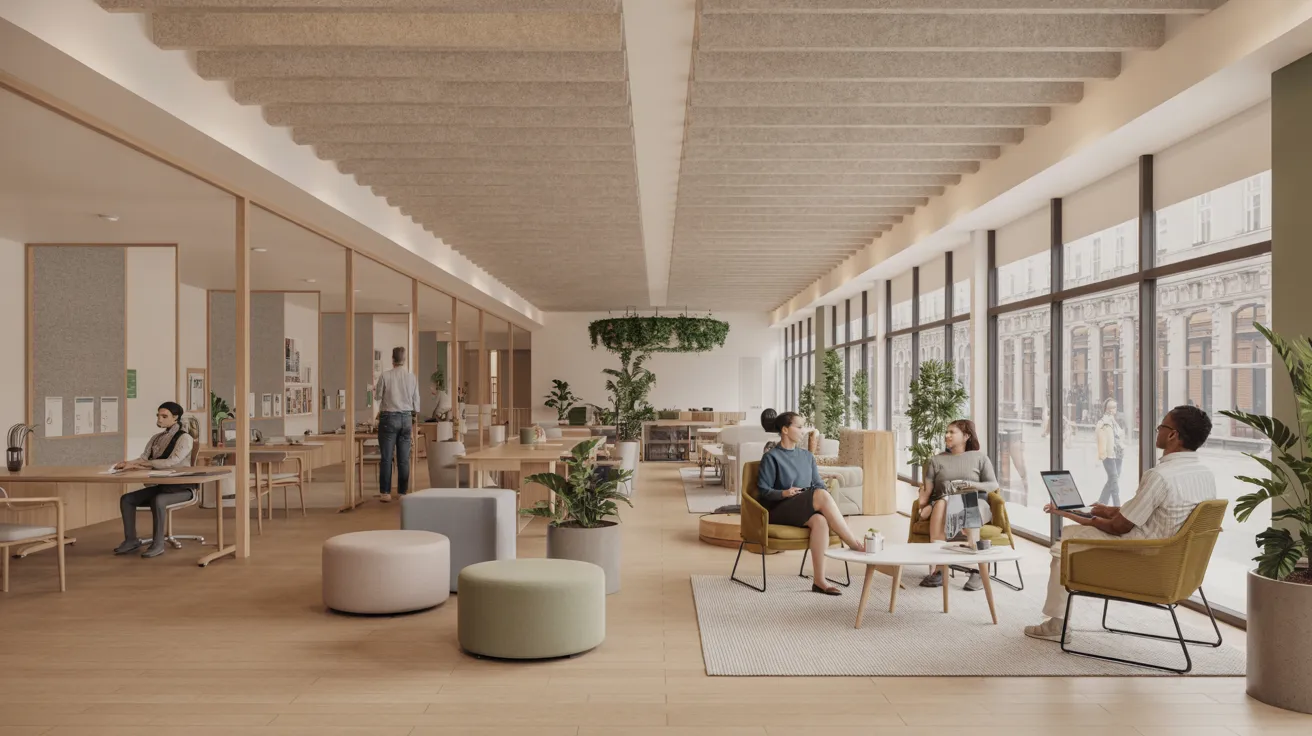
Human-centric design puts people's physical and mental well-being first. This includes ergonomic furniture, proper air quality systems, acoustic panels, and calming color palettes.
A wellness-focused commercial space reduces stress and supports better health outcomes.
Businesses that invest in this see lower turnover and higher employee satisfaction.
16. Experiential Design Features
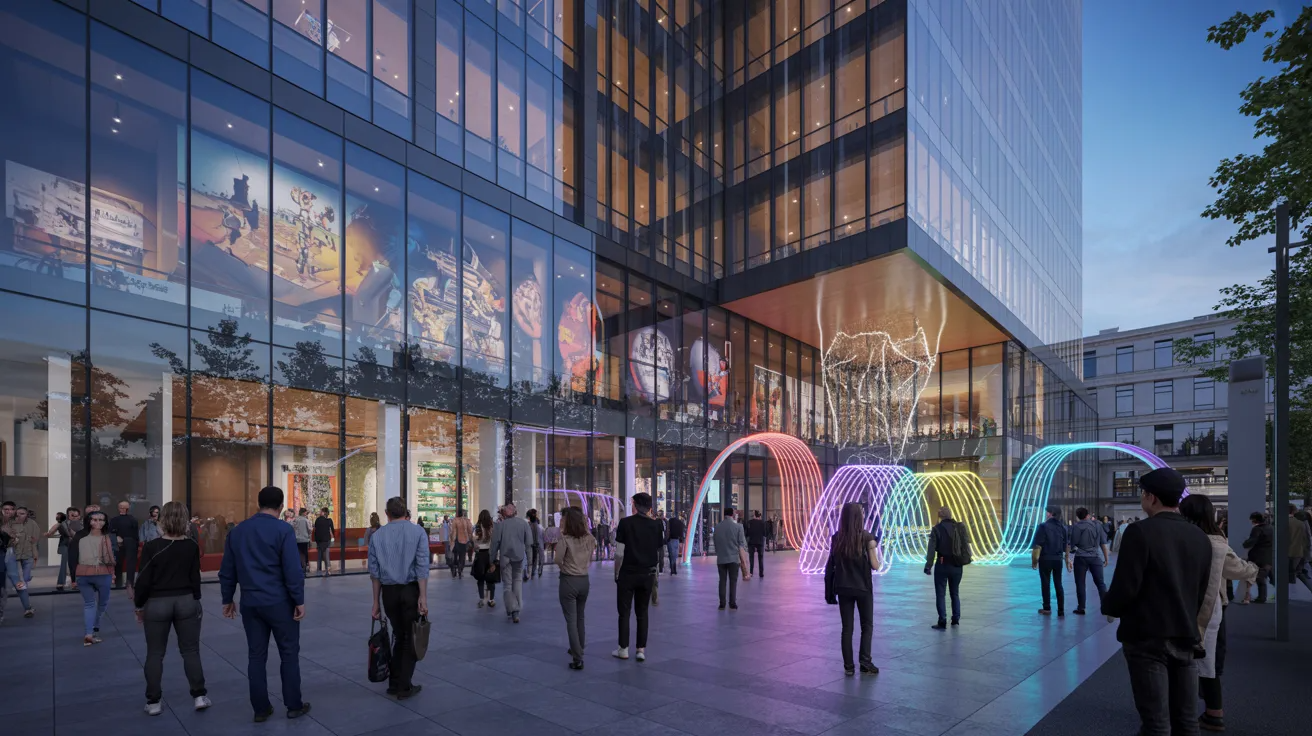
Experiential design turns a building into something people want to talk about. Think interactive art installations, themed interiors, or spaces that shift based on the time of day.
These features create strong memories and encourage repeat visits.
Retail stores, hotels, and entertainment venues use this approach to build loyal audiences.
17. Futuristic Materials and 3D-Printed Architecture
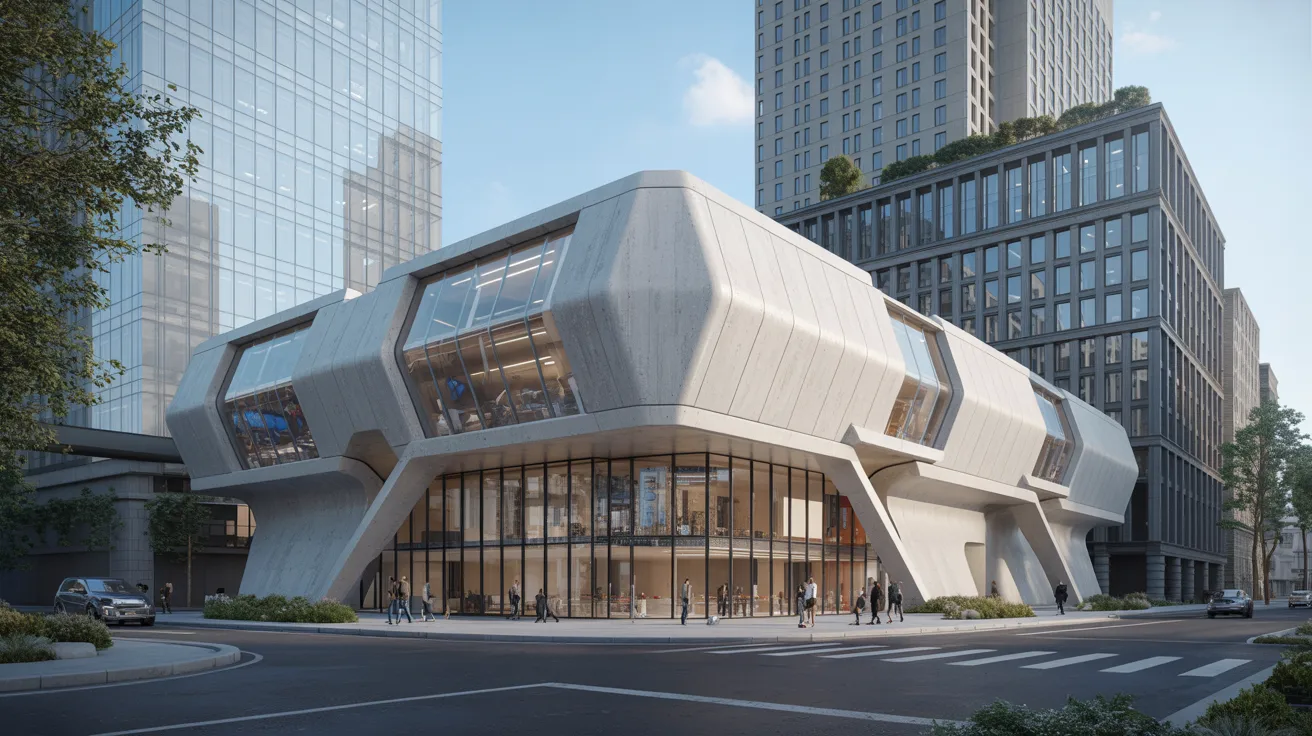
3D printing is changing how commercial buildings are built. Entire wall sections and structural components can now be printed with precision.
Futuristic materials like self-healing concrete and transparent aluminum are moving from labs to real projects.
These advances cut construction time and open new possibilities in commercial design.
Tips for Innovative Commercial Design
Smart choices early on save money and headaches later. Keep these tips in mind.
- Start with the user in mind:Design for the people who will use the space daily, not just for appearances.
- Balance creativity with function:A bold design that does not work practically is not good design.
- Work with experienced professionals:Good commercial design needs engineers, designers, and contractors on the same page from day one.
- Plan for future changes: Build in flexibility so the space can grow and shift with your business.
- Think about long-term costs: Materials and systems that cost more upfront often save money over the life of the building.
Great commercial design is about making smart, informed decisions at every step.
Conclusion
A well-designed commercial space does not need the biggest budget. It needs the right thinking.
You now have 15+ commercial building design ideas to work with. Pick one that fits your project and start there. Small decisions lead to big results.
Found this helpful? Drop a comment below and tell me which idea stood out to you.
Share this with someone planning a commercial build. They will thank you for it.
Frequently Asked Questions
What is the most cost-effective commercial building design idea?
Adaptive reuse cuts demolition and foundation costs, making it the most budget-friendly option.
How does biophilic design help a commercial space?
It improves focus, lowers stress, and makes the space more welcoming for everyone inside.
Can small commercial buildings use modular design?
Yes, modular layouts allow quick changes without major renovation costs.
What materials are trending in commercial building facades?
Perforated metal panels, terracotta cladding, and fiber cement boards are popular right now.
How do smart building systems save money?
They automate lighting and climate control based on real-time use, cutting energy waste significantly.