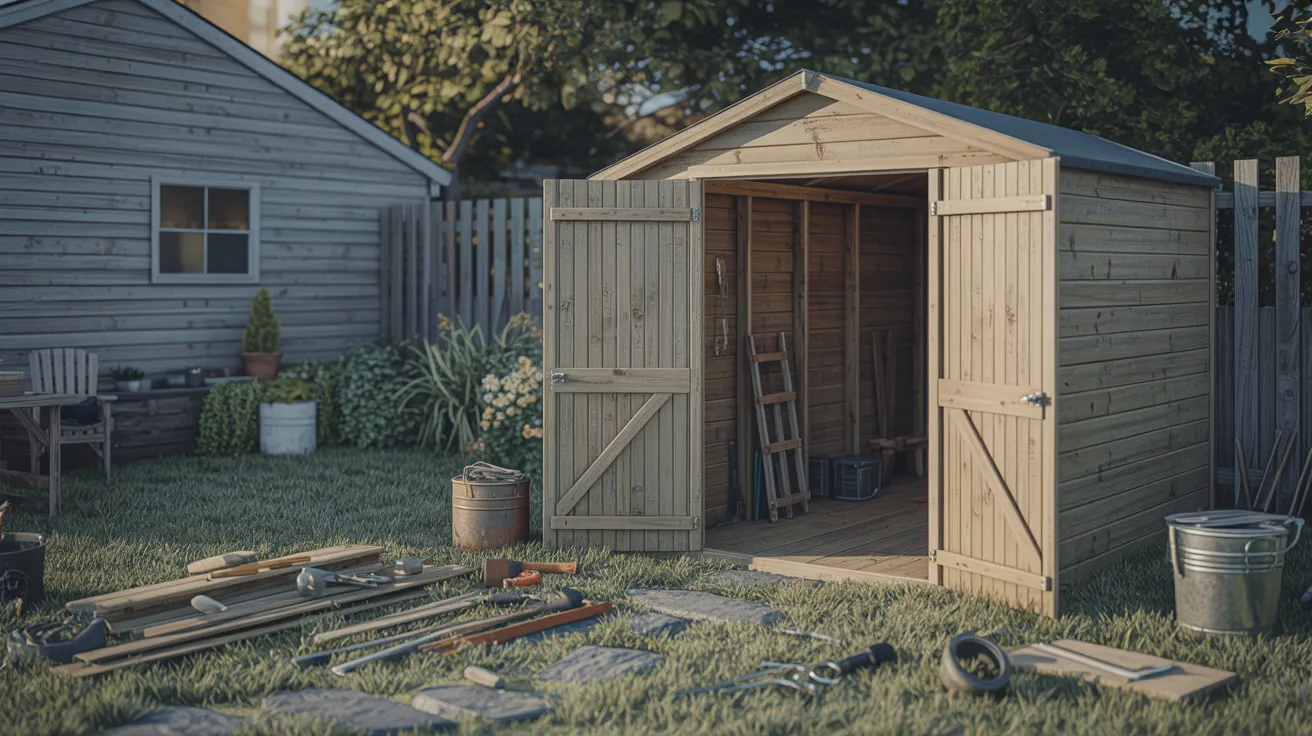

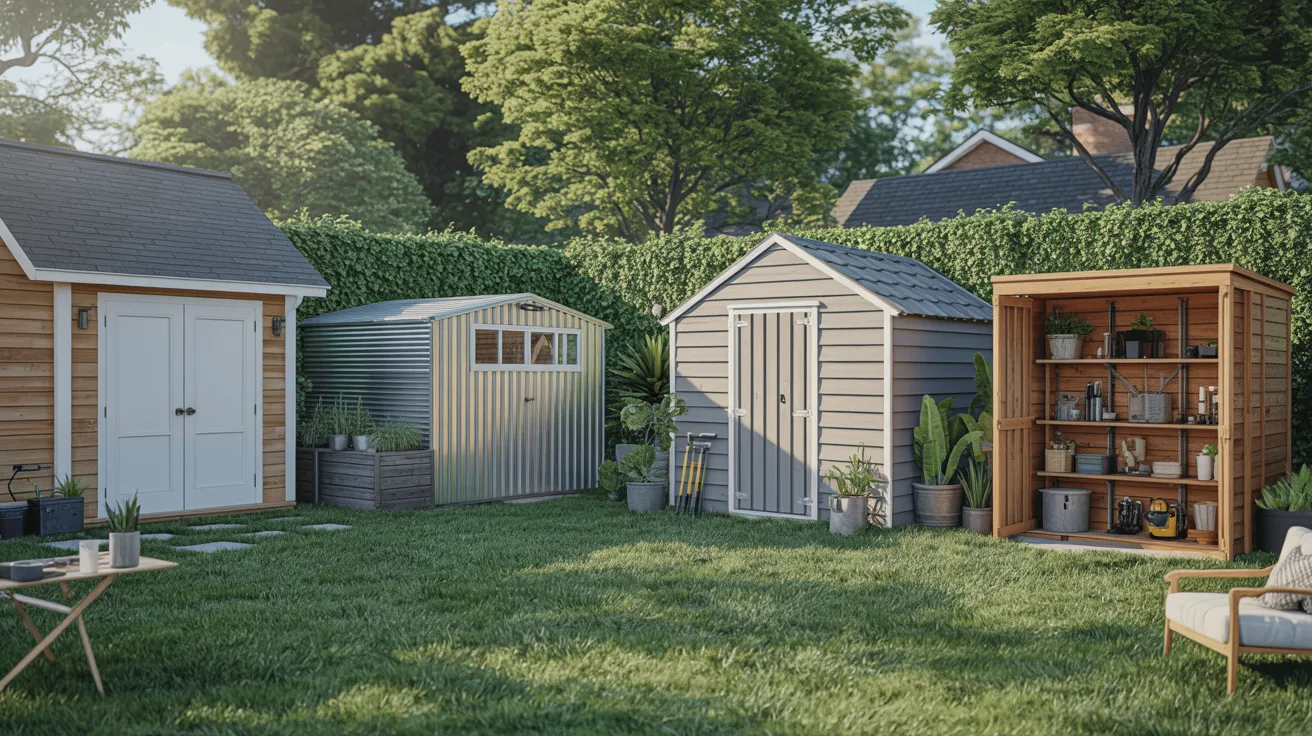
My backyard used to embarrass me. Tools scattered everywhere, no system, no space to breathe.
Then I started exploring storage building ideas, and everything changed. I had no idea how many options existed for different budgets, yard sizes, and styles.
Some of these ideas are simple weekend builds. Others are full outdoor setups that do way more than just store stuff.
I put together 49 of the best ones in this post.
By the time you finish reading, you’ll know exactly what you want to build.
Why Your Backyard Needs a Storage Building
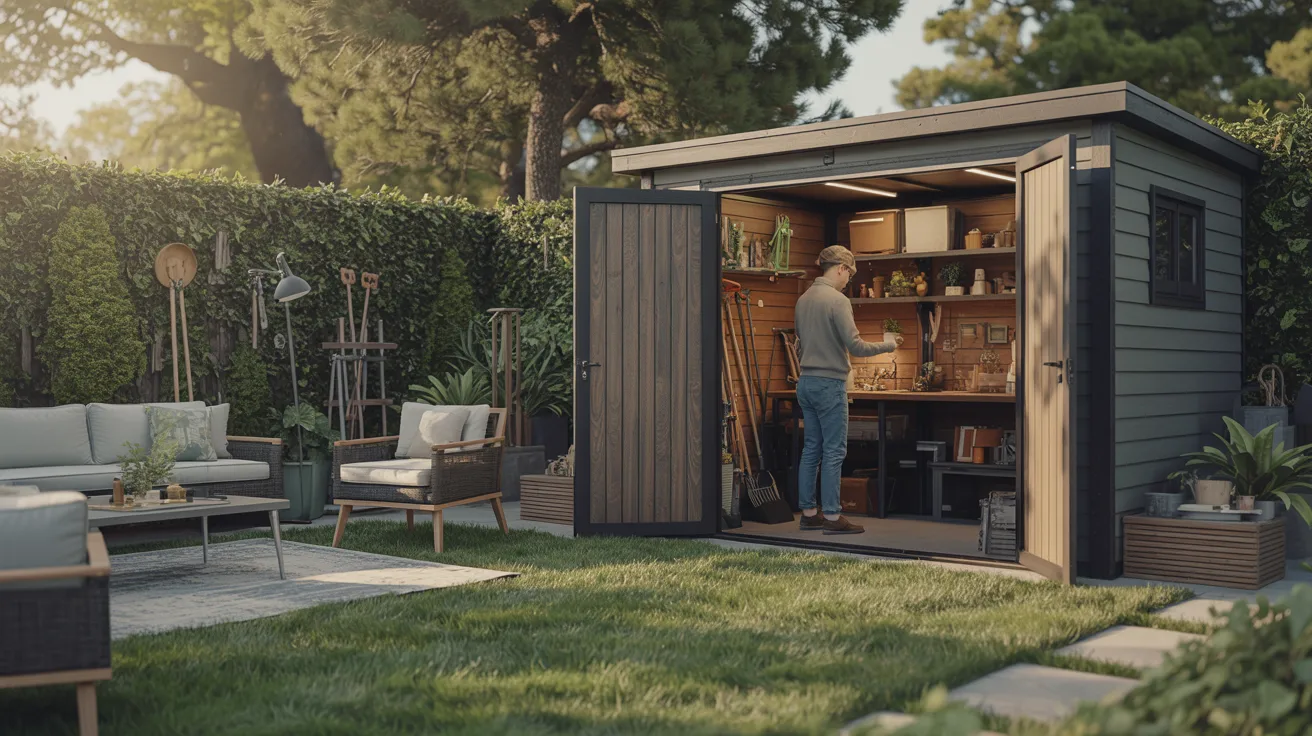
A cluttered yard feels smaller and harder to use. A storage building solves that by giving everything a proper home.
These storage building ideas work best when you know exactly what you need to store.
Your tools and equipment also get real protection from rain, sun, and humidity. A solid shed keeps everything in better shape through every season.
Beyond function, a well-built shed adds value to your property. Many storage buildings also pull double duty as workshops, garden spaces, or backyard retreats.
49 Creative Storage Building Ideas
Every backyard is different. The right storage building depends on your space, budget, and what you’re storing. Here are 49 solid options.
1. Classic Wooden Shed
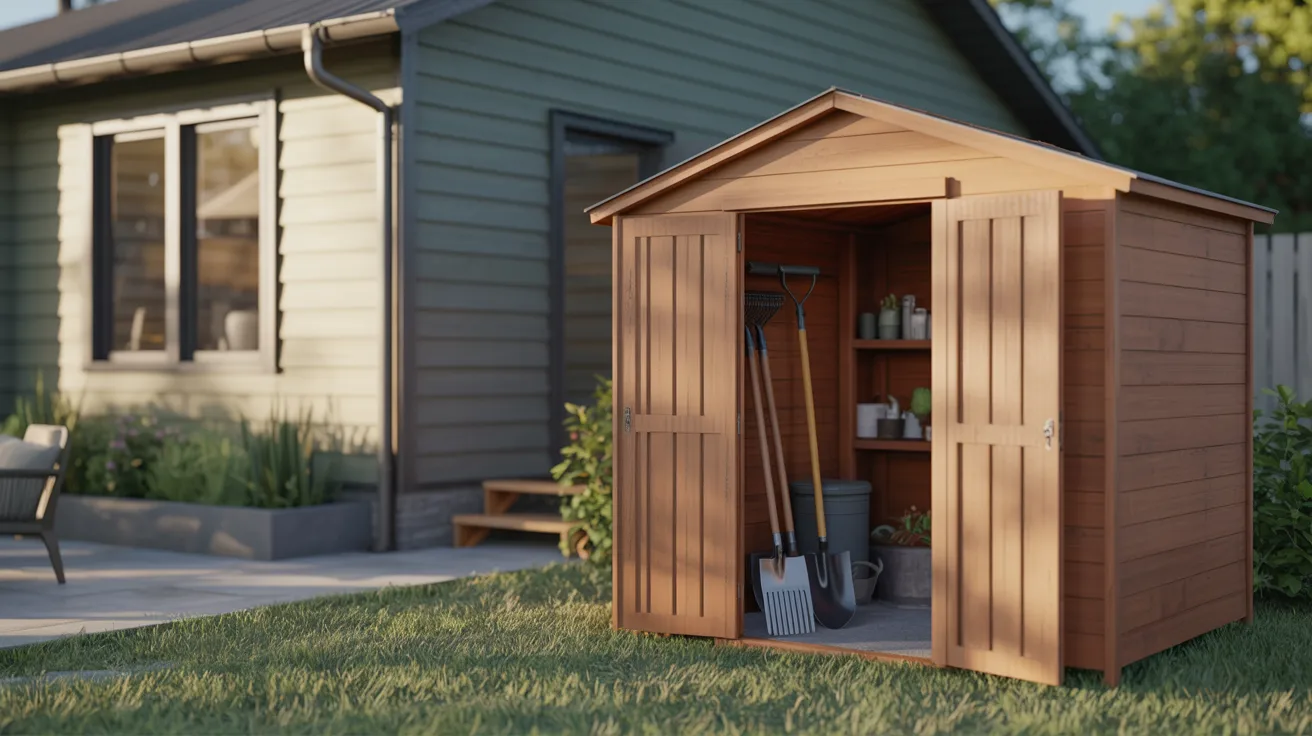
Wood is durable, easy to customize, and looks good in almost any yard. You can paint or stain it to match your home.
With the right sealant, a wooden shed lasts decades. It’s one of the most reliable storage building ideas you can go with.
Just keep up with sealing every couple of years to prevent moisture and rot.
2. Compact Garden Tool Shed
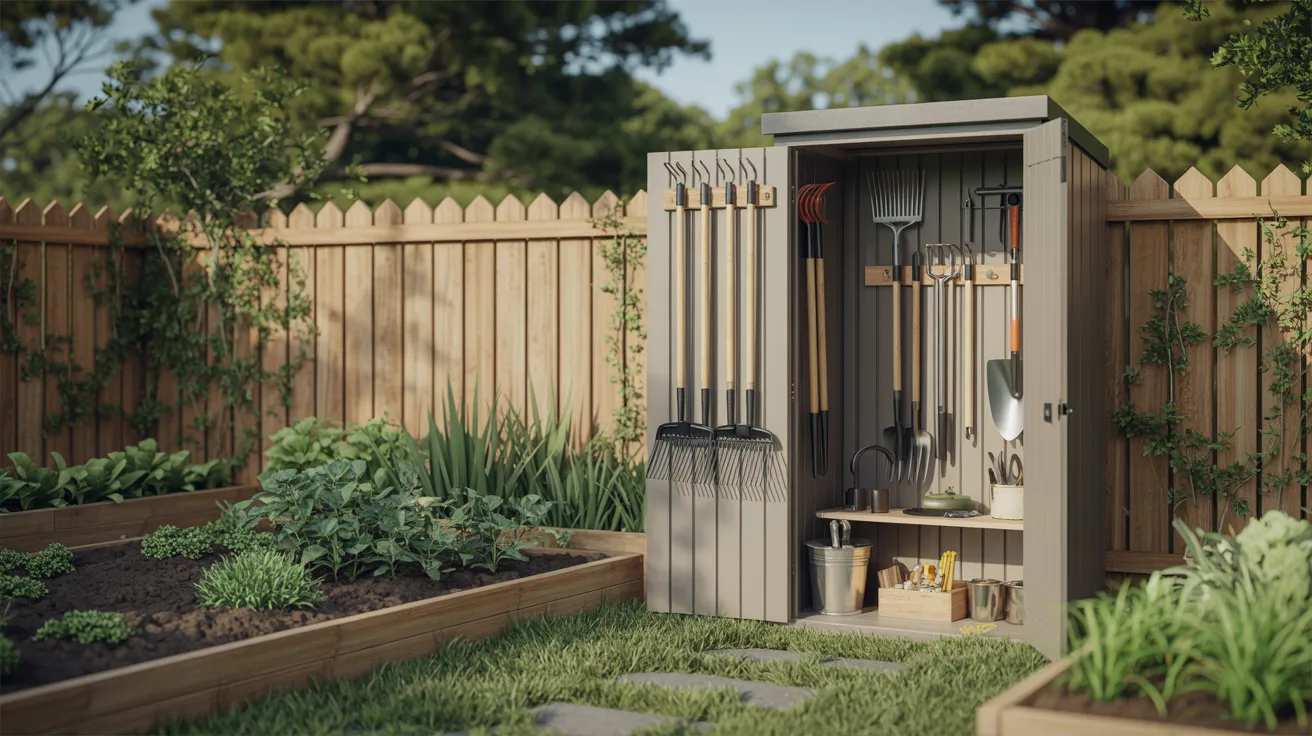
This small shed is built for rakes, shovels, and hand tools. A few hooks and one shelf can hold more than you’d expect.
It fits well next to a garden bed or along a fence. You keep tools close without eating up yard space.
3. Lean-To Storage Shed
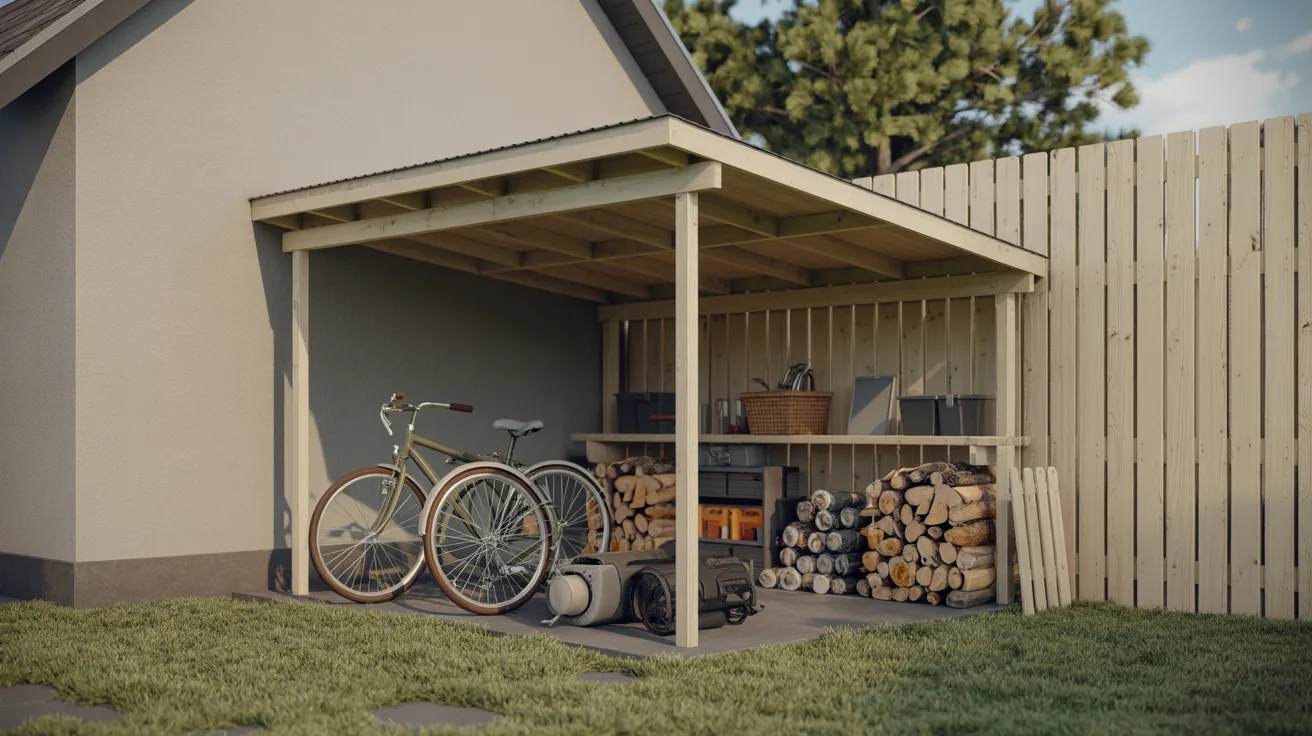
A lean-to attaches to a fence or house wall, using space that would otherwise sit empty. It needs less material, which keeps costs down.
It works great for bikes, firewood, or seasonal gear. The overhang keeps rain off while keeping things easy to access.
4. Modern Minimalist Shed
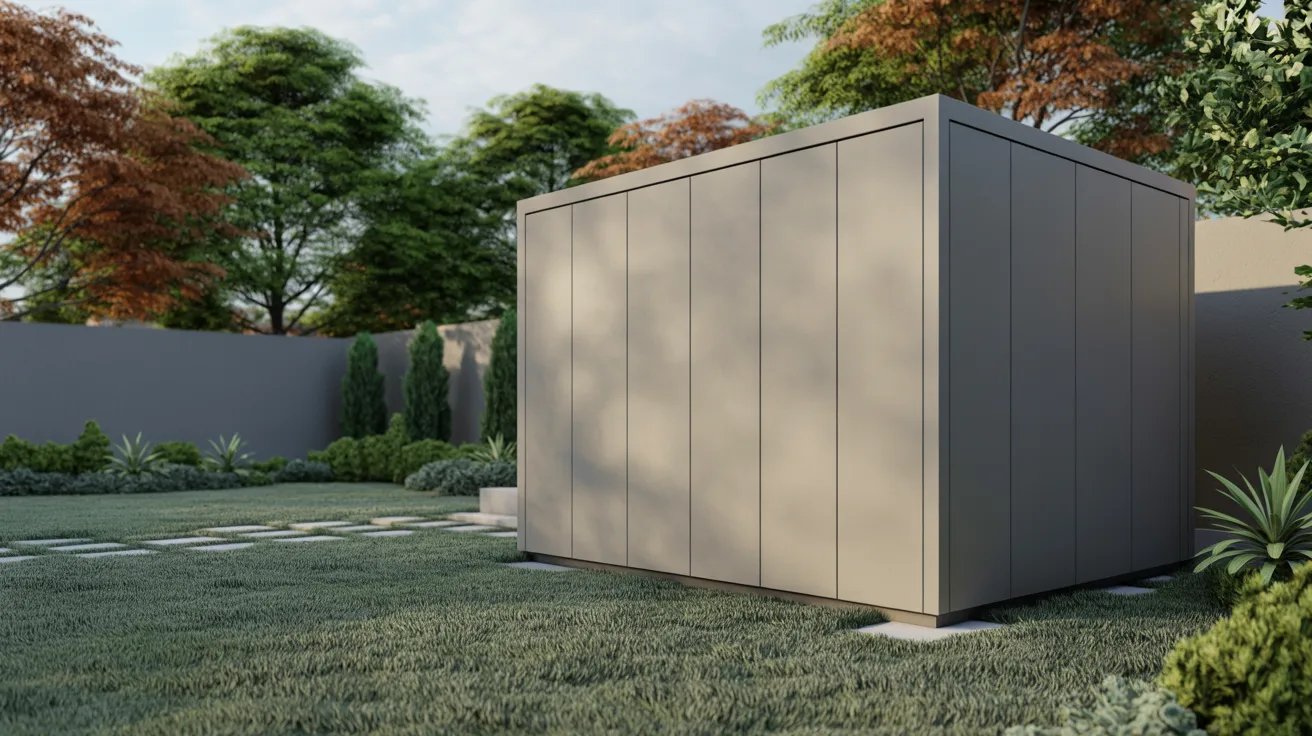
Clean lines, smooth panels, simple shapes. This style fits well with newer homes and freshly landscaped yards.
Inside, it functions like any other shed. Outside, it adds to the look of your yard rather than detracting from it.
5. Metal Storage Building
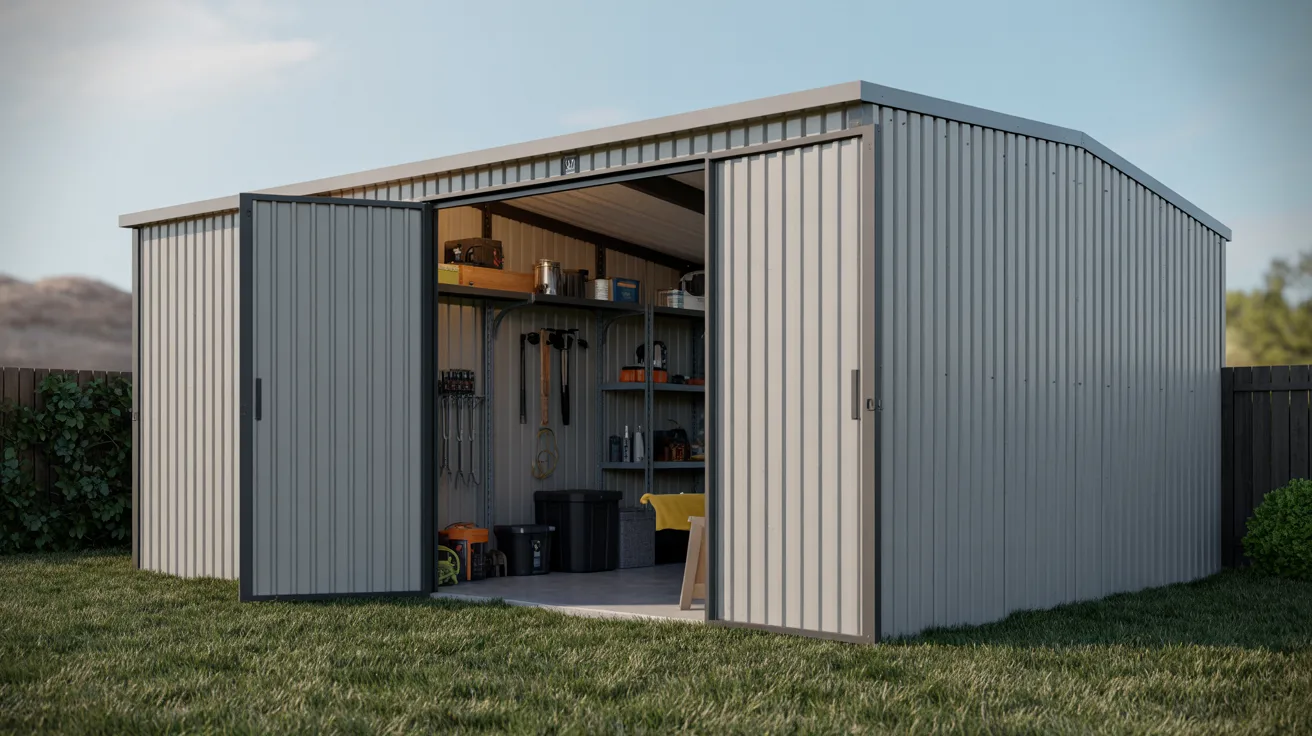
Metal sheds don’t rot, don’t need painting, and can’t be chewed through by insects. They’re also fire-resistant.
Most come in kit form and can be assembled in a weekend. Adding a vent or insulation panel helps manage temperature extremes.
6. DIY Pallet Shed
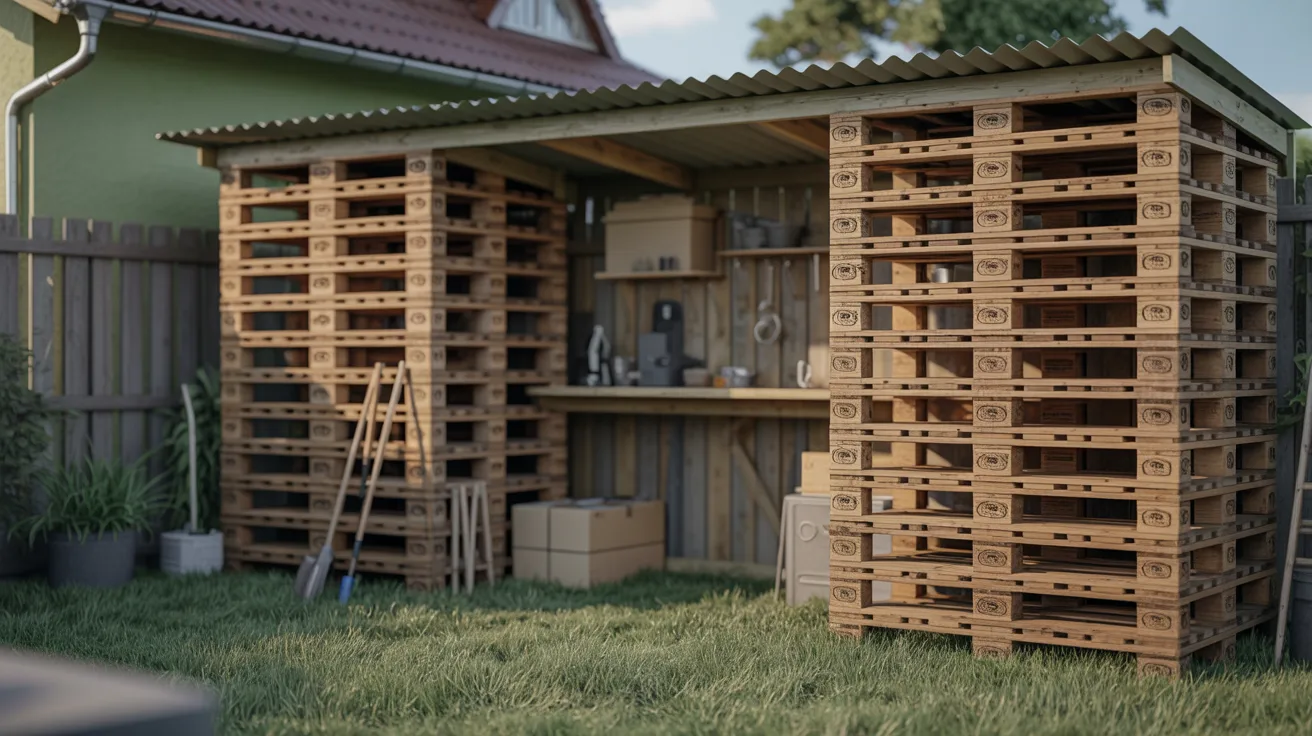
Wooden pallets can often be sourced for free. Stack and secure them to form walls, then add a simple roof.
It won’t last as long as a proper shed, but for light storage on a tight budget, it gets the job done.
7. Shed with Loft Storage
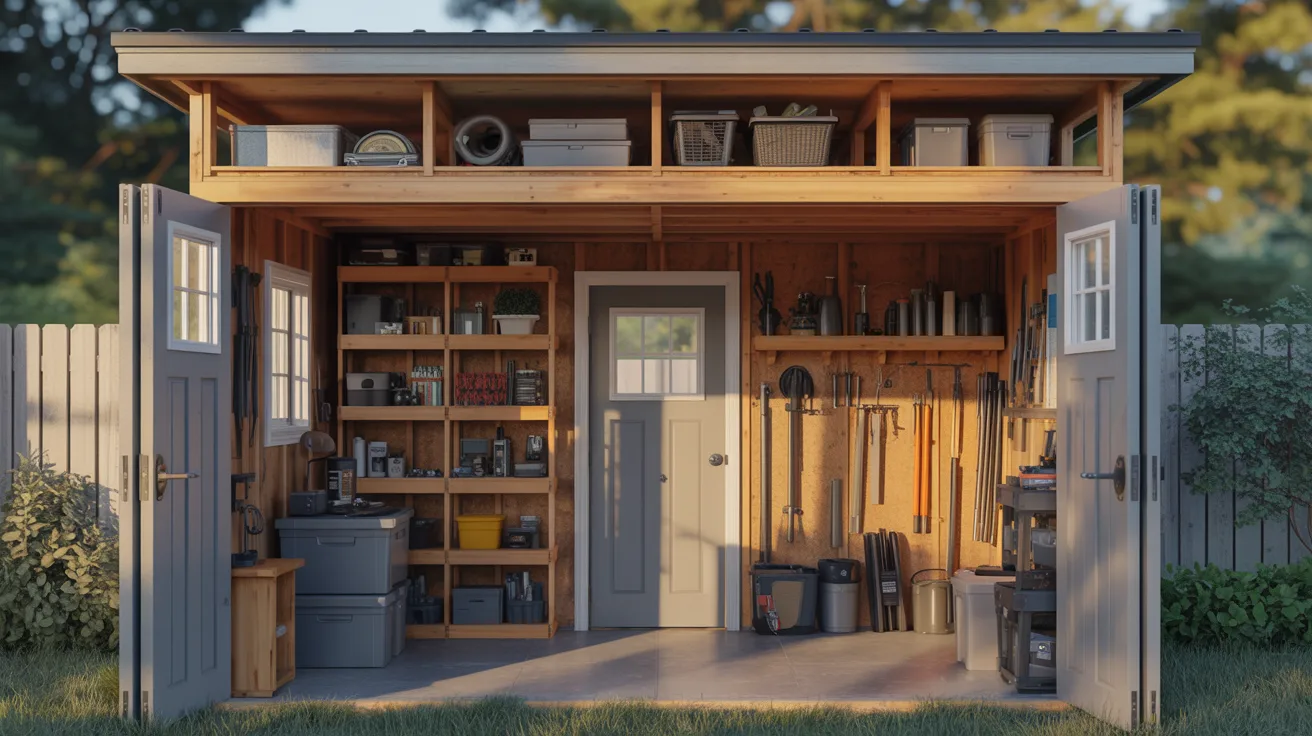
A loft doubles your storage capacity without increasing the footprint. Keep seasonal items up top and everyday gear down below.
Even a basic plywood platform above the door makes a noticeable difference in how much you can store.
8. Backyard Workshop Shed
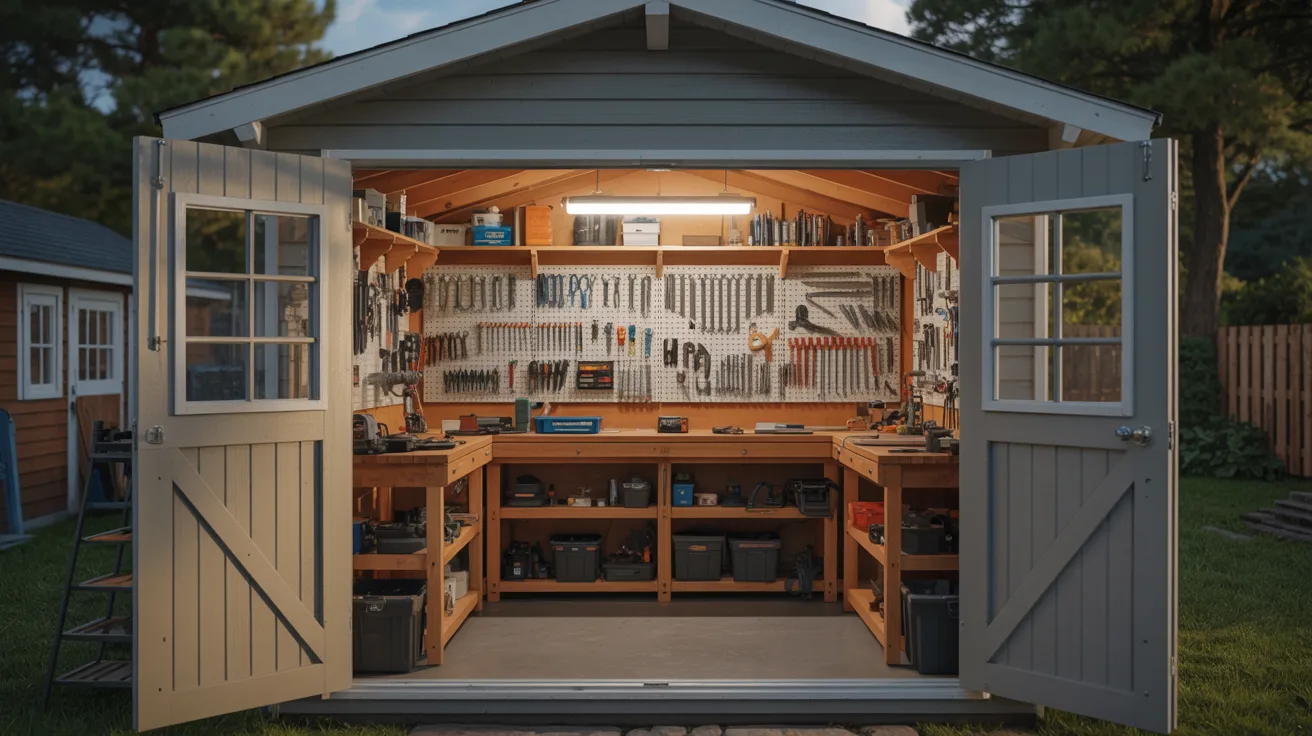
This shed goes beyond storage. A sturdy workbench, good lighting, power outlets, and a pegboard for tools make it a proper workspace.
If you do regular DIY projects at home, having a dedicated space saves a lot of time and frustration.
9. Tiny House-Style Storage
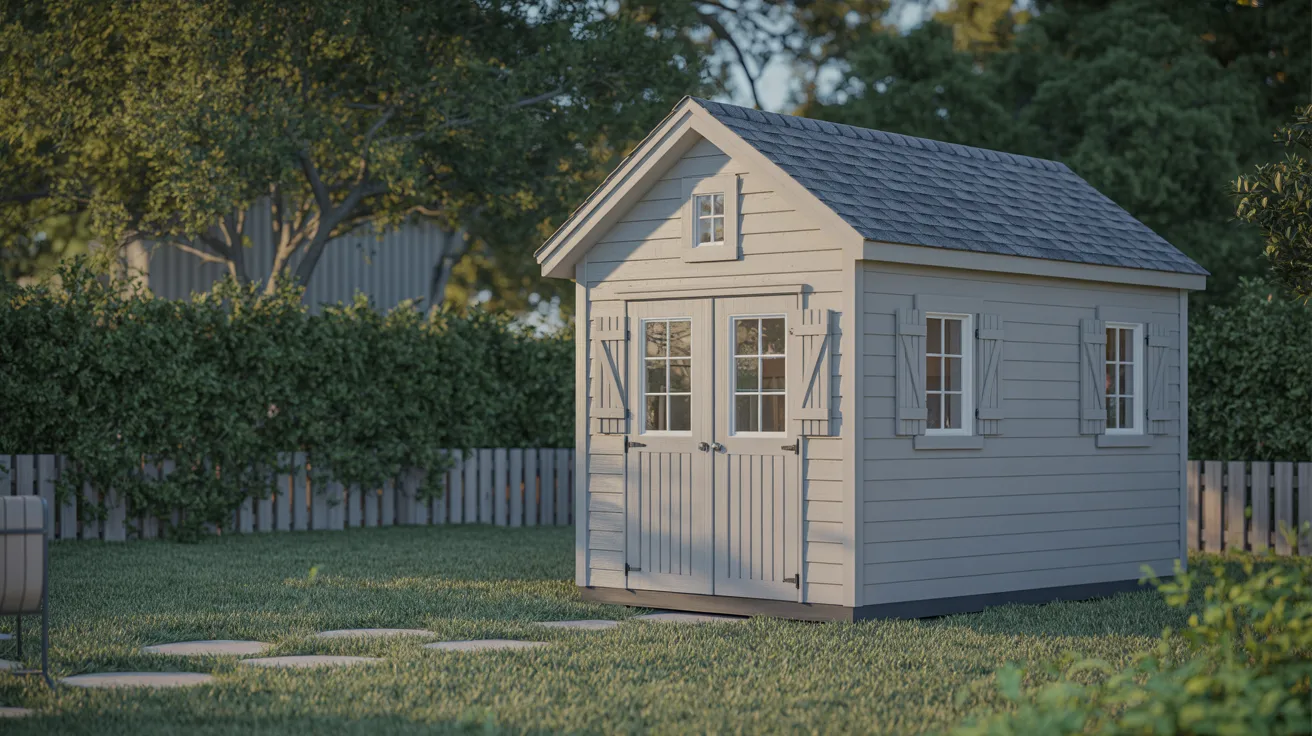
This shed looks like a miniature house, with real siding, shutters, and a pitched roof. It adds to the yard rather than just sitting in it.
Some people use these as garden sheds, others as reading nooks or mini studios. It’s a style-forward option that still delivers on function.
10. Sliding Door Shed
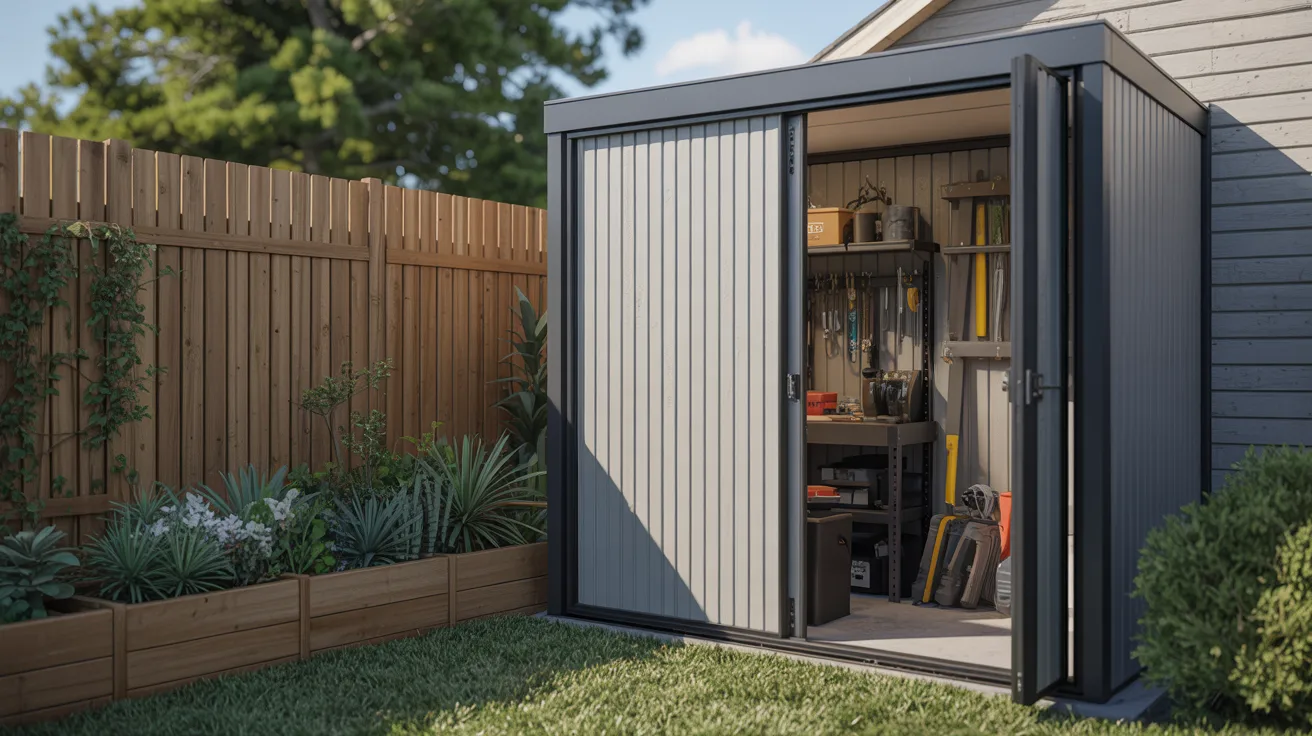
Swing doors need clearance space. Sliding doors don’t. That matters a lot when your shed sits close to a fence or garden bed.
Sliding doors also look clean and modern. A small detail that makes daily use much easier.
11. Shed with Pergola
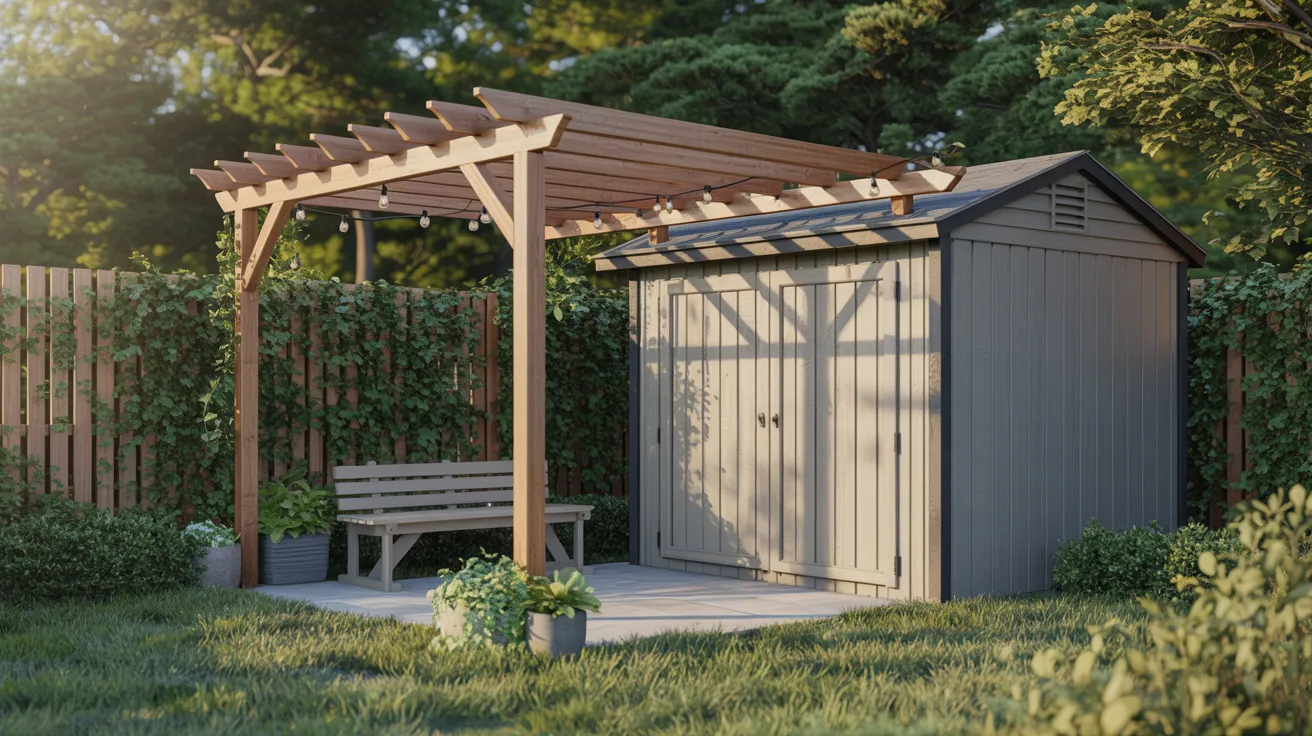
A pergola added to the front of your shed creates a shaded outdoor spot. Storage inside, relaxing space outside.
Add plants, string lights, or a bench under the pergola and it becomes somewhere you actually want to spend time.
12. Corner Shed
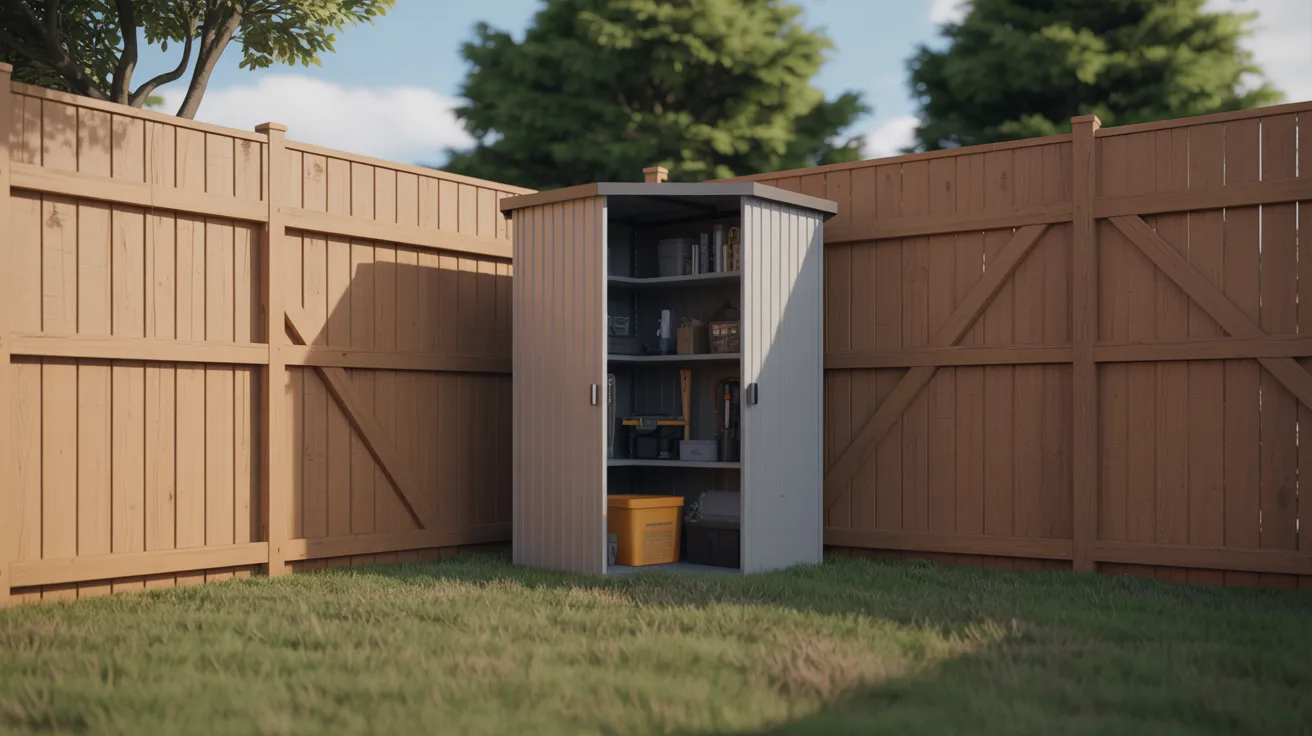
Corner sheds tuck into fence corners and use space that usually just collects leaves. The compact footprint keeps the rest of your yard open.
Despite the small size, a well-organized corner shed holds a surprising amount of gear.
13. Shed with Overhang Roof
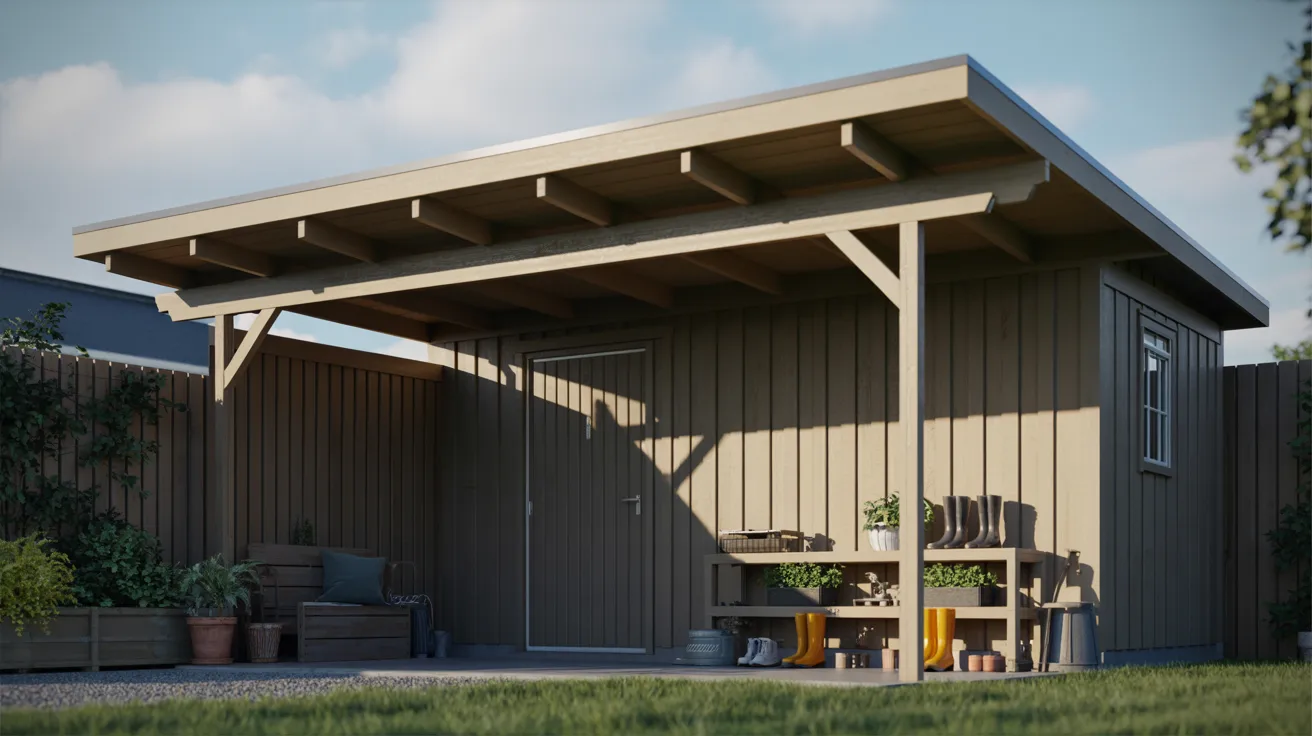
An extended roof overhang keeps rain off the walls and foundation, slowing deterioration. It also creates a small covered area in front for boots or pots.
It’s a simple structural addition that extends the life of your storage building noticeably.
14. Greenhouse Storage Shed
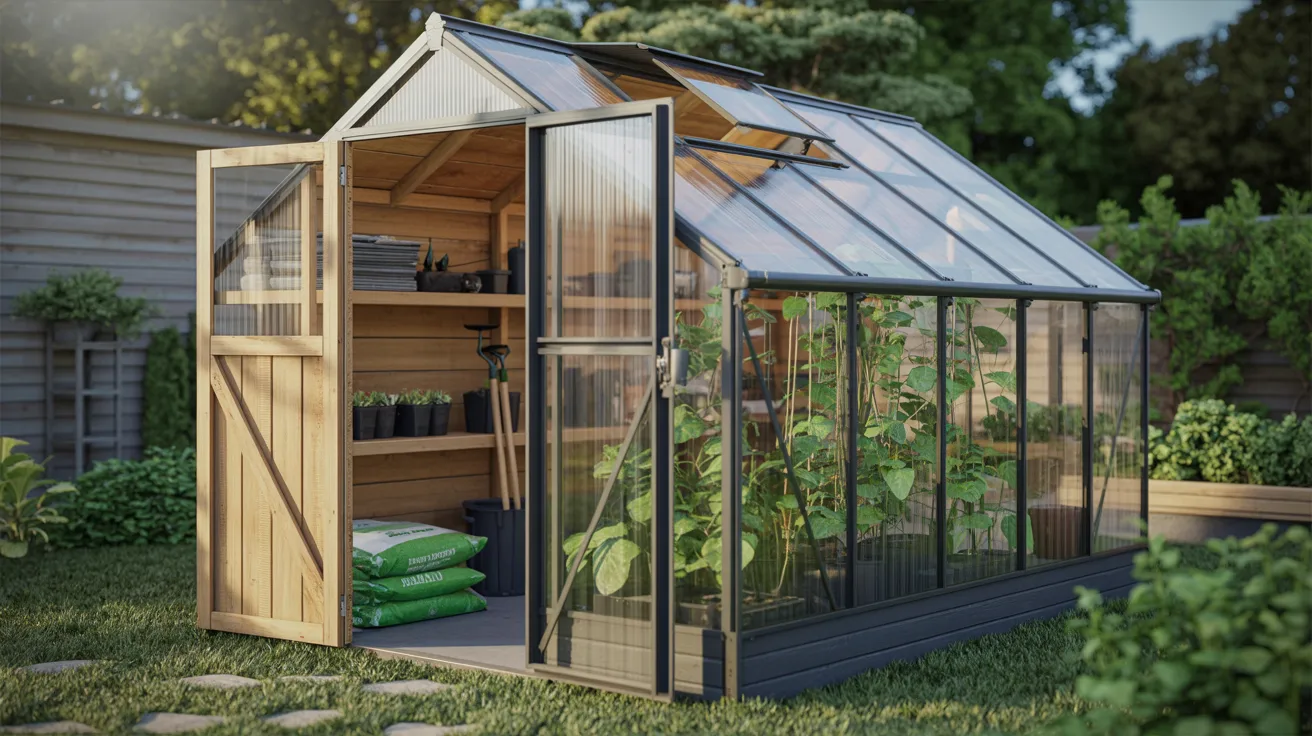
Half traditional shed, half greenhouse. One side stores tools and soil, the other grows plants year-round.
The shared wall helps with insulation on both sides. It’s one of the most functional storage building ideas for serious gardeners.
15. Shed with Bike Rack Integration
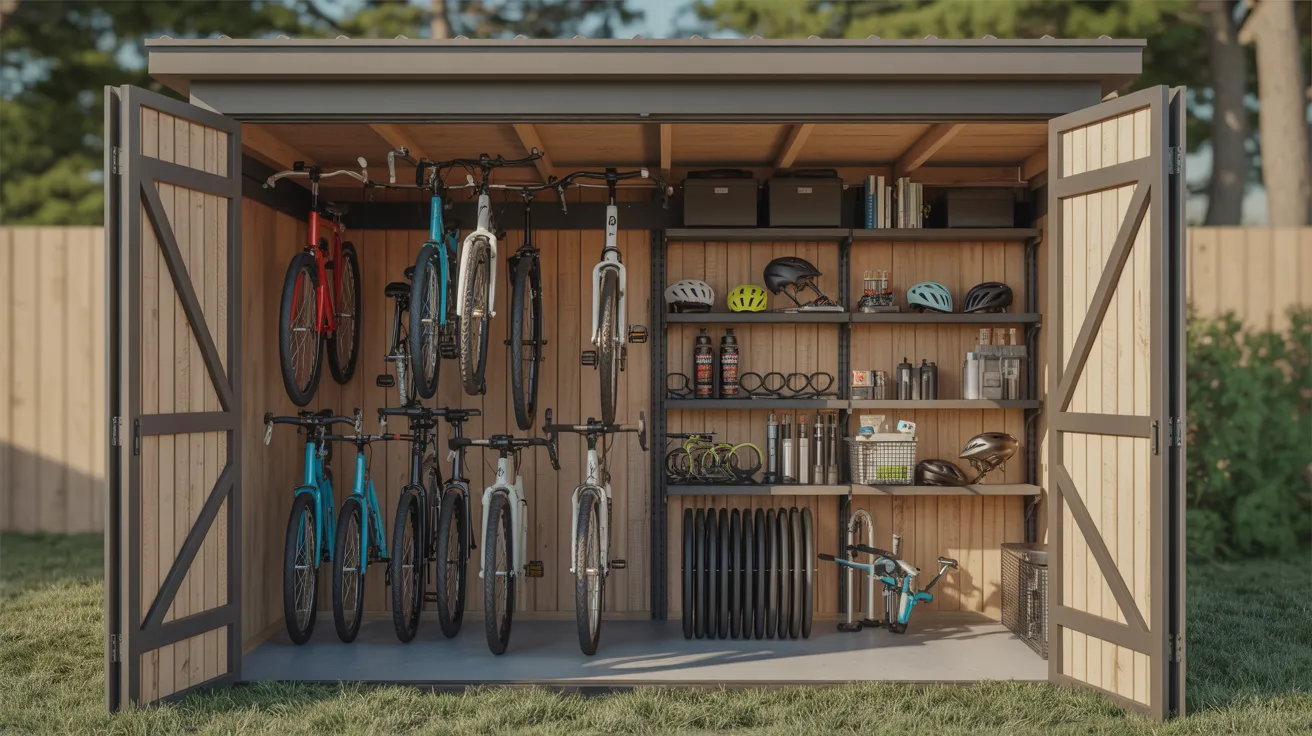
Bikes are awkward to store on regular shelves. Built-in wall-mounted hooks or floor racks keep them upright and out of the way.
Hanging bikes vertically frees up floor space for helmets, pumps, and other gear. A solid solution for cycling households.
16. Shed with Sliding Windows
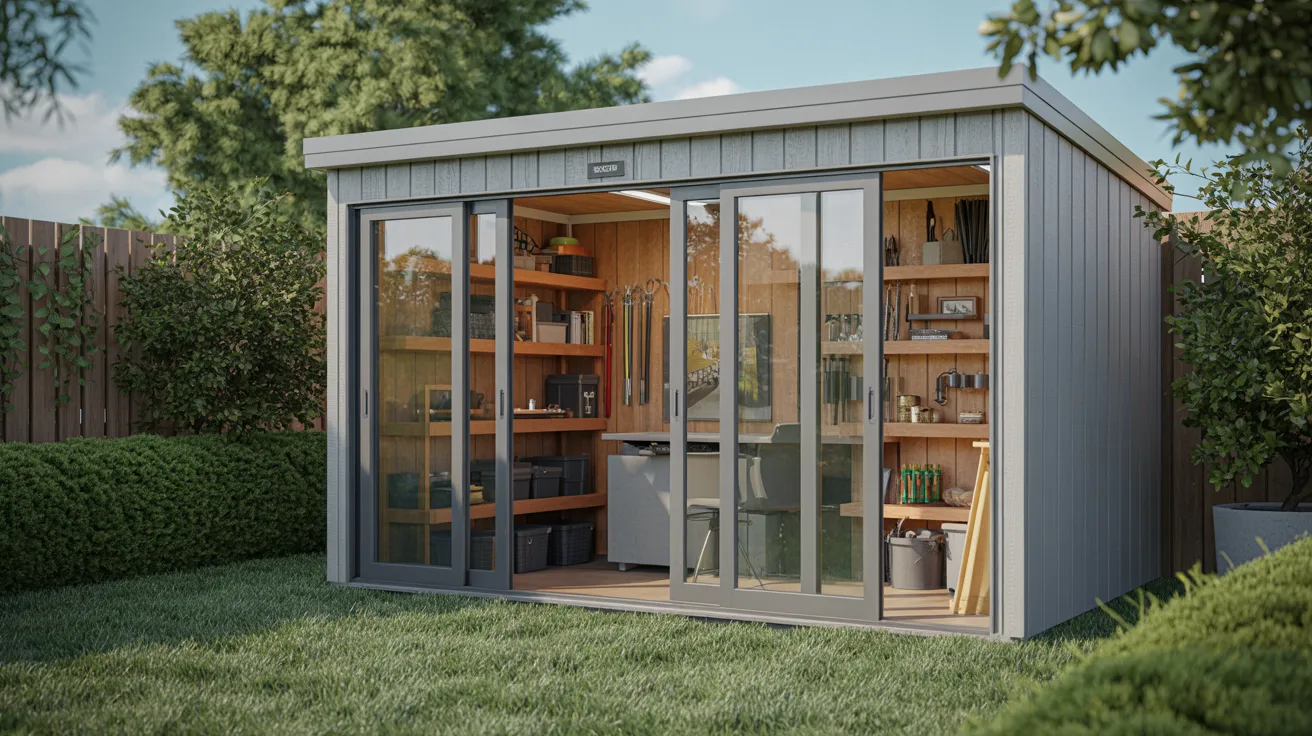
Sliding windows let in light and airflow without swinging inward into shelves or stored items.
Good ventilation prevents mold and keeps the interior cooler. In humid climates, this matters more than most people realize.
17. Rustic Barn Shed

The gambrel roof gives this style extra headroom inside and makes loft storage much more practical.
Stain it red, paint it white, or leave it natural. Any finish looks good with the right protective treatment.
18. Shed with Deck
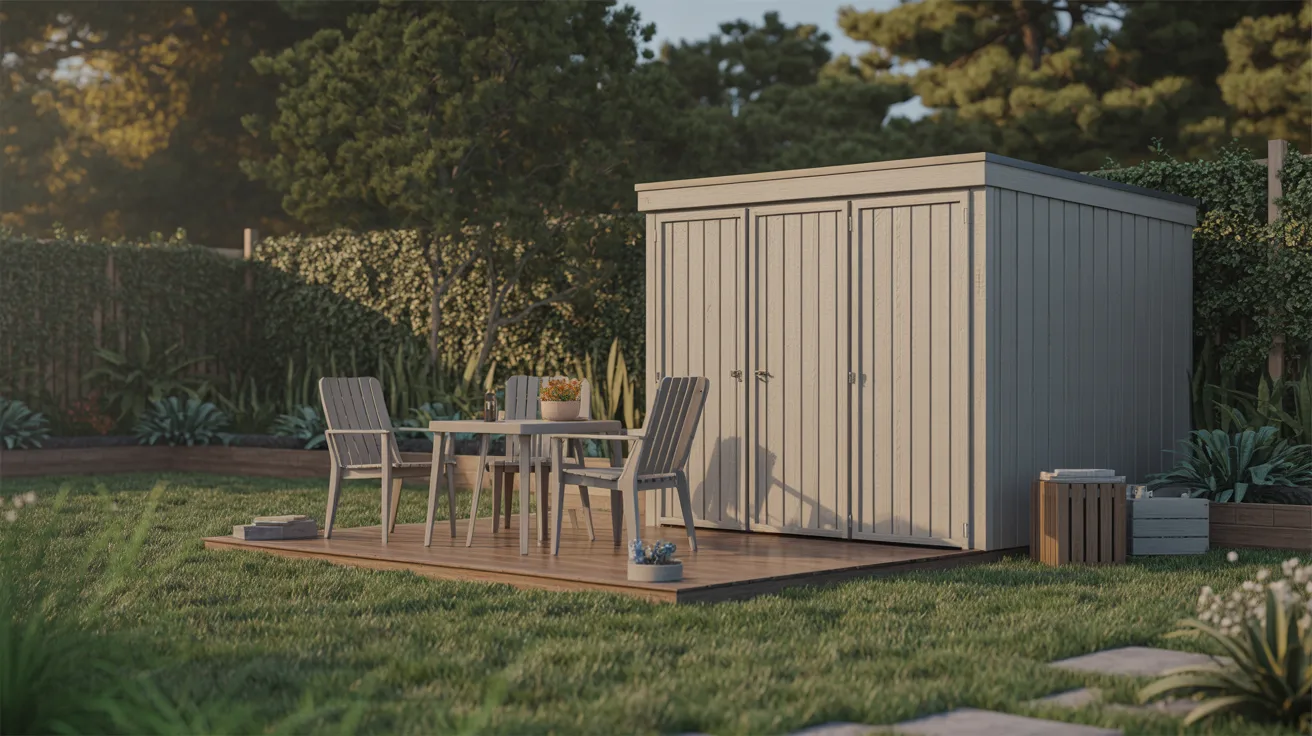
A small deck off the front of the shed gives you a place to sit, sort gear, or wipe your boots. It makes the shed feel like a real part of the yard.
A couple of chairs and a table can turn it into a proper outdoor sitting area.
19. Shed with Tool Wall
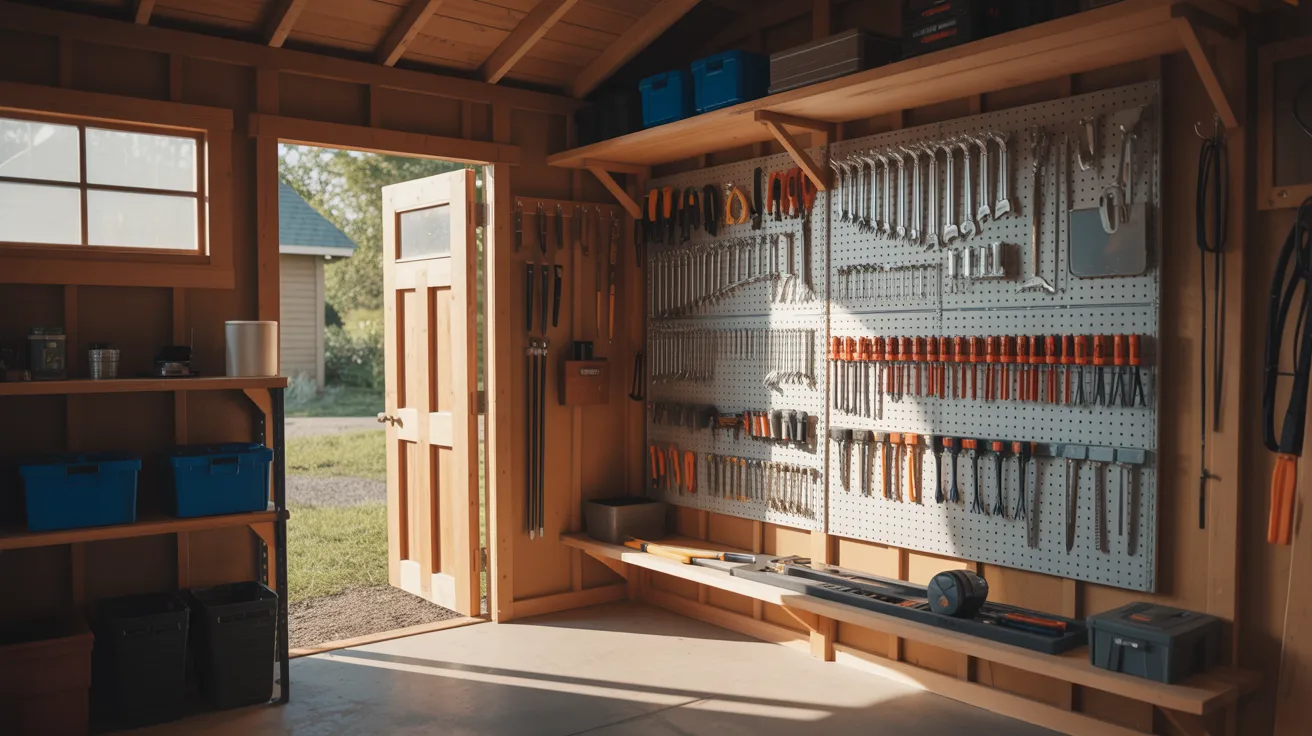
A pegboard or hook panel mounted inside the shed keeps every tool visible and easy to reach. No more digging through a pile on the floor.
It’s cheap to set up and makes a noticeable difference in how organized the space stays.
20. Storage Shed with Overhead Hooks
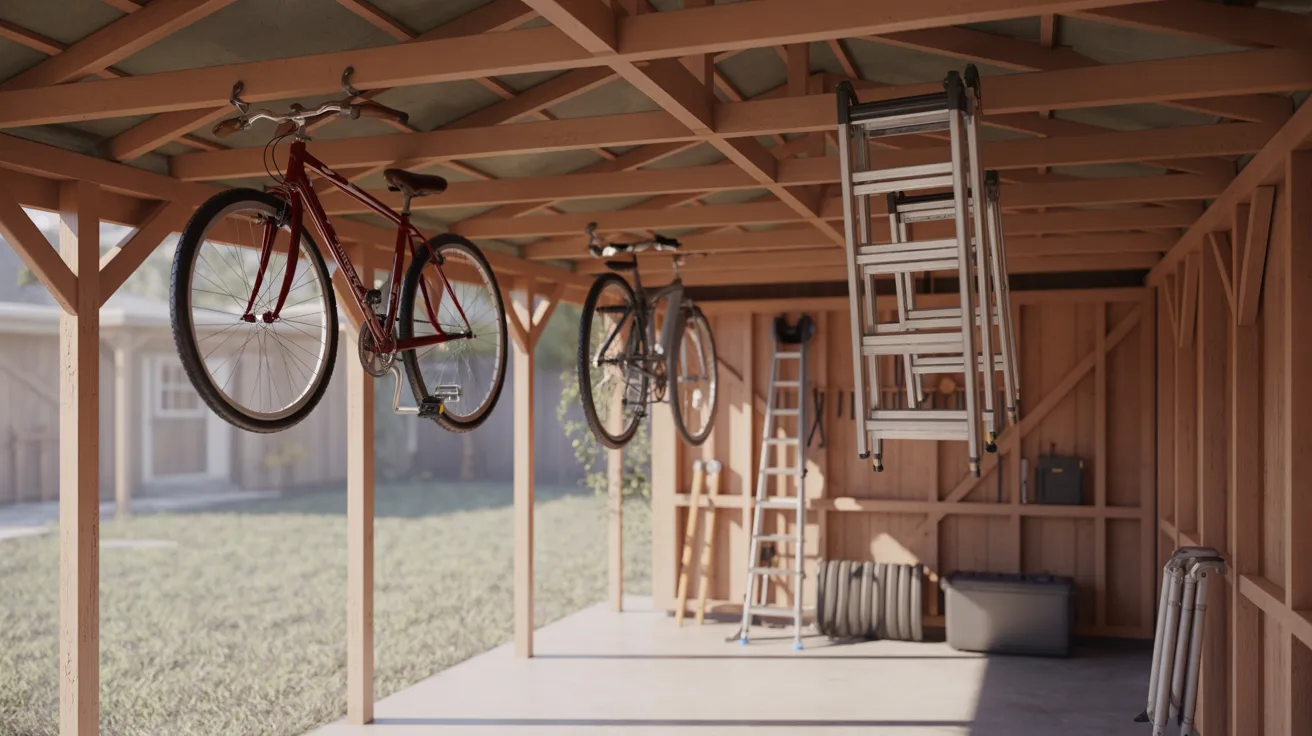
The ceiling is often wasted space. Heavy-duty hooks anchored into the rafters can hold bikes, ladders, and long items that don’t fit anywhere else.
This frees up floor and wall space without any complex construction.
21. Shed with Built-in Planters
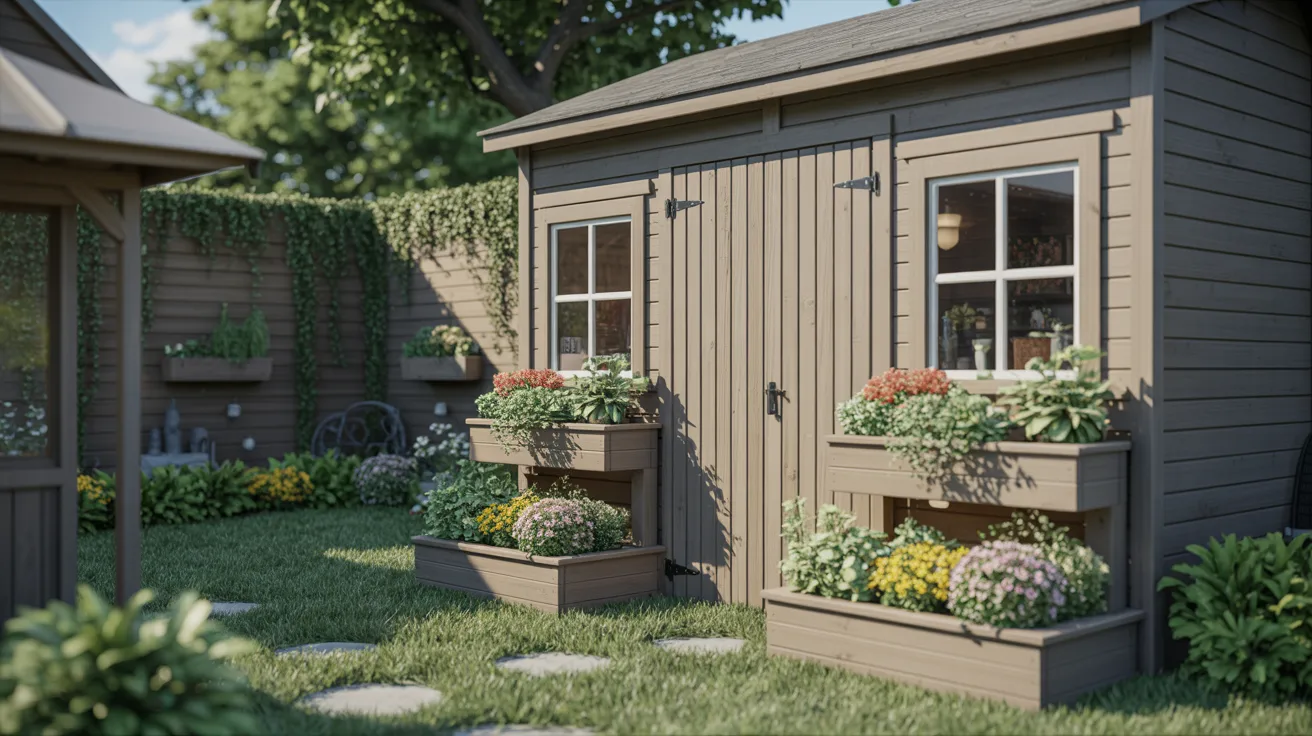
Window boxes or flanking planters soften the look of a storage building and help it blend into the garden.
Inside, it’s still just a shed. Outside, it looks like something you actually put thought into.
22. Modular Storage Shed
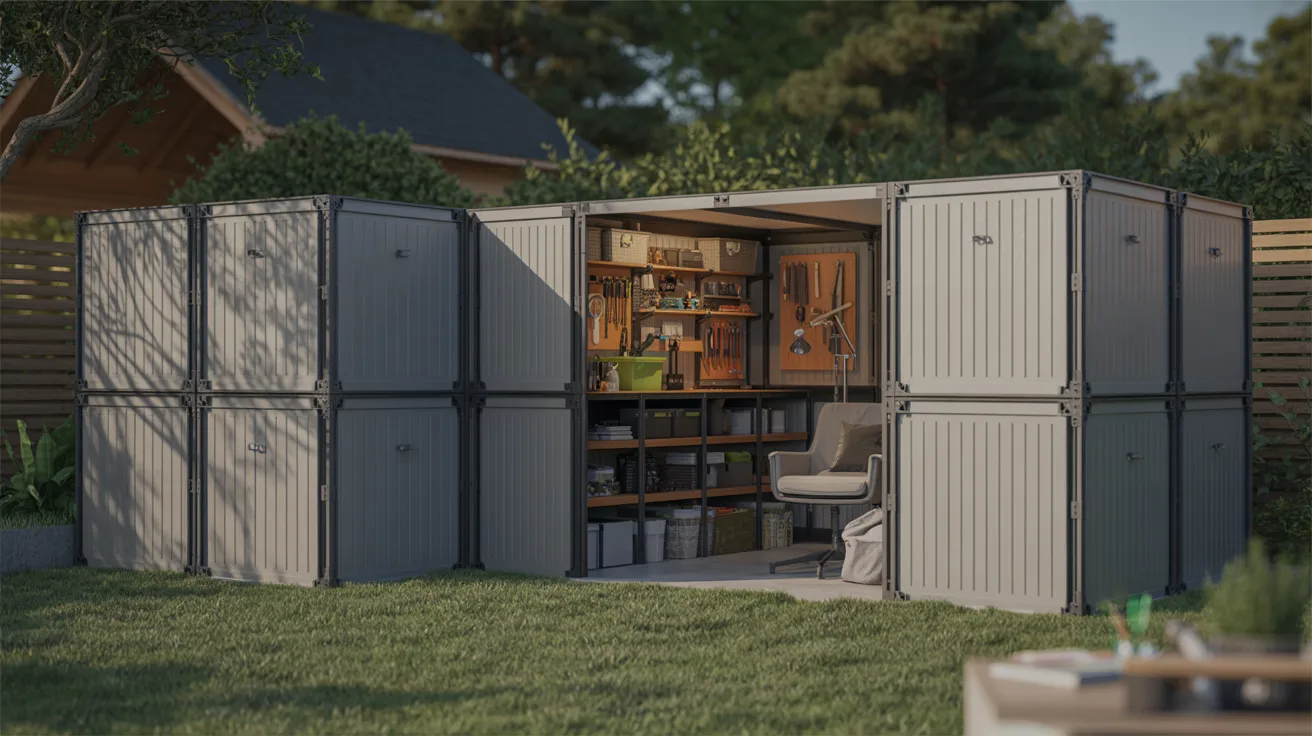
Built in sections that connect together, a modular shed lets you start small and expand as your needs grow. No need to commit to a large structure upfront.
Most modular systems are designed for easy DIY assembly without professional help.
23. Shed with Skylights
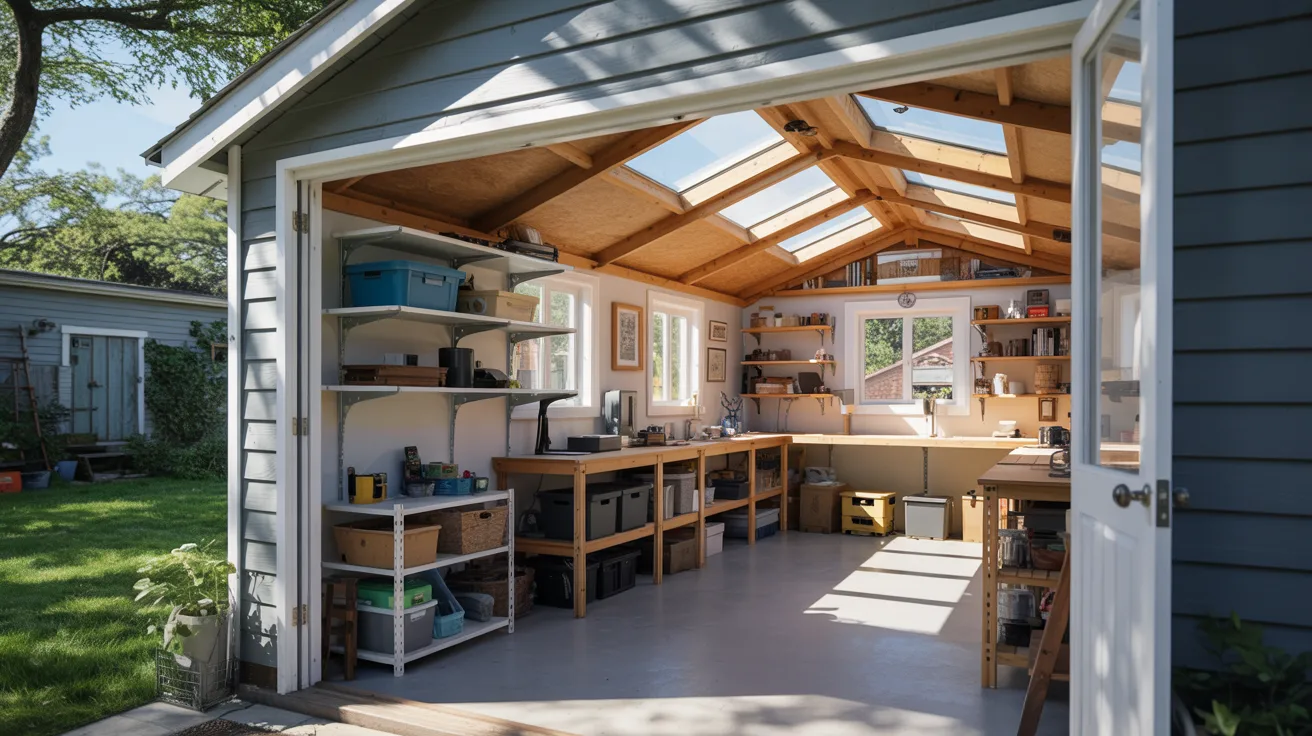
Skylights bring in natural light without using up wall space. That’s useful when shelves or benches line every wall.
A venting skylight also improves airflow. For sheds you use regularly, good natural light makes everything easier.
24. Multi-Level Storage Shed
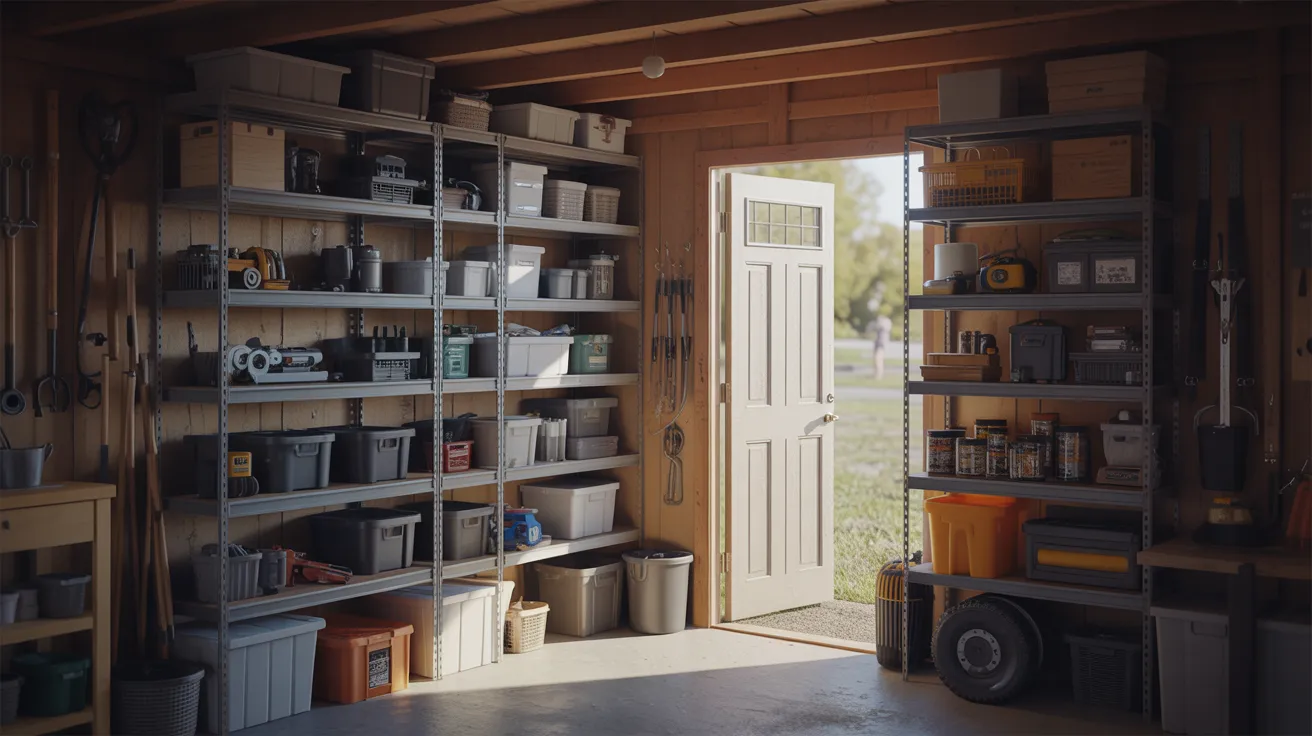
Heavy items on low shelves, bins in the middle, rarely used stuff up high. Nothing gets wasted, nothing piles up on the floor.
This layout is especially effective in smaller sheds where every inch of vertical space counts.
25. Shed with Ramp
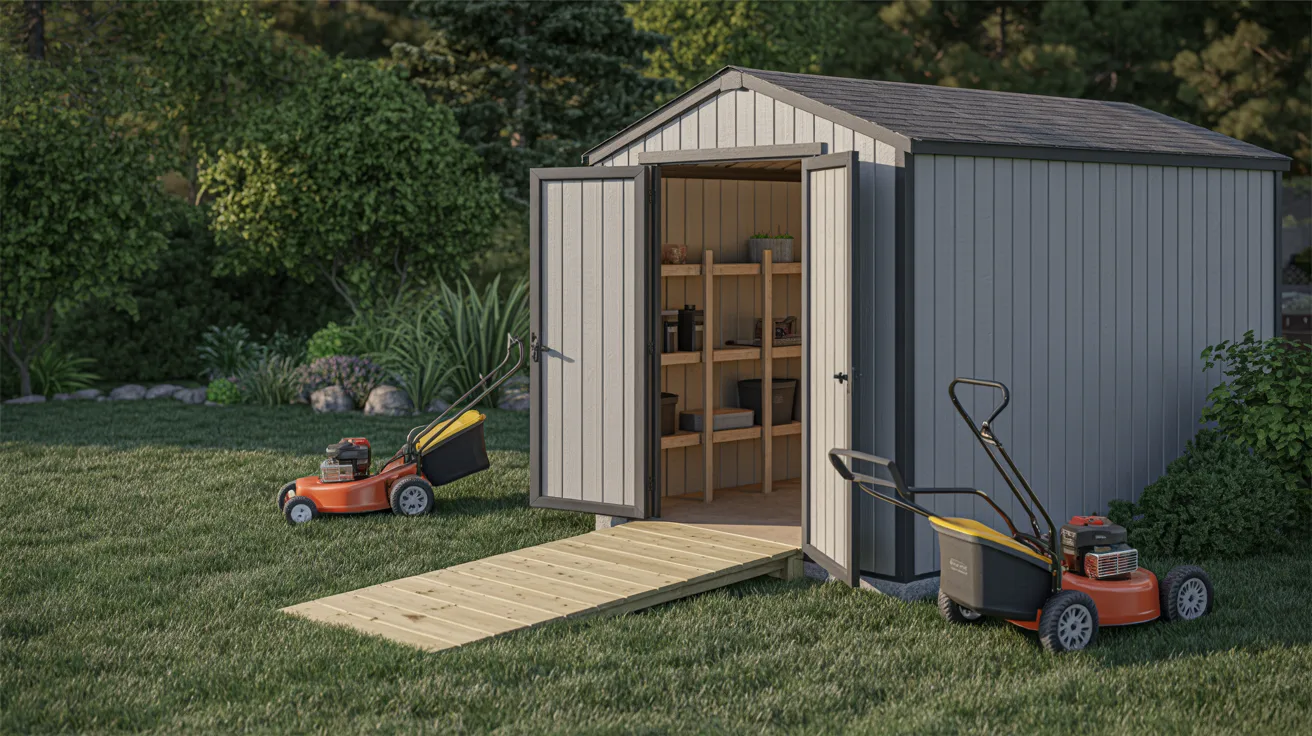
A step at the entrance is a real obstacle for lawnmowers, wheelbarrows, and garden carts. A ramp eliminates that problem.
Two boards at the right angle can work. For a more permanent solution, use pressure-treated lumber or metal with grip tape on the surface.
26. Shed with Sliding Barn Door
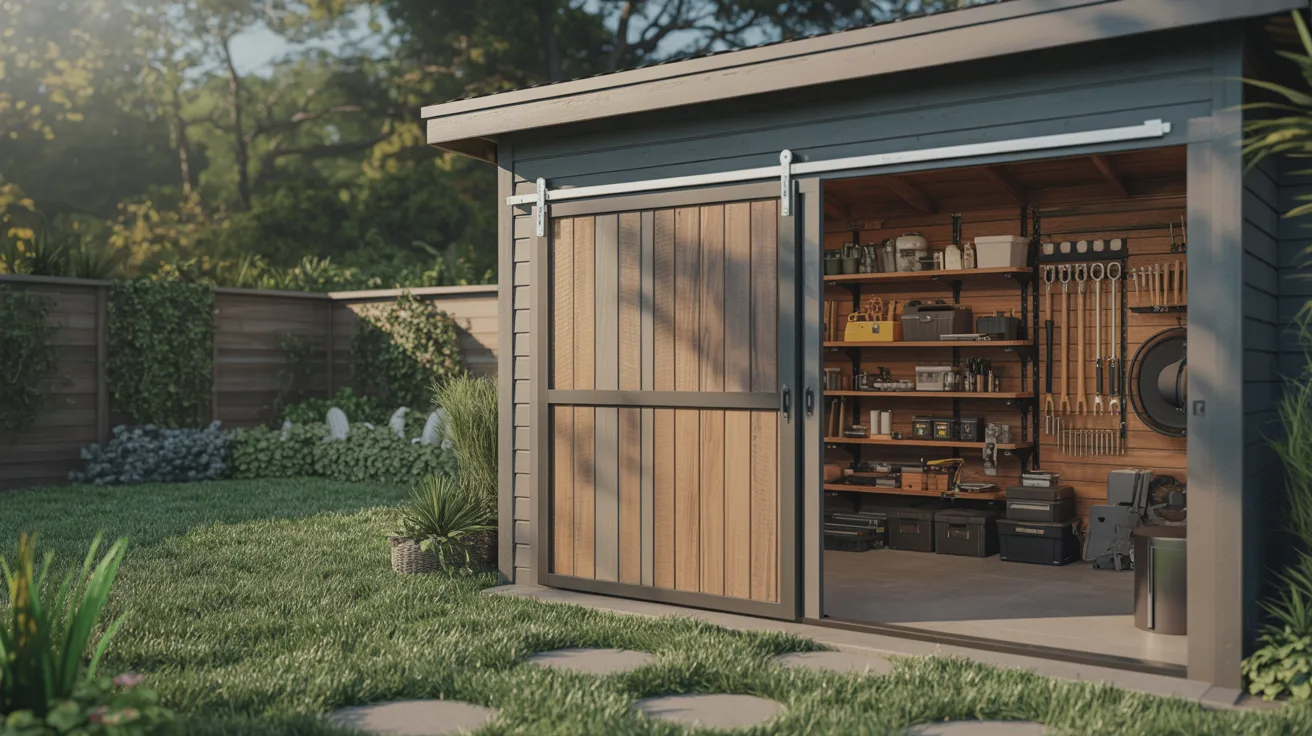
Barn-style sliding doors look great and work well on wide openings. They slide to the side, so no swing clearance is needed.
Hardware kits are widely available and easy to install. A practical choice with good visual appeal.
27. Shed with Insulation
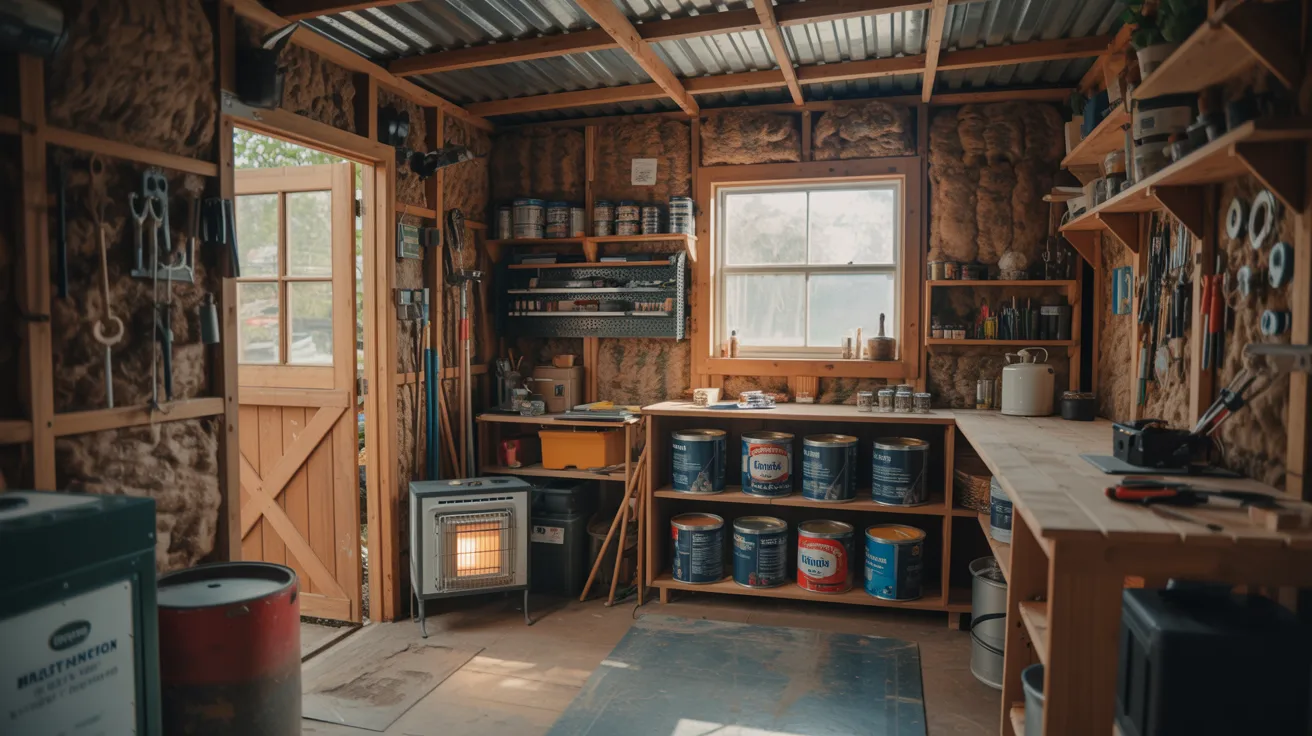
Insulation protects temperature-sensitive items like paint, electronics, and certain tools from freezing or overheating.
It also makes the shed usable in winter. A small heater can keep an insulated shed comfortable enough to work in.
28. Shed with Patio Storage Combo
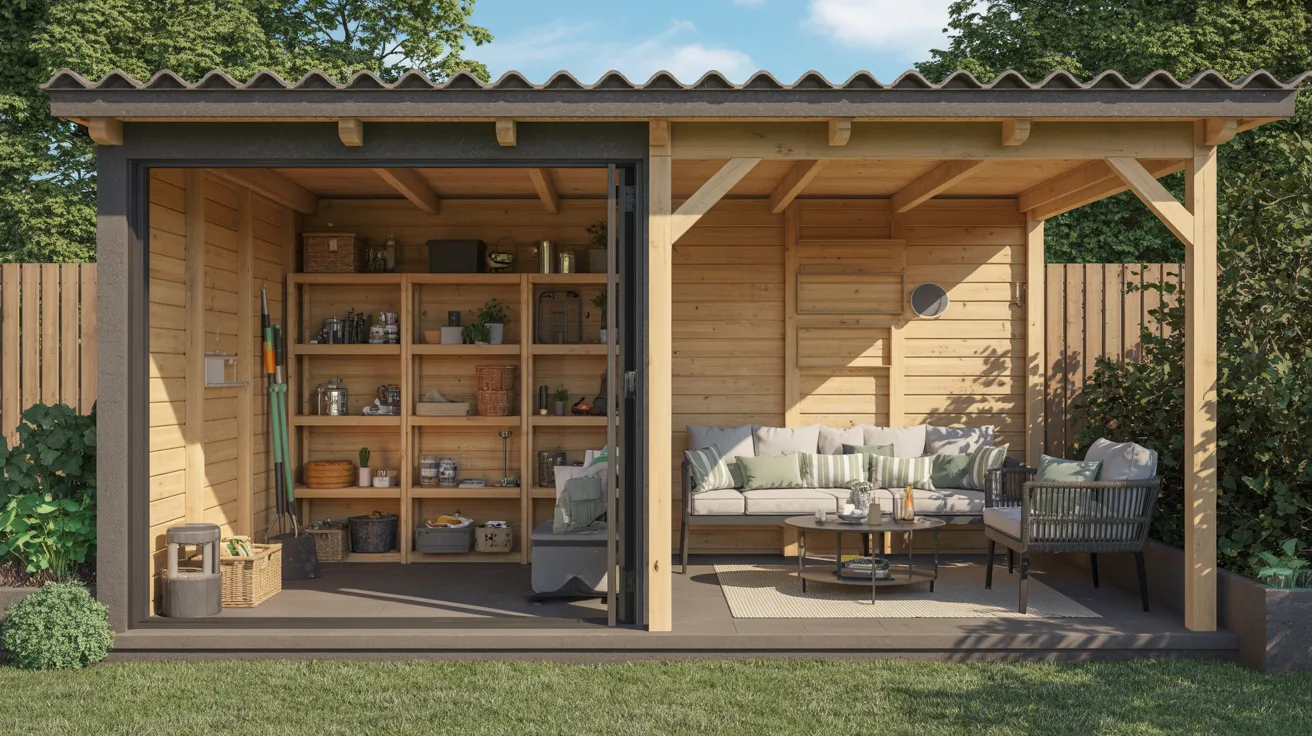
Half storage, half open patio area under one roof. Good for small backyards where you want two functions in a tight space.
A half-wall or sliding door separates the zones. You don’t have to choose between a shed and an outdoor seating area.
29. Shed with Outdoor Kitchen Storage
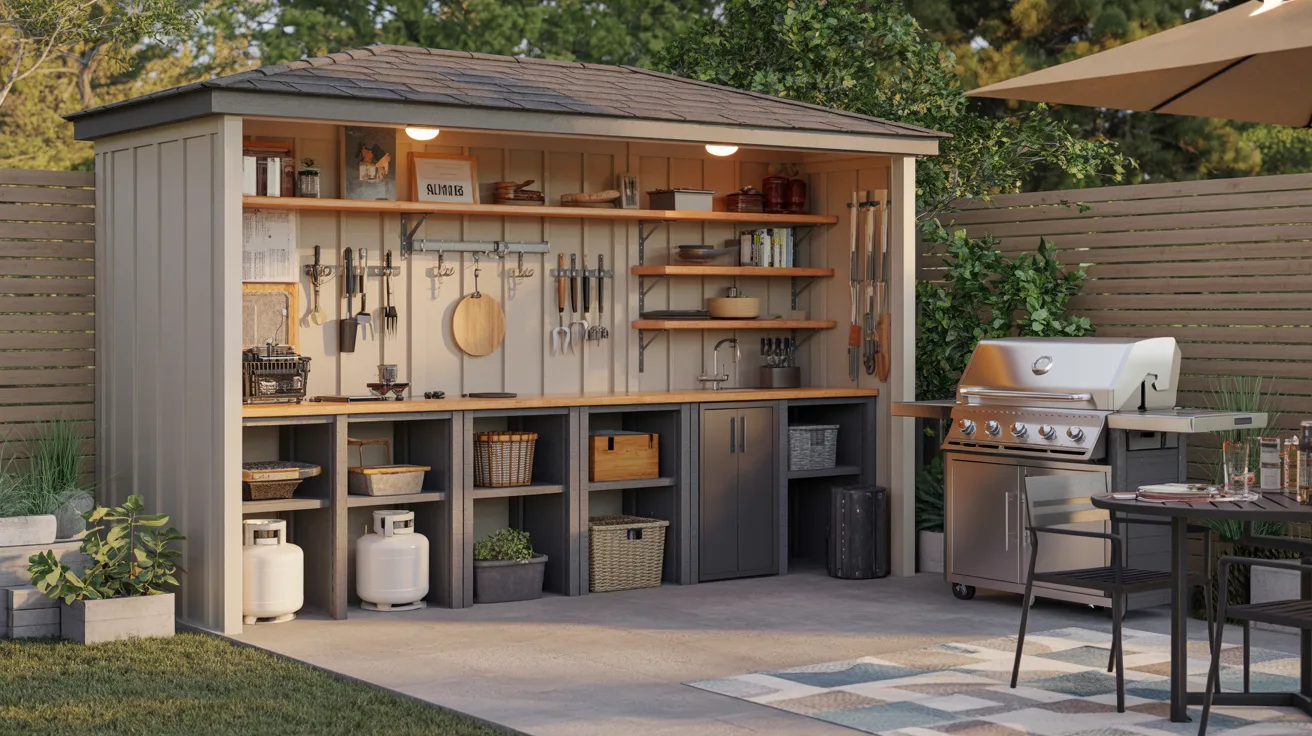
This shed stores BBQ tools, propane tanks, serving trays, and outdoor dining gear near the grill. Hooks, shelves, and cabinet space keep everything organized.
Less running back and forth, more time actually cooking and hosting.
30. Shed with Attached Pergola
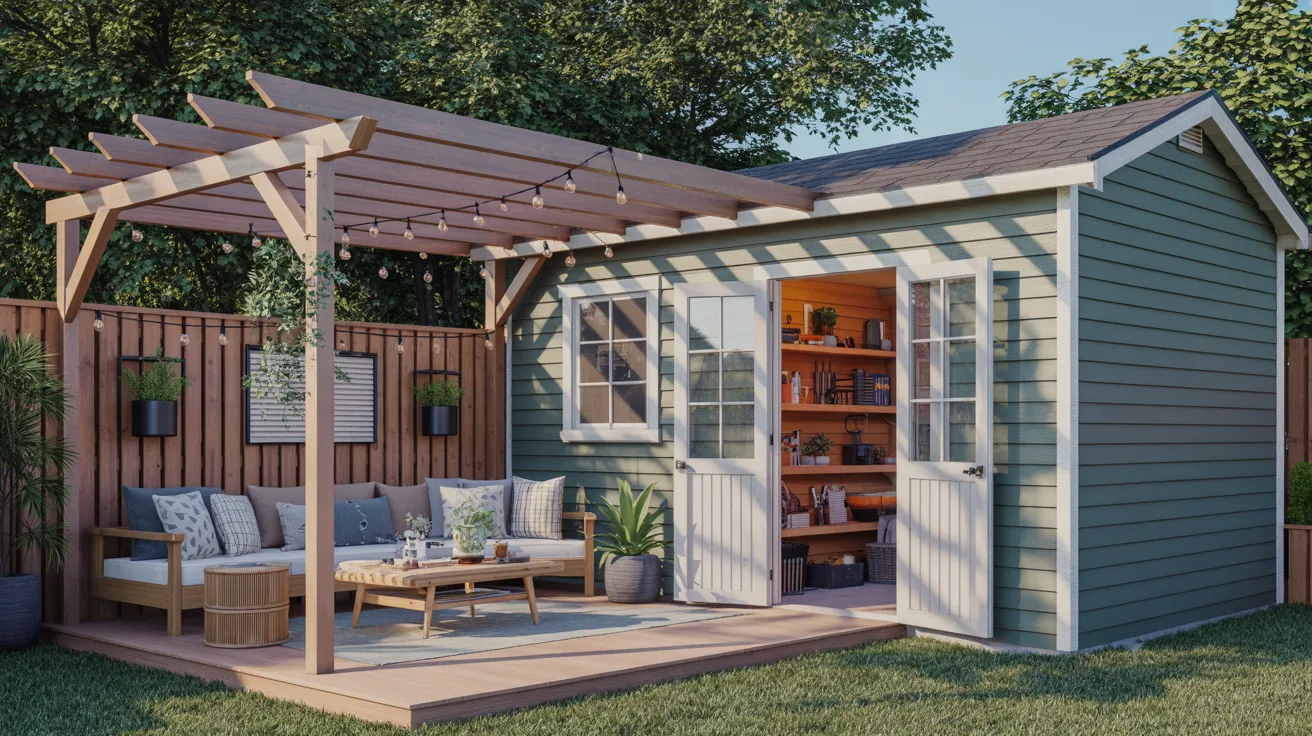
The pergola extends from the shed to create a covered outdoor living area. Plants, lights, and seating all fit comfortably underneath.
The two structures share a wall, keeping the total footprint manageable. Storage and outdoor living in one connected setup.
31. Compact Cube Shed
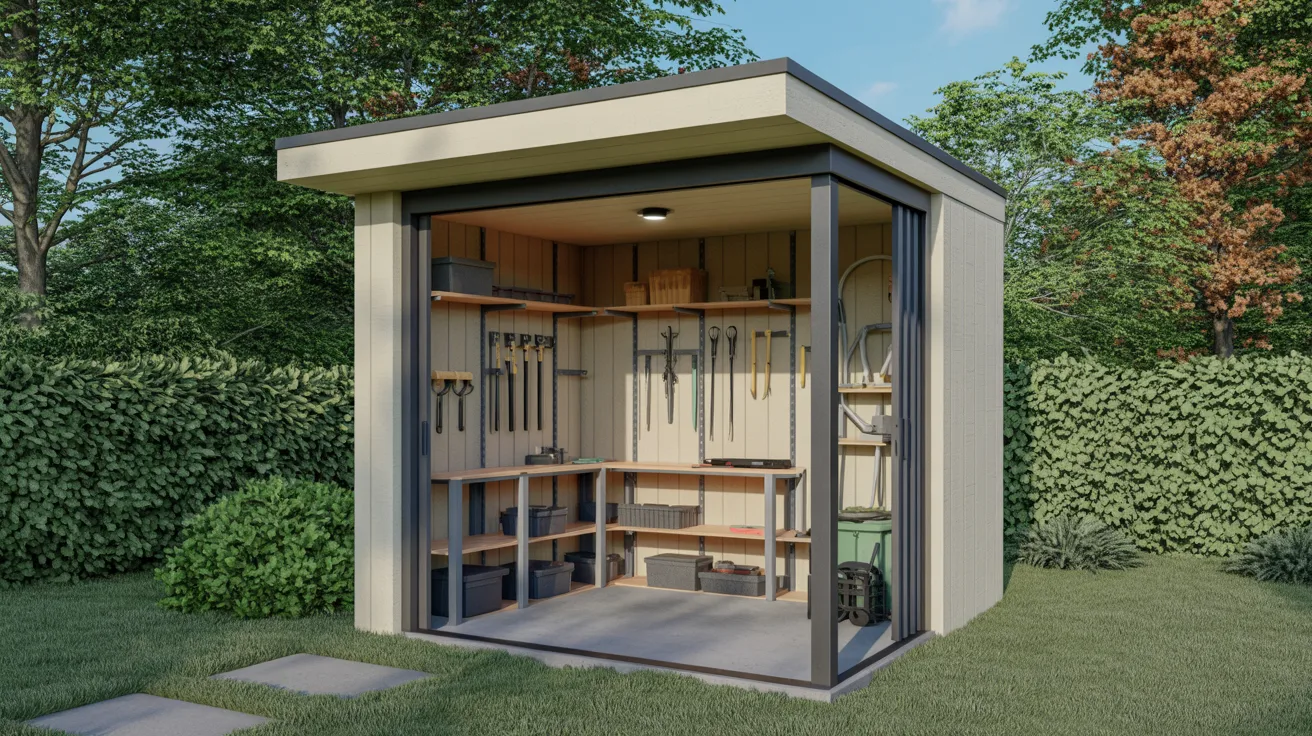
A square or rectangular shed with a flat or low-pitch roof. Small footprint, clean look, and easy to fit into a tidy yard.
Well-placed shelves and ceiling hooks make the most of the compact interior.
32. Shed with Sliding Shelves
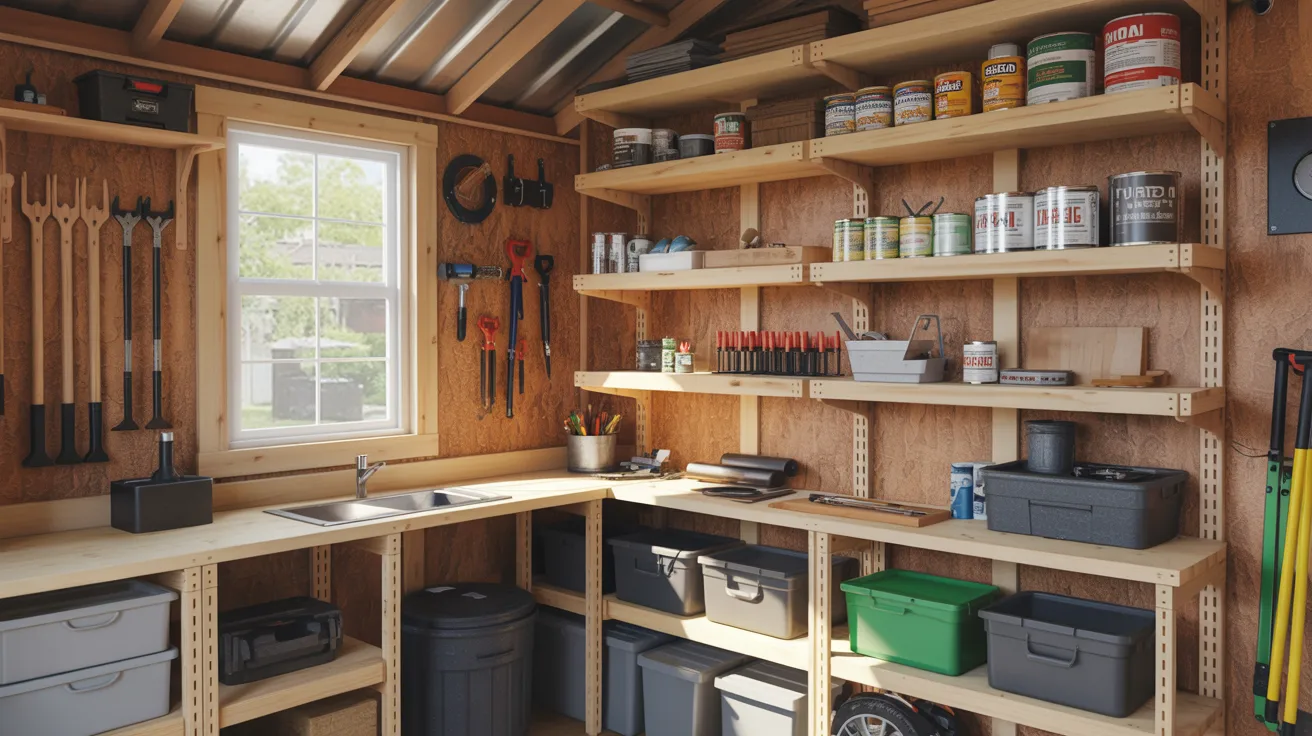
Sliding shelves work like large drawers, letting you pull out the shelf to reach items in the back. No more digging past everything in the front.
Easy to build from plywood and basic hardware. A simple upgrade that makes a real difference.
33. Shed with Solar Panels
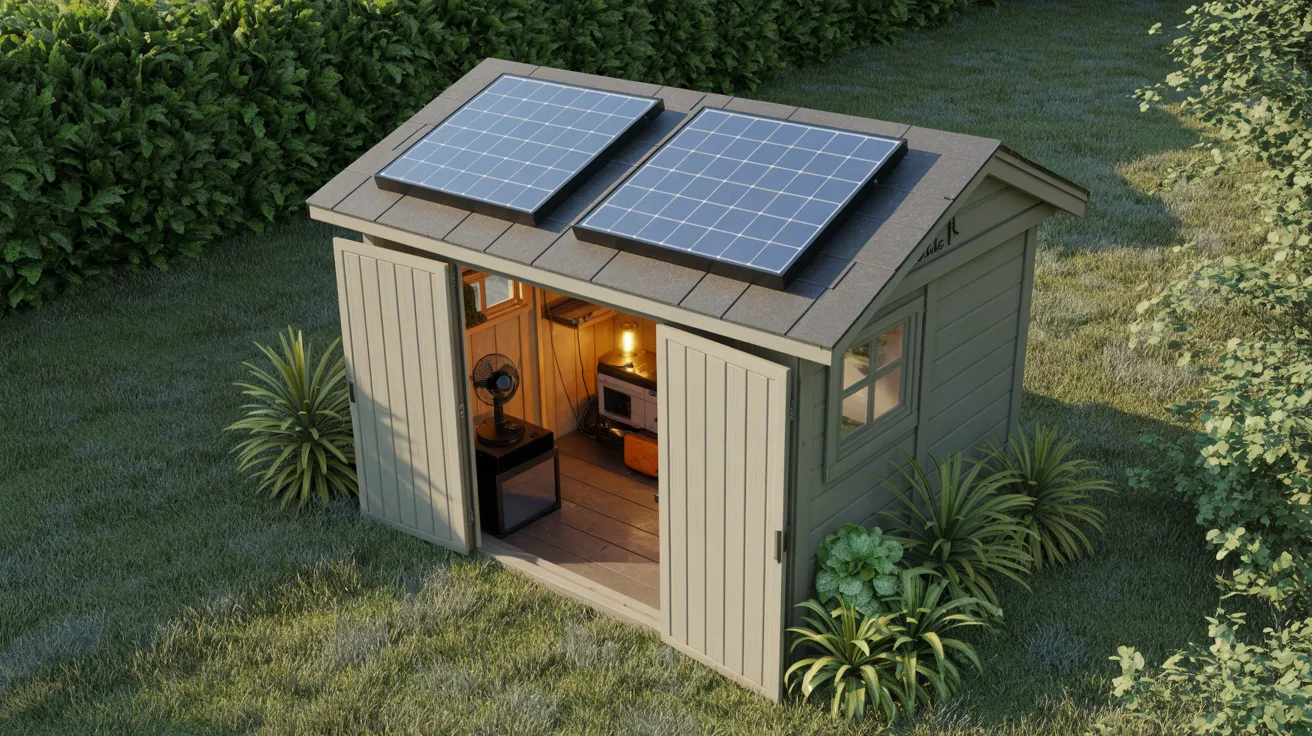
A small solar setup on the shed roof powers lights, a fan, or a phone charger without any wiring from the house.
Shed roofs are often well-positioned for sun exposure. A two-panel system covers most basic power needs.
34. Shed with Covered Entry
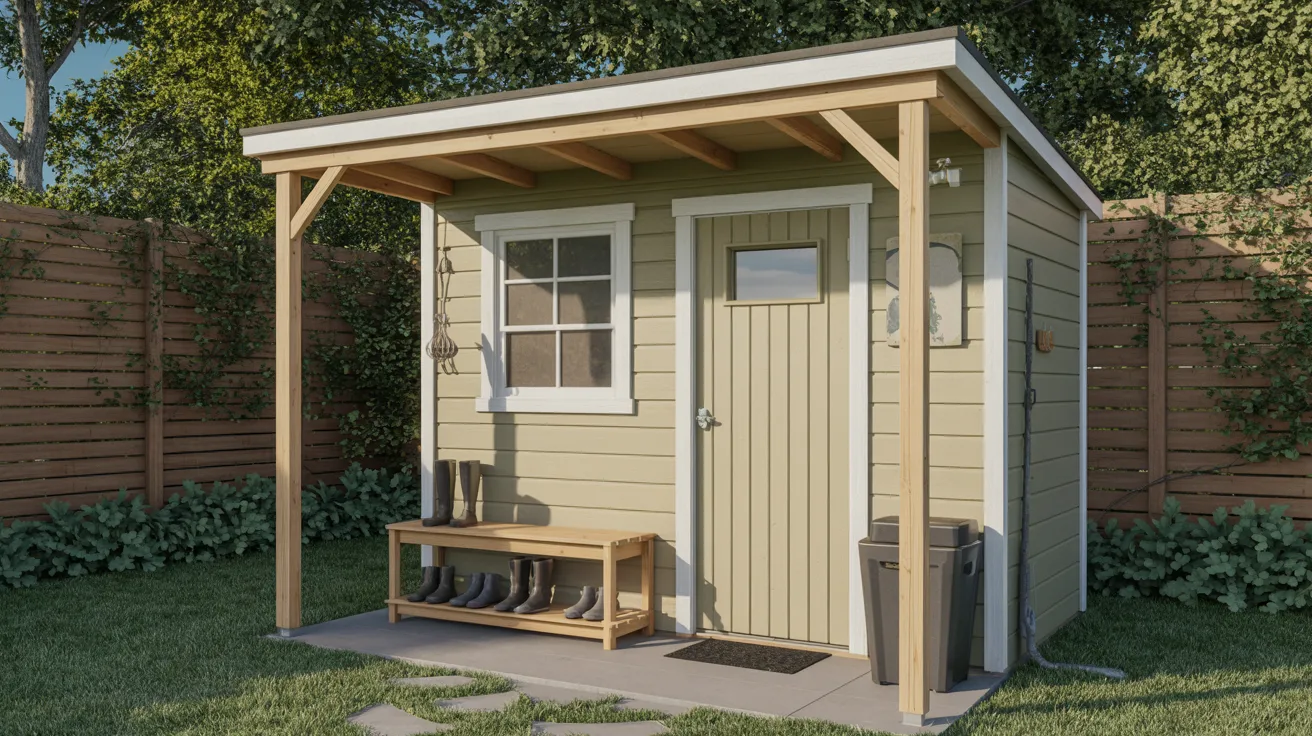
A small roof over the door keeps rain off you when entering and protects the door itself from water damage.
You can add a boot rack or mat under the covered entry to keep mud out of the shed interior.
35. Shed with Fold-Out Workbench
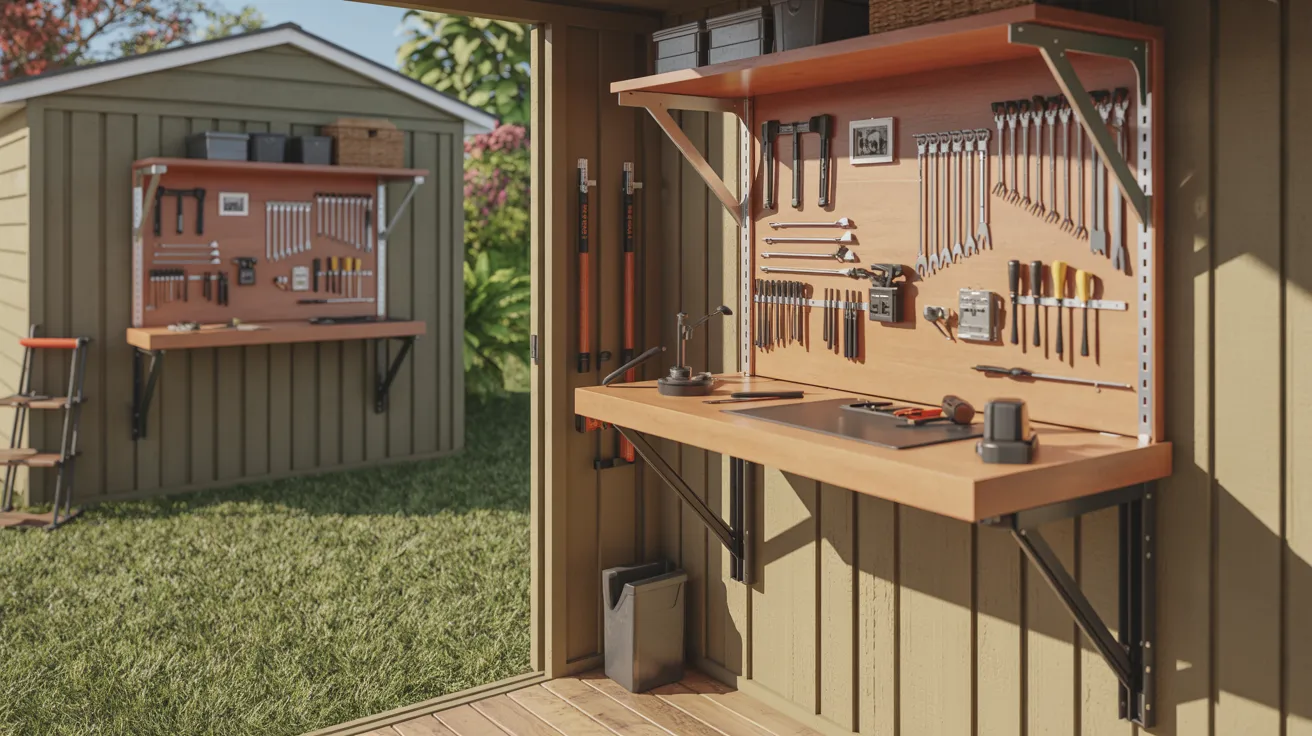
A wall-mounted bench that folds flat when not in use. You get a work surface when you need it and floor space back when you don’t.
Available as ready-made units or easy to build from basic lumber. A smart addition to any smaller shed.
36. Shed with Trellis Wall
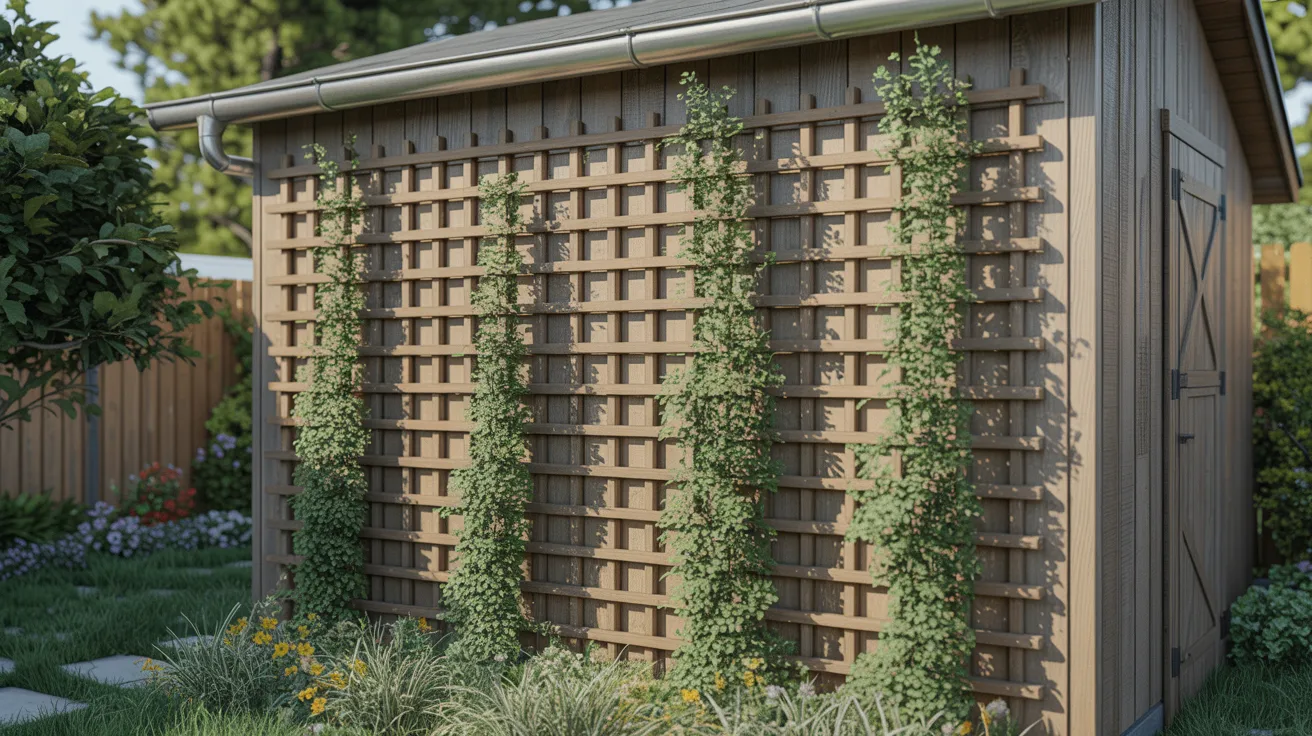
A trellis on the exterior wall gives climbing plants something to grow on. Over time, the greenery softens the look of the structure.
Space the trellis slightly away from the wall to prevent moisture from trapping against the wood.
37. Shed with Dual Access Doors
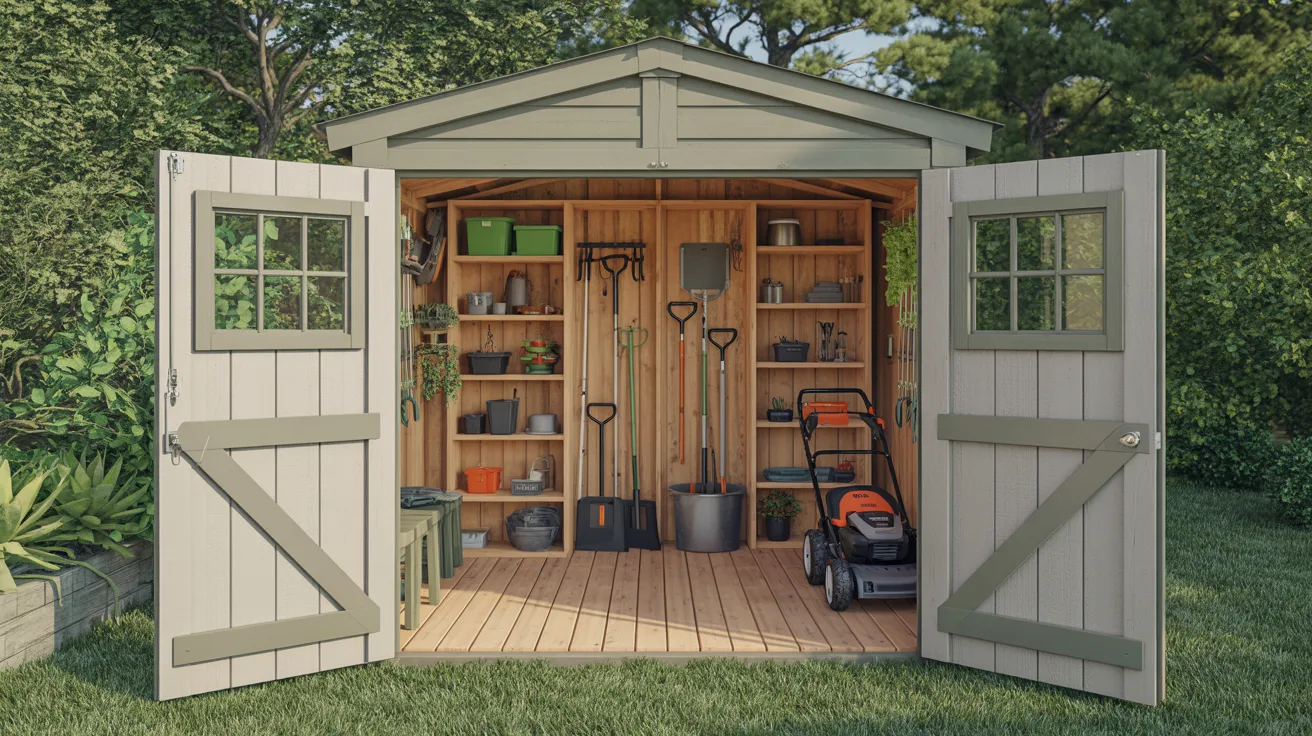
Two doors on opposite sides make it easy to load from one end and unload from the other. Great for large equipment like carts or mowers.
Opposite doors also create cross ventilation, clearing heat and humidity out fast.
38. Shed with Sliding Partition
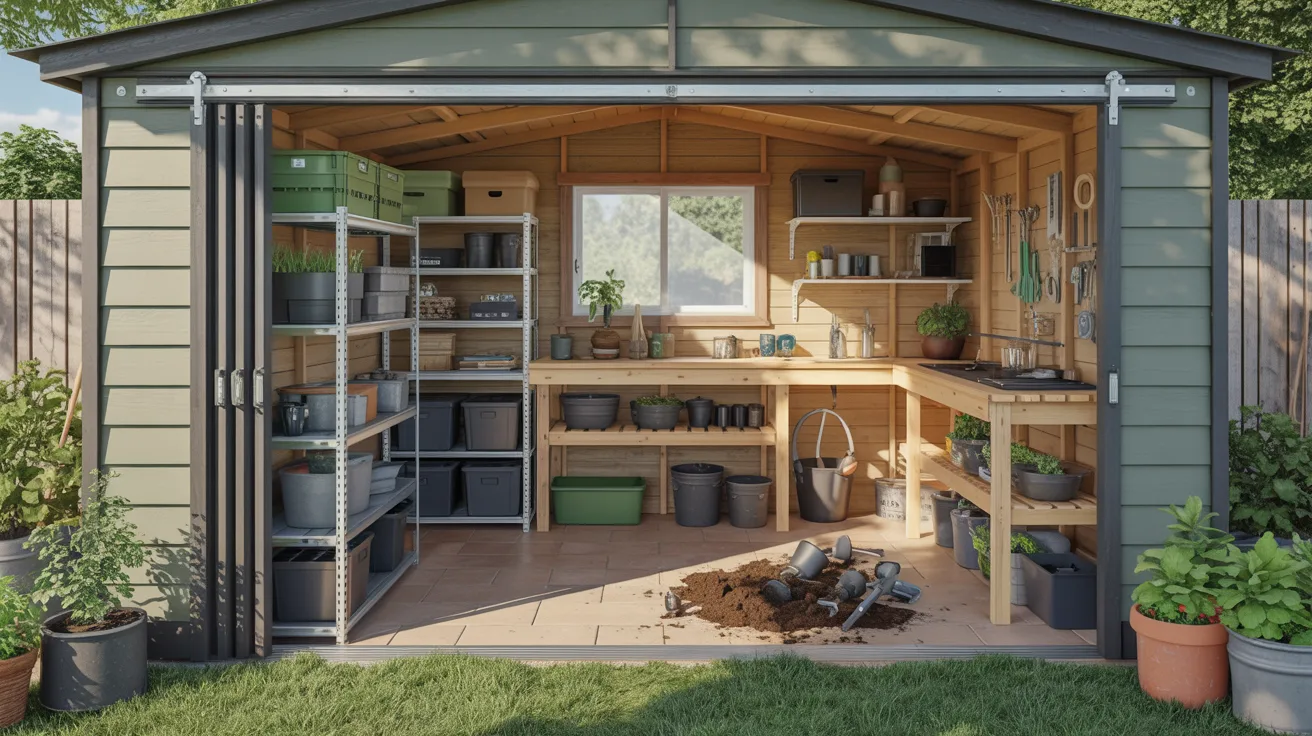
A sliding interior panel divides the shed into two zones. One side for clean storage, the other for potting, mixing, or messy tasks.
Simple to build on a basic track. Keeps different categories of items separated without needing two separate sheds.
39. Shed with Outdoor Lighting
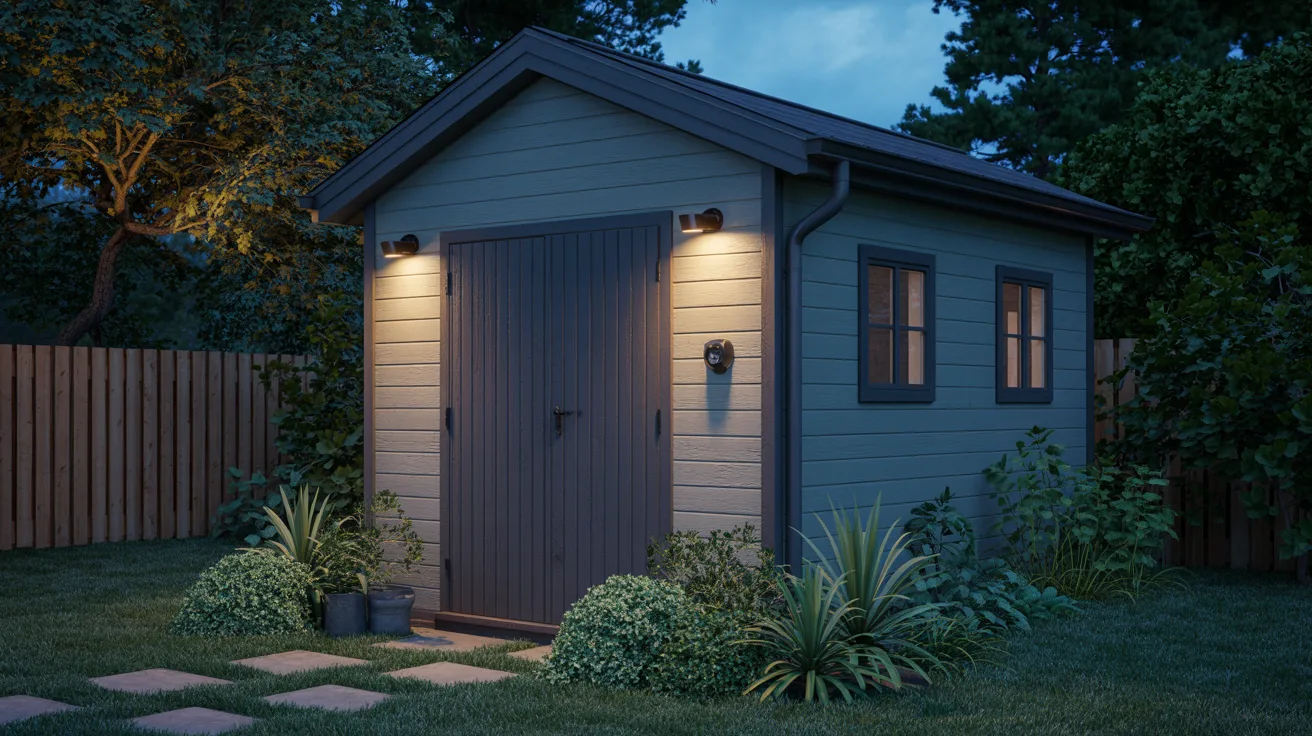
Exterior lights make the shed usable after dark and deter unwanted visitors. Solar-powered and motion-sensor options require no wiring.
Good lighting also makes the shed safer to approach and use at night.
40. Shed with Rainwater Collection
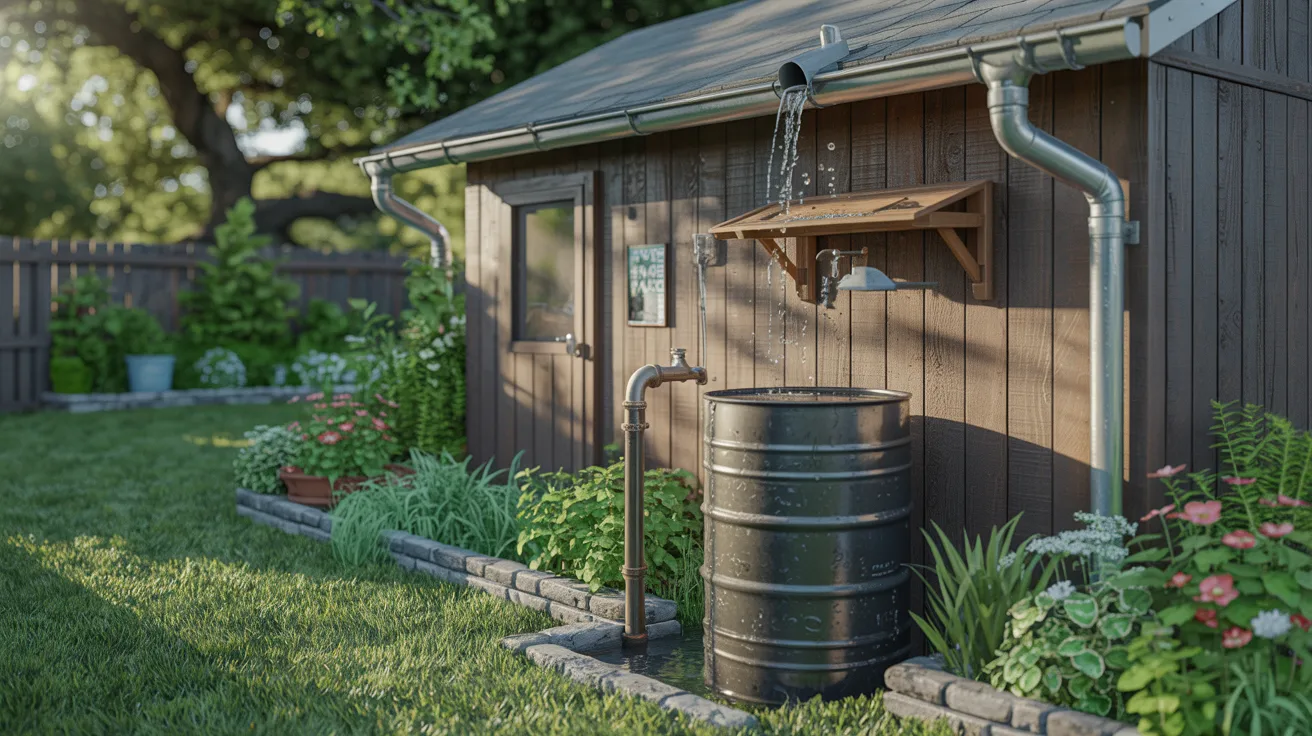
Gutters on the shed roof direct runoff into a storage barrel. That water goes straight to the garden for free.
Simple to set up in a few hours. In dry months, a stored water supply makes a real difference.
41. Shed with Lockable Storage
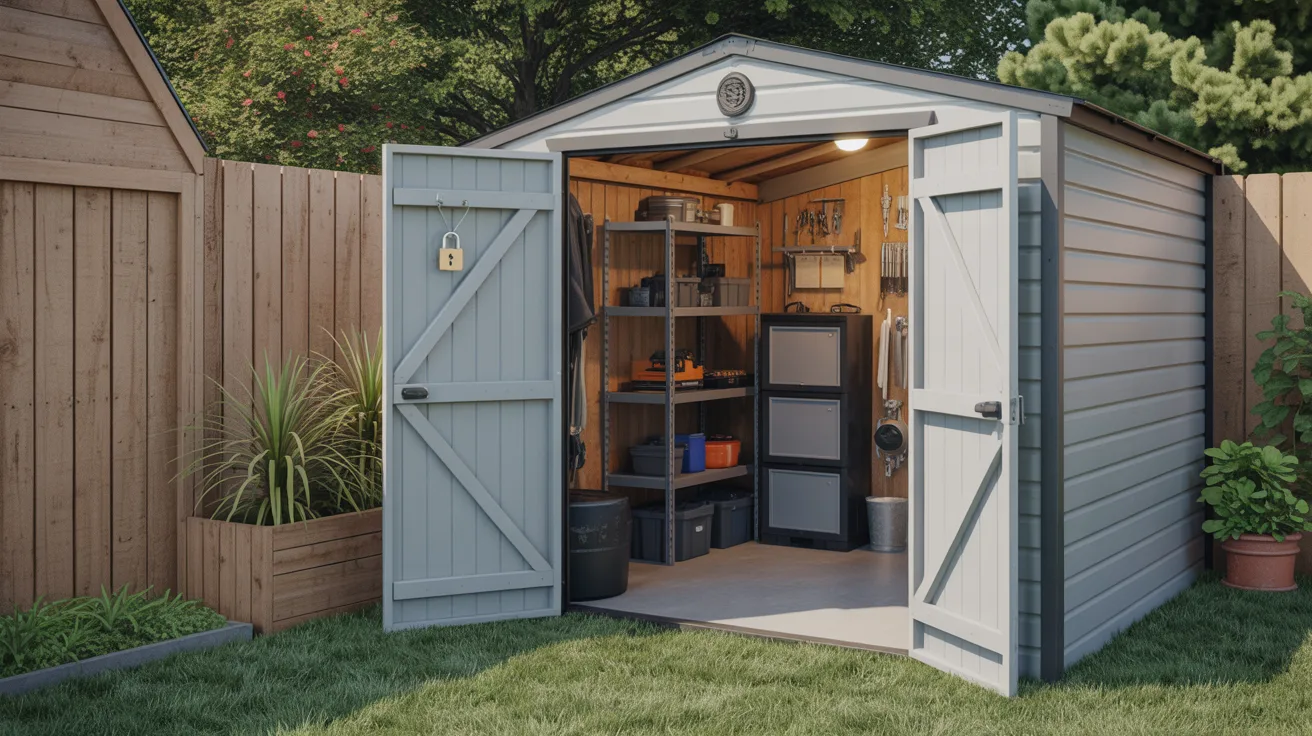
A solid door with a quality padlock or deadbolt protects power tools, expensive equipment, and valuable gear from opportunistic theft.
For extra protection, add a lockable cabinet inside for the most valuable items.
42. Shed with Ventilation System
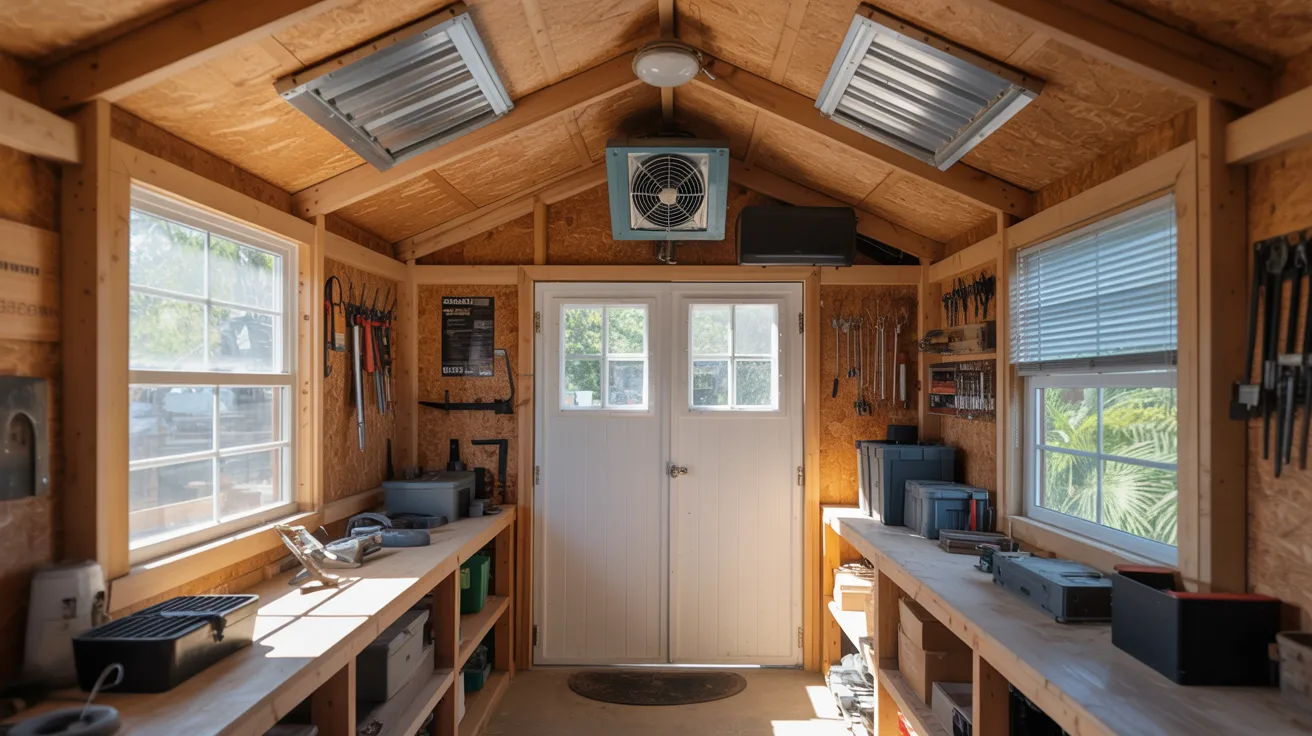
Two vents on opposite walls create cross airflow that prevents heat and moisture buildup. A solar exhaust fan improves this further.
Without ventilation, mold, rust, and deterioration happen faster than you’d expect. It’s worth getting right from the start.
43. Shed with Hanging Storage
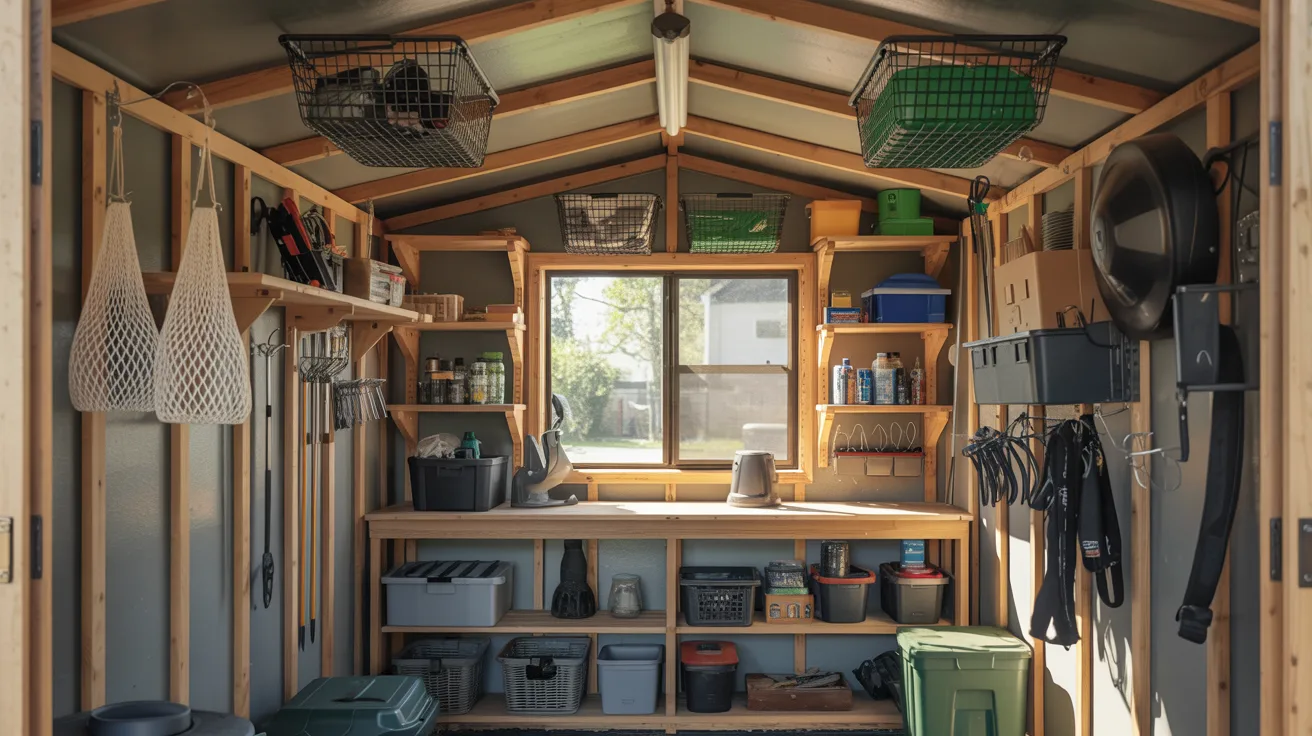
Nets, hooks, baskets, and hanging bins mounted on walls and ceilings hold lightweight items that would otherwise get buried.
Keep heavy items on lower shelves and lighter items up high. Cheap to set up and effective right away.
44. Shed with Sliding Drawer Storage
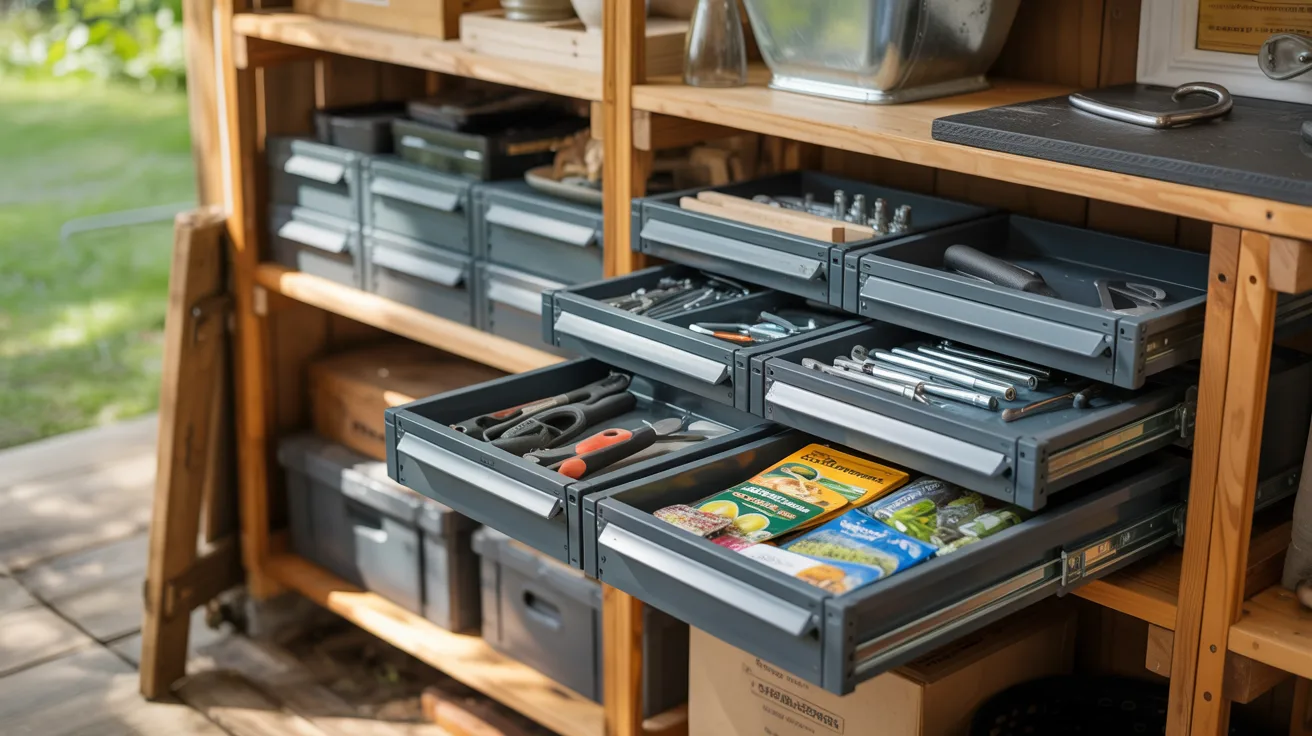
Drawers keep small tools, fasteners, and seed packets sorted and easy to find. Label each drawer and assign it a category.
Works especially well in workshop sheds where small parts and hardware tend to scatter.
45. Shed with Outdoor Seating Area
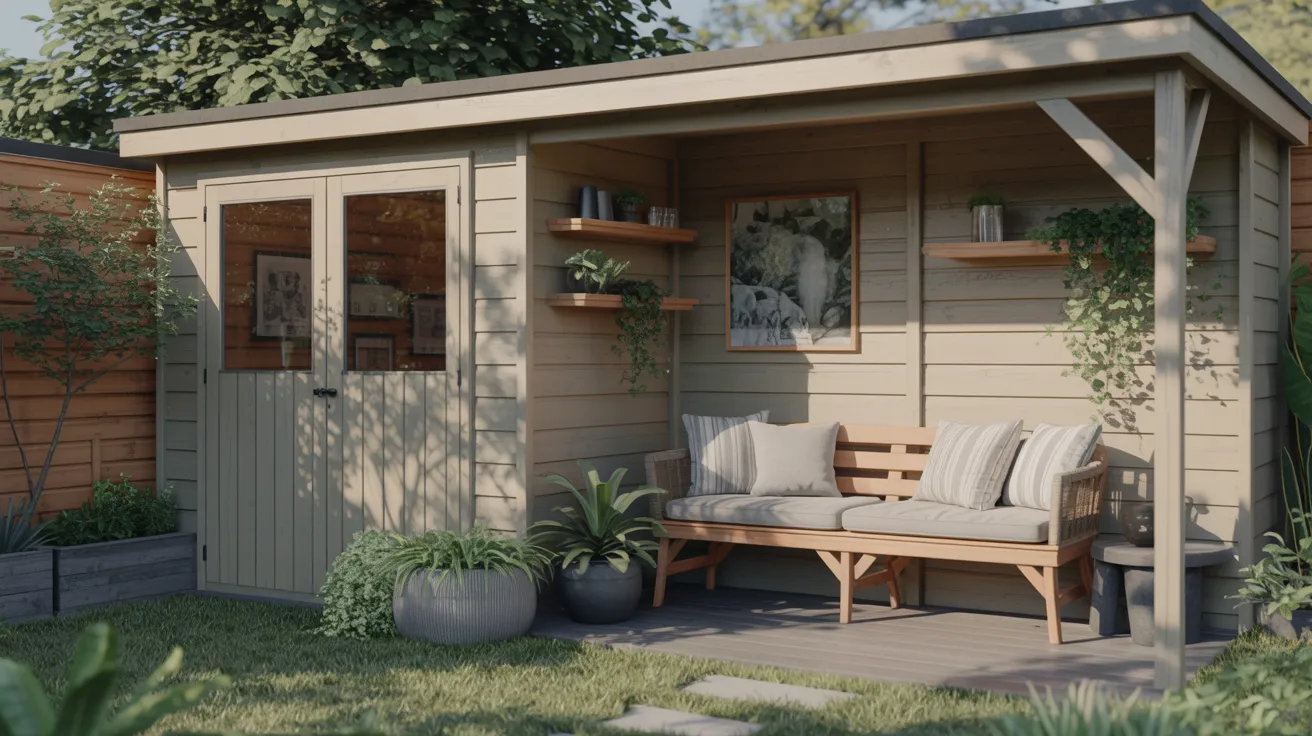
A simple bench along the exterior wall gives you a place to rest after working in the garden. Add cushions and it becomes a genuinely comfortable spot.
This small addition changes how the whole shed feels and makes it a real part of the backyard.
46. Shed with Rustic Wood Finish
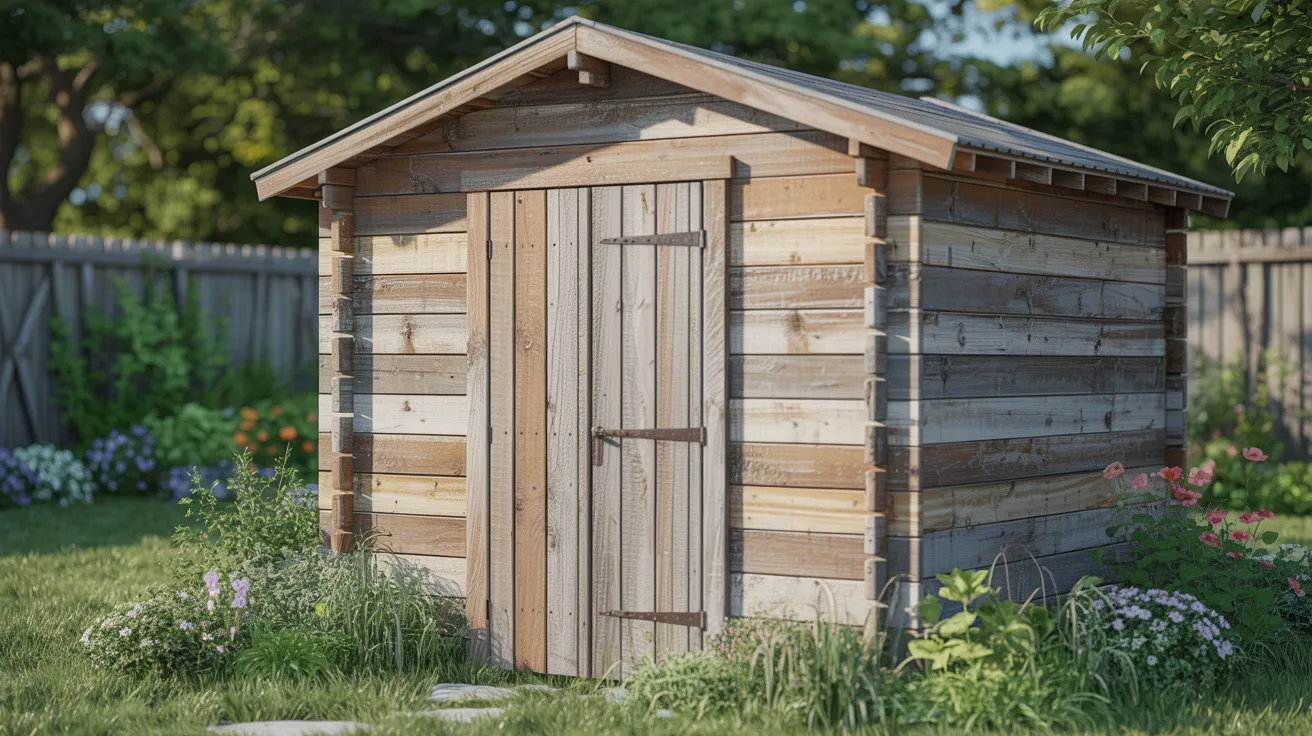
Rough-sawn timber, weathered boards, or reclaimed wood give the shed an aged, natural look. It fits well in cottage and country-style yards.
With the right protective treatment, reclaimed wood is just as durable as new lumber.
47. Shed with Foldable Roof Extension
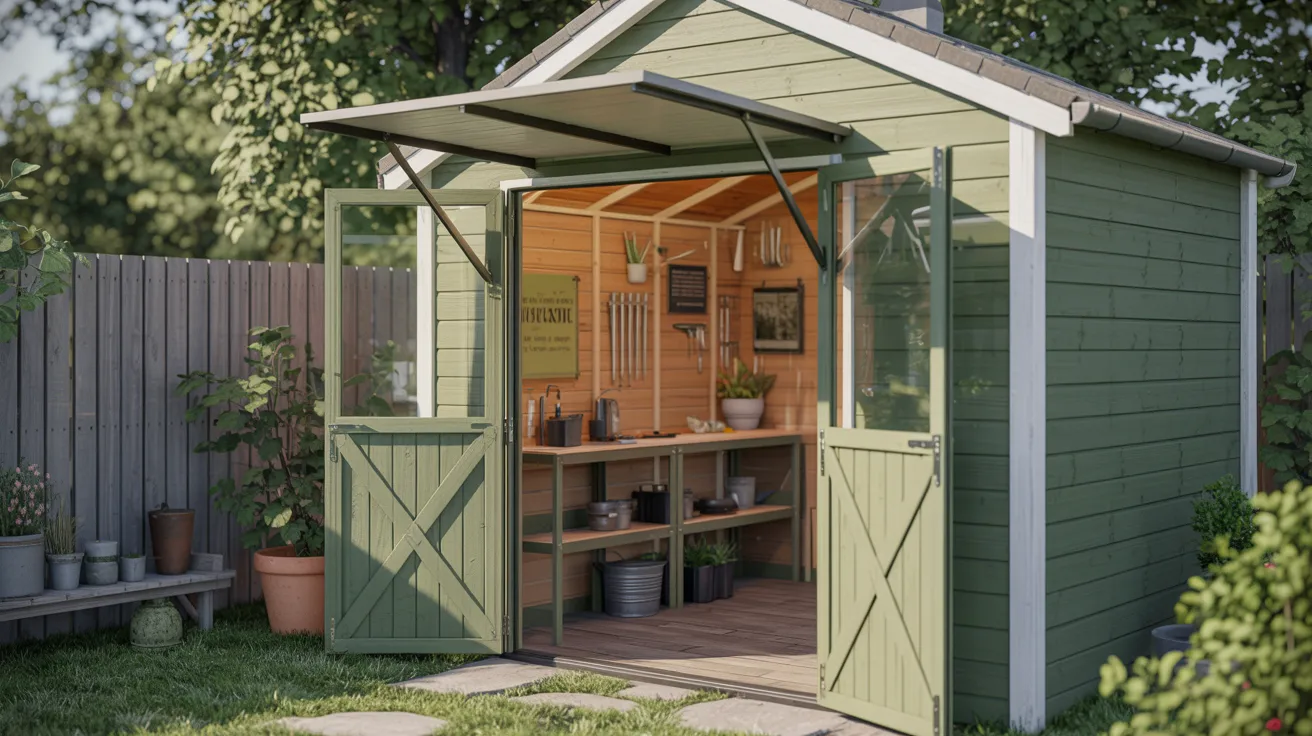
A hinged roof panel extends outward to create temporary shade at the shed entrance. Fold it out when working, fold it back when done.
Great for sheds used as potting stations or outdoor workshops. A simple feature with solid practical value.
48. Shed with Transparent Roof Panels
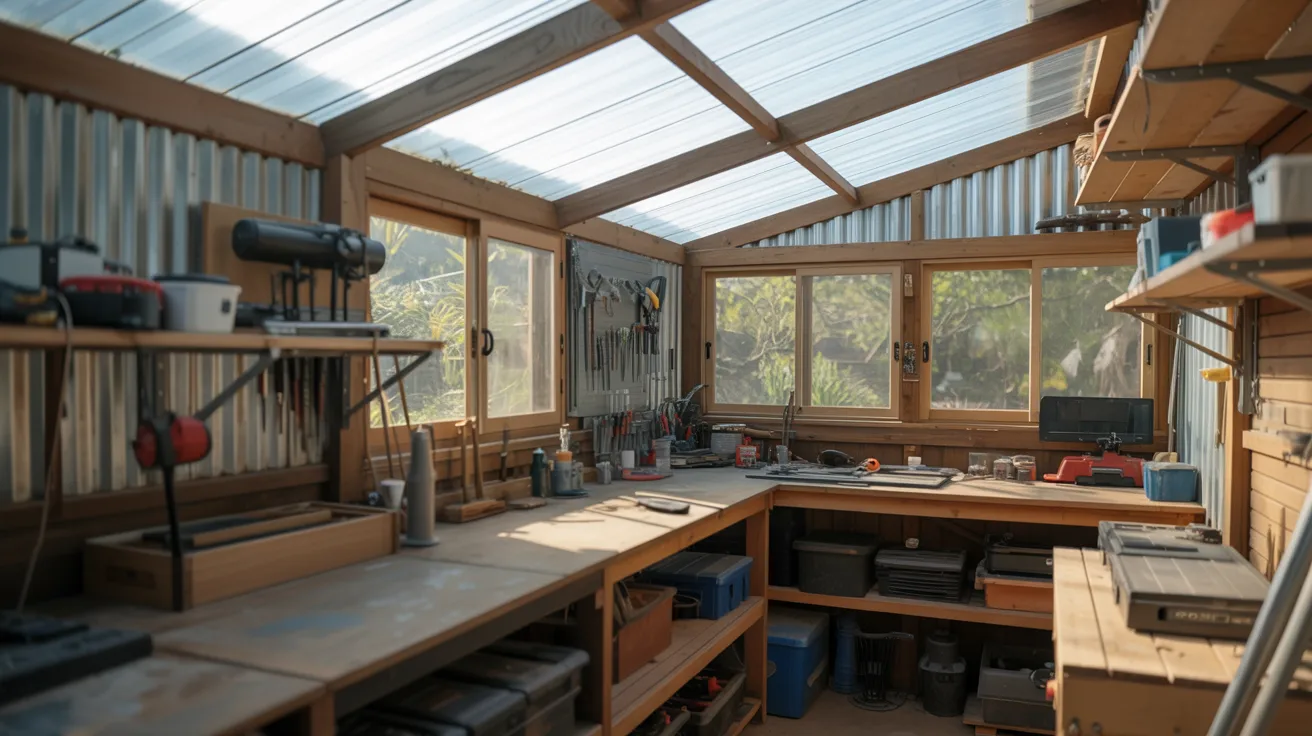
Polycarbonate or fiberglass panels let diffused natural light into the shed without full skylight installation.
The light is even and easy on the eyes, which is actually better for working than direct sunlight through a window.
49. Small DIY Corner Shed
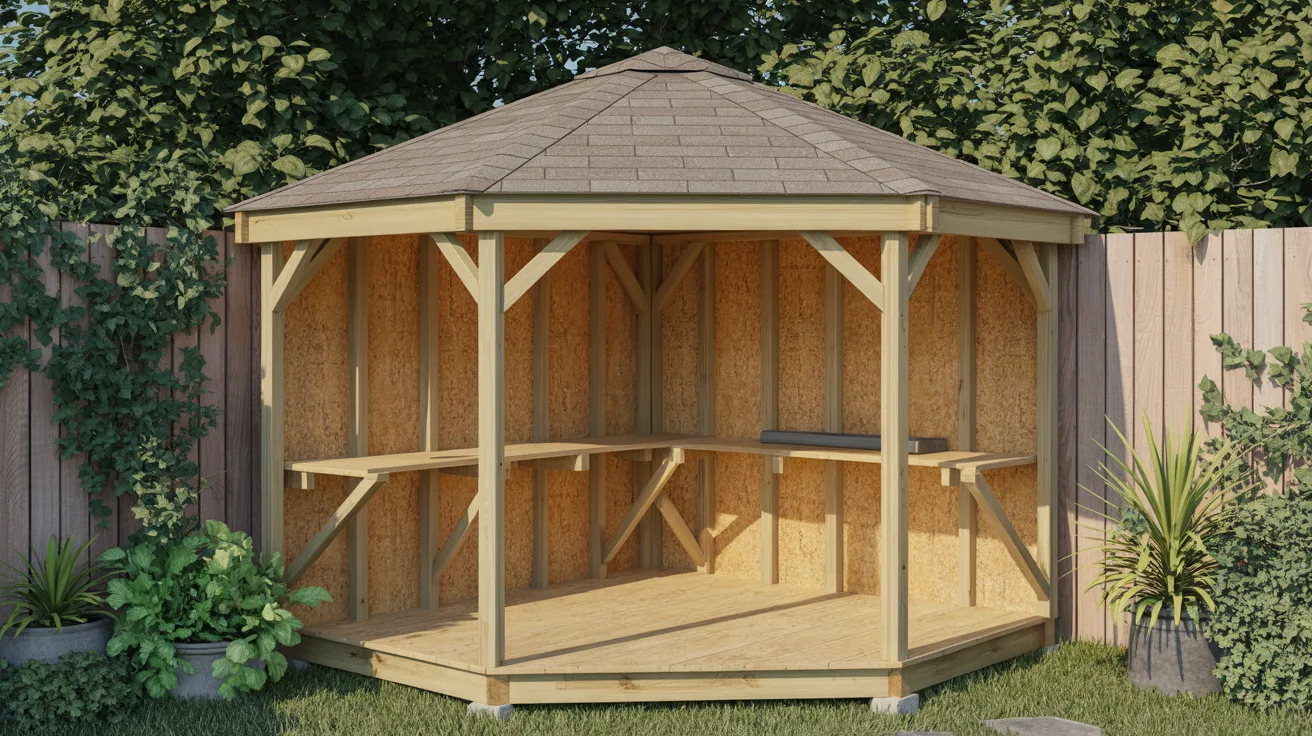
A basic frame from 2×4 lumber, plywood walls, and roof shingles. The triangular footprint keeps material costs low.
It’s a solid weekend project that fits awkward spaces perfectly. You size it to your needs and build it to suit exactly what you’re storing.
Tips for Maintaining Your Storage Building
A storage building only stays useful if you take care of it. Small, consistent maintenance prevents big repairs down the road. Here’s what to stay on top of.
- Inspect the roof each season for loose panels, gaps, or cracked shingles.
- Check for leaks after heavy rain. Water stains or wet floors are early warning signs.
- Reapply wood sealant or paint every one to two years to block moisture.
- Clear vents regularly so airflow isn’t blocked by dirt, leaves, or nests.
- Use pest deterrents like cedar or store-bought repellents to keep insects and rodents out.
- Clean gutters if your shed has them. Blockages cause overflow and wall damage.
- Sweep the interior regularly to prevent debris buildup and pest attraction.
Keep up with these tasks throughout the year and your storage building can easily last 20 to 30 years without major repairs.
Conclusion
I still remember how much better my backyard felt the day my shed went up. It wasn’t just about storage. It was about finally having a space that worked.
You don’t need a big budget or a big yard to make it happen. You just need the right idea and a plan.
So pick your favorite from these storage building ideas and go for it. And when you do, come back and tell me about it in the comments. I’d love to see what you built!
Frequently Asked Questions
What is the best material for a backyard storage shed?
Wood is easy to customize, metal needs minimal upkeep, and plastic is the most affordable. Your best choice depends on your climate, budget, and maintenance preference.
How much space do I need for a storage building?
Compact sheds can fit in corners as small as 4×4 ft, while a general-purpose shed typically needs at least 10×12 ft. Always measure your available space before choosing a size.
Can a storage shed be used for other purposes?
Yes, sheds are commonly used as workshops, studios, garden houses, and home offices. The structure is just the starting point.
How do I maintain a storage building?
Clean it regularly, check for leaks after rain, keep vents clear, and treat wood or metal surfaces every year or two. Consistent small tasks prevent costly repairs.
Do I need permission to build a backyard shed?
Permit requirements vary by location. Many small sheds under a certain square footage are exempt, but always check with your local building authority before starting.