
I’ve always believed that the back of your house holds the most untapped potential. A sunroom addition changes that fast. It pulls in natural light, gives you extra living space, and keeps you connected to your backyard without stepping outside.
Whether you want a cozy reading corner or a full family room with glass walls, there’s a sunroom style for every home.
In this post, I’m sharing 11 back house sunroom addition ideas to help you figure out which one fits your space, lifestyle, and budget.
Back House Sunroom Benefits
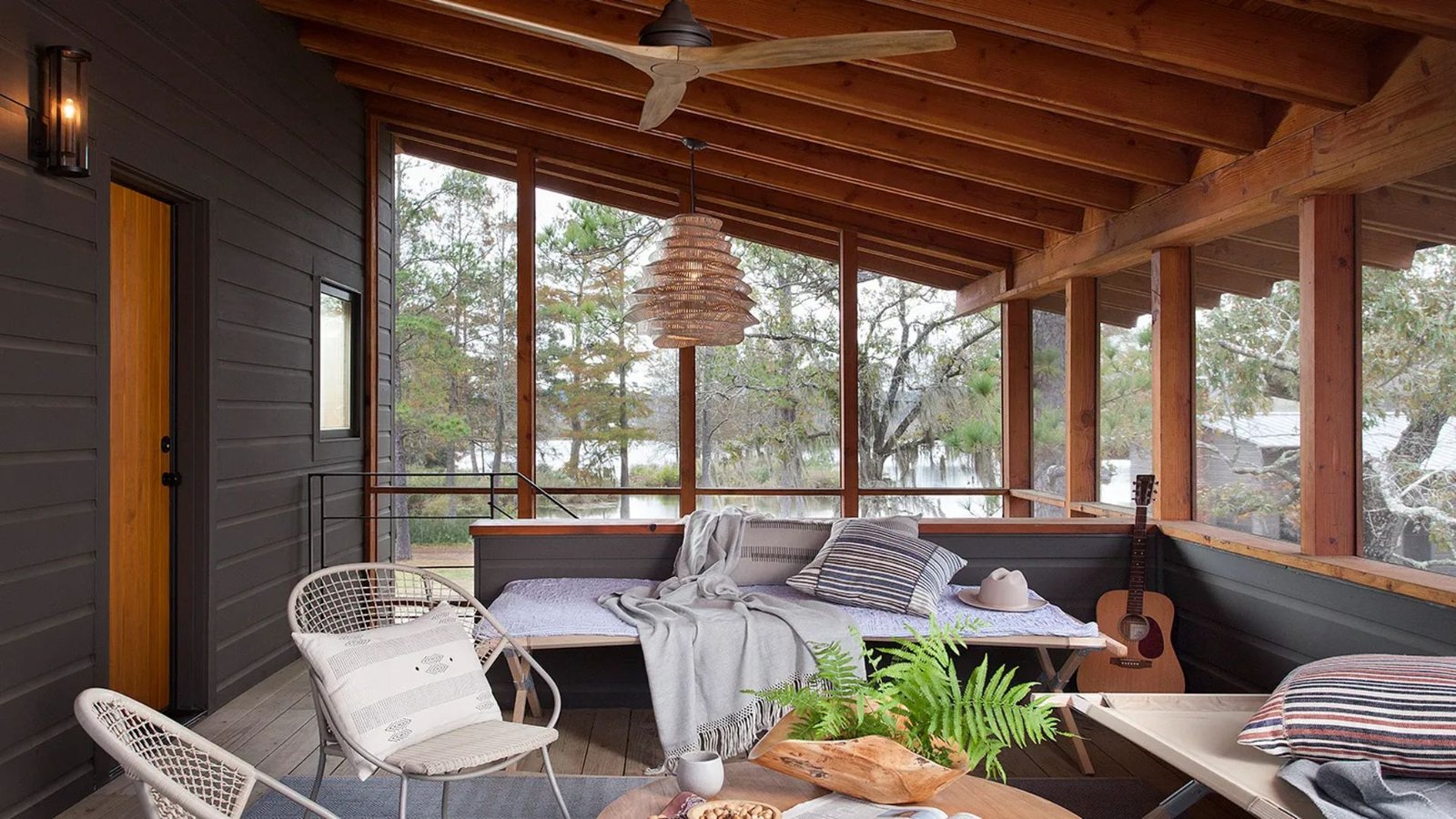
A sunroom adds usable square footage without the cost of a full home addition. You get a functional room that serves real daily purposes.
Large windows and glass walls flood your home with daylight, making adjacent rooms feel brighter and more open throughout the day.
A sunroom gives you backyard views all year long. Rain, shine, or snow, you stay connected to the outdoors from a comfortable, sheltered space.
A well-built sunroom can boost your property’s resale appeal. Buyers notice the added square footage, the light, and the versatility.
11 Back House Sunroom Addition Ideas
One line here introducing the section.
1. Three-Season Sunroom for Flexible Living
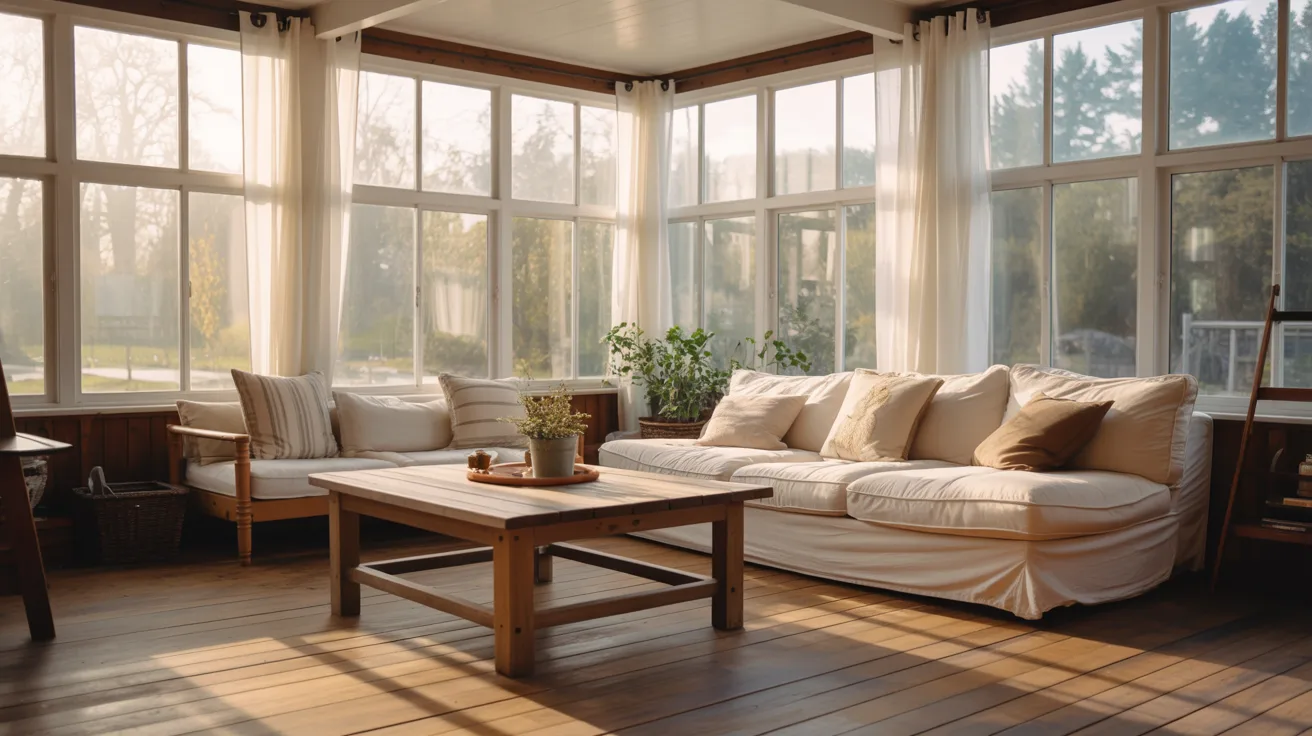
Three-season sunrooms use single-pane glass and don’t connect to your home’s central HVAC system. They’re built for spring, summer, and fall use, not harsh winters. That also makes them one of the more affordable options.
Think morning coffee nook, casual family lounge, or a spot to unwind after work. It still works fine on mild winter days with a space heater.
2. Four-Season Sunroom for Year-Round Comfort
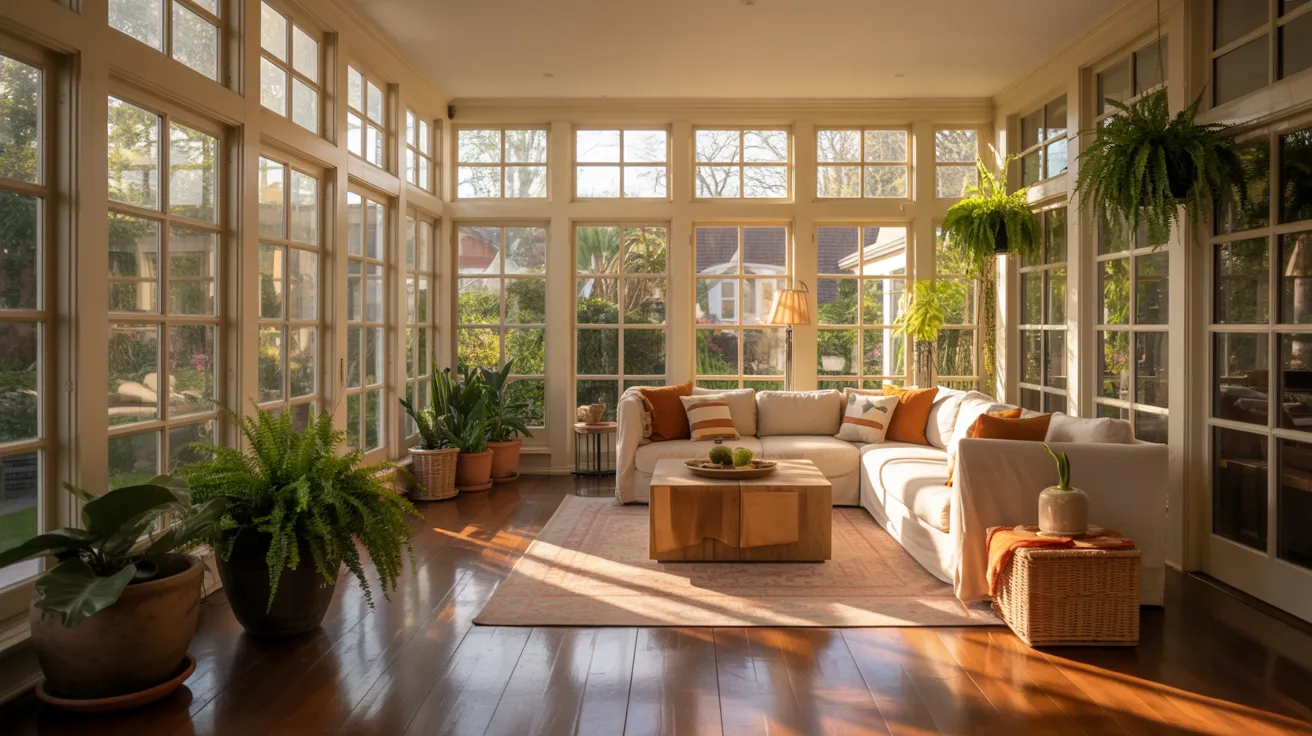
Four-season sunrooms use double-pane glass and thermally engineered frames to hold temperature year-round. They connect directly to your home’s HVAC system, so the room stays warm in winter and cool in summer.
This type works best as a permanent family room, home office, or extended living space. If you want a sunroom you’ll actually use in January, this is the one to build.
3. Screened-In Porch for Open-Air Relaxation
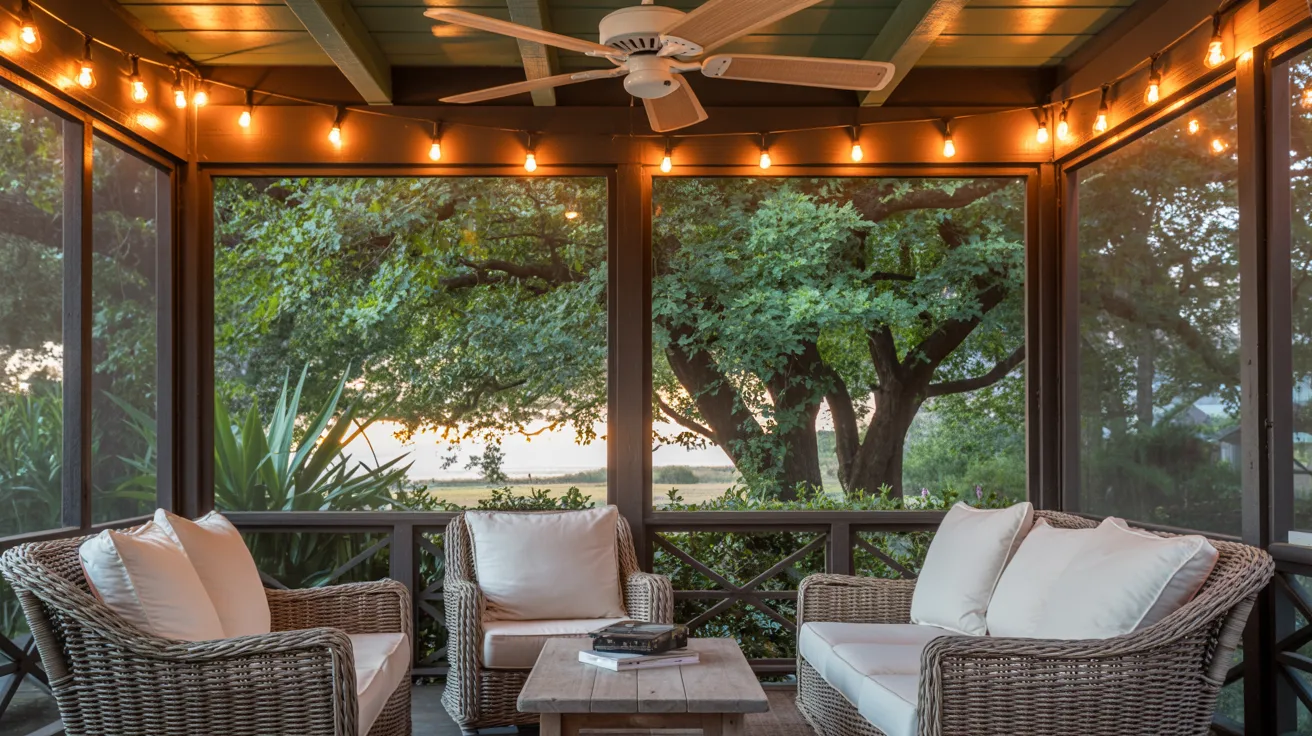
A screened-in porch lets fresh air in while keeping insects out. It’s one of the most budget-friendly ways to expand your back living space.
Go for comfortable outdoor furniture, a ceiling fan to keep air moving, and string lights for evening use. Keep it casual and lived-in.
4. Solarium for Maximum Outdoor Views
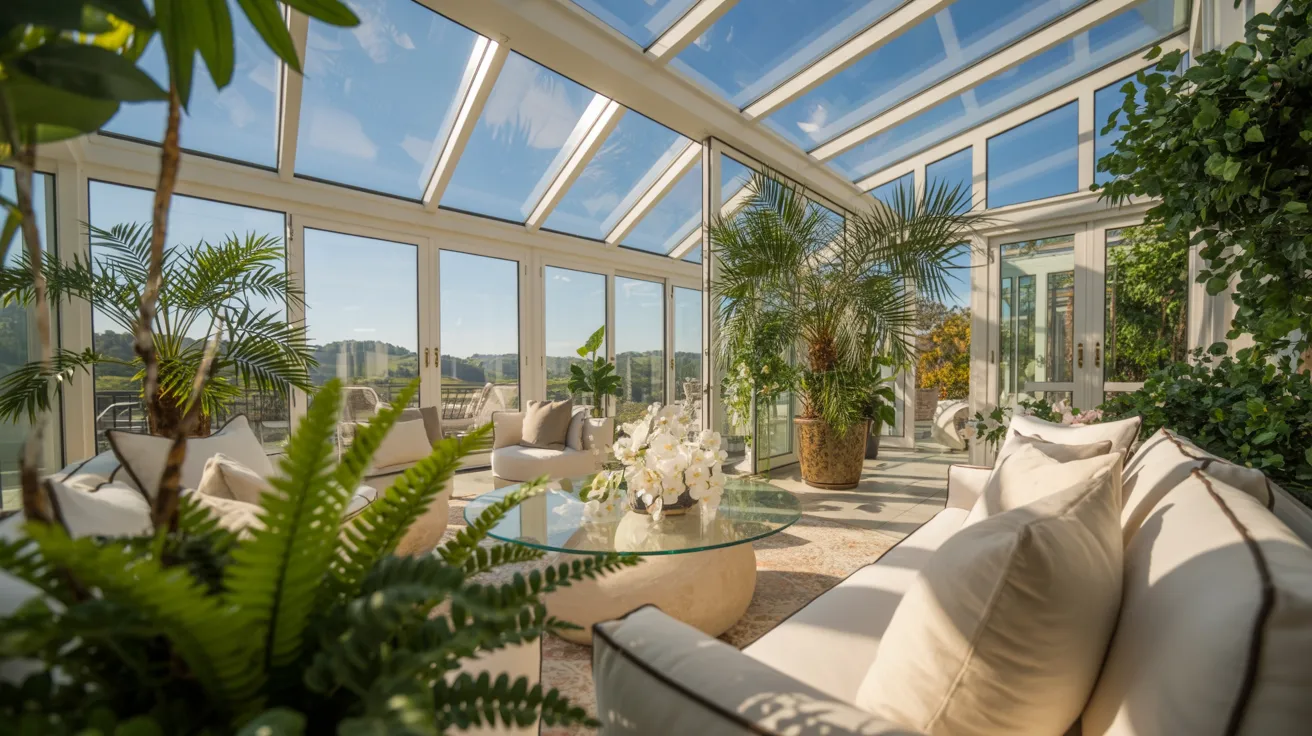
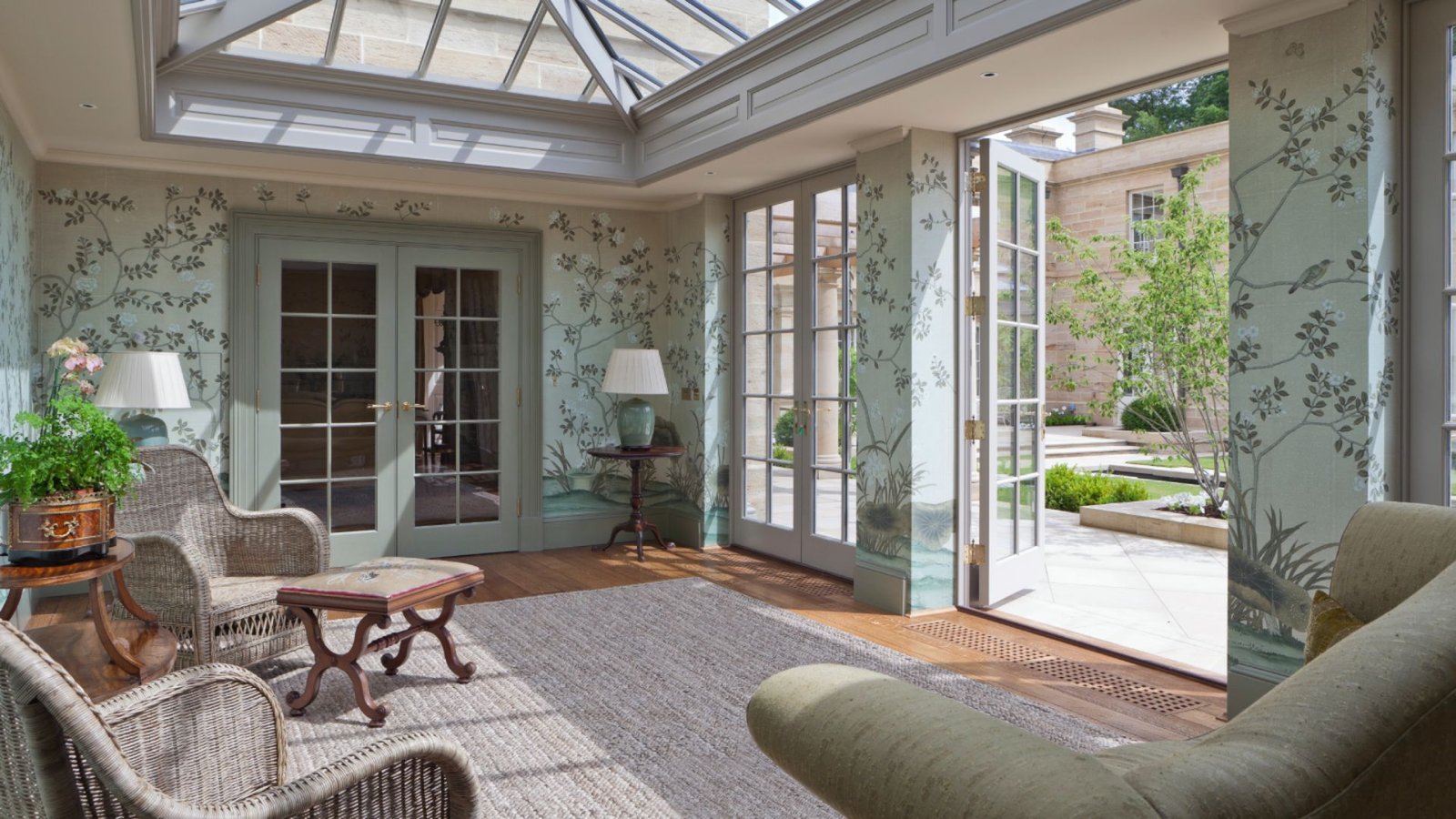
A solarium takes glass walls a step further as the roof is glass too. You get full panoramic views from every angle, including straight up. It does require professional construction and solid structural engineering.
Solariums work well for stargazing, displaying large indoor plant collections, or creating a luxurious lounge space with unmatched natural light.
5. Arizona Room for Versatile Living
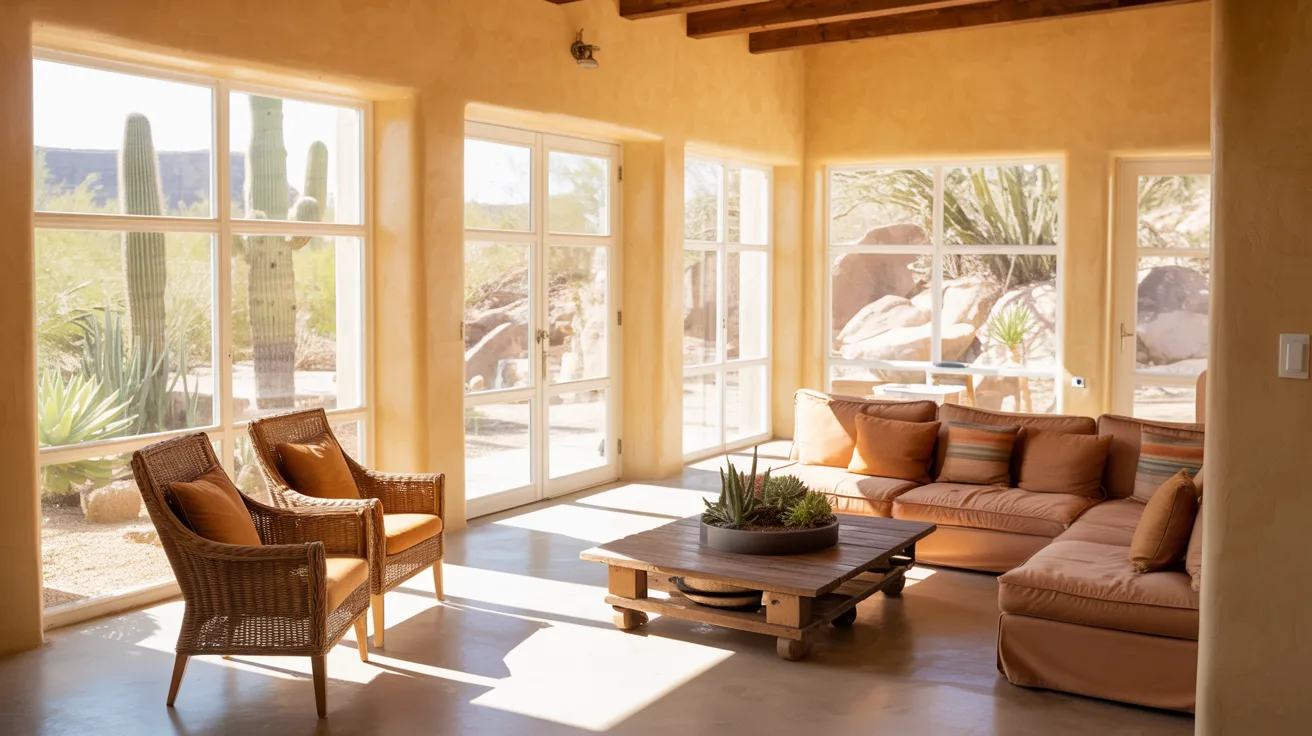
An Arizona room blends traditional room construction with oversized windows. It has solid walls like a standard room but opens up with large glazed panels that bring in light while protecting against wind and rain.
Use it as a reading nook, an indoor garden space, or a spot for entertaining guests. It handles multiple uses well because it feels more like a proper room than a porch add-on.
6. Modern Sunroom Designs
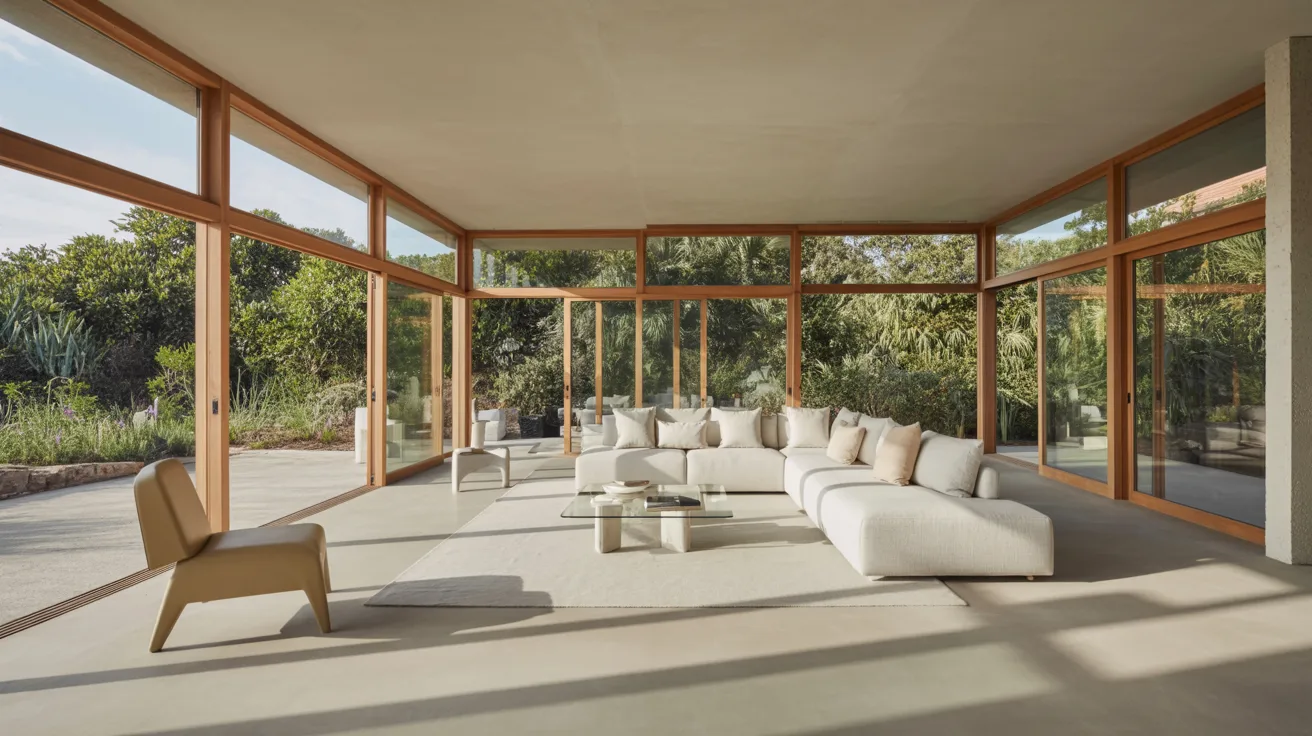
Modern sunrooms lean on floor-to-ceiling windows, clean lines, and neutral color palettes. Common materials include metal framing, polished concrete floors, and light-toned wood accents.
Keep furniture low-profile and simple. Let the natural light do the work and avoid heavy curtains or busy patterns.
7. Rustic and Farmhouse Style Sunrooms
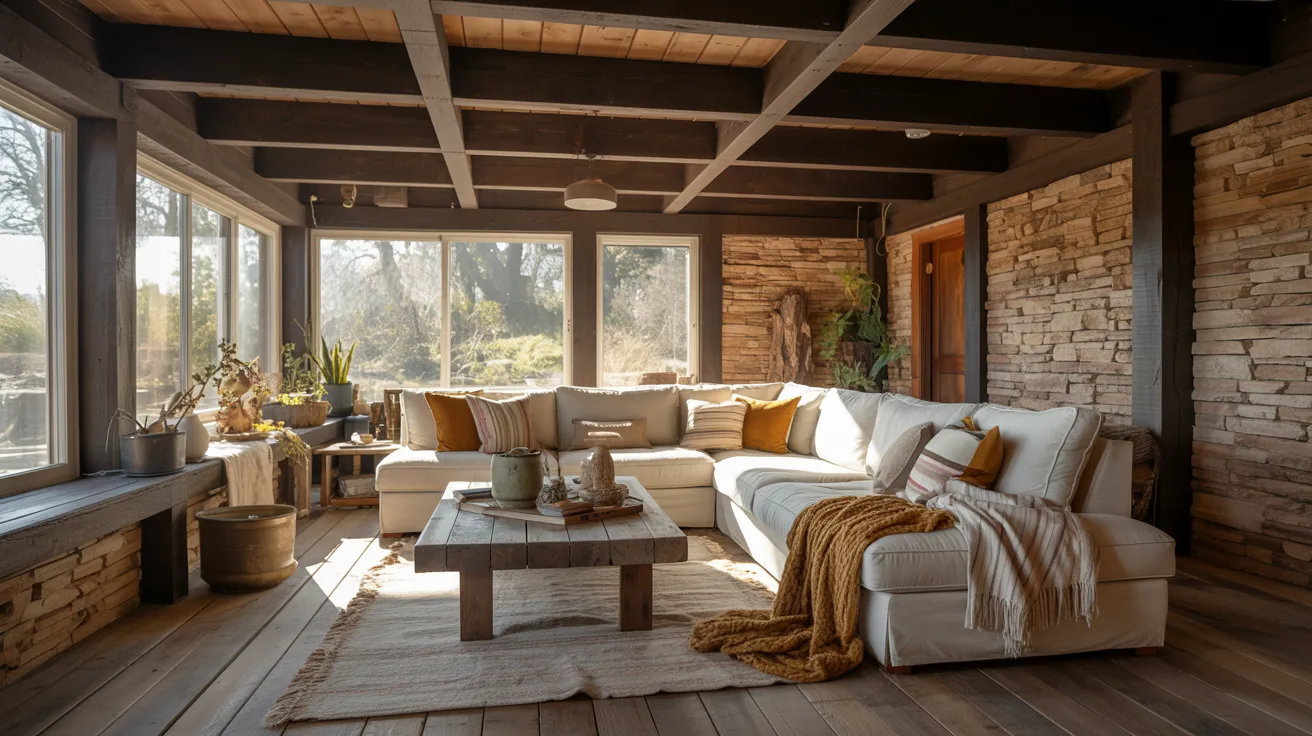
Exposed wood beams, stone accent walls, and wide-plank flooring set the tone in a rustic sunroom. Pair those with overstuffed chairs, a worn-leather sofa, and layered textile throws.
This style works best for homeowners who want a warm, lived-in space that feels connected to nature. It holds up well in homes with a farmhouse or country-style exterior.
8. Traditional and Classic Sunroom Styles
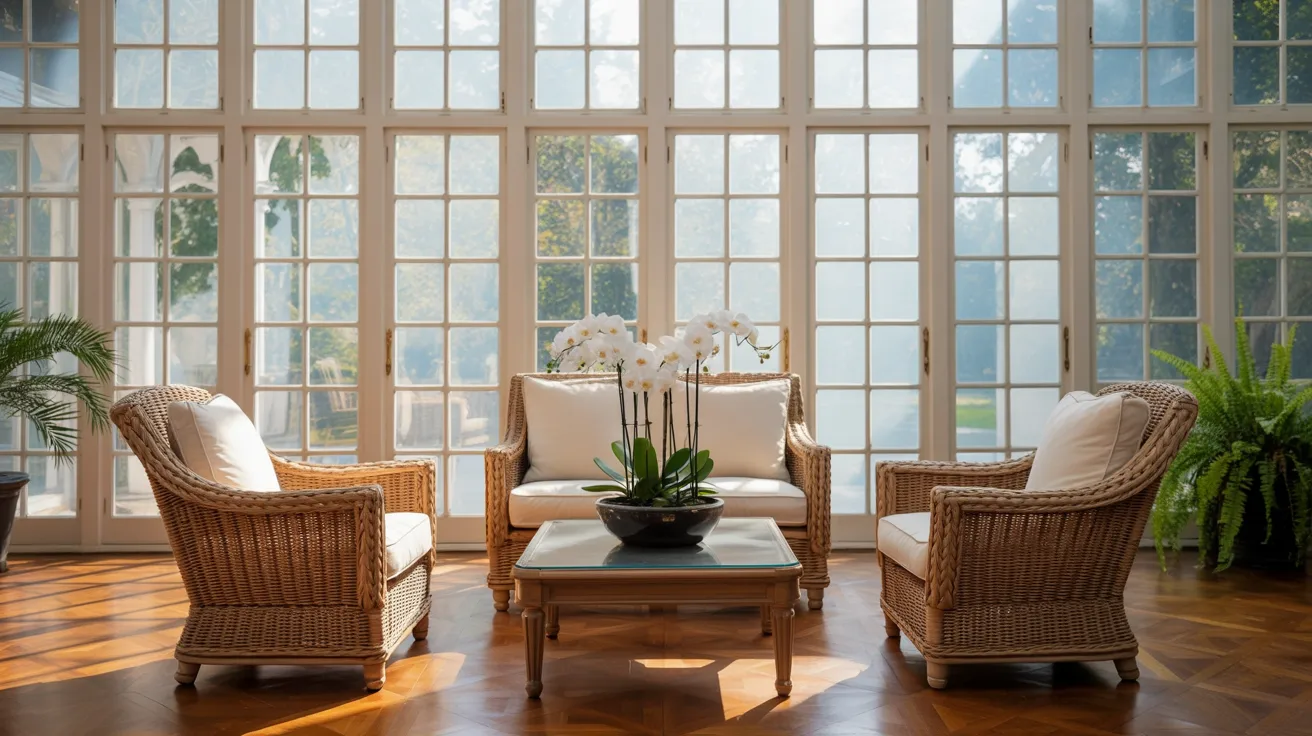
Traditional sunrooms use knee walls, grid-patterned windows, and rooflines that mirror the main house. Every design choice is made to look like the sunroom was always part of the original build.
This style fits colonial, Victorian, and craftsman-style homes particularly well. It keeps your home’s architectural character intact while adding extra space and light.
9. Bohemian and Eclectic Sunrooms
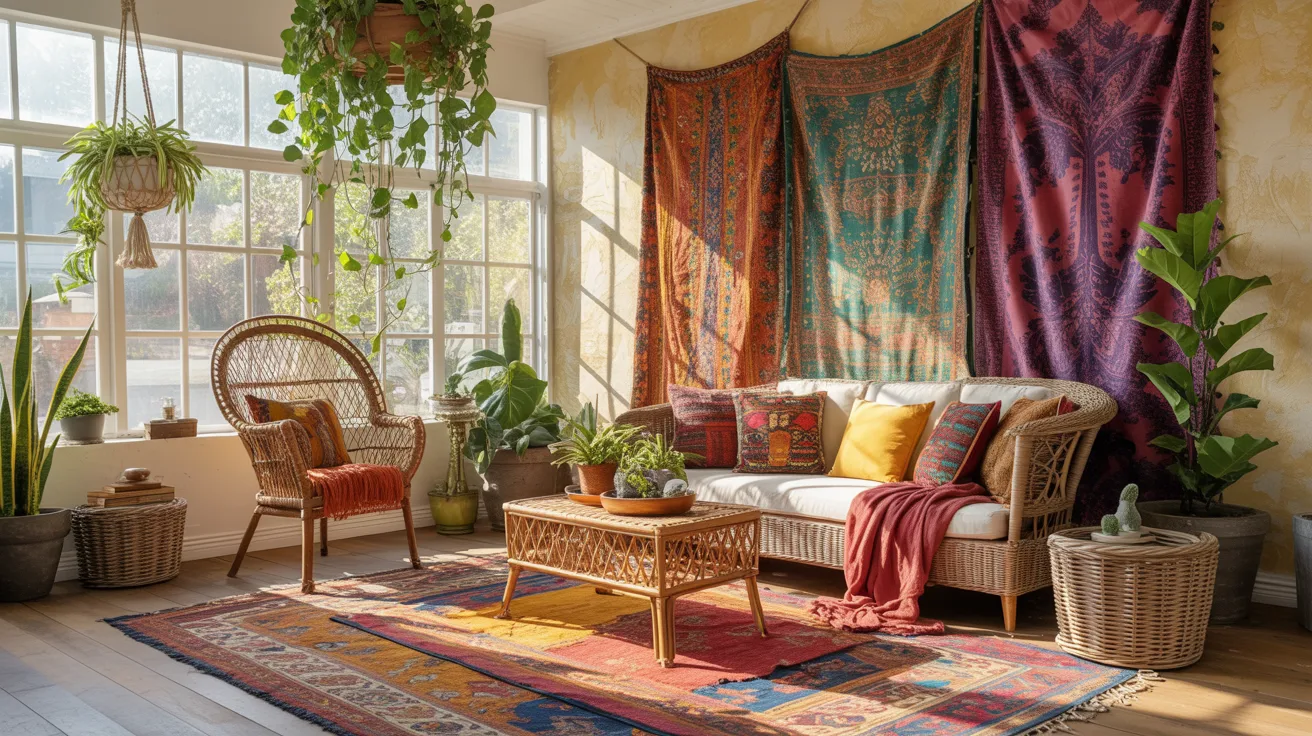
Boho sunrooms mix colorful textiles, wicker furniture, layered rugs, and trailing indoor plants into one expressive space.
Macramé wall art, mismatched throw pillows, hanging planters, and an eclectic book collection all fit right in.
The goal is a space that feels playful, personal, and genuinely relaxing rather than polished or staged.
10. Detached Sunroom Additions
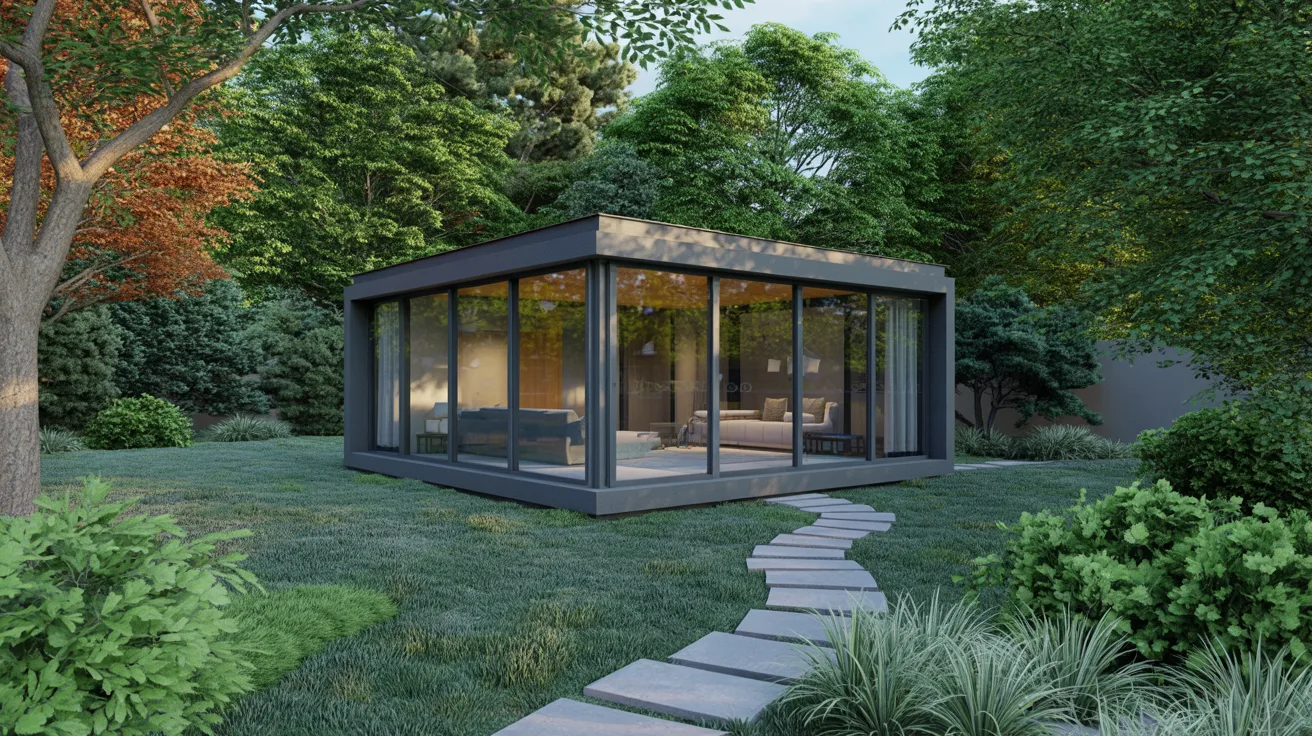
A detached sunroom sits separate from the main house, connected by a path or covered walkway. That separation gives you a level of privacy and quiet that an attached sunroom simply can’t match.
It works well as a home office, art studio, yoga space, or meditation area. You get a true retreat without leaving your property.
11. Indoor Garden and Plant-Filled Sunrooms
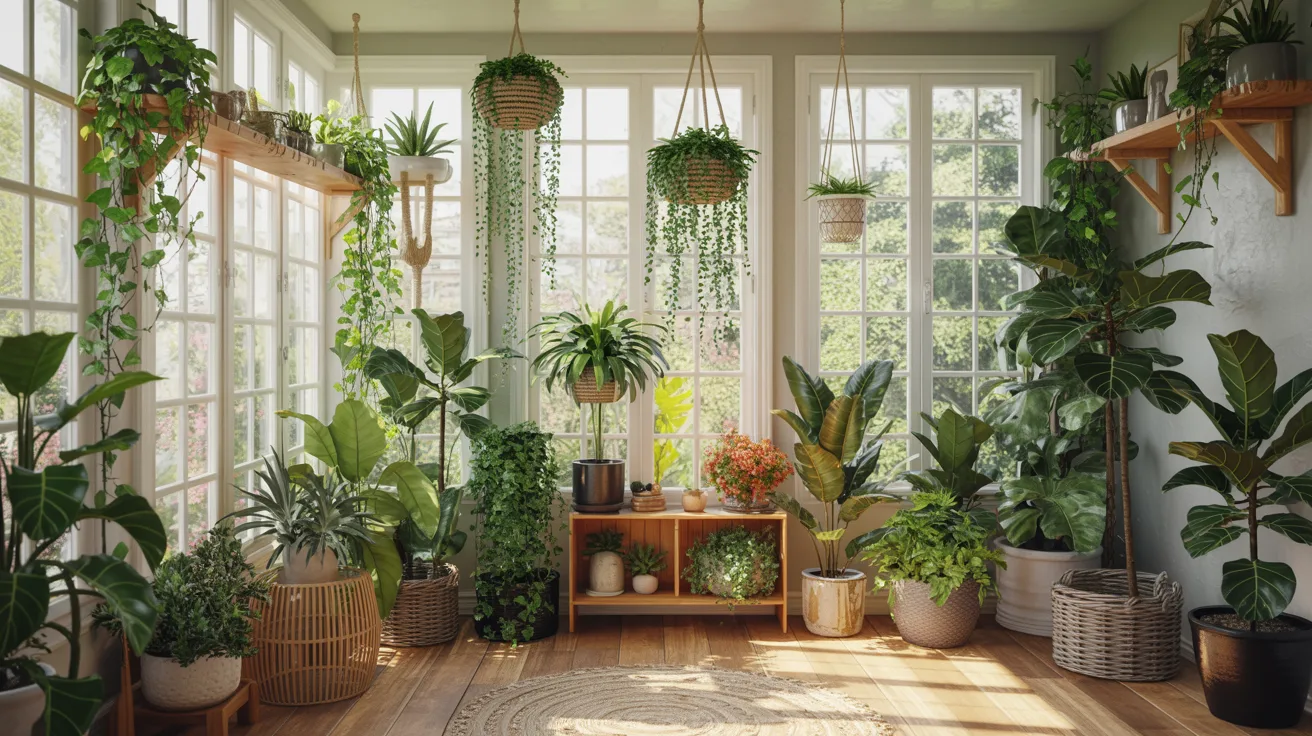
Succulents, fiddle-leaf figs, tropical plants like birds of paradise, and herb collections all thrive in a sunny, glass-walled space. Pick plants that love direct or bright indirect light.
Group them in clusters at different heights using floor planters, shelving units, and hanging pots. Use pots that share a consistent color palette to keep things from looking cluttered.
Key Considerations Before Building
Before you commit, here are a few things worth thinking through first.
- Match the sunroom style to your existing rooflines, siding, and window design so it looks like part of the home.
- Choose glass suited to your climate and go with vinyl or aluminum frames over wood for better durability.
- Use tile, sealed concrete, or composite flooring to handle moisture and temperature changes well.
- Three-season sunrooms cost less than four-season builds, so set your budget before choosing a style.
- DIY kits work for basic porches, but structural work needs a licensed contractor. Always get multiple quotes and budget for unexpected costs.
Conclusion
From a simple screened porch to a full four-season glass room, these 11 back house sunroom ideas cover a wide range of styles, budgets, and uses.
The right choice depends on how you want to use the space, your home’s current look, and how much you’re willing to invest. I hope this list helped you get a clearer sense of what’s possible.
If you’re ready to move forward, reach out to a local sunroom contractor or browse project galleries in your area to see completed builds up close.
Frequently Asked Questions
How much does a back house sunroom addition cost?
Cost varies widely based on size, glass type, and whether it’s three-season or four-season. Most homeowners spend between $15,000 and $75,000 depending on complexity and materials.
Do I need a permit to add a sunroom to my home?
Yes, in most areas a sunroom addition requires a building permit. Check with your local municipality before starting any construction to avoid fines or complications during resale.
Can a sunroom be used as a bedroom?
A sunroom can function as a sleeping space in warmer months, but four-season builds with proper insulation and HVAC are needed for year-round bedroom use. Always check local building codes first.
What is the difference between a sunroom and a conservatory?
A sunroom typically has a solid roof with large windows on the walls, while a conservatory features glass on both the walls and the roof for a more open, greenhouse-like feel.
How long does it take to build a back house sunroom?
Most sunroom additions take between two and eight weeks to complete. Timelines depend on the size of the project, permit approvals, and weather conditions during construction.