
I have always believed that a floating staircase is one of the boldest design choices you can make in a home.
Those steps seem to hang in the air with nothing holding them up. But here is what most people do not realise. Behind that clean look is a very precise structural system.
Get it wrong and you end up with a staircase that bounces, shifts, or worse, fails completely.
In this guide, I will walk you through everything you need to know to build one that is safe, solid, and built to last.
What Is Floating Staircase Structural Design?
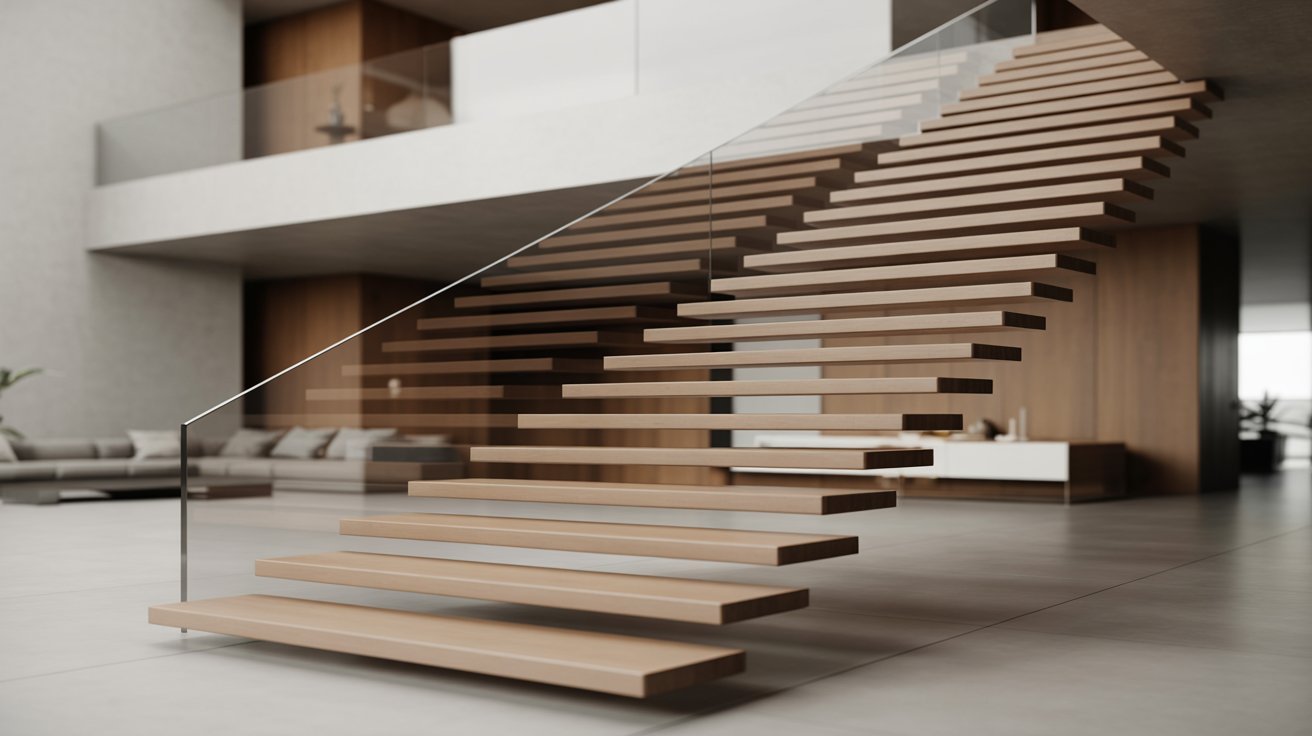
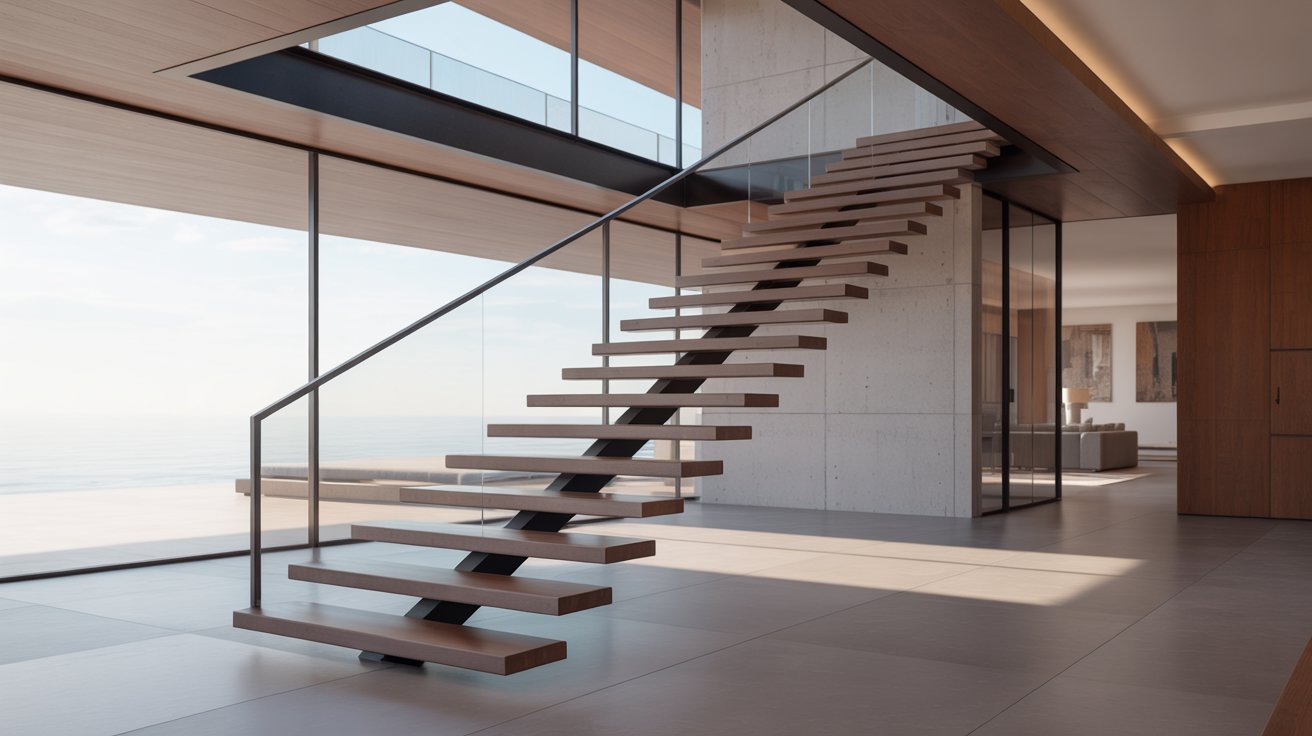
A floating staircase is a modern stair design where the steps appear to hang in mid-air with no visible supports underneath.
This effect is created by anchoring each tread into a central stringer or a solid wall, hiding all the structural work behind the surface.
Unlike traditional staircases, there are no side walls or enclosed risers. The open design gives the illusion of steps floating on their own, making the space feel larger and more open.
Core Principles of Floating Staircase Structural Design
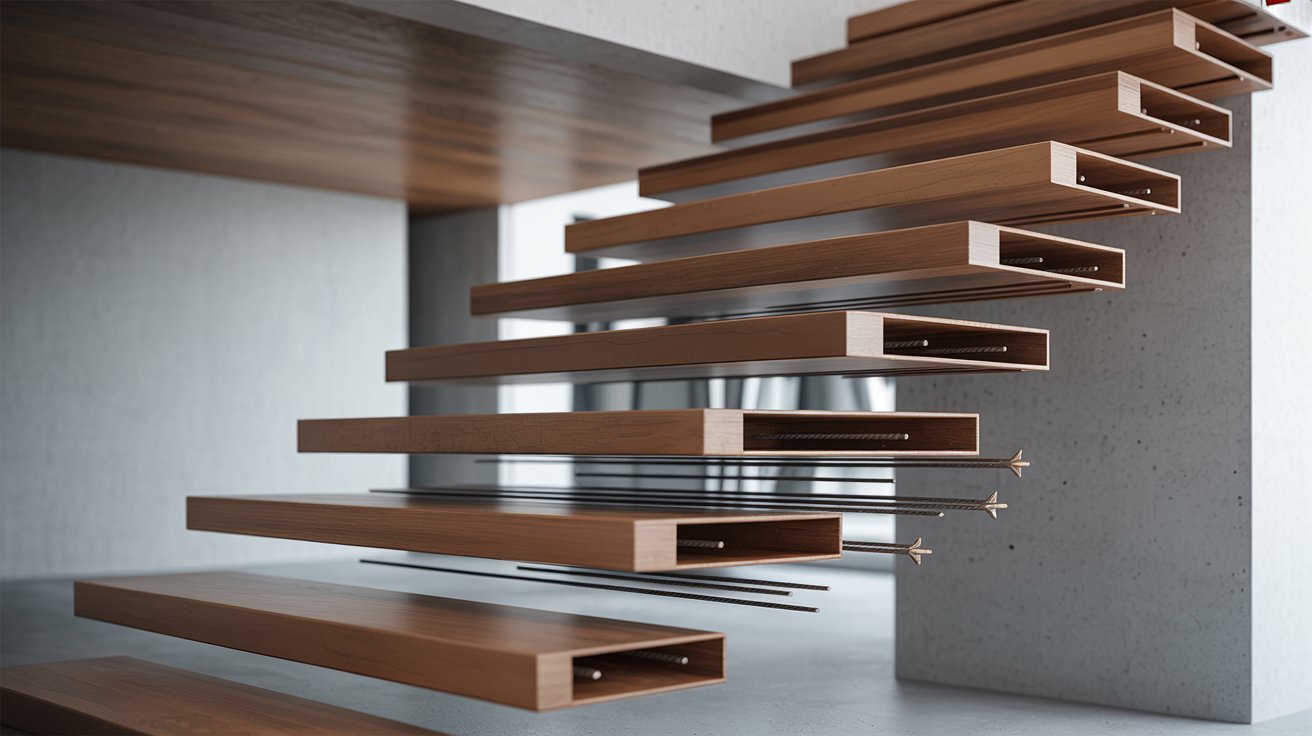
Floating staircases look simple, but they rely on precise engineering. These core principles make sure every step is safe, stable, and built to last.
Load Distribution and Weight Transfer
When you step on a tread, that load travels through the stringer or wall it is anchored to and down into the floor structure. Getting this path right keeps the staircase stable and prevents shifting over time.
Cantilever Engineering Concept
Most floating staircases use a cantilever system where each tread is fixed at one end and left open at the other. Steel plates or rods embedded into a structural wall hold the tread firm and absorb the bending force.
Deflection and Structural Stability
Deflection is how much a tread bends under weight. Rigid materials like structural steel and thick hardwood keep this movement minimal. Tight connection points also prevent bounce and wobble, which protects both safety and long-term durability.
Main Structural Systems Used in Floating Staircases
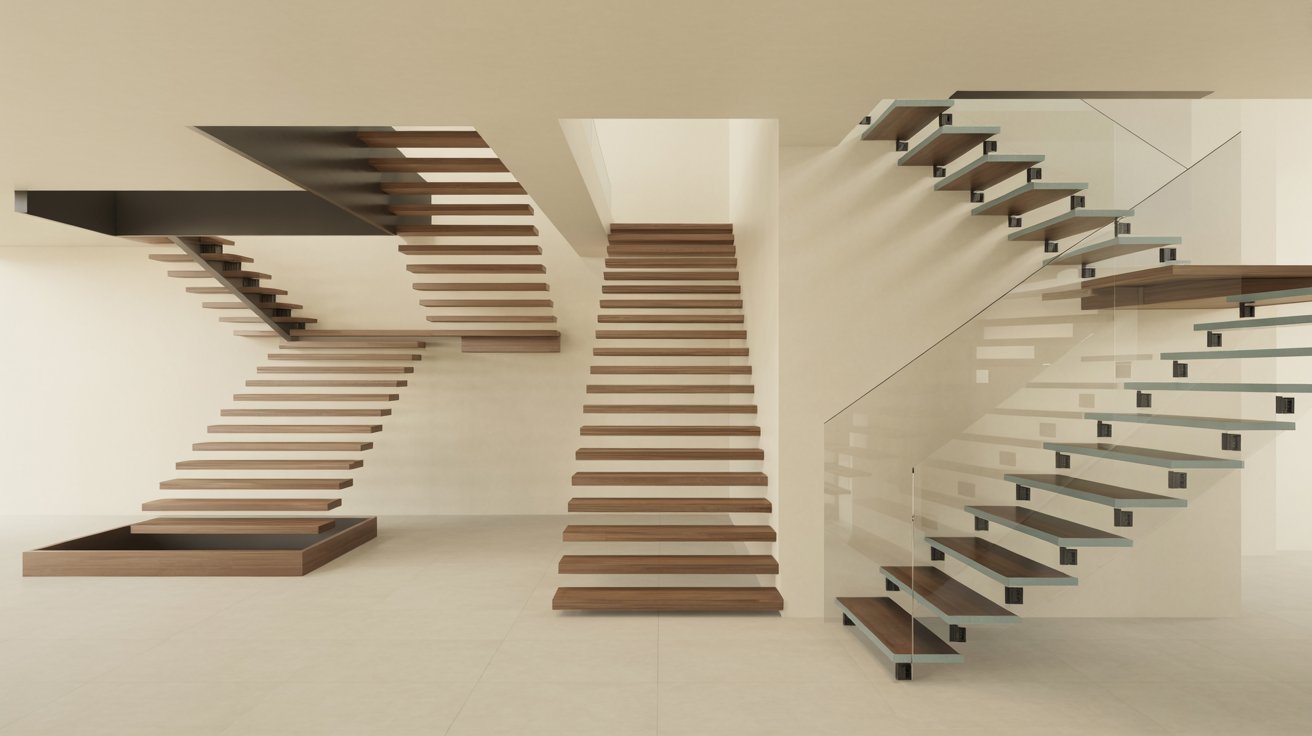
The structural system you choose affects how your staircase looks, performs, and holds up over time. Here are the most common types used today.
- Cantilevered Staircases (Hidden Stringer): A steel beam is embedded inside the wall and treads extend outward with no visible support. It gives the cleanest, most minimal look.
- Mono-Stringer (Central Spine) Stairs: A single steel spine runs up the center and treads connect to it on both sides. It works well in open layouts where visibility matters.
- Wall-Mounted Bracket Systems: Steel brackets are fixed into a load-bearing wall and treads sit on top. It is one of the more straightforward systems to install.
- Glass-Supported Floating Stairs: Thick, tempered glass panels act as the structural support on one or both sides. It creates a modern look and keeps the space feeling open.
- Hybrid and Reinforced Systems: This combines wall anchors, floor connections, and ceiling supports. It is used when no single wall can carry the full load on its own.
Key Structural Components of Floating Stairs
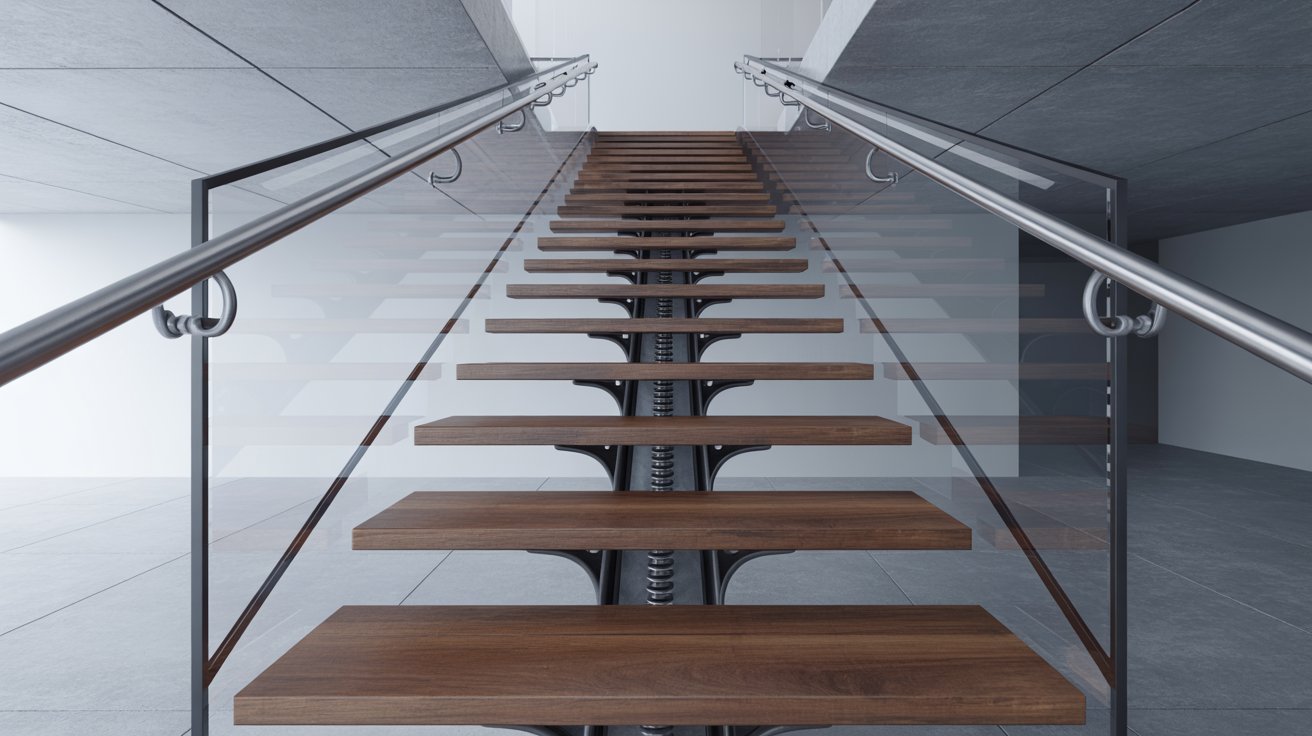
Every floating staircase is made up of several components that work together to keep it safe and solid. Each part plays a specific role in the overall structure.
Steel Stringers and Support Frames
The stringer is the main backbone of the staircase. Made from structural steel, it carries the weight of all the treads and connects to the wall or floor to keep the system rigid.
Anchoring Systems and Fixings
Chemical anchors, bolts, and steel plates fix the stringer into the wall or floor. These fixings must go into solid structural material. Weak anchor points are one of the most common causes of staircase movement.
Stair Treads and Their Thickness
Treads come in wood, concrete, or engineered materials like LVL timber or steel plate. Thickness matters. Most designs use a minimum of 40mm for timber and 12mm for steel to prevent flex underfoot.
Railings as Structural Elements
Glass or metal railings are not just safety features. When fixed correctly, they add stiffness to the whole system and help reduce side-to-side movement across the full run of the stairs.
Materials Used in Structural Design
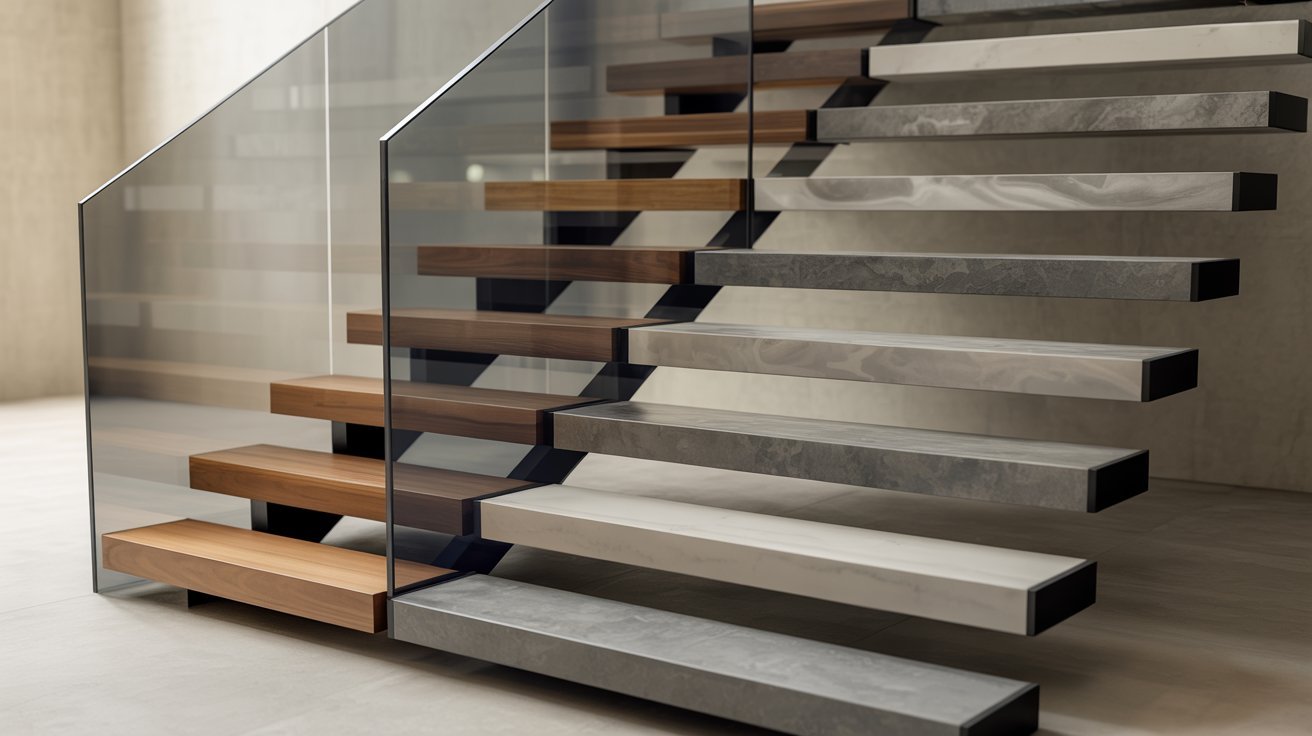
The right material choice keeps a floating staircase strong, safe, and looking good for years. Here are the four main options used in structural design.
- Steel for Core Strength: Structural steel is the go-to choice for stringers and frames. It handles heavy loads, resists bending, and holds anchor points firmly in place.
- Engineered Wood and Hardwood Treads: Hardwood like oak and walnut is popular for treads. Engineered wood such as LVL offers added stability and is less likely to warp over time.
- Tempered Glass for Support and Safety: Thick, load-tested tempered glass is used as side supports or balustrades. It handles both weight and impact without shattering.
- Concrete and Resin for Heavy-Duty Designs: Concrete treads work well in commercial settings where extra weight capacity is needed. Resin finishes are added on top for a smoother surface.
Step-by-Step Floating Staircase Design Process
Getting a floating staircase right takes careful planning before any building begins. Follow these steps to make sure the design is safe and well-structured.
Step 1: Analyse Structural Conditions
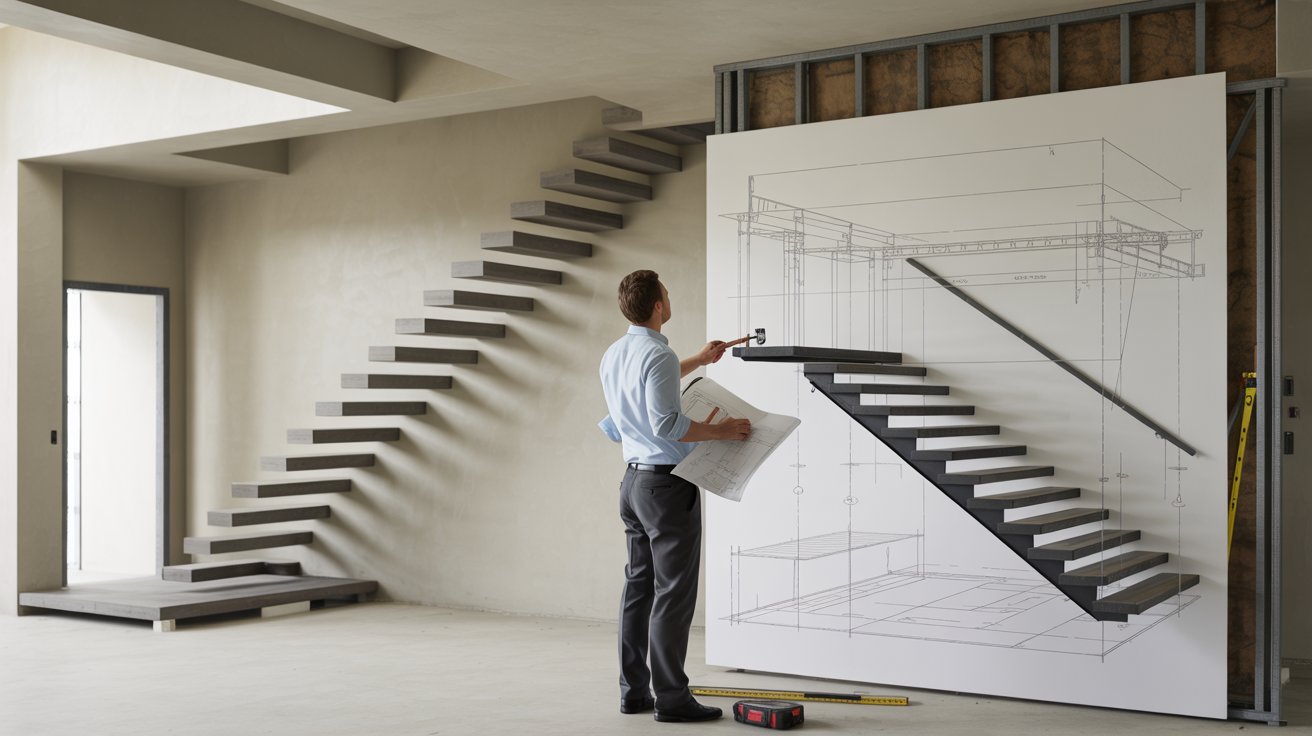
Start by checking the wall type and its load capacity. Not every wall can support a floating staircase. A structural engineer should assess the site before any decisions are made.
Step 2: Choose the Right Structural System
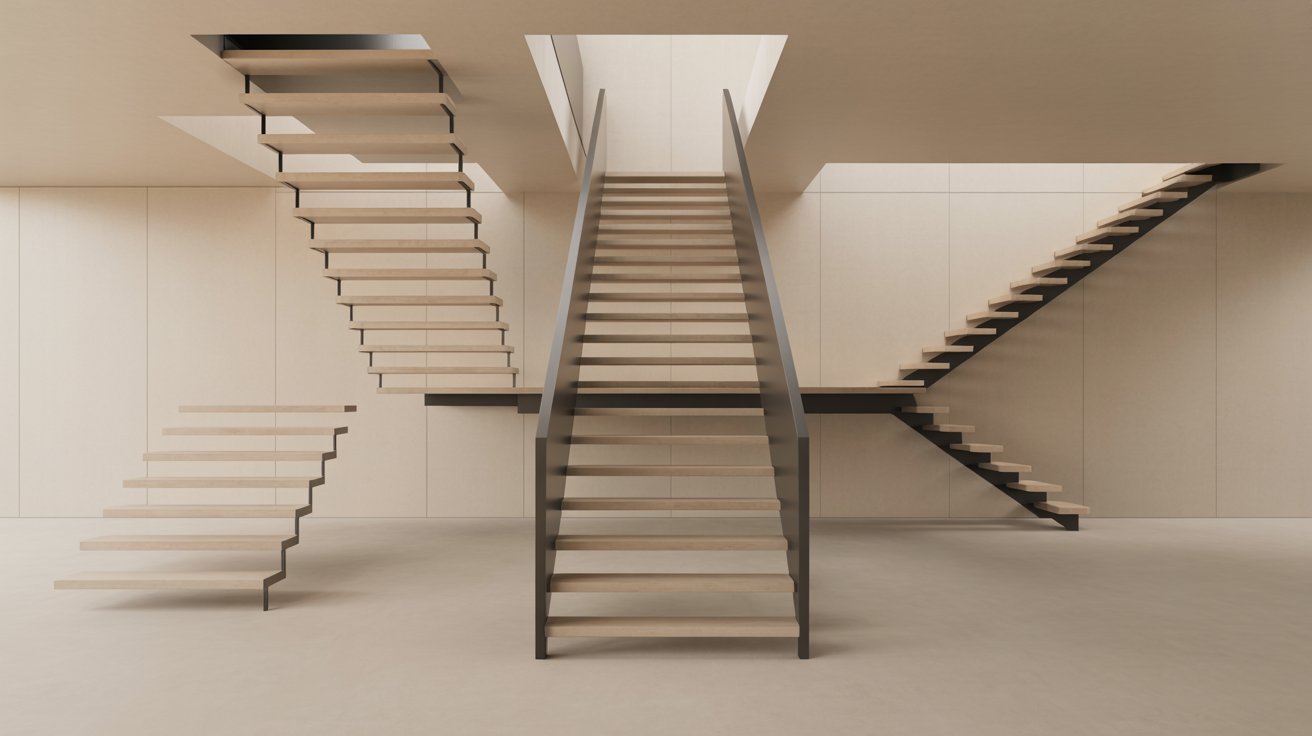
Pick a system based on the available space and support options. A cantilevered system works well with solid walls, while a mono-stringer suits open layouts with limited wall access.
Step 3: Calculate Load and Dimensions
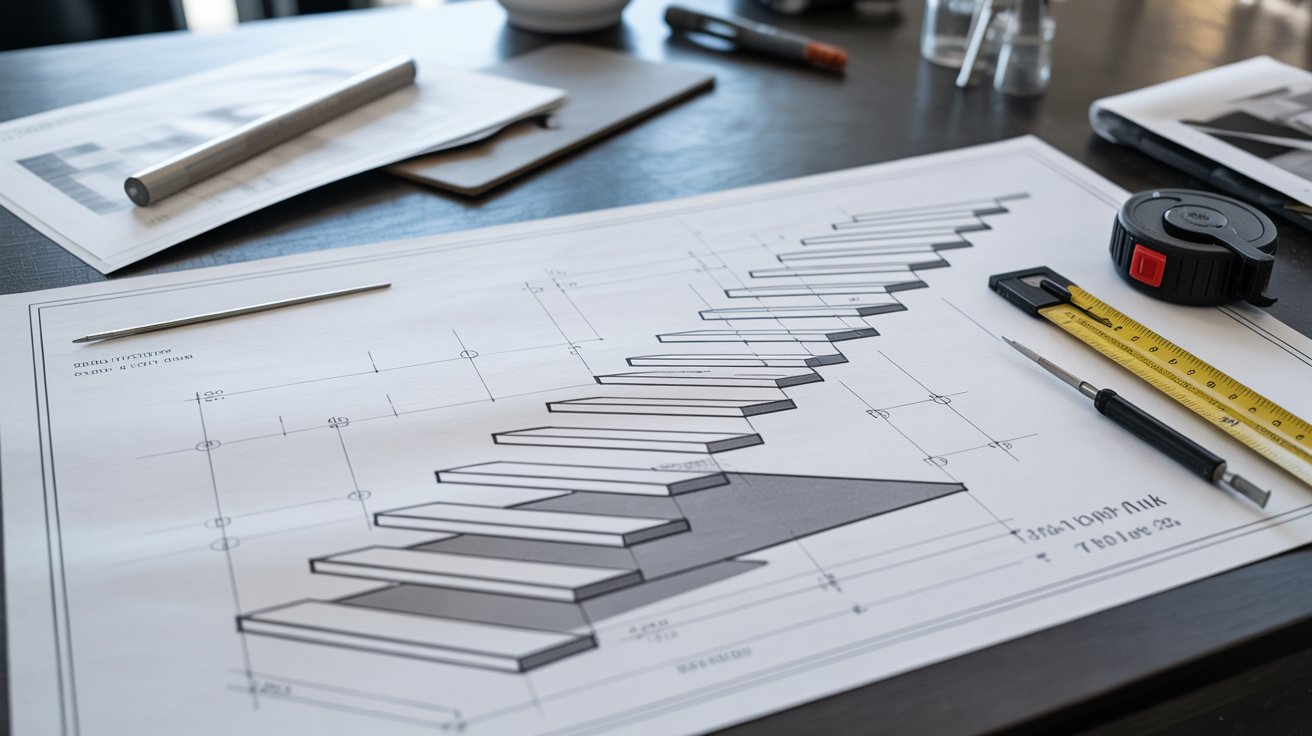
Work out the tread spacing, riser height, and stair width based on building codes and the number of users. Load calculations should account for both static weight and dynamic movement.
Step 4: Plan Anchoring and Reinforcement
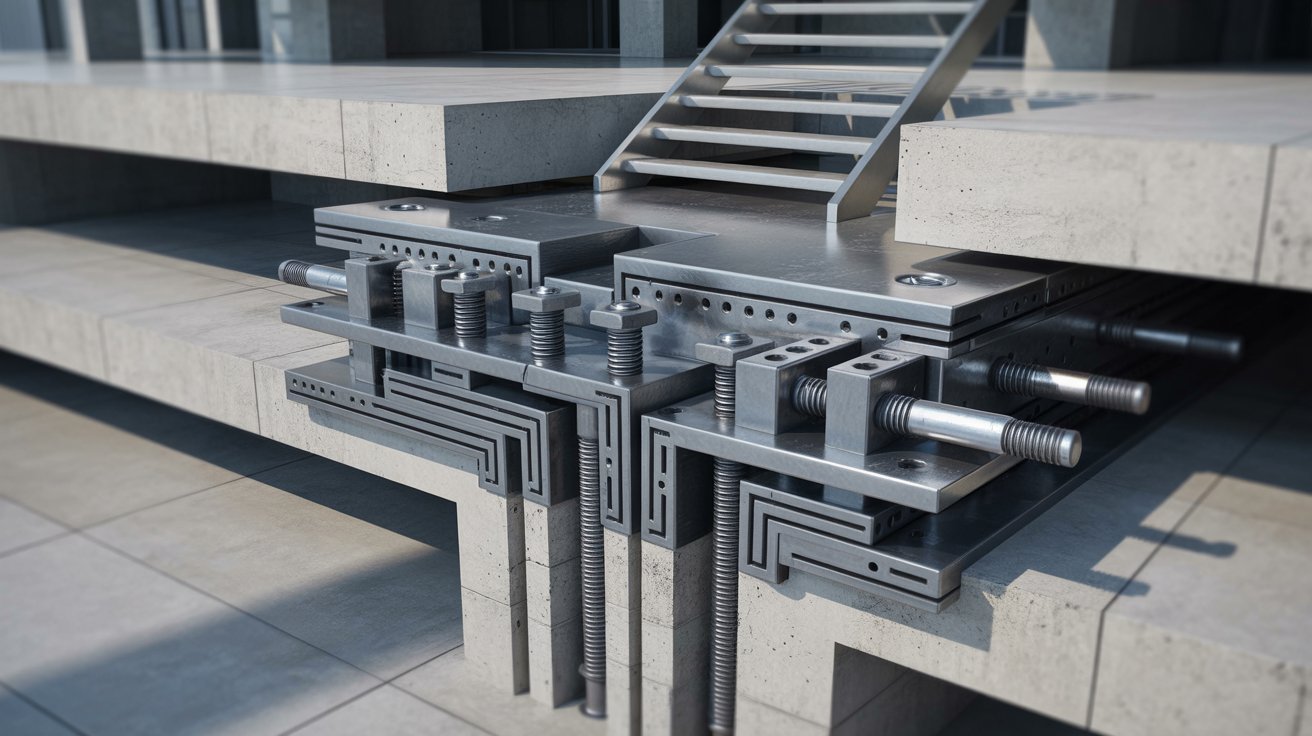
Identify all fixing points and decide how the structure will be reinforced. Chemical anchors, bolts, and steel plates should be placed in solid structural material for maximum hold.
Step 5: Finalize Design and Installation Plan

Bring together the engineer, builder, and designer to align on the final plan. Clear coordination at this stage prevents costly mistakes during installation.
Tips for Designing a Strong and Stable Floating Staircase
Getting the design right from the start saves time, money, and safety risks down the line. Keep these tips in mind before and during the build.
- Always use high-quality steel, fixings, and anchor bolts. Cheap materials wear down quickly under regular use.
- Anchor every fixing point into solid structural material. Weak walls cause movement and long-term damage.
- Work with a structural engineer from the start. Their calculations ensure the build meets safety standards and building codes.
- Never let looks override structural requirements. A great looking staircase still needs to be safe and solid.
- Test for deflection and bounce before finishing. Any movement in treads or railings should be fixed before sign-off.
Conclusion
Floating staircases are one of those designs that look effortless but require serious structural thinking behind the scenes.
From picking the right system to getting the anchoring right, every decision affects how safe and long-lasting the final build turns out.
I always say that good planning at the start makes everything easier later. If you are ready to build, work with a structural engineer and choose quality materials from day one.
Got questions? Drop them in the comments below.
Frequently Asked Questions
What is the best structural system for a floating staircase?
The best system depends on your wall type and available space. Cantilevered systems work well for solid walls, while mono-stringer suits open layouts.
How much weight can a floating staircase hold?
Most floating staircases are engineered to hold between 250 to 300 kg per tread. A structural engineer will calculate the exact load capacity based on your design.
Do I need a structural engineer for a floating staircase?
Yes, a structural engineer is essential for this type of build. They assess wall strength, calculate loads, and make sure the staircase meets building codes.
What materials are most commonly used for floating stair treads?
Hardwood, engineered wood, concrete, and steel plate are the most common tread materials. The right choice depends on your budget, design style, and load requirements.
How do I stop my floating staircase from bouncing or wobbling?
Bouncing is usually caused by loose anchor points or treads that are too thin. Using rigid materials and tight fixings at every connection point will keep the staircase firm and stable.