
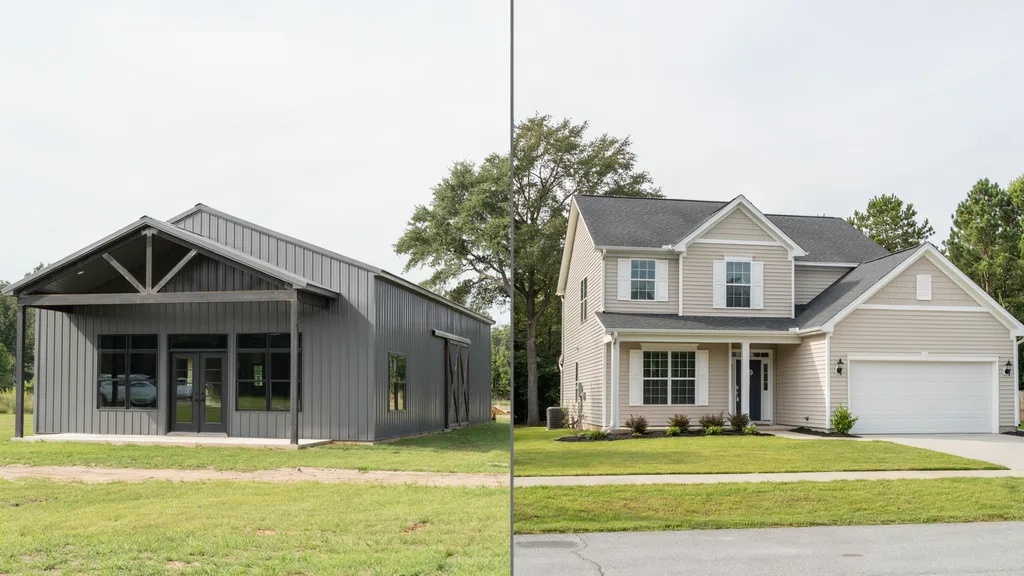
Choosing between a barndominium vs house can feel confusing, especially when both offer different benefits.
If you're wondering which one fits your budget, lifestyle, and long-term plans, you're in the right place. This guide will help you compare them in a simple, practical way.
You'll learn the key differences in cost, construction, maintenance, design, durability, resale value, and daily living.
I'll also explain who each option is best for and what to consider before making a decision.
I've spent time researching home-building topics to turn complex details into clear, honest advice you can trust.
By the end, you'll have the information you need to choose with confidence.
What Is a Barndominium?
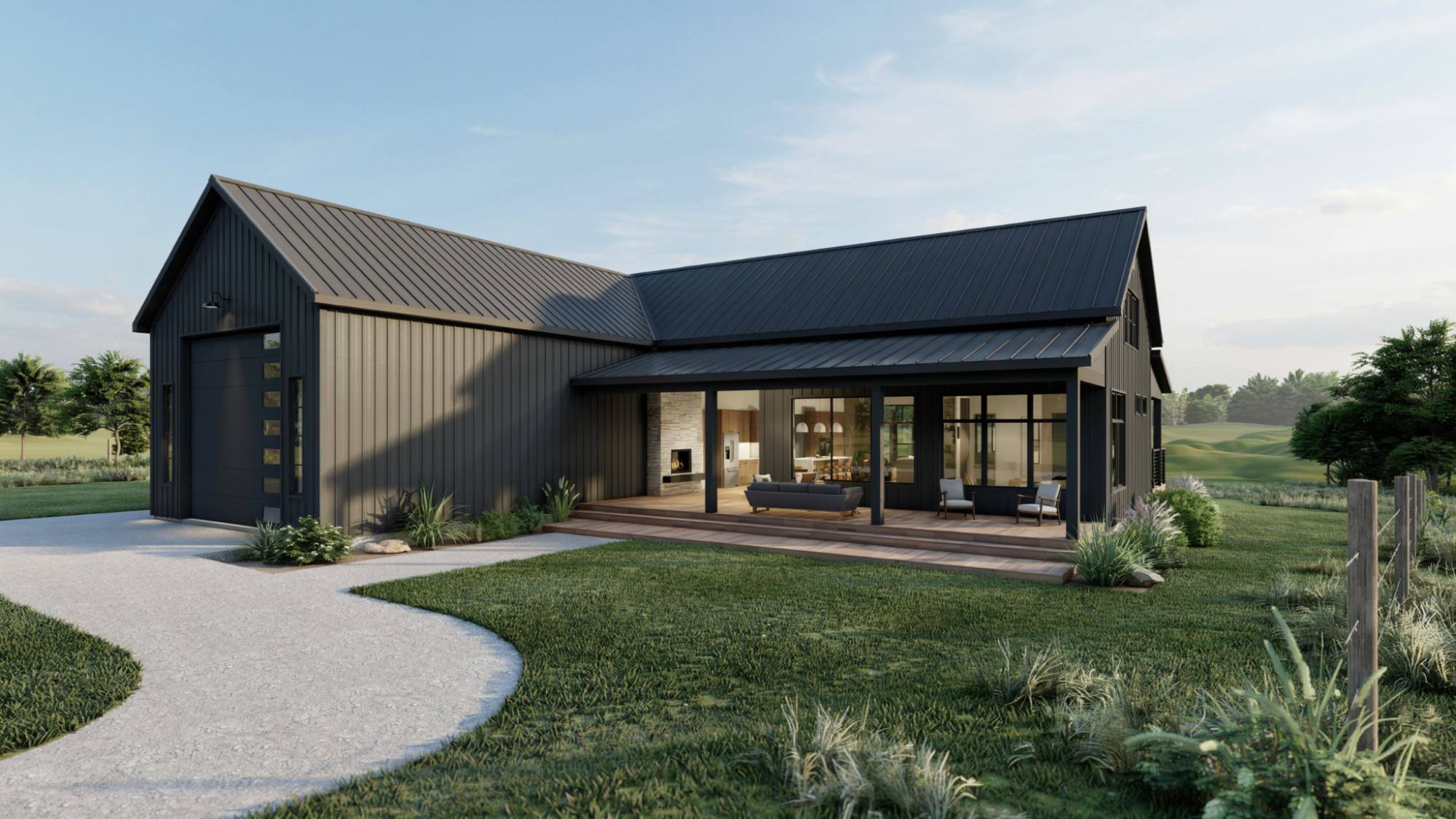
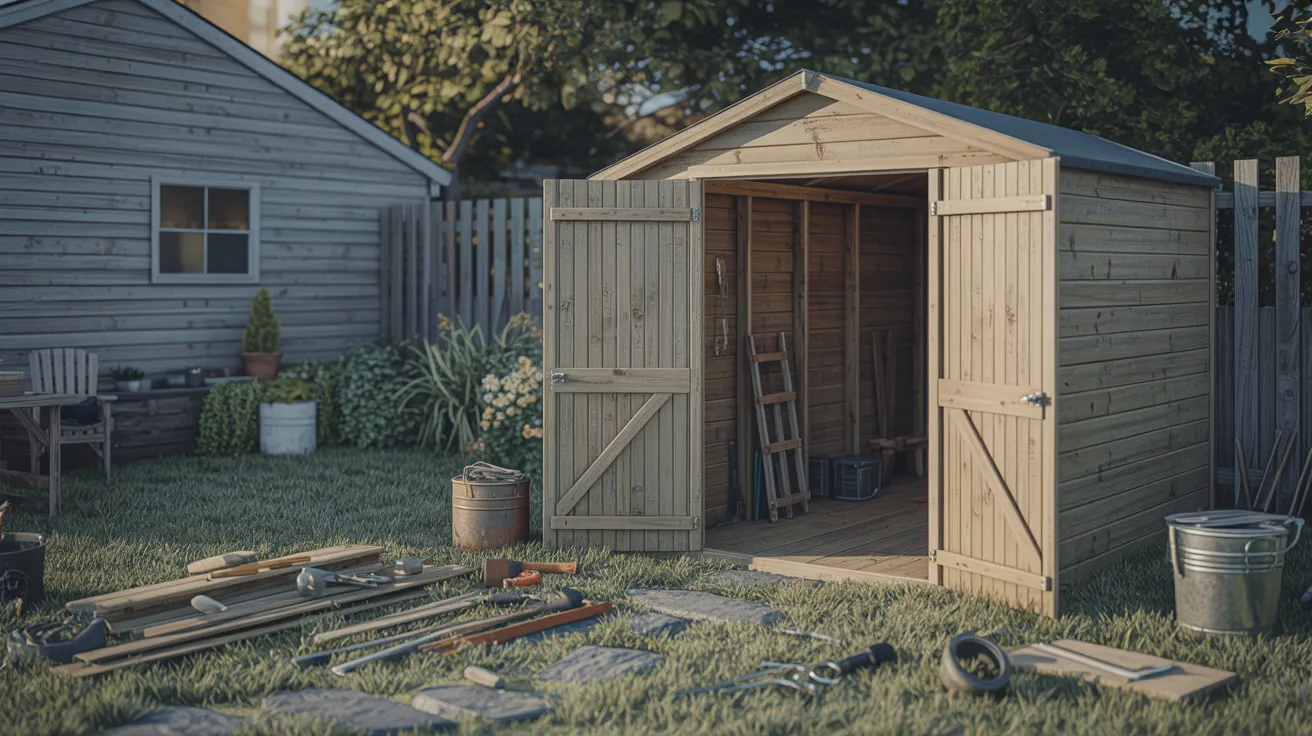
A barndominium is a home that combines the strength of a barn-style structure with the comfort of modern living.
Originally influenced by farm buildings, today's barndominiums are designed as full-time homes with stylish interiors and practical layouts.
Most are built using a steel frame, though some use wood framing. Common materials include metal siding, metal roofing, concrete slabs, wood, drywall, and energy-efficient insulation.
One of the biggest advantages is the large, open floor plan that allows flexible designs. Many barndominiums also include oversized garages, workshops, storage areas, or covered porches.
They are known for their durability, low maintenance, and quick construction, making them a popular choice for people who want a functional, customizable home with a modern-rustic feel.
What Is a Traditional House?

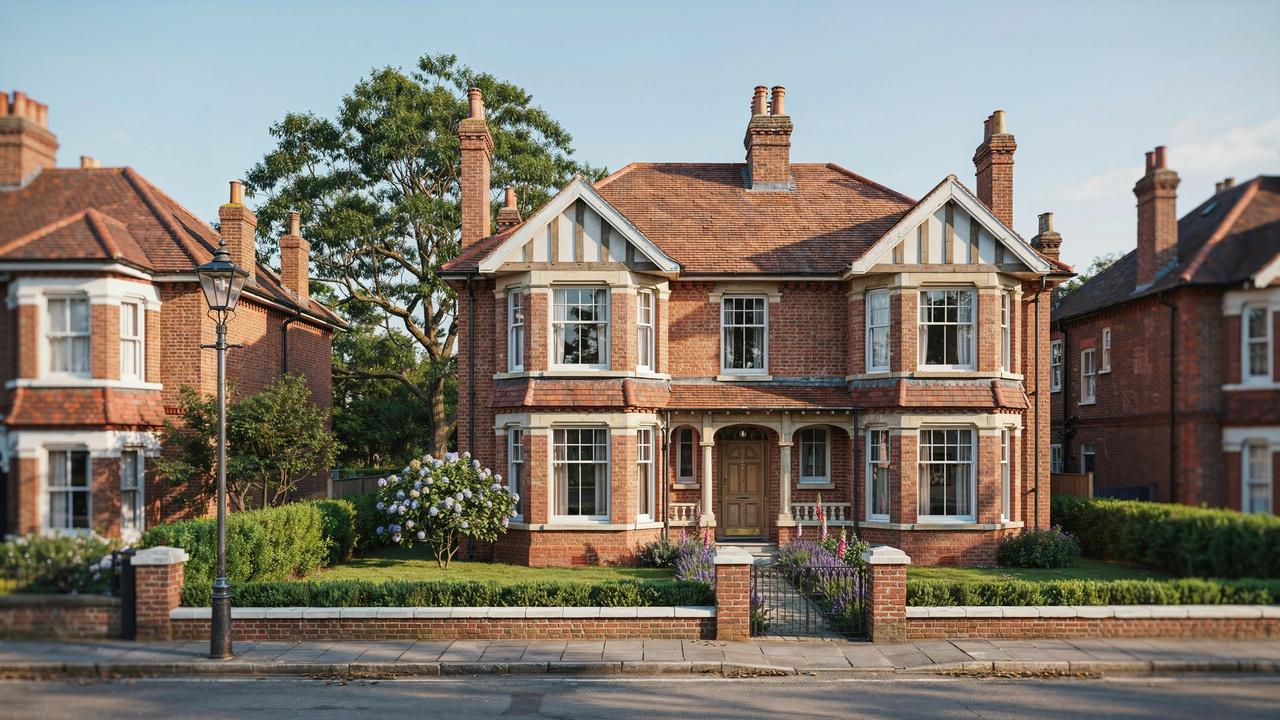
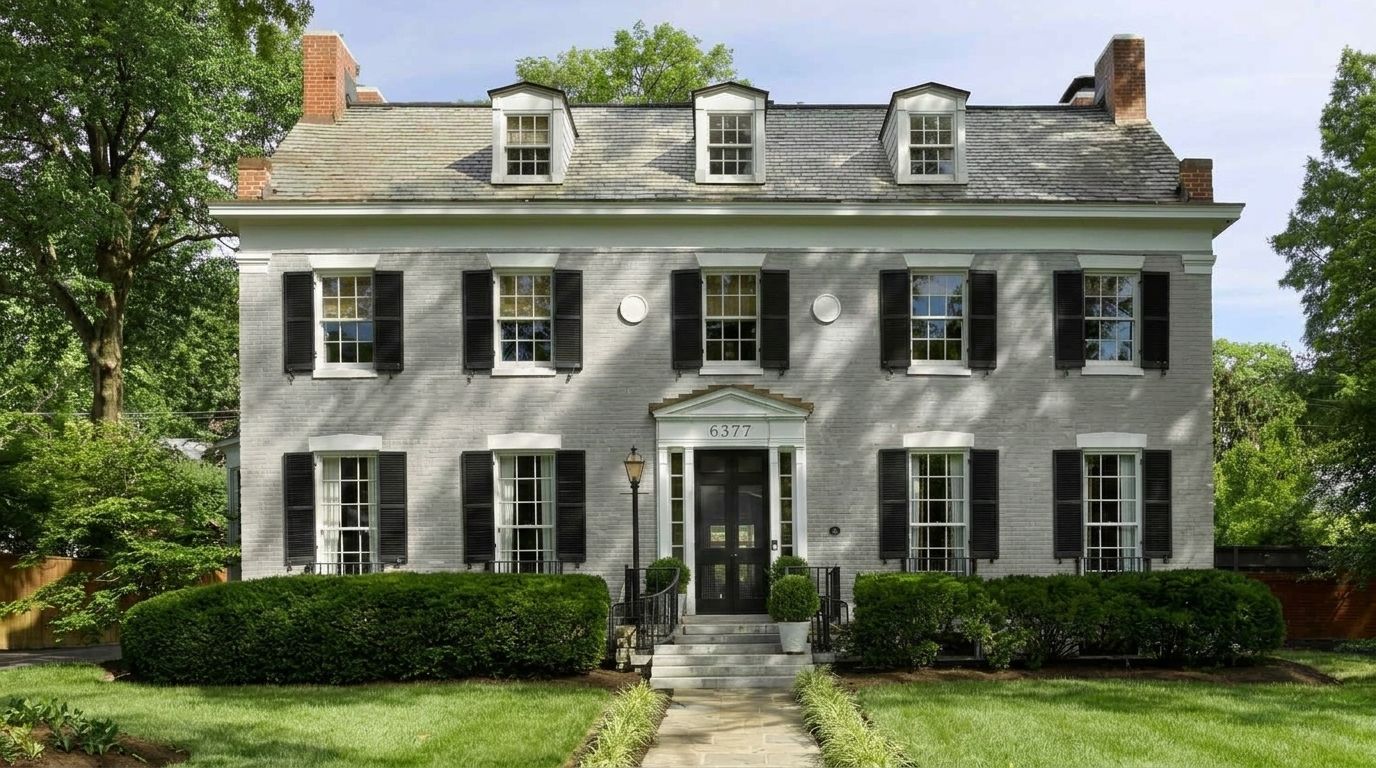
A traditional house is a home built using conventional residential construction methods and materials.
Most traditional houses use a wood-frame structure, although brick, concrete, or stone may also be used depending on the region.
These homes come in many architectural styles, such as ranch, colonial, craftsman, farmhouse, and contemporary designs.
Traditional houses are typically built in established neighborhoods and follow local building codes and zoning rules.
Their familiar construction methods also make financing, insurance, repairs, and resale more straightforward for many homeowners.
Barndominium vs House: Key Differences Explained
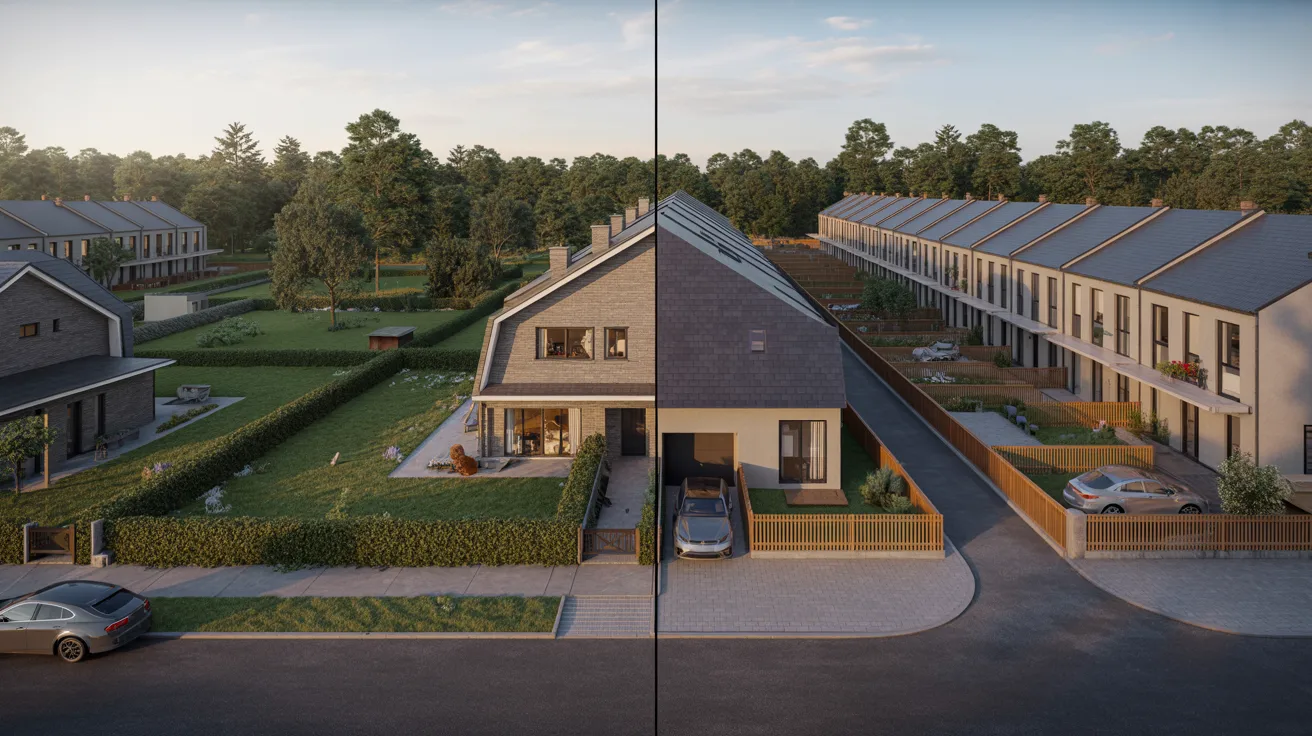
While both can provide comfortable living spaces, they differ in construction, cost, maintenance, flexibility, and long-term value.
Construction and Building Materials
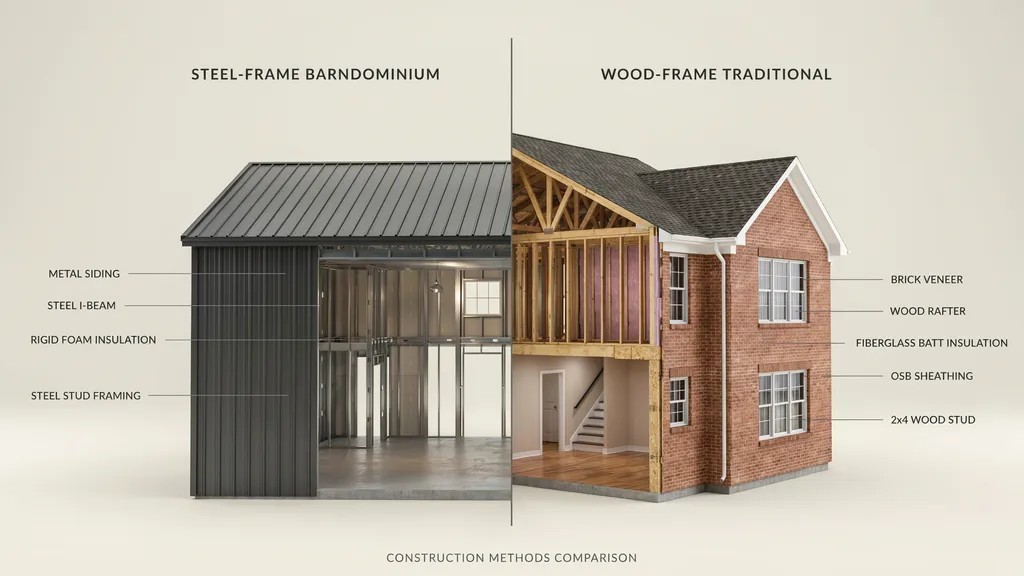
Barndominiums are typically built with steel frames and metal exteriors, while traditional houses commonly use wood framing, brick, or concrete.
These materials affect durability, maintenance, construction methods, and overall appearance.
Cost to Build
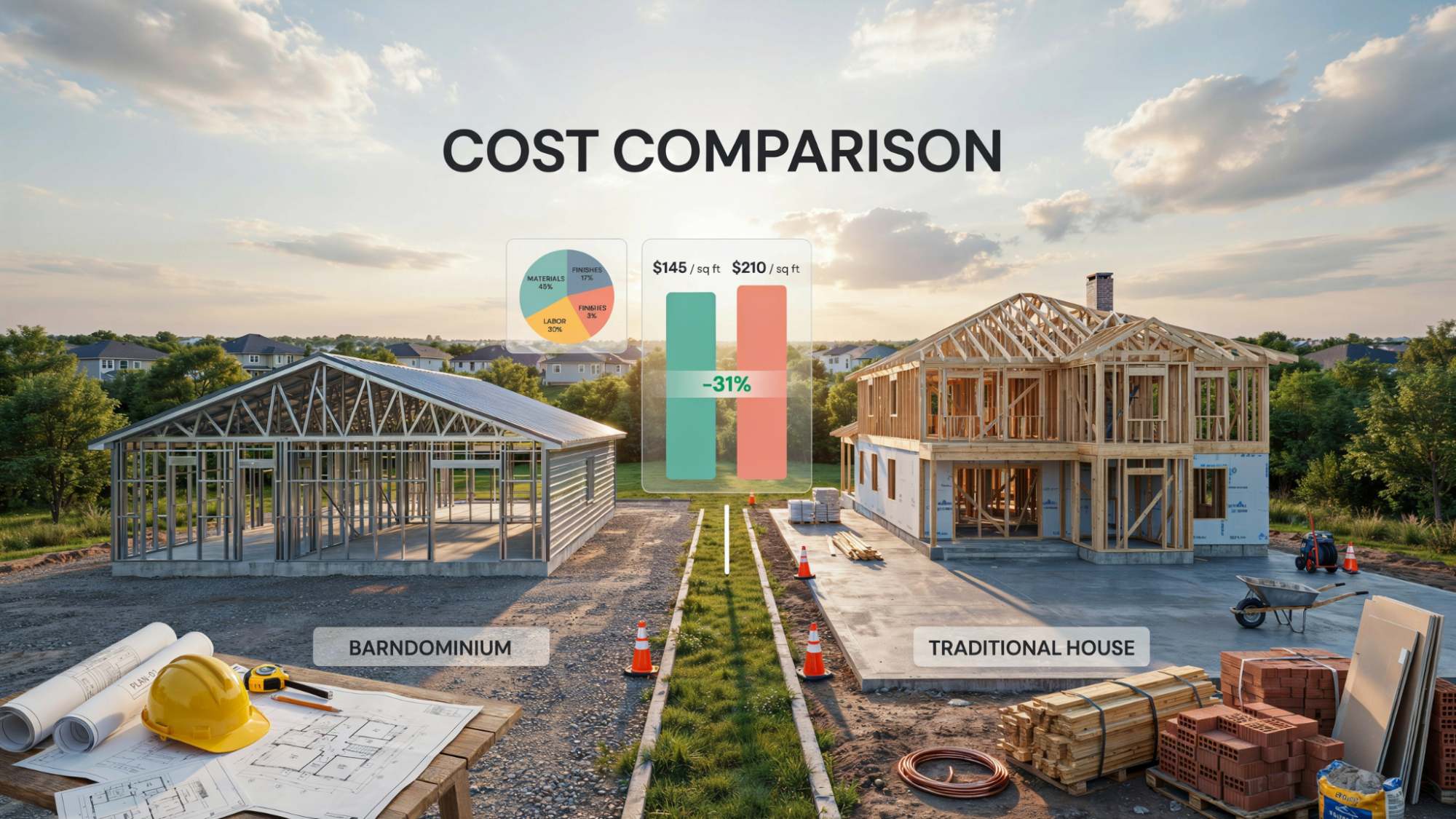
Barndominiums often cost less to build because of simpler designs and faster construction.
Traditional houses usually have higher labor and material costs, though prices vary by location, size, and customization.
Construction Timeline
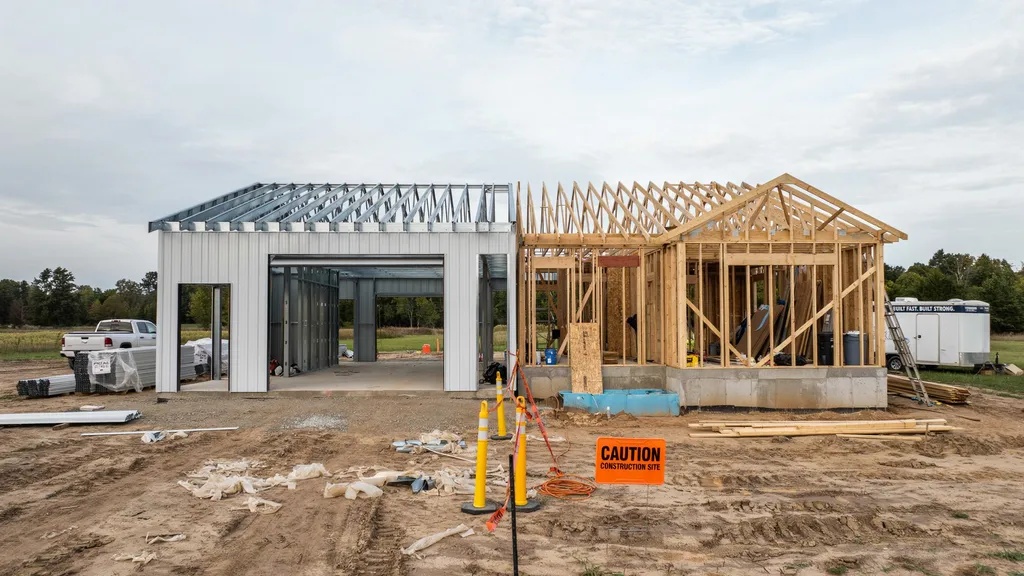
Barndominiums generally take less time to build due to prefabricated components and straightforward designs.
Traditional houses often require longer construction because of detailed framing, finishing work, and multiple building stages.
Interior Design and Layout Flexibility
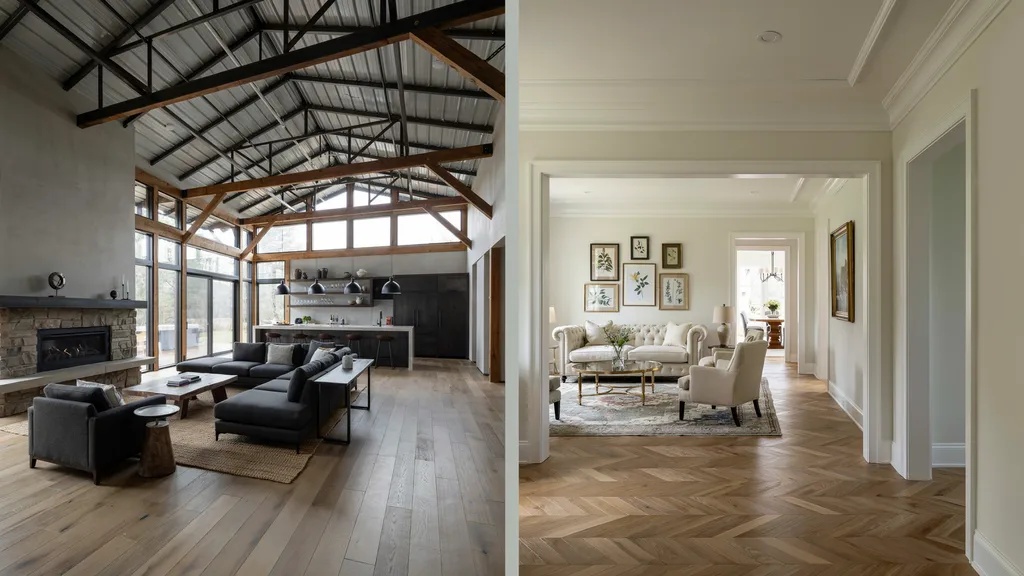
Barndominiums feature open floor plans with fewer load-bearing walls, making customization easier.
Traditional houses offer diverse layouts but may have structural limits when changing rooms or expanding interior spaces.
Durability and Weather Resistance

Steel-framed barndominiums resist pests, fire, and harsh weather better than many wood-framed homes.
Traditional houses remain durable but may require additional protection against moisture, termites, and extreme weather conditions.
Maintenance Requirements

Metal siding and roofing usually require less maintenance than wood or vinyl exteriors.
Traditional houses often need more frequent painting, repairs, roof maintenance, and exterior upkeep over the years.
Insurance Costs
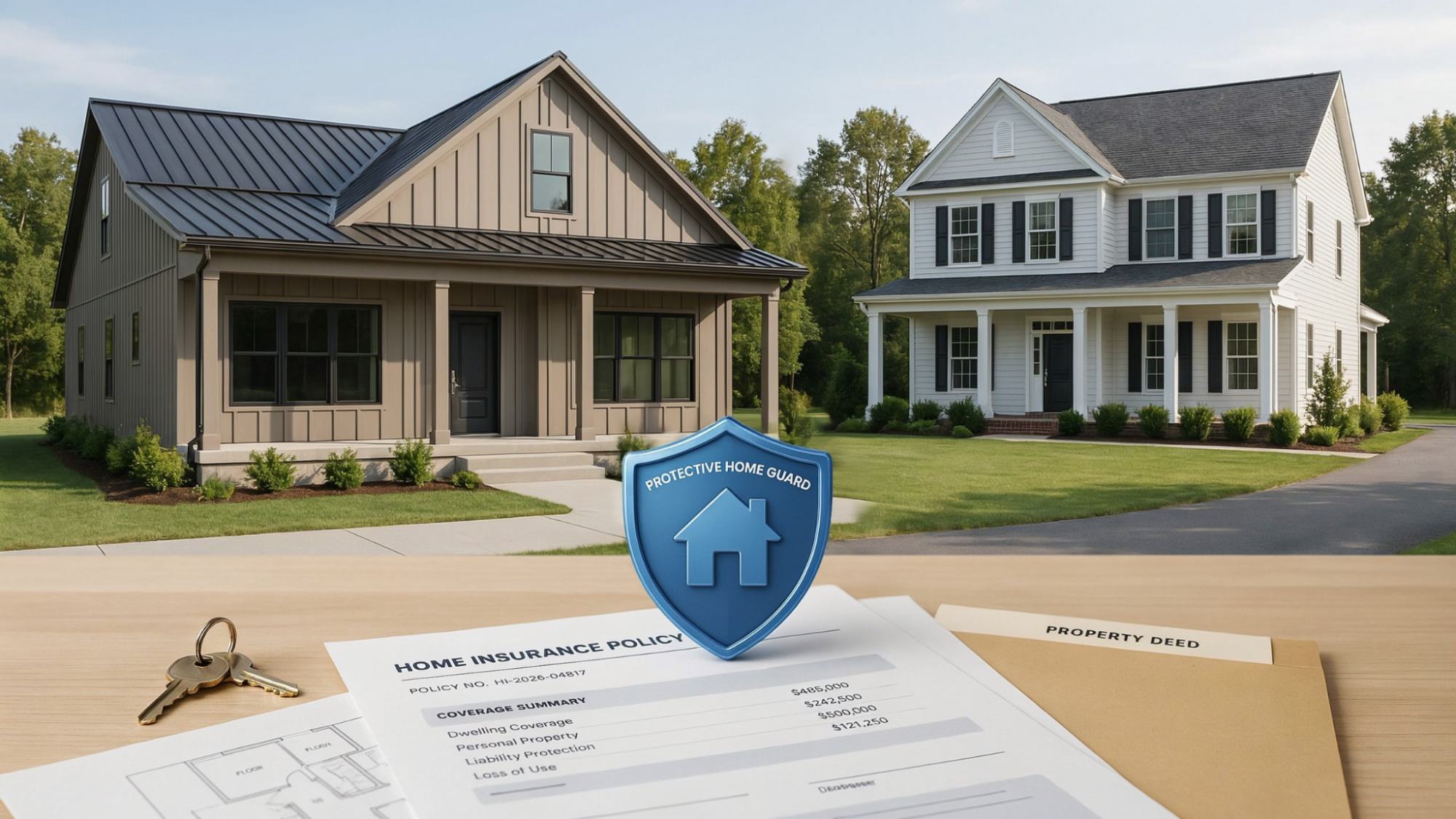
Insurance premiums depend on location, construction type, and coverage needs.
Some barndominiums may cost more to insure because insurers have limited historical data, while traditional homes have established pricing models.
Property Taxes

Property taxes are based mainly on your home's assessed value and local tax rates. Whether you own a barndominium or a traditional house, taxes vary by county, state, and property value.
Resale Value

Traditional houses often attract more buyers, leading to stronger resale demand.
Barndominiums can also hold value well, especially in rural markets where their design and functionality are highly appreciated.
Zoning and Building Regulations

Traditional houses usually meet standard residential zoning requirements without issues.
Barndominiums may face additional zoning rules, building permits, or land-use restrictions depending on local regulations and property location.
Pros and Cons of Barndominiums and Traditional Houses
Comparing their advantages and disadvantages can help you choose the option that best matches your budget, lifestyle, and long-term goals.
Pros of a Barndominium
- Lower construction costs
- Faster build time
- Open floor plans
- Durable exterior
- Lower maintenance
Cons of a Barndominium
- Financing may be harder
- Limited resale market
- Zoning restrictions
- Fewer experienced builders
Pros of a Traditional House
- Easier financing
- Strong resale demand
- Wide variety of designs
- Established neighborhoods
Cons of a Traditional House
- Higher construction costs
- Longer build times
- More exterior maintenance
- Less flexibility for large open spaces
Which Is More Affordable in the Long Run?
Looking beyond the purchase price helps you understand the true cost of owning each type of home over many years.
- Initial construction costs: Barndominiums often cost less to build, while traditional houses usually require a higher upfront investment.
- Utility bills: Both can be energy efficient, but insulation quality and home design have the biggest impact on monthly costs.
- Maintenance expenses: Barndominiums generally need less exterior maintenance because of their durable metal materials.
- Repair costs: Traditional houses may require more frequent repairs to wood, roofing, and siding over time.
- Insurance: Insurance costs vary by location and provider, though barndominiums may have fewer coverage options in some areas.
- Long-term ownership value: Traditional houses often offer stronger resale value, while barndominiums can provide lower ownership costs over the years.
Conclusion
Choosing between a barndominium vs house comes down to what matters most to you.
If I were making this decision, I'd list my daily needs before looking at the price because the right home should fit the way you live.
Take a moment to picture your ideal space and the future you want to build there. I hope this guide has made your choice a little easier.
If you still have questions, leave a comment, share this article with someone planning a home, or check out our related guides.
Frequently Asked Questions
Is a barndominium a good choice for families?
Yes, many families enjoy barndominiums because of their open layouts and flexible living spaces. They can be customized to suit different family sizes and needs.
Which lasts longer, a barndominium or a traditional house?
Both can last for decades when built properly and maintained well. The quality of construction and regular upkeep matter more than the home type.
Are barndominiums energy efficient?
Yes, they can be very energy efficient with proper insulation, quality windows, and modern heating and cooling systems. Good design also helps reduce energy use.
Can I customize both types of homes?
Yes, both offer customization options. Barndominiums usually provide more flexibility for open layouts, while traditional houses offer a wider range of architectural styles.
How do I decide between a barndominium and a traditional house?
Think about your budget, location, lifestyle, and long-term plans. Comparing these factors will help you choose the home that best fits your needs.