
If your room feels off but you can't say why, balance might be the missing piece.
In this post, I will show you what balance in interior design means and why it matters so much.
I will walk you through the three types of balance, a step by step process to fix any room, and tips for every space in your home, from your living room to your bathroom.
I have styled rooms for years, and I have seen small changes fix rooms that felt completely wrong.
By the end, you will know exactly how to make your rooms feel calm and put together.
What Is Balance in Interior Design?

Balance means the visual weight in a room feels even on both sides. It's not about matching every piece of furniture or lining things up in perfect symmetry.
It's really about how your eyes travel through space. When one side feels heavy and packed while the other feels bare, your brain picks up on it right away, even if you can't explain why.
Good balance makes a room feel settled and calm instead of tense or confusing.
Once you understand this idea, everything else about design starts to click.
Step-by-Step Guide to Creating Balance in Interior Design
Follow these steps in order, and you will fix most balance problems in your room.
Step 1: Identify the Room's Focal Point
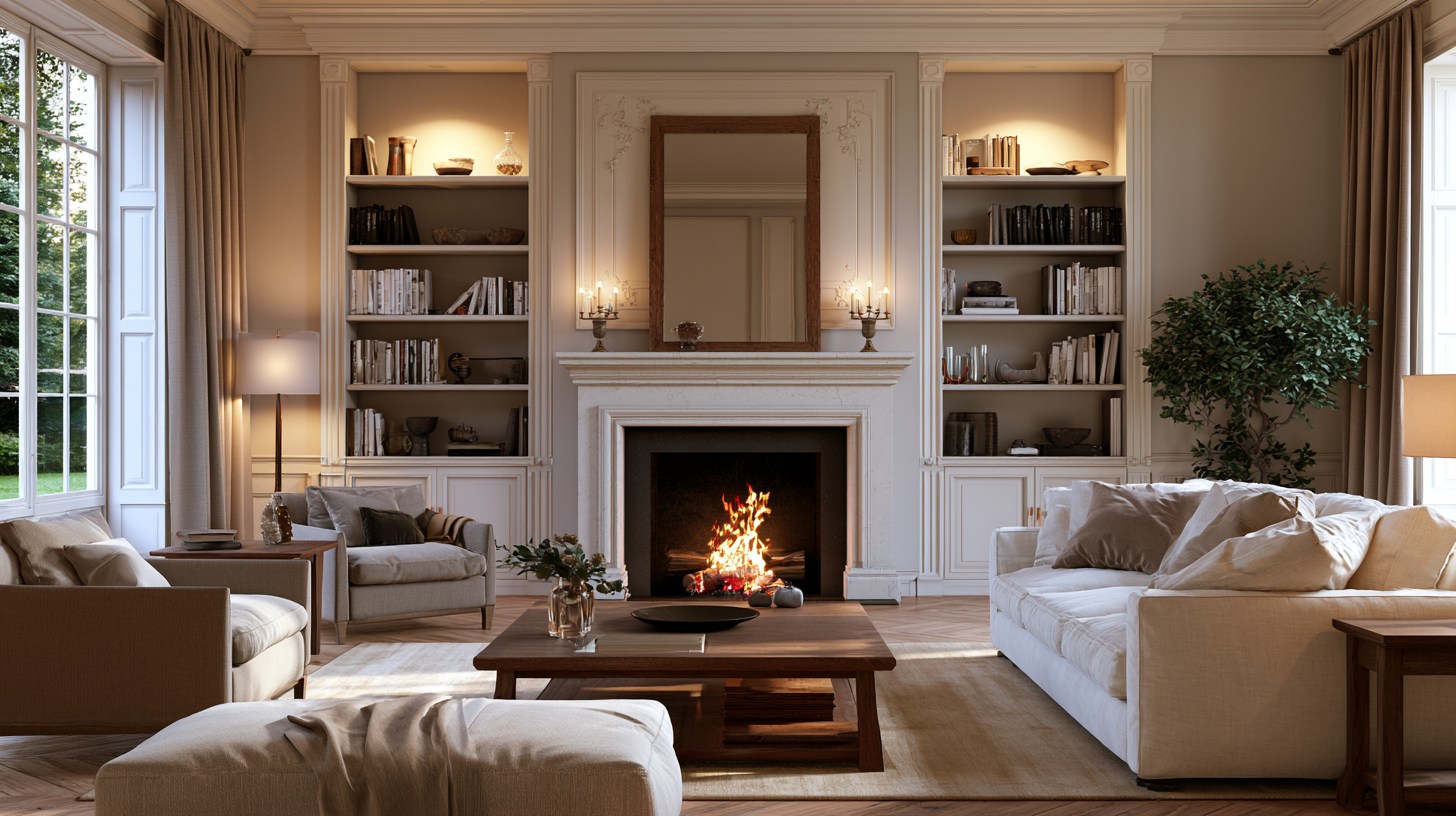
Start with the one thing that draws attention first. It could be a fireplace, a window, or your bed. Everything else should support this point, not compete with it.
Step 2: Evaluate Visual Weight

Look at color, size, and texture. Dark and large objects feel heavier than light and small ones. Walk around the room and notice where your eyes get stuck.
Step 3: Arrange Large Furniture First
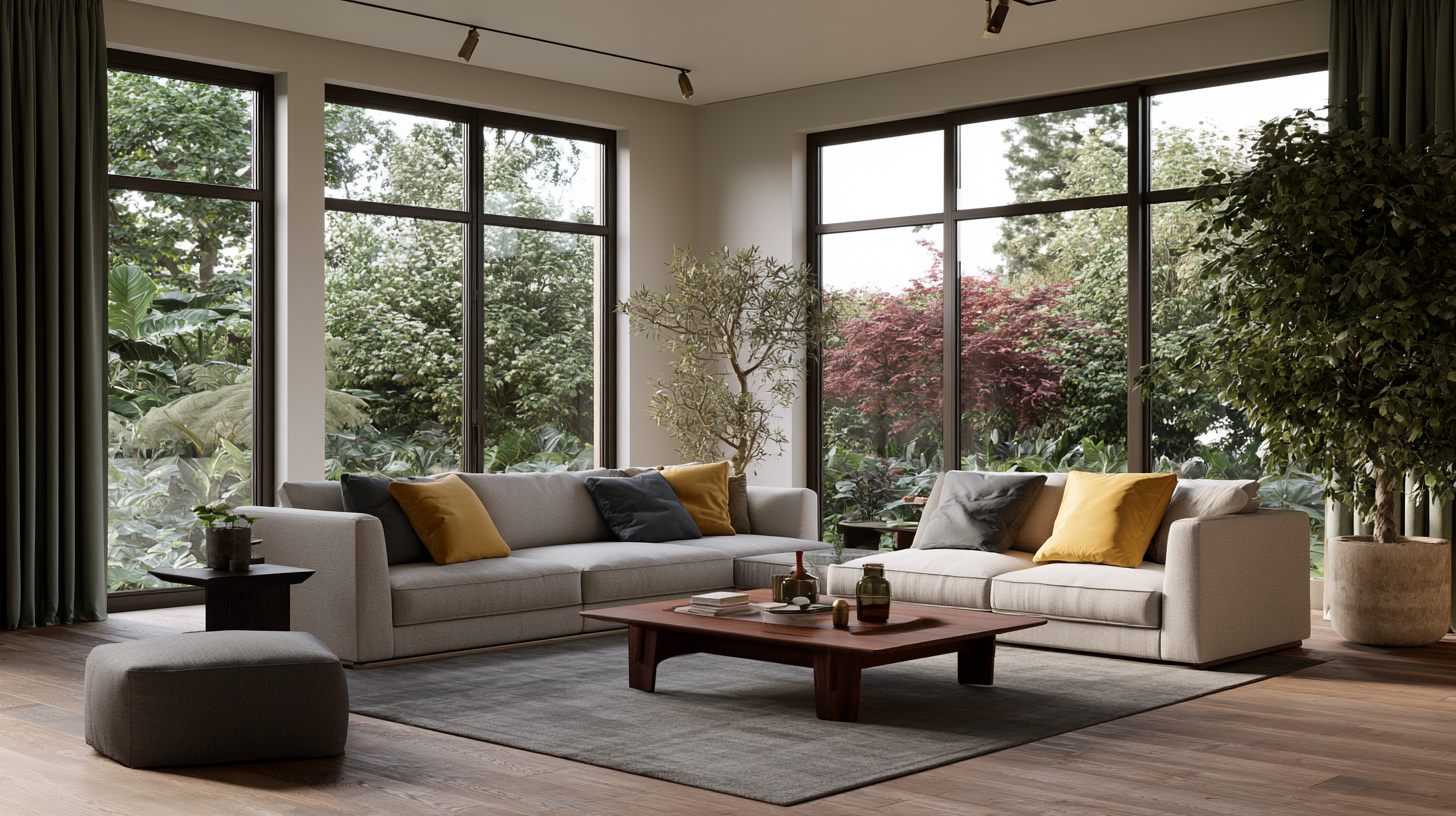
Place your biggest pieces before anything else. Your sofa, bed, or dining table sets the tone for the whole layout. Smaller pieces should fill in around them.
Step 4: Balance Shapes, Heights, and Sizes
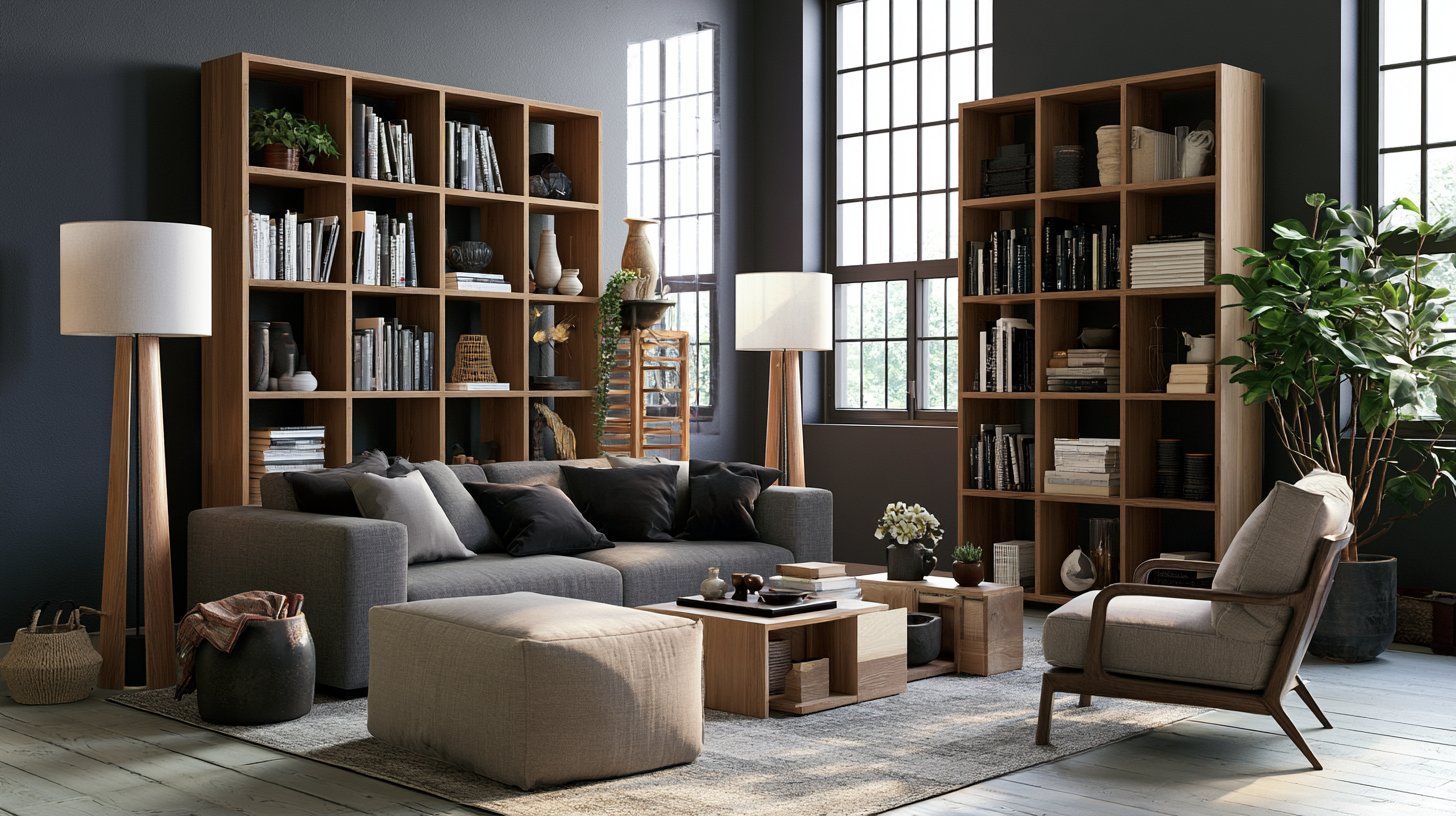
Mix tall and short items so the room doesn't feel flat. A tall lamp next to a low side table creates a nice rhythm across the space.
Step 5: Use Color and Texture to Even Out the Space
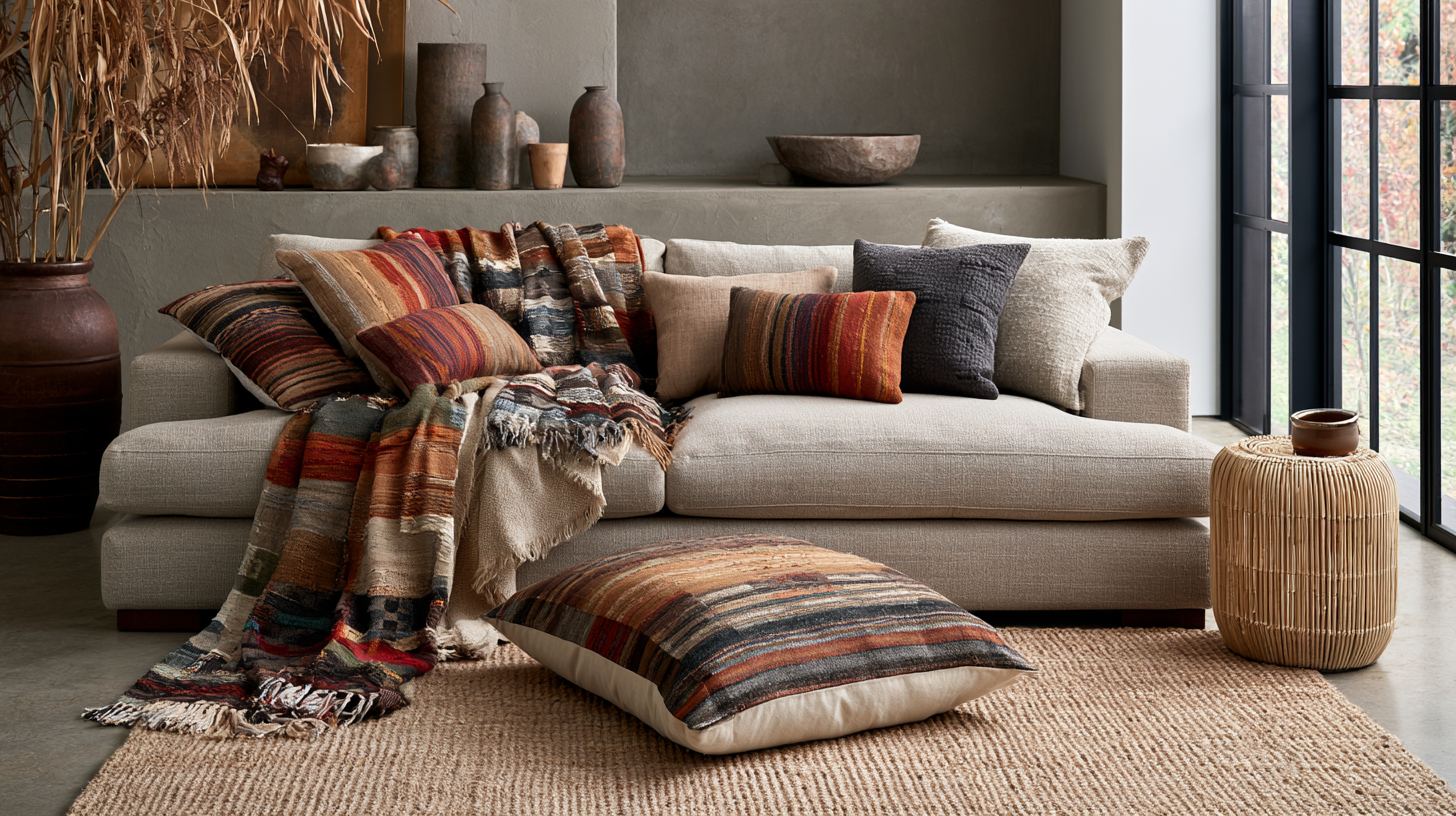
If one corner feels bare, add color or texture there. A throw blanket or a patterned pillow can balance out a heavier piece across the room.
Step 6: Layer Lighting for Visual Balance
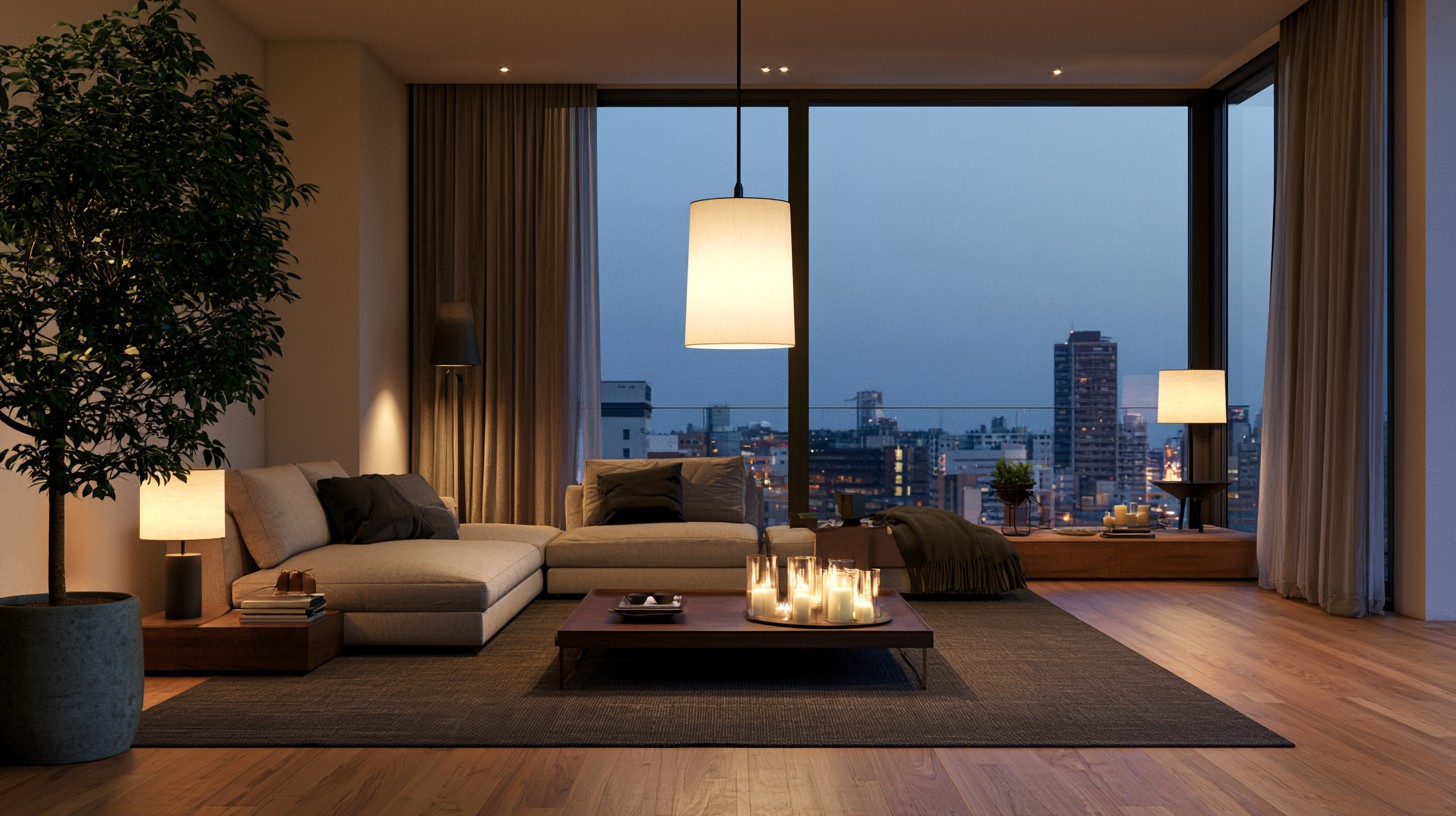
Use a mix of ceiling lights, lamps, and candles. One light source alone often makes a room feel uneven, with one bright spot and dark corners.
Step 7: Finish with Accessories and Artwork

Add the final touches last. Artwork, mirrors, and small decor pieces should fill gaps and tie the room together, not overwhelm it.
How to Create Balance Using Different Design Elements
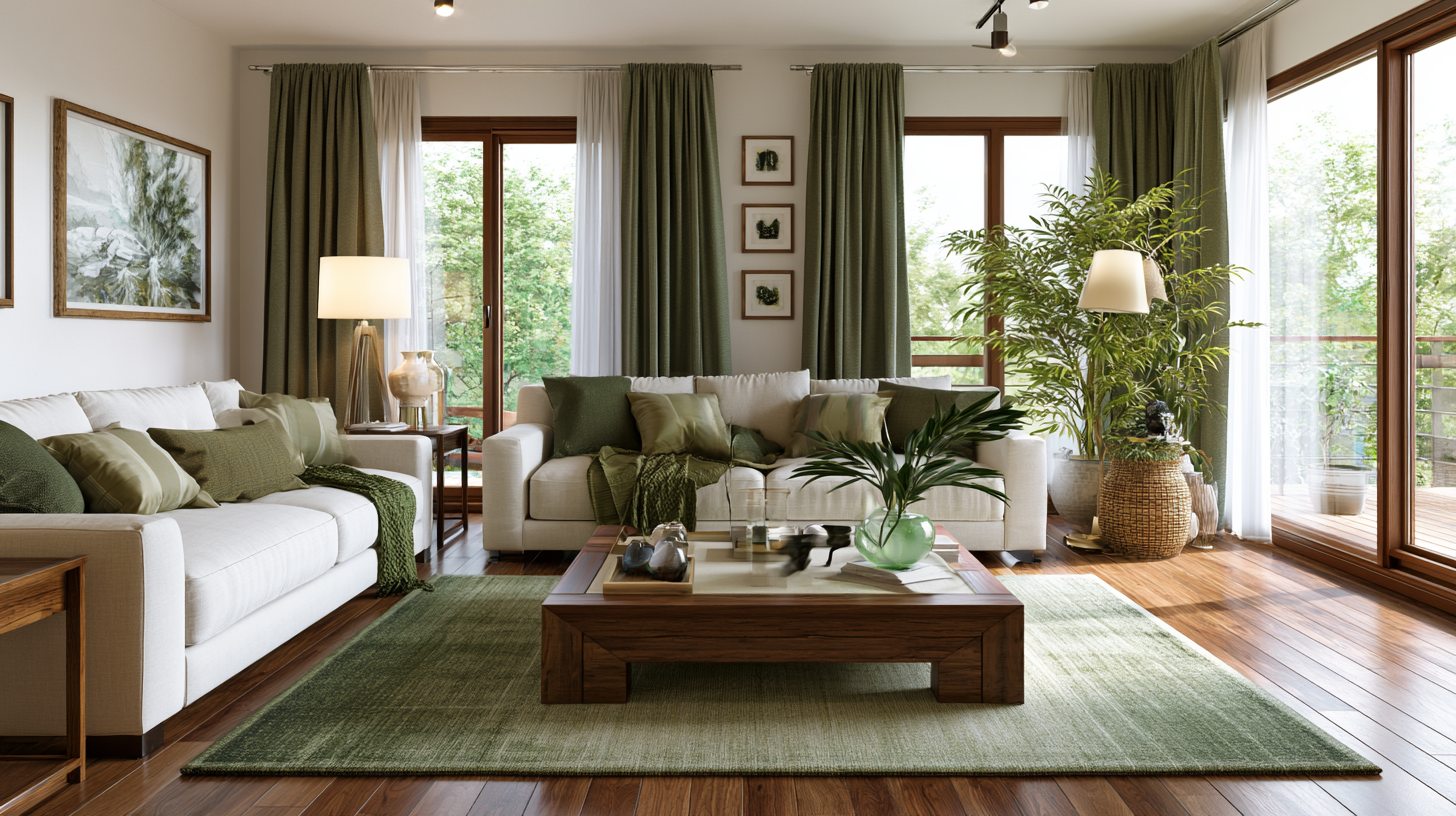
Balance comes from more than furniture. Here is how each element plays a part.
Furniture Placement
Spread your furniture out instead of grouping everything on one side of the room. Leave enough breathing room around each piece so no single spot feels crowded.
This simple shift alone can completely change how balanced a room feels.
Color Distribution
Repeat your main colors at least three times around the room. This could mean a pillow, a rug, and a piece of art all sharing the same tone.
Repeating color keeps your eyes moving evenly instead of stopping in just one place.
Lighting Placement
Place your lights at different heights and in different corners of the room. This avoids having one dark side and one overly bright side.
Even lighting placement makes the whole space feel more settled and connected.
Wall Art and Decorative Accessories
Group small items together in clusters, and give large pieces their own dedicated space. This keeps your walls from feeling cluttered on one side and empty on the other.
It also makes each piece stand out more.
Rugs and Flooring
A rug should anchor your main furniture group, not float randomly in the middle of the room. Pick a size that fits under at least the front legs of your seating pieces.
This grounds the whole layout visually.
Curtains and Window Treatments
Match the weight of your curtains to the size of your room. Heavy drapes help ground a large window, while lighter fabric keeps a small room feeling open and airy.
The right choice depends on your room's size and light.
Plants and Natural Elements
Plants add life and soft texture to any room. Use them to fill empty corners or soften a space that feels full of hard edges and straight lines.
Even one or two plants can make a big difference.
Patterns and Textures
Mix patterns in different sizes so they don't compete with each other. A large print pairs nicely with a smaller, simpler pattern nearby.
This keeps the room feeling layered instead of chaotic or mismatched.
Room-by-Room Tips for Achieving Balance in Interior Design
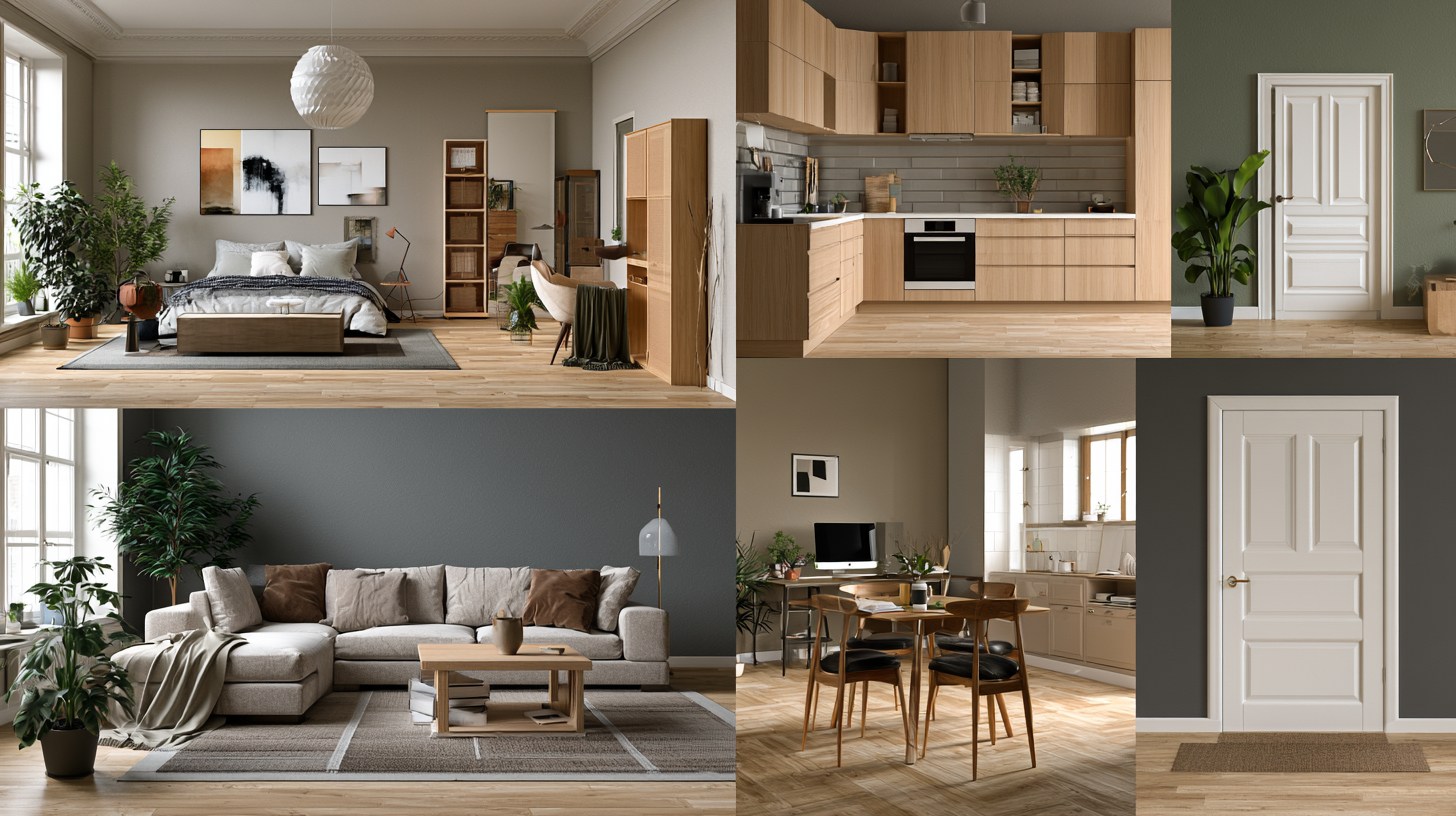
Every room has its own balance needs, so here is a quick guide for each one.
1. Living Room
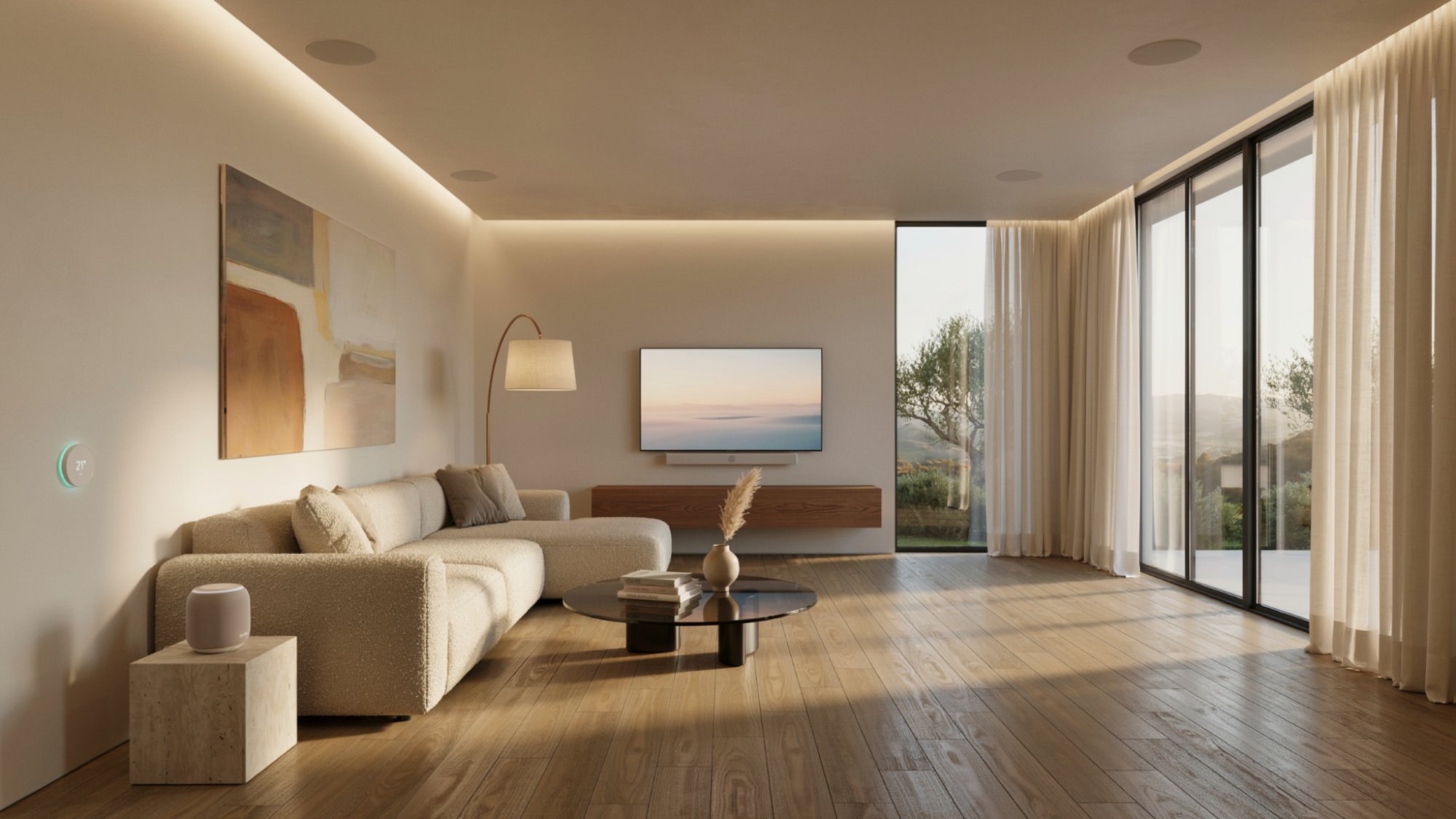
Balance your seating around a clear focal point, like a TV or fireplace. Keep both sides of the room equally filled with furniture and decor.
This creates a natural flow that makes the whole space feel connected, calm, and welcoming instead of lopsided or cluttered on just one side.
2. Bedroom
Use matching nightstands and lamps placed on either side of your bed. This simple trick makes a bedroom feel calm and settled right away.
It works in almost any bedroom style and instantly gives the space a more put together, restful feel.
3. Dining Room
Center your table directly under a light fixture, and keep your chairs even on all sides.
This creates a settled, welcoming feel that makes the whole room feel intentional instead of thrown together. Even small dining spaces benefit from this simple setup.
4. Kitchen
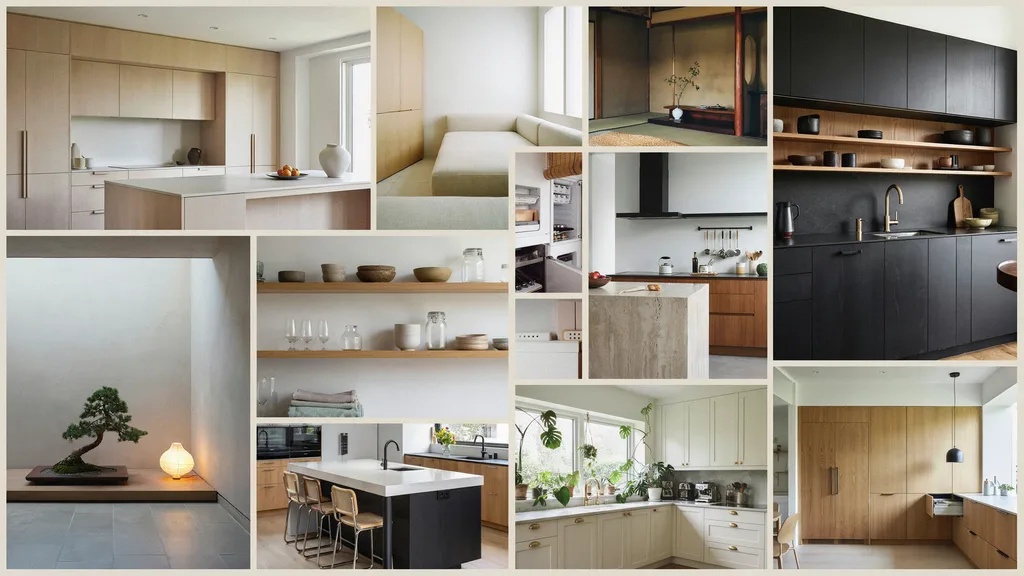
Balance open shelving with closed cabinets throughout the space. Too much open storage can make a kitchen feel busy and cluttered fast.
A mix of both keeps things looking clean, organized, and easy on the eyes, even in a smaller kitchen layout.
5. Home Office
Keep your desk as the clear focal point of the room. Balance shelves or storage on the opposite wall so the space doesn't feel lopsided or heavy on just one side.
This setup also keeps your workspace feeling calm and focused.
6. Entryway
A console table with a mirror placed above it creates instant balance in a small space. Add a small rug underneath to ground the area even further.
Together, these pieces make even a narrow entryway feel finished and welcoming.
7. Bathroom
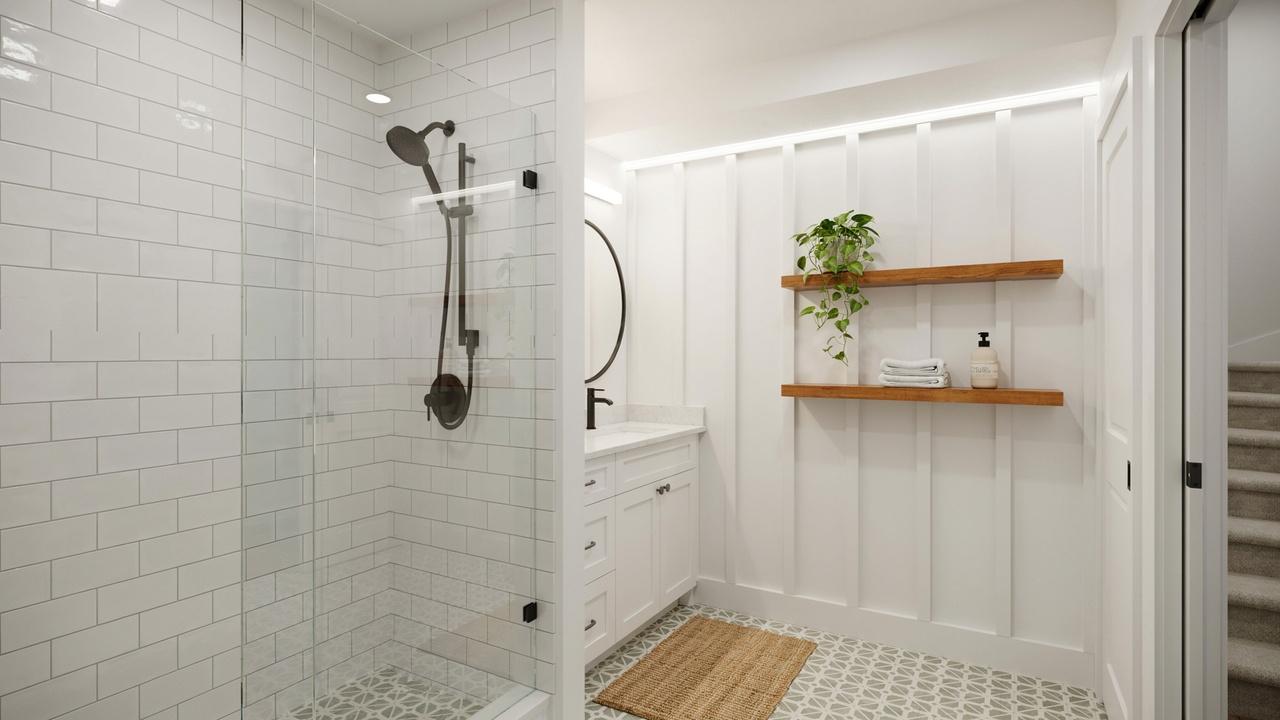
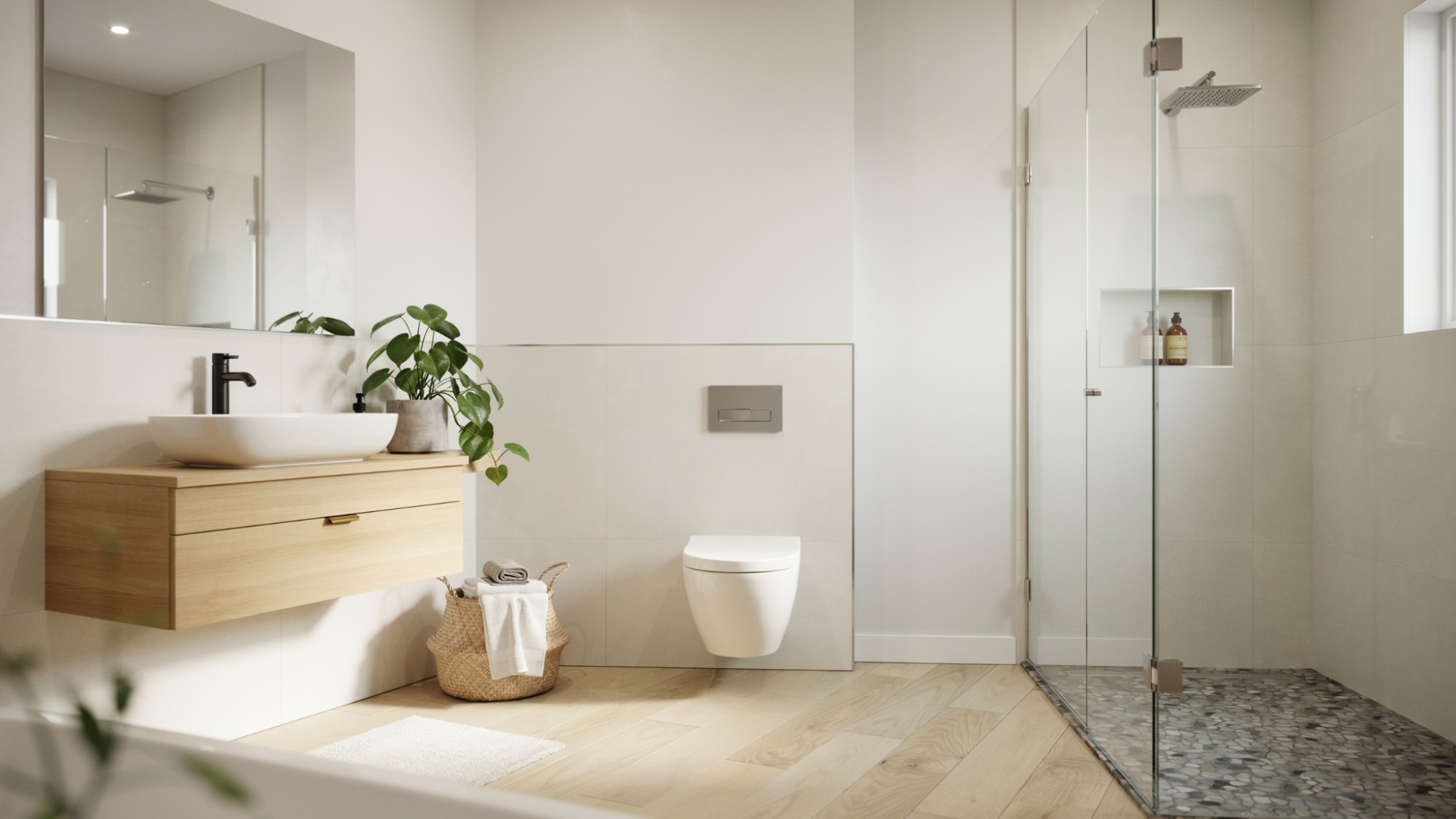
Match towel bars, sconces, or mirrors on either side of your sink for a clean, even look.
This small step makes even a tiny bathroom feel more put together, calm, and organized without needing any major renovation work.
Common Mistakes That Throw Off Balance in Interior Design
Small slip ups that quietly throw a whole room off.
- Pushing all your furniture against the walls
- Grouping every heavy piece on one side of the room
- Ignoring the ceiling height when picking lamps or art
- Using one giant light source instead of layered lighting
- Forgetting to balance color across the whole room
- Overcrowding one wall with art while leaving others bare
Practical Tips Designers Use to Create Balanced Interiors
Easy tricks that pros use to get balance right every time.
- Step back and view the room from the doorway often
- Use odd numbers when grouping decor items
- Keep a mix of hard and soft textures in every room
- Test furniture layouts with tape on the floor first
- Repeat one color at least three times for flow
- Trust your eyes. If something feels off, it probably is
Conclusion
I hope this gives you a clear starting point for your own space.
I still remember rearranging my first apartment for weeks before it finally felt right, and it came down to fixing the balance, not buying new furniture.
You don't need a big budget to get this right. Try one tip from this post today and see how your room feels.
Let me know in the comments which room you are working on, and share this post if it helped you out.
Frequently Asked Questions
What is the easiest type of balance to start with at home?
Symmetrical balance is the easiest to try first. Just match items on either side of a central piece, like a bed or sofa.
Can a small room have good balance too?
Yes, small rooms need balance even more. Keep furniture light and spread color evenly so the room doesn't feel cramped.
How do I know if my room feels unbalanced?
If your eyes keep pulling to one side, or one corner feels empty, your room likely needs better balance.
Does balance mean everything has to match?
No, balance is about visual weight, not matching sets. Different items can balance each other if their weight feels equal.
How long does it take to fix balance in a room?
Most rooms can be fixed in an afternoon. Rearranging furniture and adding a few accessories often does the job.