
If you're looking for Japanese kitchen design ideas, it can be hard to know where to start. Some kitchens look beautiful but aren't practical for daily life.
Others miss the calm, simple feel that makes this style so special. In this guide, I'll help you create a kitchen that is both functional and timeless.
You'll find 11 inspiring design ideas, the key features of Japanese kitchens, the best colors and materials, and simple tips to bring the look into your own home.
I've spent years researching home design trends and turning them into practical advice you can actually use. My goal is to make the process clear, simple, and worth your time.
What Is Japanese Kitchen Design?
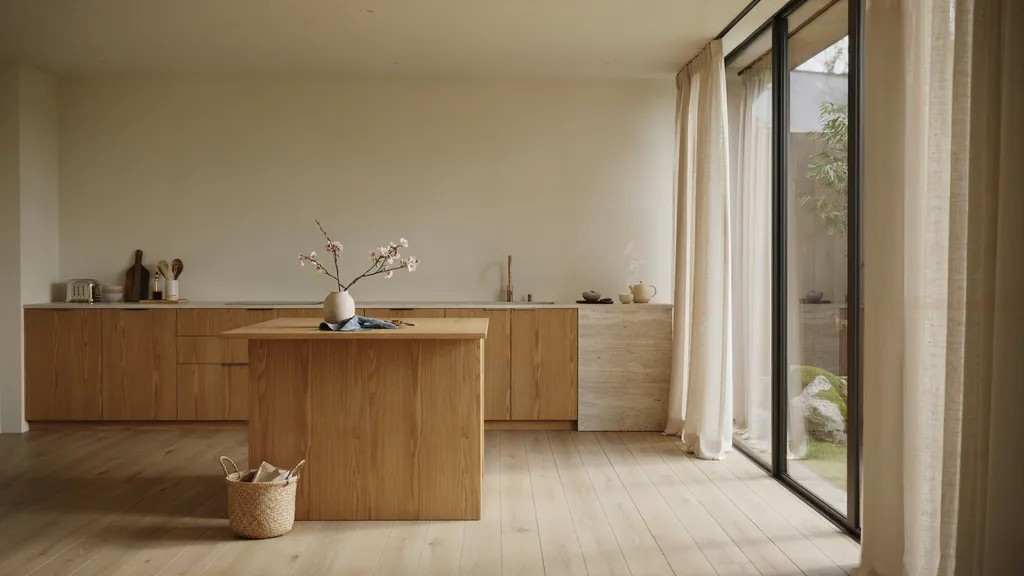
Japanese kitchen design is a style that focuses on simplicity, natural beauty, and everyday function.
Instead of filling the space with decorative items, it uses clean lines, smart storage, and quality materials to create a calm and organized kitchen.
The design follows the idea that every item should have a purpose while still looking beautiful. Natural wood, stone, soft colors, and plenty of light help create a peaceful atmosphere.
Compared to many Western kitchens, which often feature large islands, bold colors, and open displays, Japanese kitchens are usually more minimal and space-efficient.
They make the most of every inch without feeling crowded. The result is a kitchen that is easy to use, relaxing to spend time in, and built for daily living.
Key Elements of Japanese Kitchen Design
The beauty of Japanese kitchen design comes from a few simple elements that create a calm, practical, and timeless space.
- Minimalist Layout: Clean, clutter-free spaces with an efficient workflow that makes cooking easier.
- Natural Materials: Wood, bamboo, stone, and paper-influenced finishes add warmth and organic texture.
- Neutral Color Palette: White, beige, gray, black, and warm wood tones create a peaceful atmosphere.
- Hidden Storage Solutions: Flat-panel cabinets, built-in appliances, and organized interiors keep the kitchen neat.
- Connection to Nature: Large windows, natural light, and indoor plants bring the outdoors inside.
11 Beautiful Japanese Kitchen Design Ideas
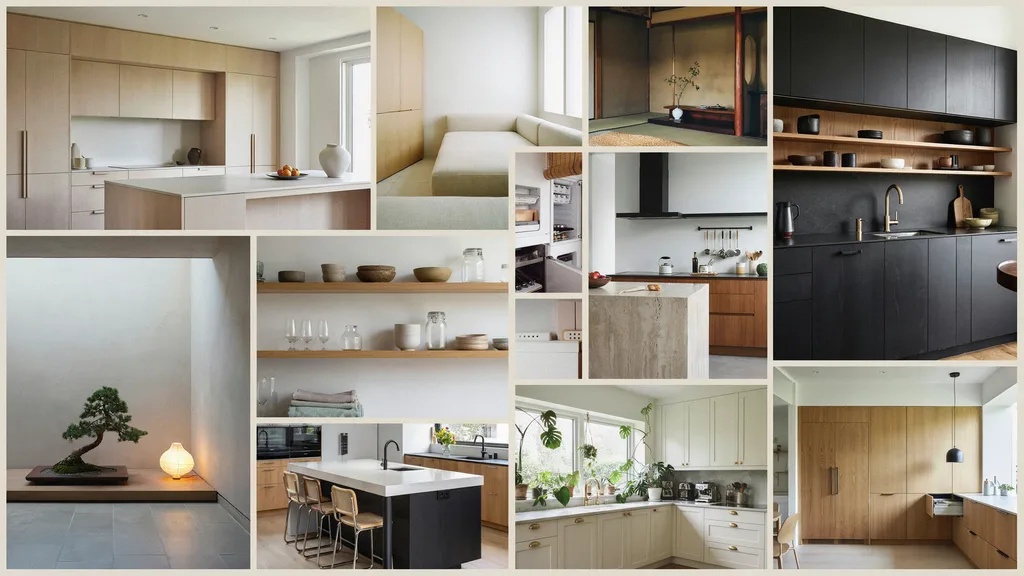
These Japanese kitchen design ideas combine simplicity, function, and natural beauty to help you create a space that feels peaceful and practical.
1. Warm Wood Minimalist Kitchen

A warm wood minimalist kitchen creates a cozy yet uncluttered look. Choose light oak cabinets, white countertops, and open wooden shelves to keep the space bright and inviting.
Limit decorative items and let the natural wood grain stand out. This design feels timeless while making everyday cooking comfortable and organized.
2. Japandi Style Kitchen
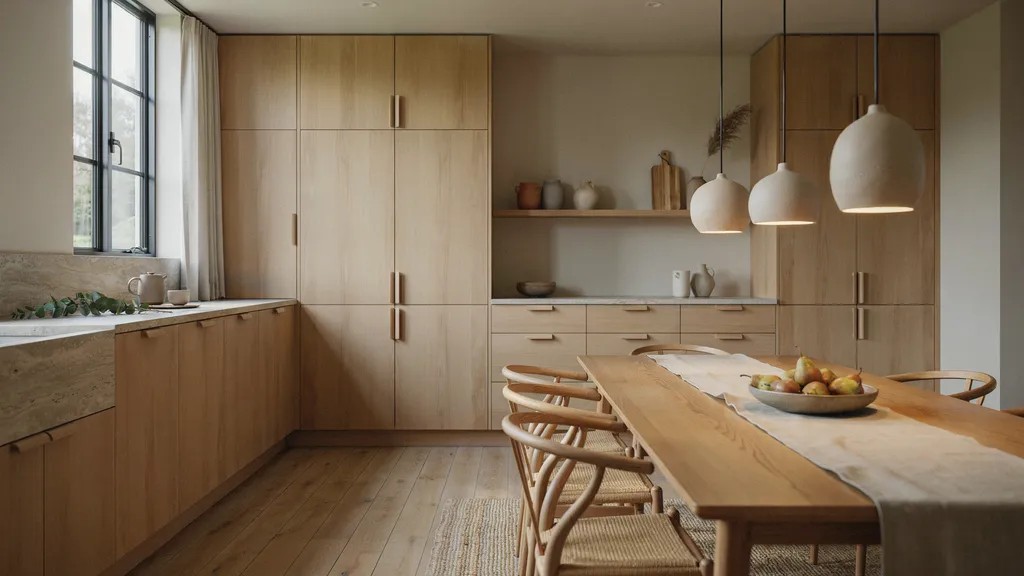
A Japandi kitchen blends Japanese simplicity with Scandinavian comfort. Use soft neutral colors, clean-lined cabinets, and functional décor that serves a purpose.
Natural textures, warm lighting, and simple furniture create a welcoming atmosphere. This style works well if you want a modern kitchen that feels both calm and lived-in.
3. Traditional Japanese Kitchen
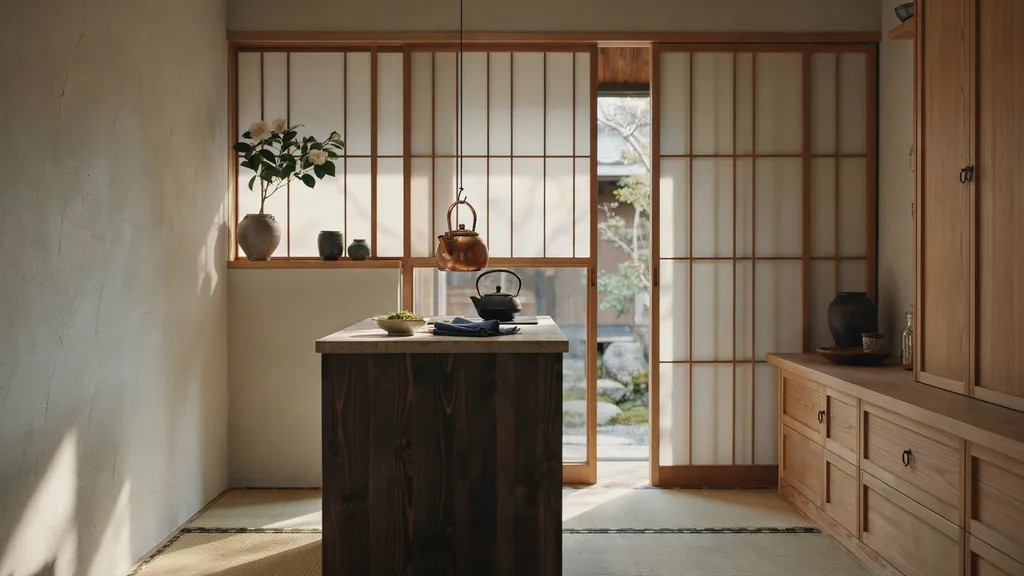
A traditional Japanese kitchen celebrates natural materials and classic craftsmanship. Add Shoji-influenced sliding doors, wooden finishes, and low-profile furniture for an authentic look.
Keep decorations minimal and focus on balance and harmony. The result is a peaceful kitchen that reflects timeless Japanese design principles.
4. Modern Black and Wood Kitchen

Pair matte black cabinets with warm walnut accents for a bold yet balanced design. Clean geometric lines keep the kitchen looking modern without feeling cold.
The contrast between dark finishes and natural wood adds depth while maintaining the simple style that defines Japanese interiors.
5. Small Japanese Kitchen Design
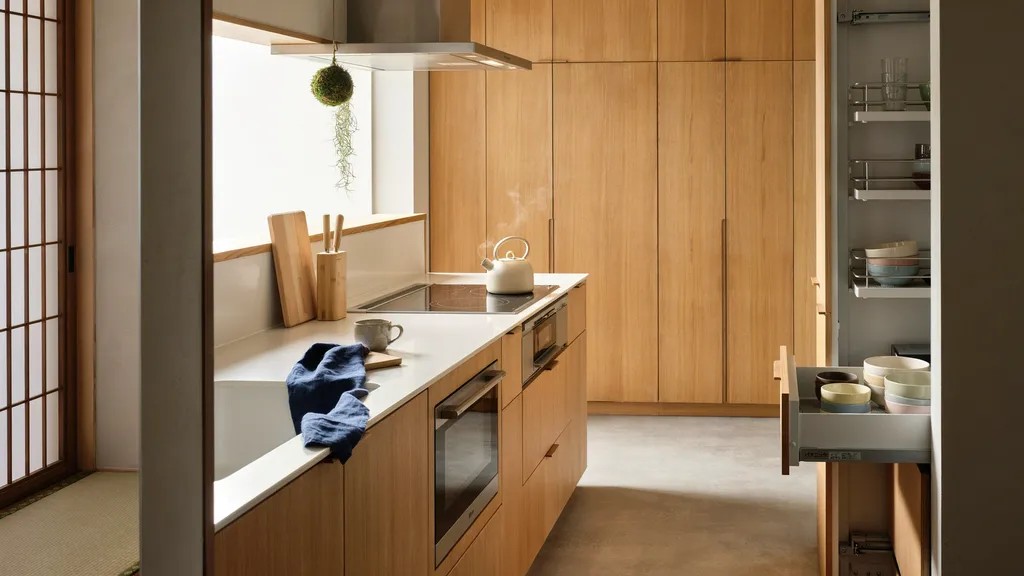
A small Japanese kitchen makes excellent use of limited space. Choose a compact layout with vertical storage, built-in cabinets, and multi-functional furniture.
Keep countertops clear to avoid visual clutter. Smart organization helps the kitchen feel larger while remaining practical for daily cooking and storage.
6. Open Concept Japanese Kitchen

An open-concept Japanese kitchen creates a smooth connection between the cooking and dining areas. Hidden storage, clean surfaces, and simple cabinetry reduce visual clutter.
The open layout encourages conversation while keeping the space airy, functional, and easy to move through every day.
7. Zen-Influenced Kitchen
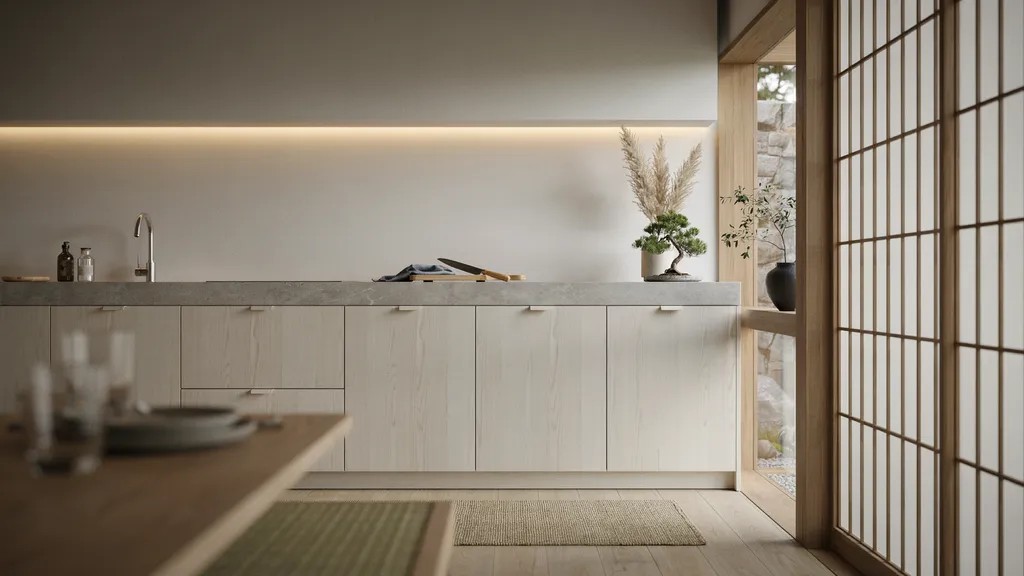
A Zen-influenced kitchen focuses on creating a peaceful environment. Use a calm color palette, stone countertops, and simple decorative accents.
Soft lighting and natural materials improve the relaxing atmosphere. Every design choice supports comfort, making the kitchen a quiet place to cook and spend time.
8. Japanese Kitchen with Open Shelving

Open shelving adds warmth and personality while keeping everyday items within easy reach. Display handmade ceramics, glass jars, or simple dishes on floating wooden shelves.
Keep everything neatly arranged to maintain a clean appearance. This style combines beauty with practical everyday storage.
9. Natural Stone and Wood Kitchen

Natural stone and wood create a timeless combination that feels warm and durable. Pair a stone backsplash with wooden cabinets and earthy textures for added character.
The mix of materials adds depth without overwhelming the space, making the kitchen feel balanced and connected to nature.
10. Modern Japanese Kitchen Island
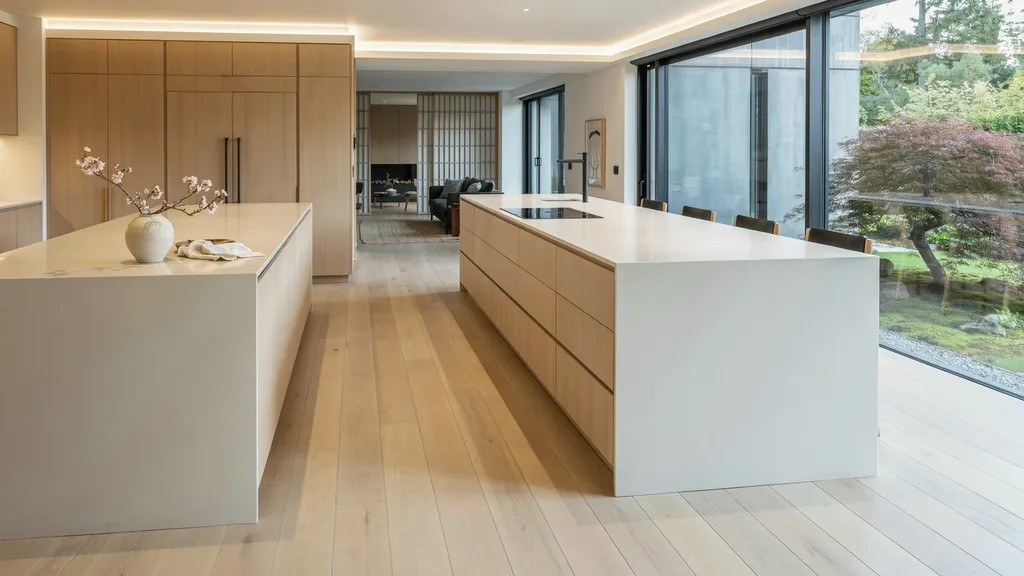
A simple kitchen island provides extra workspace while maintaining a minimalist look. Choose a clean design with hidden storage underneath to reduce clutter.
The island can also serve as a casual dining area or food preparation station without disrupting the room's open, functional layout.
11. Bright Japanese Kitchen with Indoor Plants

Natural light is an important feature of Japanese interiors. Maximize sunlight with large windows and add herbs, bonsai, or other indoor plants for a fresh touch.
Organic materials throughout the space complete the look, creating a bright kitchen that feels healthy, peaceful, and inviting.
Best Colors for Japanese Kitchen Design
Choosing the right colors helps create the calm, balanced look that defines Japanese kitchen design.
- Warm Wood Tones: Add natural warmth and timeless character.
- White: Keeps the kitchen bright, clean, and open.
- Beige: Creates a soft, cozy, and welcoming atmosphere.
- Gray: Adds subtle depth while maintaining a minimalist feel.
- Charcoal: Brings modern contrast without overwhelming the space.
- Soft Green Accents: Introduce a gentle connection to nature through cabinets, décor, or plants.
Common Mistakes to Avoid
Avoiding these common mistakes will help your Japanese-influenced kitchen stay simple, functional, and harmonious.
- Overdecorating the Space: Keep décor minimal to preserve a clean and peaceful look.
- Using Too Many Bold Colors: Stick to neutral shades for a balanced appearance.
- Ignoring Storage Needs: Plan smart storage to reduce clutter and improve organization.
- Mixing Too Many Design Styles: Combine styles carefully to maintain a cohesive design.
- Poor Lighting Choices: Use plenty of natural light and warm artificial lighting for a relaxing atmosphere.
Conclusion
Creating a Japanese kitchen design doesn't mean changing everything at once.
Even small updates, like adding natural wood or clearing clutter, can make your kitchen feel calmer and more enjoyable.
I've always found that simple spaces are easier to cook in and even easier to relax in after a busy day. Pick one idea that fits your home and build from there.
I'd love to hear which design influenced you most, so leave a comment, share this guide, or check our other kitchen design articles.
Frequently Asked Questions
How do I create a Japanese kitchen design on a budget?
Start with simple changes like neutral colors, open shelving, and natural wood accessories. Small updates can give your kitchen a Japanese-influenced feel without a full renovation.
Is Japanese kitchen design good for small homes?
Yes. This style focuses on smart layouts, hidden storage, and minimal clutter, making even compact kitchens feel open and functional.
What materials are best for a Japanese kitchen design?
Natural materials such as wood, bamboo, and stone are the most common choices. They add warmth while keeping the space simple and timeless.
Can I mix modern and traditional Japanese kitchen styles?
Yes. You can pair modern cabinets with natural wood, soft colors, or Shoji-influenced details to create a balanced and practical kitchen.
What makes Japanese kitchen design different from other minimalist kitchens?
Japanese kitchen design combines minimalism with a strong connection to nature, thoughtful organization, and everyday functionality, creating a space that feels peaceful as well as practical.