
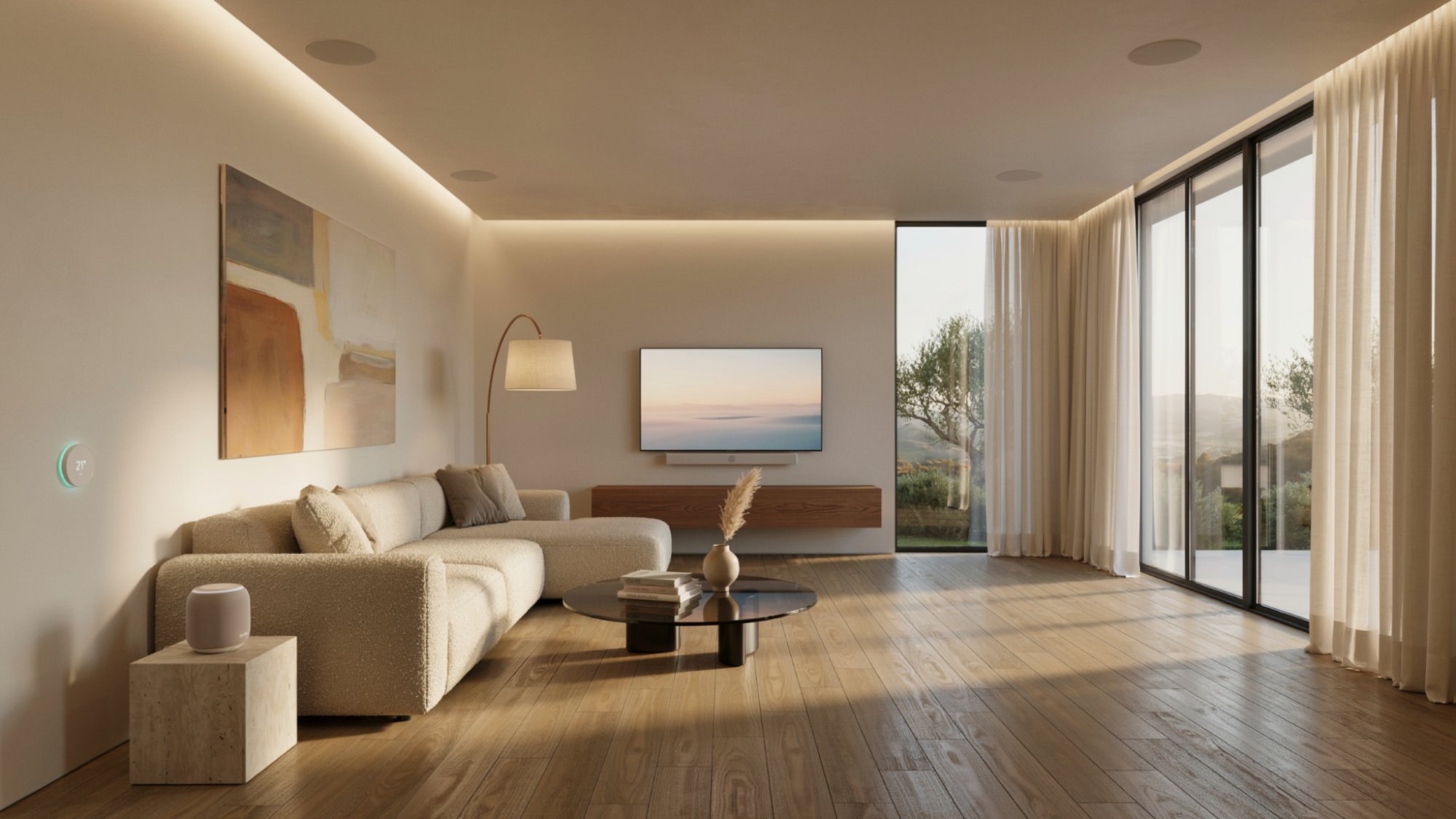
Choosing the right smart home interior design can feel confusing. You want a home that looks beautiful, but you also want technology that makes everyday life easier.
In this guide, you'll learn how to combine smart devices with stylish interiors without creating clutter.
I'll cover the best smart home features, room-by-room design ideas, practical planning tips, and common mistakes to avoid. You'll leave with clear ideas you can actually use.
I've spent time researching smart home trends and practical design solutions to share advice that is simple, realistic, and easy to follow.
If you're planning a new home or upgrading your current space, this guide will help you create a home that is both functional and inviting.
What Is Smart Home Interior Design?
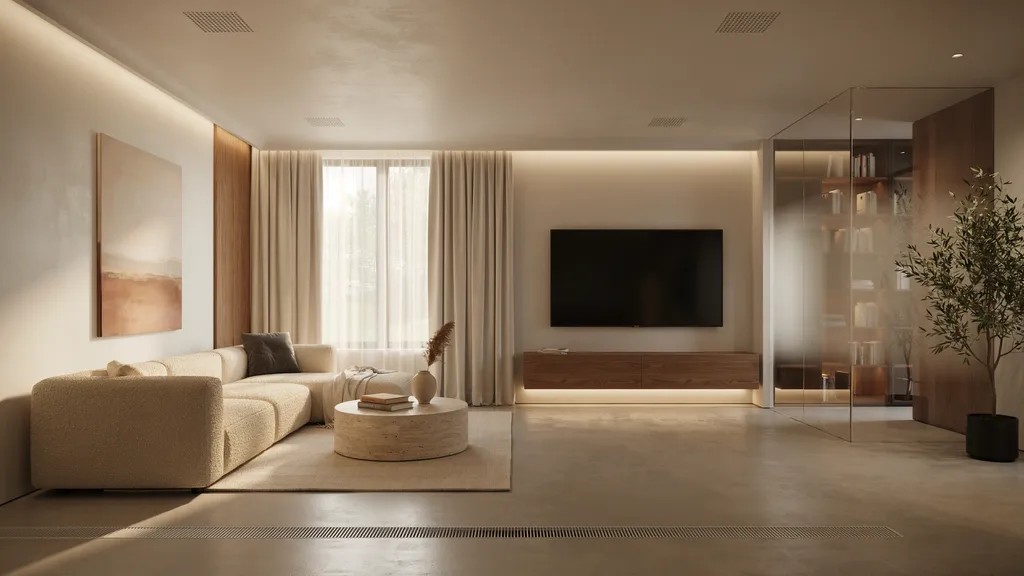
Smart home interior design is the process of combining modern technology with thoughtful interior design to create a home that is both beautiful and functional.
It goes beyond simply adding smart gadgets. Instead, devices like smart lighting, thermostats, speakers, and security systems are planned to blend naturally with your home's style.
The goal is to improve daily living without making rooms feel crowded or overly technical. A truly smart home considers layout, lighting, storage, and automation from the beginning.
This creates a space where technology works quietly in the background while the design remains clean, comfortable, and visually appealing.
Why Smart Home Interior Design Is Becoming Popular
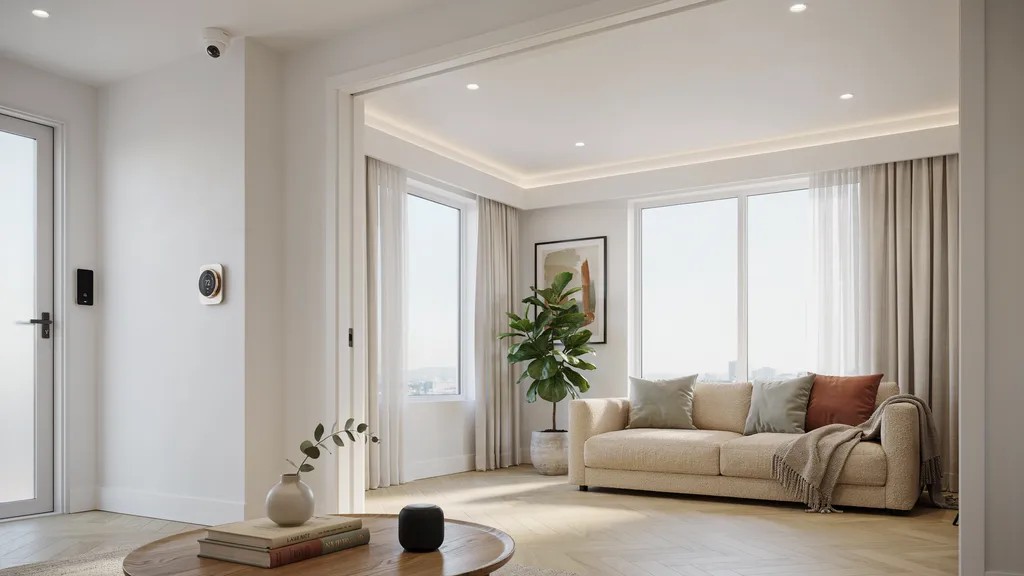
More homeowners are choosing smart home interior design because it makes everyday life easier while keeping homes stylish.
Smart technology adds comfort through features like voice control, automatic lighting, and temperature adjustments.
It also improves energy efficiency by reducing unnecessary power use, helping lower utility bills. Smart security systems, including cameras and smart locks, provide added peace of mind.
At the same time, hidden wiring and well-integrated devices create cleaner, clutter-free interiors.
As smart homes become more desirable, these upgrades can also increase a property's value, making them a practical investment for both current living and future resale.
Key Principles of Smart Home Interior Design
A well-designed smart home balances technology, comfort, and style by following a few simple design principles from the start.
- Plan Technology Before Decorating:Think about where you'll need power outlets, internet coverage, and hidden wiring for smart devices.
- Keep Technology Invisible:Hide cables behind walls or furniture whenever possible. Choose built-in speakers, recessed lighting, and smart devices that match your décor.
- Focus on User Experience:Voice assistants, mobile apps, and automated routines can handle everyday tasks with little effort.
- Maintain Design Consistency:Match their colors and finishes with your furniture, walls, or fixtures for a seamless look.
Smart Devices for Every Modern Home
The right smart devices improve comfort, save time, and blend seamlessly into a well-planned home design.
Smart Lighting
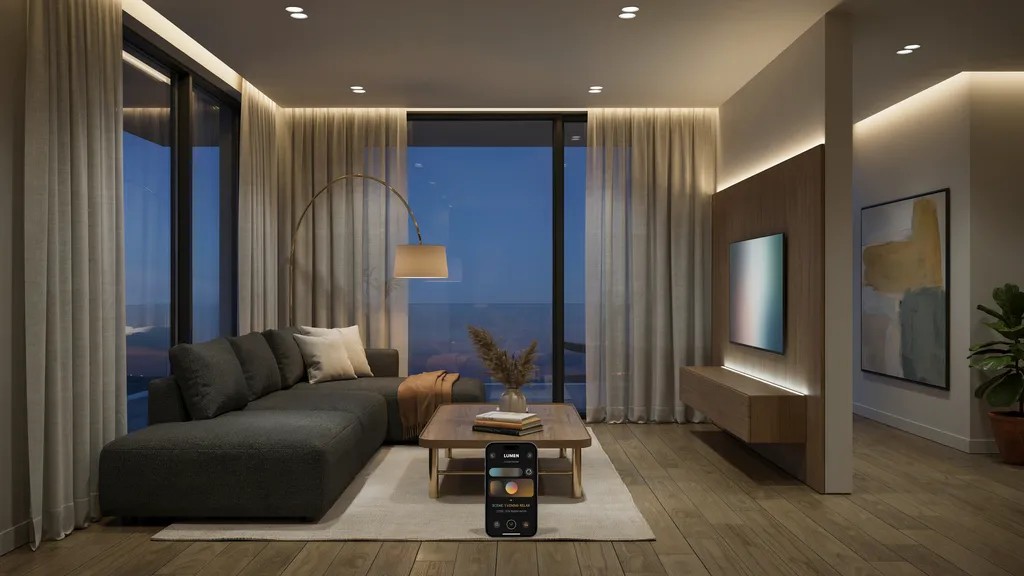
Smart lighting gives you complete control over your home's atmosphere.
You can set automated schedules, dim lights for different activities, or create mood lighting for relaxing evenings or entertaining guests.
Many systems can also be controlled through an app or voice assistant, making everyday lighting more convenient while helping reduce unnecessary energy use.
Smart Thermostats

A smart thermostat automatically adjusts your home's temperature based on your schedule and preferences. It keeps rooms comfortable without wasting energy when no one is home.
Many models learn your daily routine over time and provide energy reports, helping you lower utility bills while maintaining a pleasant indoor environment throughout the year.
Smart Security Systems
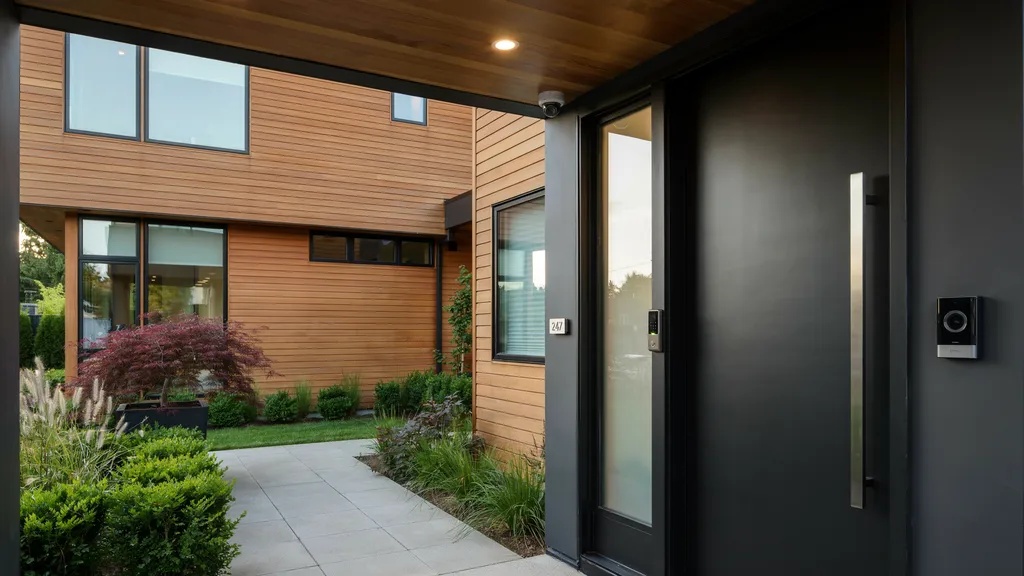
Smart security systems help protect your home with features like security cameras, video doorbells, and smart locks.
You can monitor your property remotely, receive instant alerts, and control access from your smartphone.
These systems provide added peace of mind while integrating smoothly into modern homes without affecting the overall interior design.
Smart Speakers and Voice Assistants

Smart speakers and voice assistants act as the central control point for many connected devices.
With simple voice commands, you can adjust lighting, play music, lock doors, or control the thermostat.
They make daily routines more convenient and help create a connected home where different smart devices work together effortlessly.
Smart Blinds and Curtains

Smart blinds and curtains automatically open and close based on the time of day, sunlight, or your preferences.
They improve privacy, regulate natural light, and help maintain indoor temperatures by reducing heat gain or loss.
Besides adding convenience, they also contribute to better energy efficiency while giving your home a clean and modern appearance.
Room-by-Room Smart Home Interior Design Ideas
The right smart features can make every room more comfortable, efficient, and visually appealing.
| Room | Smart Home Interior Design Ideas |
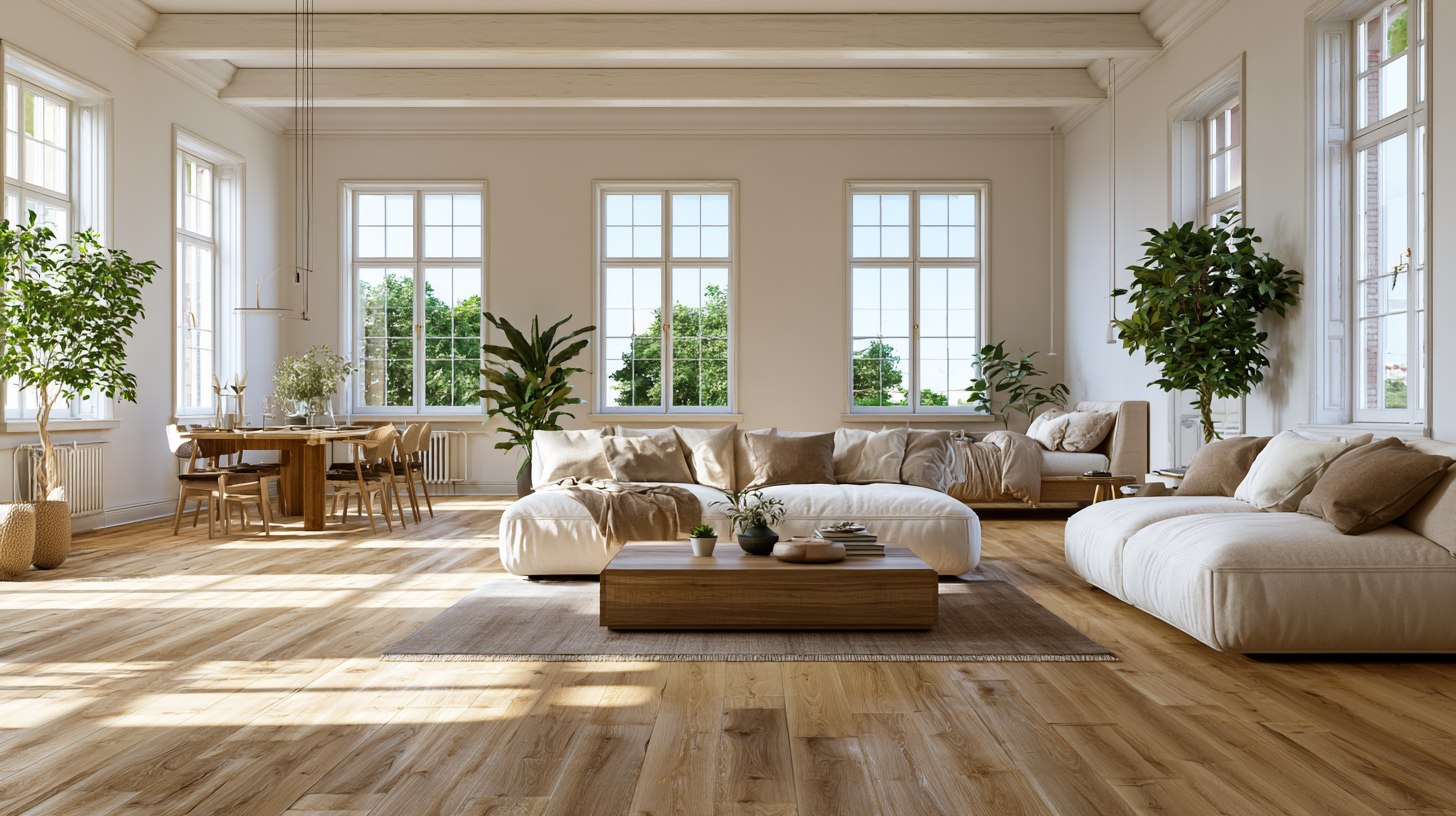
| Smart Living Room | Use hidden entertainment systems, smart lighting scenes, and motorized curtains for a clean, modern, and comfortable space. |
| Smart Kitchen | Add smart appliances, motion-sensor faucets, and under-cabinet smart lighting to improve convenience and efficiency. |
| Smart Bedroom | Install automated lighting, smart alarm systems, smart blinds, and sleep-friendly automation for a relaxing environment. |
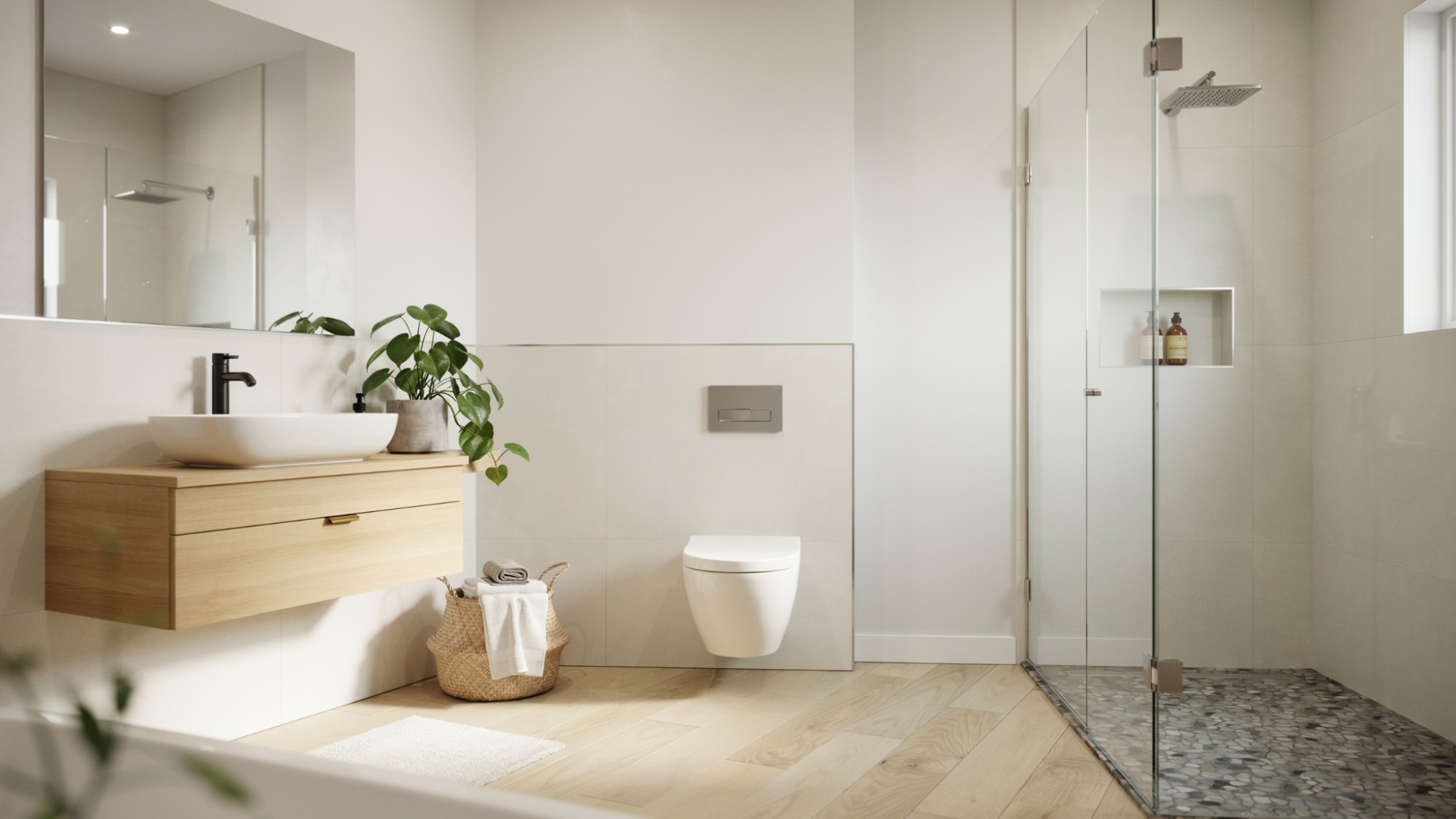
| Smart Bathroom | Choose smart mirrors, heated floors, and motion-activated lighting to add comfort and everyday convenience. |
| Smart Home Office | Use adjustable smart lighting, noise management, and automated climate control to create a productive workspace. |
Budget-Friendly Ways to Start a Smart Home
You don't need a large budget to enjoy the benefits of smart home technology, start small and upgrade over time.
- Upgrade one room first: Focus on a space like the living room or bedroom before expanding.
- Add smart bulbs: Replace regular bulbs with smart ones for easy lighting control.
- Install smart plugs: Turn everyday appliances into smart devices without replacing them.
- Use a voice assistant: Control multiple devices through one central smart hub.
- Expand gradually: Add new smart products as your budget and needs grow.
Future Trends in Smart Home Interior Design
Smart home technology continues to evolve, making homes more efficient, personalized, and seamlessly connected.
- AI-powered home automation: Systems will learn your habits and automate daily tasks.
- Matter-compatible ecosystems: More devices will work together across different brands.
- Energy-monitoring systems: Smart tools will track and reduce household energy use.
- Sustainable smart homes: Eco-friendly technology will support greener living.
- Invisible technology: Smart devices will become smaller and blend into interiors.
- Wellness-focused smart interiors: Homes will use lighting, air quality, and climate control to support health and comfort.
Conclusion
Creating a smart home interior design doesn't mean filling your home with expensive gadgets. Even small changes can make your space more comfortable, organized, and enjoyable.
I like the idea of starting with one simple upgrade because it lets you see what truly fits your lifestyle before adding more.
Imagine walking into a home that works with you while still reflecting your personal style.
If this guide helped, leave a comment, share it with someone planning a smart home, or try our related home design articles for more ideas.
Frequently Asked Questions
What is smart home interior design?
Smart home interior design combines smart technology with attractive interior design. It creates spaces that are functional, comfortable, and appealing without making technology the focus.
How can I make my home smart on a budget?
Start with affordable upgrades like smart bulbs, smart plugs, or a voice assistant. You can expand your system gradually as your needs and budget grow.
Which smart devices are best for beginners?
Smart lighting, smart speakers, smart plugs, and smart thermostats are great starting points. They are easy to install and offer noticeable everyday convenience.
Does smart home interior design work with any decorating style?
Yes. Smart technology can blend with minimalist, Scandinavian, contemporary, industrial, traditional, or luxury interiors when you choose devices that match your décor.
Is smart home interior design worth it?
For many homeowners, it is. A well-planned smart home improves comfort, energy efficiency, security, and convenience while helping maintain a clean and modern living space.