
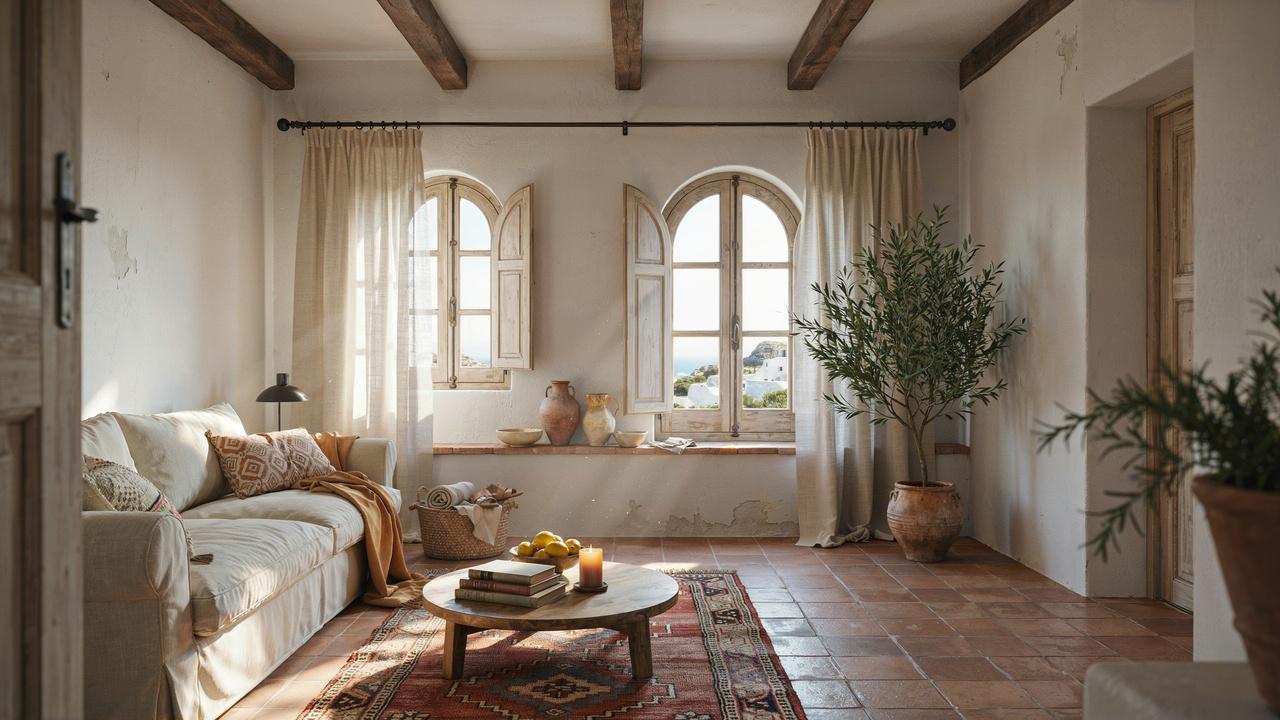
I have always loved rooms that feel warm, relaxed, and lived in, and that's exactly what Mediterranean interior design gives you.
In this guide, I'll walk you through what this style means, its key elements, room-by-room ideas, popular regional styles, budget-friendly tips, common mistakes to avoid, and simple ways to make it your own.
I've spent years studying design trends, and this one never gets old, which is why I trust it enough to share here.
If you want a home that feels calm, sunny, and welcoming without feeling fussy or overdone, you're in the right place. Let's get into it and find the look that suits your space best.
What Is Mediterranean Interior Design?
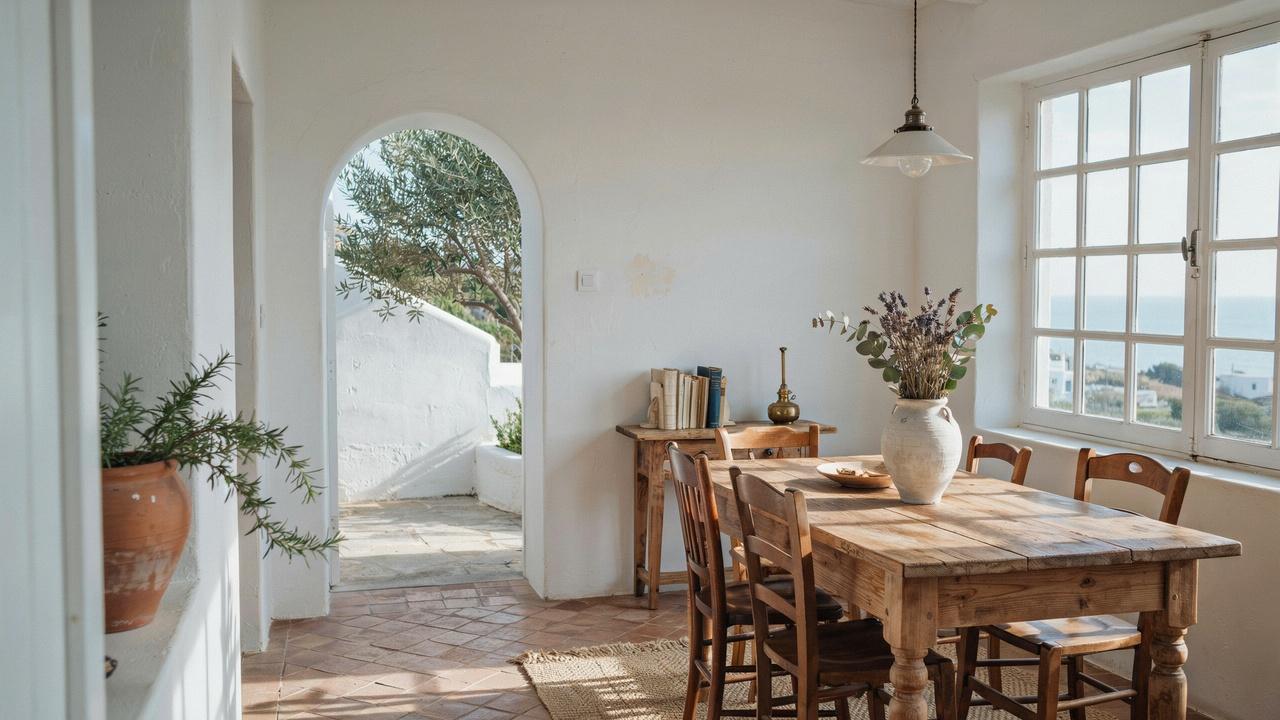
Mediterranean interior design borrows from coastal towns in Italy, Spain, and Greece, shaped by sun-washed walls, olive groves, and open windows facing the sea.
It grew out of daily life in warm climates, not from passing trends, which is part of why it still feels fresh in homes today.
Traditional versions lean heavy on ornate tiles and carved wood, while modern takes keep that same warmth but simplify shapes and cut down on clutter.
Both share the same relaxed spirit at their core. Homeowners love this look because it feels calm and welcoming, blends indoor and outdoor living with ease, uses natural light well, and never leaves a room feeling cold or stiff.
Key Elements of Mediterranean Interior Design
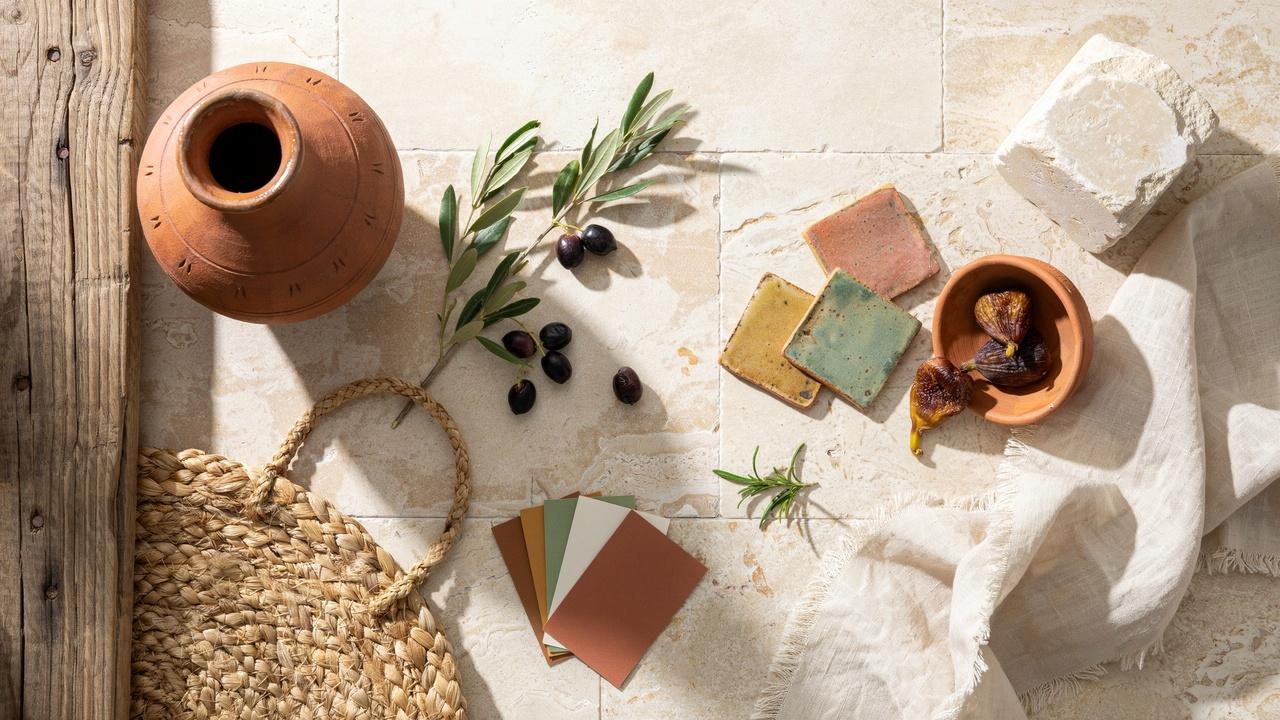
The building blocks that give this style its warm, grounded feel.
Earthy Color Palettes
Think terracotta, sand, olive green, and soft blue. These colors echo the coastline and countryside around them.
They keep rooms feeling grounded and calm instead of loud or busy. A few well-chosen shades go further than a whole rainbow of color.
Natural Materials and Textures
Wood, stone, clay, and wrought iron show up often in this style. These materials age well over time and only gain character as the years pass.
They add real texture instead of flat, printed patterns. Touching a room like this feels as good as looking at it.
Natural Light and Open Spaces
Big windows, light curtains, and open floor plans let sunlight pour in freely. This style avoids heavy drapes that block the outdoors and dim a room.
Open spaces let air and light move through the home with ease. The goal is always a bright, breathable feel.
Coastal Influences and Handcrafted Décor
Handmade pottery, woven baskets, and painted tiles bring personality into a space. Nothing feels mass produced or pulled straight off a store shelf.
Each piece tells a small story about where it came from. These details give a home real warmth and character.
Greenery and Organic Accents
Potted olive trees, herbs, and climbing vines bring life indoors and soften the whole space. Plants pair naturally with hard surfaces like stone and tile.
Even a few small pots on a windowsill make a noticeable difference. Greenery keeps the look feeling fresh and alive.
Mediterranean Interior Design Ideas for Every Room
Simple, practical ways to bring this style into each part of your home.
Living Room
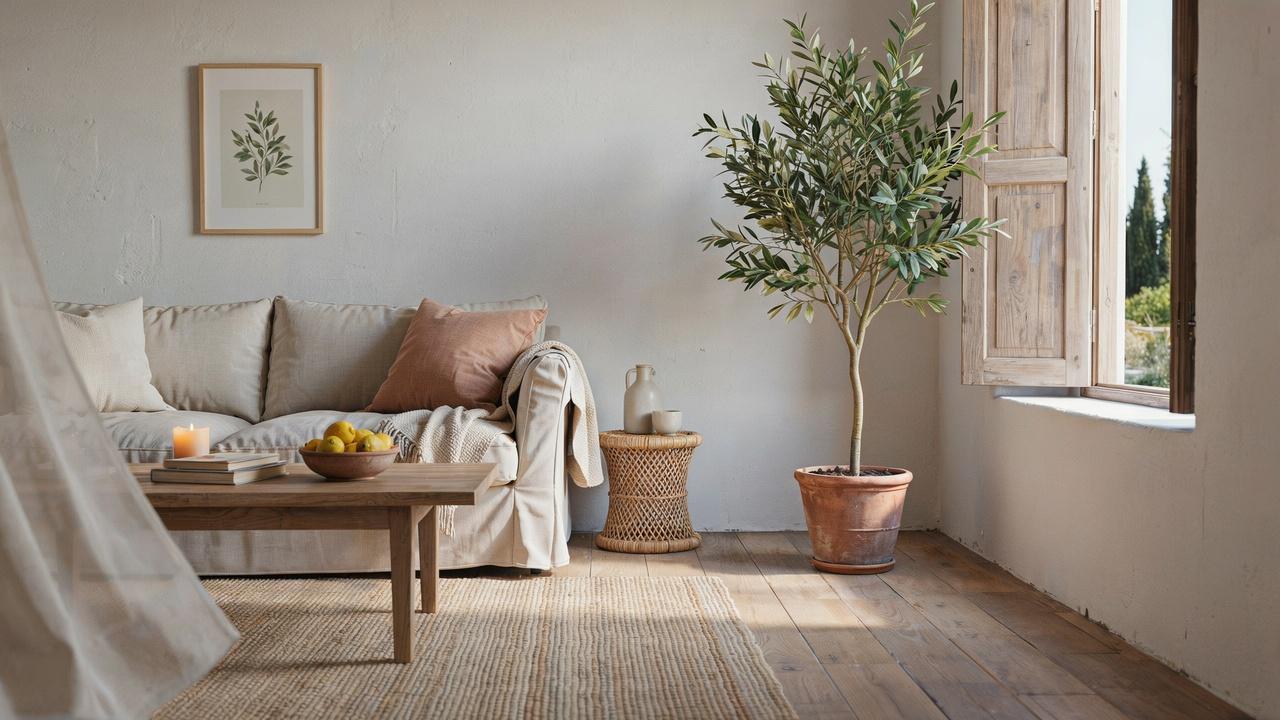
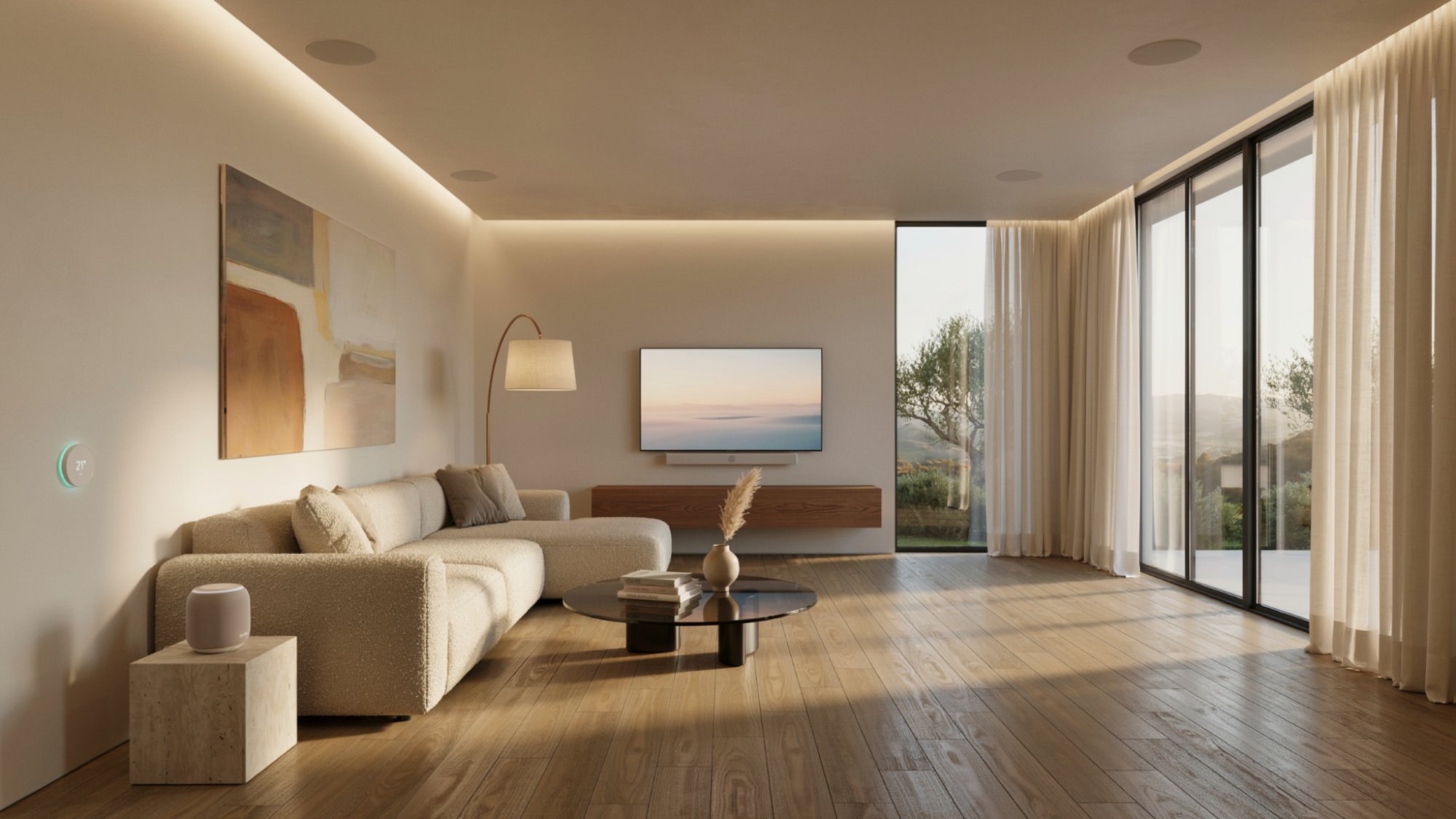
Use a neutral sofa as the base and add woven throw pillows for texture. A low wooden coffee table keeps the room grounded and casual.
Keep the layout open and easy to move through, without too much furniture crowding the space. Simple layers work better here than a lot of matching pieces.
Kitchen and Dining Room Ideas
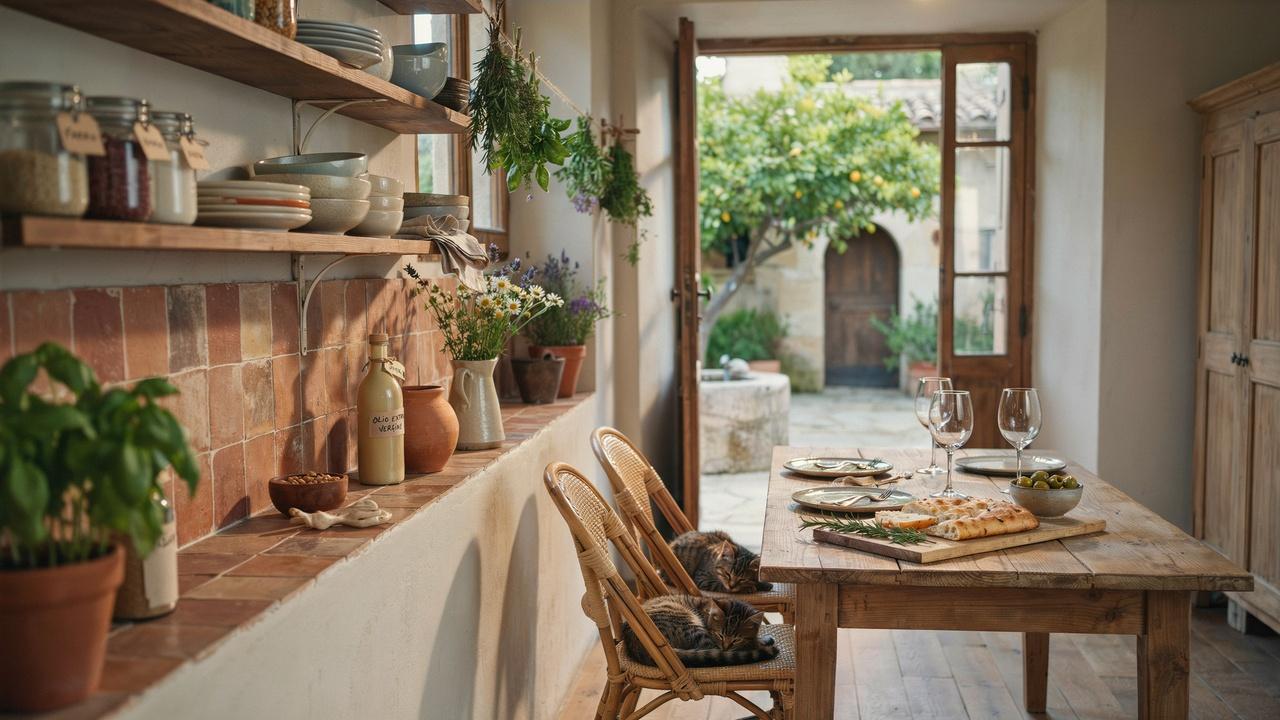
Open shelving, terracotta tiles, and a wooden dining table work well in this space. They keep things practical while still adding warmth.
Add hanging herbs near a sunny window for a fresh touch and a bit of color. Small details like this make the kitchen feel more personal.
Bedroom Styling Tips
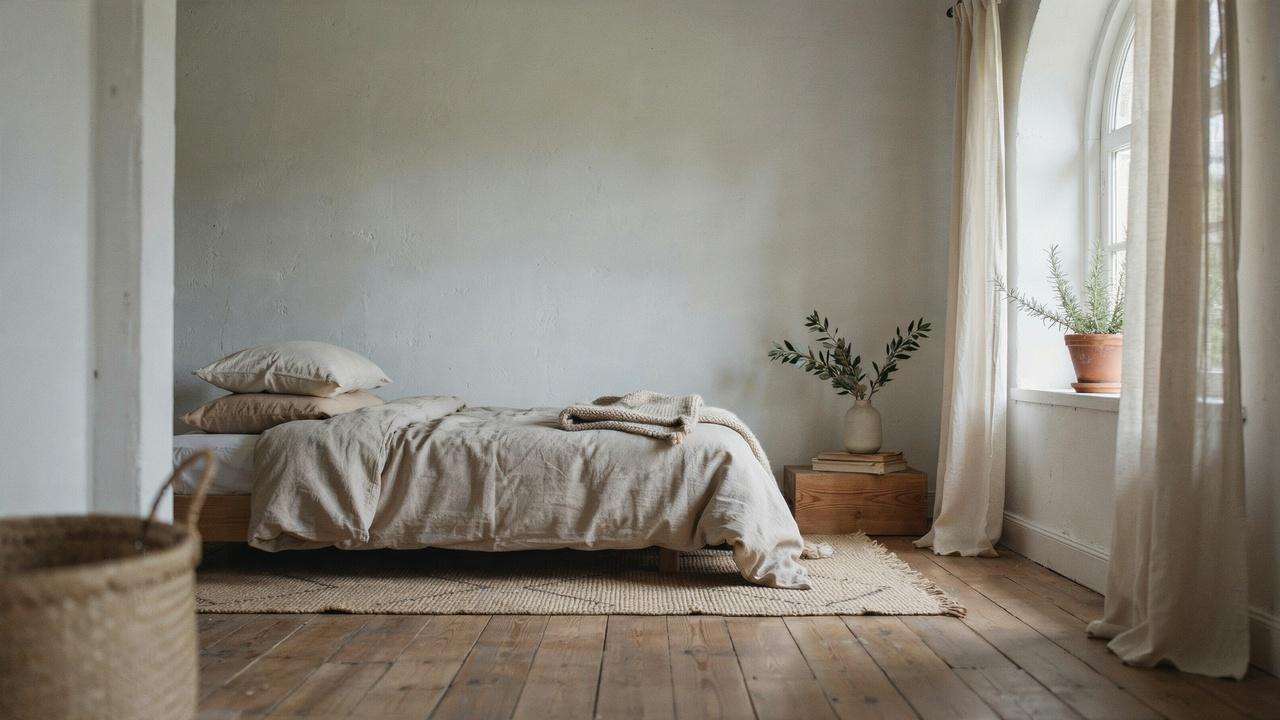
Choose linen bedding in soft neutral tones to keep the room calm and easy on the eyes. Add a woven rug underfoot and simple wood furniture around the space.
Keep the room uncluttered so it feels restful rather than busy. A few soft textures go a long way here.
Bathroom Décor Ideas
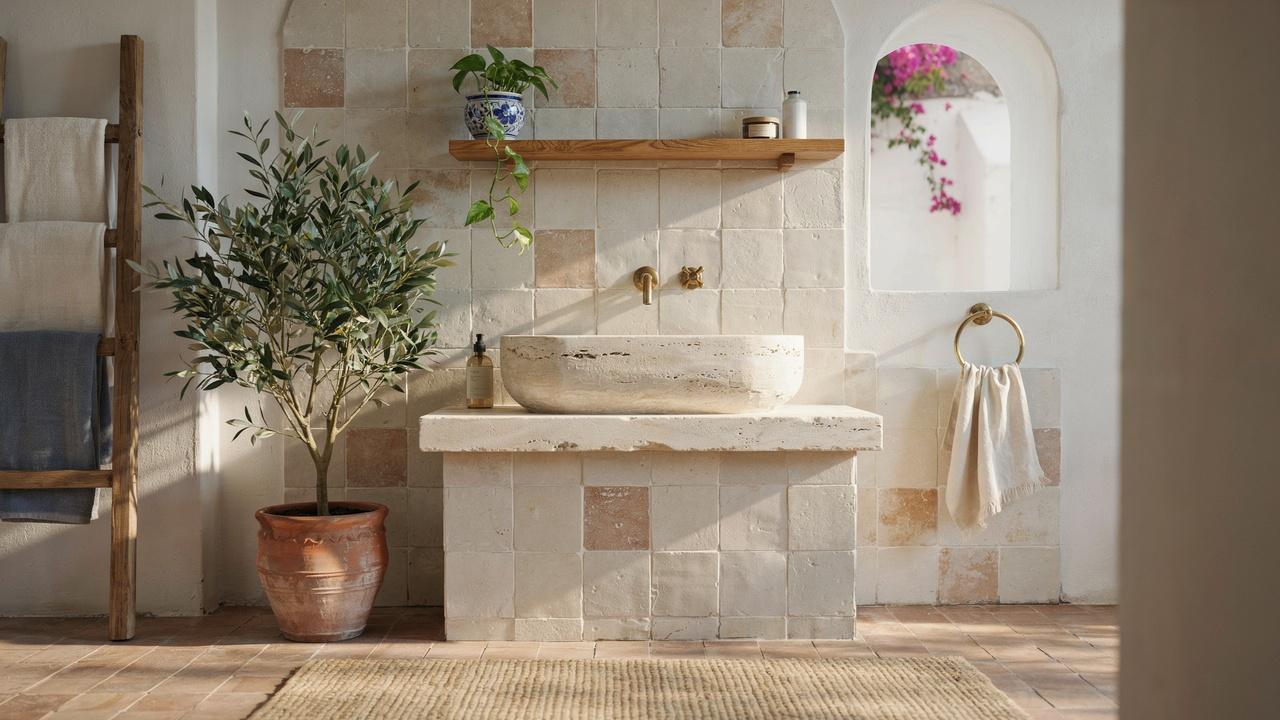
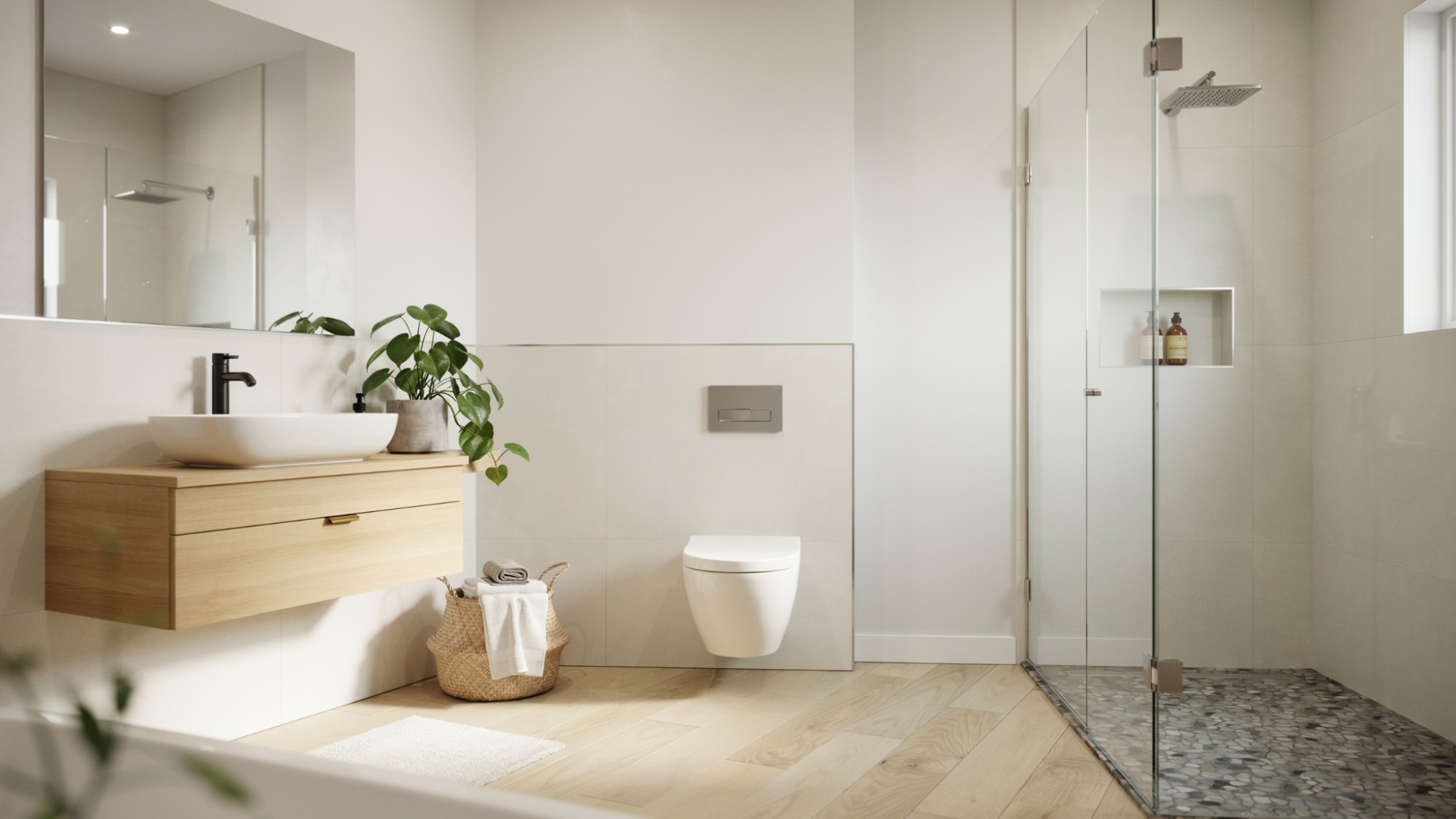
Handmade tiles, stone sinks, and simple brass fixtures fit this style well and add quiet character. These small choices make even a plain bathroom feel intentional.
Add a small plant or two near the window for a bit of life. Keep the rest of the space simple and uncrowded.
Popular Mediterranean Interior Design Styles
Three regional takes on the same relaxed, sun-loving spirit.
Italian Mediterranean Style
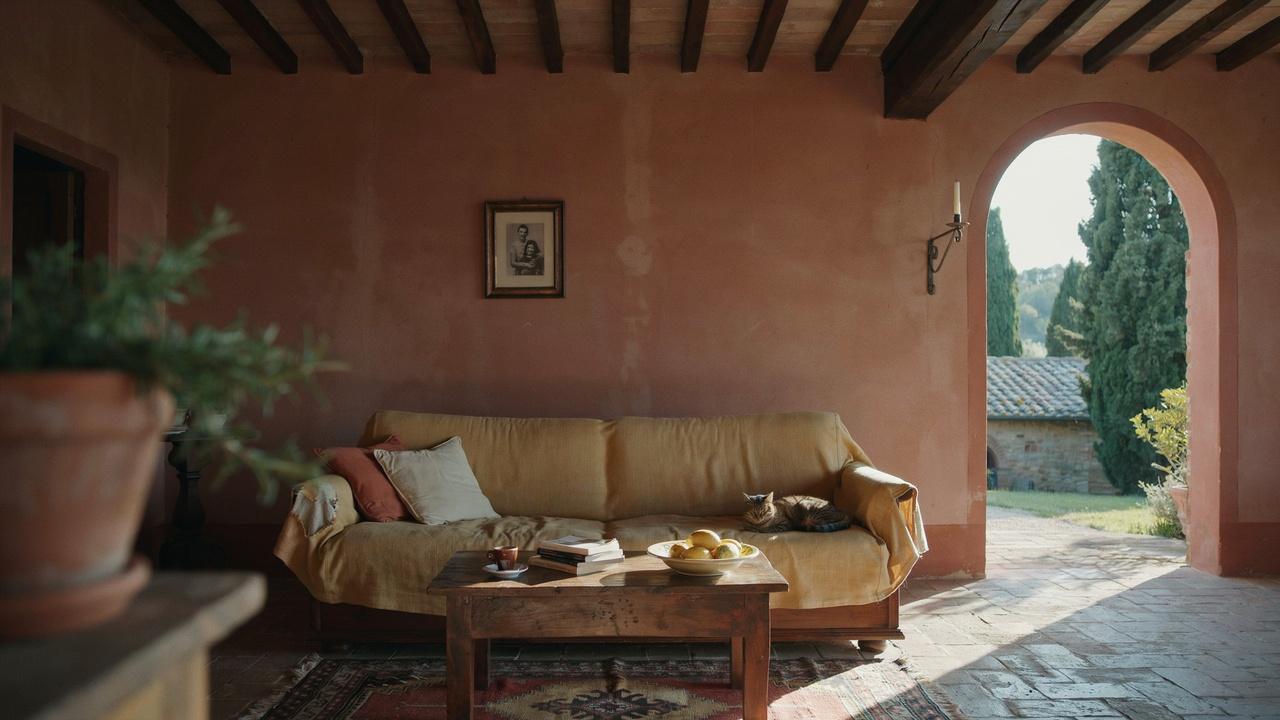
This style favors warm terracotta tones, arched doorways, and rustic wood furniture throughout the home. It feels cozy and slightly rustic, almost like an old countryside villa.
Simple, worn textures fit right in with this look. It works well for anyone who wants a lived-in, welcoming feel.
Spanish Mediterranean Style
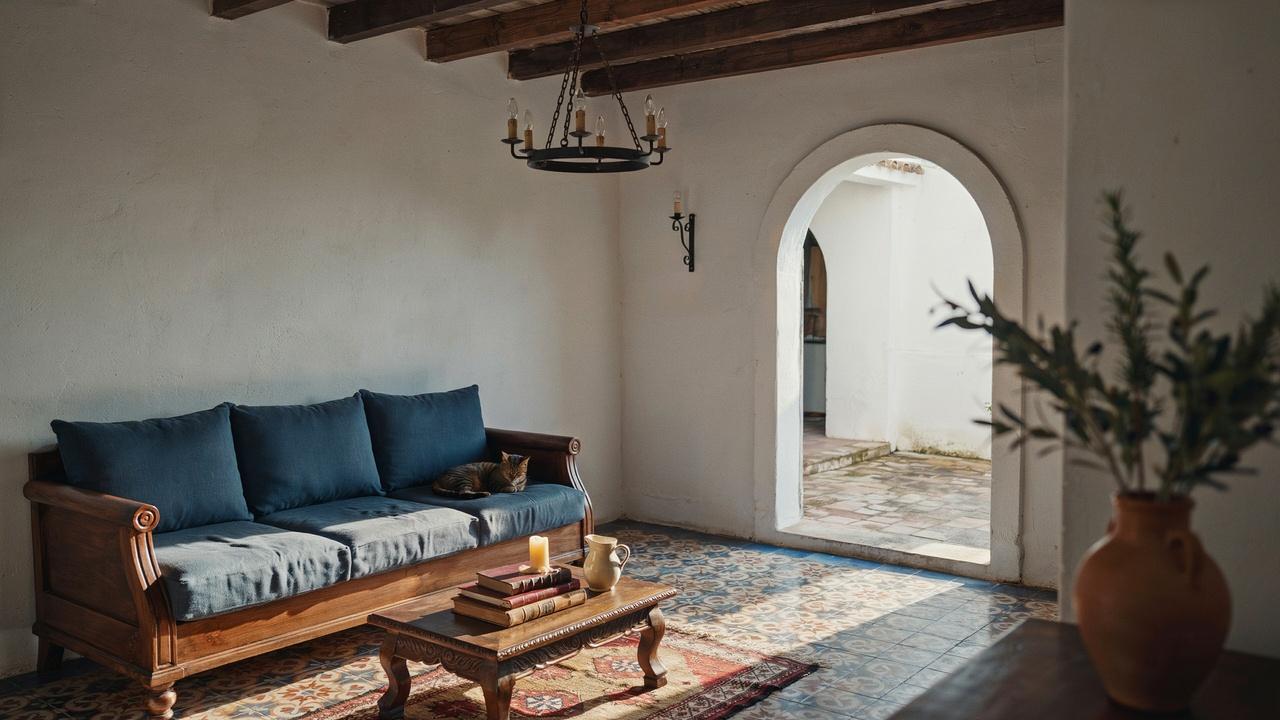
Expect bold tile work, wrought iron details, and deep wood tones in this version. It feels a little more dramatic and rich compared to other regional styles.
Patterned tiles and darker accents add depth to each room. This style suits homeowners who like a bit more visual interest.
Greek Mediterranean Style
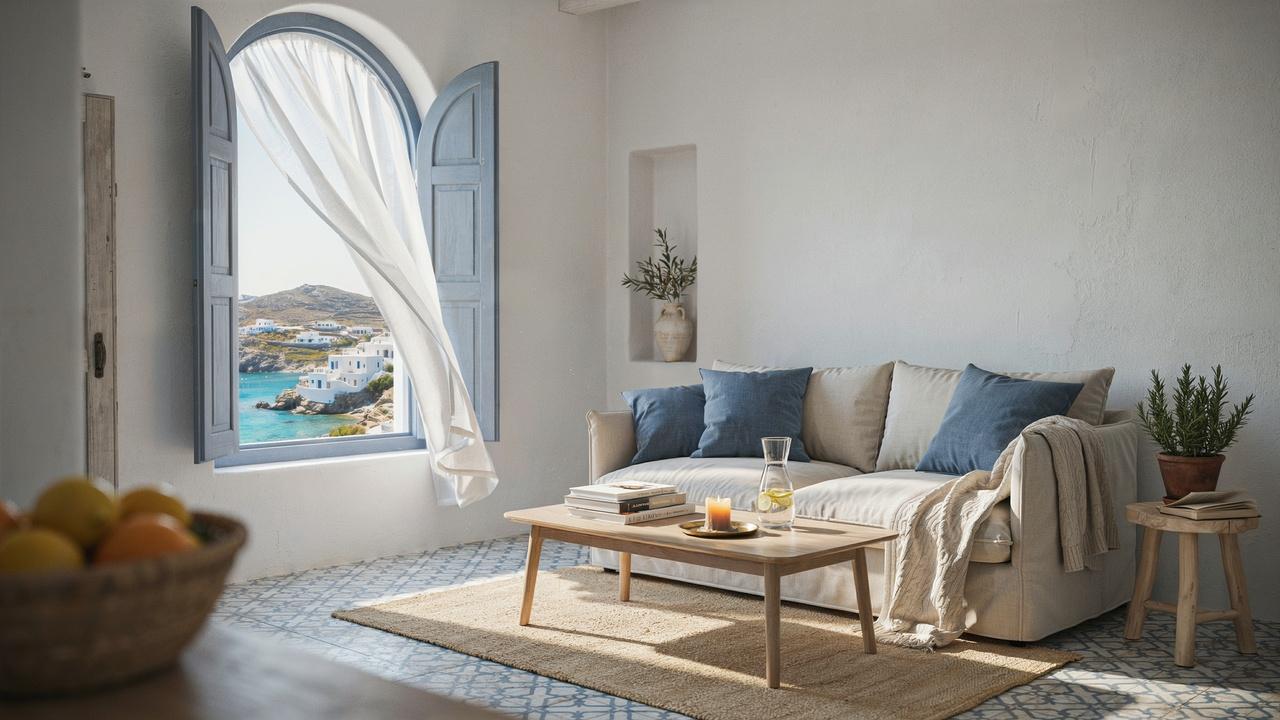
Whitewashed walls paired with blue accents define this look from top to bottom. It feels bright, airy, and simple, almost like a seaside home.
Clean lines and light colors keep every room feeling open. This style works well in smaller spaces that need to feel larger.
How to Create a Mediterranean Interior on Any Budget
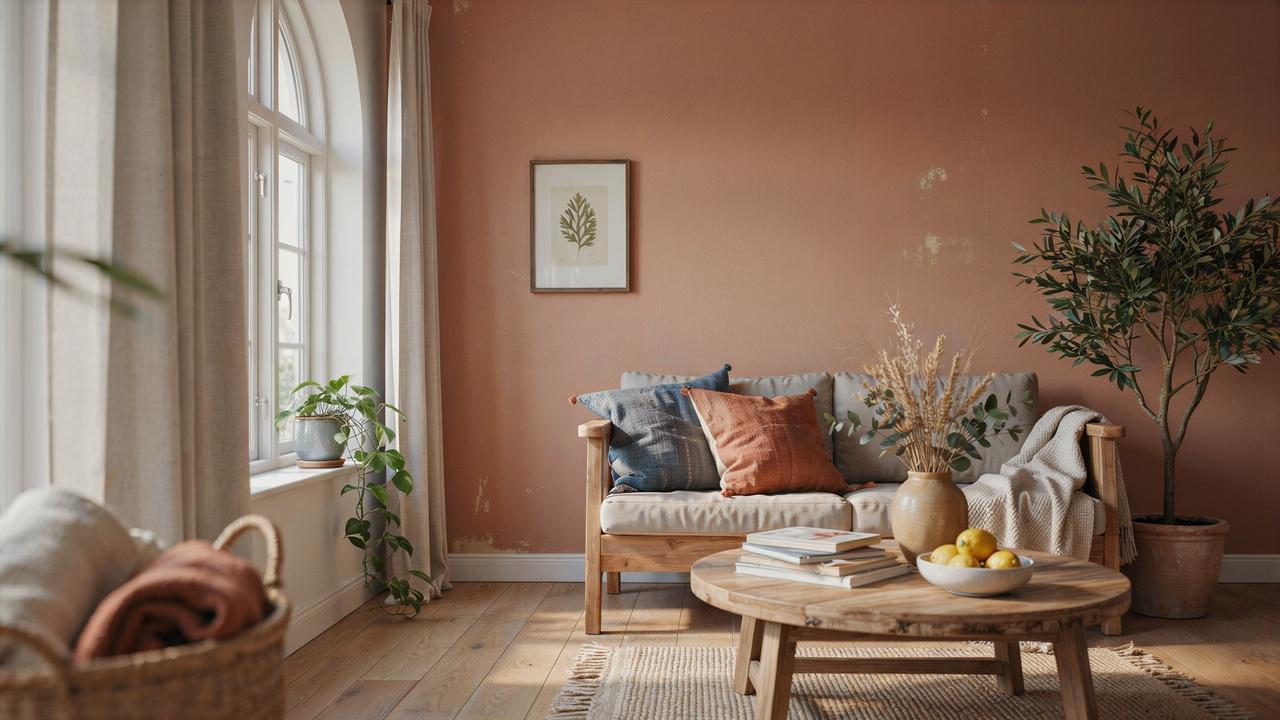
Practical steps to get the look without spending a fortune.
Choose the Right Color Palette
Start with paint, since it makes the biggest change for the least money. A can of terracotta or sand-colored paint costs little but converts a whole room.
Invest in Natural Materials
Buy a few solid wood or stone pieces instead of many cheap items. Quality basics last longer and look better over time.
Add Texture With Textiles and Ceramics
Woven throws, linen curtains, and simple ceramic vases add texture without a big price tag. These small pieces are easy to swap out or update later.
Decorate With Plants and Artisan Accessories
Plants are affordable and instantly add life to any room. Look for handmade pottery at local markets or small shops instead of big retailers.
Common Mediterranean Interior Design Mistakes to Avoid
A few missteps that can throw off the calm, balanced feel of this style.
Using Too Many Themed Accessories
Too many coastal trinkets can make a room feel like a theme park instead of a home. Keep decor simple and spaced out for a calmer look.
Ignoring Natural Lighting
Heavy curtains or dark corners work against this style and dull its warmth. Let light in wherever possible to keep rooms feeling open.
Mixing Styles Without Balance
Combining too many design styles at once can feel messy and confusing. Stick mostly to Mediterranean touches with a few personal pieces mixed in.
Overcrowding the Space
This style relies on open, breathable rooms to feel right. Too much furniture or clutter ruins that calm, easy feeling.
Tips for Creating an Authentic Mediterranean Interior Design
Final pointers to help the whole space feel real and cohesive.
- Choose a Cohesive Color Palette:Stick to three or four earthy tones throughout your home to keep every room feeling connected and calm.
- Layer Natural Textures Throughout the Space:Mix wood, stone, and woven fabrics in each room to add depth without needing more color.
- Incorporate Handcrafted Décor and Ceramics:Look for local artisans or small makers, since handmade pieces add warmth store-bought items rarely match.
- Add Plants and Coastal-Influenced Accessories:A few well-placed plants and simple coastal accents go a long way, so avoid overdoing it.
- Balance Rustic Charm With Modern Simplicity: Pair old-world textures with clean, modern furniture to keep the space feeling current, not dated.
Conclusion
Mediterranean interior design is really about creating a home that feels calm, warm, and personal.
I've tried a few of these ideas in my own space, starting small with color and texture, and it made a real difference.
Take what fits your life and skip what doesn't. Your home should reflect you, not a magazine page.
If this guide helped, drop a comment below, share it with a friend who loves design, or check out more posts on our blog for further ideas.
Frequently Asked Questions
What Colors Work Best for Mediterranean Interior Design?
Earthy tones like terracotta, olive green, sand, and soft blue work best. These colors keep rooms feeling warm and grounded.
Is Mediterranean Interior Design Expensive to Achieve?
No, it can fit almost any budget. Paint, plants, and a few natural material pieces go a long way.
Can I Mix Mediterranean Style With Modern Furniture?
Yes, pairing rustic textures with simple modern pieces works well. It keeps the space feeling current and balanced.
What Materials Are Common in This Style?
Wood, stone, clay, and wrought iron are common choices. These materials add texture and age well over time.
How Do I Avoid Overdoing the Mediterranean Look?
Keep colors and accessories limited. Choose a few quality pieces instead of filling every corner with themed decor.