
French homes have a way of stopping you in your tracks.
Something about them just feels different. The steep rooflines, the stone walls, the tall windows all tell a story that goes back centuries.
France is a big country, and its architecture reflects that. Each region has its own building style, shaped by climate, history, and local culture.
From rustic farmhouses in Provence to grand chateaux in the Loire Valley, no two styles are the same.
In this blog, we cover the key styles, standout features, and how French design shapes modern homes today.
What Defines French Architecture Homes?
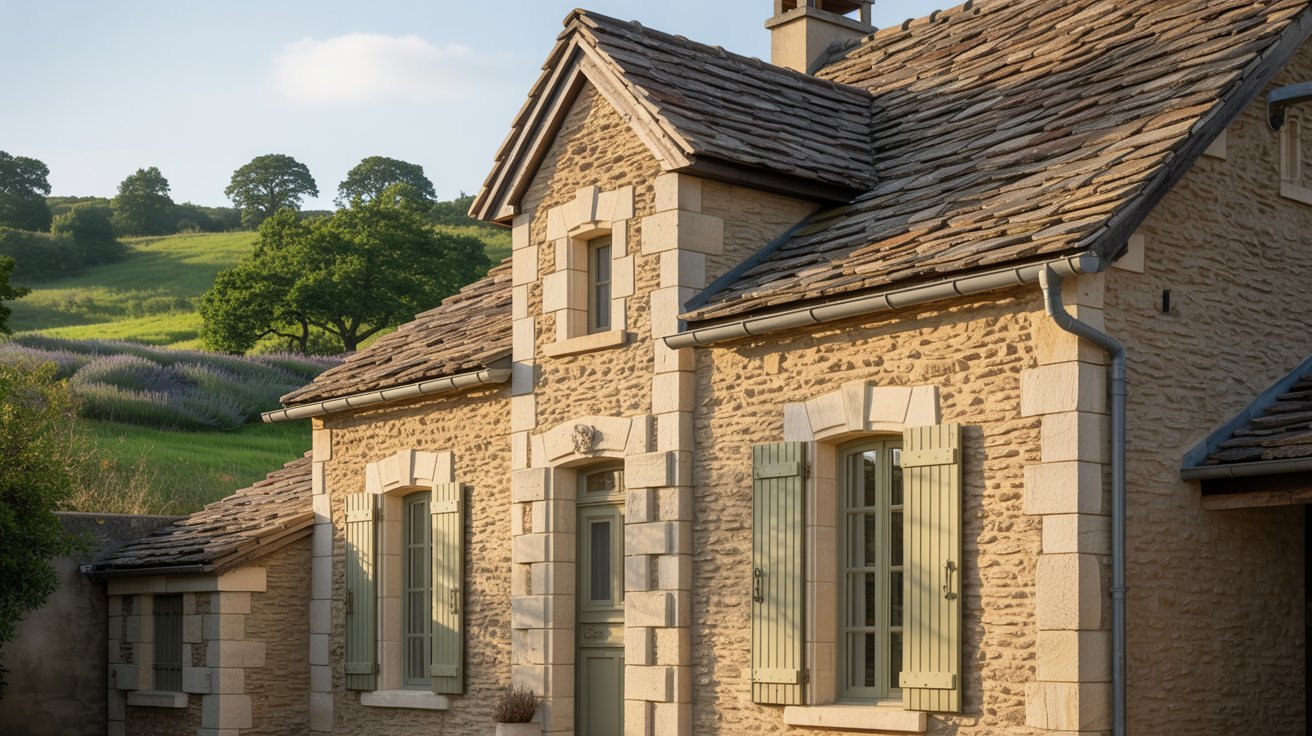
French architecture is not just about looks. It is about how a home is built to last.
Every detail has a purpose. The materials come from the land around it. The layout is planned with care.
Symmetry and proportion are not accidents, they are intentional choices made by skilled builders over generations.
Climate plays a big role too. A home in the south is built differently from one in the north. Local culture shapes every design decision.
That is what makes French homes feel so grounded and real.
Key Characteristics of French Architecture Homes
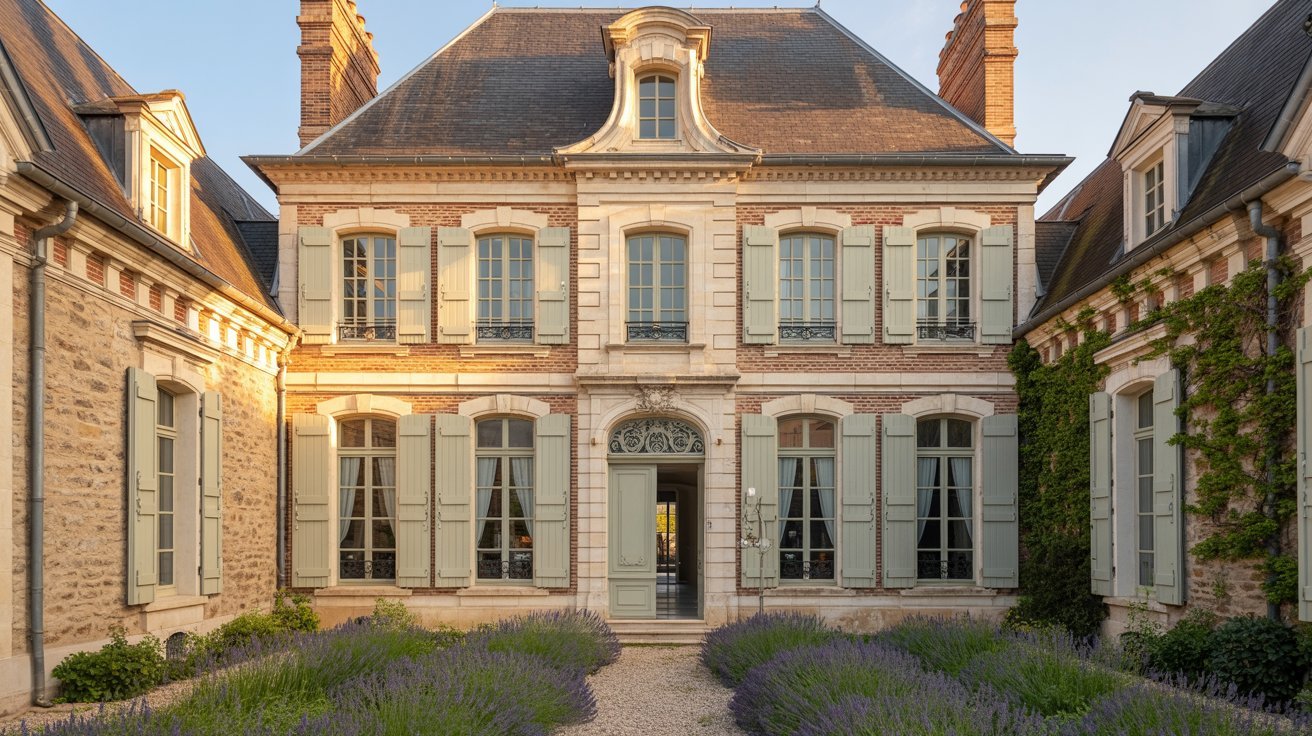
From rooflines to building materials, these are the defining features that make French homes stand out.
1. Symmetry and Balanced Design
French homes follow a clear sense of order. Windows and doors are evenly spaced. Layouts are rectangular and well-proportioned. Nothing feels random or out of place.
2. Distinct Roof Styles
Roofs are steep, hipped, or gabled. Northern regions use slate while southern areas favor clay tiles. The roof often sets the tone for the whole home.
3. Natural Building Materials
Stone, timber, brick, and stucco are common choices. Builders use what the land offers. This gives each home a look that belongs to its region.
4. Windows, Shutters, and Doors
Tall windows let in plenty of light. Wooden shutters add character and serve a practical purpose. French doors open out to gardens or balconies, connecting the inside to the outside naturally.
5. Indoor-Outdoor Connection
Courtyards, terraces, and balconies are a big part of French home design. They bring in light, improve airflow, and frame the views around the home. Outdoor living is not an afterthought. It is built into the structure from the start.
Popular Types of French Architecture Homes
French homes come in many forms, from countryside farmhouses to grand estates, each with its own character and history.
1. Traditional Rural Homes
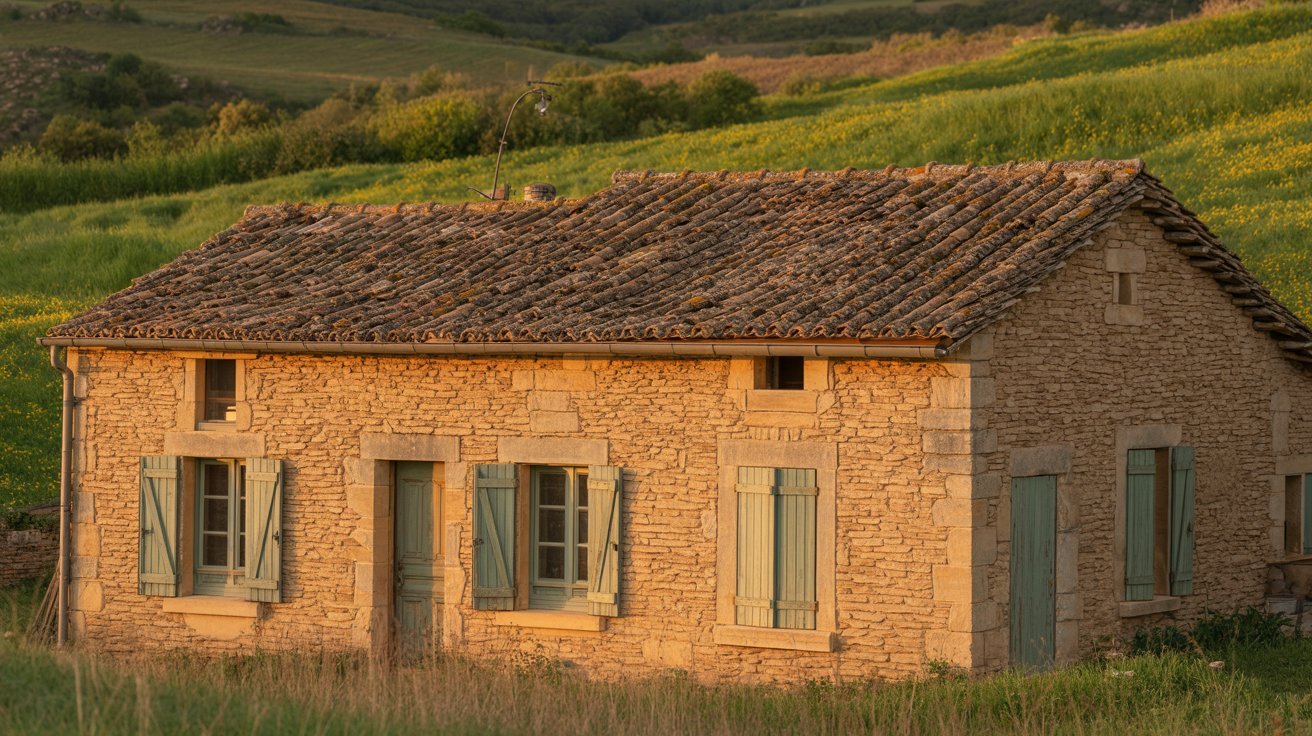
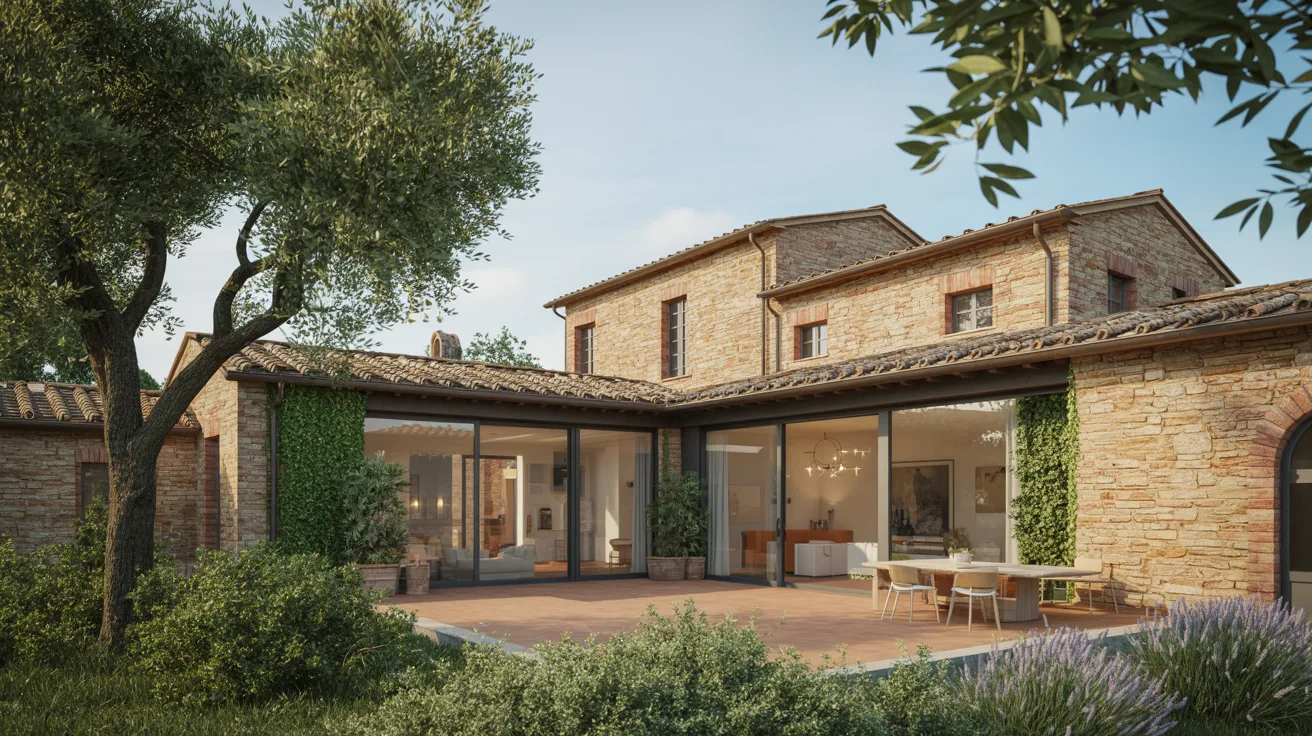
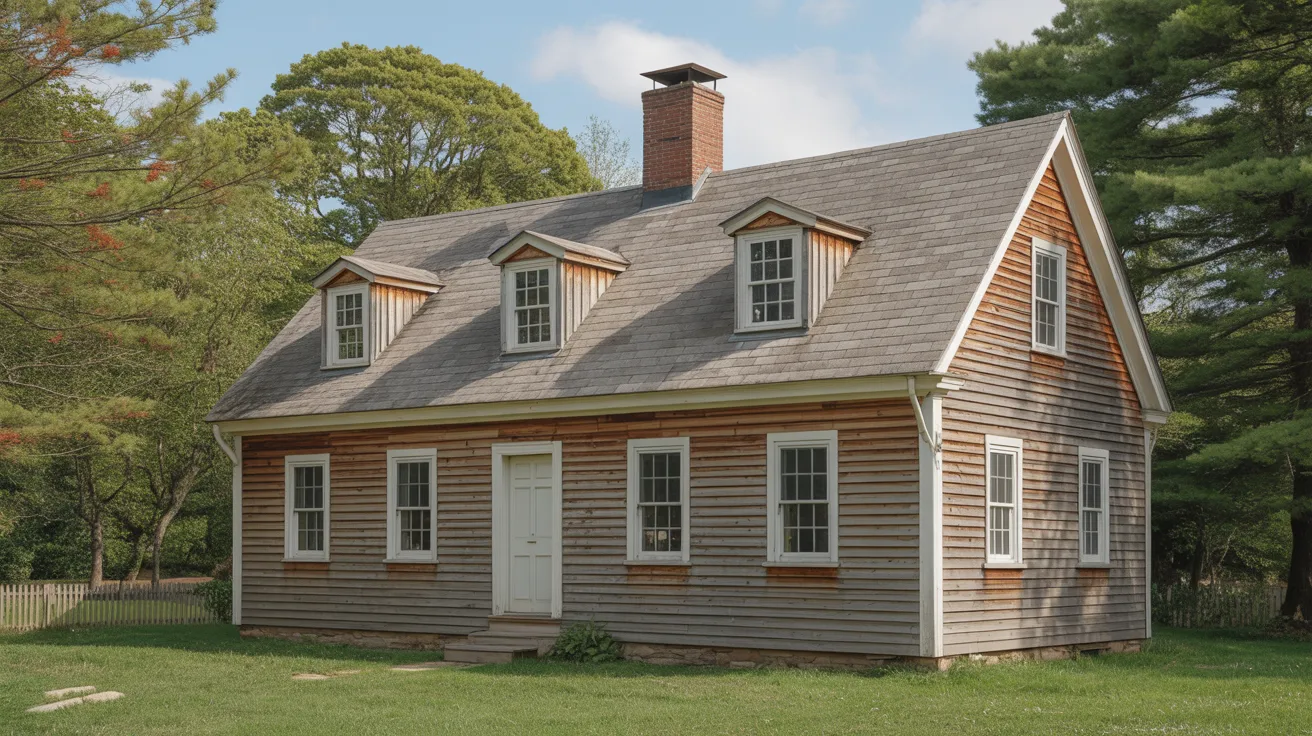
These are the farmhouses and countryside dwellings that feel rooted in the land. Builders used whatever materials were close by. Stone walls, low ceilings, and simple layouts made these homes practical and long-lasting. They were built to work hard, not just look good.
2. Townhouses and Urban Homes
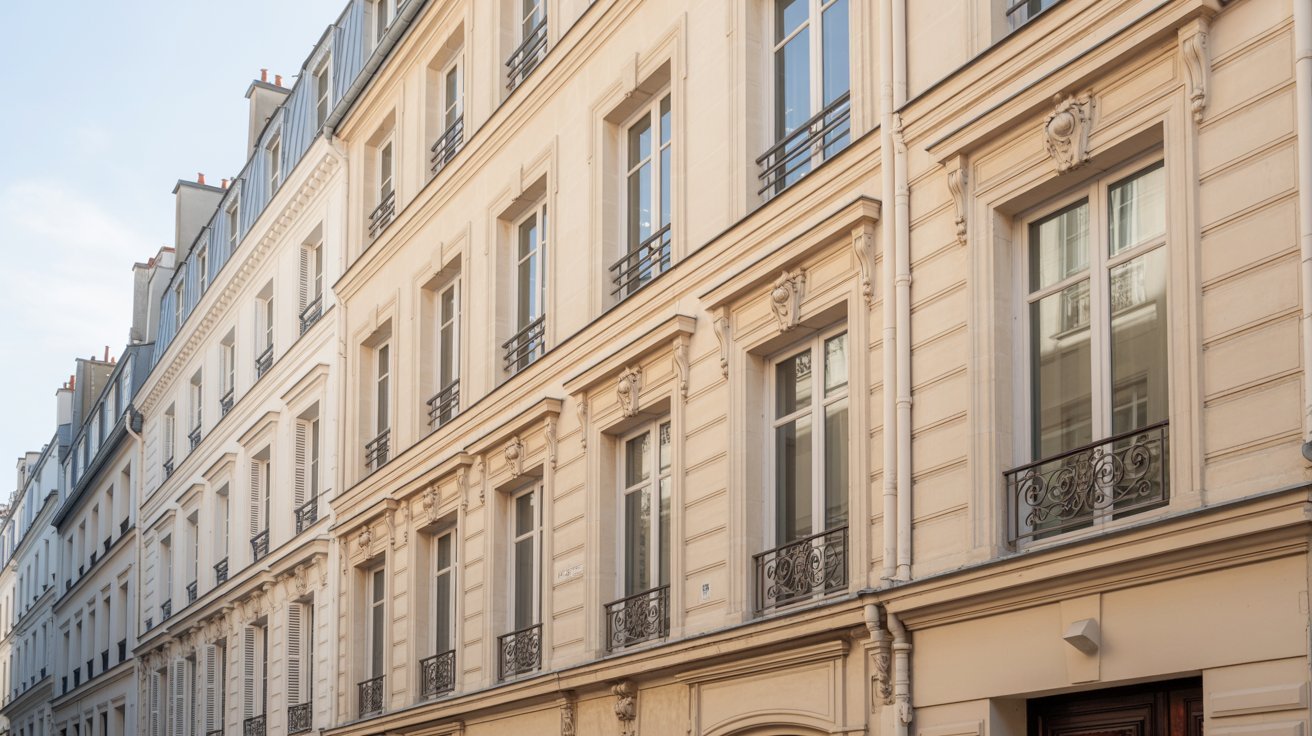
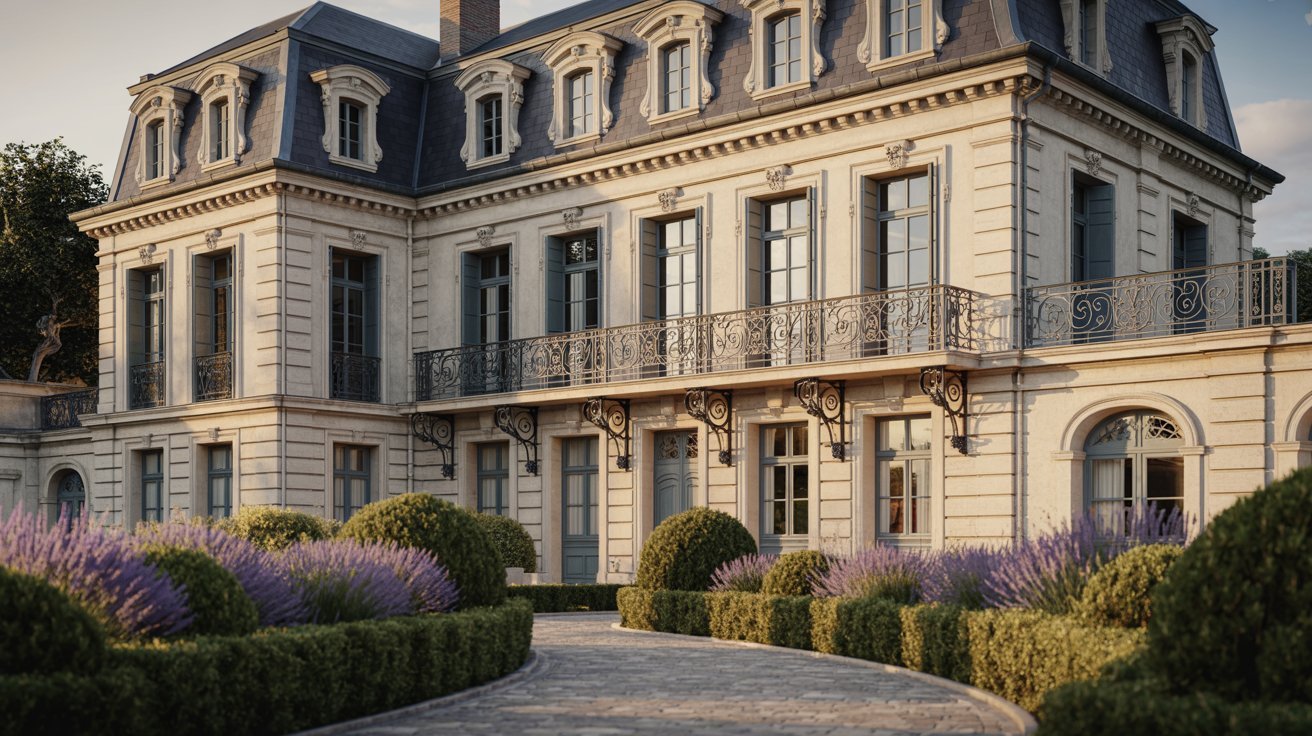
City homes in places like Paris had to do more with less space. Layouts are compact but well thought out. The facades are clean and detailed, with balconies and ironwork adding personality. Even in tight urban settings, the design never feels rushed.
3. French Colonial Homes
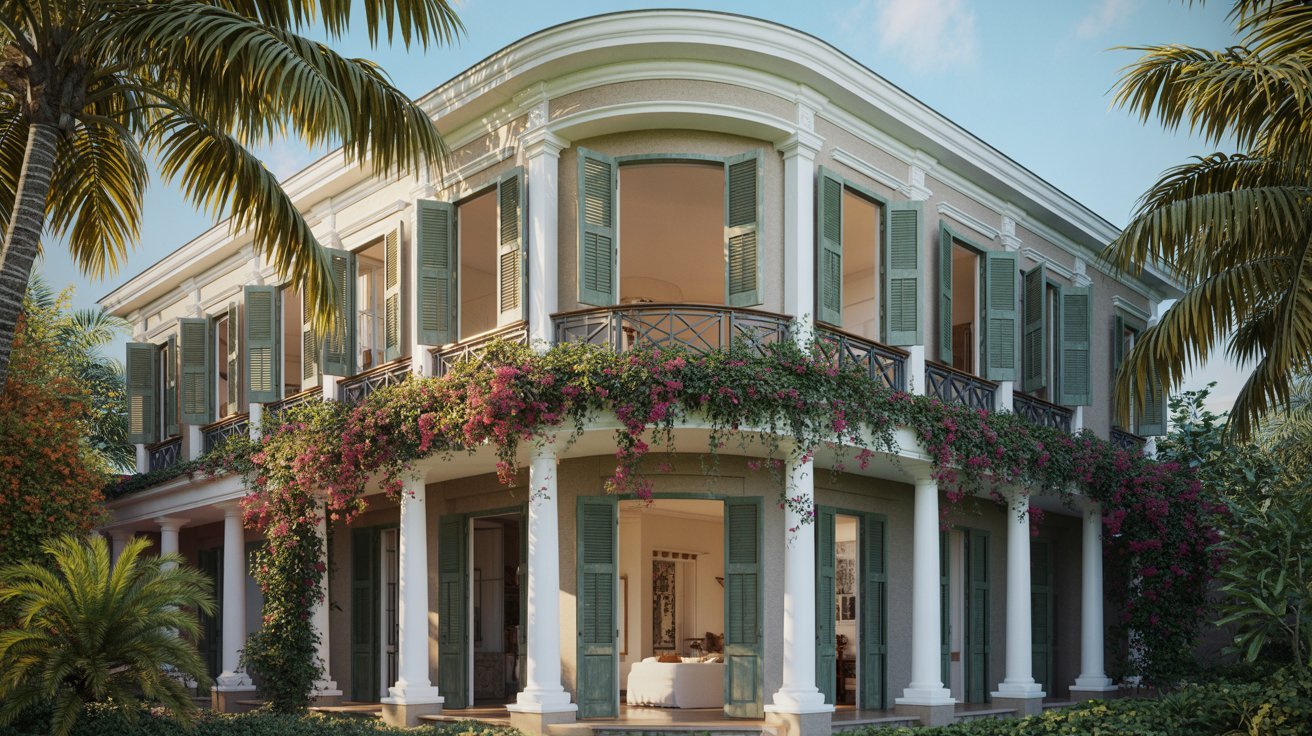
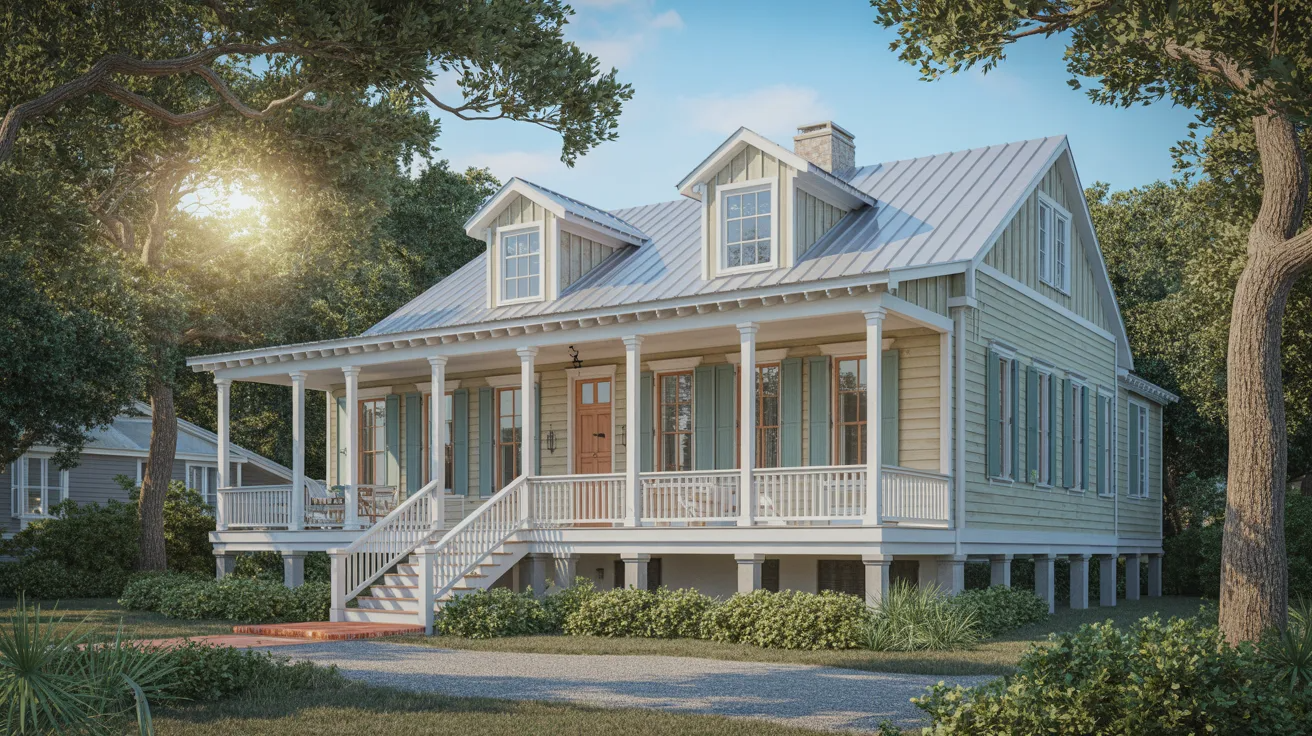
These homes carried French design beyond Europe. Symmetrical structures with wide verandas were built to handle warmer climates. Local influences were folded in over time, giving colonial homes a character that is French at the core but shaped by their surroundings.
4. Châteaux and Manor Homes
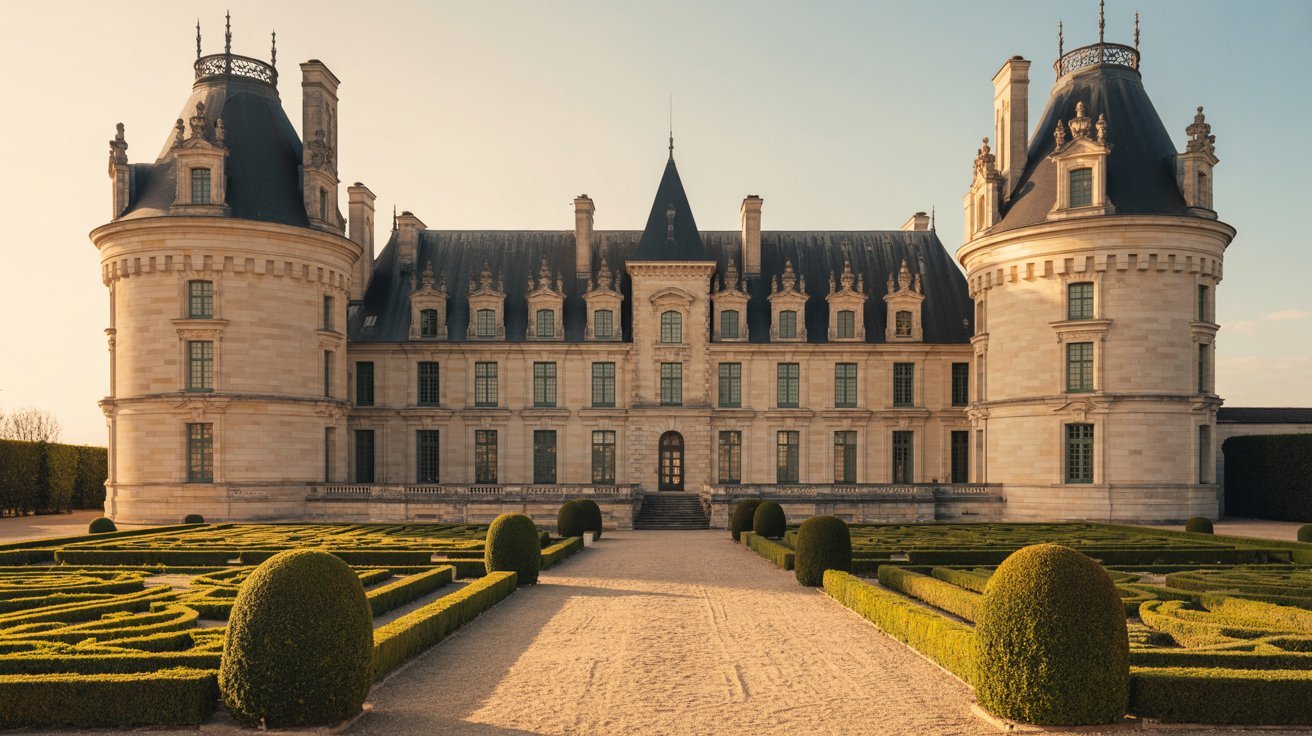
These large estates were built to make a statement. Formal layouts, grand gardens, and open courtyards gave them a sense of scale and order. They were homes of prestige, but the attention to proportion and detail still followed the same principles found in far simpler French buildings.
Modern French Architecture Homes: Key Trends
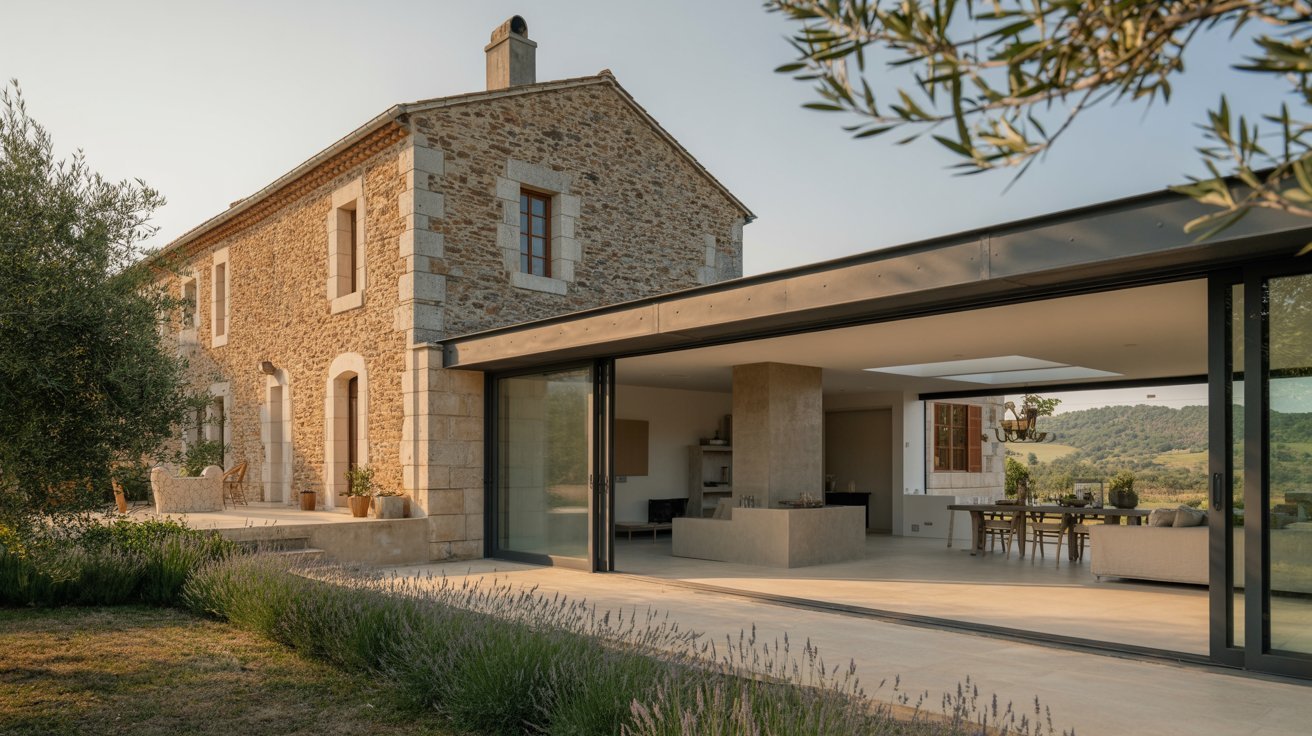
French home design has moved with the times while holding on to what has always worked.
1. Minimalist Design with Historic Influence
Clean lines now sit alongside traditional structures. Architects like Tadao Ando have inspired this shift toward simplicity. The result feels current but still carries a sense of history.
2. Adaptive Reuse and Renovation
Old farmhouses are getting a second life. Regions like Marseille have seen renovations that turn dated structures into fresh, functional homes. The bones stay. The interiors change.
3. Open-Plan Living Spaces
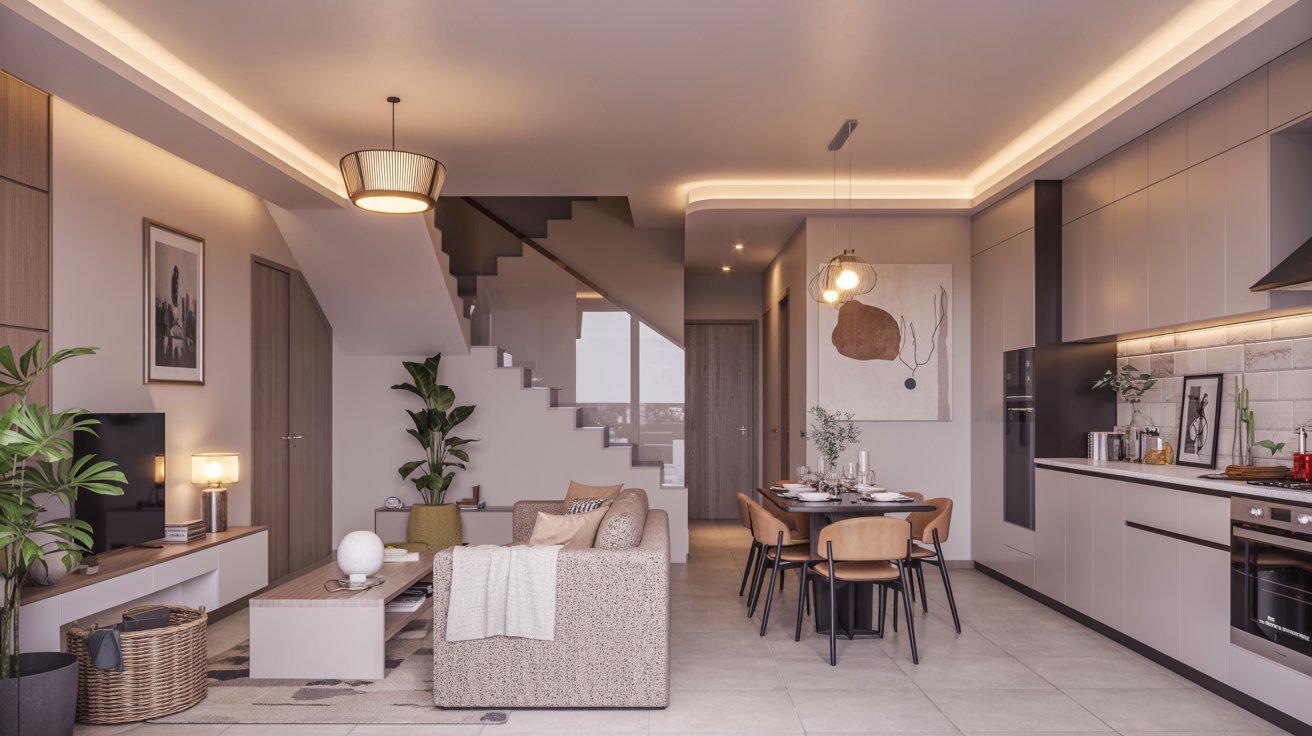
Walls are coming down. Modern French homes favour flexible layouts that let spaces flow into each other. The focus is on comfort and everyday functionality.
4. Use of Modern Materials
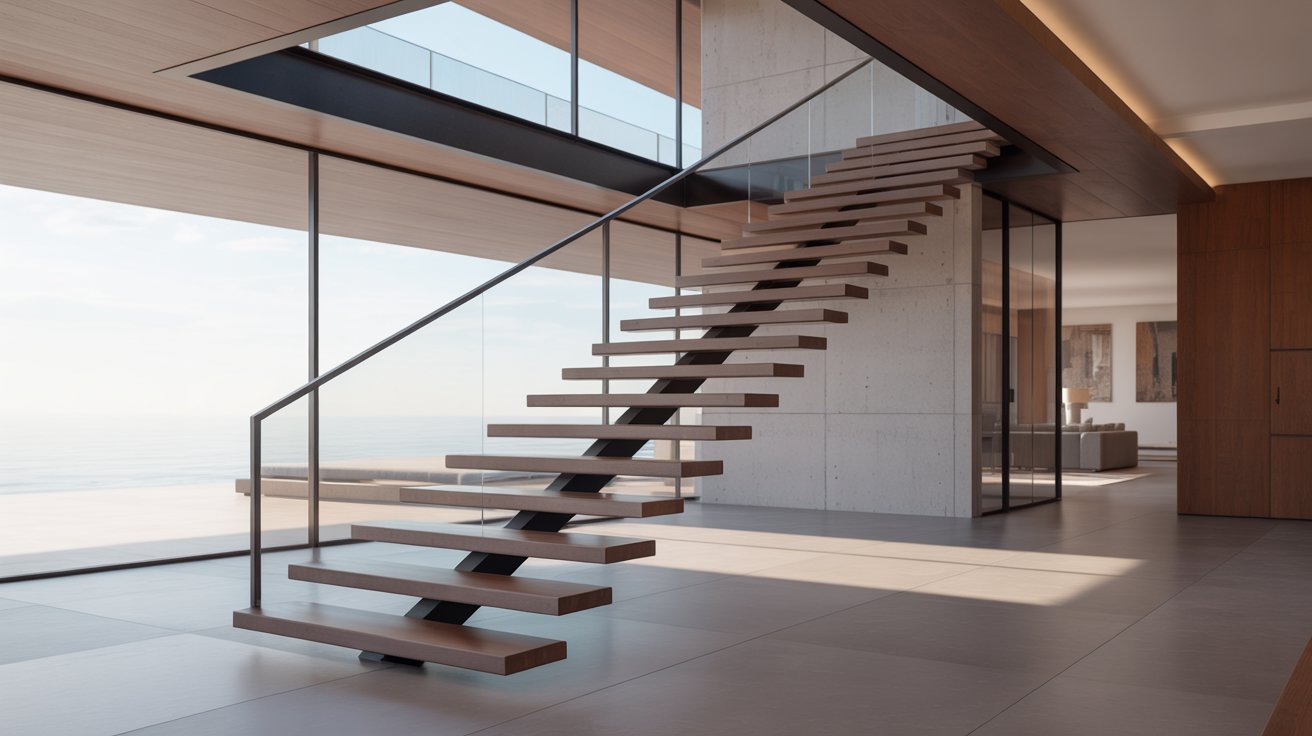
Glass, concrete, and steel now sit alongside traditional stone. The contrast between old and new materials adds visual interest without feeling forced.
5. Nature-Focused Design
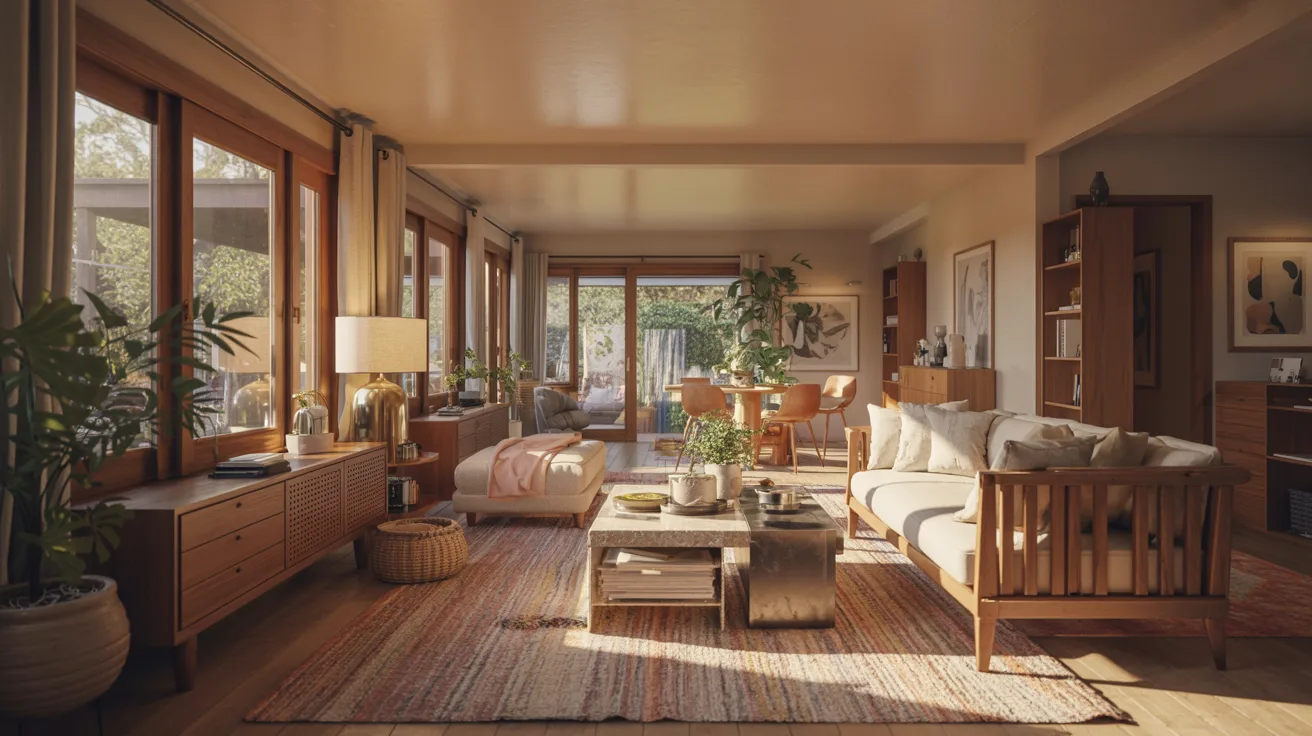
Homes are being planned around gardens and natural surroundings. Indoor and outdoor spaces connect easily, making nature a steady part of daily home life.
How to Identify French Architecture Homes
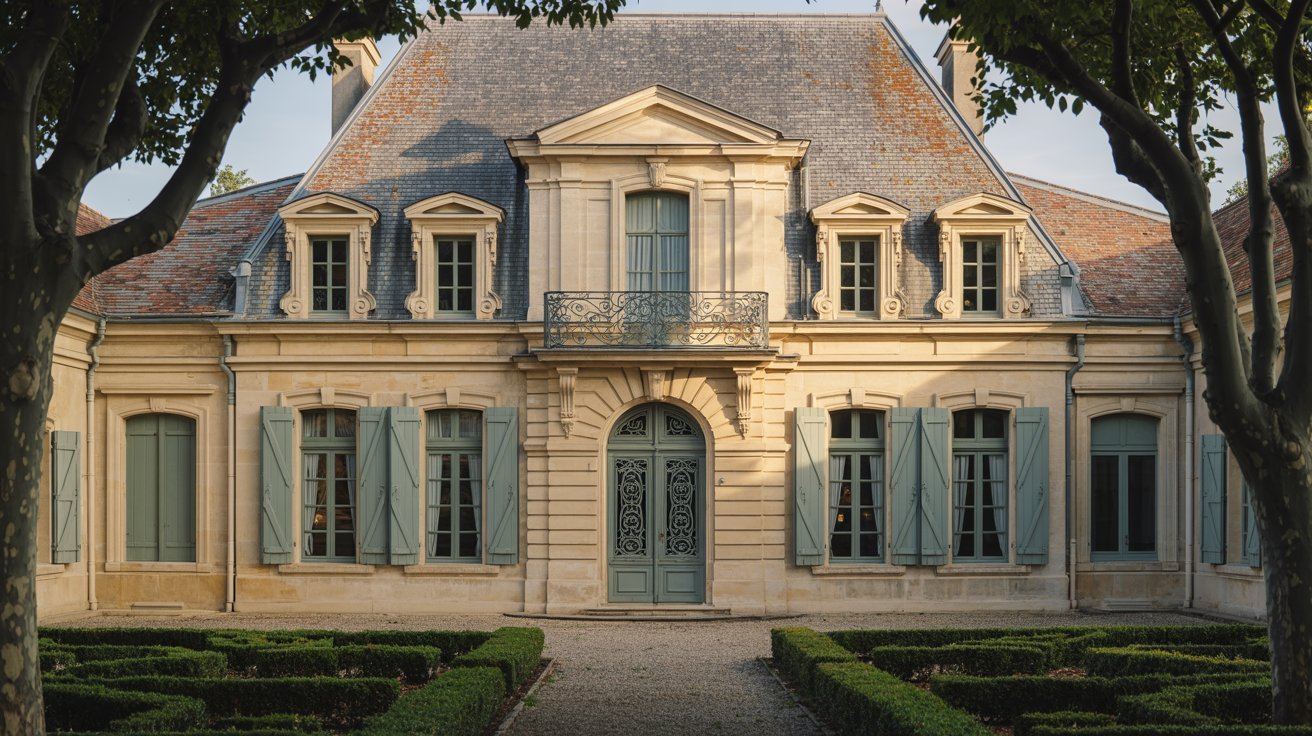
Spotting a French home is easier than you think. Start with the layout.
If the windows and doors line up evenly, that is a good first sign. Then look up. Steep or hipped roofs with slate or clay tiles are a strong clue.
Check for wooden shutters, balconies, and courtyards. These are not decorative add-ons. They are part of the original design.
You may also notice a mix of stone and modern materials. That contrast is very much part of the style too.
Tips for Incorporating French Style into Modern Homes
- Keep your layout balanced. Even spacing between windows, doors, and structural elements goes a long way.
- Use real materials where you can. Stone, wood, and brick bring an authenticity that manufactured finishes cannot replicate.
- Add iron railings or wooden shutters as accents. Small details like these carry a lot of visual weight.
- Keep interiors functional first. Good design should make daily life easier, not just look good in photos.
- Mix old and new with intention. Pairing classic elements with modern finishes gives a home character without feeling dated.
Conclusion
French architecture homes have stood the test of time for good reason. They are built with care, shaped by history, and designed to last.
Every feature, from the rooflines to the courtyards, reflects a way of thinking about space that still holds up today.
These design principles are not stuck in the past. They continue to shape homes across the world.
If you are planning a build or renovation, let French design be your reference point. Browse our collection and find the style that fits your vision.
Frequently Asked Questions
What makes French architecture homes different from other styles?
French homes stand out because of their strict symmetry, regional materials, and attention to proportion. Every element, from the roof to the windows, is placed with clear intent.
What are the most common materials used in French architectural homes?
Stone, timber, brick, and stucco are widely used across French homes. The choice of material often depends on the region and what is naturally available nearby.
Can French architectural features be added to a modern home?
Yes, absolutely. Iron railings, wooden shutters, tall windows, and balanced facades can all be worked into a modern build without looking out of place.
What is the difference between a French farmhouse and a chateau?
A farmhouse is built for practical, everyday rural living using simple local materials. A chateau is a large formal estate designed for prestige, with grand gardens and structured layouts.
Are French architecture homes suitable for warm climates?
Yes. French colonial homes were specifically designed for warmer regions. Wide verandas, high ceilings, and cross ventilation were built in to keep homes cool and comfortable.