

I never paid attention to building exteriors until I had to choose one for my own renovation.
That’s when I realised how much is actually going on with the outer layer of a building. It’s not just decoration. It’s protection, insulation, and structure all working together.
So, if you’ve ever wondered what is exterior cladding and why it matters so much, you’re about to find out.
There are 13 types worth knowing about before you make any decision. Some are surprisingly affordable. Some last over 100 years. Let’s go through all of them.
Understanding Exterior Cladding
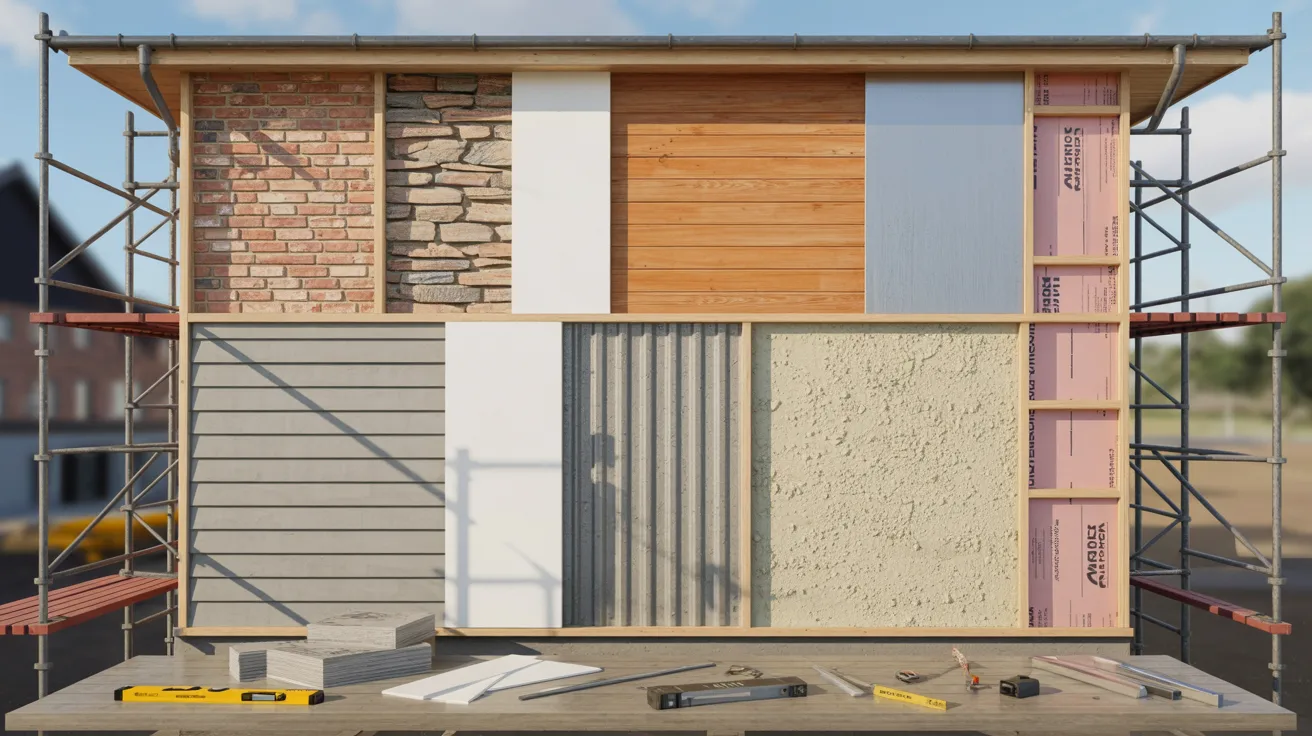
Exterior cladding is simply a layer of material applied over the outside walls of a building. It sits on top of the structural wall and acts as the first line of defence against the elements.
It’s not just about looks. Good cladding improves energy efficiency, reduces maintenance needs, and extends the life of the building behind it.
One thing worth clearing up: cladding and facade finishing are not the same thing.
Facade finishing refers to surface treatments like paint or render. Cladding is a separate physical layer, usually installed over the wall structure itself.
13 Popular Types of Exterior Cladding Materials
The material you choose affects everything from cost to upkeep to how your building looks in 20 years. Here’s a clear breakdown of all the major options.
1. Timber Cladding
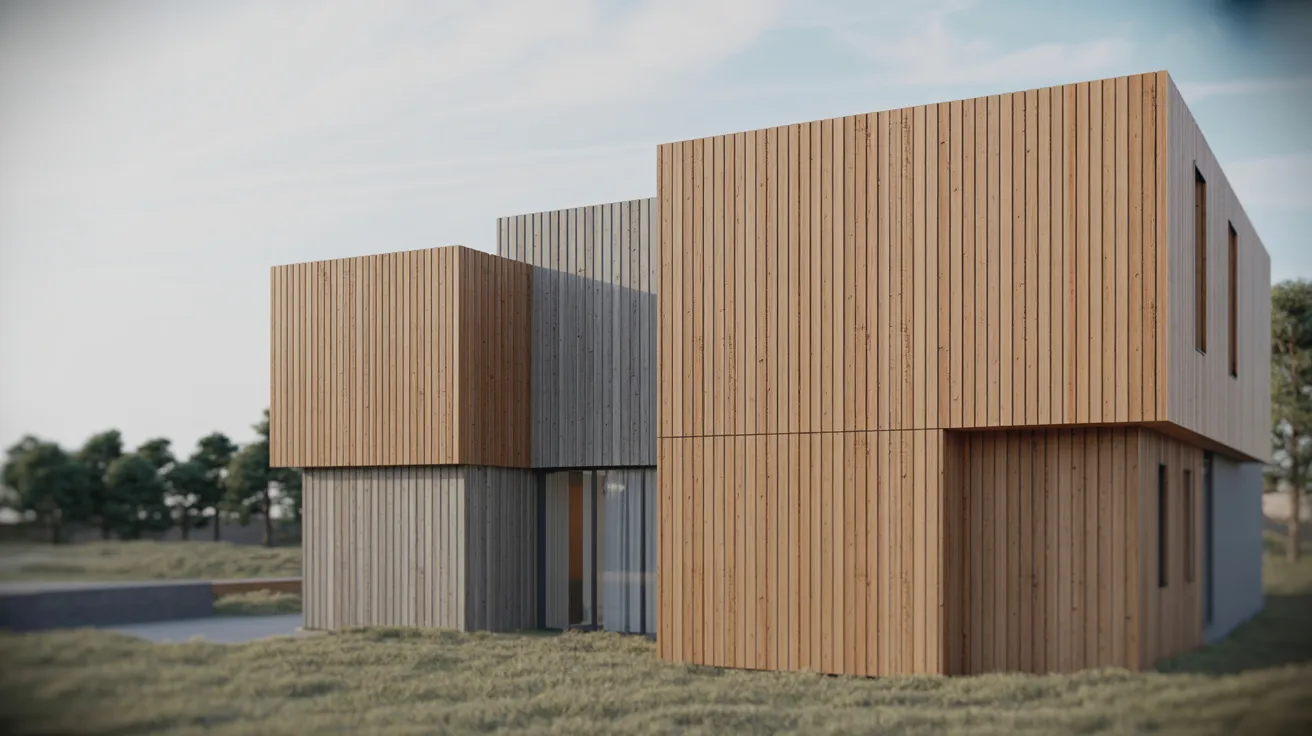
Timber cladding gives a warm, natural look that works well on both modern and traditional buildings. Common wood types include cedar, pine, and larch.
It needs regular treatment, usually every 2 to 3 years, to prevent rot, warping, and insect damage. Without maintenance, it deteriorates faster than most other materials.
The lifespan is around 15 to 25 years with proper care. Cost varies depending on wood type, but it sits in the mid-range compared to other cladding options.
2. Vinyl Cladding
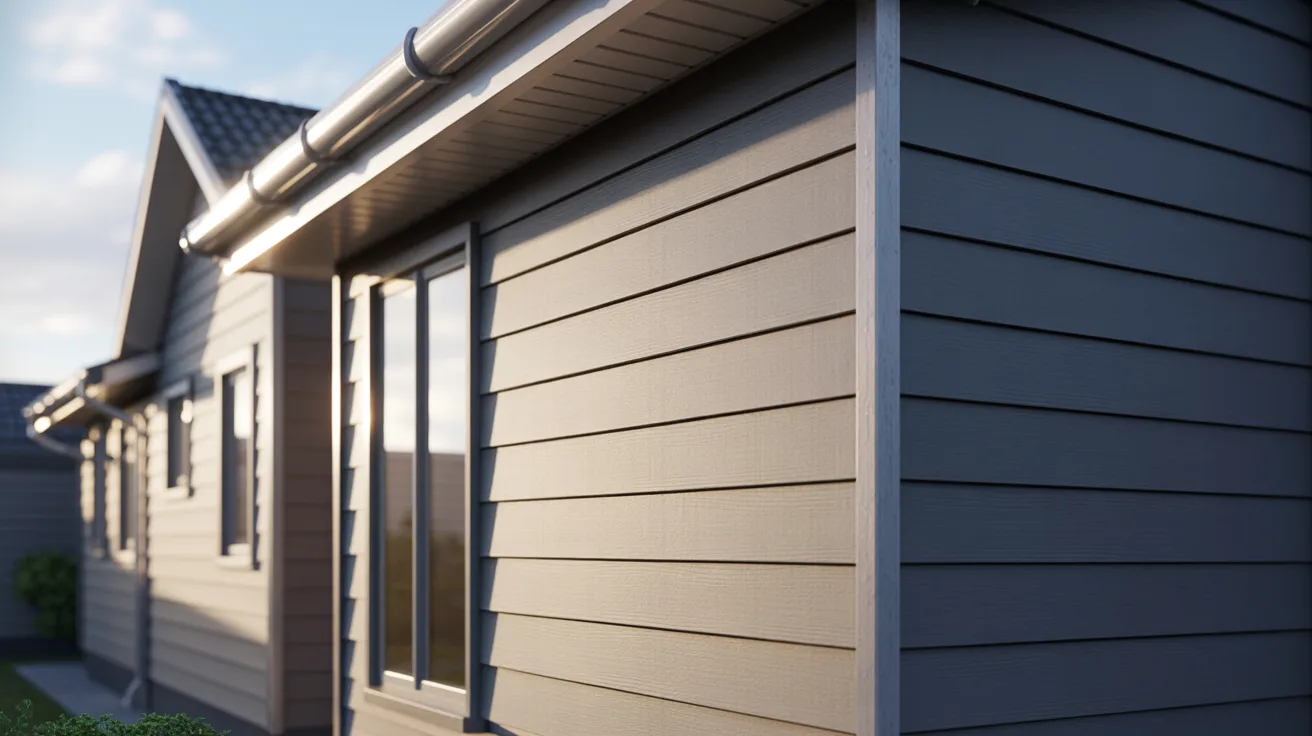
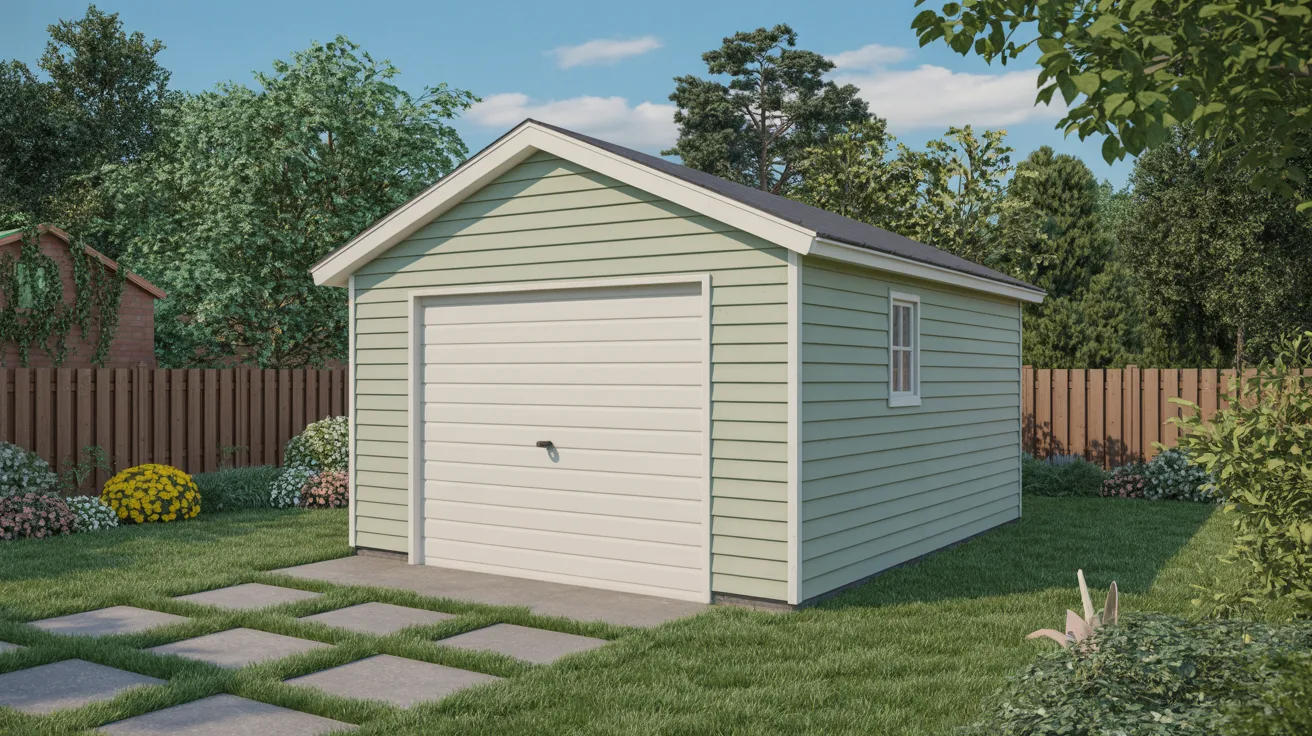
Vinyl is one of the most popular choices for residential homes, mainly because of how little upkeep it needs. It doesn’t rot, rust, or need repainting.
It comes in a wide range of colors and profiles, so matching it to different architectural styles is straightforward. It also handles rain and wind well.
The main downside is that it can crack in very cold climates and doesn’t carry the same premium feel as natural materials.
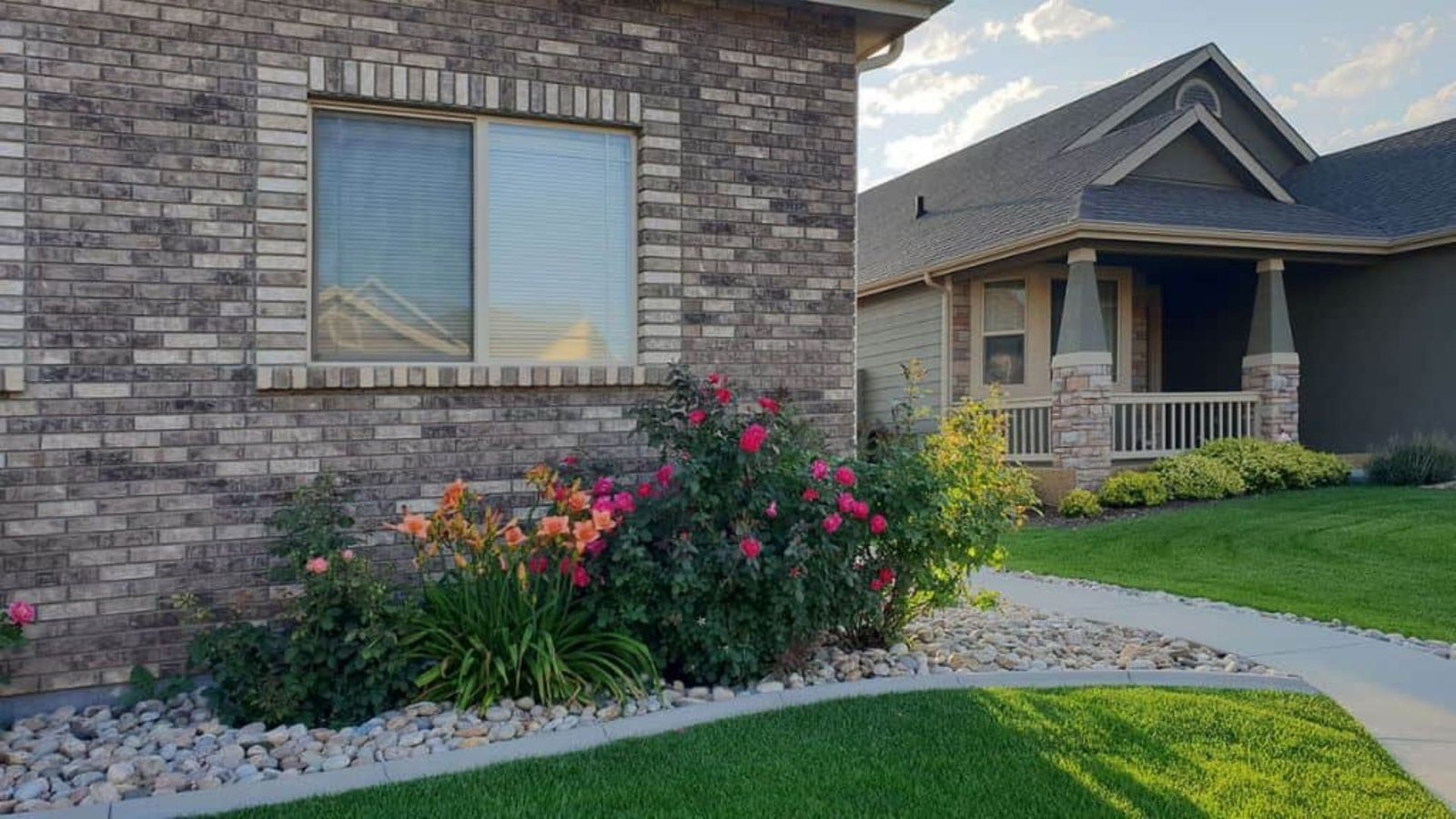
3. Brick Cladding
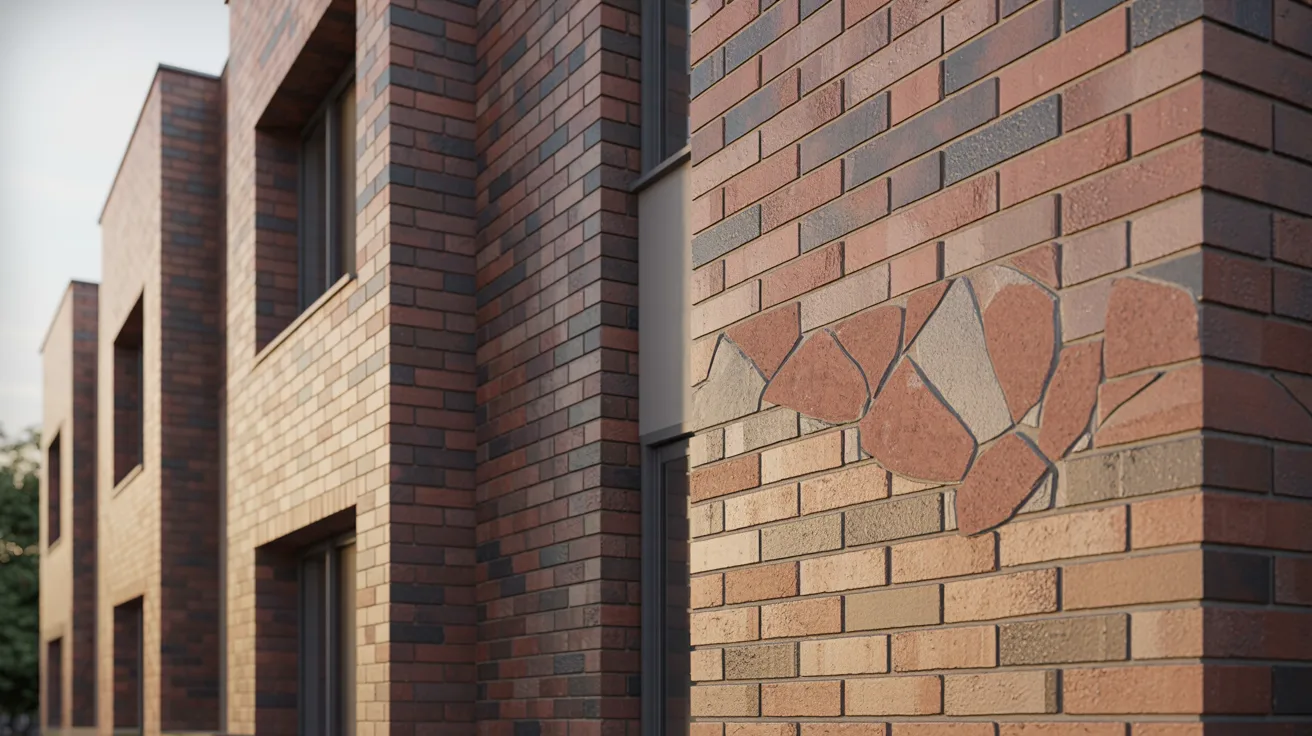
Brick cladding brings a classic, solid look to any building. It’s one of the most durable options available and requires very little maintenance over its lifetime.
It also offers good thermal mass, which means it helps regulate indoor temperature naturally. That translates to lower energy costs over time.
Installation is more labour-intensive than other cladding types, which pushes the upfront cost higher. But for long-term durability, few materials beat it.
4. Stone Cladding
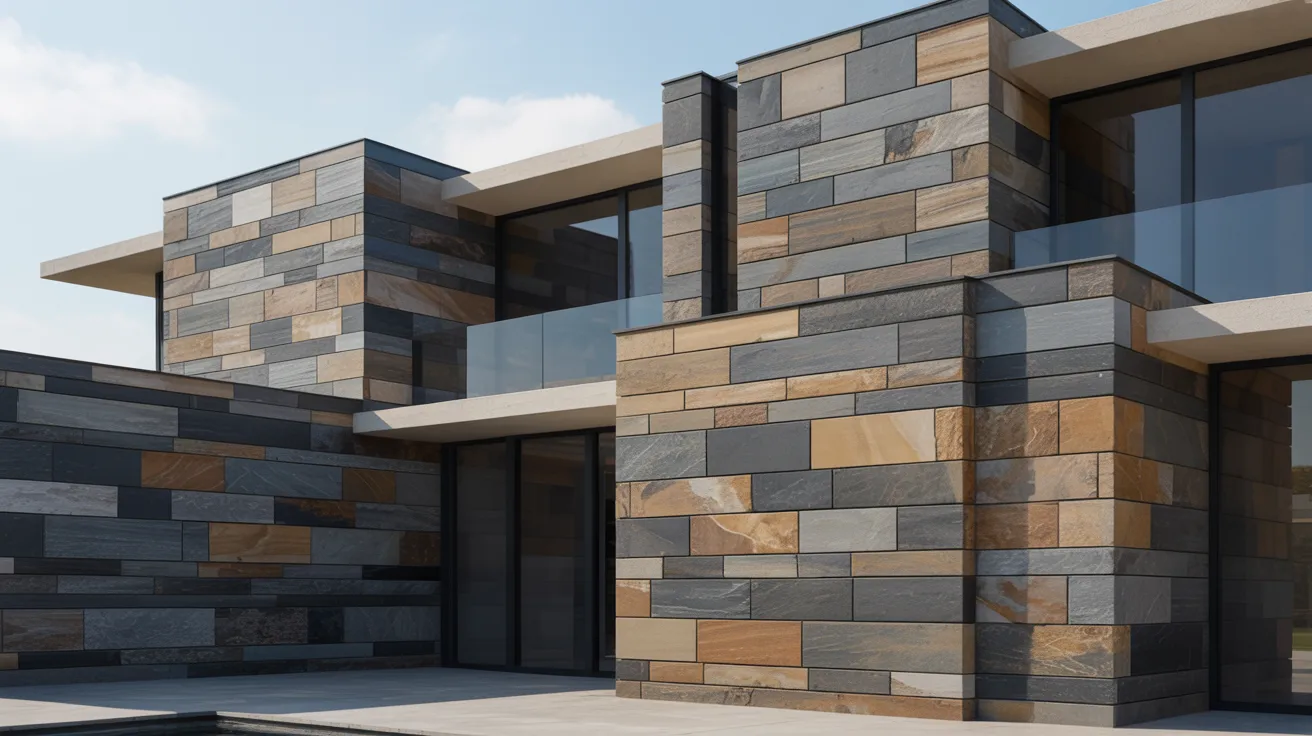
Natural stone cladding is among the most visually striking options available. It creates a premium, timeless look that holds up for decades.
Manufactured stone is a more affordable alternative. It mimics the appearance of natural stone but at a lower weight and cost, making installation easier.
The trade-off is price. Both natural and manufactured stone sit at the higher end of the cost spectrum, though the lifespan justifies it for many buyers.
5. Metal Cladding
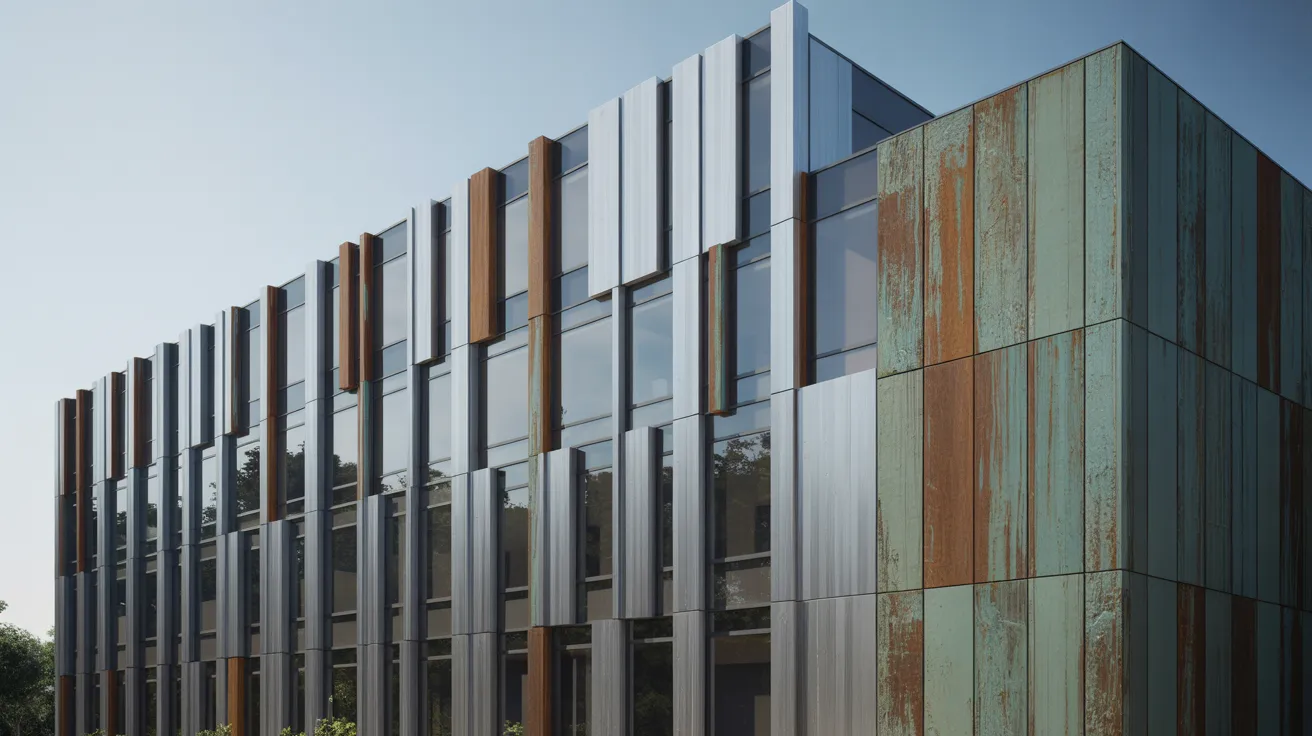
Metal cladding, most commonly aluminum, steel, or copper, suits modern and industrial-style buildings well. It’s strong, lightweight, and highly resistant to weather.
Aluminum and steel are treated to resist corrosion, which keeps maintenance low. Copper develops a natural patina over time, which many people find visually appealing.
Metal cladding lasts between 30 and 50 years with minimal upkeep. It’s a strong long-term investment, especially in coastal or high-humidity environments.
6. Fiber Cement Cladding
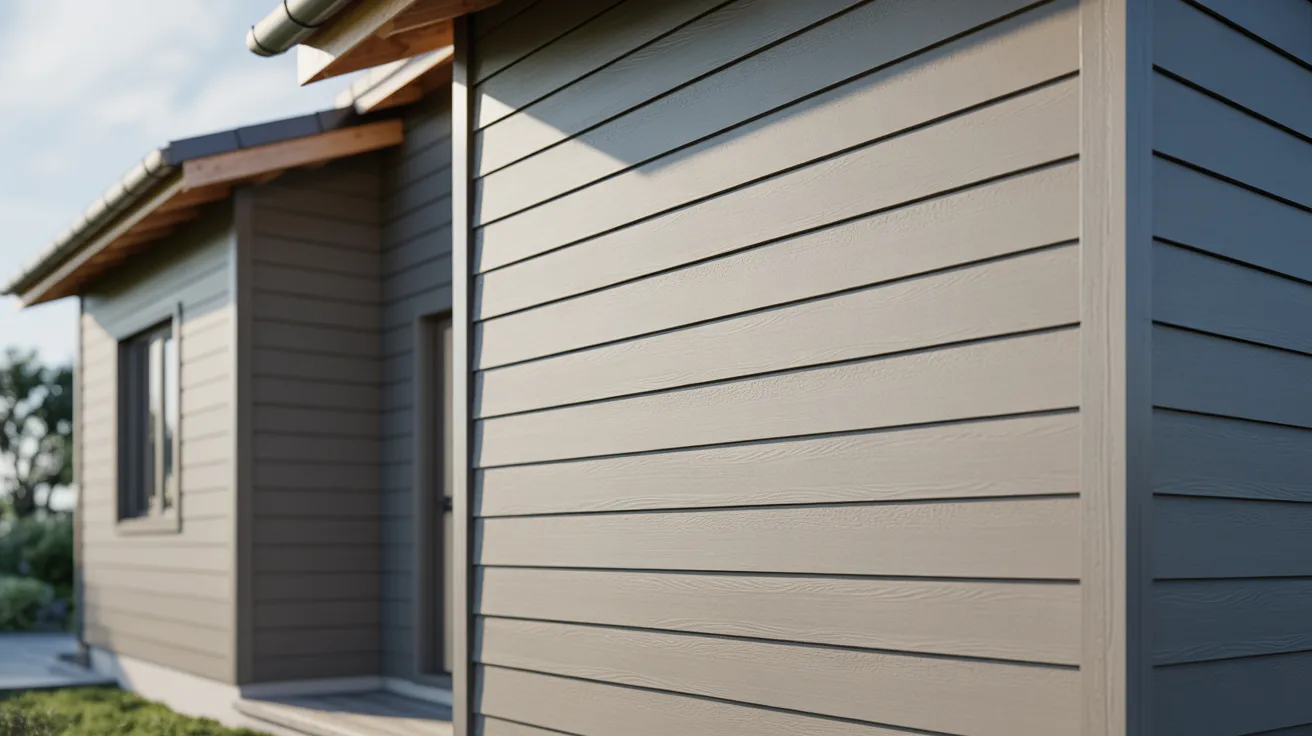
Fiber cement is made from a mix of sand, cement, and cellulose fibres. It’s fire-resistant, moisture-resistant, and holds paint well over many years.
It’s a popular choice for residential projects because it looks like wood or masonry but needs far less maintenance. No rotting, no warping, no insect damage.
The cost is moderate and the lifespan is strong, typically 30 to 50 years. It’s one of the most practical all-round options available today.
7. Composite Panels
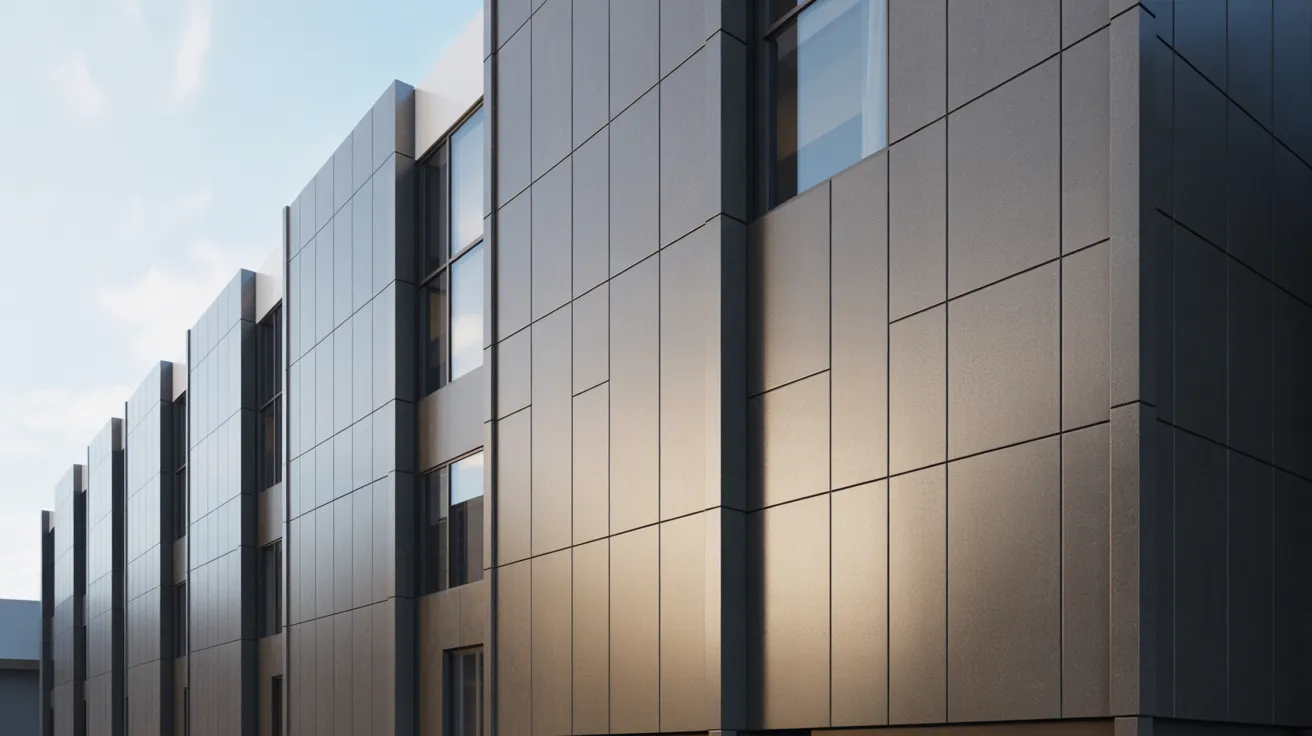
Composite panels are made by bonding two or more different materials together, usually a core layer sandwiched between two outer sheets.
They offer excellent design flexibility and are widely used in commercial buildings. They can be manufactured in almost any color, finish, or size.
Durability is high and the panels are relatively lightweight, which simplifies installation. They’re a go-to choice when a sleek, consistent finish is the goal.
8. Glass Cladding
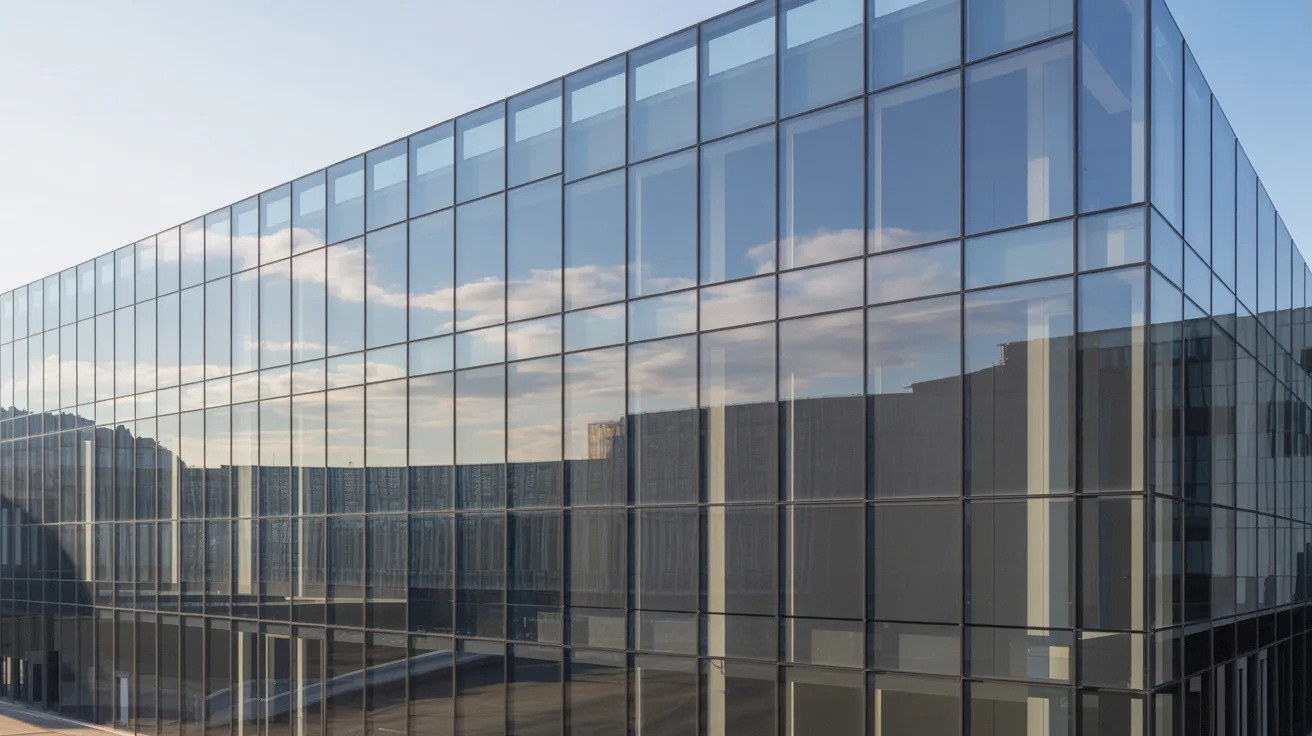
Glass cladding creates a striking contemporary look and allows natural light to interact with the building’s exterior in interesting ways.
Modern glass cladding systems include insulating properties that reduce heat transfer, making them more energy-efficient than older versions.
Safety glazing is standard in most systems. The cost is high, and professional installation is essential. It’s best suited to commercial or high-end residential projects.
9. Concrete Cladding
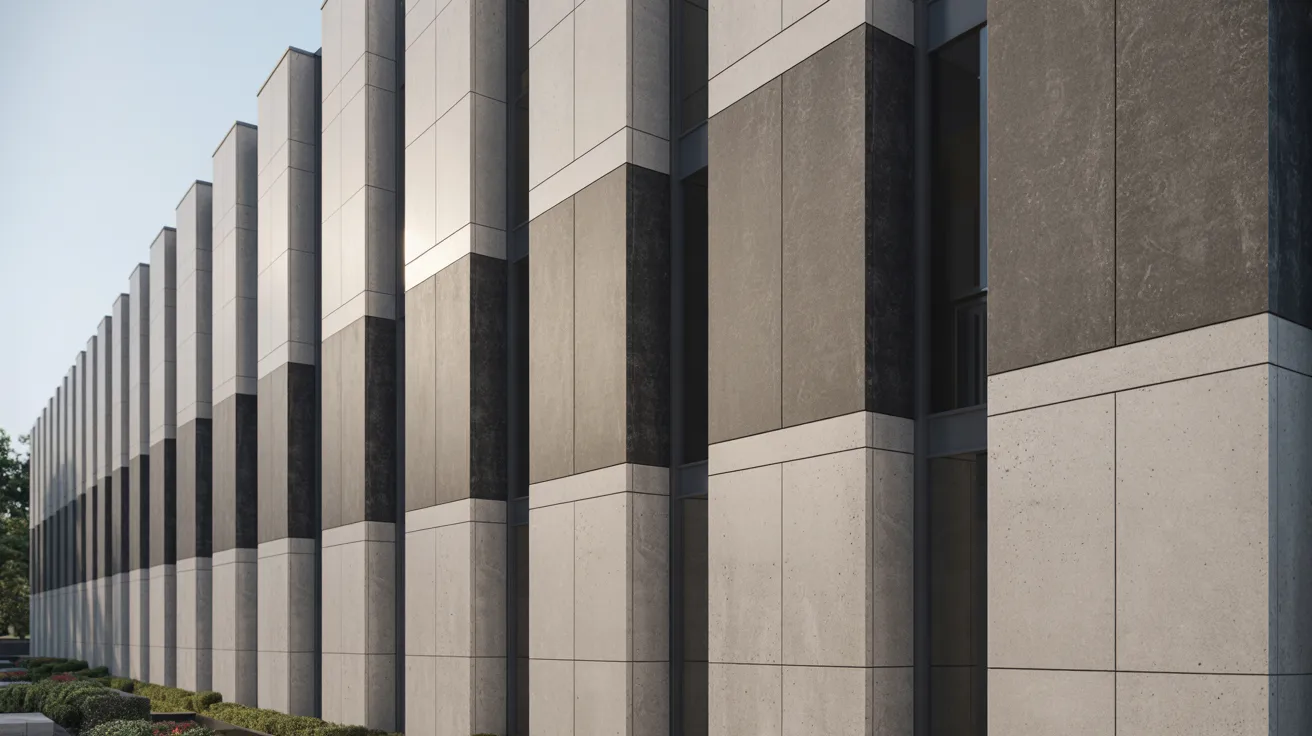
Precast concrete panels offer a bold, modern look with excellent durability. They’re manufactured off-site and fitted directly onto the building structure.
Concrete is resistant to fire, impact, and weather. It needs very little maintenance and holds up well in harsh climates.
The weight of concrete panels requires careful structural planning. Cost is moderate to high, but the long lifespan makes it cost-effective over time.
10. PVC Cladding
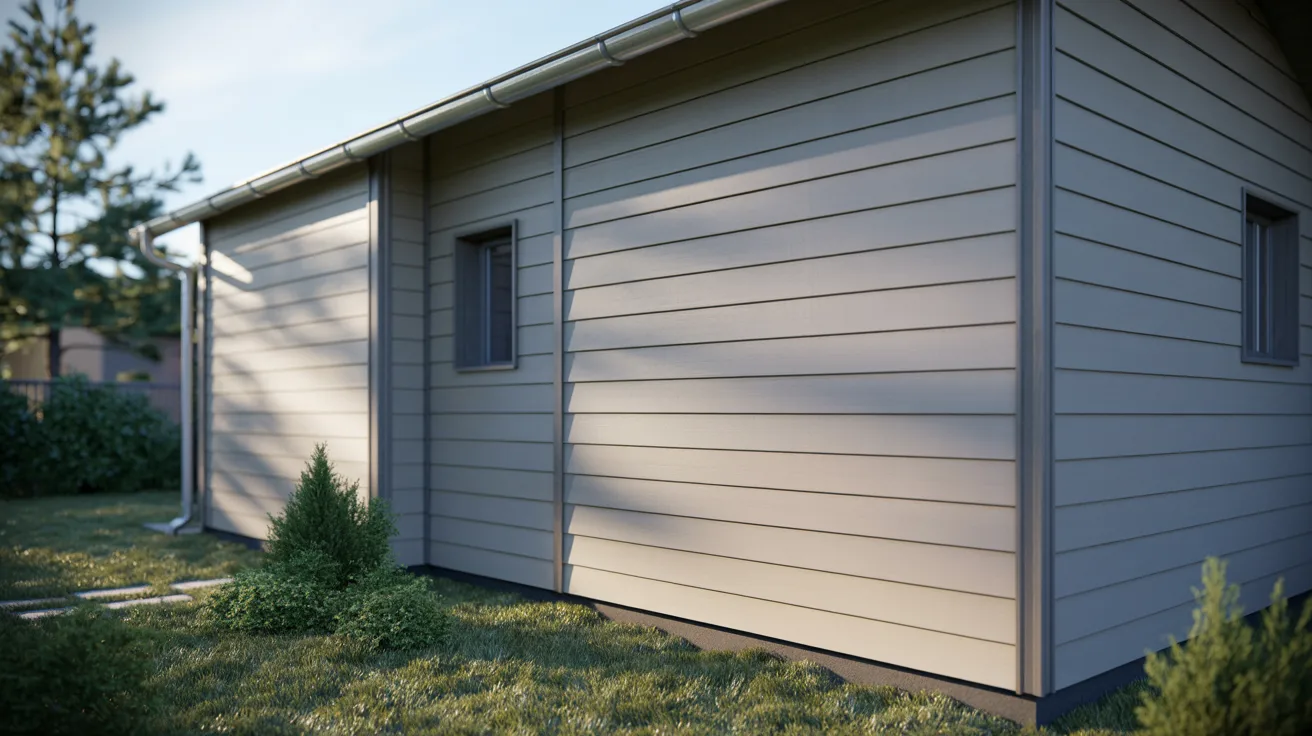
PVC cladding is one of the most affordable options on the market. It’s lightweight, easy to install, and requires almost no maintenance.
It works well for smaller residential projects and outbuildings. It’s not as visually premium as stone or timber but does the job reliably.
In very hot climates, PVC can expand and distort slightly. It’s best suited to moderate climates where temperature swings aren’t extreme.
11. Aluminium Composite Panels (ACP)
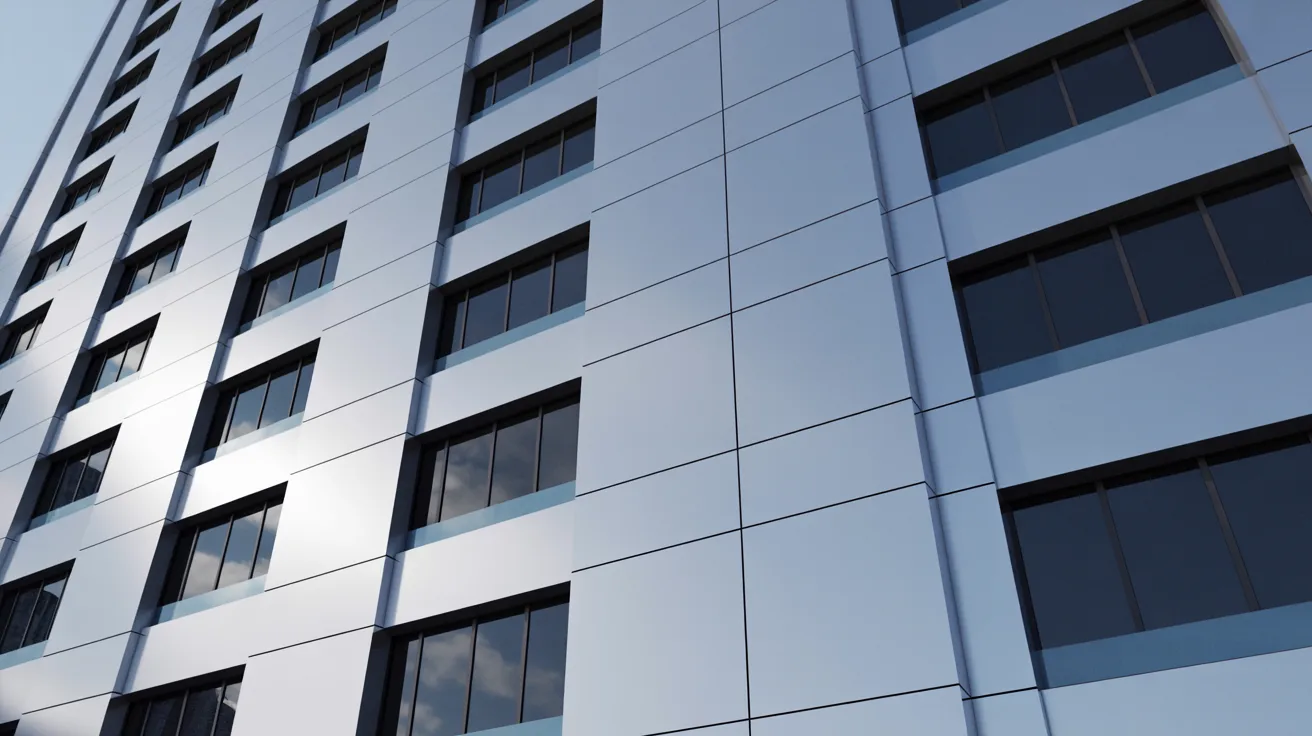
ACP consists of two thin aluminium sheets bonded to a core material, usually mineral or polyethylene. The result is a very lightweight but rigid panel.
It’s a popular choice for high-rise buildings because of its low weight and sleek, consistent finish. Fire-resistant versions are now standard in most commercial applications.
ACP is easy to cut and shape, which makes it versatile for complex architectural designs. Maintenance is minimal and lifespan is strong.
12. Ceramic Cladding
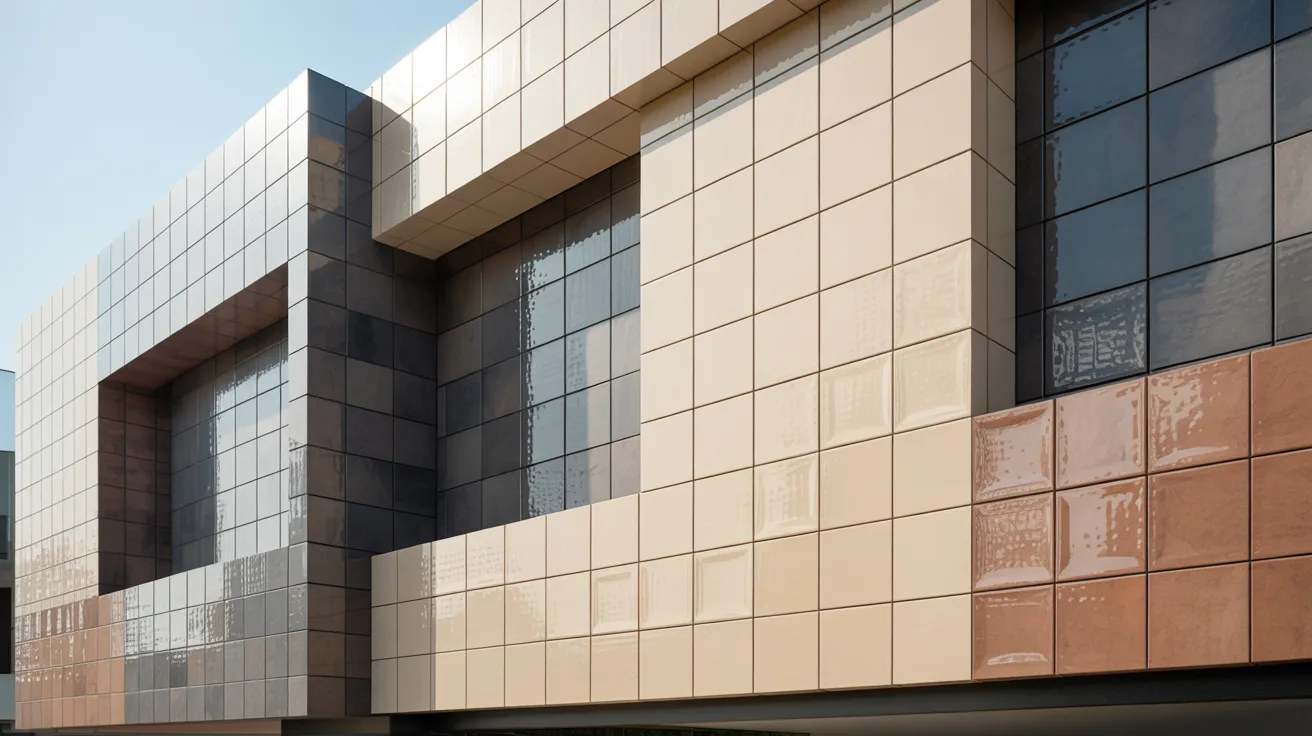
Ceramic tiles used as exterior cladding are highly resistant to heat, UV rays, and moisture. They hold their color well and don’t fade easily.
The look is clean and can be customised with different patterns, sizes, and finishes. It’s used on both residential and commercial buildings across many climates.
Grout lines do require occasional cleaning and resealing. Proper installation is key to preventing water from getting behind the tiles over time.
13. Slate Cladding
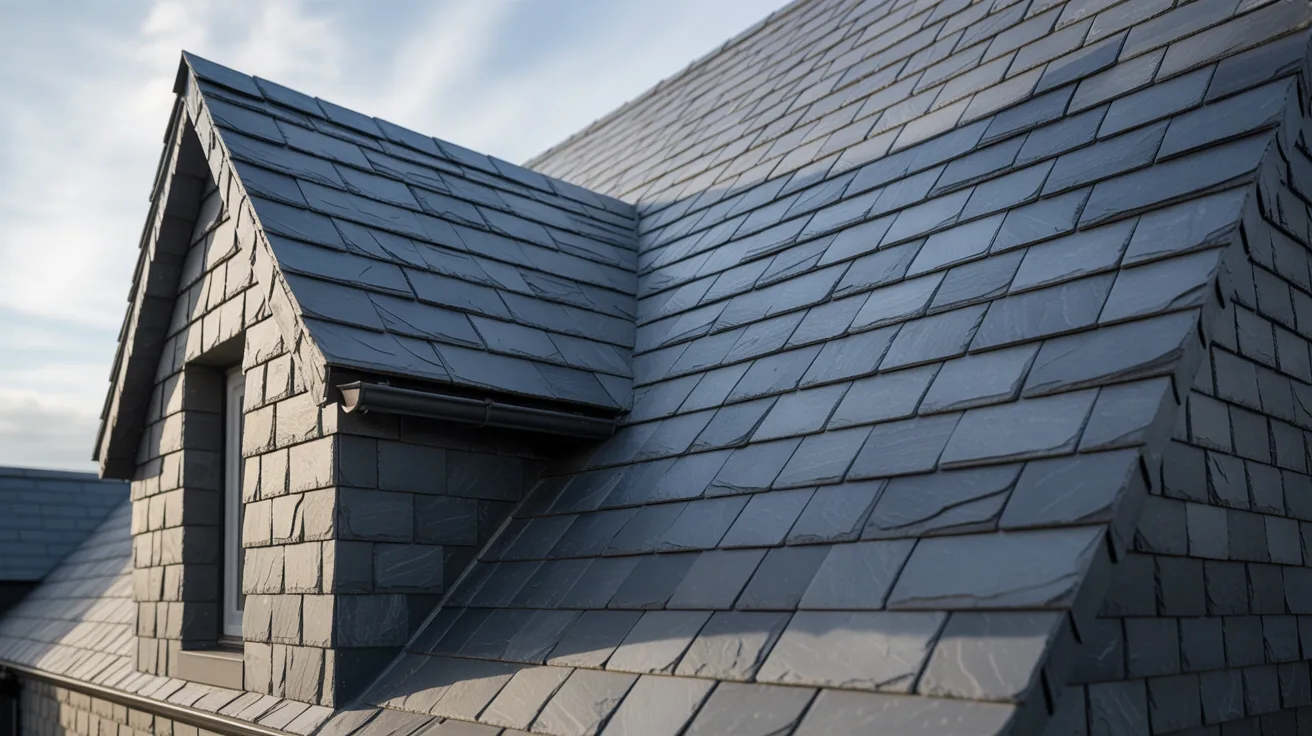
Slate is a natural stone with an exceptionally long lifespan, often exceeding 100 years when properly installed. It has a distinctive layered texture that gives buildings real character.
It’s also an eco-friendly choice since it’s a natural material that requires no chemical treatment. The look is classic and works beautifully on heritage or traditional-style properties.
The cost is high and the weight requires solid structural support. But for buildings where longevity and natural character matter most, slate is hard to beat.
Factors to Consider When Choosing Exterior Cladding
Choosing the right cladding is not just about what looks good. The wrong choice for your climate or budget can lead to costly problems down the line.
Here are the key things to think through before you decide:
- Durability and weather resistance. Consider the local climate. Coastal areas need corrosion-resistant materials. Cold climates need materials that won’t crack or warp.
- Maintenance requirements. Some materials need treatment every few years. Others need almost nothing. Be honest about how much upkeep you’re willing to do.
- Cost vs budget. Factor in both upfront installation cost and long-term maintenance. A cheaper material that needs frequent repairs often costs more over time.
- Energy efficiency and insulation. Good cladding adds a layer of thermal protection. Some materials do this better than others, which affects your heating and cooling bills.
- Aesthetic appeal and style compatibility. The cladding should suit the building’s overall design and the surrounding environment.
Take your time with this decision. Getting it right the first time saves you a significant amount of money and hassle over the years.
Benefits of Exterior Cladding
A lot of people think of cladding as a finishing touch. It’s actually much more than that. It’s one of the hardest-working parts of any building.
Here’s what good exterior cladding actually does for you:
- Protects against moisture, sun, and wind. It acts as a barrier that keeps the structural walls behind it dry and intact.
- Improves insulation and energy efficiency. A quality cladding layer reduces heat loss in winter and heat gain in summer, cutting energy costs noticeably.
- Improves property appearance. The right cladding completely changes how a building looks. It’s one of the most impactful visual upgrades you can make.
- Increases resale value. Buyers notice the exterior first. Good cladding adds perceived and real value to any property.
- Low maintenance options reduce long-term costs. Materials like vinyl, fiber cement, and ACP require very little upkeep, saving you time and money over the years.
Cladding is an investment that pays back in protection, savings, and value. Done right, you won’t need to think about it again for decades.
Common Mistakes to Avoid with Exterior Cladding
I’ve seen well-intentioned projects go wrong because of avoidable errors. The good news is that these mistakes are easy to sidestep when you know what they are.
Watch out for these:
- Choosing the wrong material for your climate. Wood in a very wet climate without proper treatment is a recipe for rot. Metal without corrosion protection in a coastal area will fail fast.
- Ignoring maintenance requirements. Every material has upkeep needs. Skipping them shortens the lifespan significantly and voids many warranties.
- Poor installation leading to water getting in. Gaps, poorly sealed joints, and incorrect fixing methods all allow moisture behind the cladding. Once water gets in, damage spreads fast.
- Not checking building regulations. Some materials and installation methods require approval, especially on listed buildings or in areas with strict planning rules. Always check before you start.
A good installer will flag most of these. But knowing them yourself means you can ask the right questions and make sure nothing gets overlooked.
Conclusion
Choosing cladding is one of those decisions that follows you for decades. Get it right and you barely think about it again. Get it wrong and it shows up in repair bills and regret.
You’ve seen all 13 options now. You know what to look for. So what’s stopping you?
Pick two or three materials that fit your climate and budget, then talk to a professional before committing. Drop your shortlist in the comments. I’ll tell you what I think.
And if this helped, share it with someone planning a build or renovation.
Frequently Asked Questions
What is exterior cladding used for?
It protects buildings from weather, improves insulation, and gives the exterior a finished, visually appealing look.
How long does exterior cladding last?
Lifespan varies by material: wood lasts 15 to 25 years, brick and stone 50 or more years, and metal typically 30 to 50 years with proper care.
Is exterior cladding waterproof?
Most cladding materials offer strong weather resistance, but the level of protection depends heavily on how well it’s installed and maintained.
Can exterior cladding increase home value?
Yes, particularly when durable and visually appealing materials are used, as the exterior is one of the first things buyers and valuers notice.
Which exterior cladding requires the least maintenance?
Vinyl, metal, fiber cement, and aluminium composite panels are among the lowest-maintenance options available for both residential and commercial buildings.