
I remember the first time I noticed a crack running along my living room wall. I panicked. Was it serious? Did I need to call someone right away?
If you’ve felt that same worry, you’re in the right place.
This guide covers the 9 most common signs of structural issues in a house, what causes them, and exactly what to do next. I’ve also included inspection tips and when to bring in a professional.
I’ve spent years writing about home improvement, and I want to help you catch problems early before they get expensive.
What Are Structural Issues in a House?
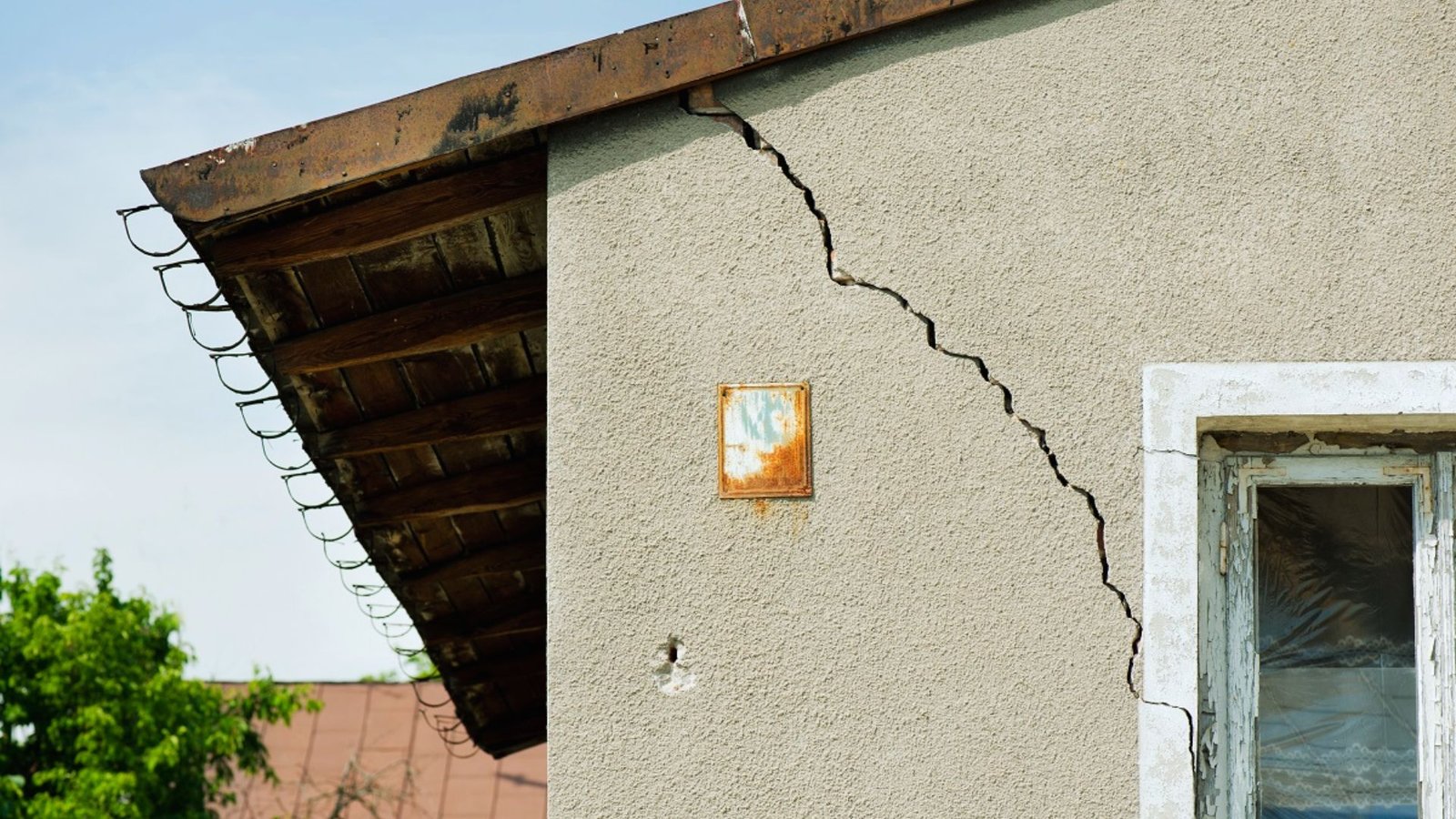
Structural issues affect the parts of your home that hold everything together.
A home’s structure includes the foundation, load-bearing walls, roof framing, floor joists, and beams.
These components carry the weight of the entire building. When any of them weaken, shift, or fail, the whole house can be affected.
Structural problems don’t always show up in obvious ways. Sometimes it’s a door that suddenly won’t close. Other times, it’s a floor that feels slightly springy underfoot.
Catching them early makes a real difference.
9 Signs of Structural Issues in a House
Knowing what to look for is the first step to keeping your home safe and sound.
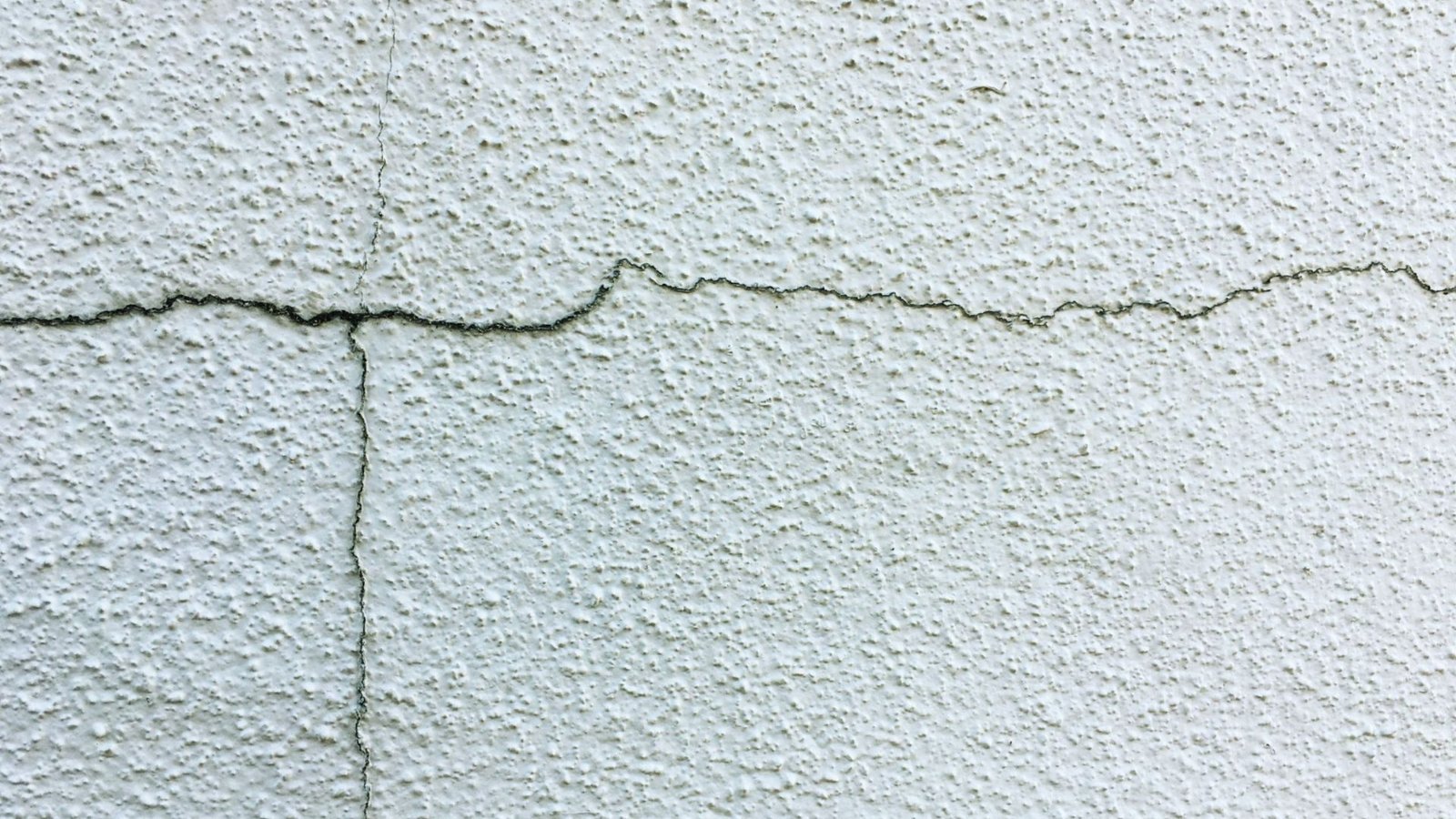
1. Cracks in Walls, Ceilings, or Foundation
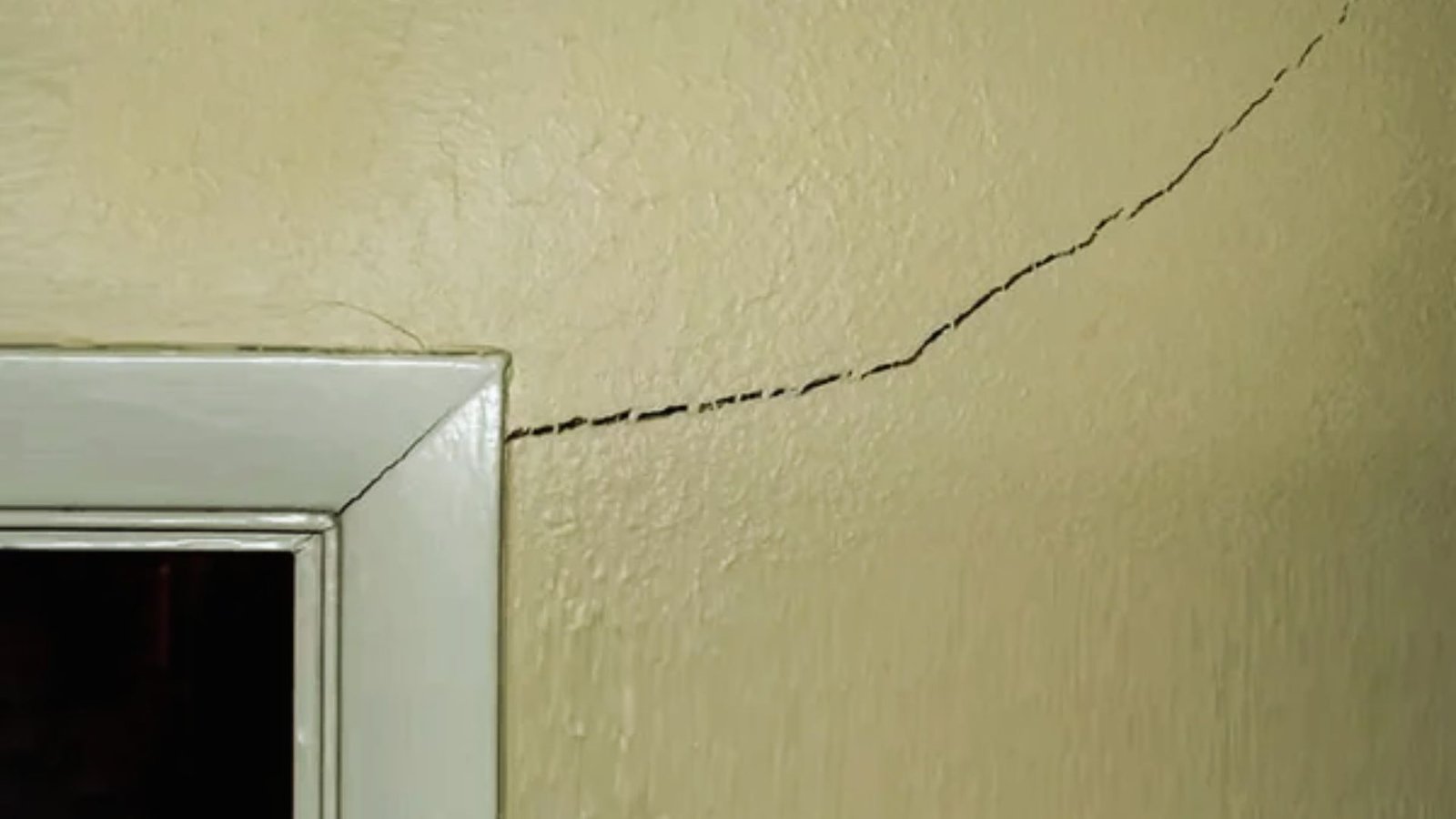
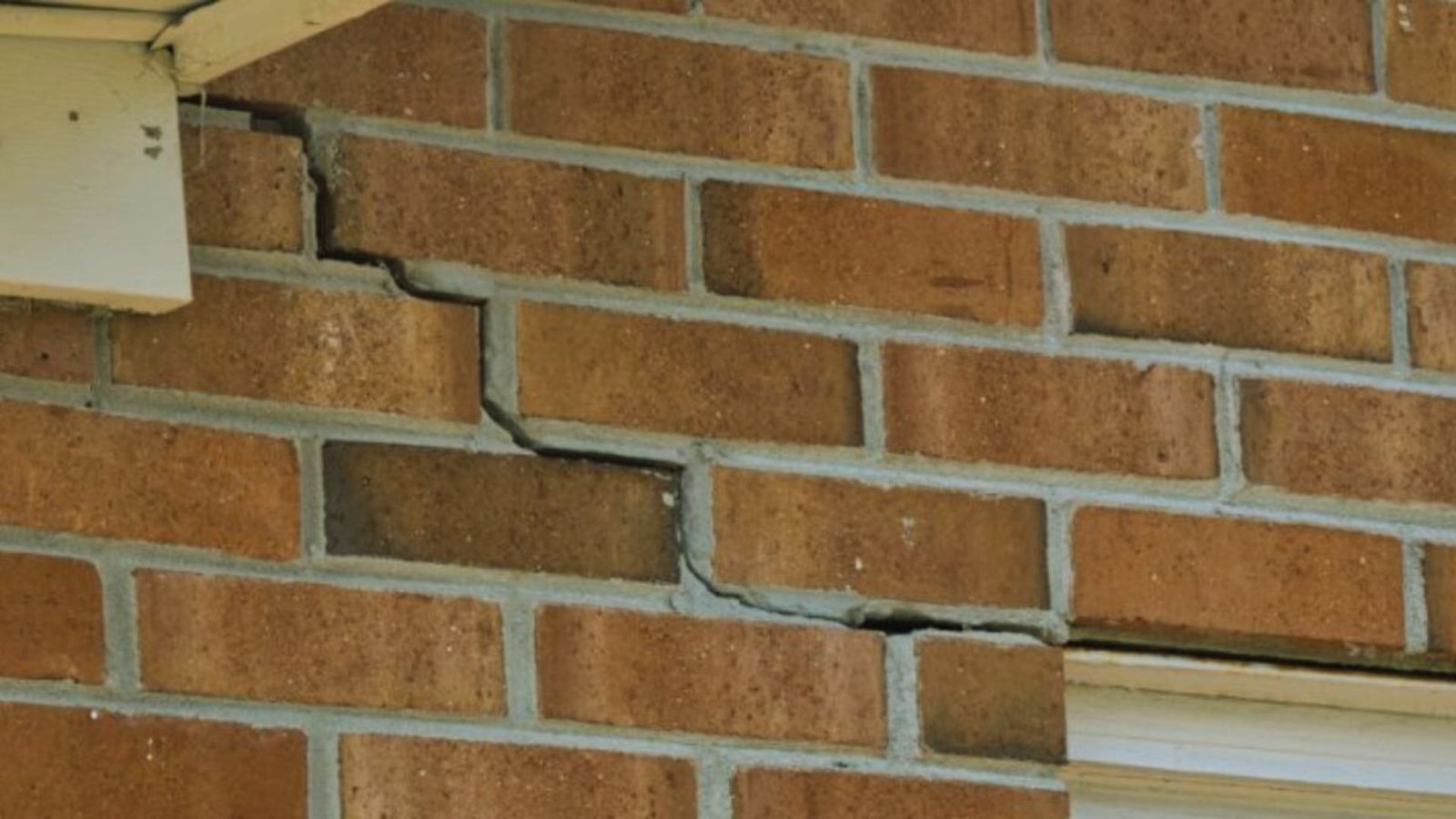
Not every crack is serious, but diagonal, stair-step, and horizontal cracks near load-bearing walls or the foundation are worth watching.
If a crack is wider than a quarter inch or keeps growing, call a professional.
2. Uneven or Sloping Floors
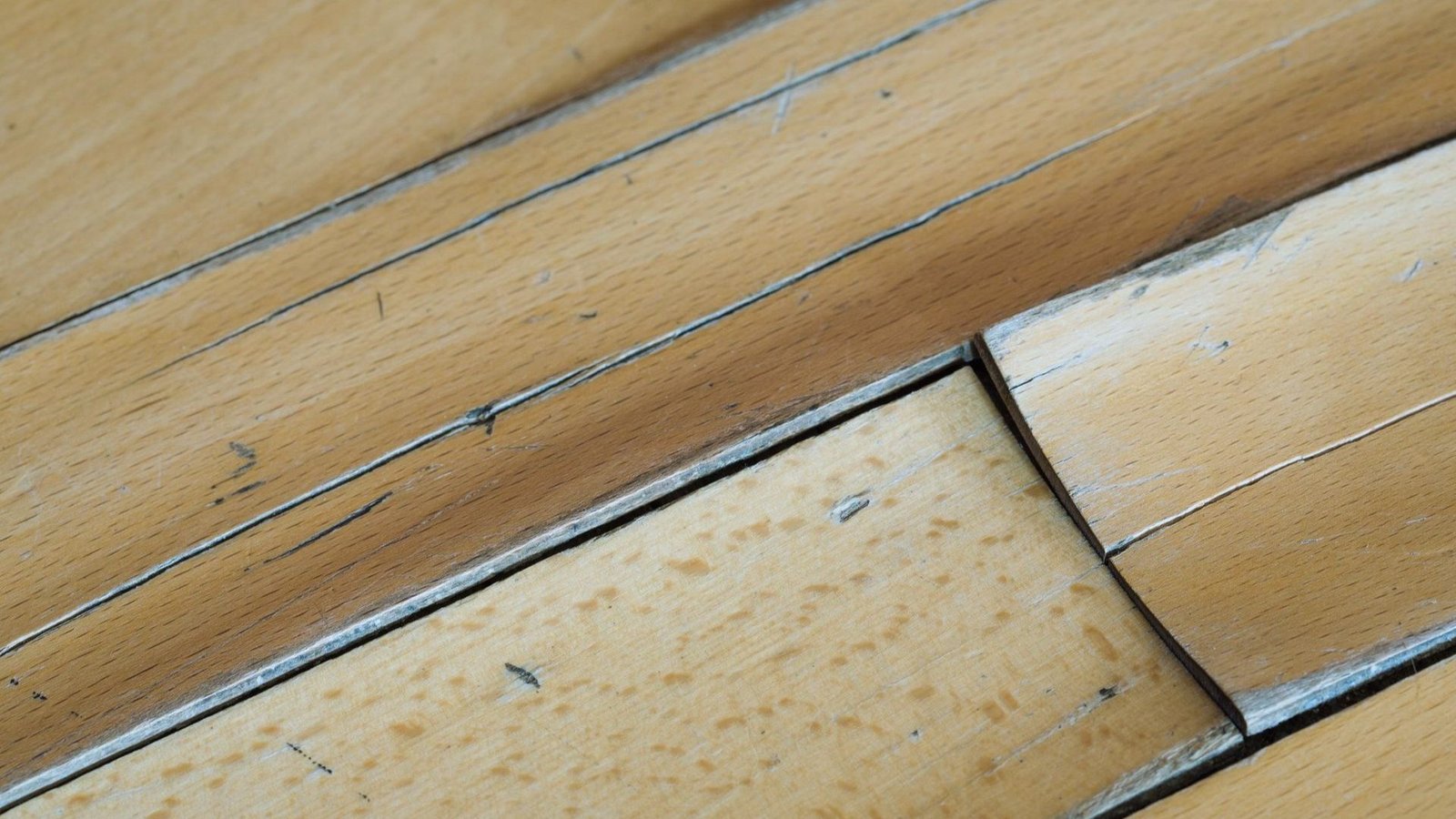
Sagging or bouncy floors usually point to foundation settlement, damaged joists, or rotted beams. Place a level on the floor. A consistent slope means it’s time to investigate.
3. Doors and Windows That Stick or Don’t Close Properly
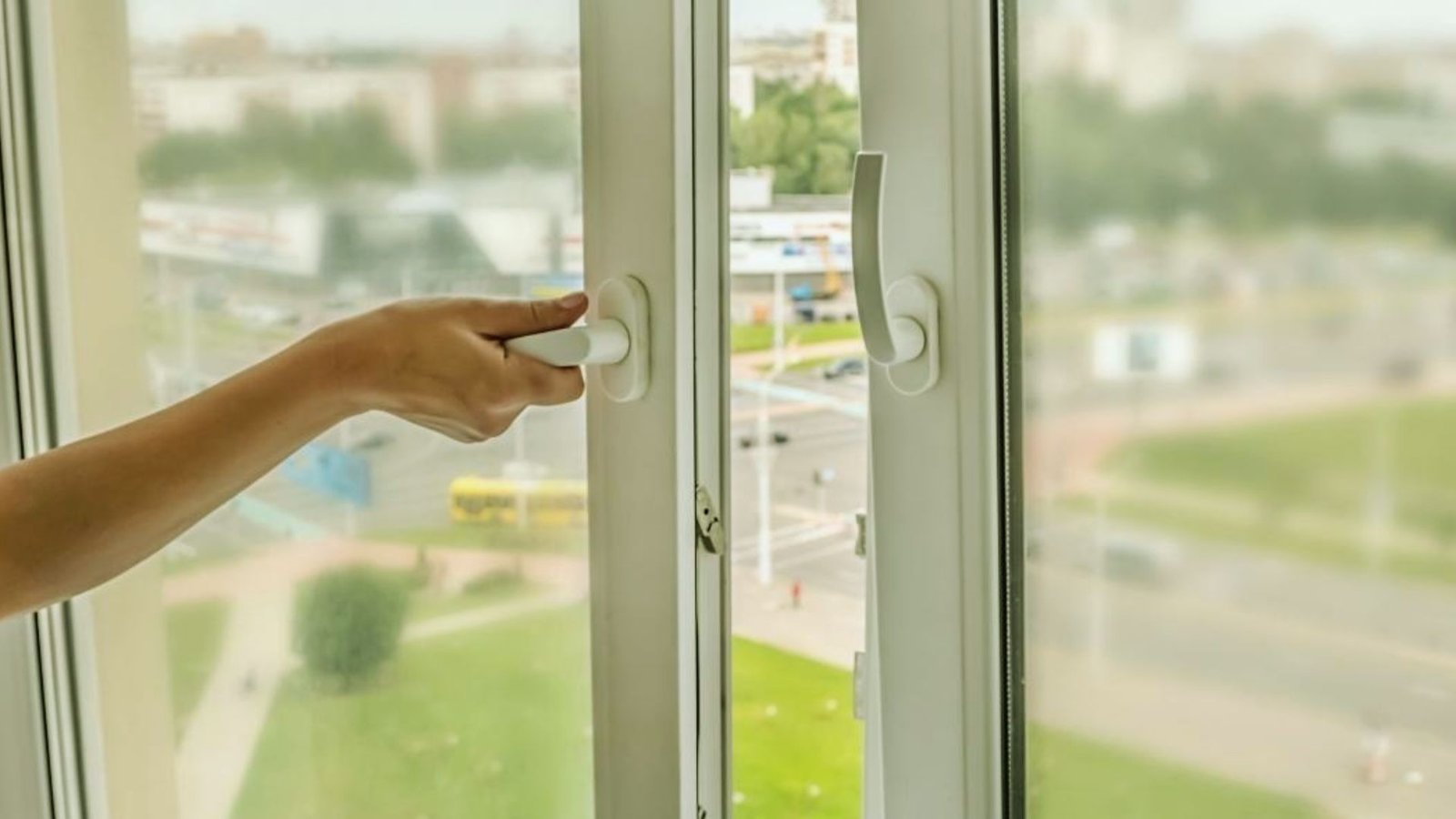
When multiple doors or windows suddenly stick or misalign, it often means the foundation has shifted. One sticking door can be humid. Several at once is a structural warning sign.
4. Gaps Between Walls, Floors, and Ceilings
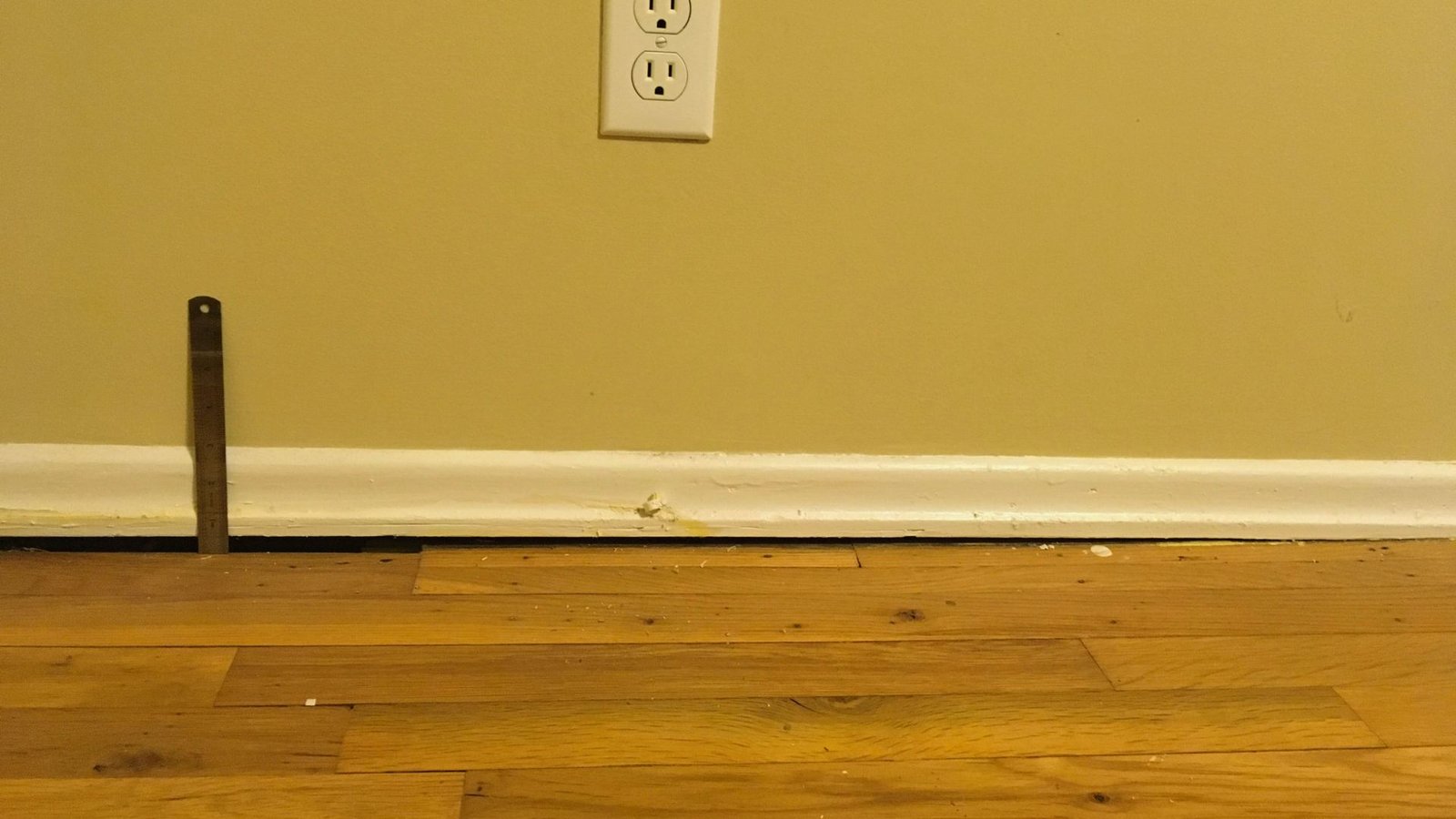
Widening gaps at corners, baseboards, or crown molding often point to a shifting foundation. If the separation keeps growing over weeks, don’t ignore it.
5. Bowing or Leaning Walls
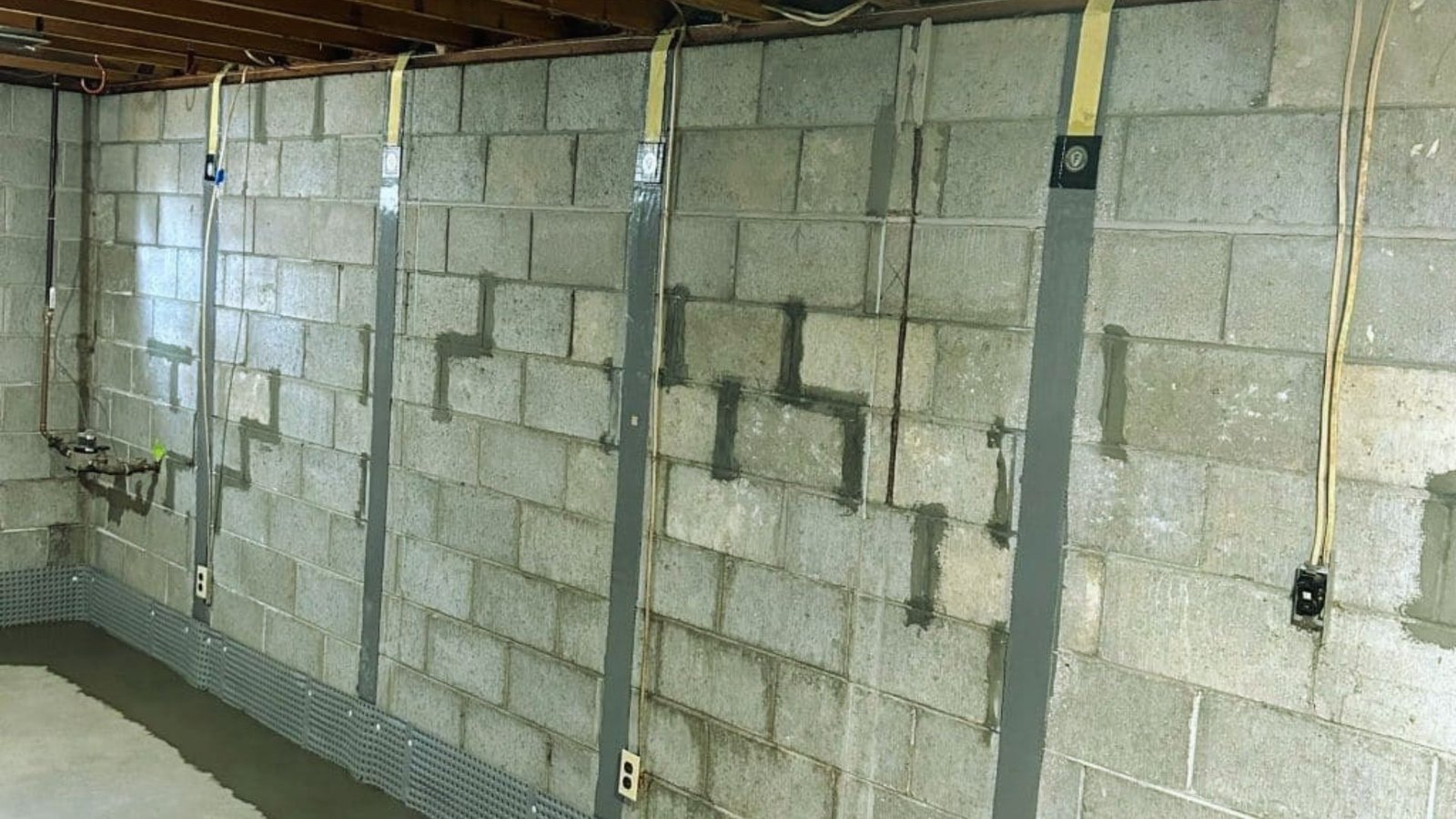
Any visible bulging or leaning in your walls is a red flag. Soil pressure and moisture are common causes. Horizontal cracks along basement walls often come with bowing.
6. Water Damage and Moisture Problems
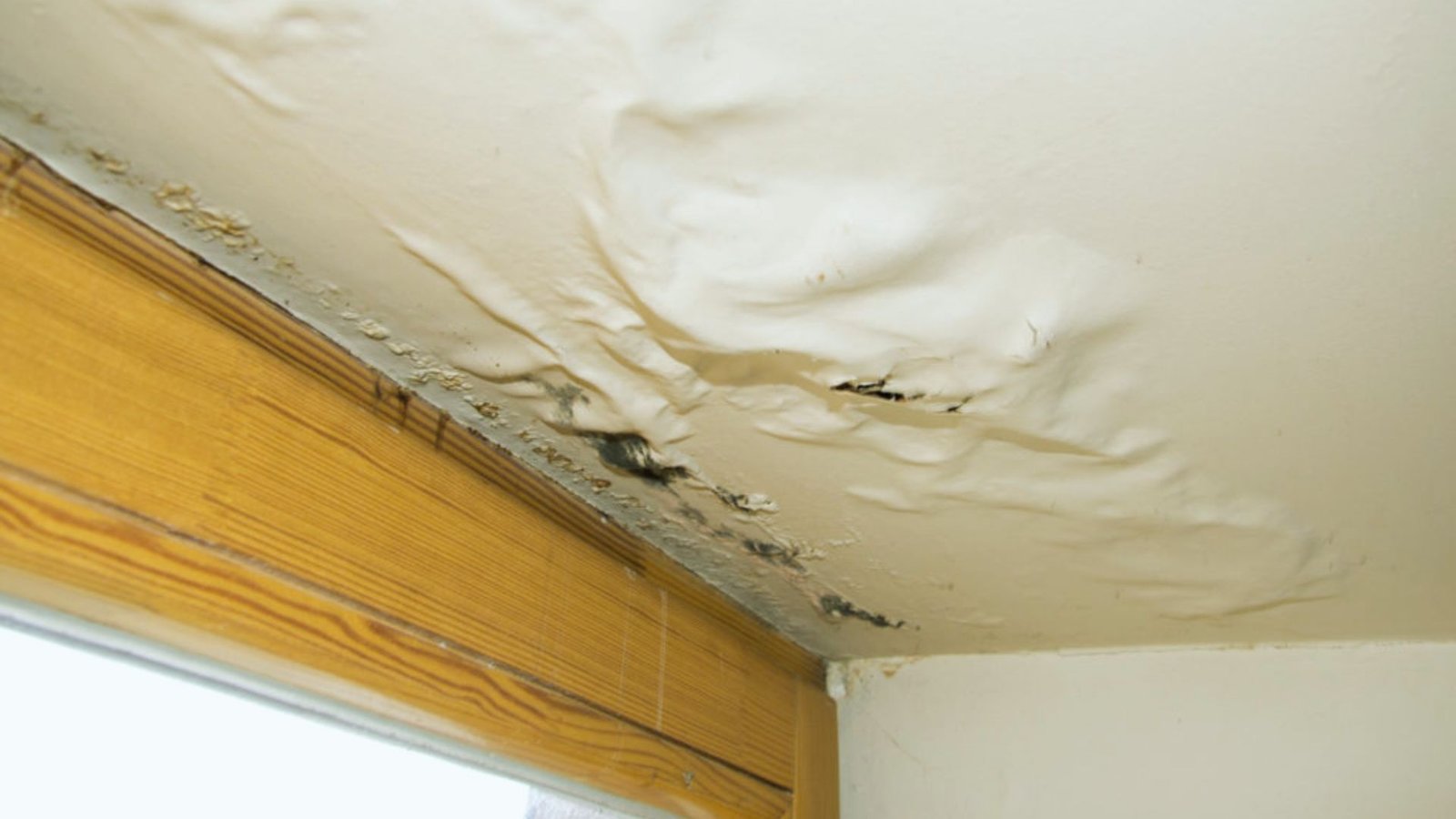
Stains, musty odors, peeling paint, or mold mean moisture has gotten in. It breaks down wood and weakens concrete over time, often behind walls where you can’t see it.
7. Sagging or Uneven Roof Lines
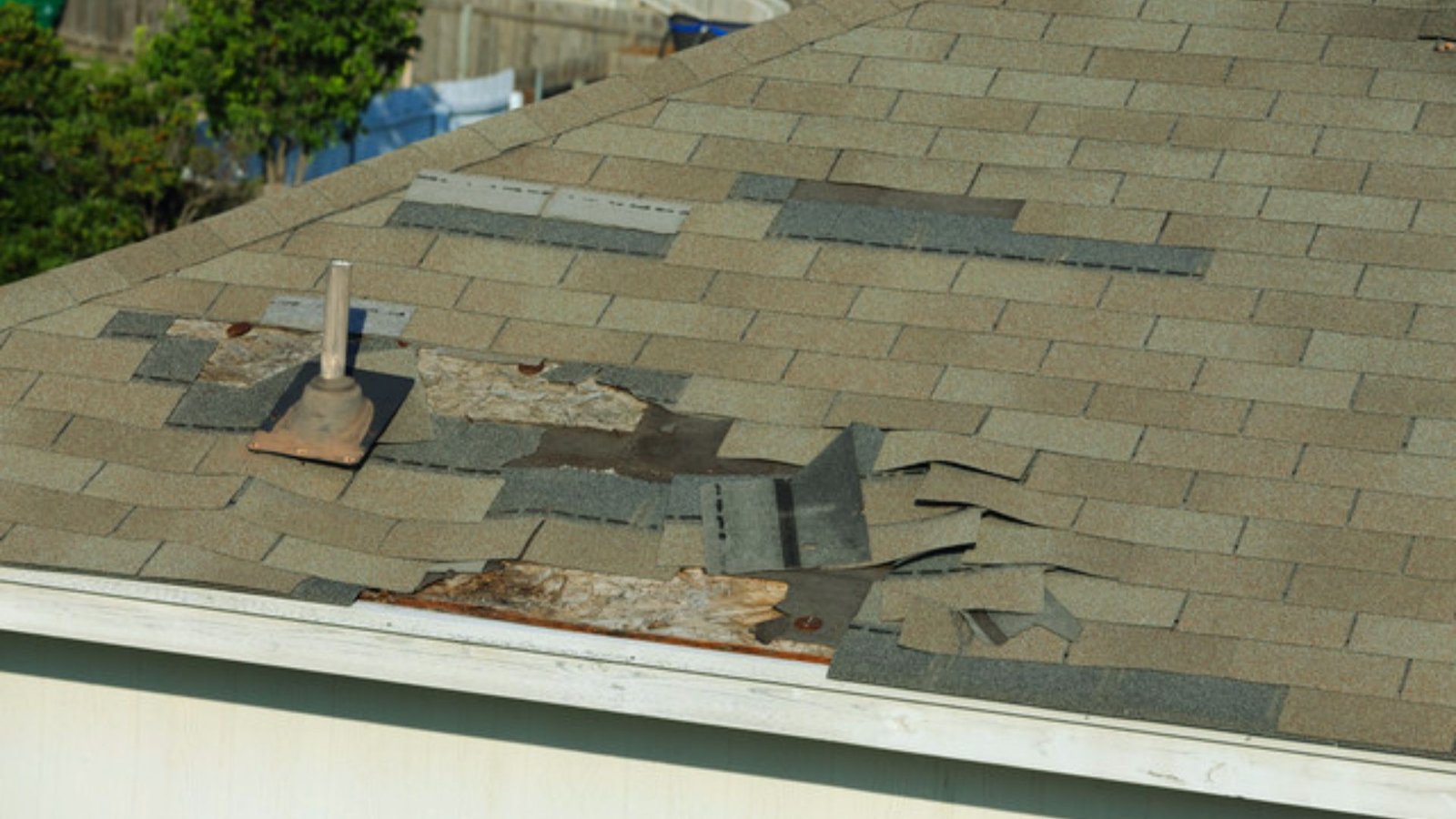
Look at your roofline from outside. It should be straight and even. Any dipping or sagging means the roof structure may be under stress. Check the attic for cracked rafters or soft spots.
8. Crumbling Concrete or Brickwork
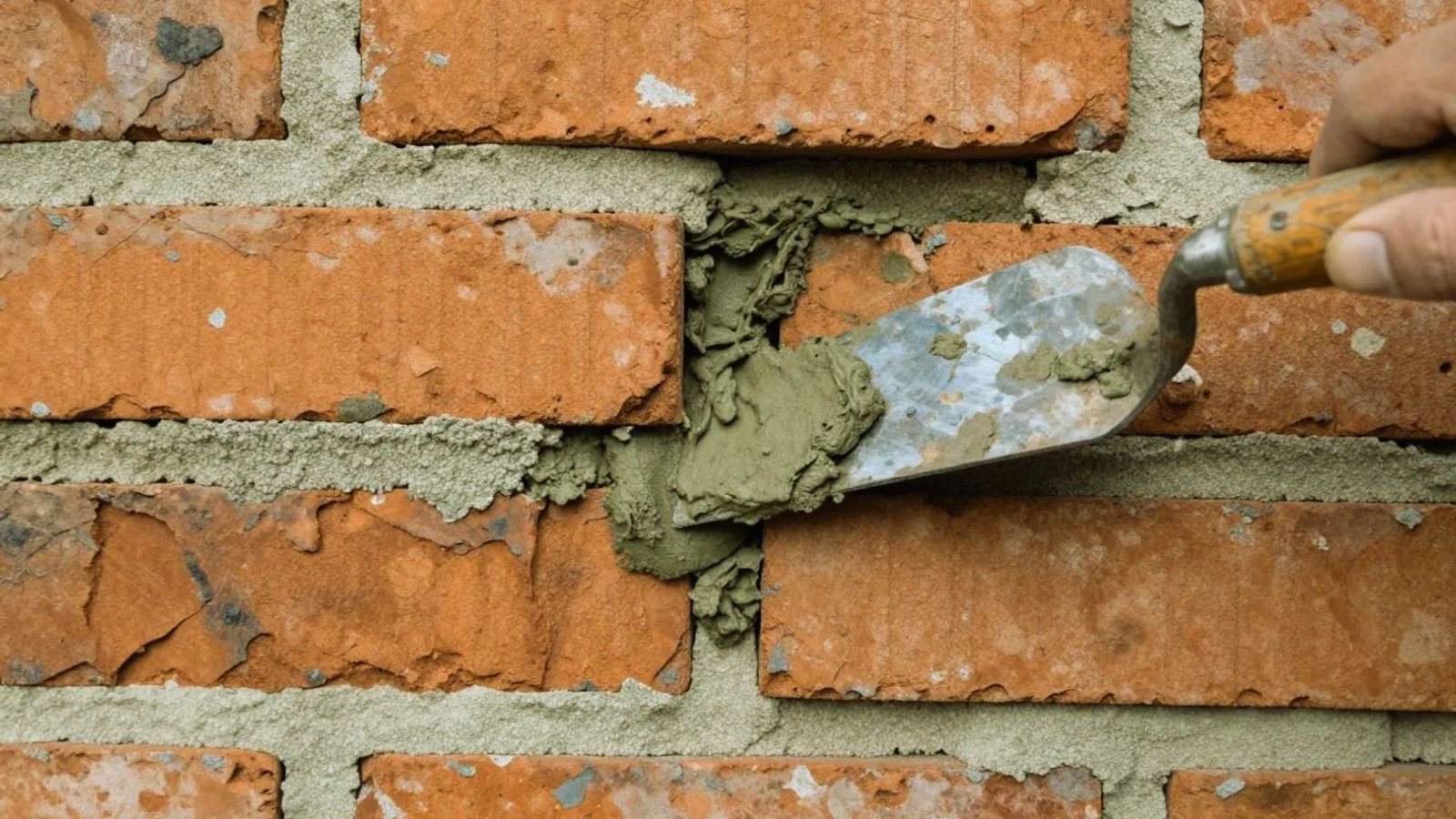
Flaking or crumbling masonry, known as spalling, means the material is losing strength. Look for chunks falling away or mortar crumbling between bricks.
9. Visible Foundation Problems
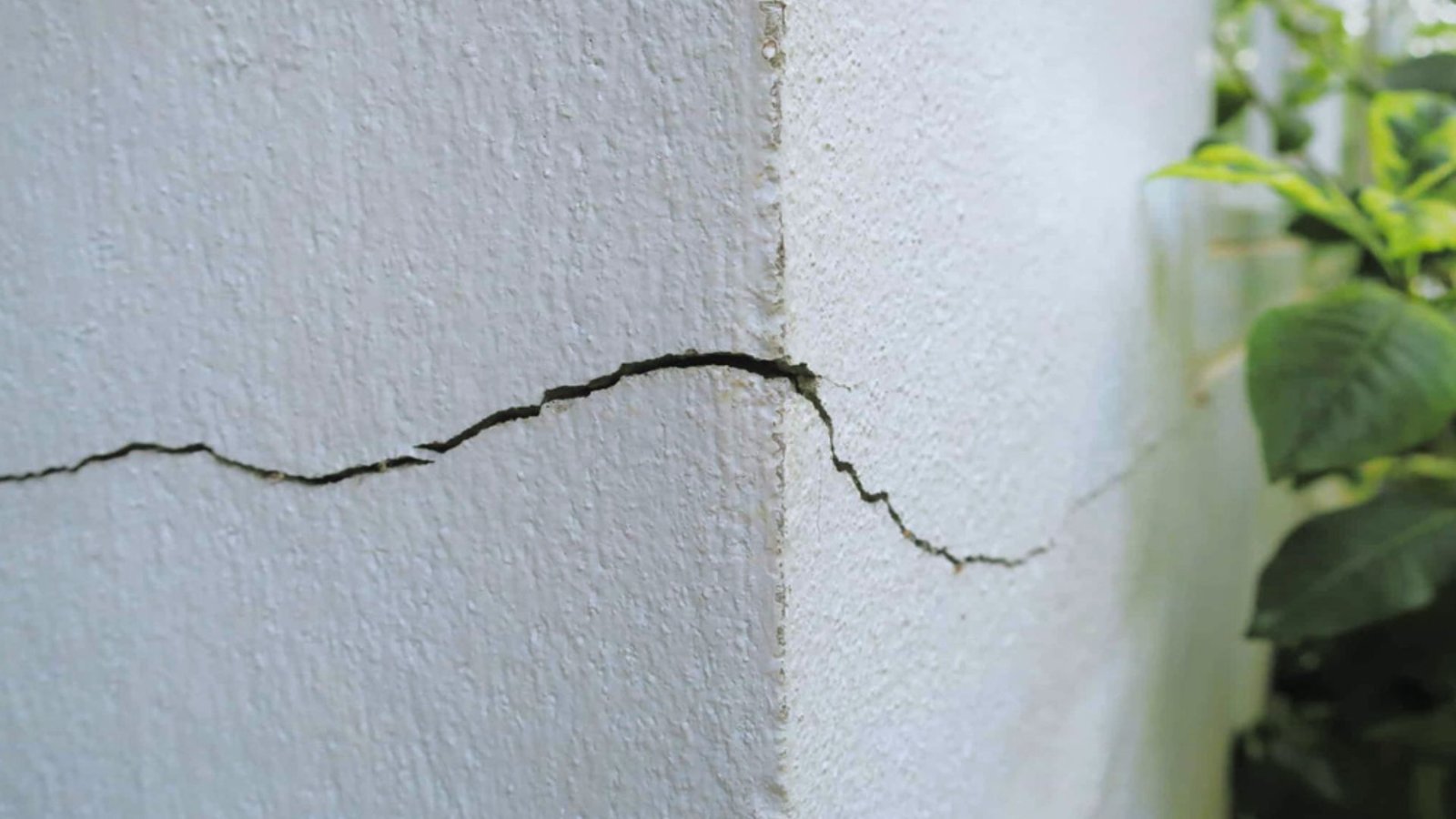
Large cracks, sinking areas, or edges pulling away from the soil are all serious signs. These often point to foundation settlement that needs professional evaluation right away.
How to Inspect Your Home for Structural Issues
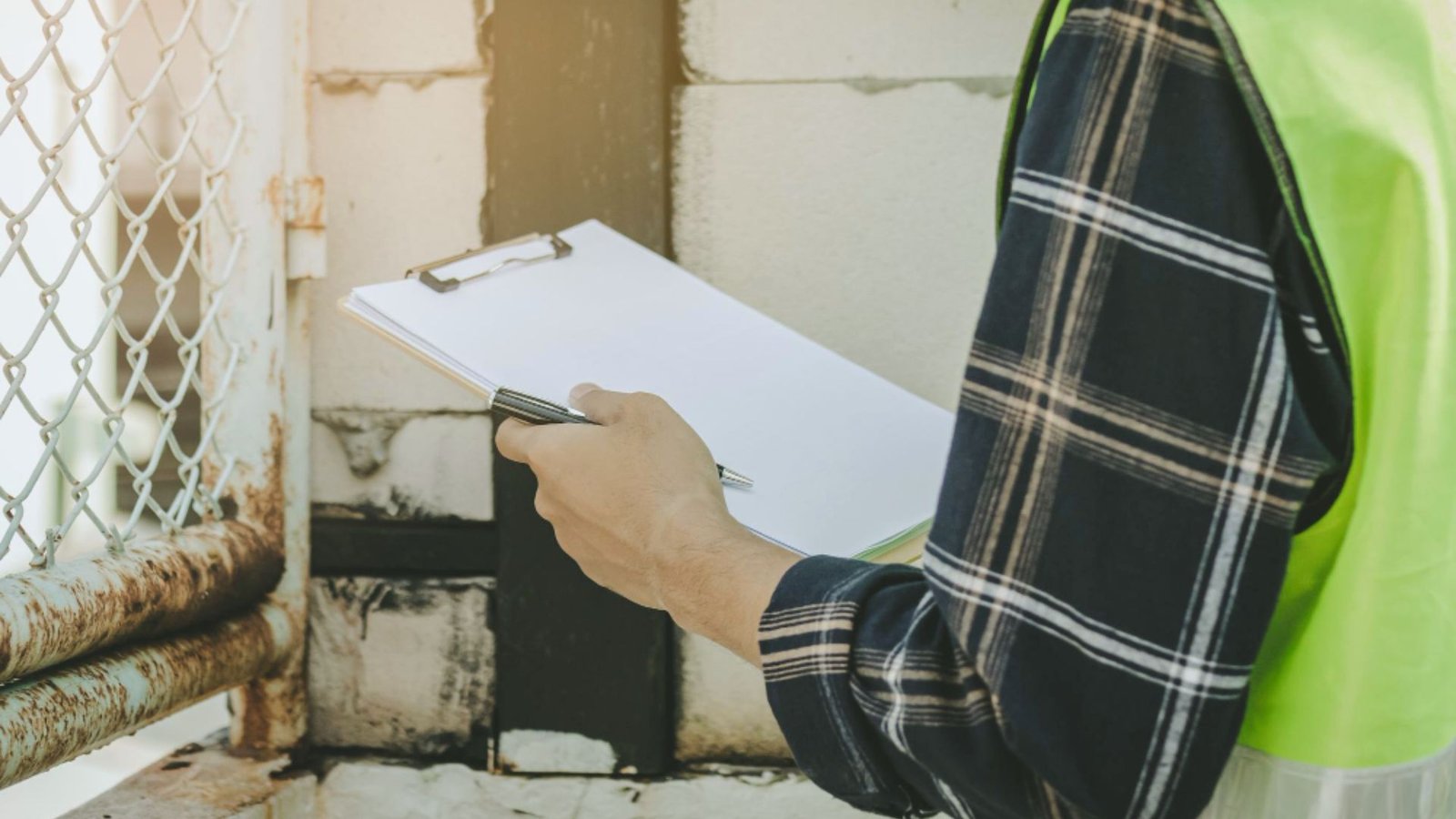
A regular walkthrough can help you spot problems before they get out of hand.
Do a full inspection inside and outside at least twice a year. Check walls, ceilings, floors, doors, windows, the foundation, and the roofline. A flashlight and a small level are all you need to get started.
Mark any cracks with a pencil and date them. Check back in a few weeks. If there’s a new movement, call a professional.
Pay extra attention to basements and crawl spaces, as that’s where moisture hides and problems often begin.
When to Call a Structural Engineer
Some things you can monitor. Others need a professional right away. Call a structural engineer if multiple warning signs appear at the same time.
Cracks widening fast, walls visibly moving, or a combination of water damage and foundation issues all need expert eyes.
Don’t wait to see if things get better on their own. They usually don’t.
A structural engineer can assess the situation, find the root cause, and recommend the right repairs.
They can also tell you what’s urgent and what can wait. The cost of an inspection is always less than the cost of letting a serious problem go unchecked.
Risks of Ignoring Structural Issues
Putting off repairs almost always makes things worse and more expensive over time.
Repair Costs Keep Growing
Small problems don’t stay small. A minor crack can turn into a major foundation repair if left alone.
The longer you wait, the more contractors have to fix, and the bigger the bill gets. Acting early almost always costs a fraction of what delayed repairs do.
Your Home Loses Value
A buyer’s inspection will flag every ignored problem. That means lower offers, deals falling through, or costly last-minute fixes right when you’re trying to sell.
Keeping up with structural maintenance protects your home’s worth over the long run.
Safety Hazards for Occupants
Structural failure doesn’t always give a warning. Floors can give way. Walls can collapse. A home that looks fine on the surface can have serious weaknesses underneath.
The safety of everyone living in the home depends on the structure holding up properly.
Long-Term Structural Failure
When beams, joists, and foundation walls weaken over time, the damage doesn’t stay in one place. It spreads. One failing component puts stress on the ones around it. What starts as a single issue can eventually compromise the integrity of the entire home.
Prevention Tips to Avoid Structural Problems
Small habits go a long way in keeping your home structurally sound.
- Keep gutters clean so water drains away from the foundation.
- Fix leaks right away, even small ones cause damage over time.
- Ventilate crawl spaces and basements to reduce moisture.
- Get a full home inspection every few years.
- Seal minor cracks early and keep an eye on them.
Conclusion
Spotting structural issues early in your home can save you a lot of money, stress, and worry.
I’ve seen homeowners catch problems early with nothing more than a flashlight and a little attention. It really does make a difference.
Go through your home this weekend. Check the walls, the floors, the doors. Look at your foundation from the outside. If something feels off, trust that instinct and act on it.
Found this helpful?
Drop a comment below or share it with someone who needs it.
Frequently Asked Questions
What are the most common signs of structural issues in a house?
Common signs include wall cracks, sloping floors, sticking doors, bowing walls, and foundation problems. Multiple signs appearing together usually means it’s time to call a professional.
How do I know if a crack in my wall is serious?
Hairline cracks are usually minor. Diagonal, horizontal, or stair-step cracks near load-bearing walls are more concerning, especially if they keep widening.
Can I fix structural issues in my house myself?
Minor surface cracks can be sealed temporarily, but structural repairs need a professional. DIY fixes without expertise can make things worse.
How much does it cost to fix structural issues in a house?
Minor repairs can cost a few hundred dollars. Major structural work can run into tens of thousands. Catching problems early keeps costs much lower.
How often should I inspect my home for structural problems?
Inspect inside and outside at least twice a year. Also check after heavy rain or extreme weather that could affect your foundation or roof.