

Do your old stucco walls cause fatigue? Homeowners with stucco on their homes desire a new look for the house. The stucco can crack, stain, or look tired after many years.
Perhaps you consider siding over stucco, questioning, Is doing that safe? Can you cover stucco with new siding without causing problems?
The answer is yes. This guide answers all questions concerning putting siding over stucco on a home. You’ll learn about when to do it, what materials to use, and how to do it right the first time.
Can You Put Siding Over Stucco?

Yes, you can put siding over stucco. This is a common way to update your home’s outside without tearing off all the old stucco first. Many homeowners choose this option because it saves time and money.
However, you need to prepare the stucco the right way before adding siding. The stucco must be in good condition with no major damage. If you install siding over damaged stucco, you could end up with water damage, mold, or rot inside your walls.
That’s why it’s smart to hire a professional contractor who knows how to do this work correctly. They can check your stucco and make sure everything is ready before they start. Doing this job wrong can cost you much more to fix later.
When Is Siding Over Stucco a Good Idea?

Before you decide if you can put siding over stucco on your home, you need to check the condition of your stucco walls. Look closely at your stucco for any signs of damage. If your stucco is solid with no major cracks, no water damage, and no mold or mildew, you’re probably good to go.
But watch out for these warning signs that mean you need repairs first. Large cracks in the stucco can let water get behind the walls. Stains around your windows often mean water is leaking in. Dark spots where the walls meet the roof are red flags. If you see visible mold growth or water stains anywhere, these problems must be fixed before you add siding.
Always get a professional inspection before you start this project. A trained expert can spot problems you might miss. They can tell you if your stucco is ready for siding or if you need to make repairs first. This step is important because it protects your home from future damage.
Benefits of Putting Siding Over Stucco

Adding siding over your stucco gives your home better protection and can save you money over time. Here are the main reasons why homeowners choose to do this:
- Better protection from moisture and water damage: Siding creates an extra layer that keeps rain and snow away from your walls
- Reduces risk of mold growth: Less moisture means less chance for mold to grow inside your walls
- Prevents wood rot: Good siding stops water from getting to the wood frame of your house
- Adds extra insulation: More insulation means lower heating and cooling bills all year round
- Reduces maintenance needs: Most siding types need much less upkeep than stucco
- Updates your home’s look: New siding gives your house a fresh, modern appearance
- Can increase home value: A well-maintained exterior makes your home worth more
These benefits make siding a smart choice for many homeowners. You get better protection for your home while also making it look nicer.
Best Siding Options for Covering Stucco
When you decide to put siding over stucco, you’ll need to pick the right material. Each type of siding has its own good points and things to think about.
Fiber Cement Siding (Hardie Board)
Fiber cement siding is the top choice for most homeowners covering stucco. This material is made from cement and fibers, so it cannot rot like wood. It lasts between 30 and 50 years with very little care needed.
This siding type handles moisture really well, which makes it great for placing over stucco. It’s also fire-resistant and holds paint for a long time. You only need to wash it once a year and repaint it every 25 to 35 years. While it costs more upfront, it’s worth it because of how long it lasts.
Vinyl Siding

Vinyl siding is the most affordable option if you need to stick to a budget. It comes in many colors and needs very little maintenance over the years. You don’t have to paint it, and it’s easy to clean with just soap and water.
The downside is that vinyl isn’t as strong as other choices. It can crack in very cold weather and doesn’t add much insulation to your home. But if you want a low-cost way to cover your stucco and improve your home’s look, vinyl is a solid choice.
Wood Siding

Wood siding gives your home a classic, natural look that many people love. You can paint it any color you want or stain it to show off the wood grain. With proper care, wood siding can last up to 25 years.
However, wood needs more work to keep it looking good. You’ll need to repaint or restain it every few years. In wet climates, wood can rot if water gets behind it. Before you choose wood siding, think about whether you’re ready to do the regular maintenance it needs.
Metal Siding

Metal siding works great in humid areas or near the coast, where moisture is a problem. It doesn’t absorb water at all, and insects can’t damage it. Metal siding typically lasts between 30 and 40 years.
The good news is that metal won’t rot or warp. But it does require regular maintenance to prevent rust. It can also dent or scratch if something hits it hard. If you need to replace a damaged piece, it can be hard to match the color exactly.
How Siding Installation Over Stucco Works
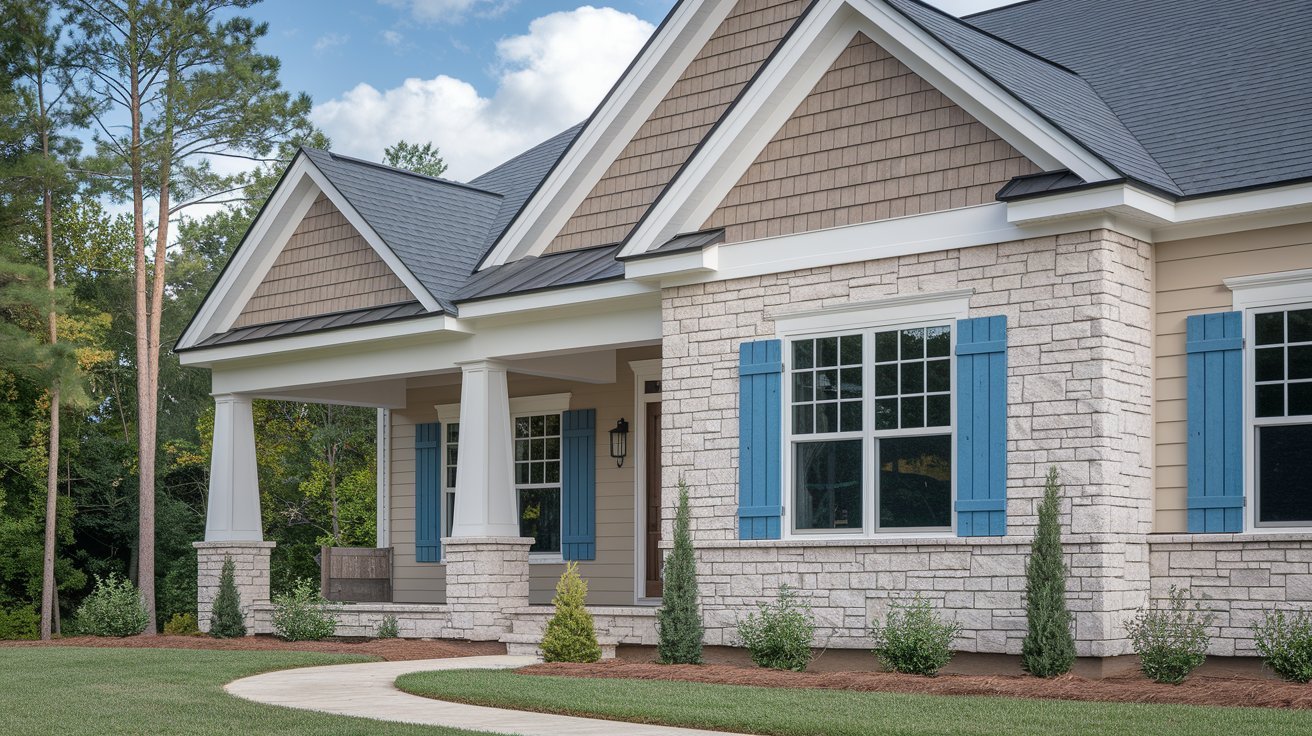
Installing siding over stucco is more complex than just nailing boards to your wall. First, a professional contractor will look at your stucco carefully. They check for any damage that needs fixing before they start. This step is critical because any problems with your stucco need to be solved first.
Next, they install furring strips on your stucco walls. These strips create a stable base for the new siding to attach to. The strips also create space between the stucco and the new siding. This gap allows air to flow and helps prevent moisture problems. The contractor may add insulation between these strips to help your home stay warmer in winter and cooler in summer.
Finally, they install the siding panels over the furring strips. Each panel must be placed correctly to keep water out. This is complex work that requires special tools and skills. If someone installs the siding wrong, you could end up with water damage or lose energy through gaps in your walls. That’s why you should always hire experienced professionals for this job.
Tips for Siding Over Stucco
When you’re ready to install siding over your stucco, follow these important tips to get the best results:
- Always get a professional inspection before you start any work
- Fix any damage to your stucco before installing the new siding
- Choose siding based on your local climate and weather conditions
- Think about long-term maintenance needs and costs
- Get multiple quotes from licensed contractors in your area
- Check that contractors have proper licenses and insurance
- Ask about warranties for both materials and labor
Following these tips will help make sure your project turns out well. Taking time to plan saves you from problems down the road.
Conclusion
So, can you put siding over stucco? Yes, you definitely can. This will result in less maintenance, lower levels of weather and moisture intrusion into your home, and possibly an increase in your home’s value.
The key concern is proper stucco preparation. Stucco needs to be in good shape. Foam installation requires this without causing important damage. Think about siding materials for needs, climate, and budget. Fiber cement, vinyl, wood, or metal house siding for your home may do well.
Most importantly, work alongside professional siding contractors during the work who perform the work well, catch potential problems, and know best how to install your siding correctly. This secures your house and increases the lifespan of your new siding, too. Start by inspecting and getting quotes from local contractors.
Frequently Asked Questions
How Much Does It Cost to Install Siding Over Stucco?
The cost depends on where you live, how big your home is, and what type of siding you choose. Expect to pay between $8 and $20 per square foot. This is a big investment, but it adds value to your home.
Will Siding Over Stucco Cause Mold Problems?
Siding over stucco will only cause mold if it’s installed wrong. Proper installation includes ventilation and moisture barriers that keep water out. This is why you need to hire professional contractors who understand the right methods.
Do I Need a Permit to Install Siding Over Stucco?
This depends on your local building codes and where you live. Check with your city or county government to find out what rules apply. Most professional contractors will handle getting the permits you need as part of their service.
Can I Install Siding Over Stucco Myself?
While it’s technically possible to do this yourself, we don’t recommend it. The job requires special tools, skills, and knowledge about building codes. If you make mistakes, you risk causing serious water damage or moisture problems that cost thousands to fix.
How Long Does Siding Last Over Stucco?
The lifespan depends on which type of siding you install. Vinyl typically lasts 20 to 30 years. Fiber cement can last 30 to 50 years. Wood lasts about 25 years with good care. Metal siding usually lasts 30 to 40 years.