

A Tudor style house interior has a look all its own. Dark beams, stone fireplaces, and leaded windows give these homes real character.
But that same charm can also feel heavy or outdated if the space isn't updated the right way.
This guide walks you through it all. You'll learn the key features of Tudor interiors, how to lighten dark rooms, and ways to update layouts without losing the home's history.
We'll also cover color palettes, lighting, and room-by-room ideas for kitchens, bedrooms, and more.
I've researched real Tudor makeovers and design approaches to bring you ideas that actually work.
Whether your home is original or Revival style, you'll find practical tips here to make it feel both classic and livable.
What is a Tudor Style House Interior?
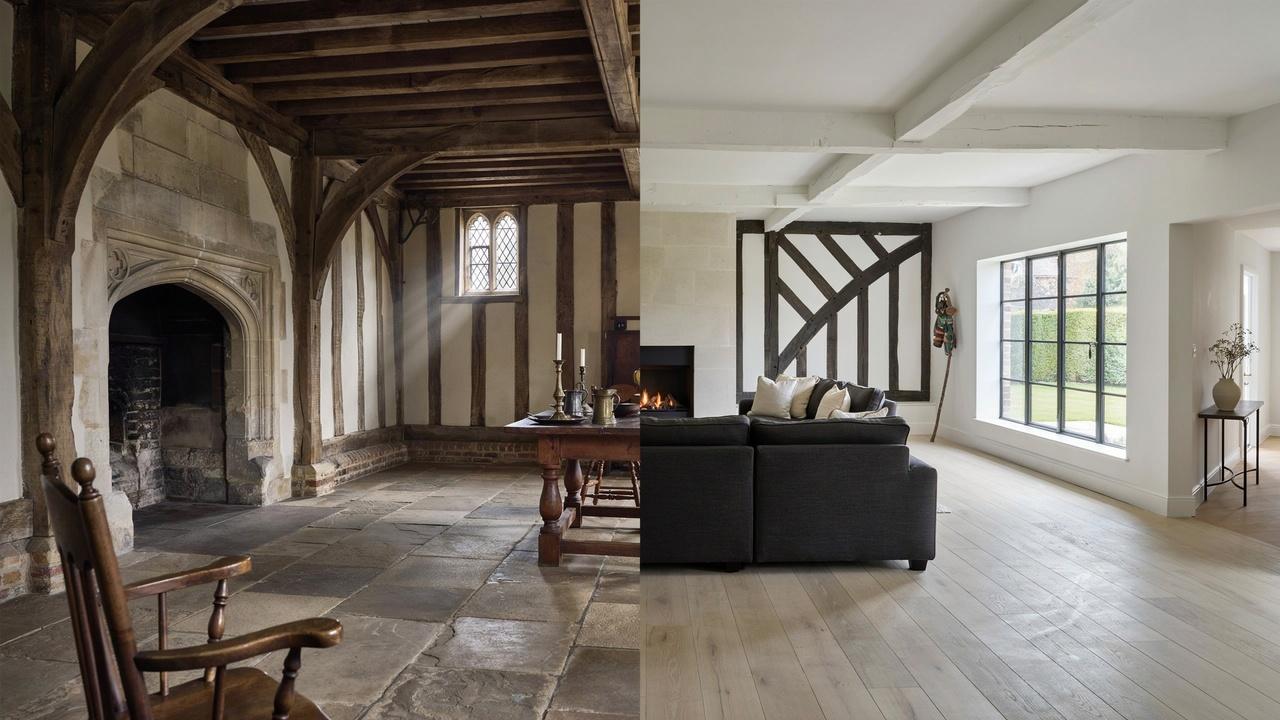
A Tudor style house interior features dark wood beams, warm colors, and old world charm for a cozy, historic feel.
Tudor style interiors come from homes built in England during the 15th and 16th centuries. They bring a warm, old world feel into modern spaces.
Exposed wood beams on ceilings and walls are a key feature. Walls often use soft, earthy colors like cream, red, and green.
A stone or brick fireplace is usually the main focus of the room. Furniture is heavy, solid, and often carved by hand.
Windows are small with diamond shaped glass panes. Floors use wood or stone, topped with patterned rugs.
Lighting stays soft and warm, often with iron fixtures or candle style lamps. Together, these details give the home a cozy, timeless feel.
Tudor Style House Interior Characteristics (Must-Know Features)
Tudor homes have a clear look built on wood, stone, and craftsmanship from centuries ago. These features still shape how people design Tudor interiors today.
Exposed Wooden Beams and Timber Framework
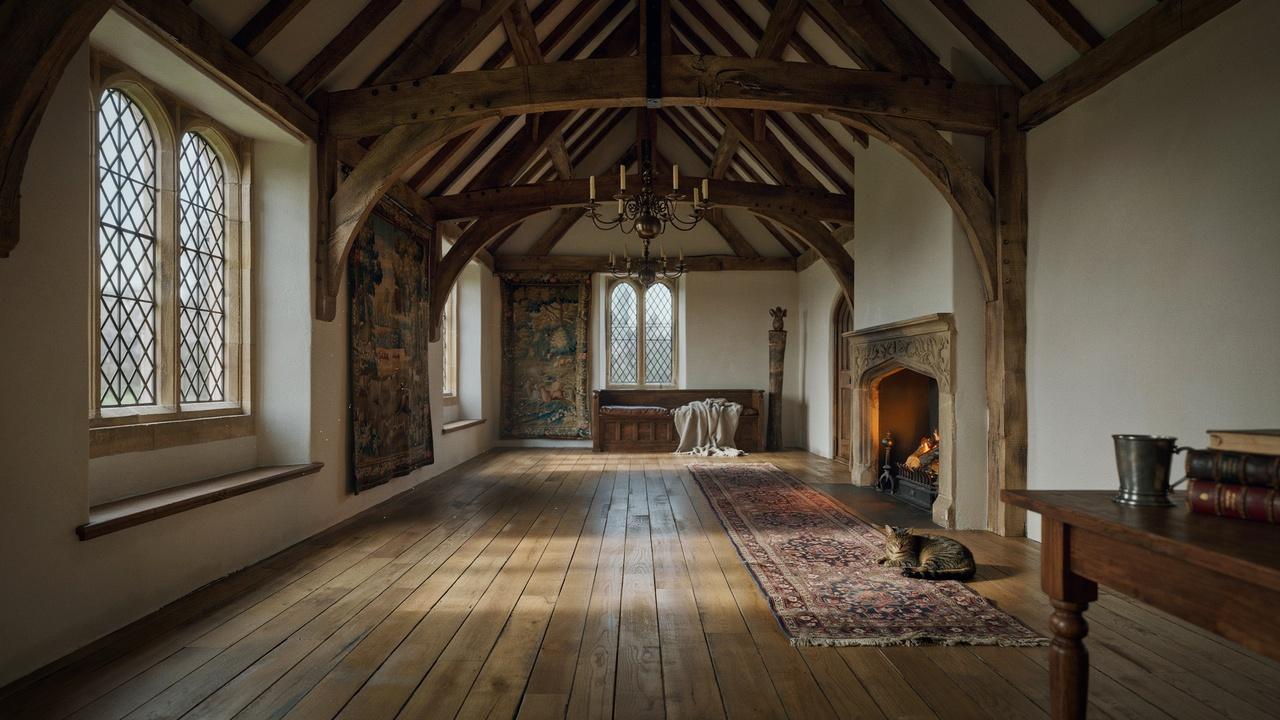
Wooden beams sit across ceilings and walls in most Tudor homes. They show the timber framework that once held the whole structure together.
These beams give rooms a solid, grounded feel.
Stone Fireplaces, Brick Walls, and Historic Materials
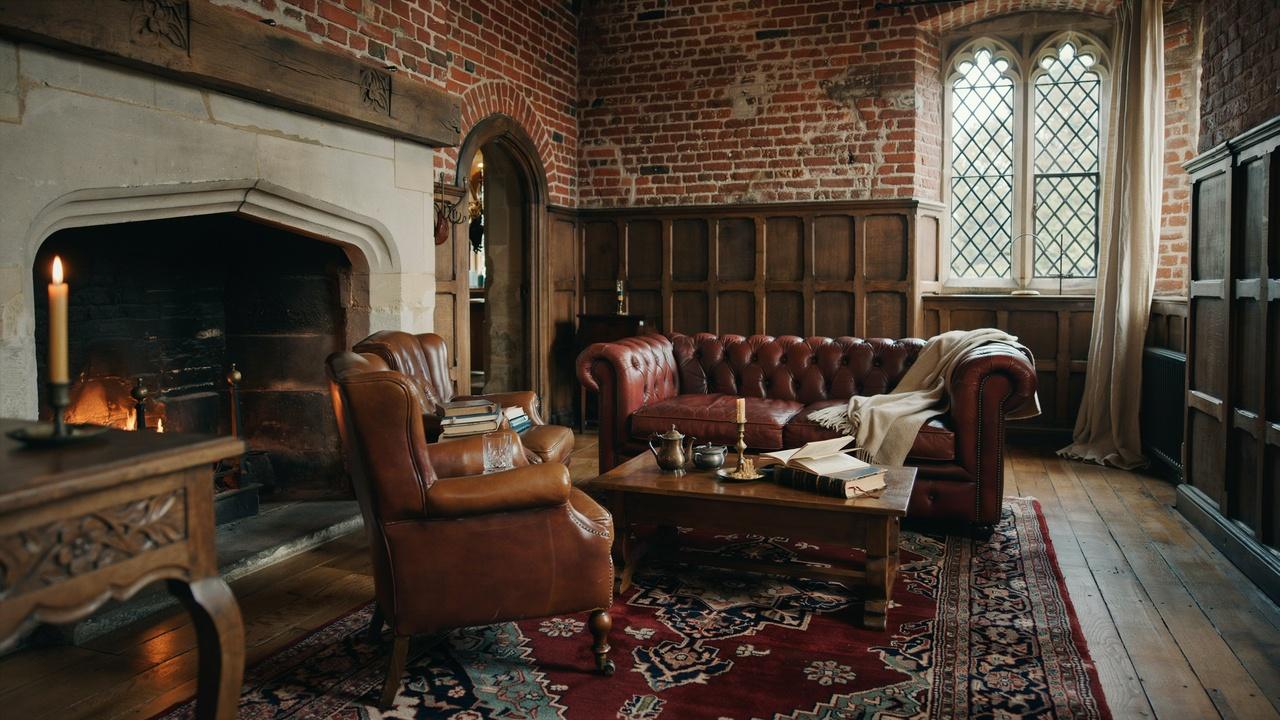
Stone fireplaces act as a focal point in many Tudor living rooms. Brick walls and old plaster add texture and history to the space. These materials connect the home to its original build.
Leaded Glass Windows and Arched Doorways

Small glass panes held together with lead strips are a signature Tudor window style.
Arched doorways add a soft curve to otherwise straight, heavy rooms. Both features carry the home's old world roots.
Dark Wood Finishes and Moody Traditional Color Palettes
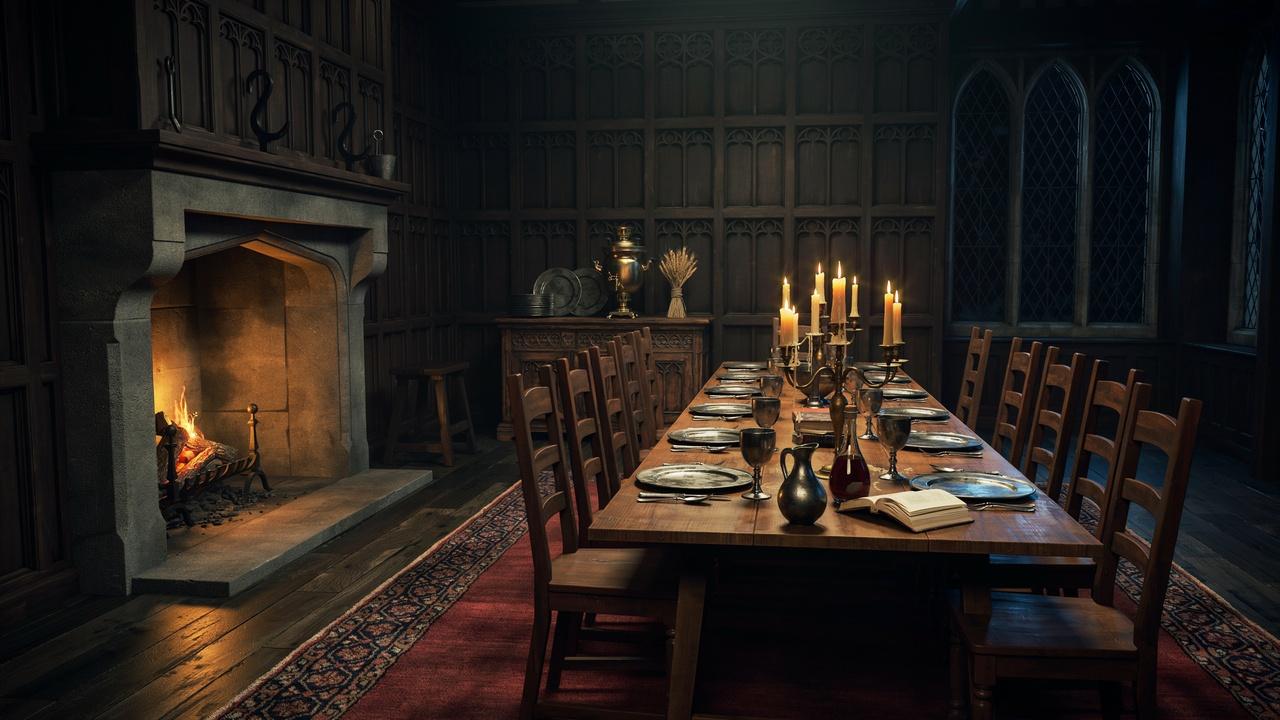
Original Tudor interiors lean on dark wood paneling and deep paint colors. This creates a heavy, formal mood throughout the home. Many rooms feel closed in because of this dark finish.
Typical Tudor Style House Interior Layout and Flow
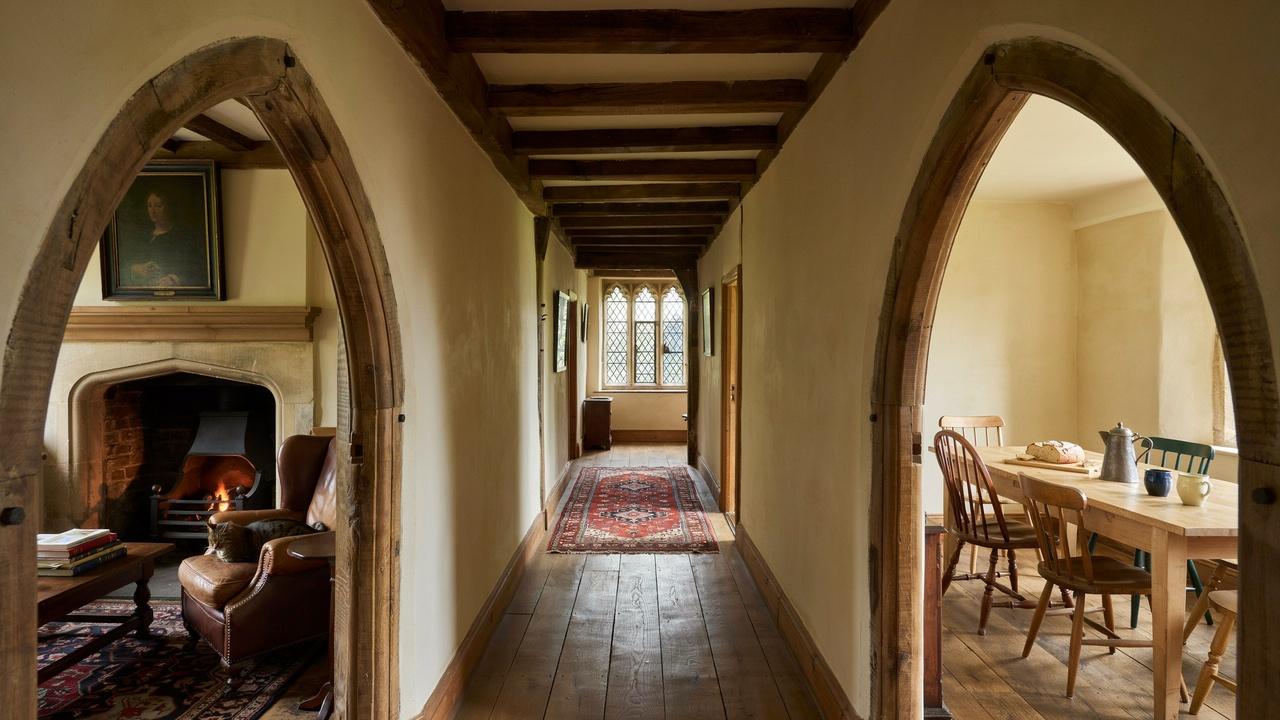
Older Tudor homes often have small, separate rooms instead of open spaces. Hallways connect rooms in a straight, practical path.
This layout worked for the time but can feel tight by today's standards.
Traditional Tudor Style House Interior vs Modern Makeover
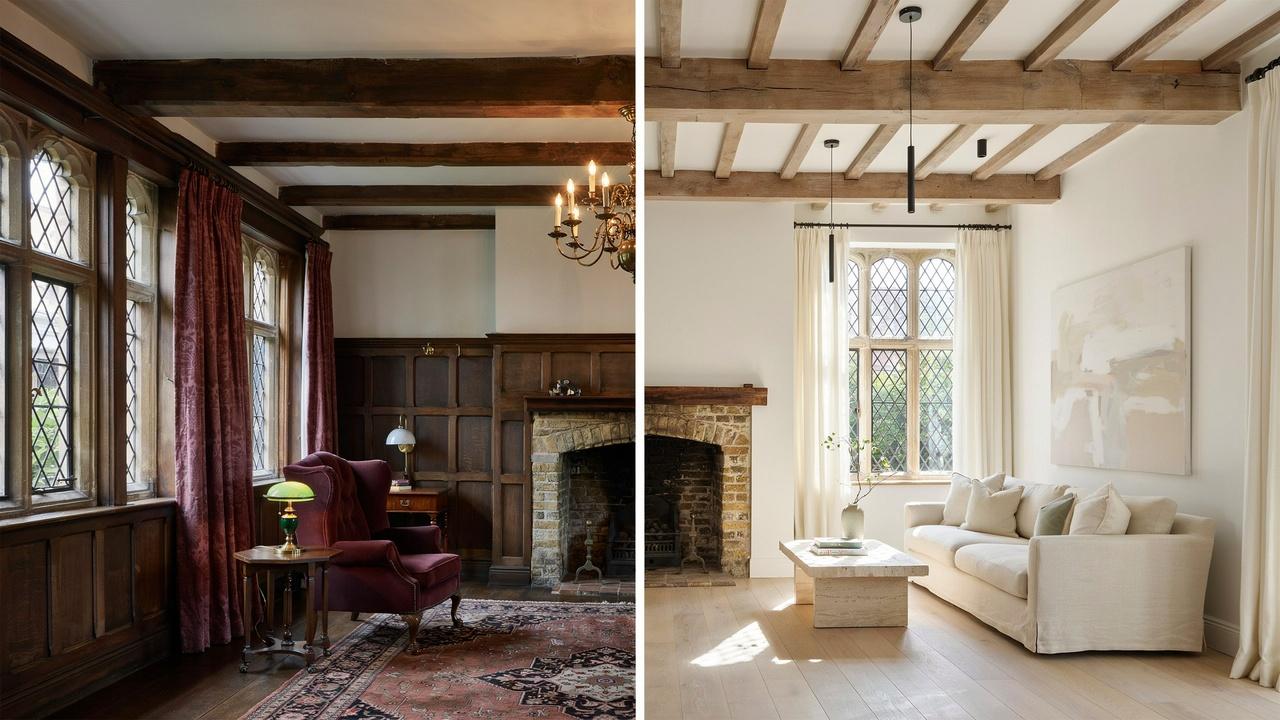
Traditional Tudor interiors feel dark and heavy, while modern versions bring in light and open space. Homeowners now blend both styles for a balanced result.
| Aspect | Traditional Tudor Revival | Modern Tudor Interior |
| Overall Feel | Dark, heavy, and formal | Light, airy, and calm |
| Time Period | Early 1900s, closely copied old English design | Present day updates on the original style |
| Wood & Furniture | Dark wood, heavy furniture, detailed trim | Lighter wall colors, simple furniture |
| Room Character | Formal and closed off | Open and easier to live in day to day |
| What Stays the Same | Beams, arches, and stonework | Beams, arches, and stonework kept in place |
| What Changes | N/A (original style) | Paint, lighting, and furniture updated around original details |
| Design Goal | Match old English tradition closely | Keep the home's history visible while making it work for modern life |
Modern Tudor Style House Interior Design Ideas (With Inspiration)

These ideas show how to update a Tudor home while keeping its original details.
Lightening Interiors with Neutral Finishes and Simple Furniture
Soft white or cream paint brightens a dark Tudor room, making the original beams stand out. Limewash and neutral colors let the architecture speak for itself.
Simple furniture with clean lines balances the detailed woodwork. Fewer, well placed pieces work better in these homes.
Blending Vintage Charm with Modern Touches
Mixing stone and wood with new lighting and furniture creates balance without making the home feel outdated.
Many homeowners share before and after Tudor updates online. Small changes like paint and lighting often make the biggest visual difference.
Tudor Style House Interior Kitchen, Living, Bedroom & Bathroom Ideas
Each room in a Tudor home can keep its original character while meeting modern needs. Here are ideas broken down by room type.
Modern Kitchen with Wood, Marble & Stone
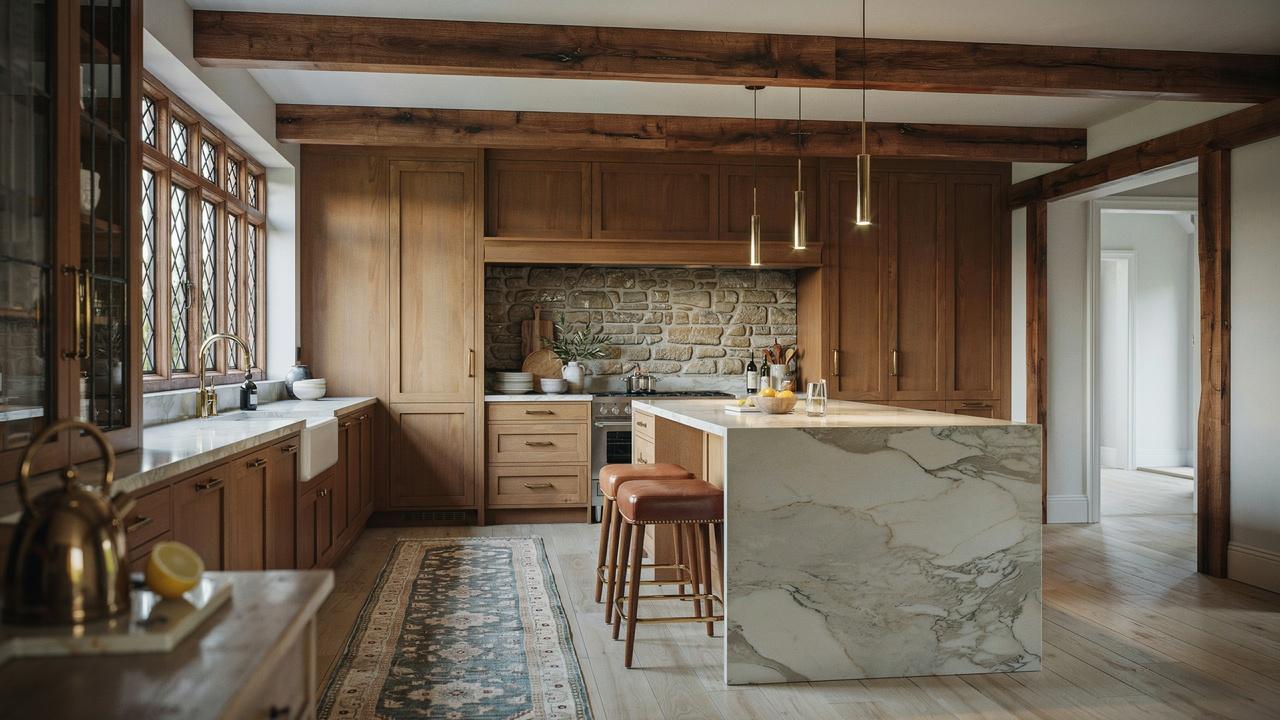
Wood cabinets paired with marble counters keep a Tudor kitchen feeling grounded and current. Stone backsplashes tie the space back to the home's original materials.
This mix works well for daily cooking and gathering.
Living Room with Fireplace and Exposed Beams
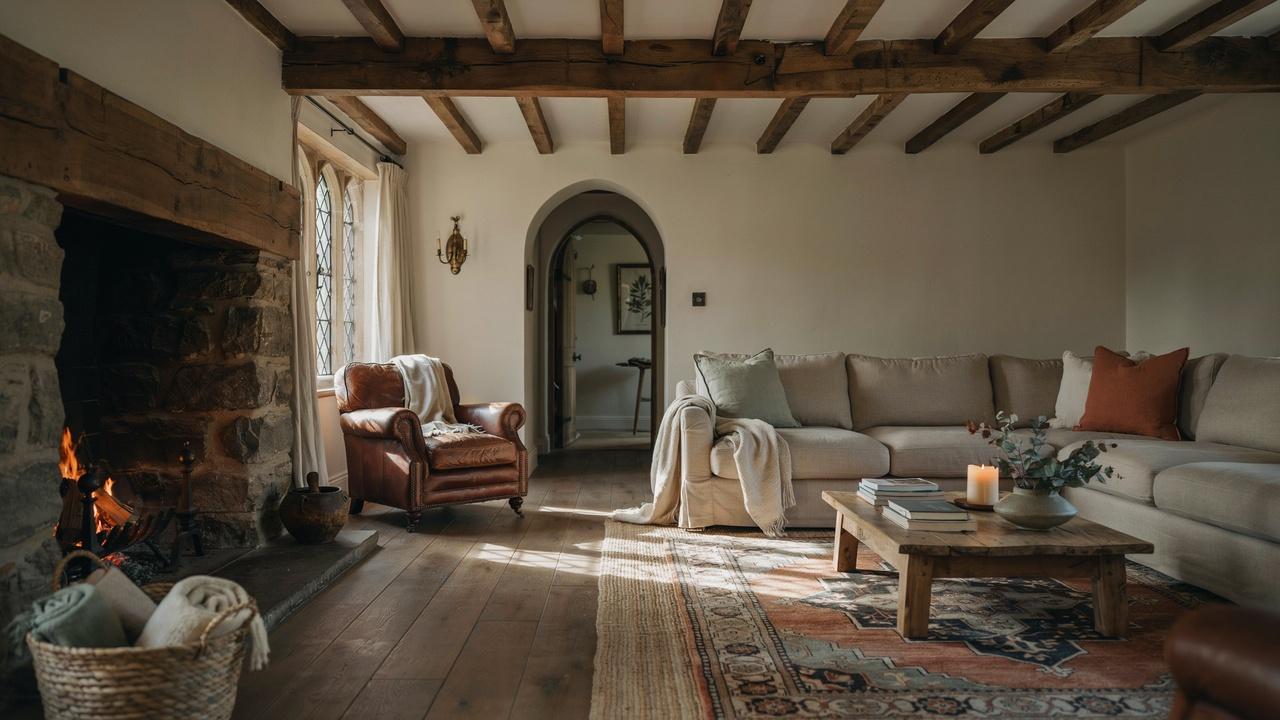
The stone fireplace and exposed beams remain the centerpiece of most Tudor living rooms. Adding soft seating and warm lighting keeps the room comfortable.
This setup works well for both quiet nights and gatherings.
Cozy Bedroom Design with Built-Ins and Soft Textures
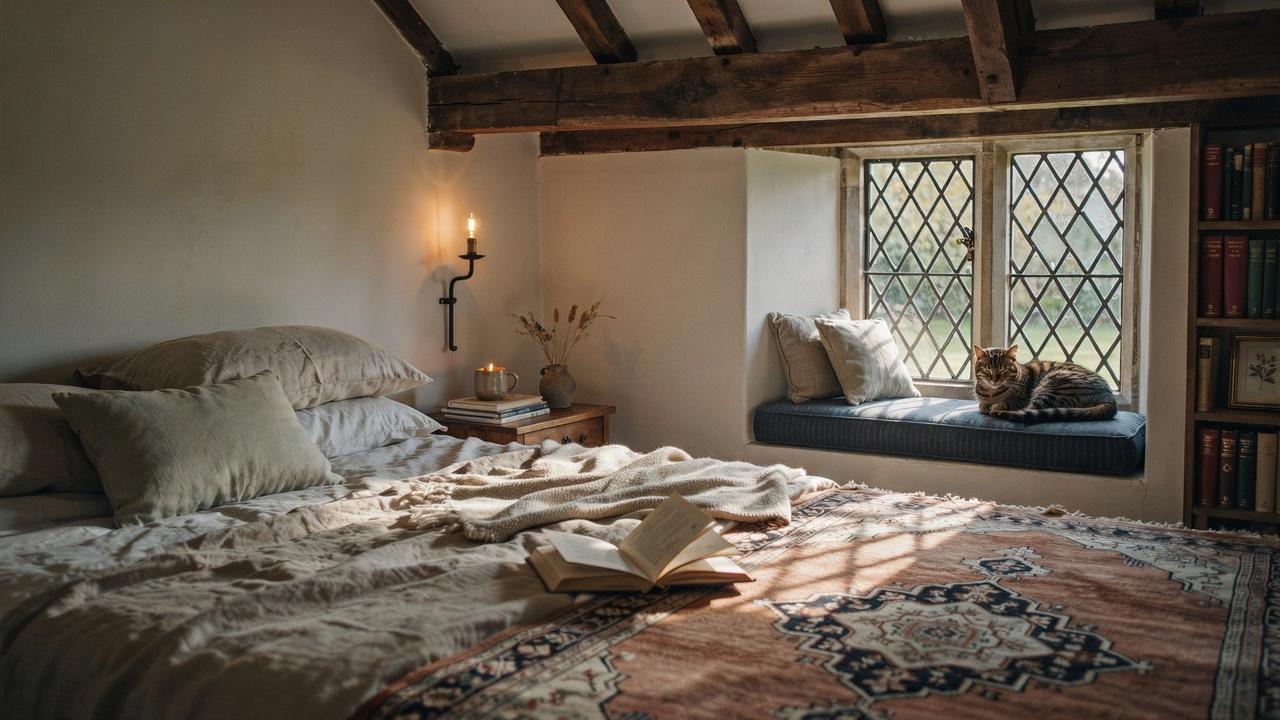
Built-in shelving and window seats make good use of a Tudor bedroom's smaller footprint. Soft bedding and layered textures add comfort against the harder wood surfaces.
This balance makes the room feel calm and restful.
Modern Bathroom Ideas with Marble and Freestanding Tubs
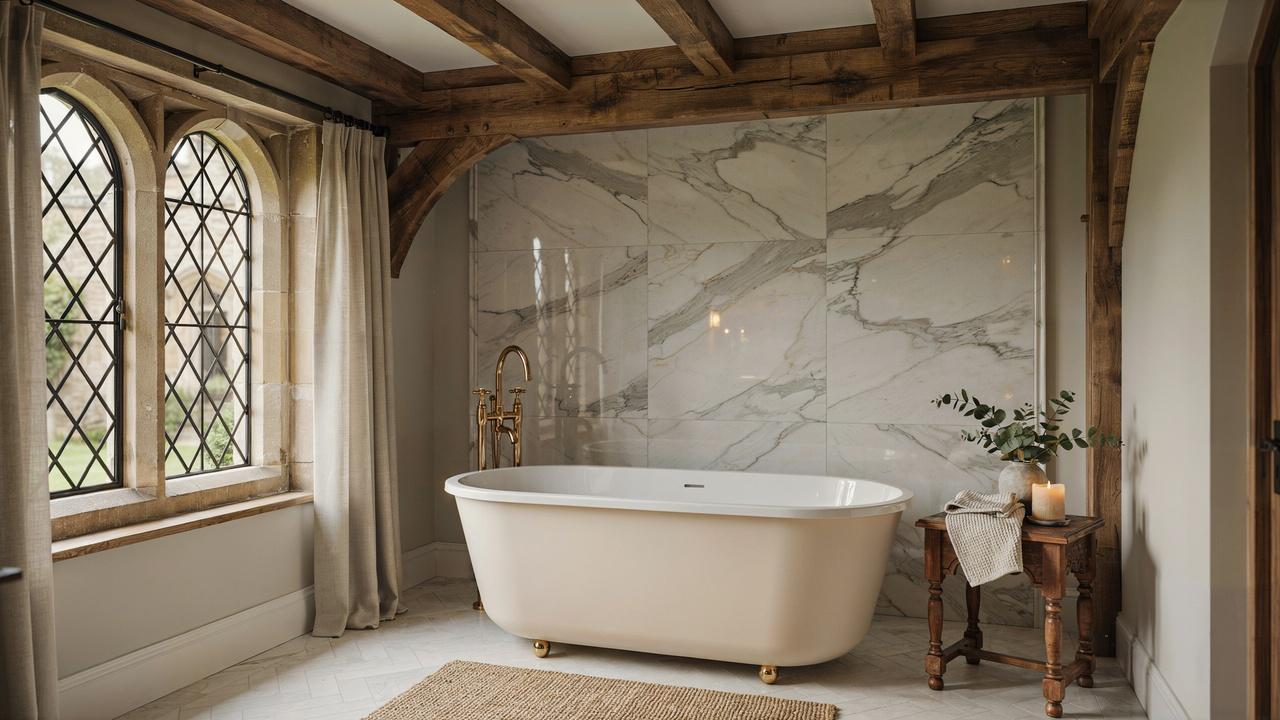
Marble tile and a freestanding tub bring a clean, updated feel to a Tudor bathroom. These features work well next to older window styles or exposed brick.
The mix of old and new keeps the room functional and comfortable.
French Tudor Style House Interior Inspiration
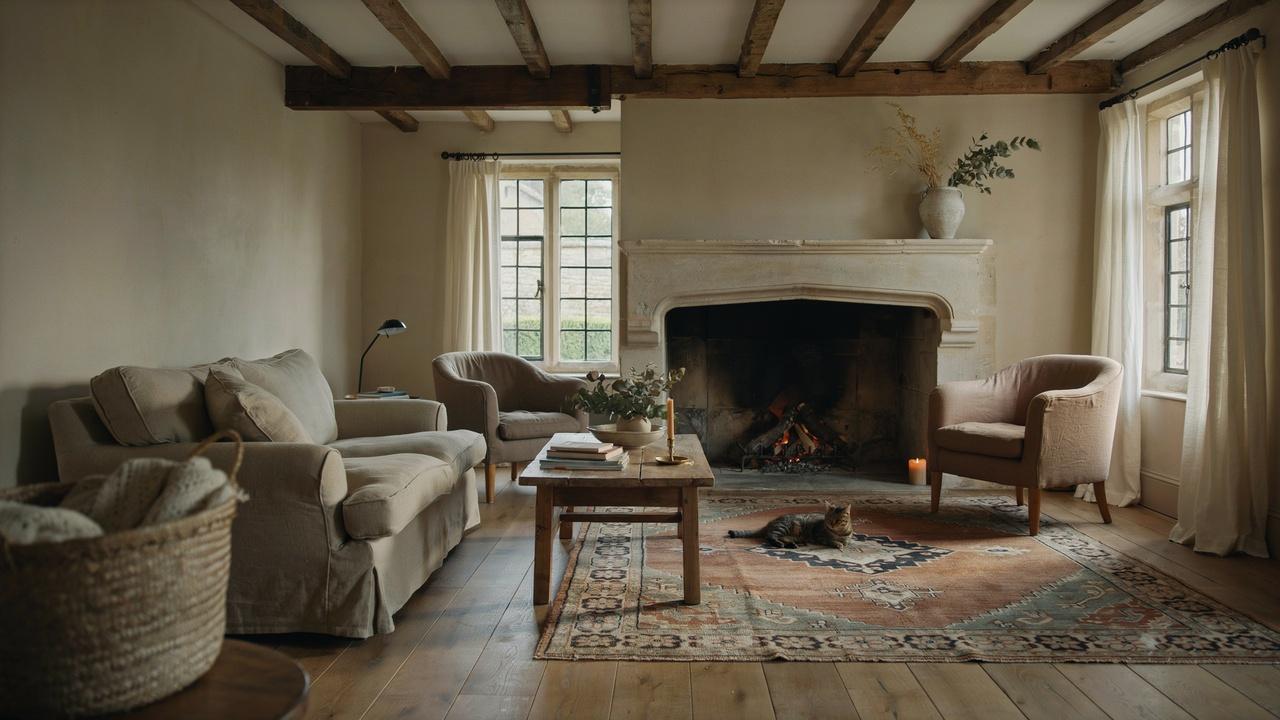
French country touches pair naturally with Tudor architecture, adding warmth to the home's heavier structure.
Blending French Country Charm with Tudor Architecture
French country style uses soft curves and warm materials that work well with Tudor's timber and stone. This pairing softens the formal tone of traditional Tudor design.
Soft neutral colors and layered textures give rooms a relaxed feel. Linen and wool add comfort without feeling too formal or cold.
Rustic Finishes for Romantic French Tudor Spaces
Rustic wood furniture pairs well with the stone details found in Tudor homes. Small touches, like brass fixtures or marble tops, add polish without overdoing it.
Soft lighting and simple decor give these spaces a gentle, romantic feel, calm and welcoming for everyday living.
Tudor Style House Interior Layout & Space Planning
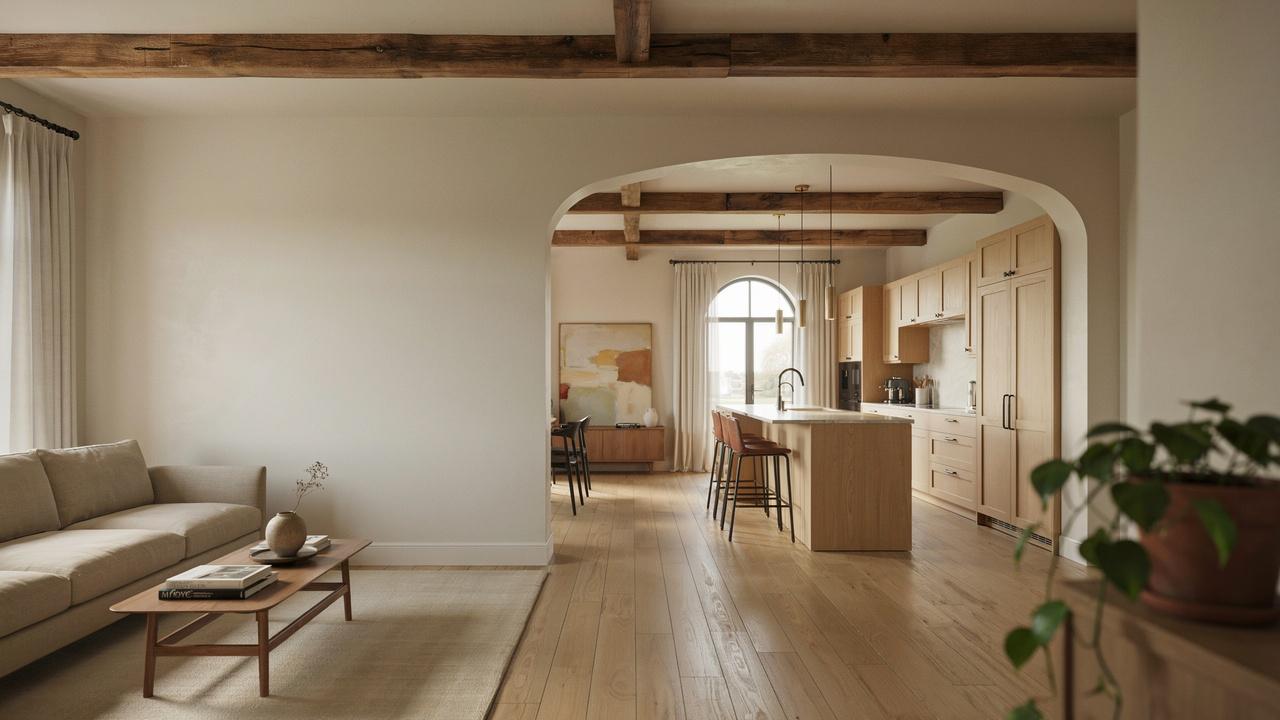
Older Tudor homes often need layout updates to fit modern living, without losing the home's original structure.
Opening Up Floor Plans While Preserving Structure
Removing a few non load bearing walls can connect small rooms into one open space. This makes the home feel bigger without changing its outer shape.
Arched doorways and other structural details should stay in place during renovation. These features are part of what makes a Tudor home recognizable.
Improving Flow and Function Without Major Demolition
Small changes, like widening a doorway or removing a half wall, can improve flow without full demolition. This also keeps renovation costs lower.
Updating a kitchen or adding a mudroom helps a Tudor home work better for daily life, while still matching its original style.
Tudor Style House Interior Color Palette Ideas
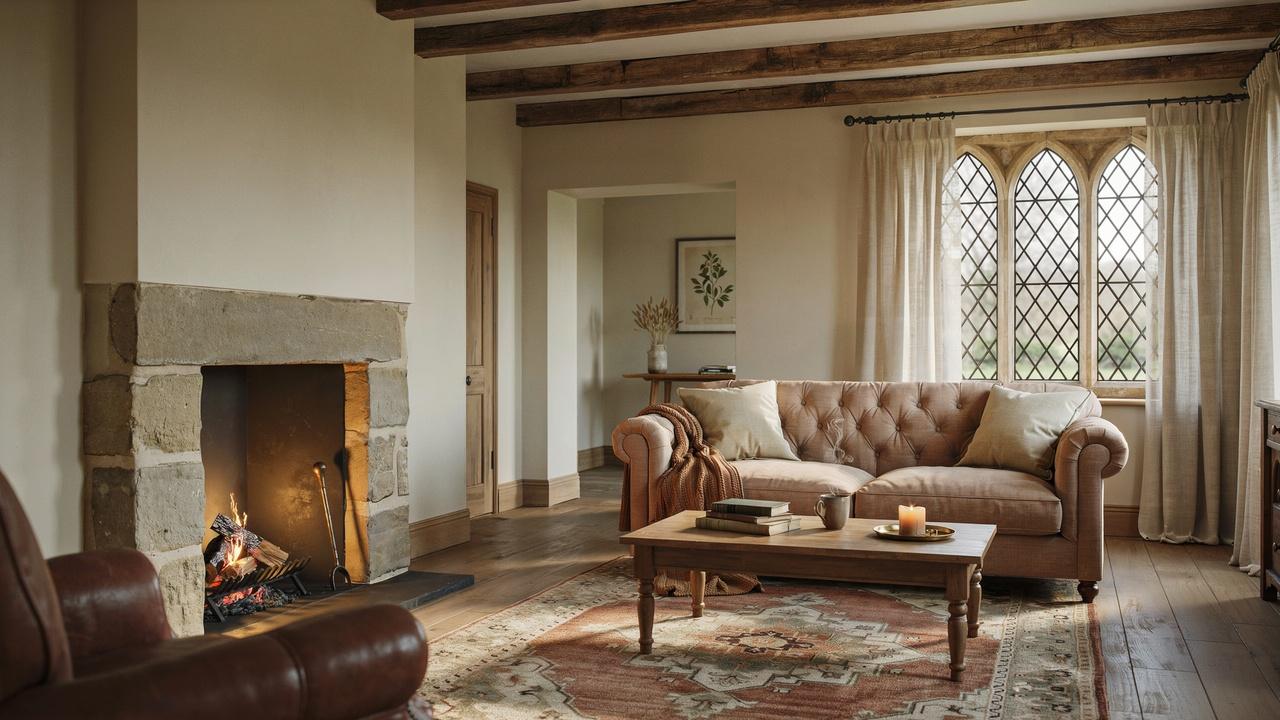
Color plays a big role in how a Tudor interior feels. The right palette can lighten a space or keep its traditional mood.
Earthy Neutrals and Traditional Tones
Beige, cream, and soft tan work well against Tudor's dark wood details. These shades brighten a room without clashing with the original materials.
Deep green and charcoal bring back some of the traditional Tudor mood. Warm brown tones tie in naturally with wood beams and floors as accent walls.
Accent Colors and Avoiding Overly Dark Schemes
Small pops of color, like navy or rust, add interest without overwhelming a room. These work best in pillows, rugs, or small furniture pieces.
Too much dark color can make a home feel closed in. Balancing dark tones with lighter walls keeps the space feeling current.
Tudor Style House Interior Lighting & Materials
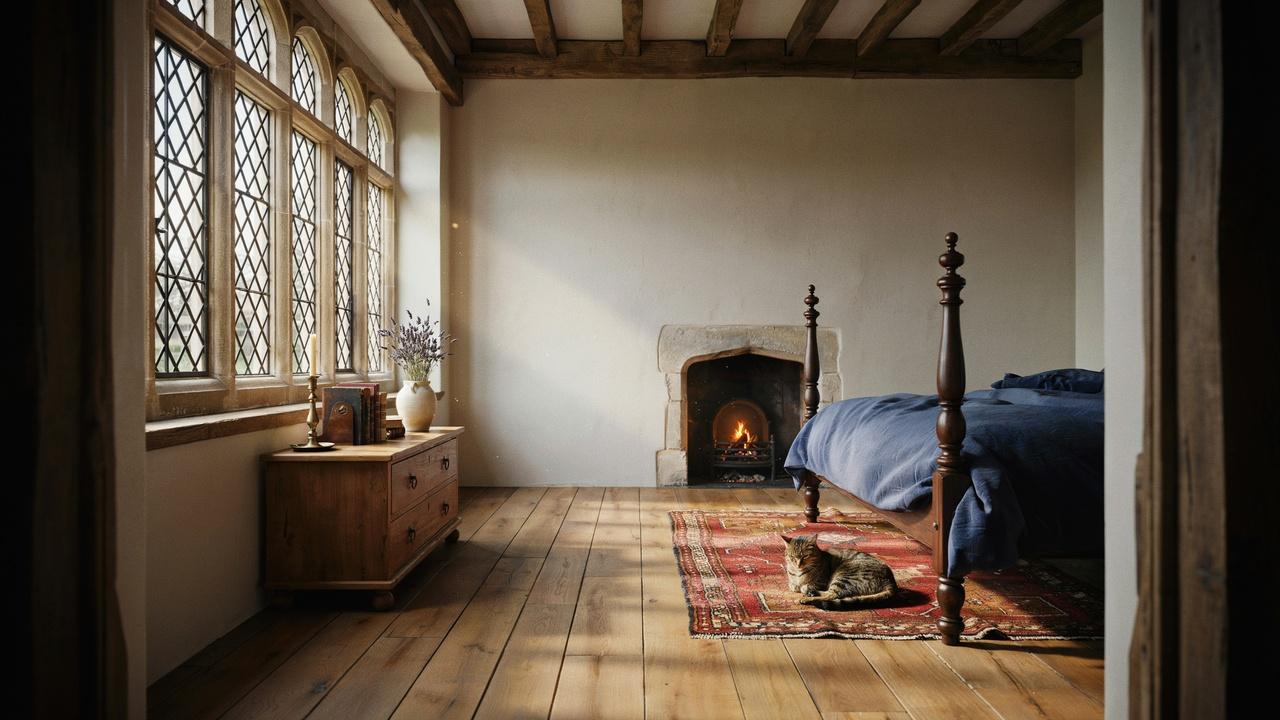
Lighting and material choices affect how open or closed a Tudor interior feels. Small updates here can change a room significantly.
Maximizing Natural Light in Tudor Homes
Keeping window treatments simple lets in more natural light throughout the day. Trimming trees or bushes near windows can also help. More natural light softens the heavier feel of Tudor architecture.
Modern Lighting Fixtures for Tudor Interiors
Simple, updated light fixtures work well against Tudor's older architectural details. Pendant lights or sconces can add light without looking out of place. These fixtures should match the overall tone of the room.
Natural Materials: Wood, Linen, Marble, and Stone
Wood, linen, marble, and stone all fit naturally into a Tudor home's existing structure. These materials feel honest and connect back to the home's original build. Mixing a few of these keeps rooms feeling grounded.
Mixing Old Architectural Elements with New Finishes
Pairing original beams or stonework with newer finishes, like matte black hardware, creates contrast. This mix keeps the home from feeling stuck in one era. It also gives rooms more visual interest.
Tips for Designing a Perfect Tudor Style House Interior
These final tips can help guide any Tudor interior project, big or small.
- Balance old charm with modern simplicity. Keep beams and stone, but pair them with simple furniture.
- Don't over-darken interiors. Use light walls or ceilings to balance darker wood and stone.
- Preserve key Tudor elements. Keep beams and arches as the base for your design.
- Mix textures over decor. Wood, stone, and linen add interest without clutter.
- Focus on flow, not just looks. A good layout matters as much as appearance.
Conclusion
A Tudor style house interior holds so much history in its walls, and that's what makes it worth getting right.
I've seen how a few small changes, more light, softer colors, keeping the beams exposed, can make an old home feel warm again without losing its story.
If you're working on your own space, start small and trust the process. Try one idea from this guide this week.
Then tell me how it turned out in the comments, or share this post with someone planning their own Tudor update.
Frequently Asked Questions
What makes a house a Tudor style home?
A Tudor style home features exposed wooden beams, brick or stone details, and steep roof lines. These elements come from old English design and still define the style today.
Can I make a Tudor interior feel less dark?
Yes, lighter wall colors and simple furniture can brighten a Tudor interior. Keeping the original beams and stonework in place still preserves its character.
Is it expensive to update a Tudor style house interior?
Costs depend on how much you change. Small updates like paint and lighting cost far less than full structural work.
Do I have to remove walls to open up a Tudor floor plan?
Not always. Widening doorways or removing a half wall can improve flow without full demolition.
What colors work best in a Tudor style house interior?
Earthy neutrals, deep greens, and warm browns work well. These tones balance the home's dark wood and stone details.