
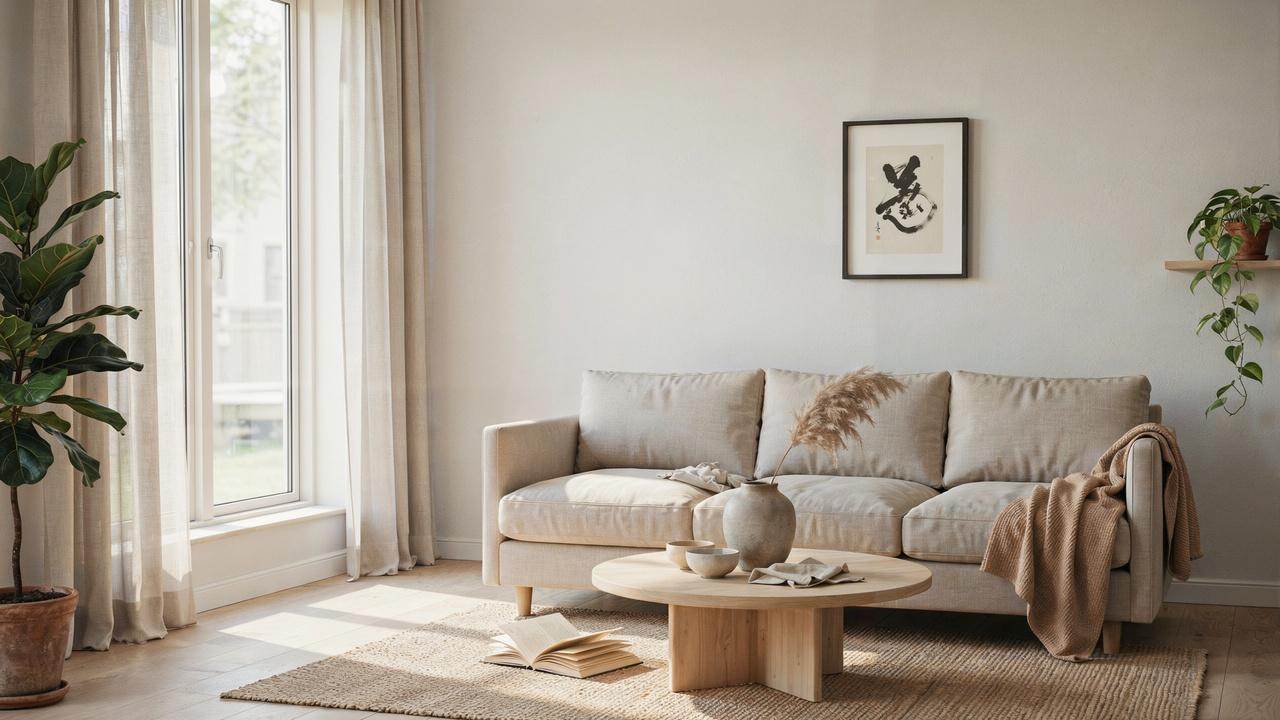
If you have ever wanted a home that feels calm, warm, and clutter-free, Japandi interior design might be exactly what you need.
This style blends Japanese simplicity with Scandinavian comfort into one relaxed look.
In this guide, I will walk you through what Japandi means, its core ideas, and how to bring it into your living room, bedroom, kitchen, and more.
I have redesigned my own space using these ideas, and the results were calming and easy to live with.
By the end, you will know how to avoid common mistakes and create a home that feels both simple and inviting.
Understanding Japandi Interior Design
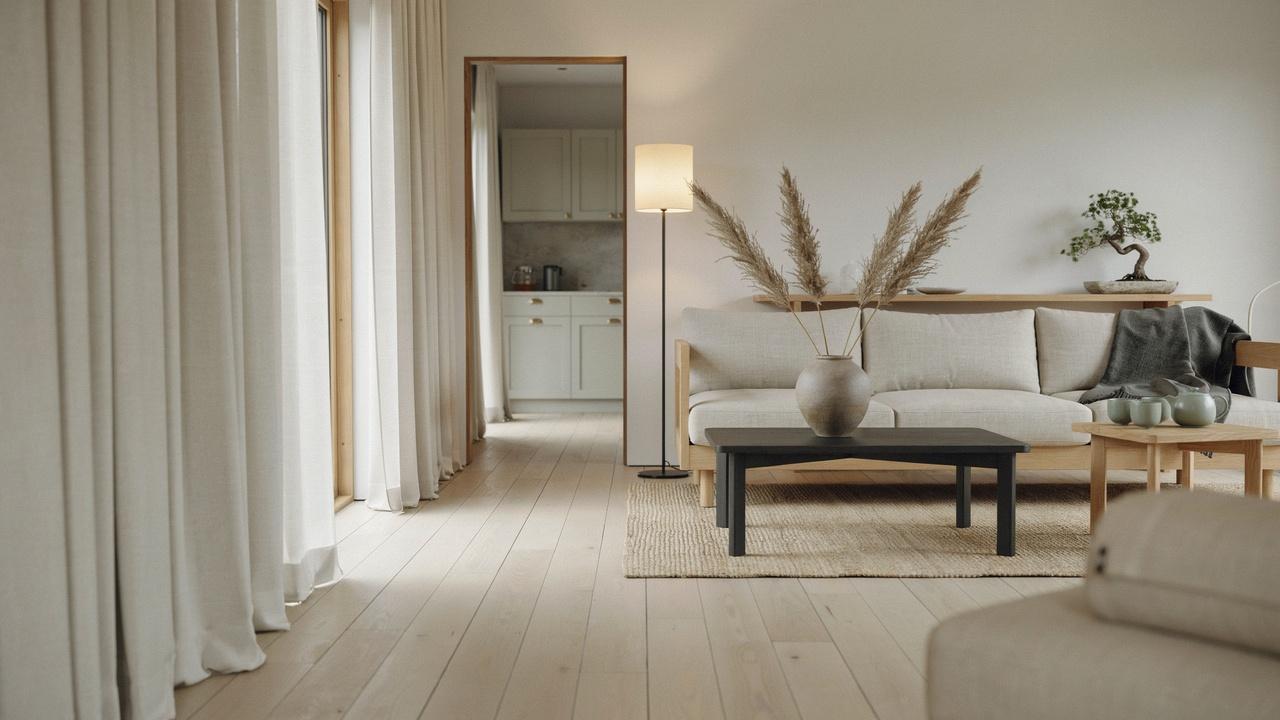
Japandi interior design blends two cultures into one calm, welcoming style.
It takes the quiet, natural feel of Japanese homes and pairs it with the cozy, practical touch of Scandinavian design, giving you a space that feels uncluttered and comfortable at once. This mix did not happen by accident.
Japanese design has long valued nature, simplicity, and honest craftsmanship, while Scandinavian design grew from a real need for warmth during long, cold winters.
Both traditions share a love for function and calm spaces, which is why they fit together so naturally.
Unlike plain minimalism, which can feel cold or empty, Japandi adds warmth through natural wood, soft textures, and handmade pieces, so every room feels lived in, not bare.
The Core Principles That Define Japandi Style
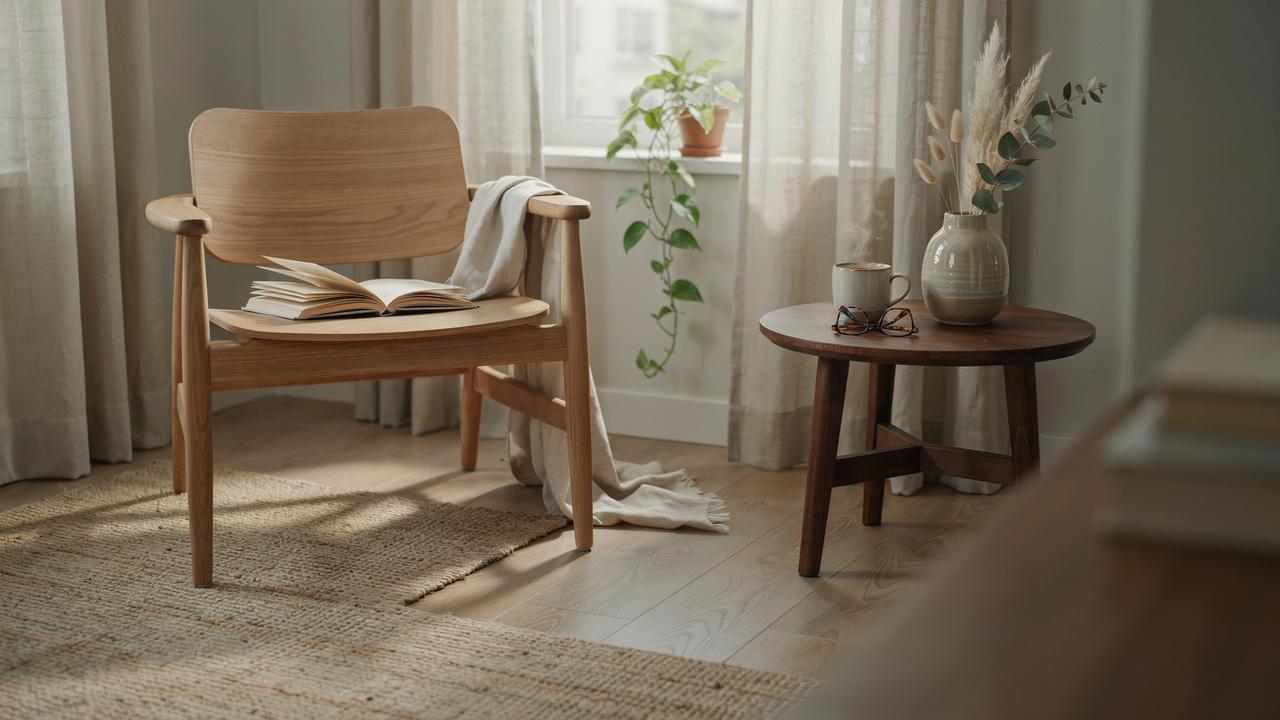
The main ideas behind Japandi, from Japanese wabi-sabi to Nordic hygge and everyday comfort.
Wabi-Sabi and Hygge Explained
Wabi-sabi is the Japanese idea of finding beauty in imperfect, natural things, like a cracked bowl or an uneven wooden table.
Hygge is the Scandinavian idea of cozy, comfortable living, built around soft light, warm textures, and simple pleasures.
Together, these two ideas shape a home that feels both real and warm, instead of polished or fake.
Simplicity With Warmth and Comfort
Japandi spaces are simple, but they are never cold or empty like plain minimalism can sometimes feel.
Soft textiles, warm lighting, and natural wood work together to keep every room feeling inviting. This balance is what makes a Japandi home feel calm without feeling bare or unfinished.
Functional Living Over Excess
Every item in a Japandi home should serve a clear purpose instead of sitting there just for looks.
This style avoids extra decor, excess furniture, and anything that adds clutter without adding value.
Instead, it focuses on pieces you actually use every day, so the space stays practical and easy to live in.
Balance, Harmony, and Intentional Spaces
Japandi rooms feel balanced because nothing in the space competes for attention or feels out of place.
Colors, textures, and furniture are chosen to work together instead of standing out on their own. This intentional approach creates a calm, steady feeling that runs through the entire home.
Key Elements of Japandi Interior Design
The key building blocks, colors, materials, and furniture, that give Japandi its calm, grounded look.
Neutral and Earthy Color Palettes
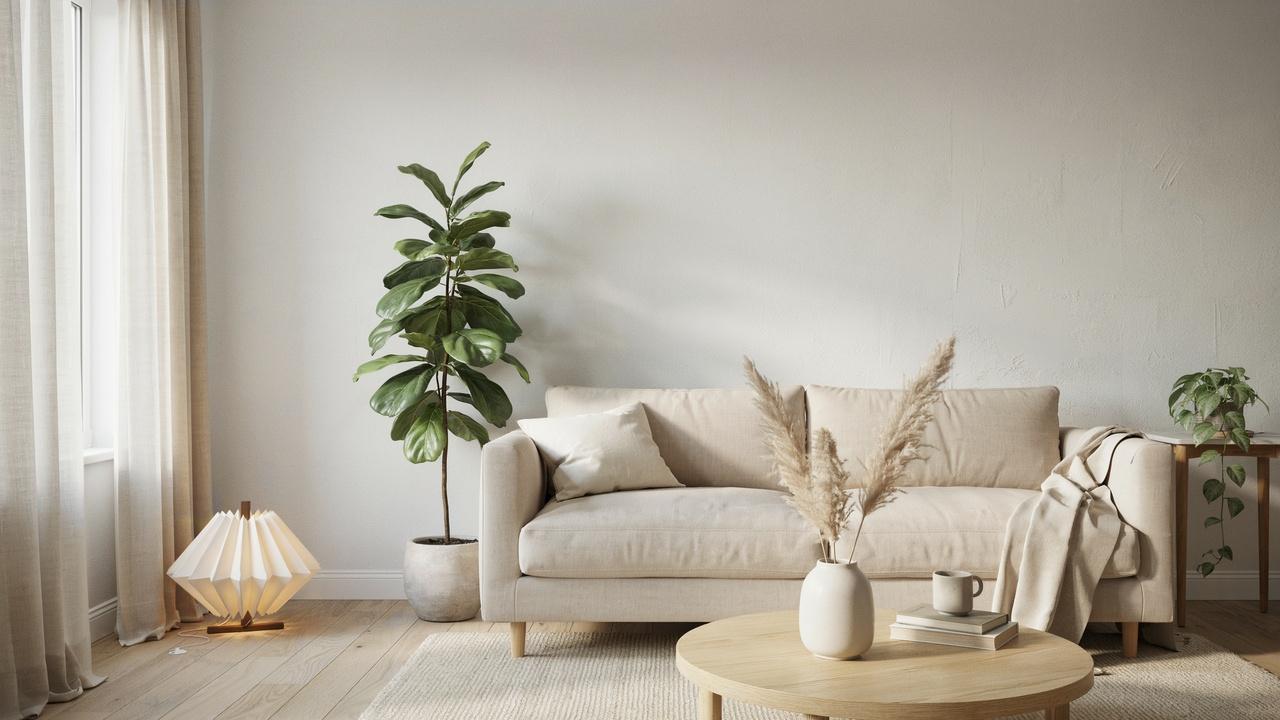
Think soft whites, warm beige, sand, and muted greens for a Japandi space. These shades create a peaceful base for the room.
They also make it easy to mix textures without feeling busy.
Natural Materials and Organic Textures
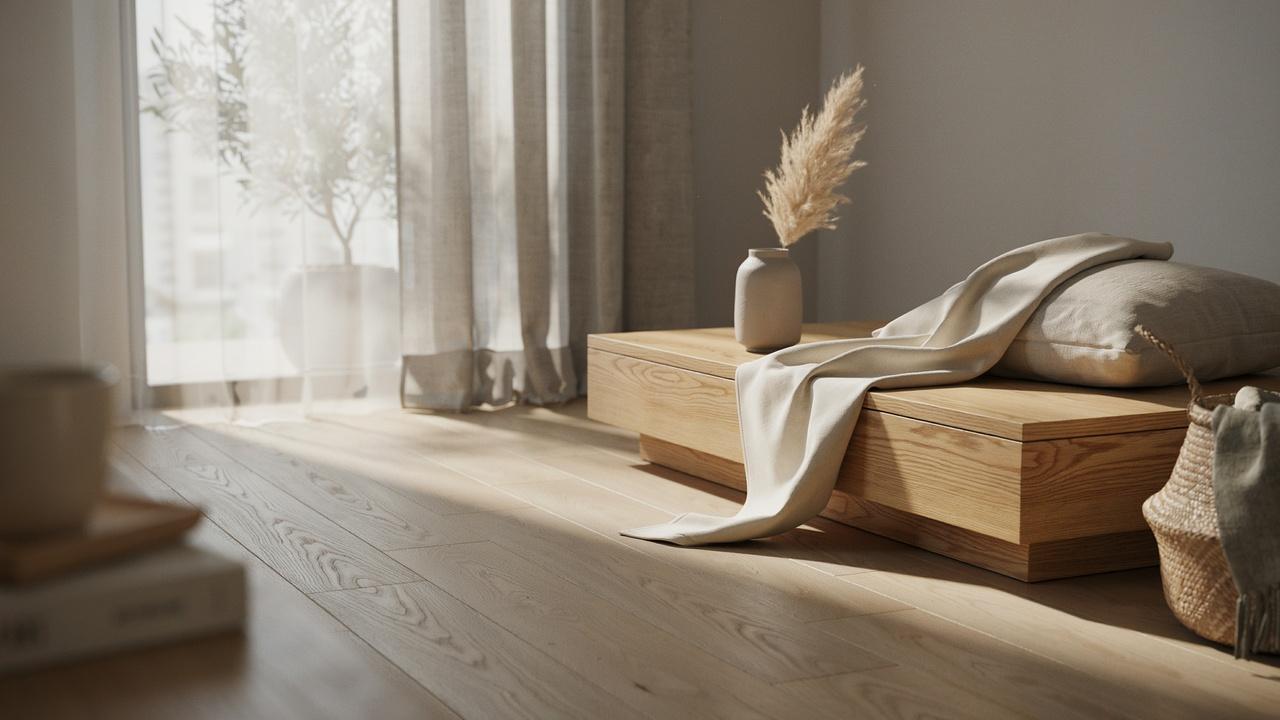
Wood, stone, linen, and cotton bring texture and warmth into a Japandi home. These materials age well instead of looking worn out over time.
They feel honest rather than artificial, which fits the style well.
Low-Profile Furniture and Clean Lines
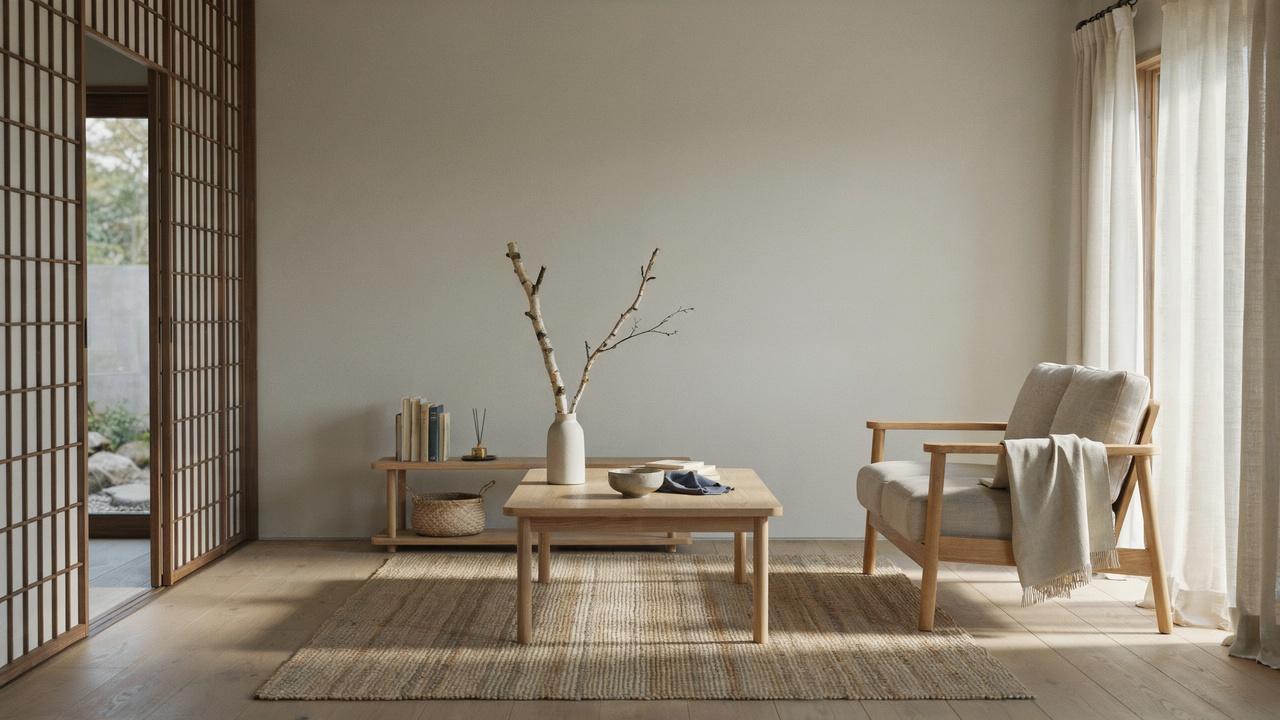
Japandi furniture sits low to the ground with simple, straight lines. This keeps rooms feeling open and grounded rather than heavy.
Low pieces also make ceilings feel higher and rooms feel calmer.
Natural Lighting and Open Spaces
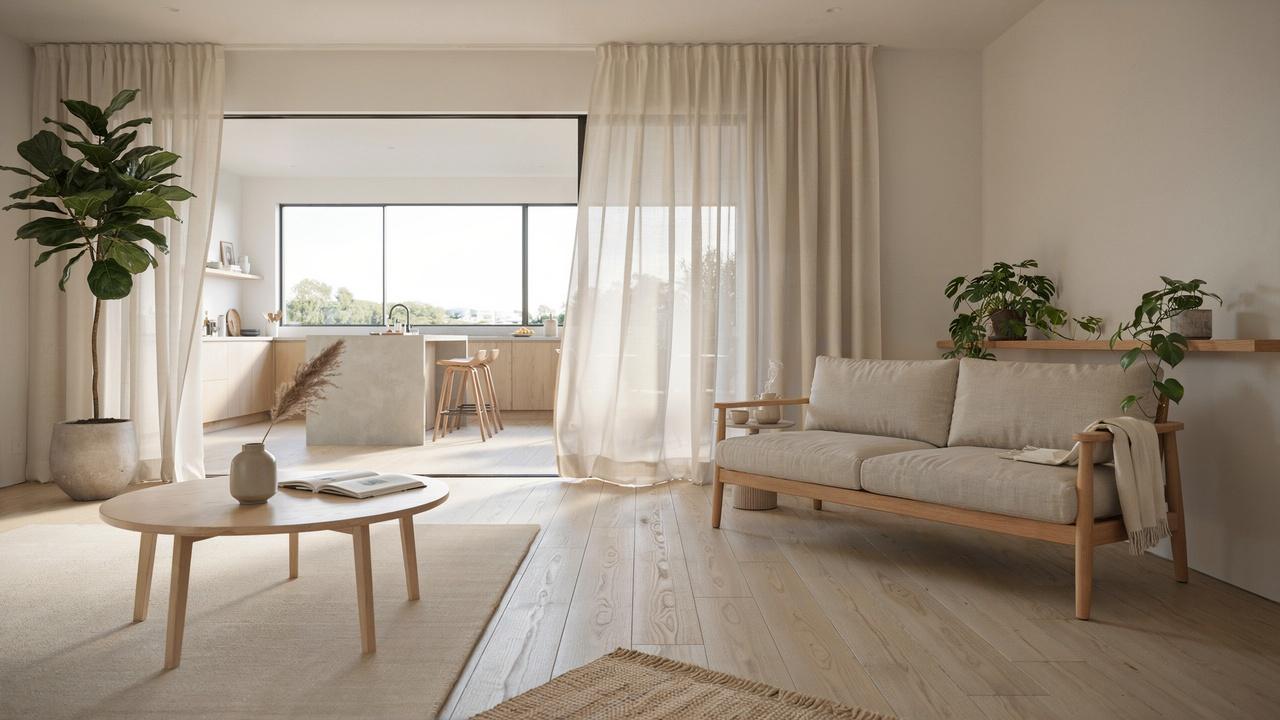
Large windows and light fabrics let sunlight fill the room during the day. Open layouts help the space feel bigger and calmer overall. Sheer or no curtains work best to keep that airy feel.
Handmade Decor and Timeless Craftsmanship
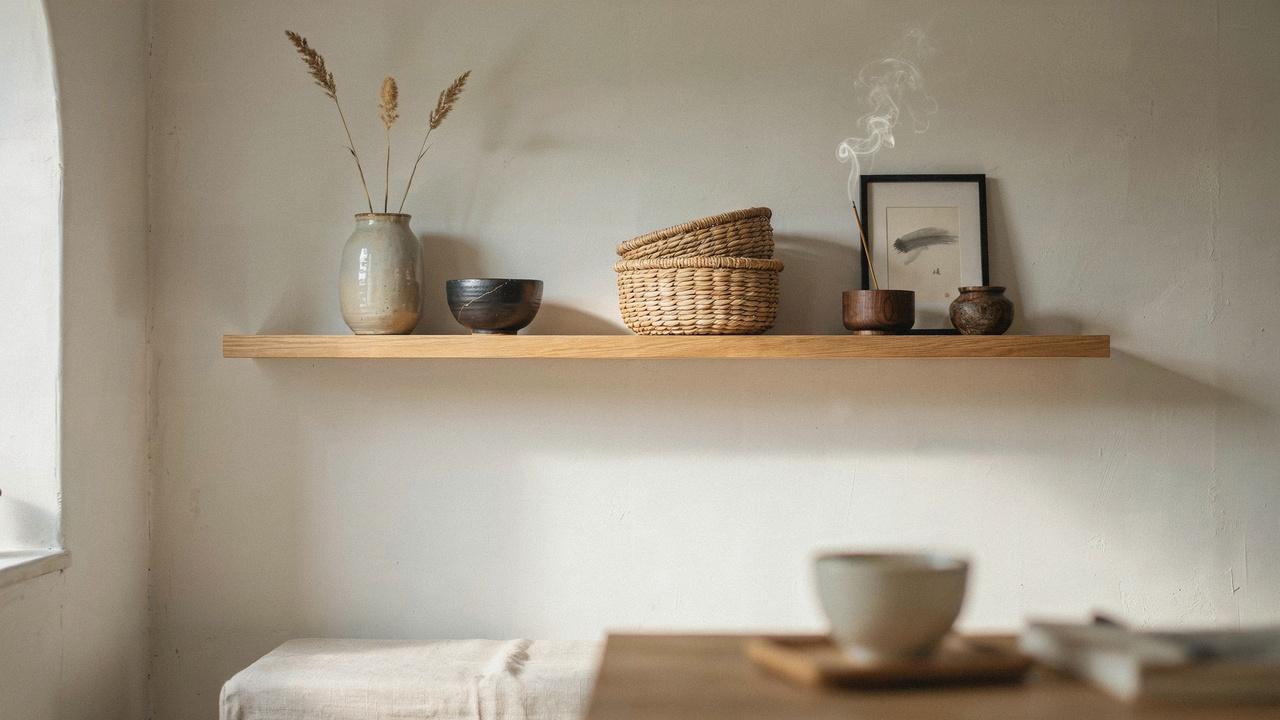
Handmade pottery, woven baskets, and simple art add character to a room. These pieces often last longer and carry more meaning than mass-produced decor.
Small imperfections in handmade items actually fit the Japandi mood well.
How to Apply Japandi Interior Design in Your Home

Practical, room by room ideas to bring this calm style into every corner of your house.
Designing a Calm Living Room
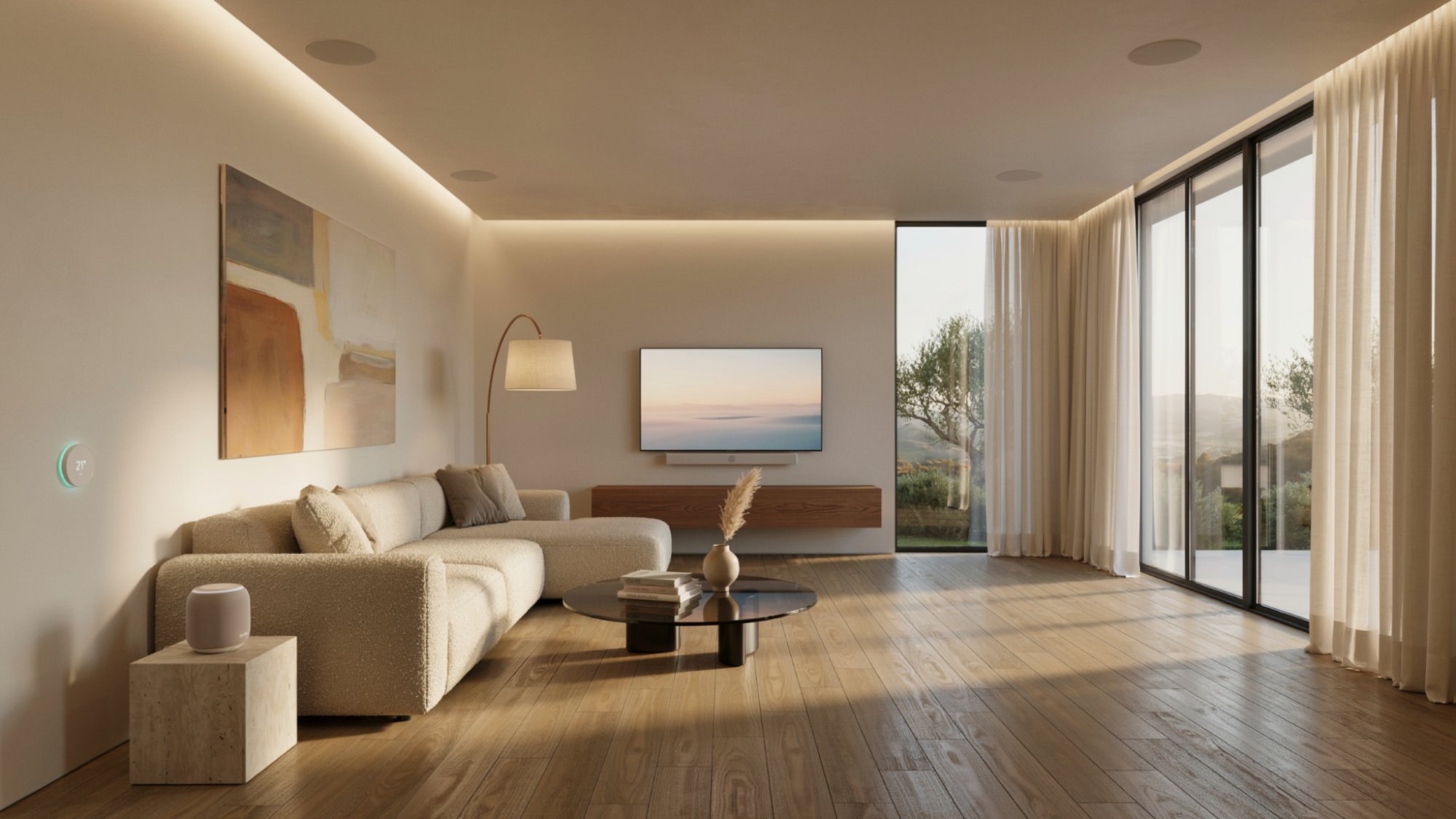
Choose a low sofa, a wooden coffee table, and soft neutral cushions for the space. Keep decor minimal and let natural light lead the room.
A few plants or a simple rug can round out the look without adding clutter.
Creating a Relaxing Japandi Bedroom
Use a low platform bed, linen bedding, and warm wood tones throughout the room. Skip heavy curtains and choose soft, breathable fabrics instead.
Keep nightstands clear and stick to one or two calming decor pieces.
Building a Functional Japandi Kitchen
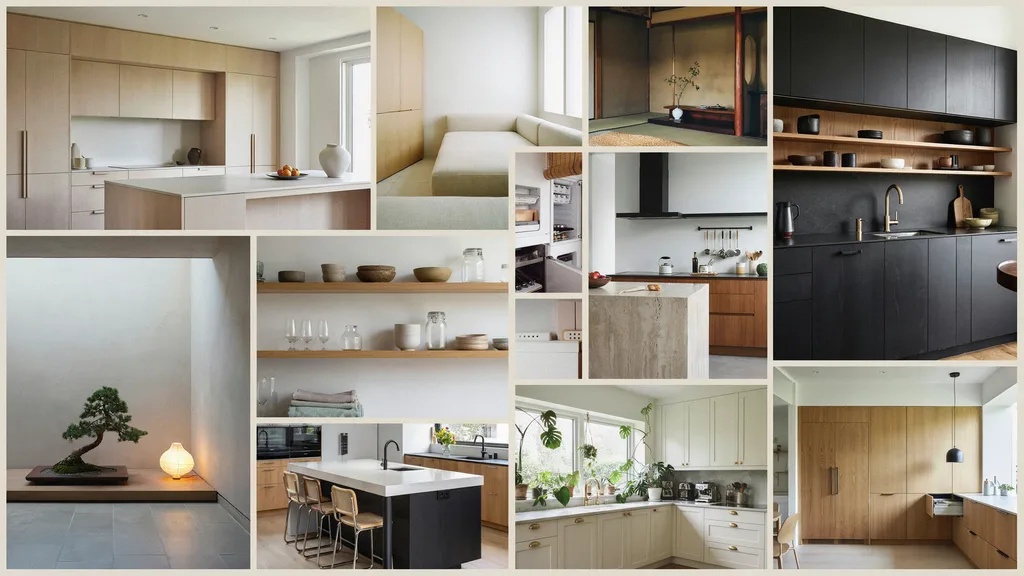
Open wood shelves, matte finishes, and hidden storage keep kitchens feeling tidy. Choose tools and dishes you use often, and store the rest out of sight.
This keeps counters clear and the space easy to move around in.
Styling Entryways and Bathrooms
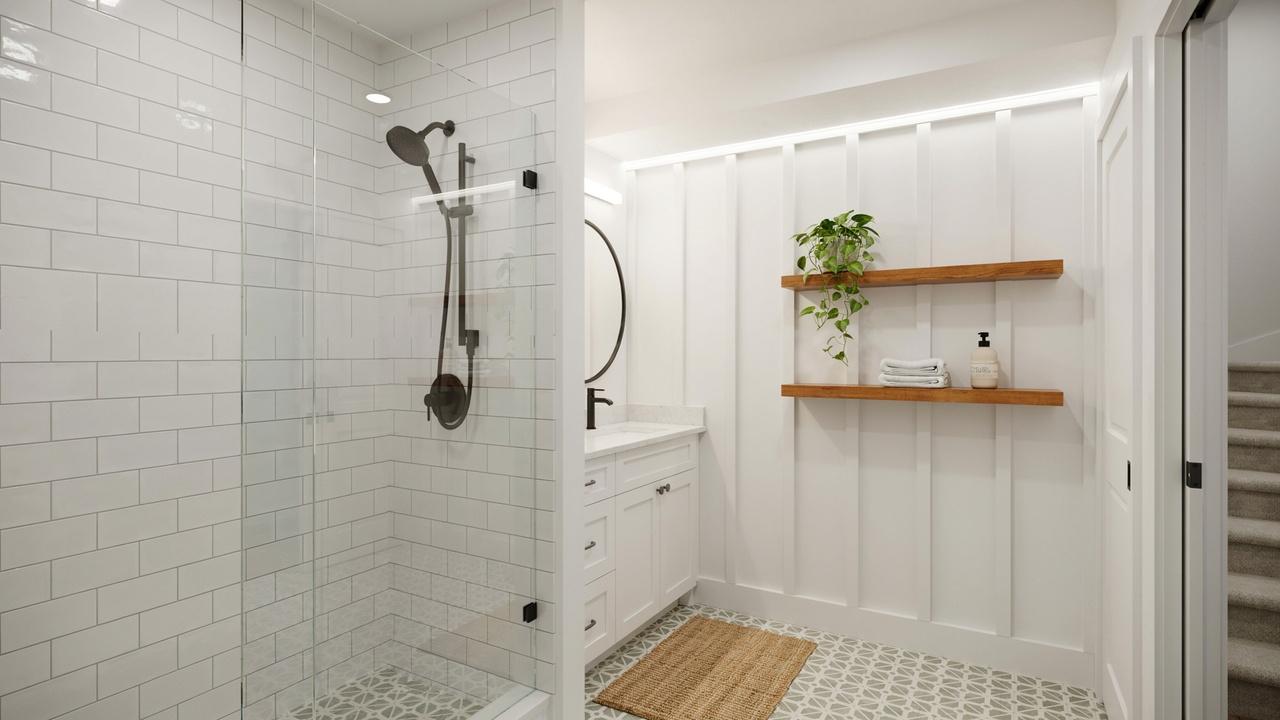
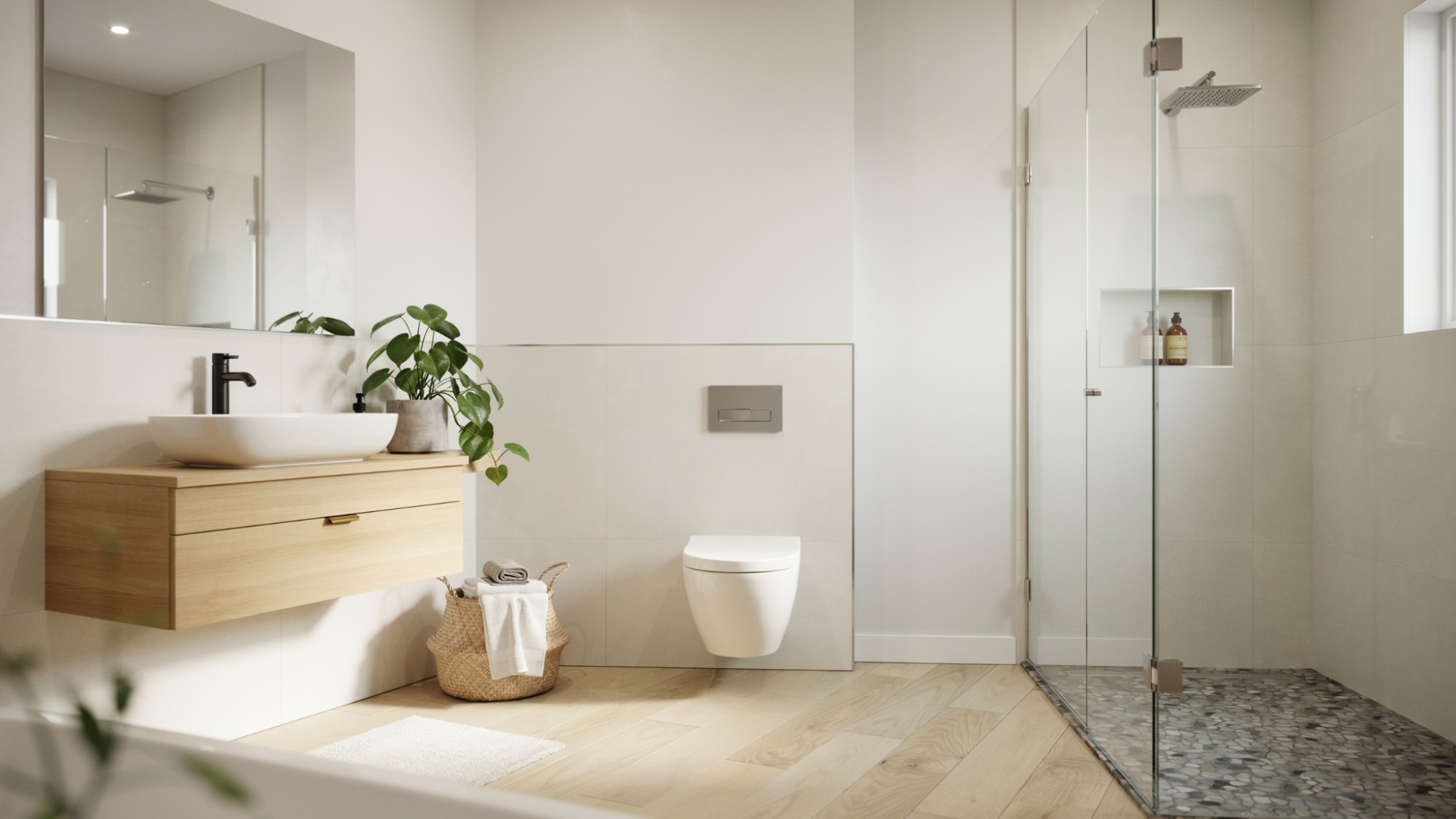
A simple wooden bench, a woven mat, and one or two plants can turn any entryway calm and welcoming. In bathrooms, stick to stone, wood, and soft towels for that same grounded feel.
Keeping surfaces clear makes a big difference in both spaces.
Making Small Spaces Feel Bigger with Japandi
Light colors, low furniture, and open shelving help small rooms breathe. Mirrors and natural light add even more depth to a tight layout.
Keeping only what you need also makes a small space feel far less crowded.
Common Mistakes to Avoid When Decorating in Japandi Style
The easy traps that break the calm, balanced feel this style depends on.
Overdecorating Minimal Spaces
Adding too many objects breaks the calm feeling a Japandi room depends on. Choose a few meaningful pieces instead of filling every shelf or corner.
Ignoring Storage and Organization
Clutter ruins a Japandi look fast, no matter how nice the furniture is. Good storage keeps daily items out of sight and rooms feeling clean.
Using Too Many Bold Colors and Patterns
Bright colors and busy patterns clash with the soft, neutral base Japandi relies on. Keep patterns simple and rare so the room stays calm.
Choosing Synthetic Instead of Natural Materials
Plastic and shiny synthetic finishes break the natural, grounded feel of the space. Stick to wood, stone, cotton, and linen wherever you can.
Tips for Creating a Genuine Japandi Home
Simple, practical habits that help you build a calm, natural Japandi look at home.
- Declutter Before Decorating: Remove items you do not use or love first, since a clear space makes it easier to plan.
- Choose Quality Over Quantity: Buy fewer, better pieces that last for years instead of filling rooms with cheap furniture.
- Layer Natural Textures for Warmth: Mix linen, wool, and wood textures together to keep neutral rooms from feeling flat or cold.
- Bring Nature Indoors: Add plants, natural light, and organic shapes to connect your home to the outdoors naturally.
- Keep Every Piece Functional and Purposeful:Before buying anything, ask if it serves a real purpose, and skip it if not.
Conclusion
Japandi interior design is really about slowing down and living with less, but better. When I simplified my own space, I noticed how much calmer my days felt.
You do not need to redo your whole home at once. Start small, pick one room, and build from there. I would love to hear how your Japandi journey turns out.
Drop a comment below, share this post with a friend, or check out more design guides on the blog.
Frequently Asked Questions
What Is Japandi Interior Design in Simple Terms?
It is a mix of Japanese and Scandinavian design. It focuses on simplicity, natural materials, and warm, functional spaces.
Is Japandi Interior Design Expensive to Achieve?
Not necessarily. Many Japandi looks come from decluttering, using natural materials, and choosing fewer, better pieces over time.
What Colors Work Best for Japandi Interior Design?
Soft neutrals like beige, cream, sand, and muted green work best. These shades keep rooms calm and grounded.
Can I Use Japandi Interior Design in a Small Apartment?
Yes. Low furniture, light colors, and open shelving make small spaces feel larger and less crowded.
How Is Japandi Interior Design Different From Scandinavian Style?
Scandinavian style leans bright and cozy, while Japandi adds Japanese calm, natural materials, and quieter tones for a softer balance.