
I get this question a lot, and honestly, the answer isn’t simple. Barn costs in 2026 typically range from $50 to $120 per square foot.
A small 2-stall barn can run around $40,000 to $50,000. A large commercial barn? That can go well past $700,000.
The price depends on size, materials, and how custom you want to go. Prefab barns cost less and go up faster. Custom builds give you full control.
In this guide, I’ll break it all down so you can plan and budget with confidence.
Average Cost to Build a Barn
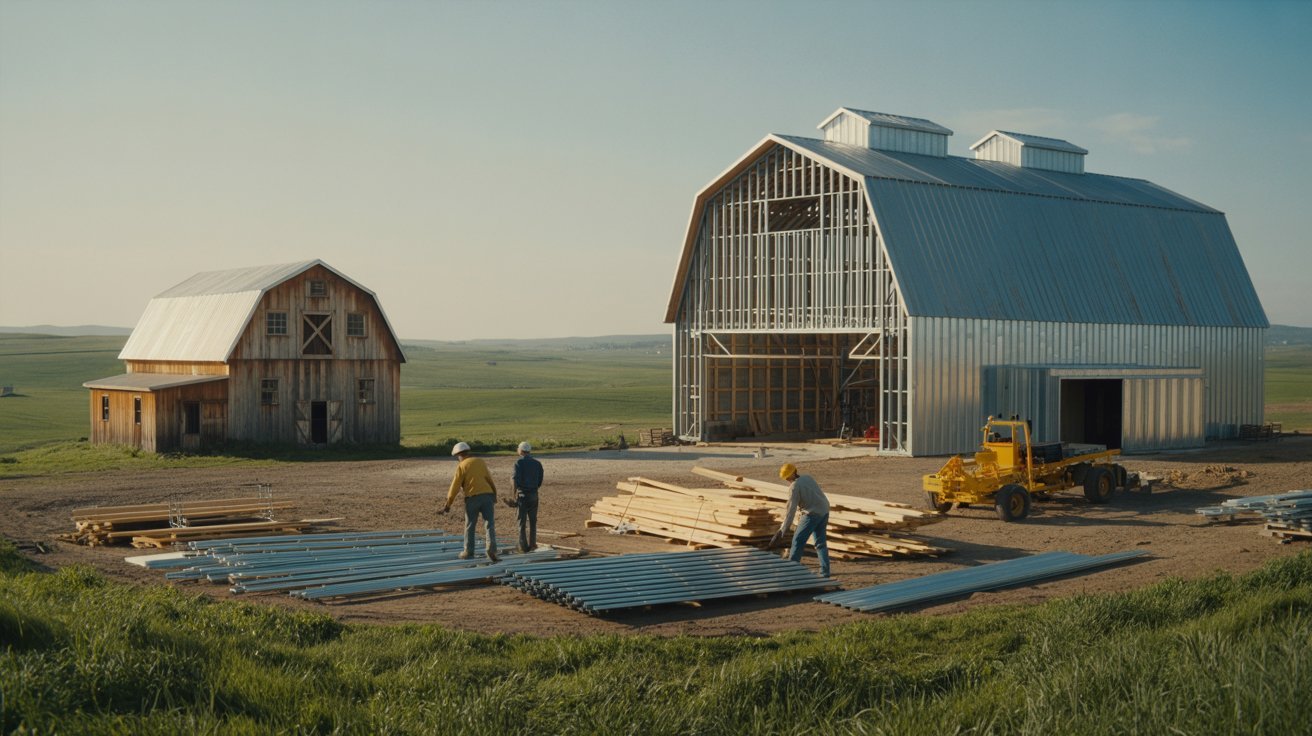
Building a barn in 2026 typically costs between $50 and $120 per square foot.
A small 2-stall barn runs around $40,000 to $50,000, while a large commercial barn can go well past $700,000.
Prefab barns cost less upfront and go up faster. Custom barns take more time and money but give you full control over the layout and materials.
Barn Cost Per Square Foot Breakdown
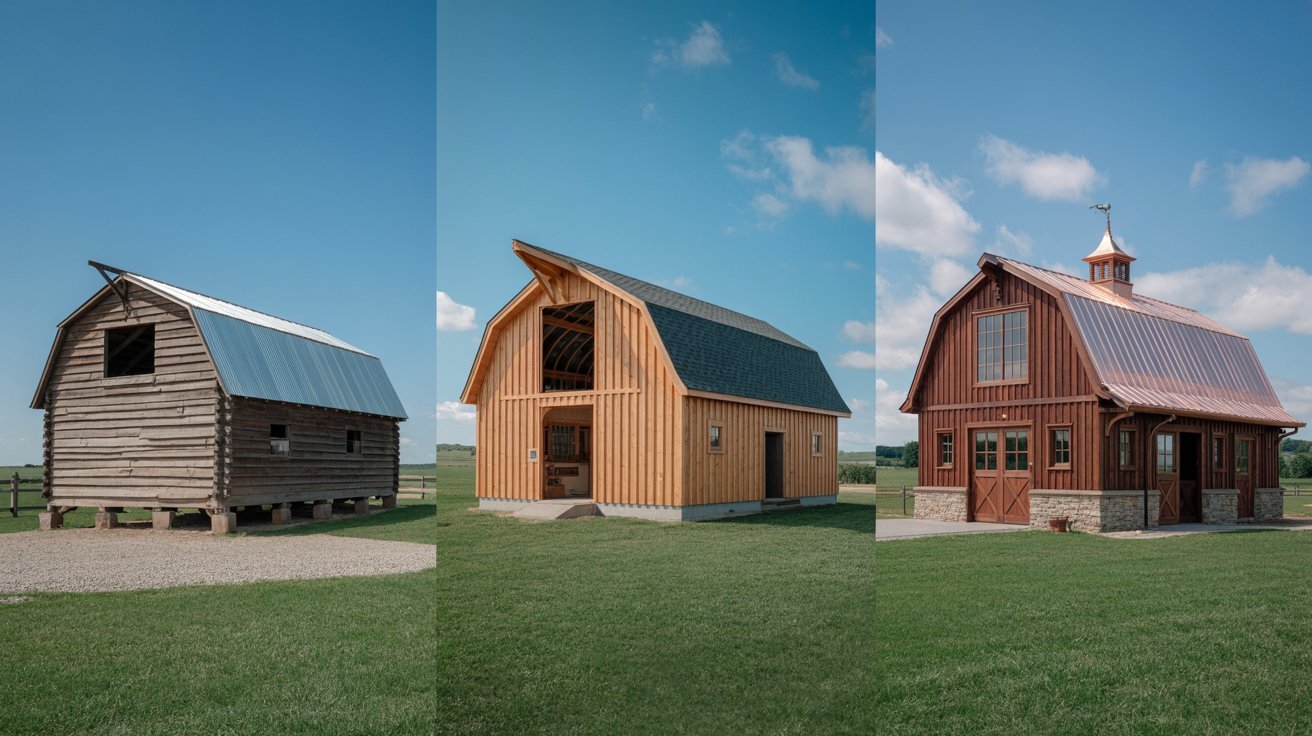
Not all barns cost the same. The price per square foot shifts a lot depending on what you build and how you build it.
Here’s a simple breakdown to help you plan.
Low-Cost Barns ($50–$70/sq ft)
This is the most budget-friendly range. You get basic materials, a straightforward design, and a solid structure that gets the job done.
It works well for small farms or simple storage needs. Nothing fancy, but fully functional.
Mid-Range Barns ($70–$100/sq ft)
Step up to this range and you get better materials and a few more features. Think improved insulation, stronger framing, or a cleaner interior finish.
It’s a good middle ground if you want more durability without going all out.
High-End Barns ($100–$120+/sq ft)
This is where quality takes the front seat. You’re looking at premium finishes, custom layouts, and details built to your exact specs.
It costs more, but you get a barn that’s built exactly the way you want it.
Barn Cost by Size and Capacity
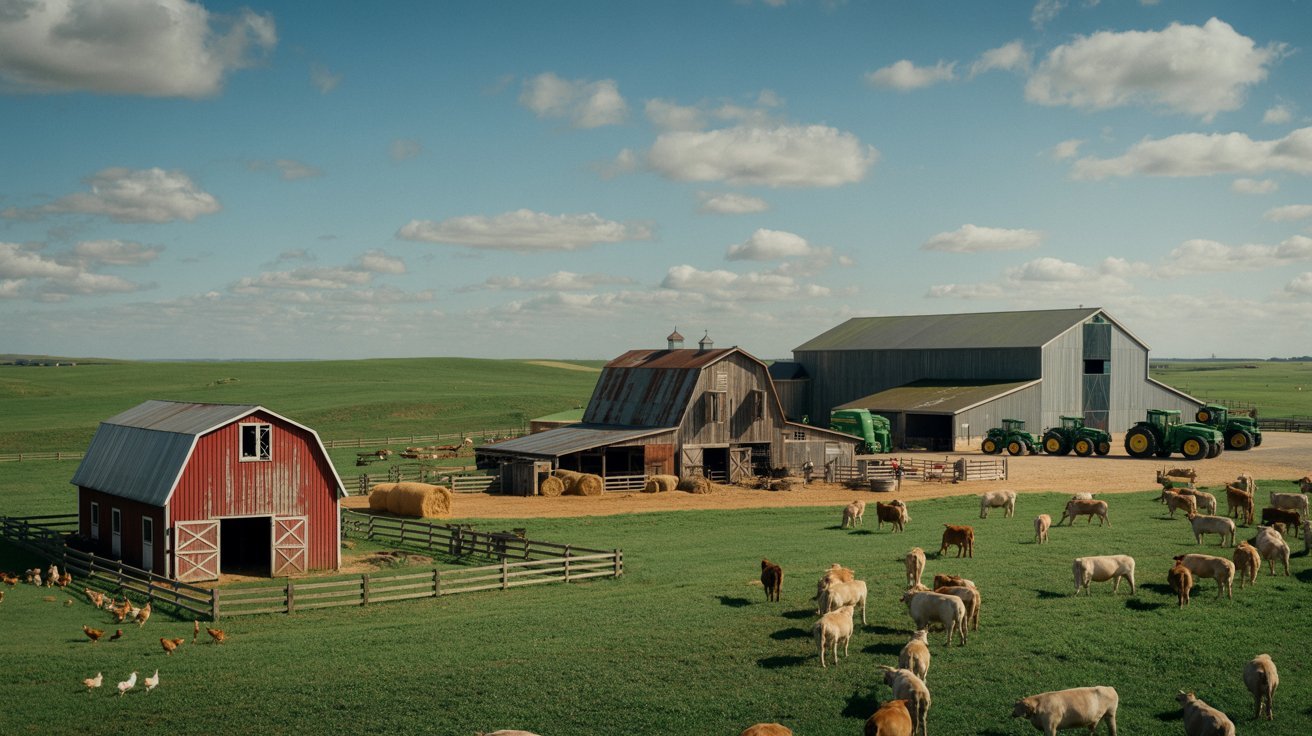
Size is one of the biggest factors that affects your total barn cost. The bigger the barn, the more you spend on materials, labor, and foundation work.
Here’s what to expect at each size level.
Small Barns (20×30 to 30×40)
Small barns typically cost between $30,000 and $60,000. They’re a practical choice for basic storage or housing 2 to 4 animals.
If you’re just starting or working with a tight budget, this size is a good starting point.
Medium Barns (40×40 to 40×60)
A medium barn usually runs between $60,000 and $100,000. This size gives you more room to work with, multiple stalls, and enough space for a small farm operation.
It’s a solid option if you need more than just storage but aren’t ready for a full commercial setup.
Large Barns (40×80 and Above)
Large barns start at $100,000 and can go well past $300,000. These are built for commercial farming or large-scale operations where space and capacity really matter.
If you’re running a big operation, the investment makes sense. More space means more animals, more equipment, and more flexibility.
Barn Cost by Construction Type
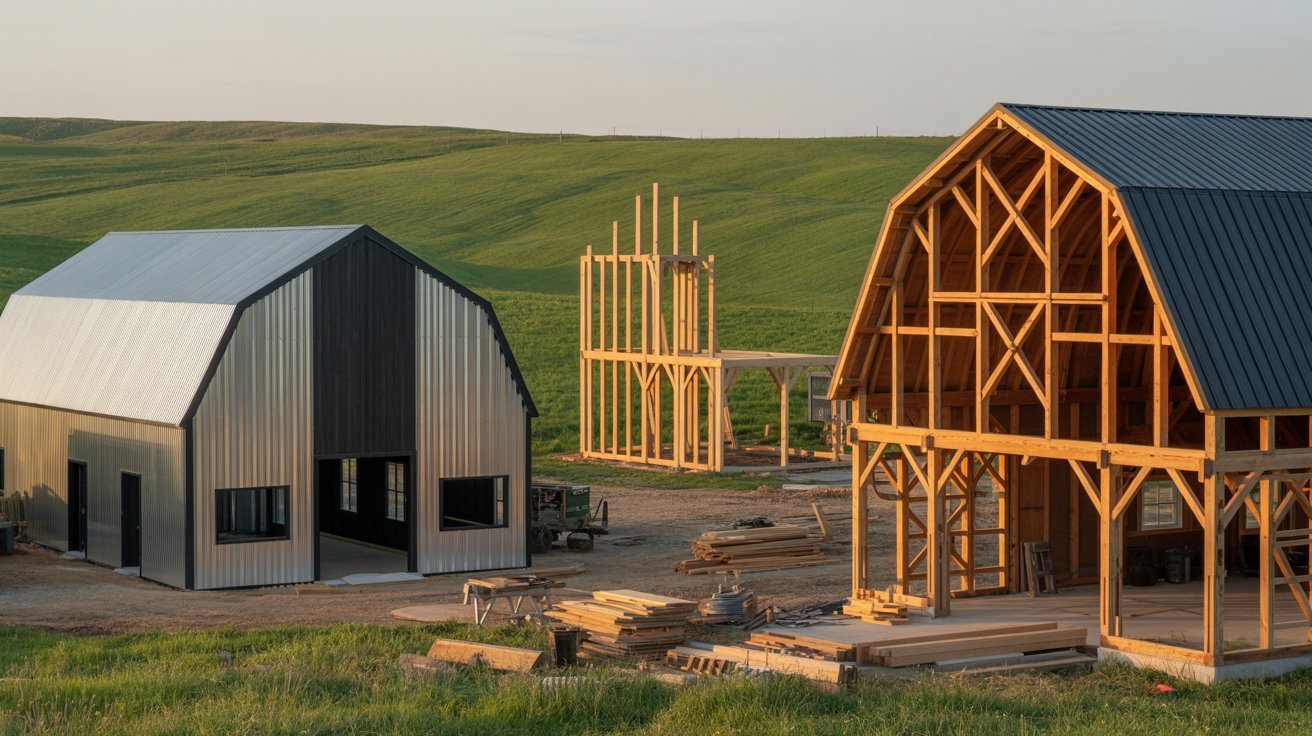
The construction type you choose plays a big role in your total cost. Each method comes with its own price range, build time, and long-term value.
Here’s a quick look at the three most common types.
1. Metal Barn Cost
Metal barns cost around $30 to $50 per square foot. They’re built to last, need very little maintenance, and hold up well over the years.
If you want a no-fuss structure that stays strong through rough weather, metal is a smart pick.
2. Pole Barn Cost
Pole barns run between $40 and $60 per square foot. They’re one of the most affordable options out there, and the build time is usually much faster than other types.
Great choice if you’re working with a tighter budget and need the barn up quickly.
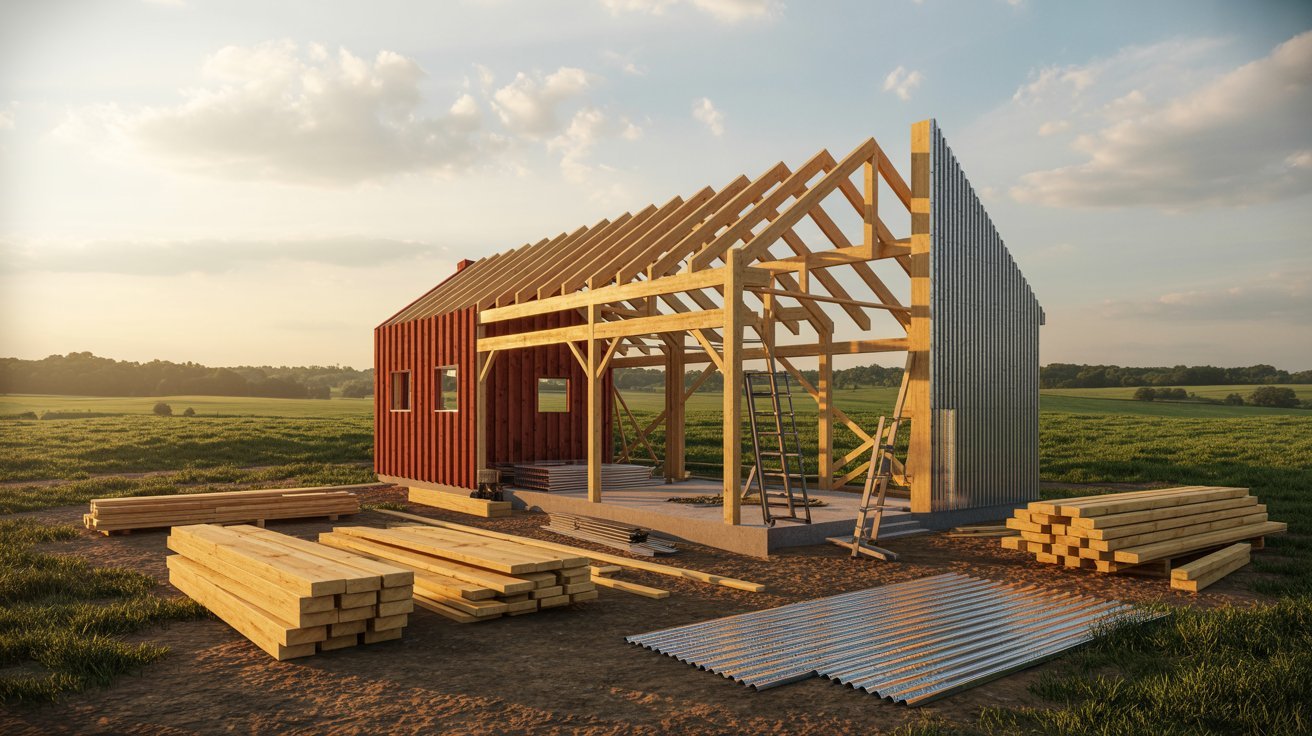
3. Post & Beam Barn Cost
Post and beam barns cost between $110 and $150 per square foot. This is the premium end of barn construction.
You get a classic look, strong craftsmanship, and a structure that feels built to stand for generations. It costs more, but the quality and character show.
Key Factors That Affect Barn Construction Cost
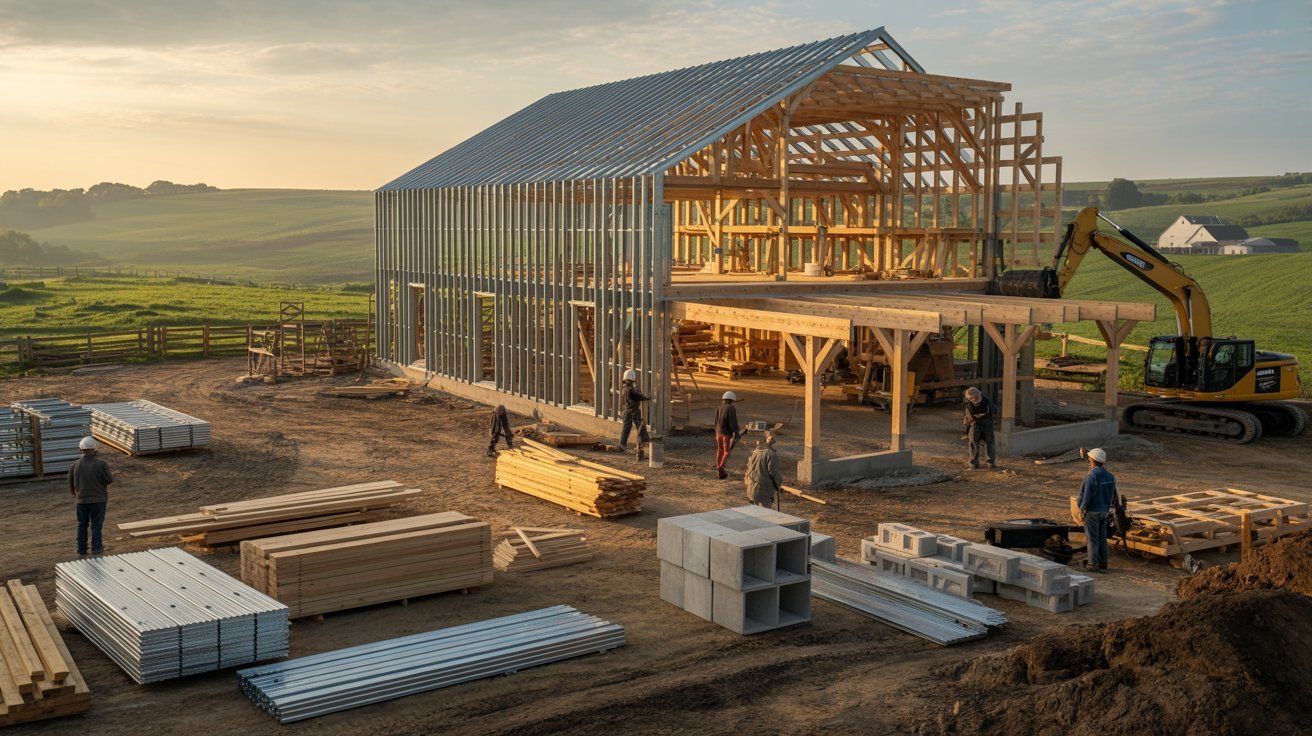
Building a barn isn’t a one-size-fits-all cost. Several things can push your budget up or bring it down. Knowing these factors ahead of time helps you plan better and avoid surprises.
Size and Layout
This one is straightforward. The bigger the barn, the more materials and labor you need. A larger footprint also means more foundation work, more roofing, and more time on site.
Plan your size carefully before you commit to anything.
Materials Used
Steel, wood, and hybrid structures all come at different price points. Steel tends to be more affordable and low-maintenance. Wood costs more but gives a classic look. Hybrid builds sit somewhere in between.
Your material choice will shape both your upfront cost and your long-term upkeep.
Labor and Contractor Fees
Hiring a general contractor adds roughly 20% to your total build cost. That’s a significant chunk, but a good contractor saves you from costly mistakes down the line.
Always get a few quotes before locking anyone in.
Location and Site Conditions
Where you build matters. Remote locations mean higher delivery costs. Some sites need grading, clearing, or drainage work before construction even starts. Permits add to the cost too, and they vary by area.
Factor all of this in early so it doesn’t catch you off guard.
Customization and Features
Every upgrade adds to the bill. Extra doors, windows, insulation, stall kits, and roofing upgrades are common additions that can add up fast.
Decide what you truly need versus what would just be nice to have. That distinction alone can save you thousands.
Pros and Cons of Different Barn Types
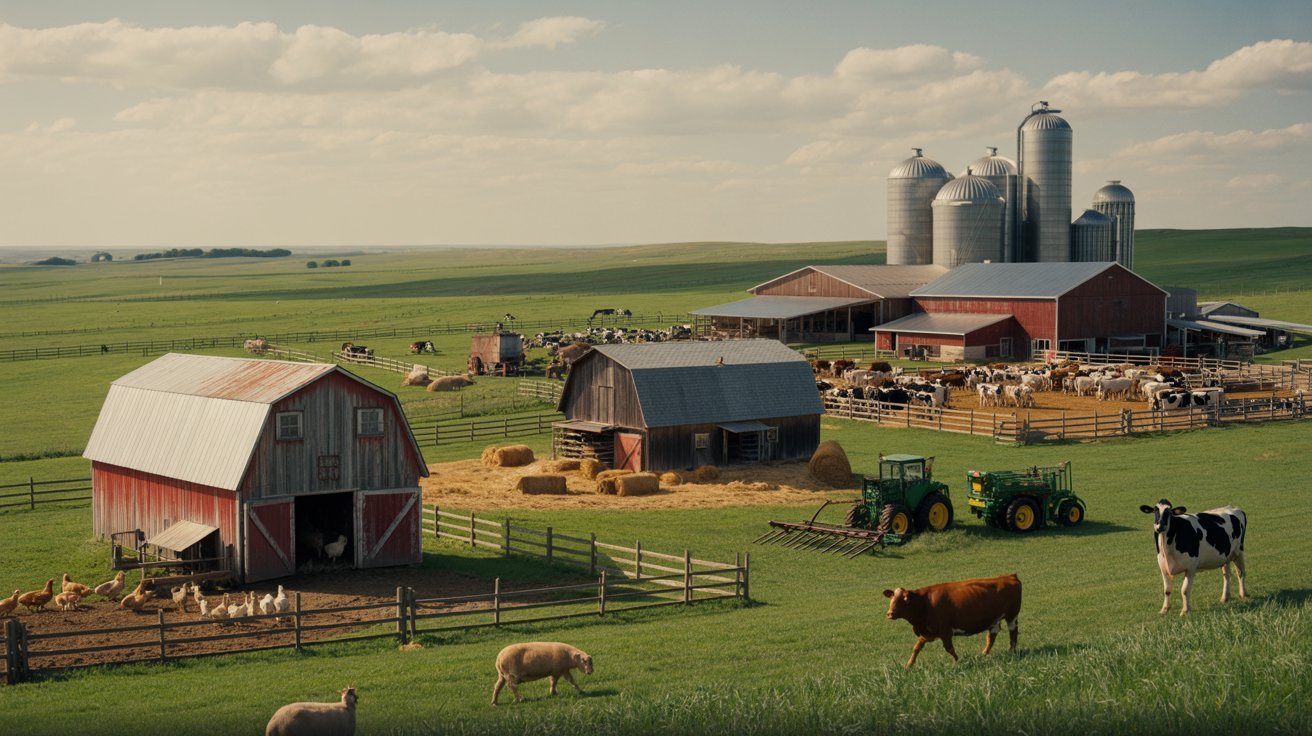
Every barn type has its strengths and weak spots. Here’s a quick, honest look at both so you can make the right call for your property.
Metal Barns
Pros:
- Highly durable and built to last
- Fire-resistant for added safety
- Very low maintenance over the years
Cons:
- Higher upfront cost compared to wood
Wooden Barns
Pros:
- Classic, traditional look that holds its charm
- Easy to customize to your needs
Cons:
- Requires regular maintenance like painting and treatment
- More prone to wear and repairs over time
Ways to Save Money When Building a Barn
Building a barn doesn’t have to drain your wallet. A few smart choices upfront can save you a serious amount of money.
- Choose a Barn Kit: Barn kits are pre-engineered and ready to assemble, significantly reducing labor time. They cost much less than a fully custom build.
- Compare Multiple Quotes: Never go with the first contractor you find. Get at least three quotes to compare pricing before you commit.
- Keep the Design Simple: Every add-on comes with a price tag. Stick to what you need and skip the extras to stay within budget.
- DIY Some Work: Taking on tasks like painting or basic finishing yourself can save you $5,000 to $20,000. Just stick to work you’re confident handling.
Conclusion
I’ve seen barn costs vary widely, and it almost always comes down to three things: size, materials, and features.
If you’re looking for the best value, metal and prefab barns are hard to beat. They’re practical, durable, and easy on the budget.
The biggest mistake most people make is skipping the planning stage. Map out your needs early, set a firm budget, and stick to it.
Have questions about your barn build? Drop them in the comments. I’d love to help.
Frequently Asked Questions
How Much Does It Cost to Build a Barn in 2026?
The average cost to build a barn in 2026 ranges from $30,000 to $300,000 or more. It depends on the size, materials, and construction type you choose.
What Is the Cheapest Type of Barn to Build?
Metal and pole barns are the most budget-friendly options available. They cost less upfront and need very little maintenance over time.
How Long Does It Take to Build a Barn?
A basic barn can take anywhere from a few weeks to several months to complete. The timeline depends on the size, weather conditions, and contractor availability.
Do I Need a Permit to Build a Barn?
In most areas, yes, you will need a building permit before construction starts. Requirements vary by location, so check with your local authority first.
Can I Save Money by Using a Barn Kit?
Yes, barn kits are a great way to cut down on labor and material costs. Many kits come pre-engineered and can save you thousands compared to a fully custom build.