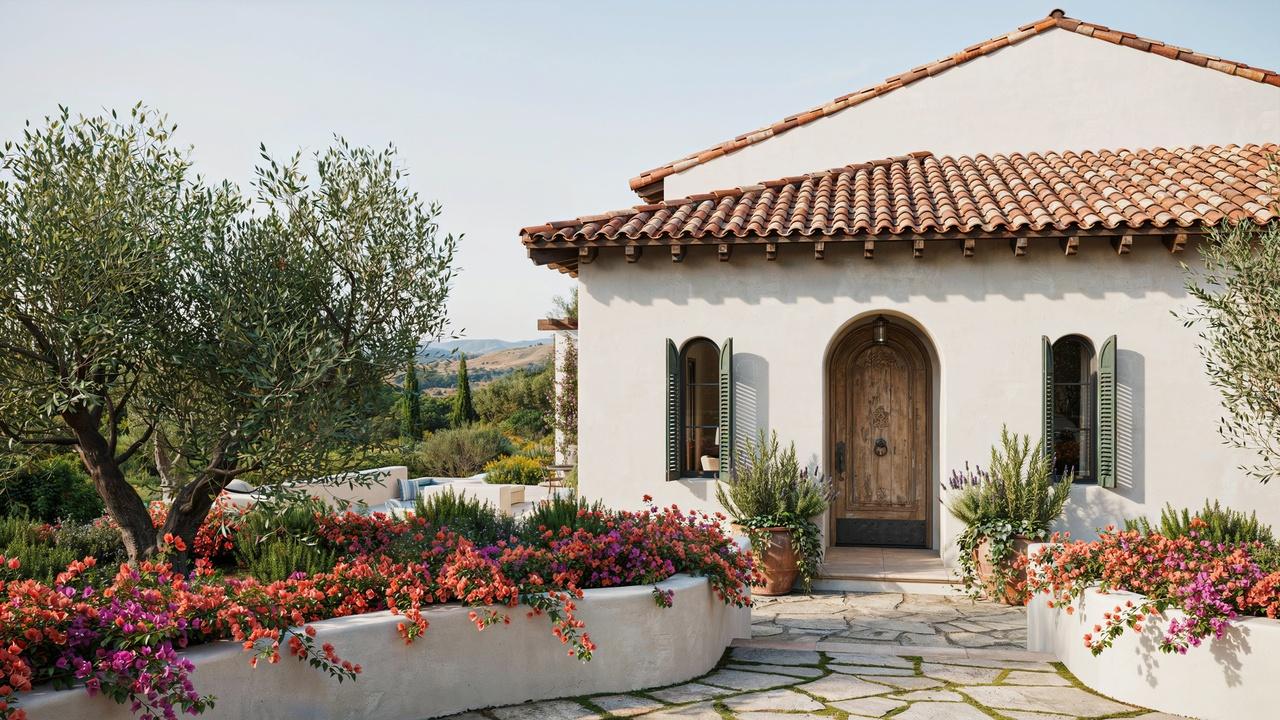

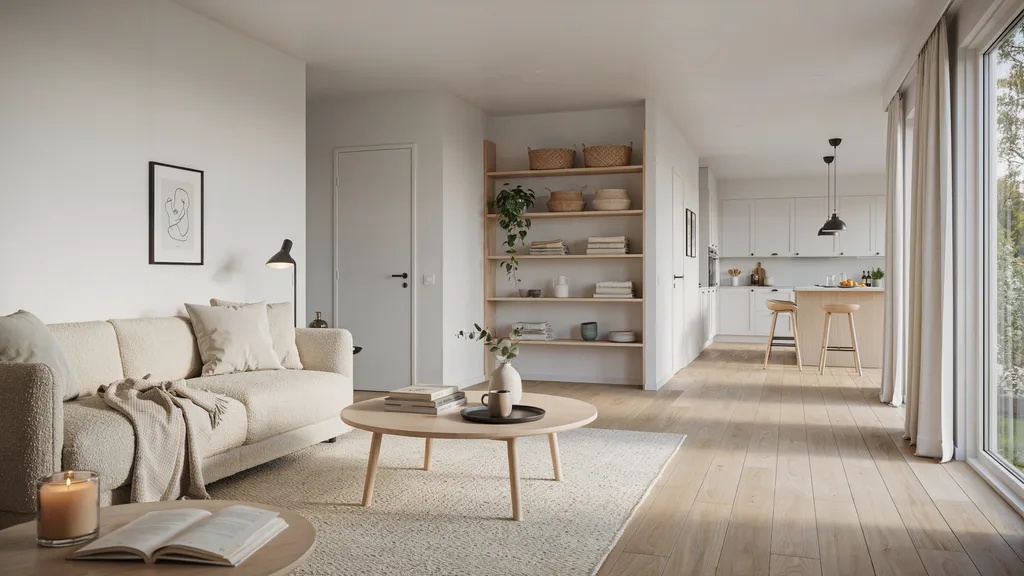
A functional home design helps your home work better for your daily life. It is not just about how a space looks. It is about making every room comfortable, practical, and easy to use.
If you feel your home is cluttered, cramped, or hard to manage, this guide will help you find simple solutions.
In this article, you'll learn the key principles of functional home design, practical tips for every room, smart ways to save space, common mistakes to avoid, and budget-friendly ideas.
I’ve spent time researching practical home design ideas, so you’ll find guidance that is simple, reliable, and focused on real everyday living.
What Is Functional Home Design?
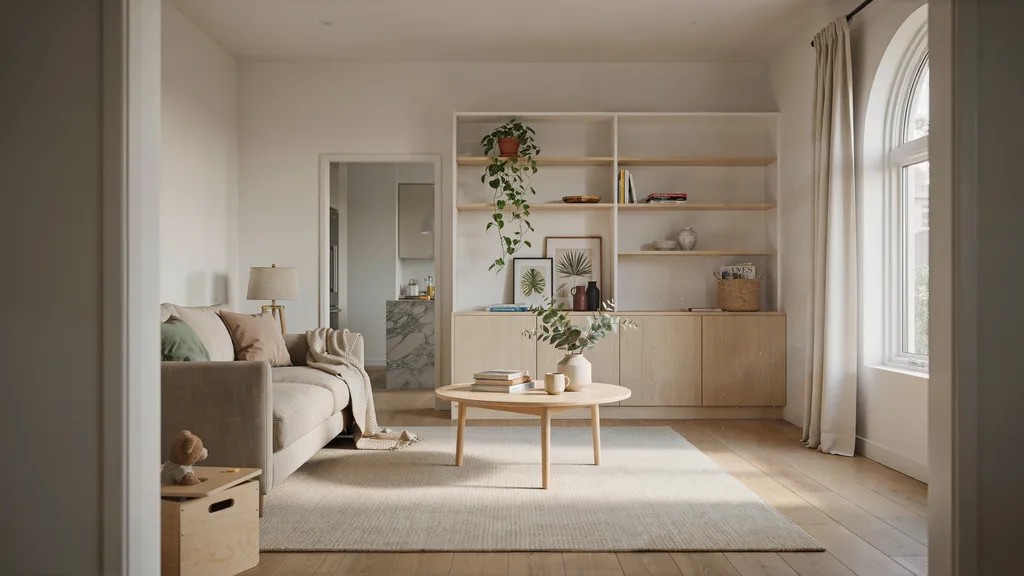
Functional home design is the process of creating a home that supports your daily routine while making the best use of available space.
Instead of focusing only on appearance, it prioritizes comfort, efficiency, and practicality.
Every room should have a clear purpose, with furniture, storage, and layouts that make everyday tasks easier.
While beautiful décor can improve a space, it should never get in the way of how the home functions.
The key principles of a practical home include smart space planning, good traffic flow, plenty of storage, flexible furniture, natural light, and layouts that fit your lifestyle.
Why Functional Home Design Matters
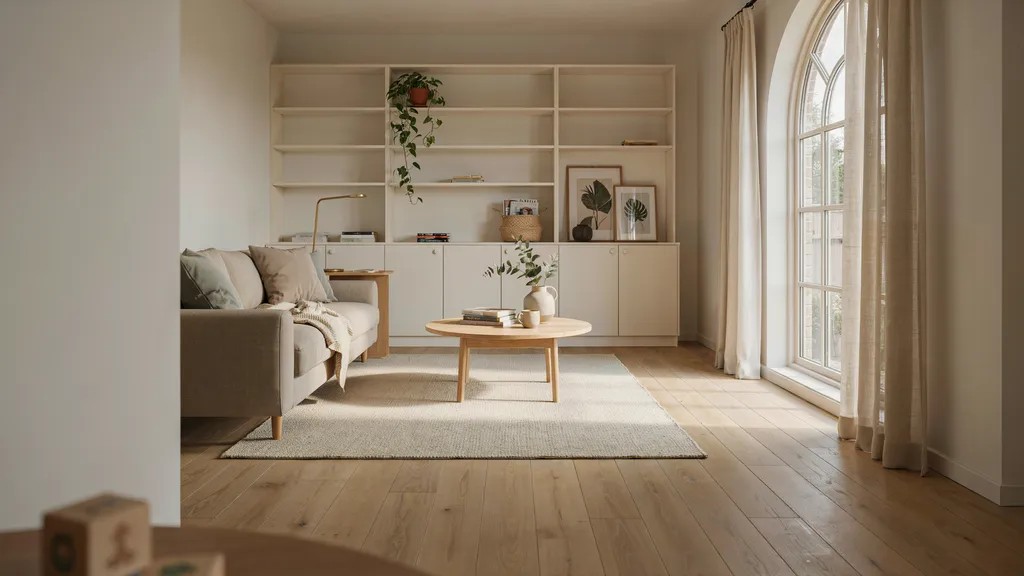
A well-planned functional home design makes everyday life simpler and more enjoyable. It reduces clutter, improves organization, and helps you move through your home with ease.
Thoughtful layouts save time by keeping frequently used items within reach and creating spaces that are easy to maintain.
Functional design also maximizes small or large spaces, ensuring no area goes to waste.
As your family or lifestyle changes, a practical home can adapt with flexible furniture and smart storage solutions.
Most importantly, an organized and efficient home creates a calmer environment, reduces daily stress, and allows you to focus on living comfortably instead of constantly managing your space.
Core Principles of Functional Home Design

The best functional home design follows a few simple principles that make every room more practical, comfortable, and efficient for everyday living.
Prioritize Purpose in Every Room
Every room should be designed around how you actually use it. Think about your daily activities before choosing furniture or décor.
A living room should encourage relaxation, while a kitchen should support easy cooking. When every space has a clear purpose, your home becomes easier to use and maintain.
Create Efficient Traffic Flow
A functional layout allows people to move freely without obstacles. Leave enough space between furniture and avoid blocking walkways or doors.
Good traffic flow makes rooms feel larger, improves safety, and helps daily activities happen naturally without unnecessary interruptions or cramped spaces.
Maximize Natural Light
Natural light makes a home feel brighter, more open, and welcoming. Keep windows clear of heavy furniture and use light-colored walls or mirrors to reflect sunlight.
Well-lit spaces also reduce the need for artificial lighting during the day, making your home more comfortable and energy efficient.
Choose Multi-Functional Furniture
Furniture that serves more than one purpose helps save space and adds convenience. Storage ottomans, sofa beds, extendable dining tables, and beds with built-in drawers are great.
These pieces reduce clutter while giving you more flexibility, especially in smaller homes where every square foot matters.
Include Smart Storage Solutions
A functional home stays organized with storage that fits your lifestyle. Smart storage reduces clutter, keeps rooms tidy, and makes it easier to find what you need.
Use built-in cabinets, floating shelves, under-bed storage, baskets, and drawer organizers to keep belongings accessible but out of sight.
Design for Flexibility
Your home should be able to adapt as your needs change. Flexible spaces can serve multiple purposes, such as a guest room that also works as a home office.
Modular furniture and adjustable layouts make it easier to update your home without major renovations or extra expense.
Balance Style with Practicality
A beautiful home should also be easy to live in. Choose finishes, furniture, and décor that match your style while remaining durable and functional.
When practicality and aesthetics work together, you create a home that looks attractive, supports everyday life, and stays enjoyable for years.
Functional Home Design Tips for Every Space
Every room has a different purpose, but the right design choices can make each one more practical, organized, and comfortable to use every day.
Living Room

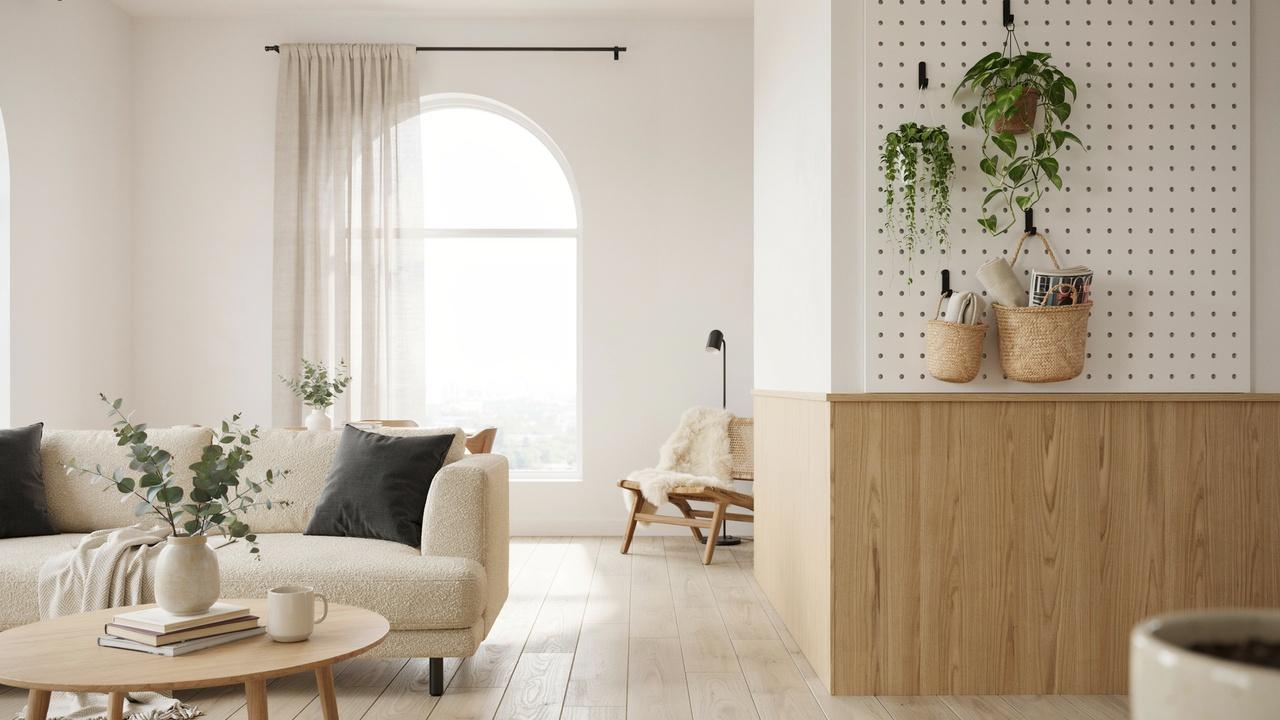
The living room should feel open, inviting, and easy to move around. Focus on comfort while keeping the space organized and clutter-free.
- Arrange flexible seating for conversations and everyday use.
- Choose coffee tables or ottomans with hidden storage.
- Keep clear walking paths between furniture for better movement.
Kitchen

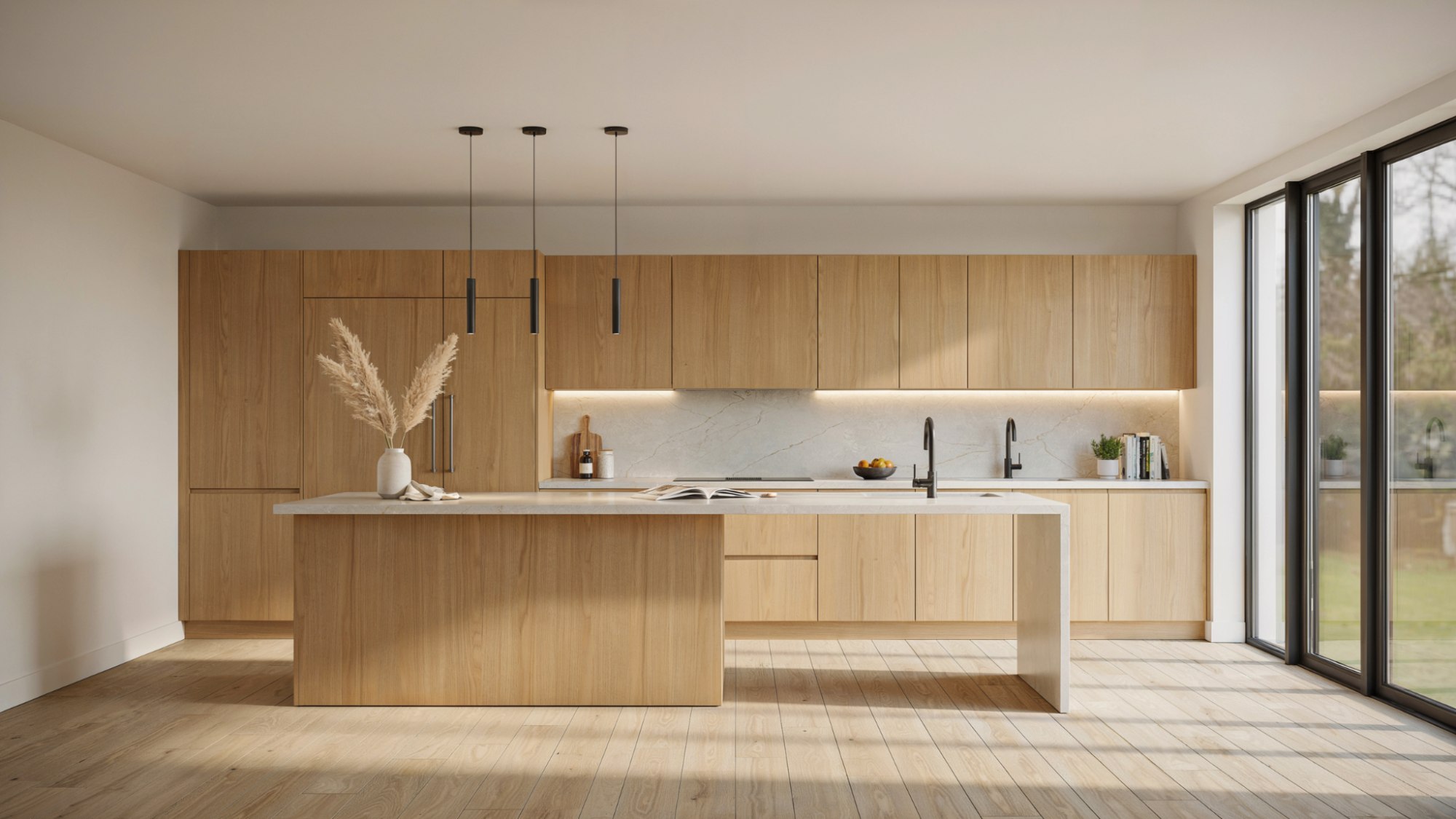
A functional kitchen makes cooking, cleaning, and food preparation faster and less stressful. Smart organization keeps everything within easy reach.
- Follow the kitchen work triangle between the sink, stove, and refrigerator.
- Store frequently used items in easy-access cabinets and drawers.
- Keep countertops organized with only essential appliances.
Bedroom
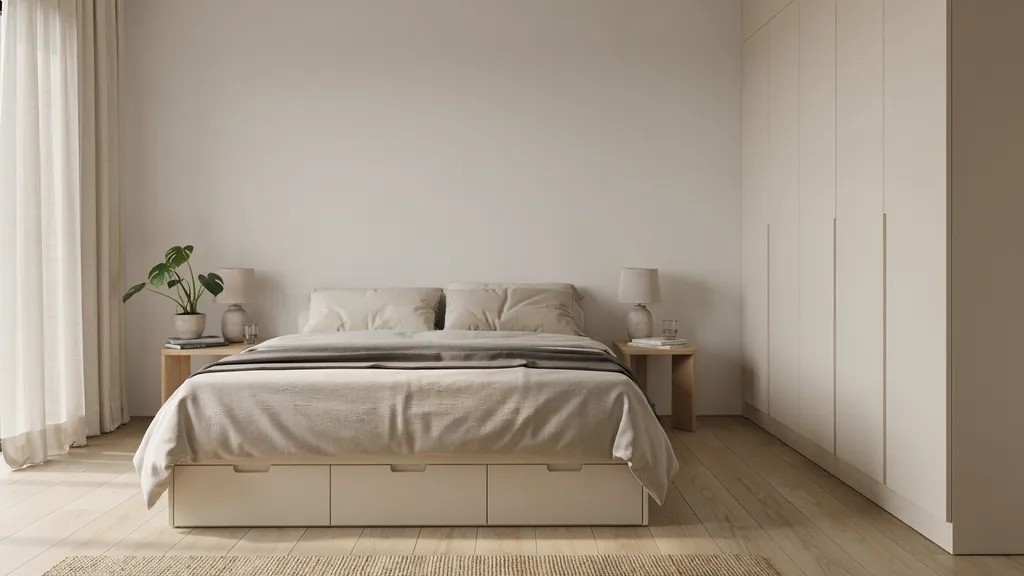
A well-designed bedroom promotes relaxation while providing enough storage for everyday essentials. Simplicity creates a calmer atmosphere.
- Maintain a clutter-free layout with only necessary furniture.
- Use under-bed storage for seasonal clothing or extra bedding.
- Keep bedside tables organized with daily essentials.
Bathroom

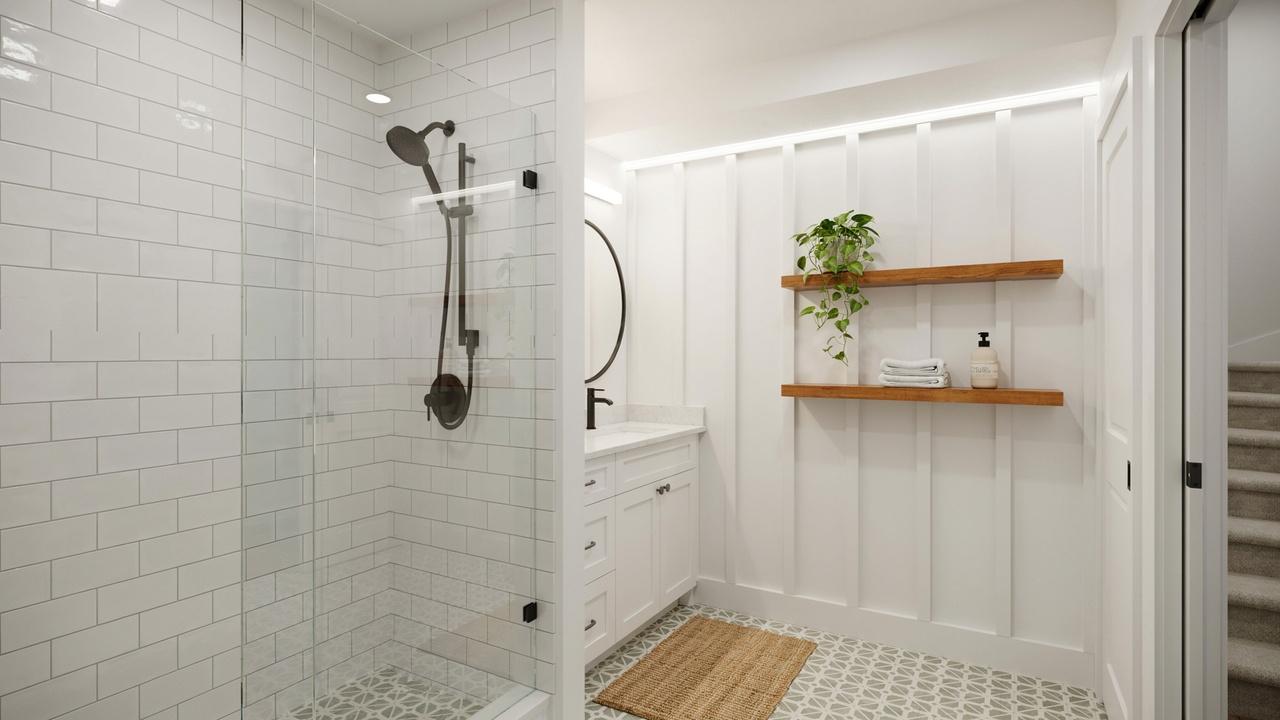
Bathrooms should be easy to clean while making the best use of limited space. Smart storage keeps toiletries neat and accessible.
- Install wall-mounted shelves or cabinets to free up floor space.
- Choose compact, space-saving fixtures where possible.
- Use durable, easy-to-clean materials for walls and surfaces.
Home Office
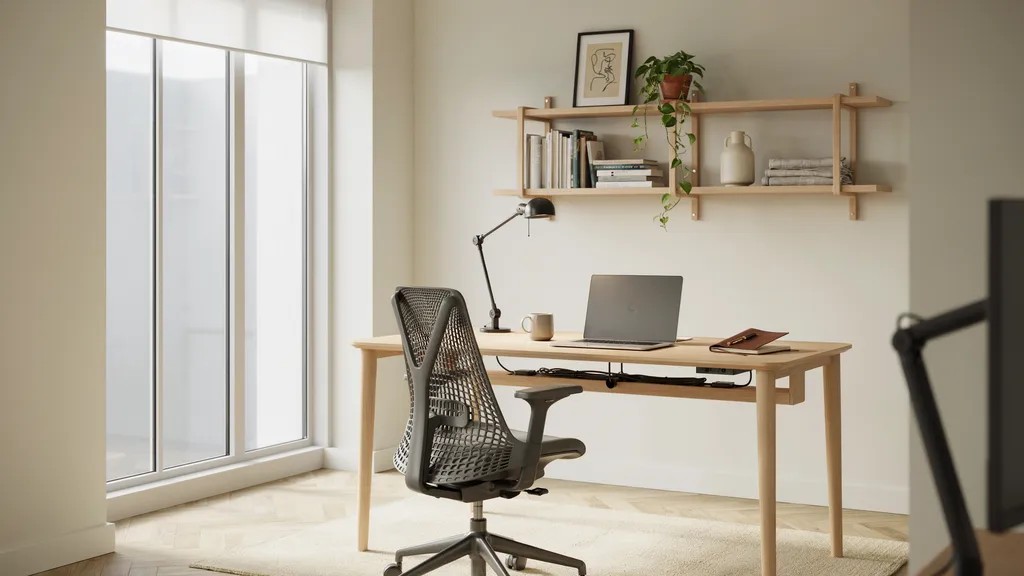
A productive workspace should support comfort, focus, and organization. Small improvements can make working from home much easier.
- Invest in an ergonomic chair and desk setup.
- Keep cords organized with cable management solutions.
- Ensure proper lighting to reduce eye strain.
Entryway

The entryway sets the tone for your home and helps prevent clutter from spreading inside. Keep everyday items organized and easy to access.
- Add a dedicated shoe rack or storage cabinet.
- Install hooks and a bench for coats, bags, and seating.
- Create a spot for keys, wallets, and other daily essentials.
How to Maximize Small Spaces with Functional Home Design
A functional home design helps even the smallest homes feel comfortable and efficient by making every inch count.
Start by using vertical storage, such as tall shelves, wall-mounted cabinets, and hanging organizers, to free up valuable floor space.
Foldable or expandable furniture, like drop-leaf tables and sofa beds, provides flexibility without making rooms feel crowded.
Mirrors reflect natural light and create the illusion of a larger, brighter space.
Built-in storage, including window seats, under-stair cabinets, and custom shelving, keeps belongings organized while reducing clutter.
Whenever possible, choose open layouts that improve movement and allow light to flow between spaces.
Common Functional Home Design Mistakes to Avoid
Avoiding these common mistakes will help you create a home that is both practical and comfortable for everyday living.
- Buying furniture that's too large: Oversized furniture can make rooms feel cramped and limit movement.
- Ignoring storage needs: Without enough storage, clutter quickly builds up and reduces functionality.
- Blocking natural light: Placing furniture in front of windows can make spaces feel darker and smaller.
- Poor furniture placement: Awkward layouts can interrupt traffic flow and make rooms harder to use.
- Prioritizing trends over functionality: Choose designs that fit your lifestyle instead of following short-lived trends.
Conclusion
Creating a functional home design doesn't have to happen all at once. Even one small change, like improving storage or rearranging furniture, can make your home feel easier to live in.
I've always found that the simplest updates often have the biggest impact on everyday comfort. Imagine walking into a space that works with your routine instead of against it.
Start with one room and build from there. If this guide helped, leave a comment, share it with someone planning a home update, or try our other home design articles for more ideas.
What is functional home design?
Functional home design focuses on creating spaces that are practical, comfortable, and easy to use. It combines smart layouts, storage, and furniture choices to support everyday living.
How can I make my home more functional?
Start by decluttering, improving storage, and arranging furniture to create clear walking paths. Small changes can make your home more organized and efficient.
What are the key principles of functional home design?
The main principles include purposeful room layouts, good traffic flow, natural light, smart storage, flexible furniture, and balancing style with practicality
Is functional home design suitable for small homes?
Yes. It helps small homes feel larger by using vertical storage, multi-purpose furniture, built-in storage, and open layouts whenever possible.
Can a functional home design still look stylish?
Absolutely. A well-designed home can be both beautiful and practical by choosing durable materials, thoughtful layouts, and décor that supports everyday use.