
Building your own home is one of the most exciting things you’ll ever do. You spend months picking out paint colors, choosing countertops, and planning the perfect layout. But here’s what happens to almost everyone: you move in and realize you forgot something important.
Maybe there’s no outlet near your bed for charging your phone. Or the light switch is on the wrong side of the door. These are the small things that get forgotten when building a house, and they can really affect how comfortable your home feels every single day.
The good news? You can avoid these mistakes. This guide will walk you through the most common forgotten details so your new home works perfectly for how you actually live. Think of it as your behind-the-scenes checklist that even experienced homeowners wish they’d had.
Why Small Details Matter in Home Construction?
When you’re building a house, it’s easy to focus on the big stuff: the floor plan, the kitchen island, the master bathroom. But the small things that get forgotten when building a house are often what make the biggest difference in your daily life. Think about how annoying it is to plug in your coffee maker and realize the outlet is five feet away from where you need it.
Here’s the hard truth: fixing these problems after construction costs way more money. Adding an outlet after drywall is up means cutting holes, running new wires, patching, and repainting. What could have cost $50 during construction now costs $500 or more. Building it right the first time saves you thousands of dollars and countless headaches.
These overlooked details also affect your home’s value and how well it functions. A house with well-placed outlets, smart storage solutions, and thoughtful lighting will feel more comfortable and work better for daily living. That’s the difference between working with builders who pay attention to details and trying to remember everything yourself.
Commonly Overlooked Details When Building Your Home
Let’s get into the specific things that homeowners forget most often. These are the small things that get forgotten when building a house that you’ll use, or wish you had, every single day.
1. Light Switch and Outlet Placement
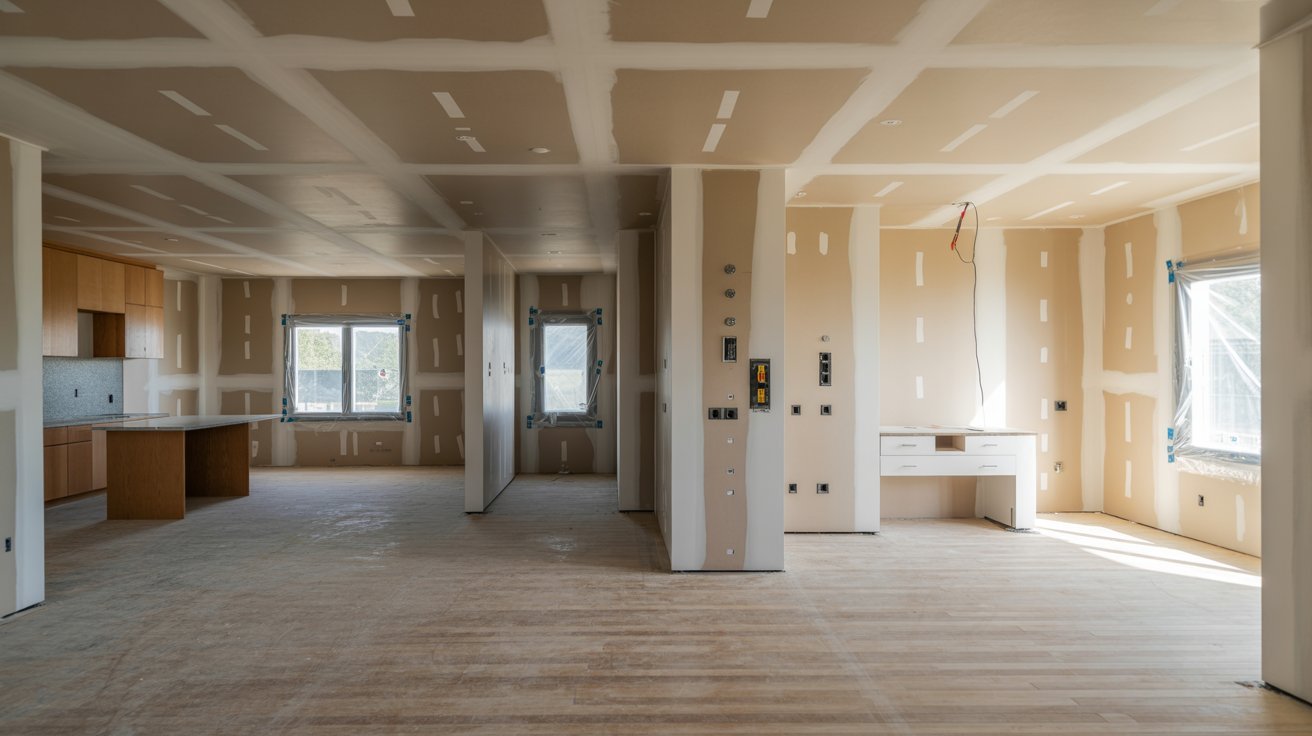
This seems basic, but it’s one of the most common regrets new homeowners have. Light switches should be on the side where you enter the room, not behind the door where you’re fumbling in the dark. Think about the flow of how you walk through your house.
Kitchens need outlets every few feet along the countertops. You’ll have a coffee maker, toaster, mixer, phone charger, and maybe an electric kettle all plugged in at once. In bedrooms, you need outlets on both sides of the bed for phone charging, lamps, and alarm clocks.
Don’t forget about bathrooms, garages, and home offices either. Bathrooms need outlets near mirrors for hair dryers and electric razors. Garages need several outlets for tools and car chargers. If you work from home, plan for multiple outlets at your desk for computers, monitors, and printers.
2. Shower Head Height and Configuration

Most builders install shower heads at standard height, which is 80 inches from the floor. That’s fine if everyone in your family is average height. But if you have tall family members, they’ll be ducking under the spray every single day.
Remember that the actual shower head hangs about 3 inches below where the pipe fitting comes out of the wall, so plan accordingly. Consider installing the plumbing higher than standard or adding an adjustable shower arm that extends and tilts.
Even better, think about a dual shower head system with both a fixed head and a handheld option. These are small things that get forgotten when building a house because you’re not thinking about your daily shower routine during construction planning. The time to plan is before the walls are closed up.
3. Recessed Storage Solutions

Here’s a builder’s secret: the space between your wall studs is perfect for storage, but only if you plan for it during construction. Recessed shelves in the shower are incredibly useful for shampoo, soap, and razors. They don’t stick out or take up space, and they look clean and built-in.
Building these features into the walls during construction is easy and cheap. The studs are exposed, so the builder just frames out a space and adds shelves. Doing this after drywall is up means cutting holes, hoping you don’t hit electrical wires or plumbing, and trying to make it look intentional.
Think about all the small items you store in bathrooms, closets, and even kitchens. Where could you use an extra 3-4 inches of depth without losing any room space? They’re definitely one of the small things that get forgotten when building a house that you’ll wish you had added.
4. Kitchen Cabinet Features and Organization
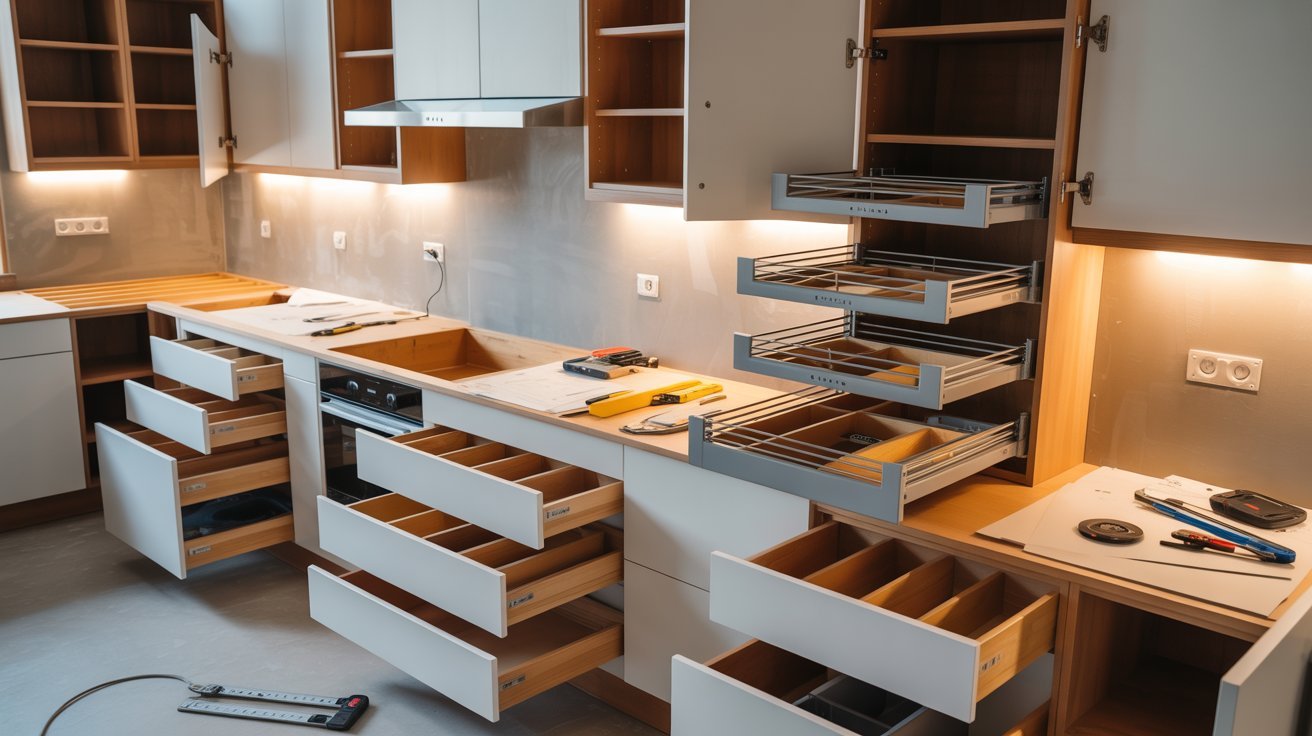
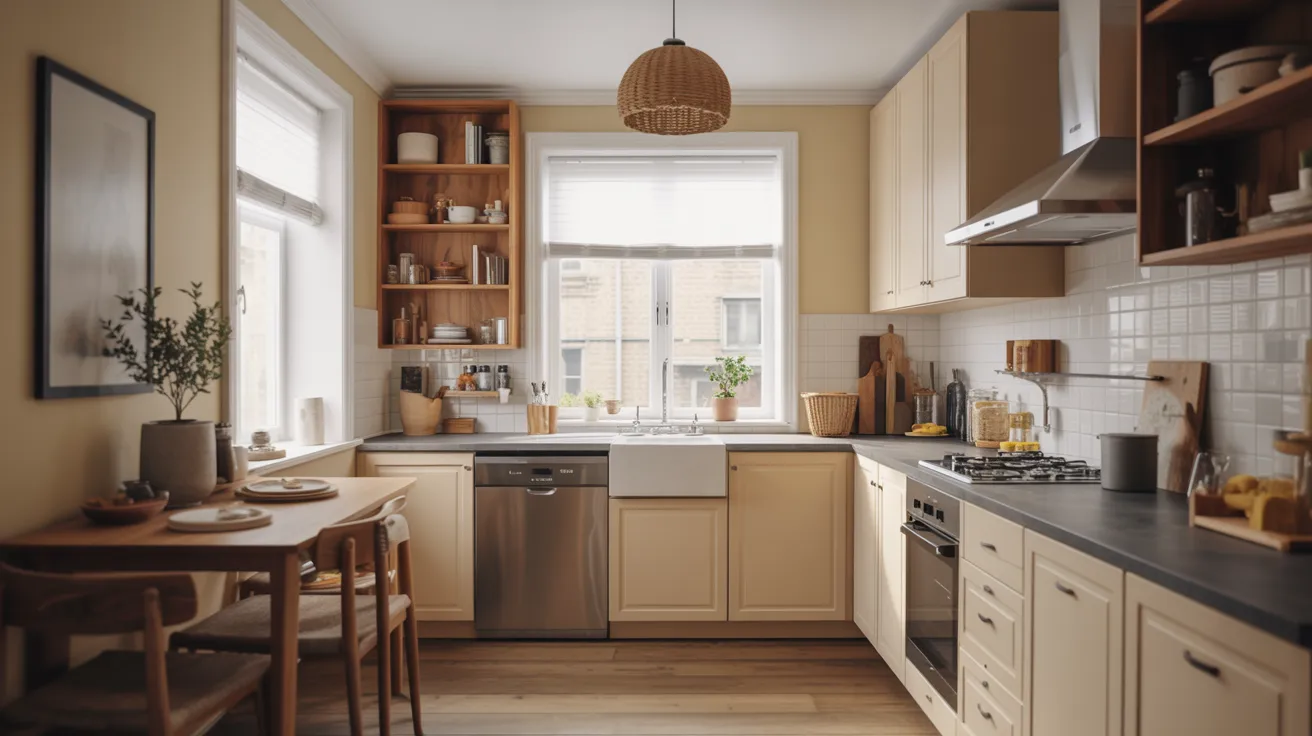
Standard kitchen cabinets are fine, but they’re not always functional for how people actually cook. Deep drawers are much better than lower cabinets for storing pots, pans, and large bowls. You can see everything at once instead of digging through stacked items.
Soft-close hinges and drawer slides cost a little more upfront but save your cabinets from years of slamming damage. Pull-out spice racks keep everything organized and visible. Lift shelves bring heavy stand mixers up to counter height so you’re not constantly lifting them.
Lighting makes a huge difference, too. Under-cabinet lights help you see what you’re cooking, while inside-cabinet lights or above-cabinet accent lighting add ambiance. Talk to your builder about these options before cabinets are ordered. These organizational features are small things that get forgotten when building a house, but they make cooking and cleaning so much easier.
5. Entertainment and Technology Setup

TVs are in almost every living room, bedroom, and sometimes the kitchen too. But many people forget to plan where the TV will actually go and how it will connect. You need outlets behind where the TV will mount, plus connections for cable, internet, and sound systems.
Internet connectivity is another big one. WiFi is convenient, but hardwired connections are faster and more reliable for gaming, streaming, and working from home. Run Ethernet cables to home offices, entertainment centers, and anywhere you might need strong internet.
Sound systems, security cameras, and smart home devices all need power and sometimes data connections. If you want recessed ceiling speakers or a doorbell camera, the wiring needs to happen during construction. Plan where your router will go—it should be central in the house, not hidden in a back closet where the signal can’t reach everywhere.
6. Outdoor Living Conveniences

Your outdoor spaces deserve the same attention as indoor rooms. Porch ceiling fans make summer evenings so much more comfortable, but they need electrical boxes rated for fan weight installed during framing. Adding them later is expensive and complicated.
Deck speaker outlets let you play music outside for gatherings or just relaxing. Landscape lighting power sources should be planned for walkways, gardens, and accent lighting. These outdoor features are easy to forget when you’re focused on interior finishes.
Think about how you’ll actually use your outdoor spaces. Do you want to plug in string lights? Set up a projector for movie nights? Charge yard tools? Planning for these needs during construction means you’ll actually use and enjoy your outdoor areas instead of wishing you had power where you need it.
7. Laundry Room Functionality

The laundry room gets used multiple times a week, but it’s often an afterthought in home planning. Deeper counters give you proper space for folding clothes instead of cramped surfaces. An additional sink is incredibly useful for hand-washing delicate items or pre-treating stains.
Deep shelving stores detergent, fabric softener, and cleaning supplies efficiently. Hanging racks or pull-down rods give you space for air-drying clothes that can’t go in the dryer. These features turn your laundry room from a basic utility space into a room that actually works well.
Most people don’t think about laundry room layout until they’re standing there with a basket of wet clothes and nowhere to put anything. These are absolutely small things that get forgotten when building a house, but they make a weekly chore much less frustrating.
Smart Planning Tips for New Home Construction
Planning your new home takes time, but a little extra effort now prevents years of frustration. Start by walking through your current home and noting what works well and what drives you crazy every day.
- Walk through your current home and note what works and what doesn’t
- Consider your daily routines and how spaces will be used
- Work with experienced builders who track these details
- Create room-by-room checklists before finalizing plansThe small things that get forgotten when building a house might seem minor during construction, but they make a massive difference in your daily comfort. Every time you reach for a conveniently placed outlet or use a well-designed storage space, you’ll be glad you took the time to plan these details.
- Adding these features during construction is so much easier and cheaper than trying to fix them later. Once drywall is up and floors are finished, making changes becomes a real headache.
- Your home should work for how you actually live, not force you to adapt to poor planning. Think about your daily routine, making coffee, getting ready for work, doing laundry, and relaxing in the evening. Take the time now to plan the small stuff, and you’ll have a home that feels right from day one.
- Save extra materials like tile, paint, grout, and trim for future repairs
- Request a complete list of finishes and selections from your builder
Taking the time to think through these details means fewer regrets later. Your builder should be tracking these items too, but having your own checklist ensures nothing falls through the cracks.
Conclusion
Frequently Asked Questions
What Should I Ask My Builder About Before Construction Starts?
Ask about outlet and switch placement, storage options, shower configurations, and cabinet features. Request to review electrical plans and discuss technology needs. Make sure they understand your daily routines and how you’ll use each space.
How Can I Avoid Forgetting Important Details During The Building Process?
Create detailed room-by-room checklists and walk through each space mentally. Take photos of your current home showing what works and what doesn’t. Meet regularly with your builder to review progress and upcoming decisions before it’s too late to change things.
Is It Expensive To Add Features Like Extra Outlets After Construction?
Yes, very expensive. Adding outlets after drywall means cutting walls, running wire, patching, and repainting. What costs $50 during construction can cost $300-500 afterward. The same applies to moving switches, adding recessed storage, or installing ceiling fan boxes.
How Do I Know If My Builder Is Experienced With These Small Details?
Ask for references and visit their previous projects if possible. Experienced builders will bring up these details themselves and have checklists or processes for tracking them. They should ask about your daily habits and suggest solutions you haven’t thought of.
Should I Visit The Construction Site Regularly To Check On These Details?
Yes, regular site visits help catch issues early. Visit when electrical and plumbing rough-ins are done so you can verify outlet and switch locations before drywall covers them. Take photos and measurements to confirm everything matches your plans and expectations.