
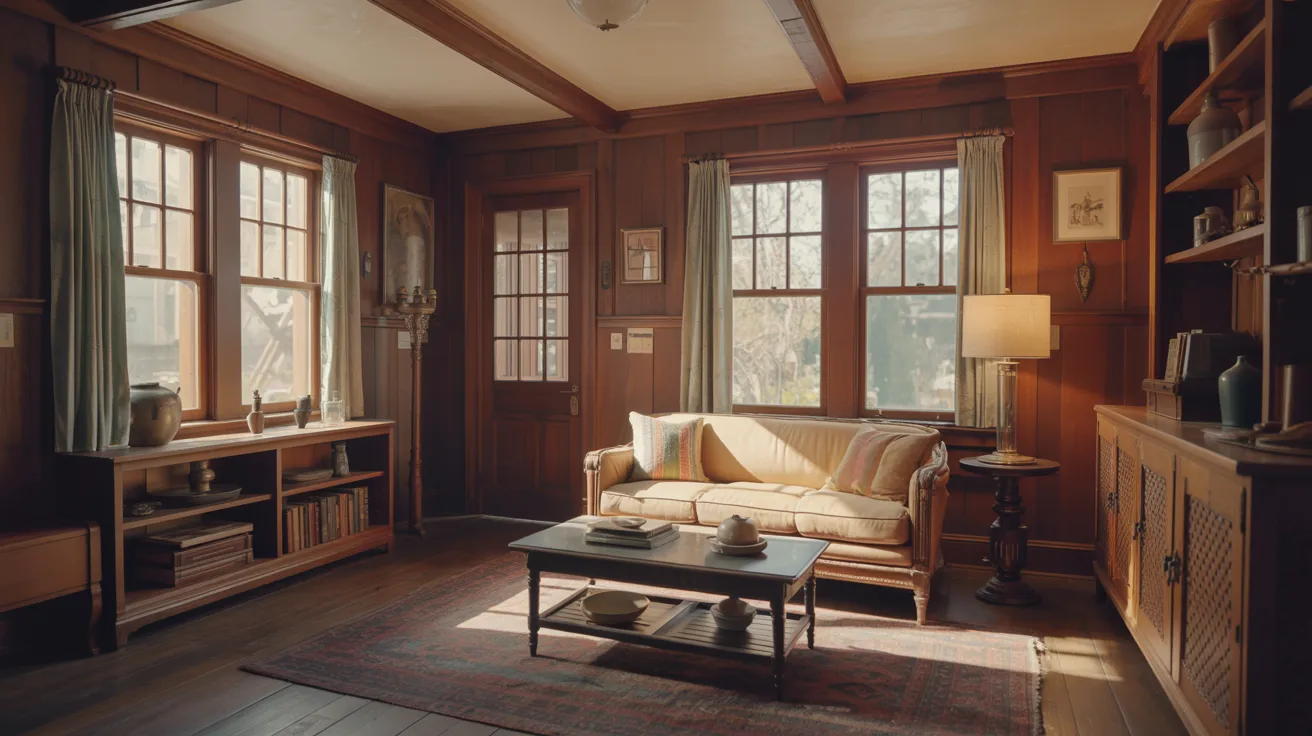
I almost walked past a 1920s bungalow once without a second glance. Then I stepped inside. The wood, the built-ins, the way every corner felt thought through.
I stood there longer than I planned. That visit changed how I look at interior design completely.
There is something about vintage 1920s bungalow interior design that modern homes just cannot fake. The warmth is real.
The craft is visible. And the best part? You can bring that feeling into your own home.
Let me show you exactly how.
What Defines Vintage 1920s Bungalow Interior Design?
These homes were built with purpose. Every detail had a reason, and nothing was added just for show. That is what makes the style hold up today.
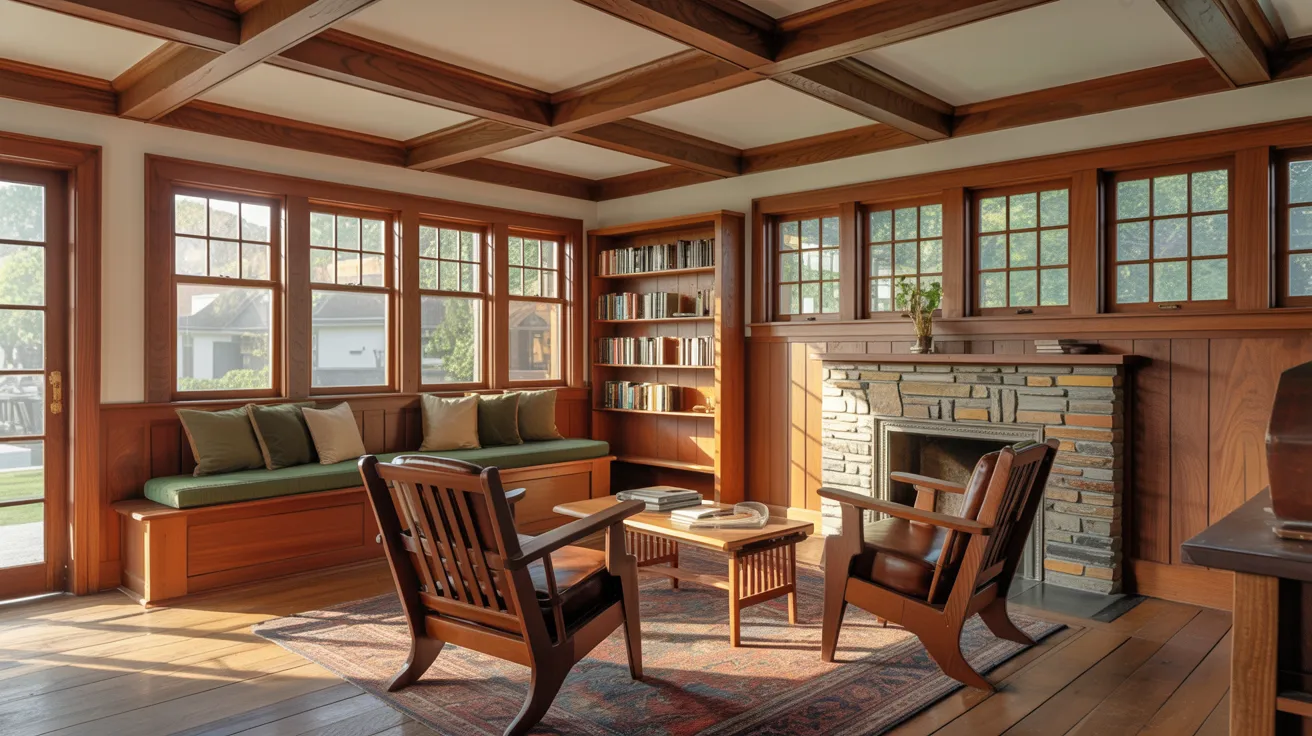
Built-in furniture was central to the design. Window benches, bookshelves, and wall storage made small spaces feel smart, not cramped.
Natural materials did the heavy lifting. Wood, stone, and brick gave each room texture and warmth that synthetic materials simply cannot copy.
The Craftsman style shaped much of this look. Clean lines, exposed woodwork, and earthy color palettes defined the era.
That balance of function and beauty is exactly why vintage 1920s bungalow interior design still works.
7 Amazing Vintage 1920s Bungalow Interior Design Ideas
These ideas go back to what made 1920s bungalows so special. Use one or use all seven. Either way, your space will feel more alive.
1. Integrate Warm Wood Tones Everywhere
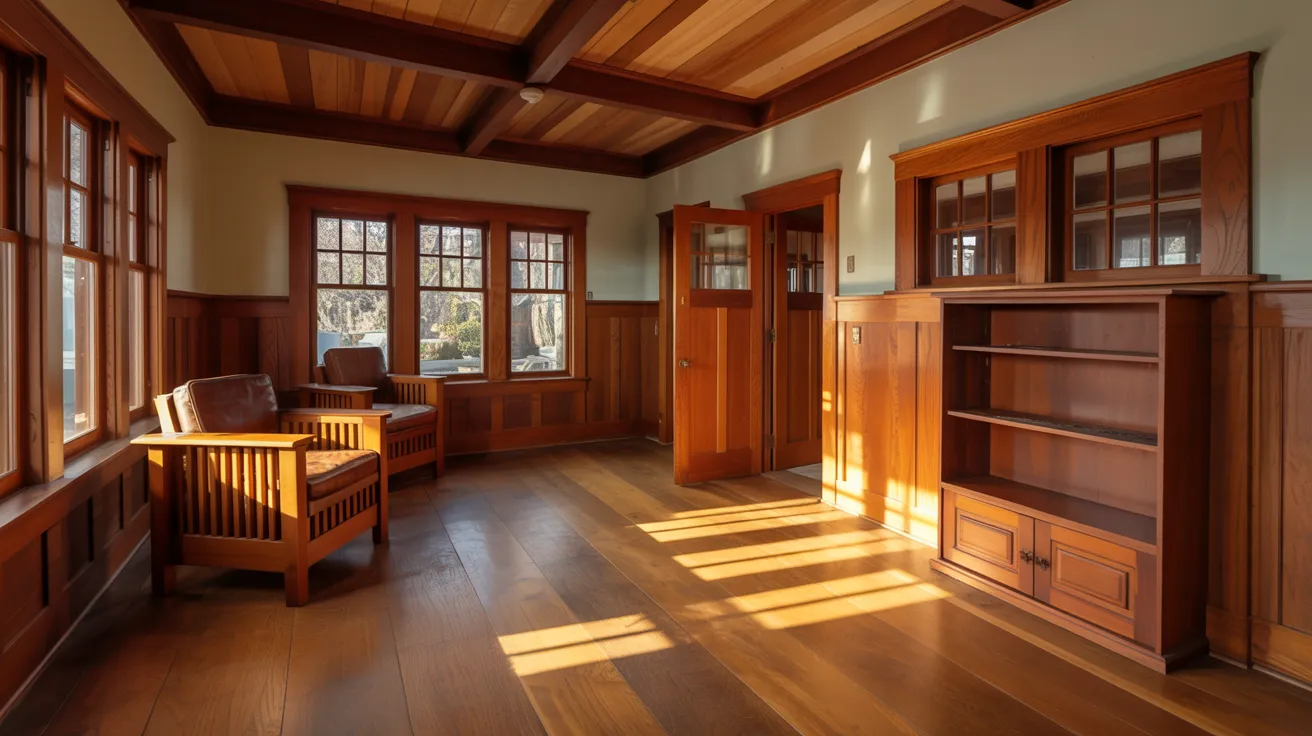
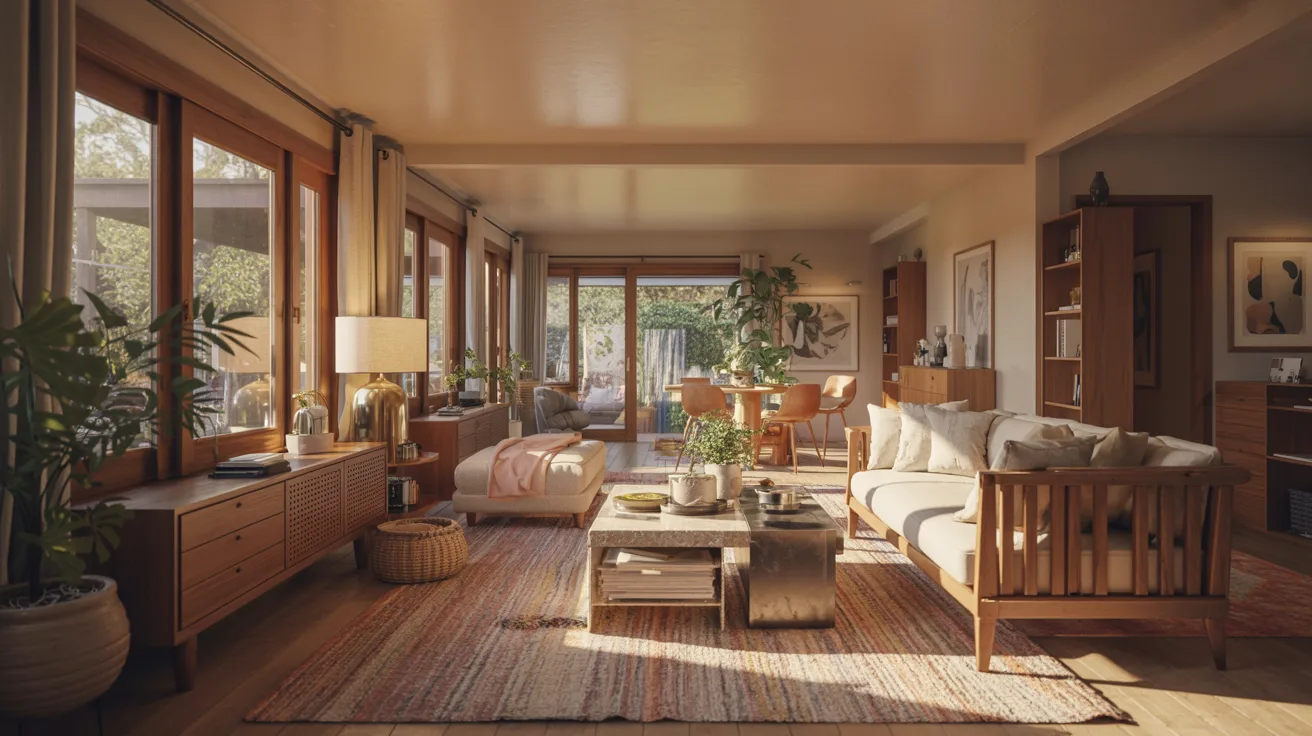
Wood is the backbone of this style. Oak, walnut, and teak finishes bring richness to floors, walls, and ceilings. Even a few wooden accents go a long way.
Exposed ceiling beams are one of the best things you can add. They draw the eye up and bring in that raw Craftsman character. Paired with wood trims and paneling, the effect is striking.
If your home already has original wood features, do not cover them up. Restore them instead. They are some of the most valuable parts of the space.
2. Built-In Furniture for Authentic Vibe
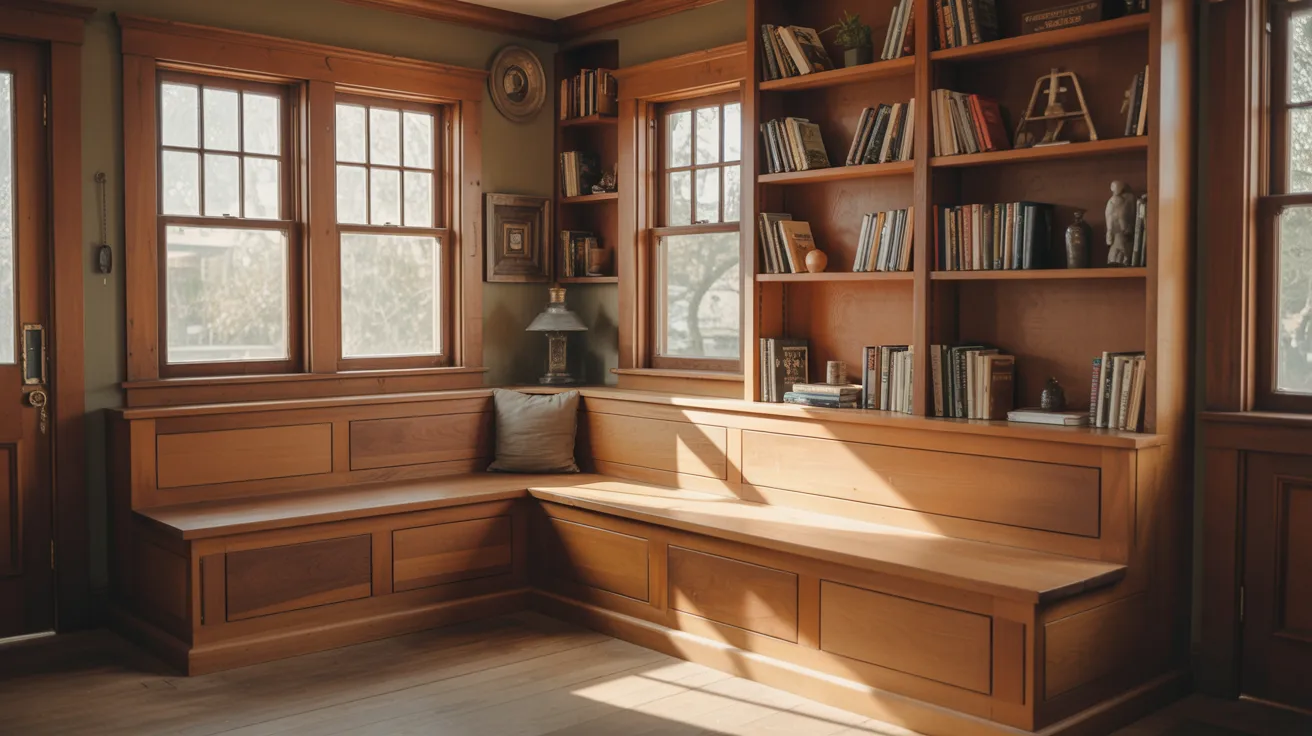
Built-ins were a smart solution to limited space. Window seats, bookcases, and storage benches served two purposes at once. They stored things and looked great doing it.
If your bungalow does not have original built-ins, you can add them. Custom woodwork that matches existing trim will blend right in without looking forced.
This single feature does more for vintage 1920s bungalow interior design than almost anything else. It signals craftsmanship and a home built to last.
3. Earthy and Muted Color Palettes
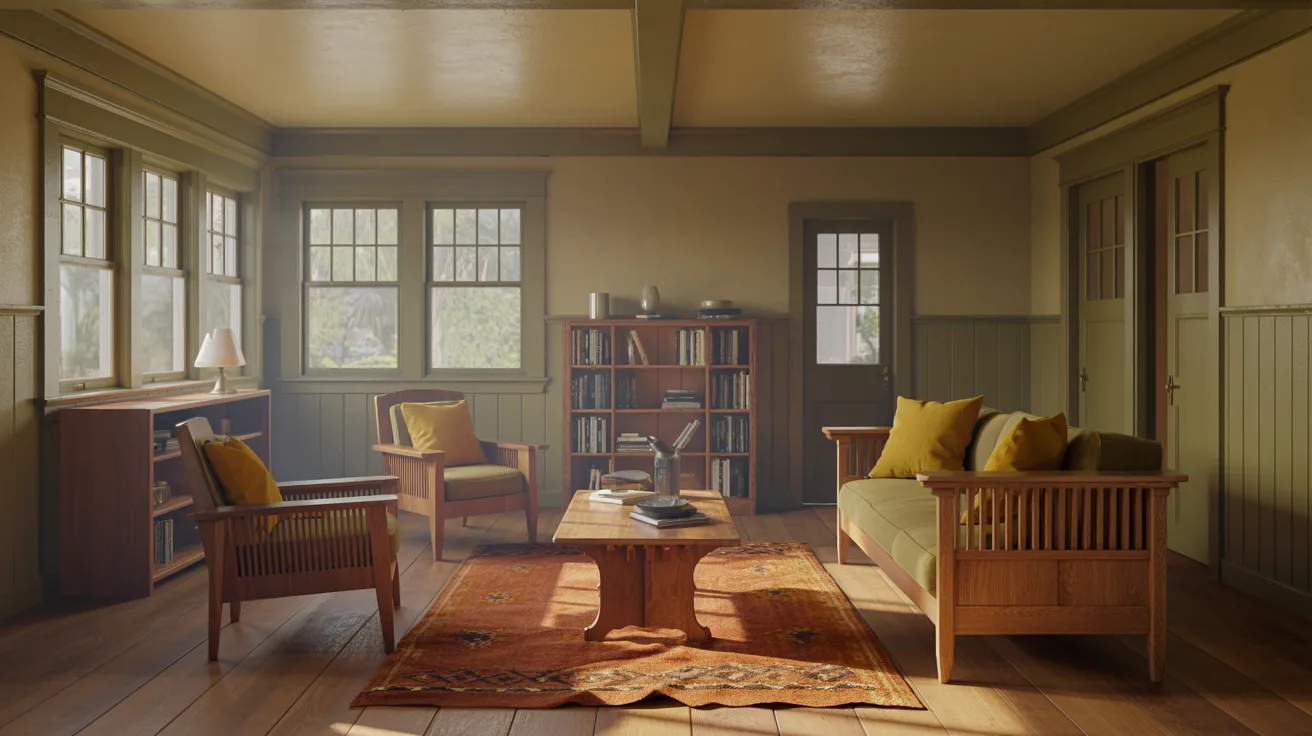
Forget bright whites and stark grays. Olive green, mustard yellow, rust, and warm beige are all strong choices for these homes.
Matte finishes work better than glossy ones. They absorb light gently and make walls feel soft instead of clinical. That matters in smaller rooms.
Even one or two muted tones on the walls can completely shift the mood of a room. Getting color right is that powerful.
4. Statement Lighting with Antique Appeal
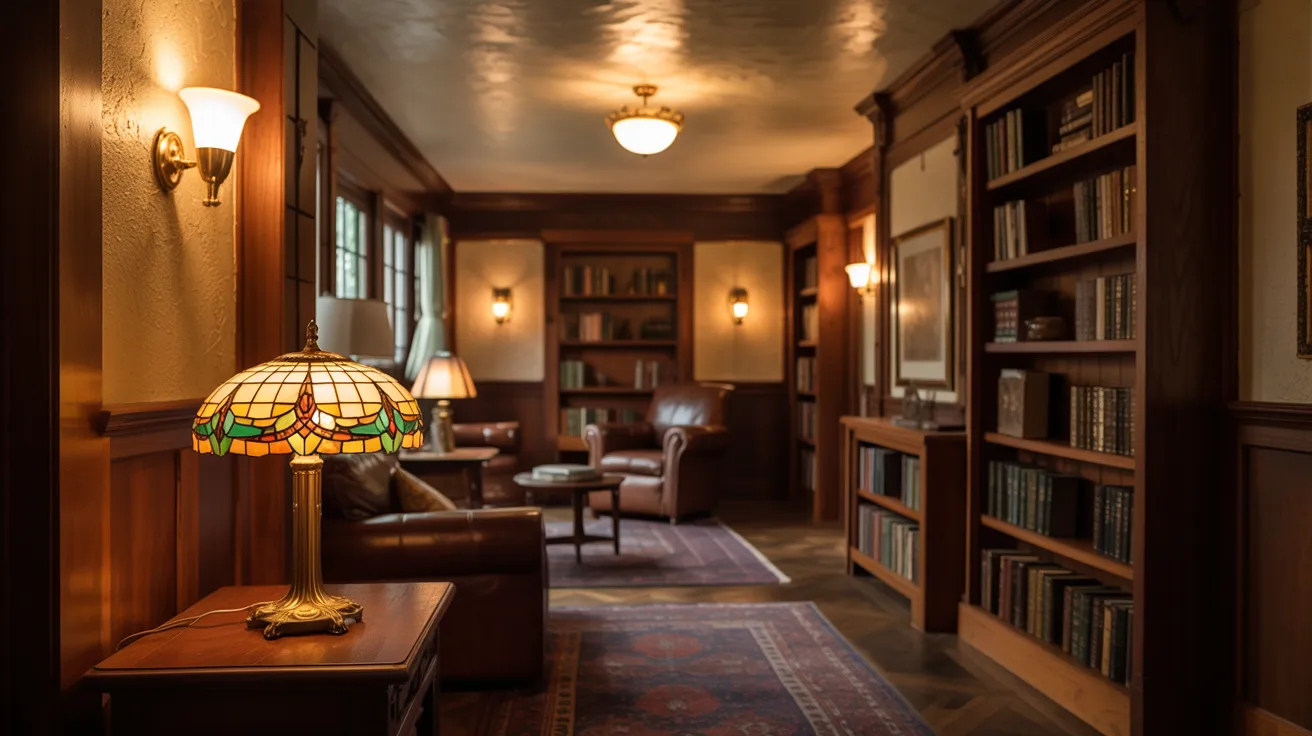
Lighting in a 1920s bungalow was never an afterthought. Tiffany-style lamps, brass fixtures, and warm-toned bulbs were all part of the design.
Avoid cool-white bulbs. They work against everything else in the room. Go for warm white or amber light sources instead. The difference is immediate.
In vintage 1920s bungalow interior design, good lighting sets a mood without trying too hard. It whispers rather than shouts.
5. Vintage Textiles and Layered Fabrics
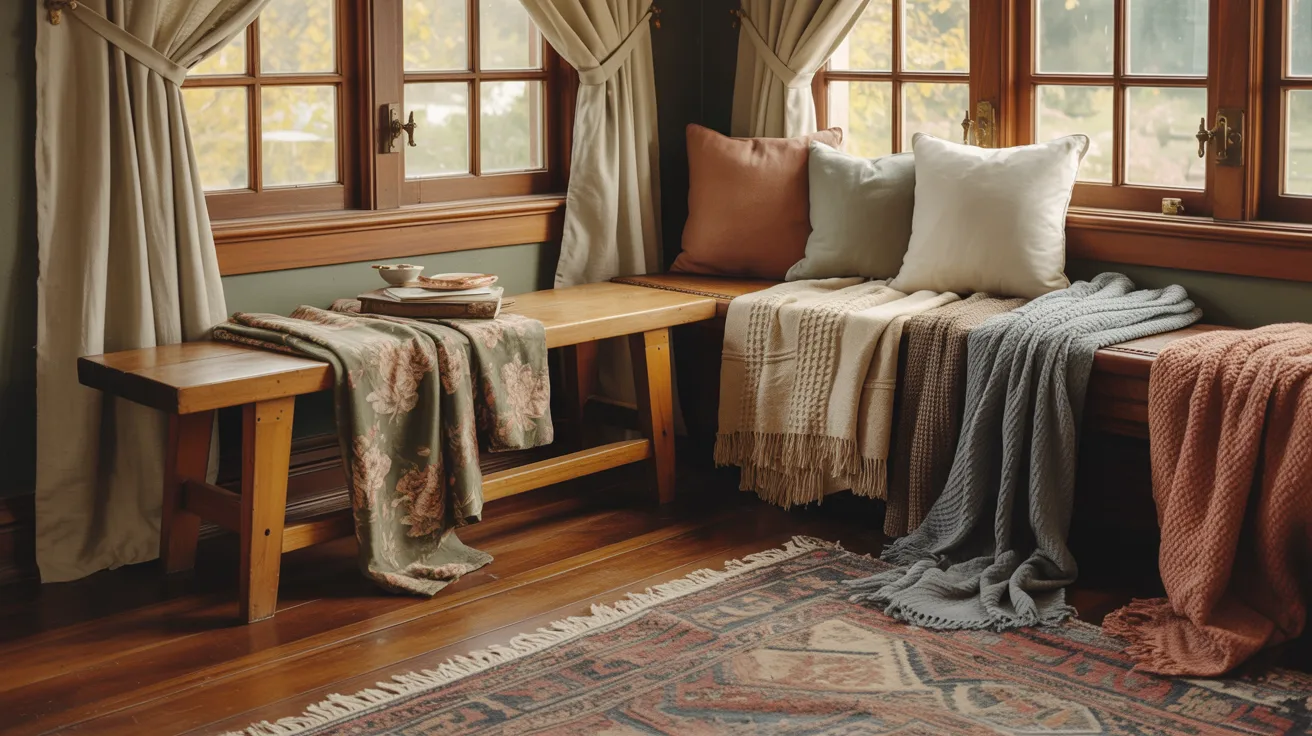
Wool rugs, linen curtains, and floral-printed throws bring texture and softness to every corner. Look for handmade or heritage-inspired pieces when you can. They carry a quality that mass-produced items lack.
Layering is the key. A wool rug over hardwood floors, linen curtains, a knitted throw over a wooden bench. That combination creates a room that feels lived-in and warm.
Pick fabrics that feel right together, not just ones that match. There is a real difference.
6. Handcrafted Details and Decorative Accents
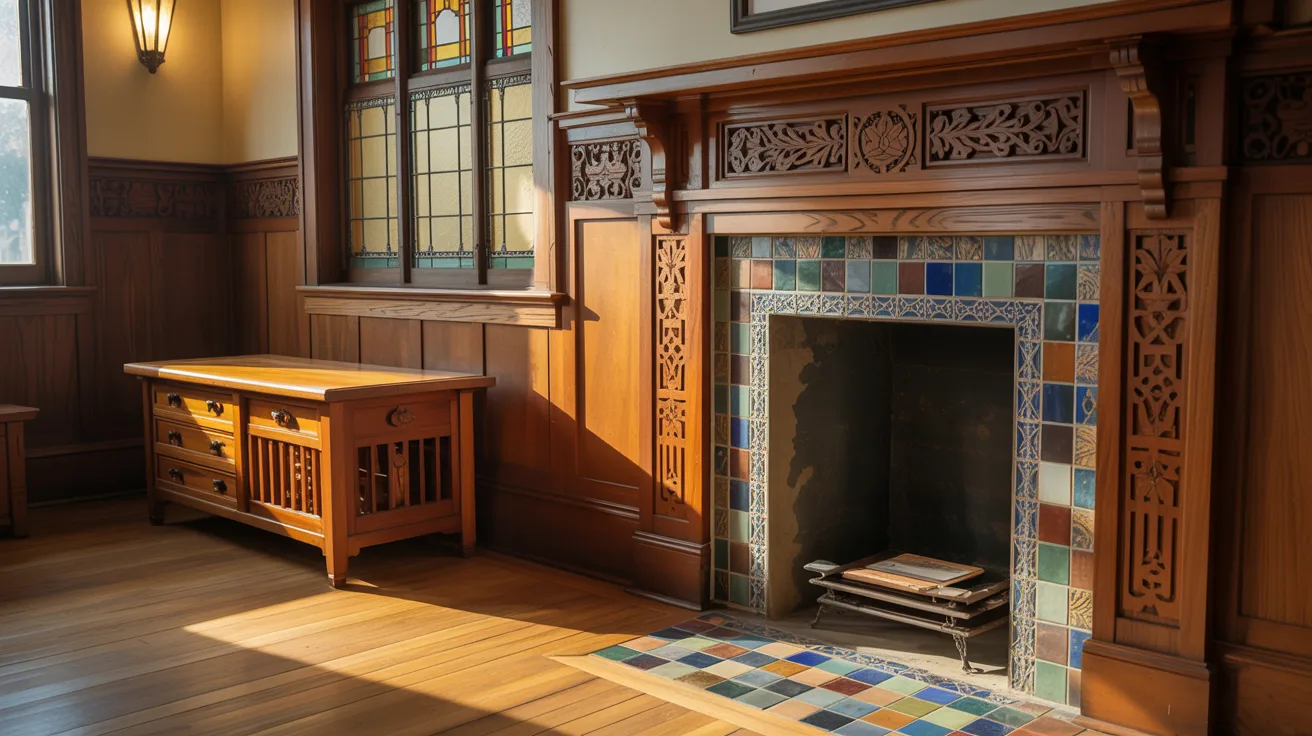
The details in a 1920s bungalow were never mass-produced. Stained glass windows, hand-painted ceramic tiles, and carved woodwork all reflected a time when making things by hand was the standard.
Stained glass catches light in a way that feels genuinely old-world. Even a small panel in a door or window makes a strong impression.
Ceramic tiles with hand-painted patterns work well in kitchens and bathrooms. Keep the rest of the room simple so they can stand out.
7. Functional Layout with Open Flow
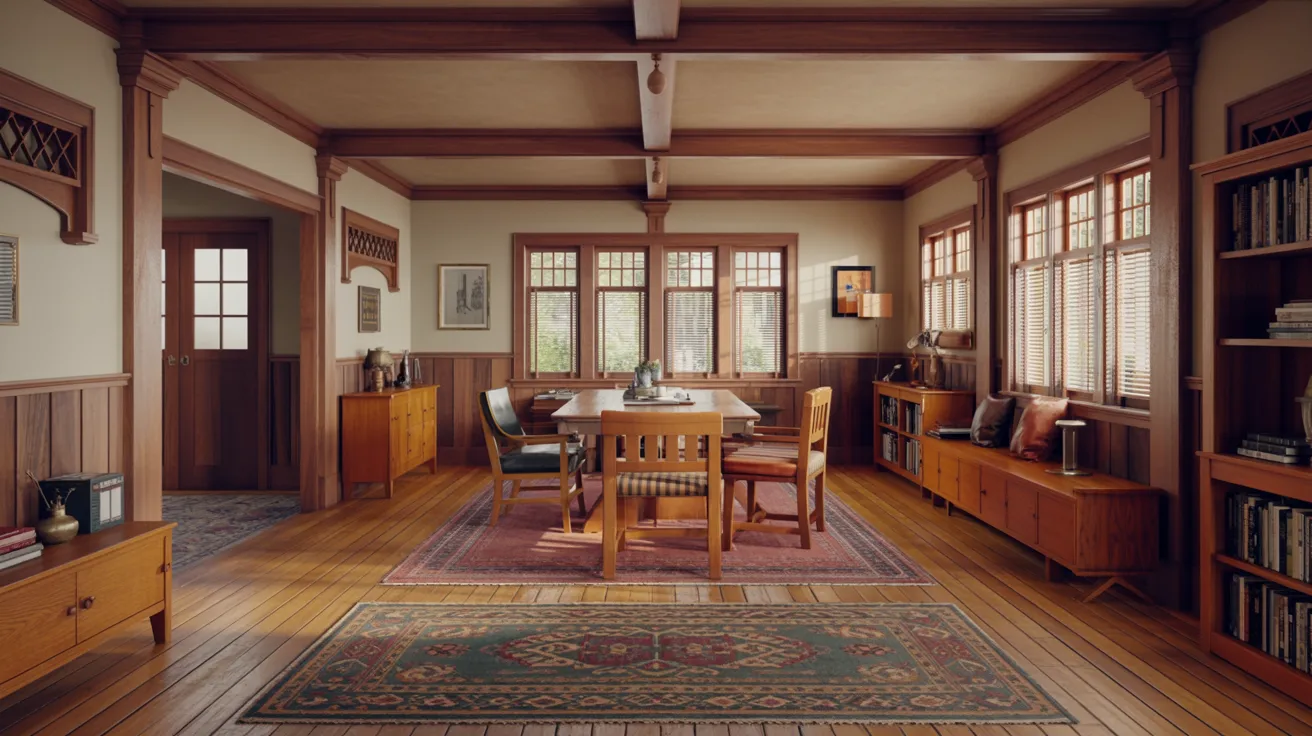
1920s bungalows were not large homes. Layouts were designed to use every square foot wisely. Spaces connected without feeling cut off, but each area still had its own purpose.
Define spaces using furniture and rugs instead of walls. A reading corner, a dining area, a sitting space. Clear but connected.
Keep pathways open and surfaces clean. A clutter-free room always feels bigger and more welcoming.
Common Mistakes to Avoid in Vintage Bungalow Interiors
Most mistakes come from pushing too hard in one direction, either going too modern or overdoing the vintage elements. Here are the biggest ones to watch for.
- Over-modernizing the space: Replacing original woodwork or built-ins with sleek modern alternatives strips the home of what makes it special. Work with what is already there.
- Using overly bright or synthetic colors: Bold or harsh tones clash directly with the warmth this style is built on. Always lean toward muted, natural shades.
- Ignoring built-in features: If your home has original built-ins, do not block, paint over, or remove them. They are a core part of the design.
- Cluttering small spaces: Too much furniture or too many decorative pieces makes the space feel heavy and closed off.
Respect the original bones of the home, add thoughtful modern comforts where needed, and let the space speak for itself.
Conclusion
Honestly, the best part about this style is that it does not ask you to be perfect. It asks you to be intentional. Pick one corner of your home and start there.
Swap in a warm-toned bulb, add a wool throw, or restore that one wooden detail you have been ignoring. Small moves add up fast. And if this sparked any ideas for your own space, I want to hear about it.
Drop a comment below, share this with someone who loves old homes, and let us keep the conversation going.
Frequently Asked Questions
What Is Vintage 1920s Bungalow Interior Design?
It is a style rooted in early 20th-century American homes featuring natural materials, built-in furniture, warm color palettes, and handcrafted detailing. The look is cozy, functional, and closely tied to the Craftsman movement.
How Is Craftsman Vintage 1920s Bungalow Interior Design Different?
Craftsman bungalow design puts a stronger focus on exposed woodwork, hand-finished surfaces, and construction quality. It values simplicity and skilled craftsmanship above decoration.
What Colors Were Popular in 1920s Bungalow Interiors?
Earthy, muted tones like olive green, warm beige, mustard yellow, and rust were widely used. These shades worked naturally with the wood and stone materials common in these homes.
Can I Modernize a 1920s Bungalow Interior?
Yes, modern comforts can be added without losing the original character. The key is keeping core design elements like woodwork and built-ins intact.
How Do I Decorate a Small Bungalow Space Effectively?
Lean on built-in furniture to save floor space and keep surfaces clear. Let the natural materials and warm tones do the visual work.