
Building a retaining wall near your house foundation can feel overwhelming. Done wrong, it can crack walls, flood basements, and cost thousands in repairs.
I’ve seen homeowners skip the basics and regret it later. This guide covers everything you need to know, from safe distances to drainage systems.
What you’ll cover: When it’s safe to build near a foundation, real risks you can’t ignore, best practices that actually work, and warning signs of foundation damage.
With 10+ years in home construction, I’ll help you get this right the first time.
Can You Build a Retaining Wall Next to House Foundation?
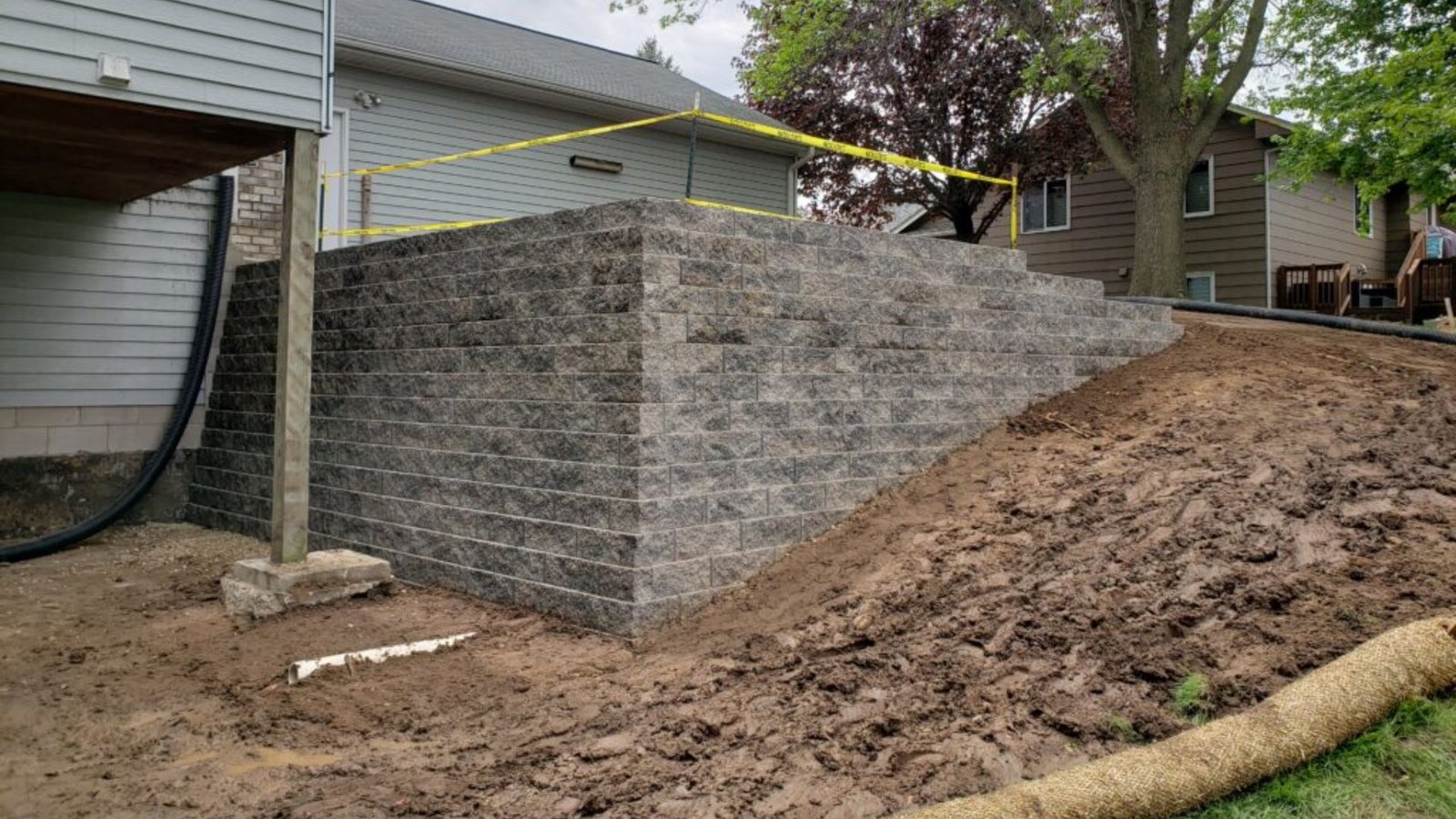
Yes, you can build a retaining wall next to a house foundation. But it takes careful planning. The wrong setup can push soil against your foundation and cause serious structural damage over time.
A retaining wall is safe when it follows a proper design. Keep the wall at least 3 feet away from the foundation. Walls under 3 feet carry less risk. Anything taller needs stronger support, better drainage, and a solid footing below the frost line.
Not every setup is safe though. Poor drainage lets water build up behind the wall and push against your foundation.
Walls without footings or rebar shift and lean over time. A wall that’s too tall for its design puts too much lateral pressure directly on your foundation.
Risks of Retaining Wall Next to House Foundation
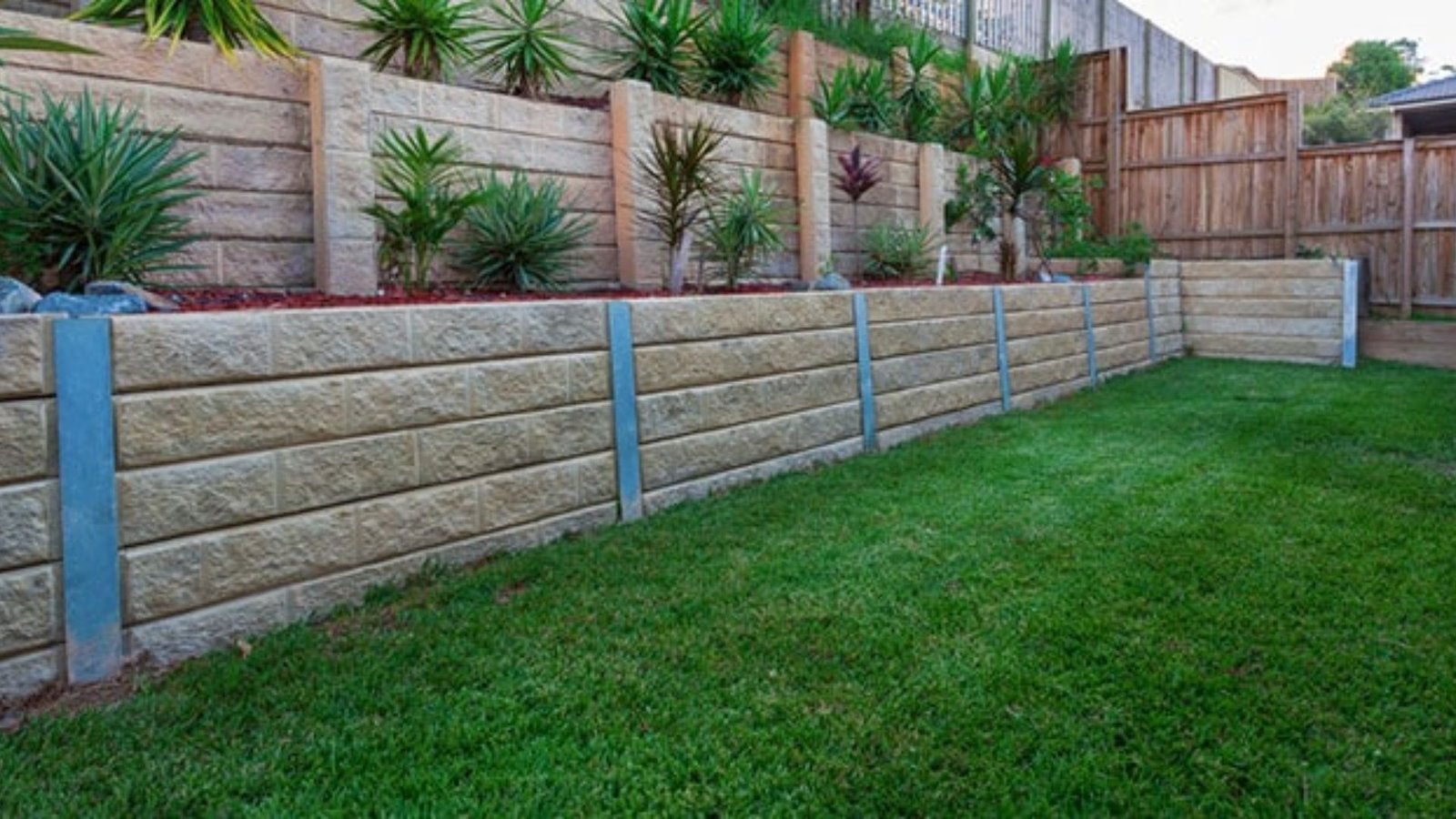
A retaining wall placed too close to your home can create serious problems. Here are the main risks every homeowner should know before starting construction.
Soil Pressure Against Foundation
When a retaining wall holds back soil, that soil still pushes outward. This is called lateral load. If the wall sits too close to your foundation, that pressure doesn’t just stay behind the wall. It transfers through the ground and pushes directly against your foundation walls.
Over time, this stress causes cracks. In severe cases, it can bow or shift the foundation inward.
The closer the wall, the greater the risk.
Drainage Problems and Water Damage
Water is the biggest enemy of any foundation. A retaining wall without proper drainage traps water behind it.
That trapped water builds pressure, known as hydrostatic pressure. It pushes against both the wall and your foundation.
This leads to basement leaks, wall cracks, mold and moisture damage, and foundation erosion over time.
Every retaining wall near a home needs a drainage plan. No exceptions.
Soil Movement and Foundation Settlement
Soil shifts. It expands when wet and contracts when dry. A retaining wall that isn’t designed for this movement can cause the ground around your foundation to become unstable.
When soil shifts unevenly, your foundation settles at different rates. This leads to cracks in the foundation, sloping floors, and gaps around windows and doors.
Once a foundation starts settling unevenly, repairs get expensive fast.
How Retaining Walls Affect House Foundations
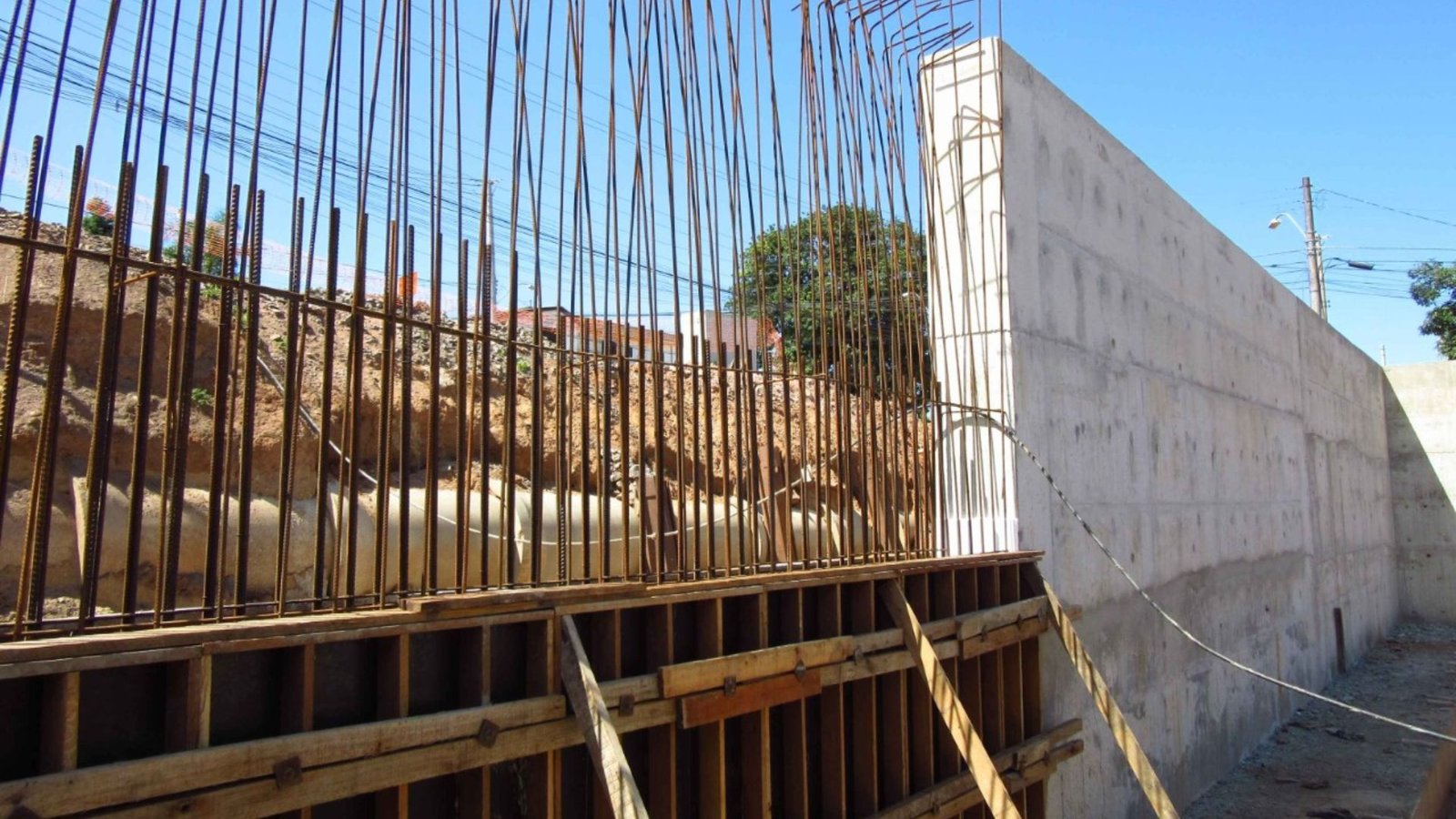
A retaining wall changes how your foundation handles both soil pressure and water flow.
When a wall is added nearby, soil that once carried an even load now takes pressure from two directions. If it can’t handle both, your foundation cracks and settles over time.
Water flow changes too. The wall interrupts natural drainage, causing water to pool and push toward your foundation. Wet soil expands, dry soil shrinks, and that constant shift weakens your foundation.
Proper drainage during construction keeps both problems in check.
Best Practices for Building a Retaining Wall Near Foundation
Follow these steps and you’ll protect your foundation while getting a wall that lasts.
Maintain Safe Distance and Height

Distance and height are the two most important factors in this build.
Keep the wall at least 3 feet from the foundation. For taller walls, increase that distance. A general rule is to step back 1 foot for every 1 foot of wall height.
For walls over 4 feet tall, you need a structural engineer involved. That’s not just a suggestion. In many areas, it’s required by local building codes.
Short walls, proper spacing, and the right design protect your home.
Install Proper Drainage System
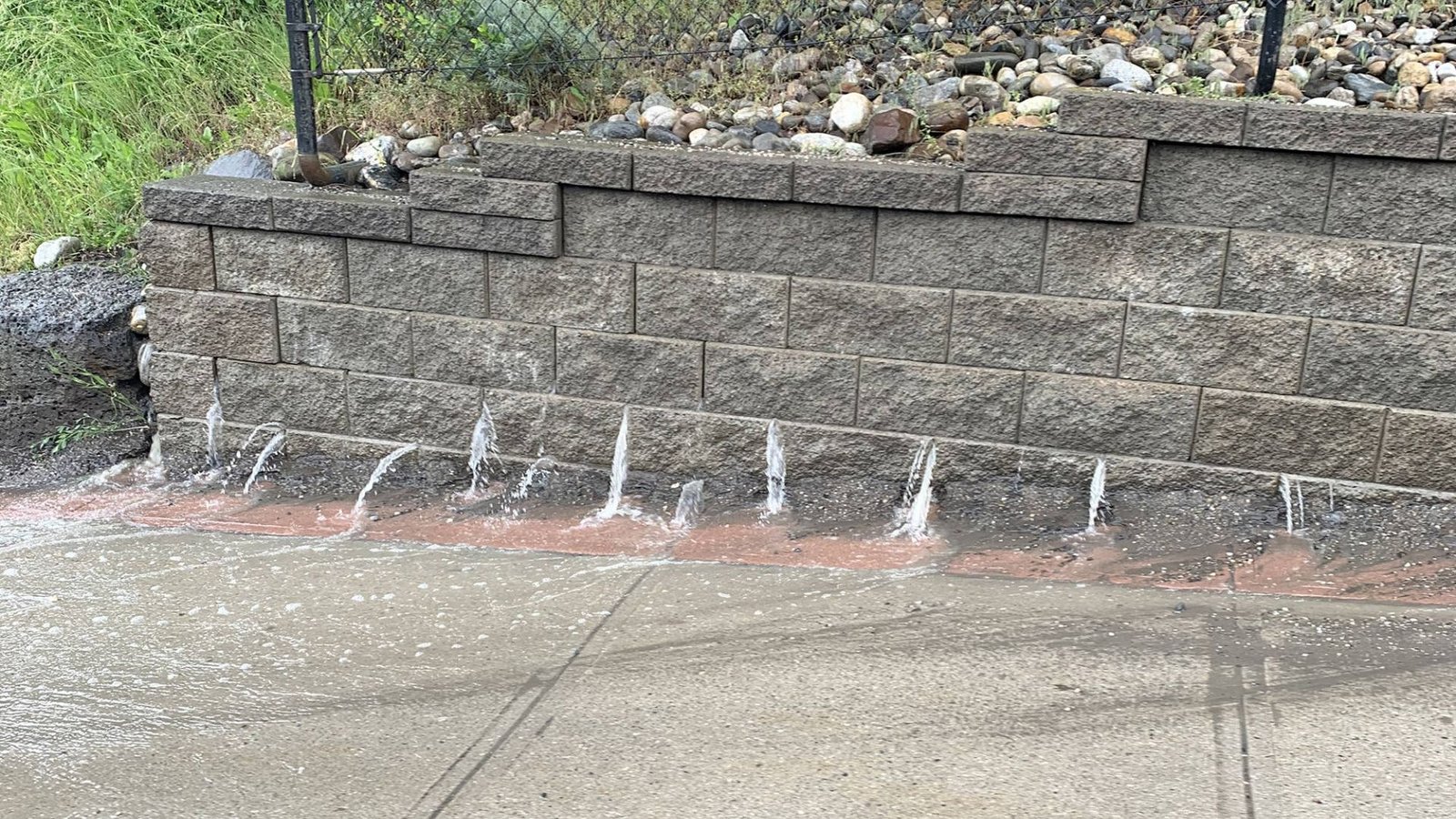
Drainage is what separates a safe retaining wall from a damaging one.
A complete drainage system includes gravel backfill directly behind the wall for water to pass through, weep holes placed every 6 to 8 feet along the base of the wall, a perforated drain pipe at the base to carry water away, and filter fabric to stop soil from clogging the gravel.
Water must have somewhere to go. If it can’t escape, it builds pressure. That pressure goes somewhere, and it’s usually your foundation.
Use Reinforced Materials and Strong Base
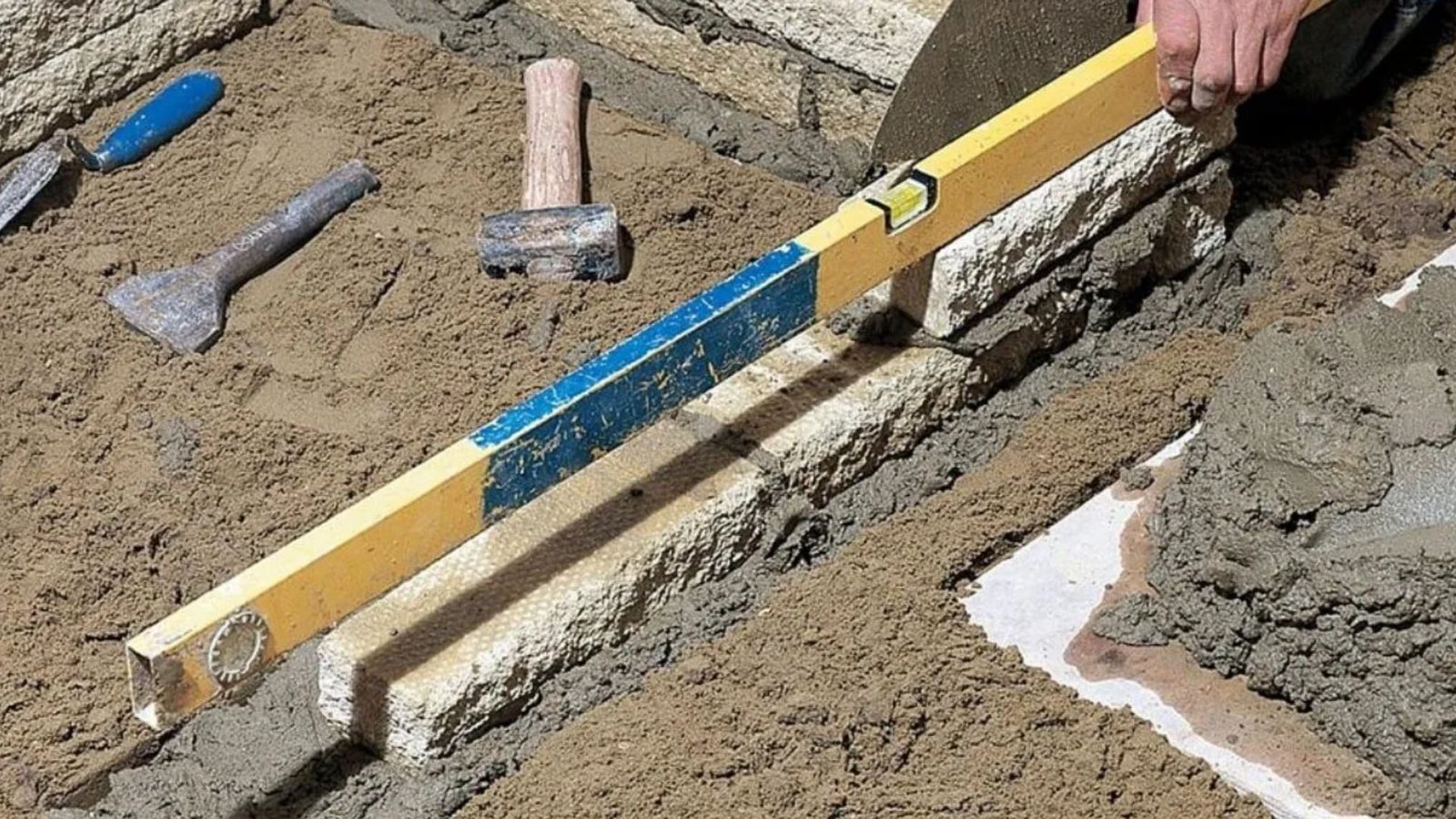
A retaining wall is only as strong as what it’s built on.
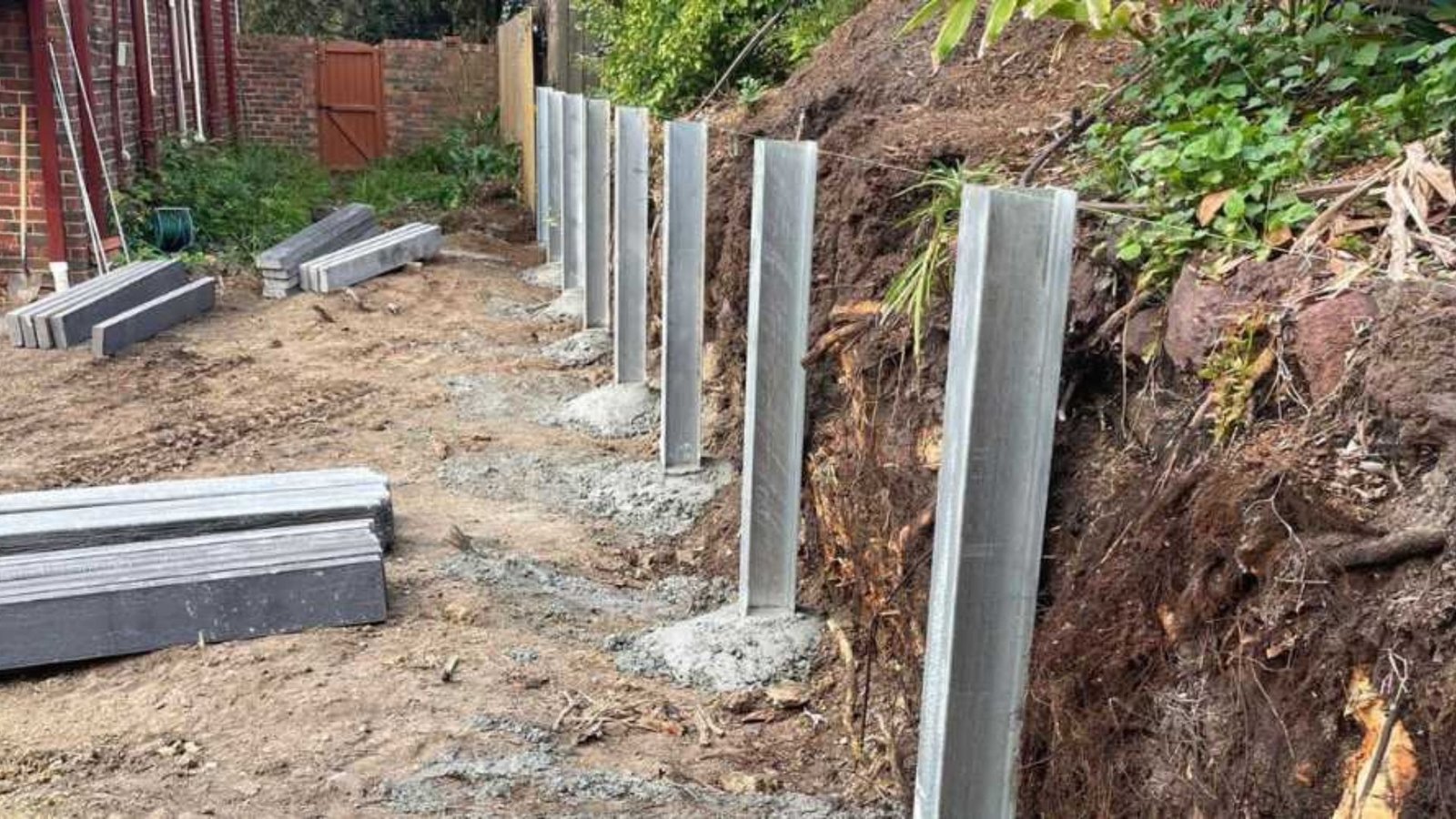
Start with a solid footing. Dig below the frost line in your area. Pour a concrete footing that’s wider than the wall itself.
Add rebar through the wall if it’s made from concrete or block. This gives the wall tensile strength to resist lateral pressure without cracking.
Compact the base material thoroughly. Loose or uneven base material leads to shifting and leaning over time.
Strong materials plus a solid base means a wall that holds for decades.
Signs a Retaining Wall Is Damaging Your Foundation
Sometimes damage is already happening. Knowing the warning signs early saves you from a much bigger repair bill.
Cracks in Foundation or Walls
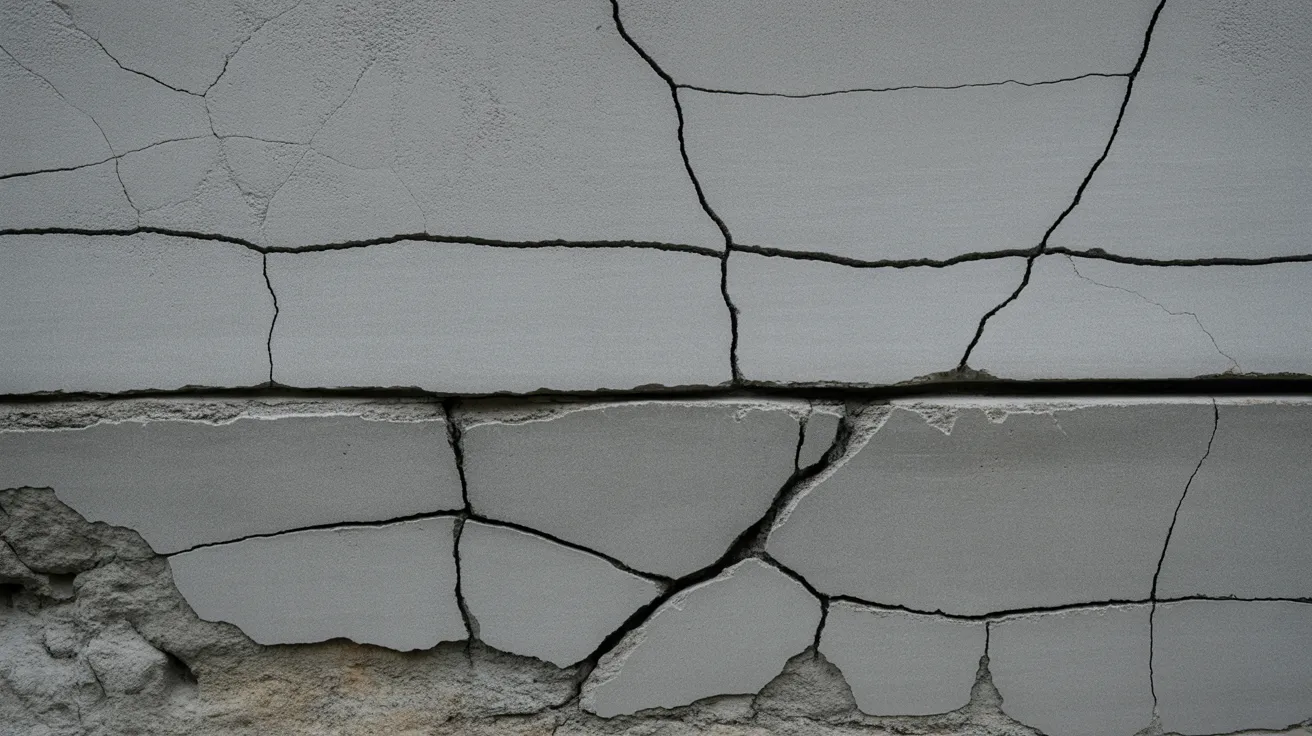
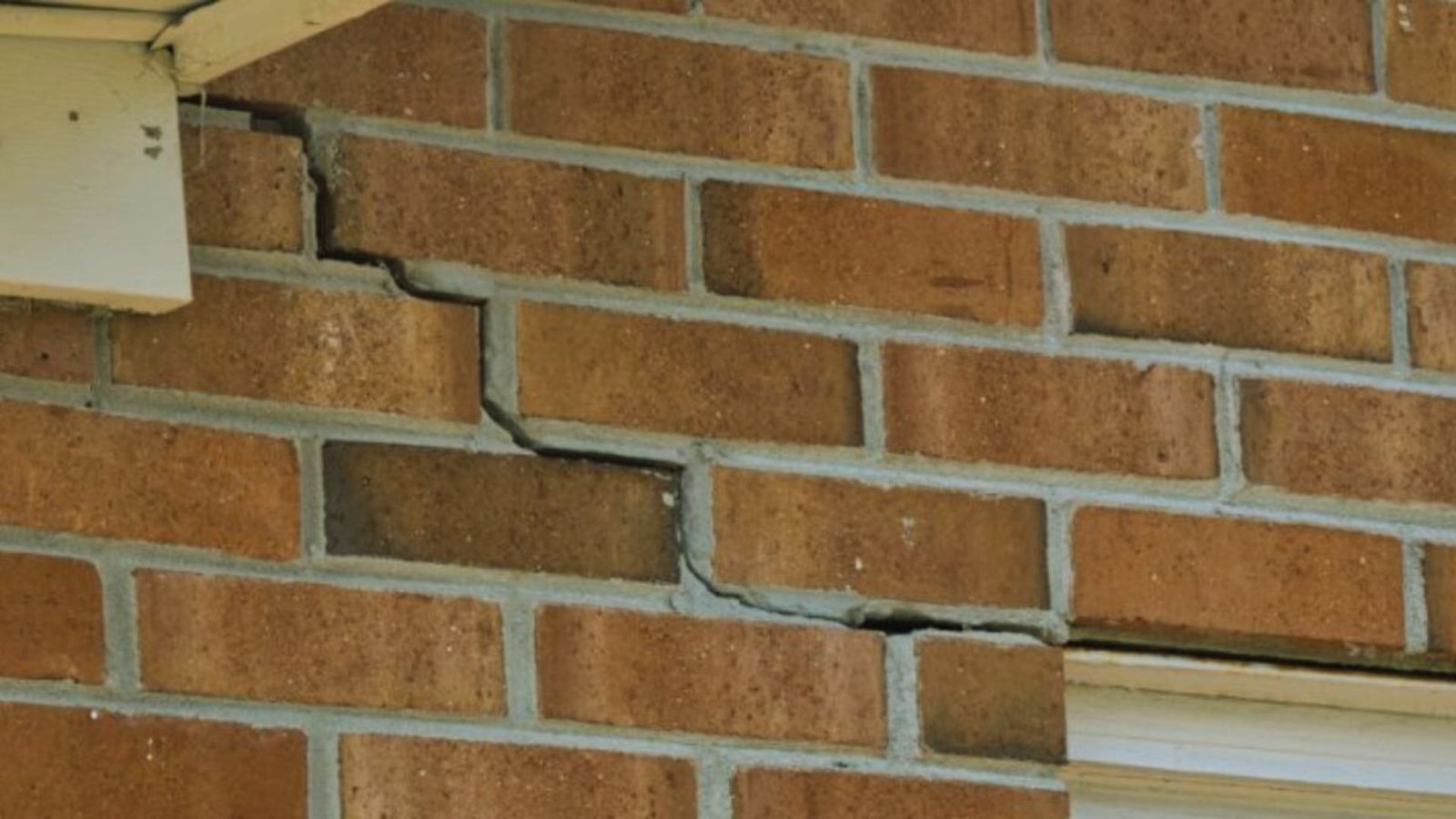
Cracks are never normal. Watch for horizontal cracks in the foundation wall, diagonal cracks near corners, stair-step cracks in brick or block, and cracks wider at the top than the bottom.
If you see cracks near the side closest to the retaining wall, get a professional assessment right away.
Leaning or Bulging Retaining Wall
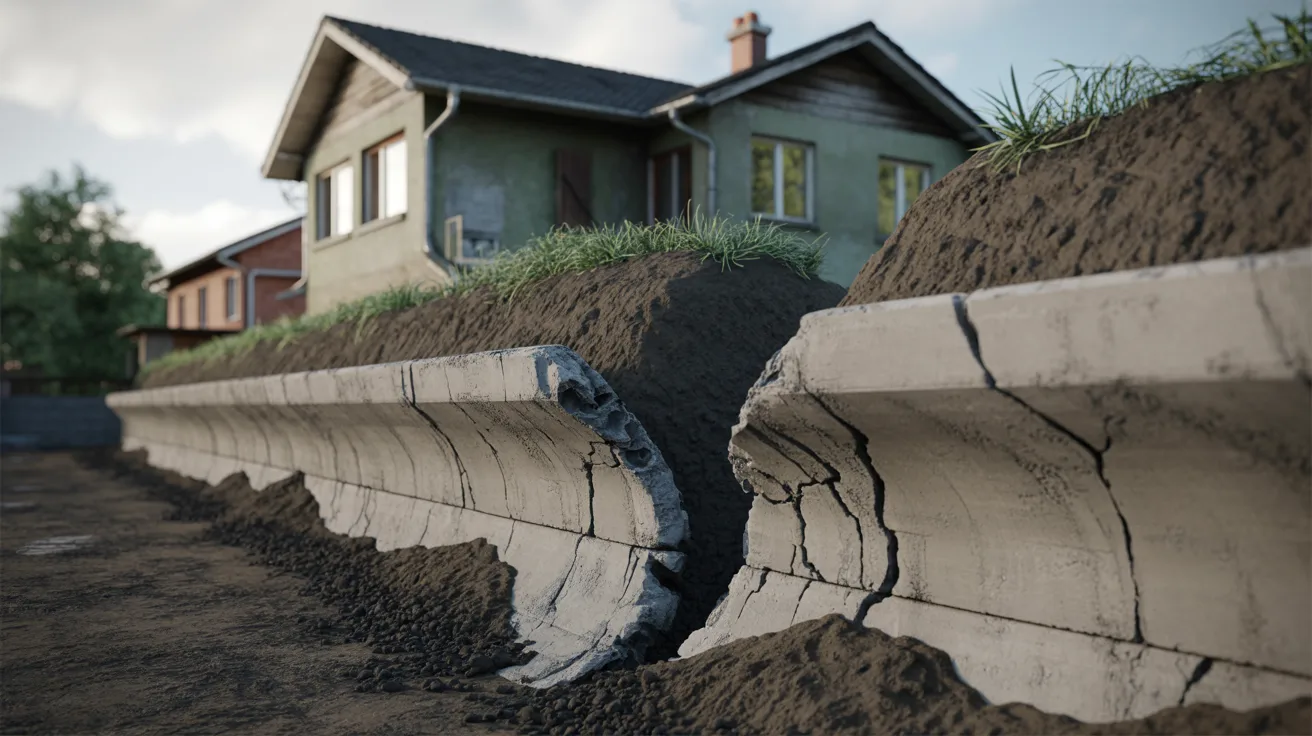
A straight wall stays straight. A lean or bulge usually means too much pressure behind the wall, a failed footing, or blocked drainage.
A leaning wall won’t fix itself. Act fast before it takes soil, landscaping, and your foundation stability with it.
Sticking Doors and Uneven Floors
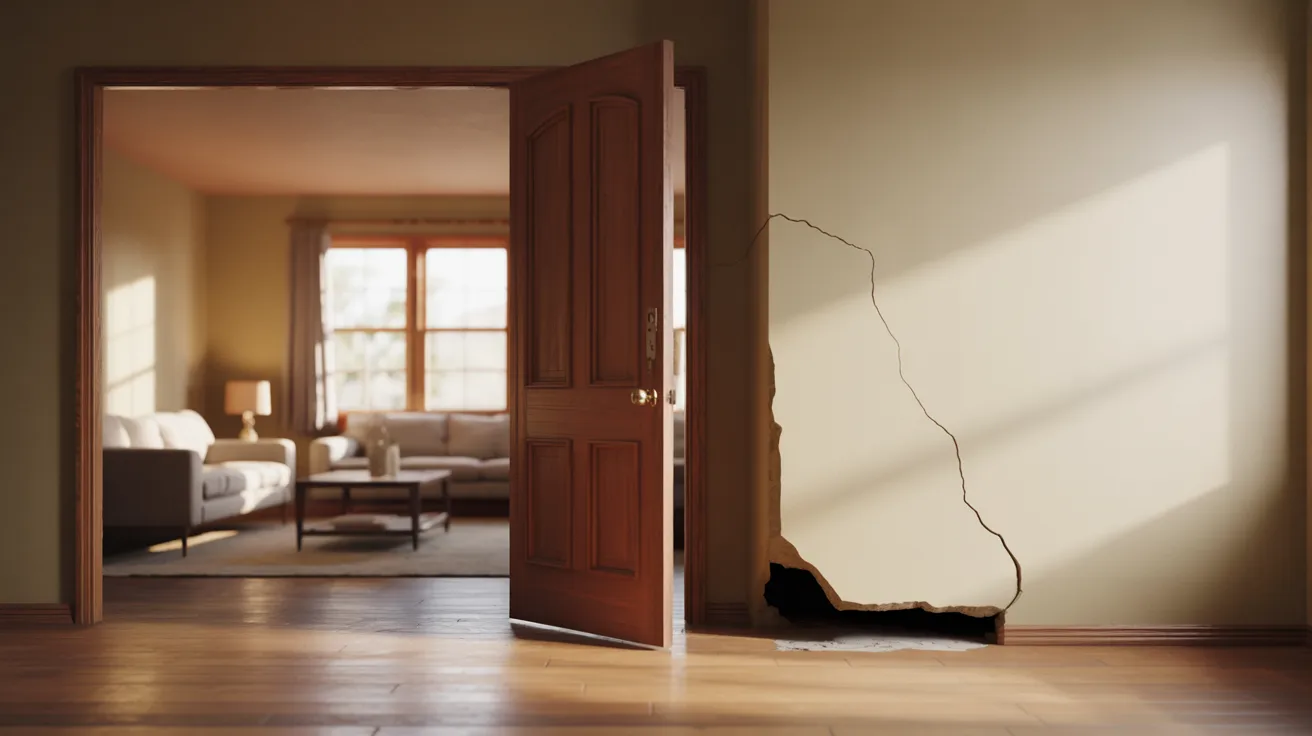
Foundation movement doesn’t always show up as a crack first. A door that won’t close right or a floor that feels slightly sloped can both be early signs.
If these issues appeared after building a retaining wall, have a structural engineer check the foundation before assuming it’s unrelated.
Common Mistakes to Avoid
Many retaining wall problems come from a handful of preventable errors.
Here are the most common ones to watch out for:
- Building the wall too close to the foundation increases soil pressure directly against your home
- Skipping proper drainage lets water build up and weaken both the wall and foundation over time
- Using shallow footings causes the wall to heave and crack when the ground freezes
- Leaving out rebar removes the tensile strength the wall needs to handle lateral pressure
- Cutting corners on gravel backfill and weep holes traps water with nowhere to go
When to Consult a Structural Engineer
Not every retaining wall needs an engineer, but some situations are too risky to guess on.
Bring in a professional if your yard has a steep slope, clay soil, or if the wall sits within 3 feet of your foundation. Walls over 3 to 4 feet tall also need expert review. At that height, a failure can be sudden and very costly.
Many areas require a permit and an engineer’s approval for taller walls. The consultation fee is always cheaper than fixing a failed wall.
Conclusion
Building a retaining wall near your foundation isn’t something to rush. I learned that watching a neighbor deal with basement leaks after skipping drainage. It cost far more to fix than to do right the first time.
Keep your distance, install proper drainage, and use strong materials. Those three things make all the difference.
If this guide helped you, leave a comment below or share it with someone planning a similar project. I’d love to hear how your build goes.
Frequently Asked Questions
How close can a retaining wall be to a house foundation?
A retaining wall should be at least 3 feet from the foundation. For taller walls, increase that distance to reduce soil pressure and drainage issues.
Does a retaining wall need drainage near a foundation?
Yes, drainage is required. Without gravel backfill, weep holes, and a drain pipe, water builds pressure behind the wall and can damage your foundation.
Can a retaining wall cause foundation cracks?
Yes. A wall built too close, without drainage or proper footing, can push soil pressure against your foundation and cause cracks over time.
How tall can a retaining wall be near a house?
Walls under 3 to 4 feet are generally manageable with good design. For anything taller, you need a structural engineer and likely a building permit.
When should I hire a structural engineer for a retaining wall?
Hire one if the wall is over 3 to 4 feet tall, within 3 feet of the foundation, on sloped land, or if the soil is clay-heavy. These conditions raise the risk level significantly.