
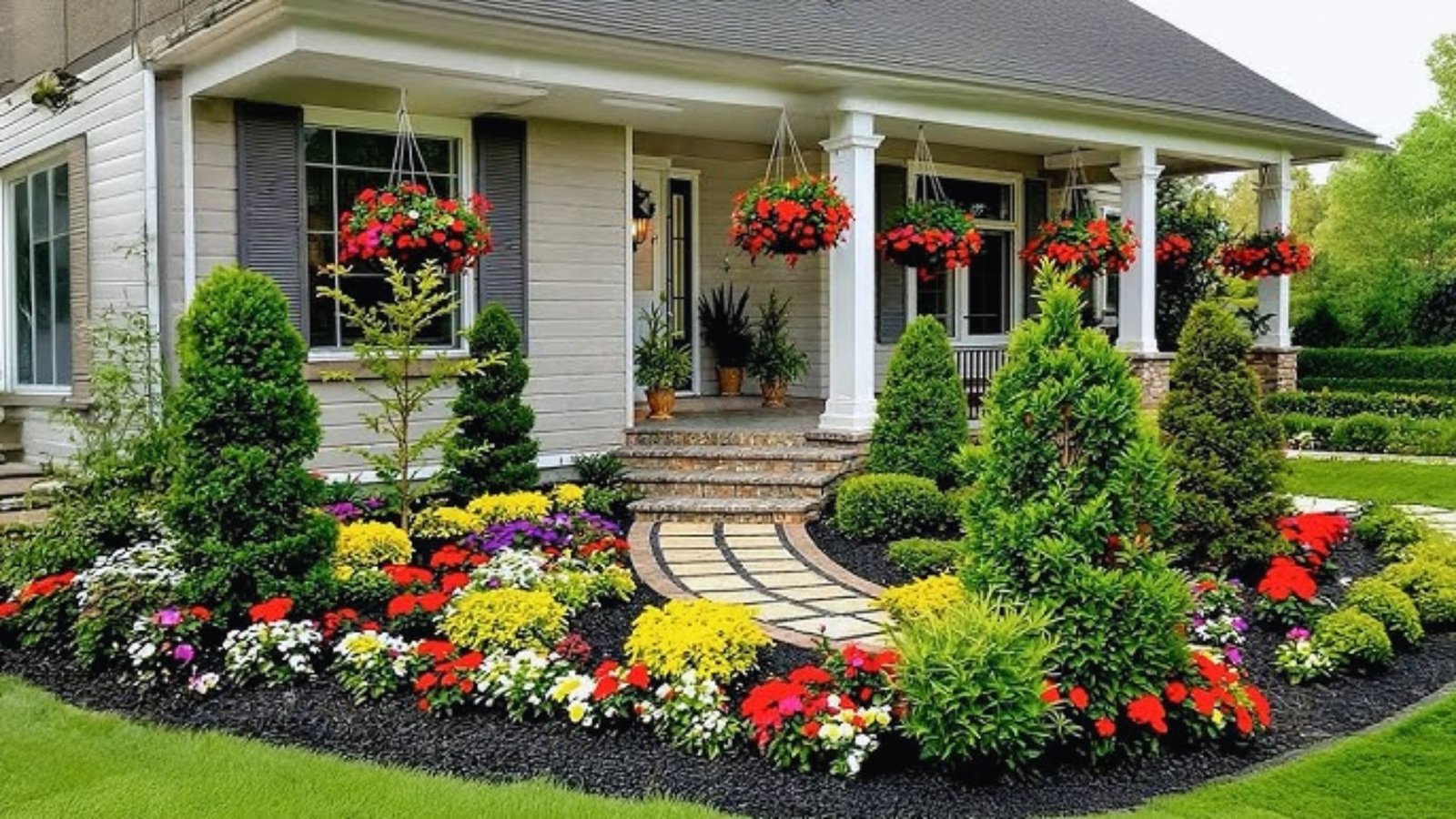
I used to stare at my yard and feel completely lost. Too many plants. Too much clutter.
No clear plan. Sound familiar? Most people think a great yard needs more. More plants, more features, more money. But the truth is, less works better.
This article gives you 11 real minimalist landscape design ideas you can use right away.
I’ll show you the best low-maintenance plants, practical tips to get started, and simple answers to common questions.
No fluff. Just honest advice that actually works.
What Is Minimalist Landscape Design?
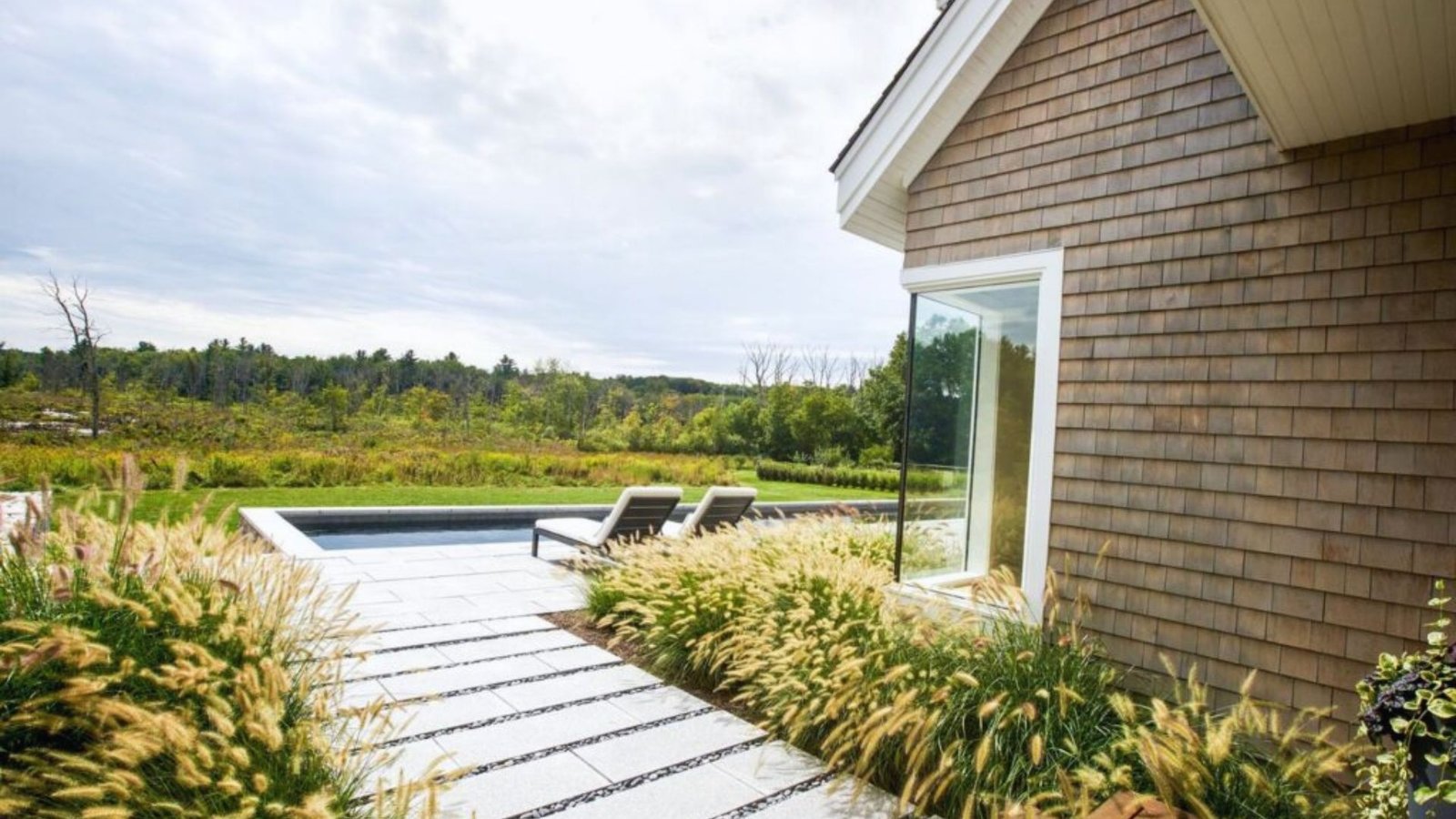
Minimalist landscape design is about keeping your yard clean, simple, and well-organized.
It focuses on using fewer plants, materials, and features but placing each one with purpose. Instead of filling every corner, you leave open space on purpose.
The result feels calm and easy to maintain. It’s not about doing less work upfront. It’s about making smart choices so your yard looks good with less effort over time.
Think clean lines, natural materials, and a few plants that do the heavy lifting.
11 Minimalist Landscape Design Ideas with Actionable Advice
Here are simple ideas to help you design a cleaner, calmer yard without overcomplicating it.
1. Simplify Your Plant Palette
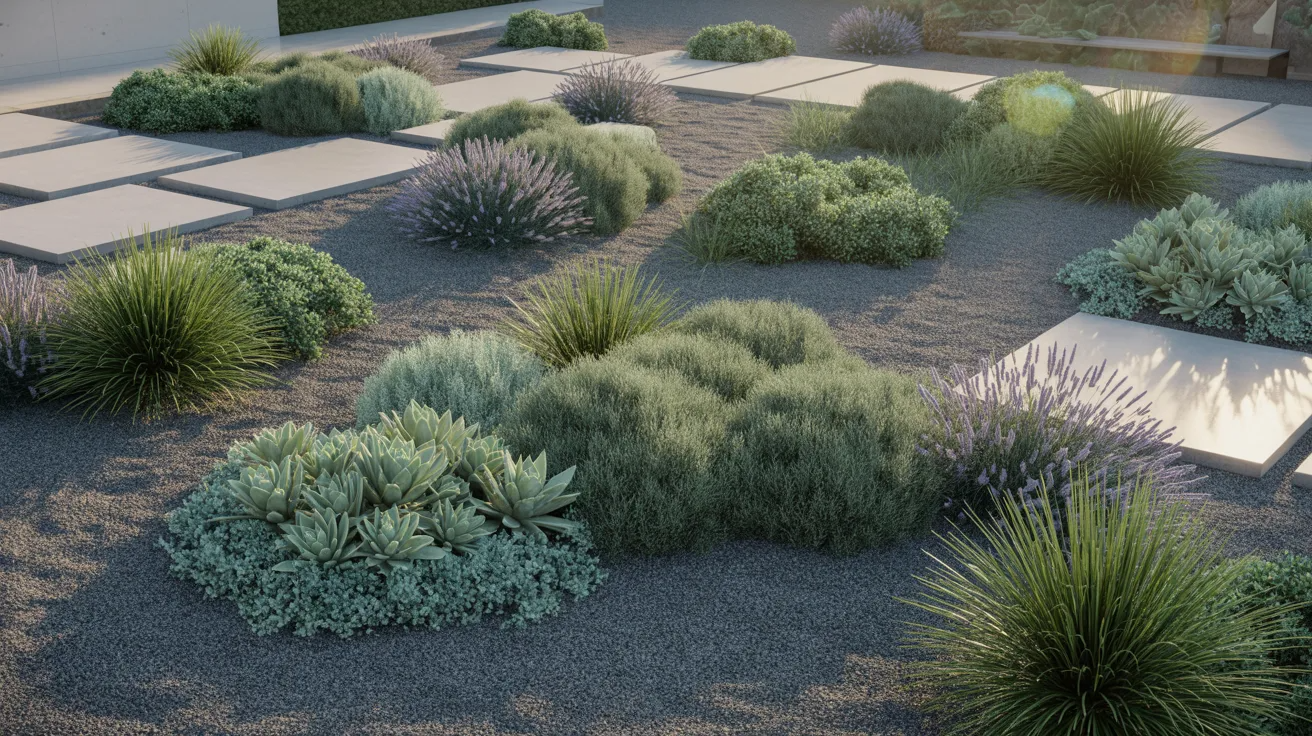
Too many plant types make a yard look messy. Pick 2 to 4 varieties and stick with them. Group them in large, repeated clusters instead of scattering them around.
This creates a clean, intentional look. Mass planting also reduces weeding because plants grow close together and block sunlight from reaching weed seeds.
Less variety means less confusion and more visual calm. Your yard will feel planned, not random.
Actionable Tip: Limit to 2–4 plant varieties and use mass plantings for visual cohesion.
2. Use Native and Drought-Tolerant Plants
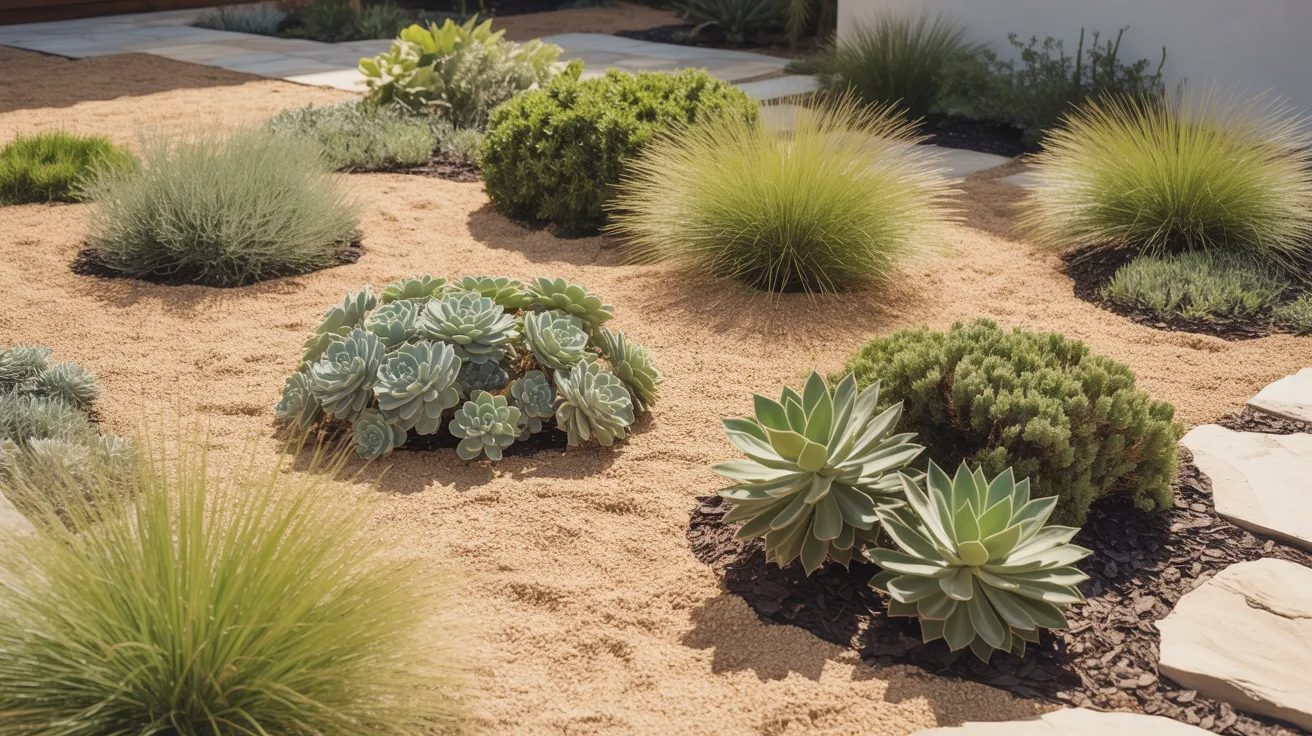
Native plants grow where they belong. They need less water, fewer chemicals, and almost no extra care once they settle in. Drought-tolerant plants work the same way.
They survive dry spells without daily watering. Choosing plants adapted to your local climate saves time and money. It also keeps your yard looking healthy without constant attention.
This is one of the easiest ways to reduce long-term maintenance while keeping your space looking intentional and put-together.
Actionable Tip: Choose plants adapted to your climate to save water and reduce maintenance.
3. Incorporate Geometric Hardscaping
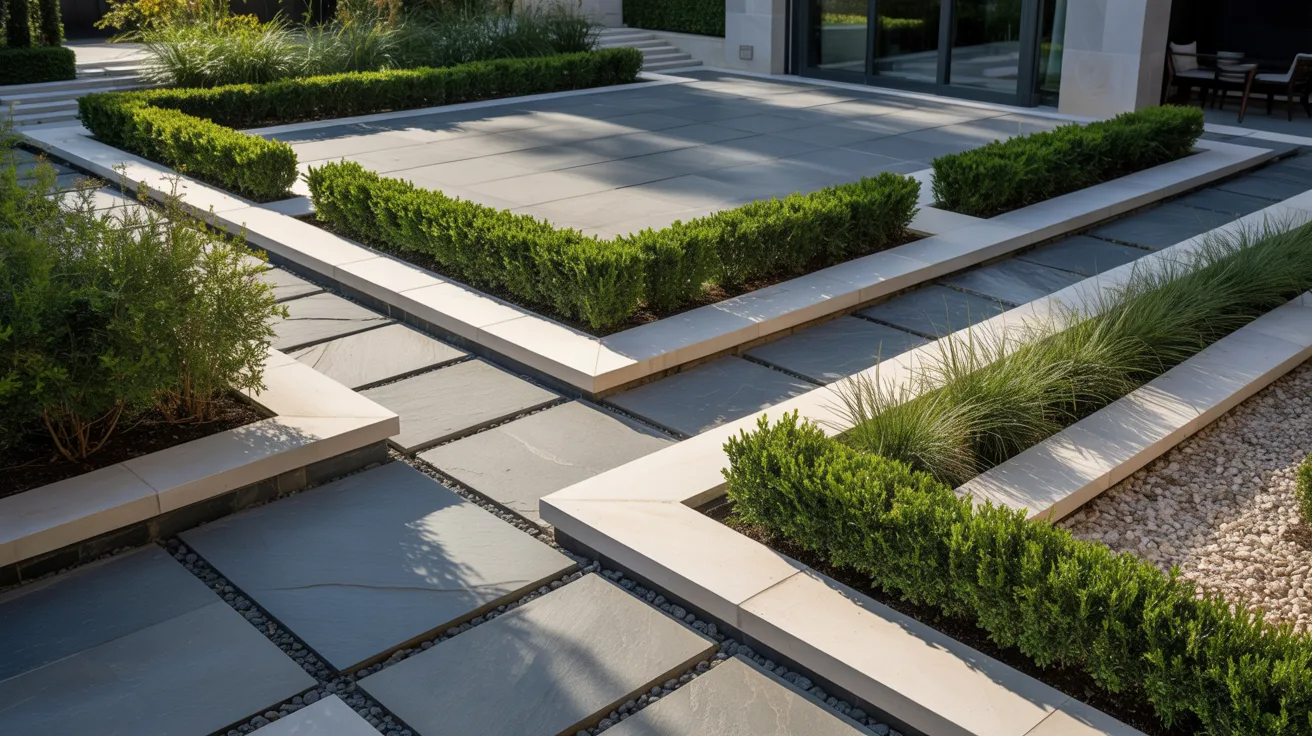
Curves can feel busy. Straight lines feel calm. Geometric hardscaping uses clean shapes like rectangles, squares, and straight paths to give your yard structure.
A rectangular patio or straight stone pathway instantly makes a space feel more organized. Clean edges are the backbone of minimalist design. They guide the eye and create order.
Even a simple straight walkway from your door to the garden can make a big difference in how your yard feels overall.
Actionable Tip: Use straight pathways, rectangular patios, and clean-edged garden beds.
4. Create a Single Focal Point
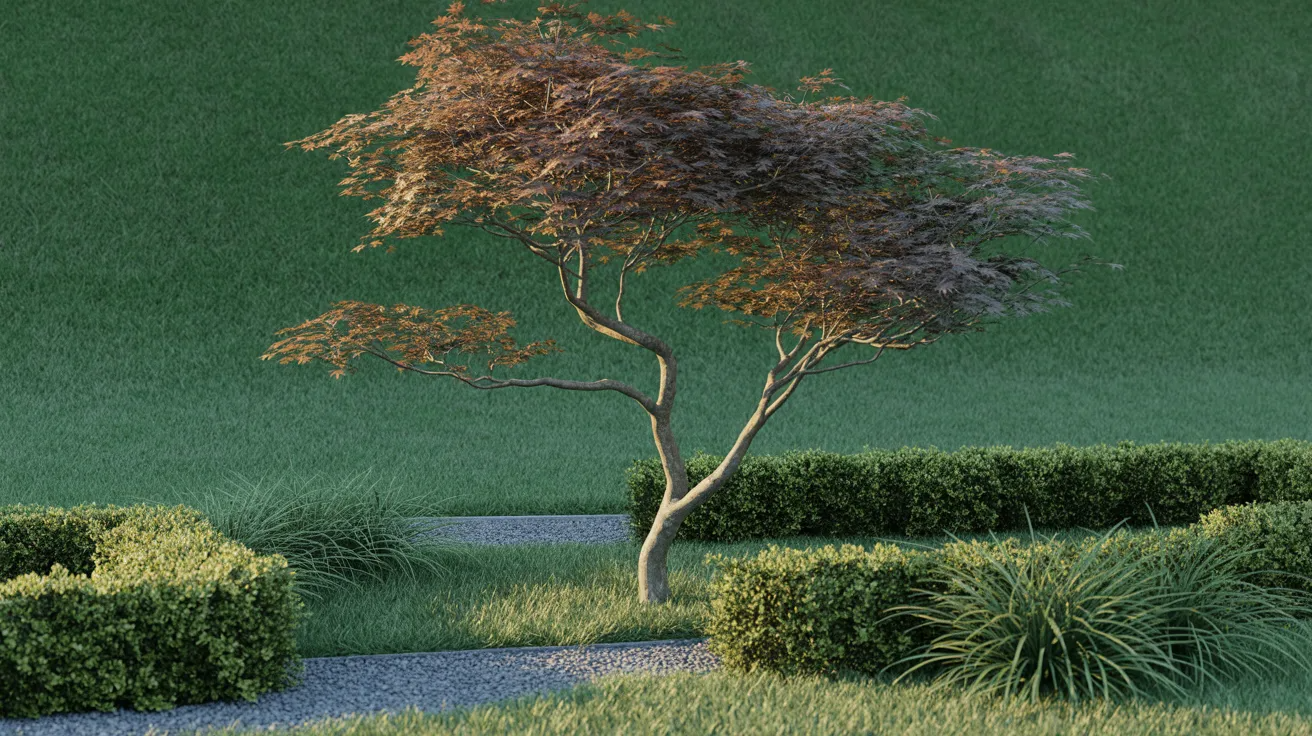
One strong focal point does more than ten scattered decorations. A statement tree, a simple water feature, or a well-placed sculpture draws the eye and gives your yard a center.
Everything else in the yard should support that one point, not compete with it. This keeps things simple and intentional. Start by choosing one element you love.
Then build the rest of your yard around it. That’s how you create a yard that feels designed, not decorated.
Actionable Tip: Add a statement tree, water feature, or sculpture to anchor the design.
5. Embrace Negative Space
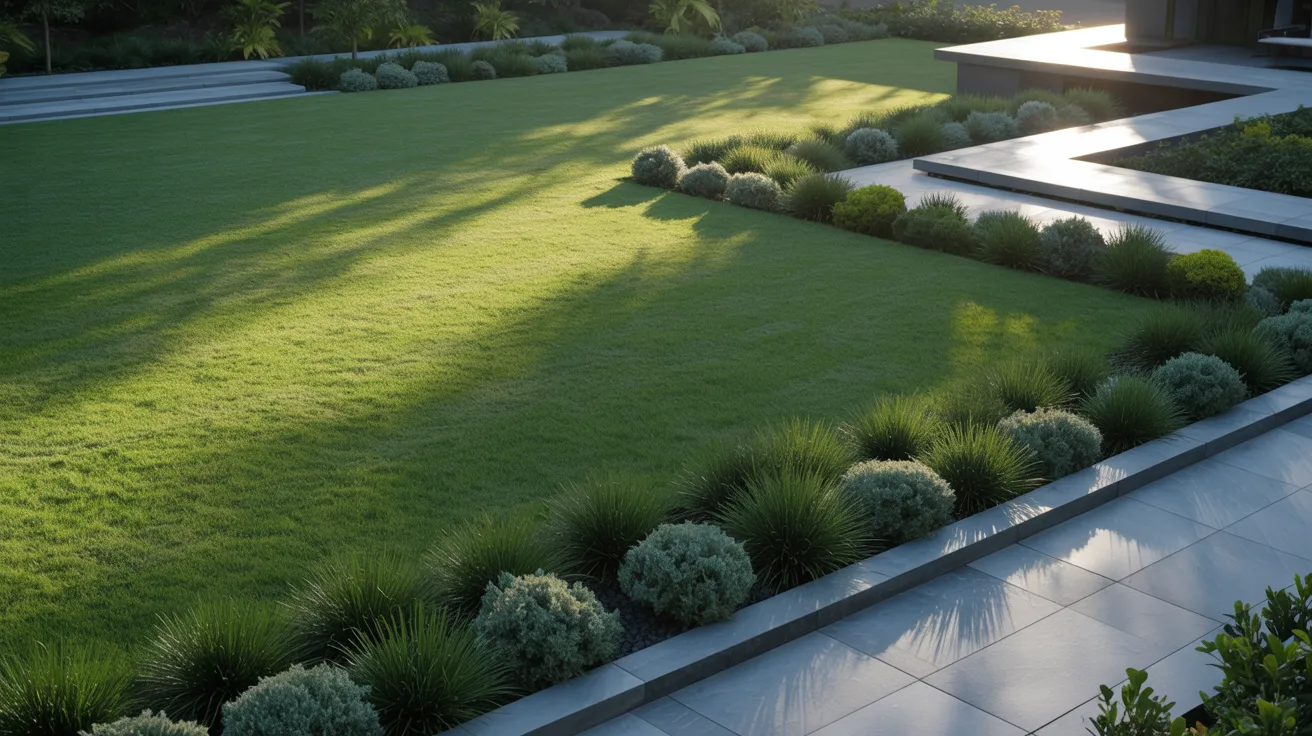
Negative space is the empty area between plants and hardscaping. Most people fill every gap. Minimalist design does the opposite. Open space gives your yard room to breathe.
It makes the plants and features you do have stand out more. Think of it like white space on a page.
Without it, everything blends together. With it, each element gets its own moment. Leave areas open on purpose and resist the urge to fill them.
Actionable Tip: Leave open areas between plants and hardscape to create balance and breathing room.
6. Use Gravel and Stone Elements
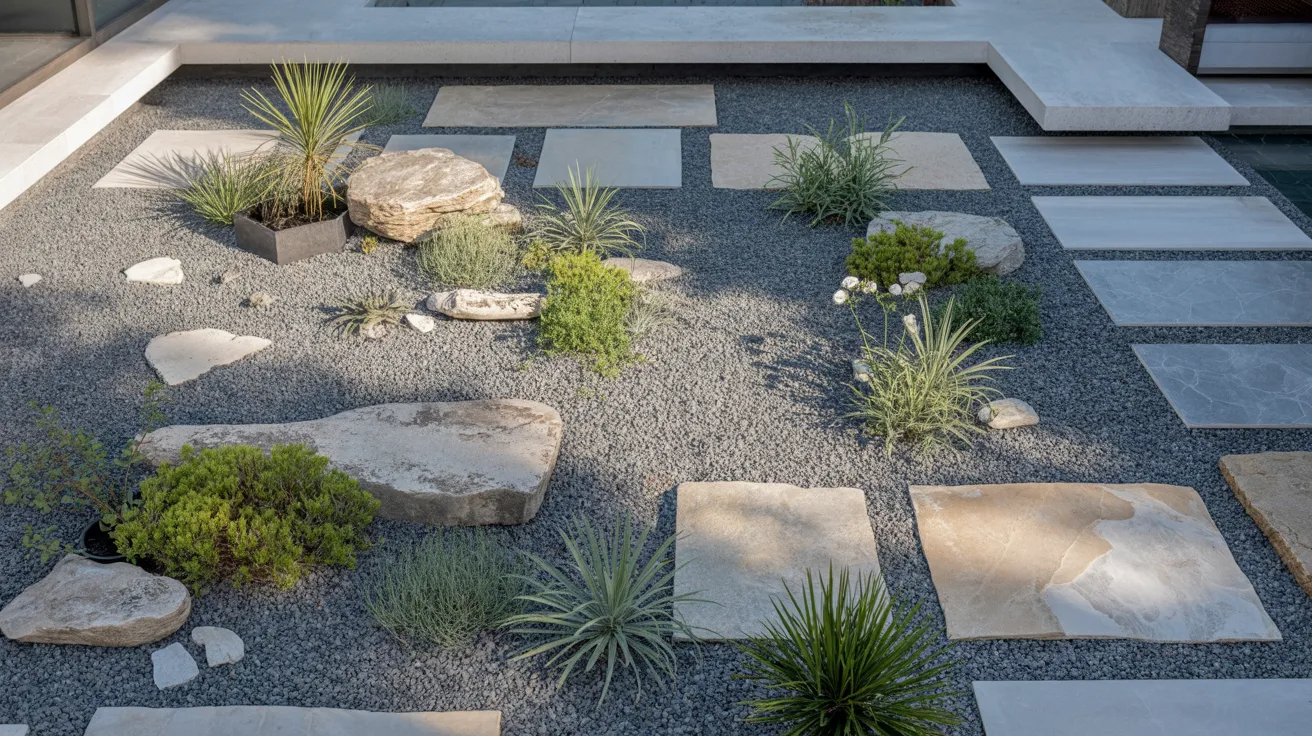
Gravel and stone are low-maintenance and visually strong. A gravel bed takes the place of grass in areas that are hard to mow.
Stone paths add texture without adding clutter. These materials age well and require almost no upkeep. They also work in any climate. You don’t need to water gravel.
You don’t need to trim stone. Once placed, they hold their look for years. This makes them a reliable choice for anyone who wants a clean yard without constant work.
Actionable Tip: Incorporate gravel beds, stone paths, or rock gardens for texture and low maintenance.
7. Add Vertical Landscaping Features
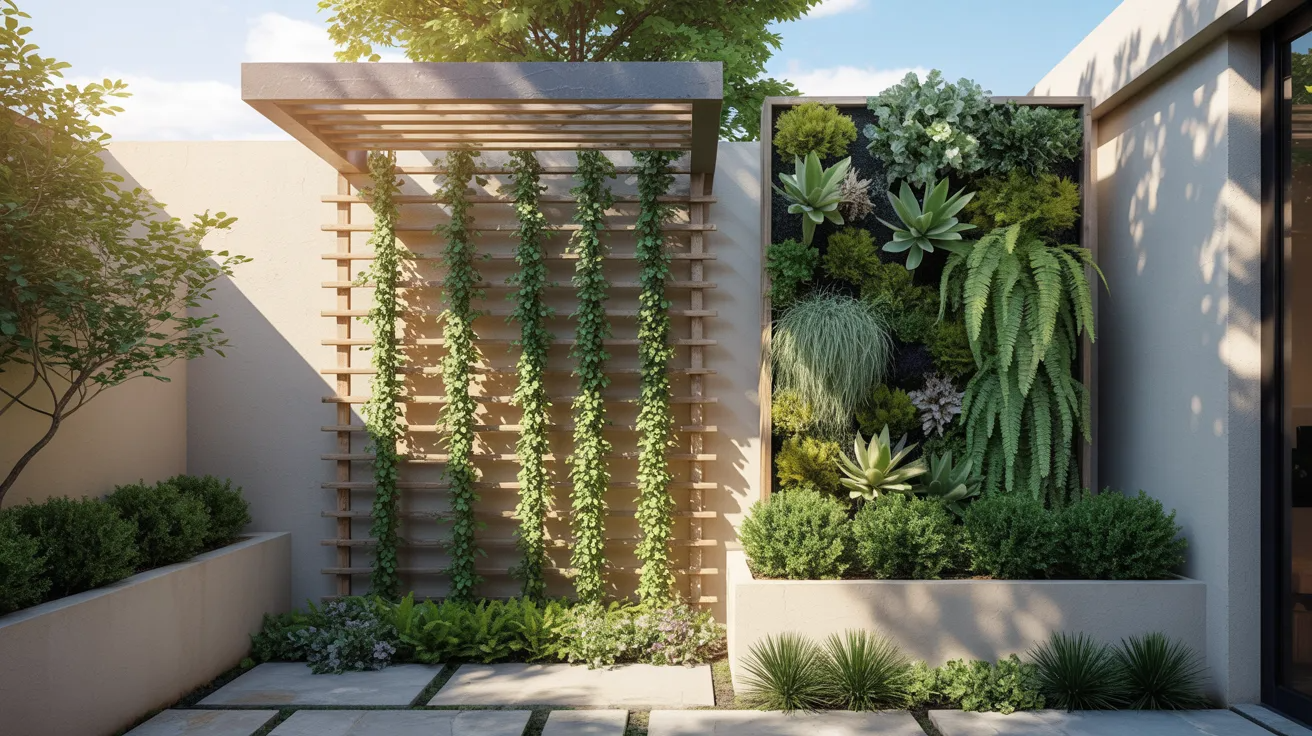
Small yards can feel tight. Going vertical opens up the space. A trellis with climbing plants, a tall planter, or a green wall adds height without taking up ground space.
Vertical features draw the eye upward, which makes the yard feel bigger. They also give you more growing space in a compact area.
If your yard is narrow or short on room, think up. A single vertical element can completely change how a space feels and functions.
Actionable Tip: Use trellises, green walls, or tall planters to optimize small spaces.
8. Use Repetition in Design
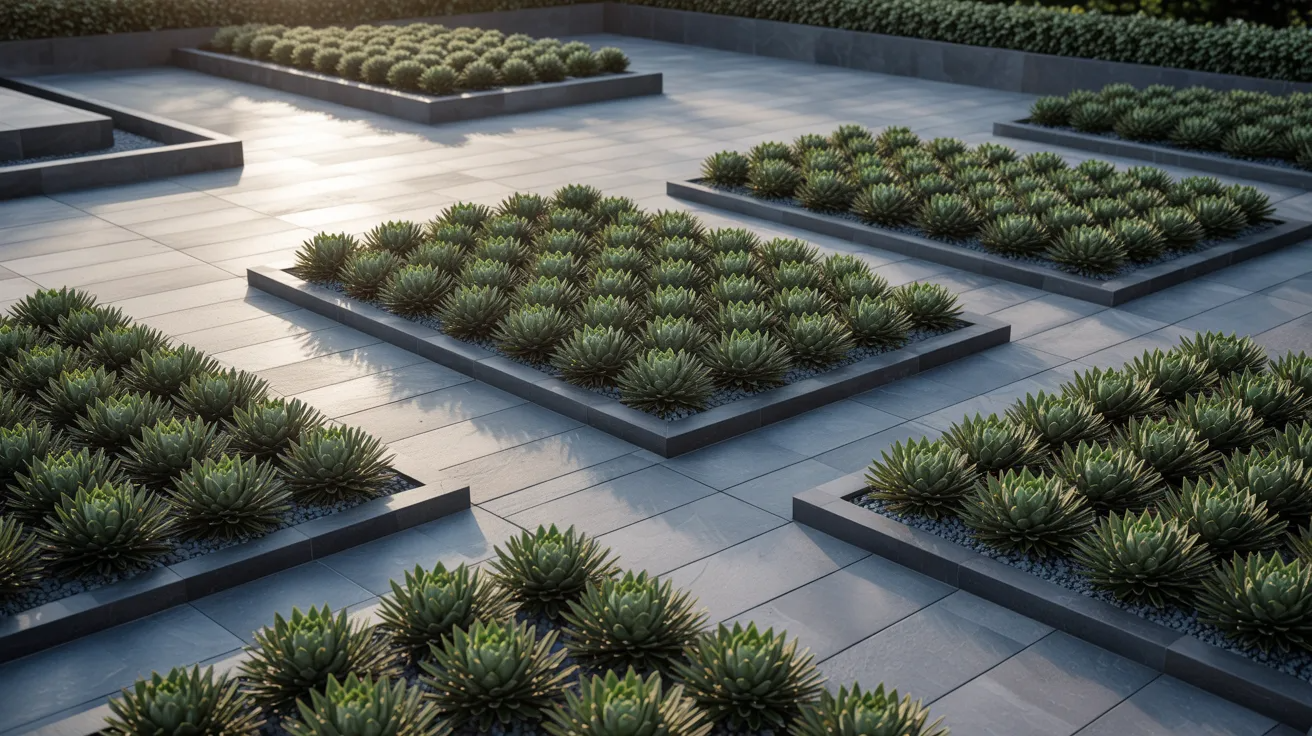
Repetition creates rhythm. When you use the same plant, material, or shape more than once, it ties the yard together. It makes the space feel planned instead of random.
For example, using the same type of stone for your path, your garden border, and your patio creates a visual thread that runs through the whole yard.
You don’t need many different elements. You just need to use the ones you choose consistently. That’s what makes a yard feel cohesive.
Actionable Tip: Repeat plant species, materials, or geometric shapes to achieve harmony.
9. Add Subtle Outdoor Lighting
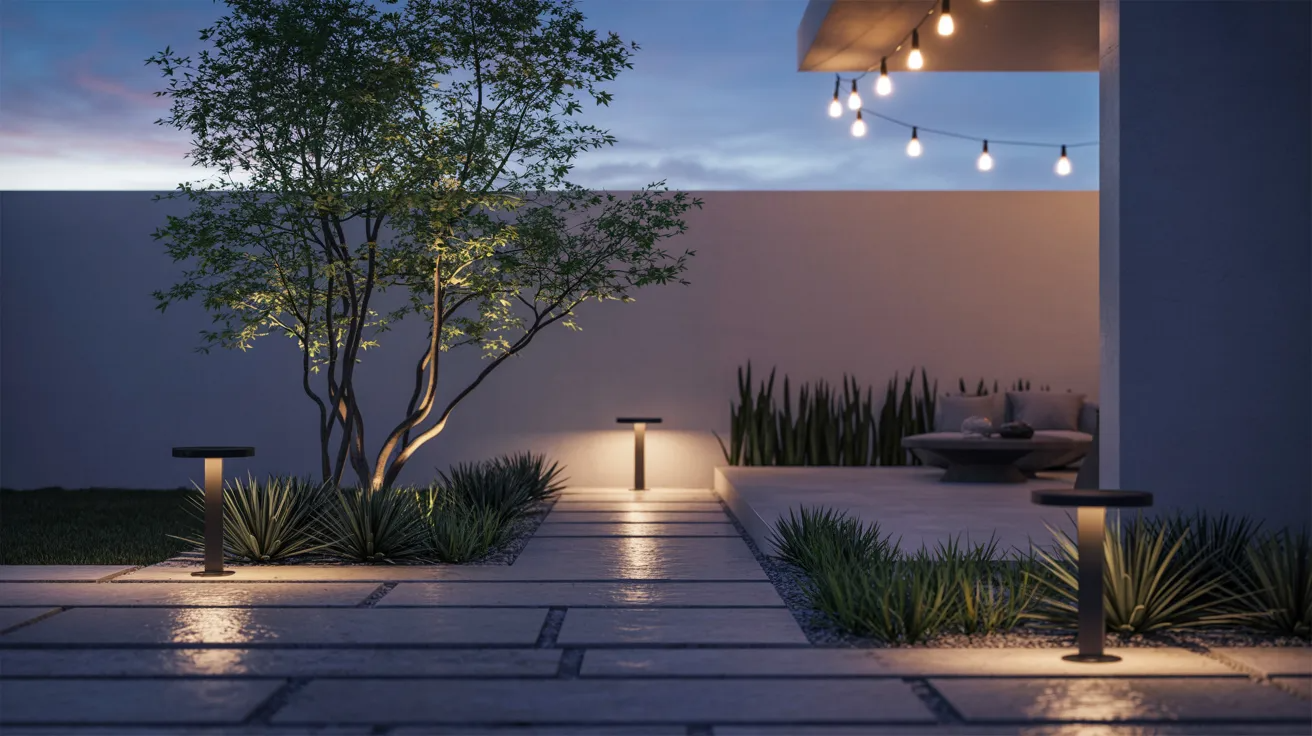
Outdoor lighting doesn’t have to be bright to be effective. Low-profile lights along a path, soft uplighting on a tree, or dimmable string lights can completely change the feel of your yard at night.
The goal is to highlight, not flood. Solar lights are easy to install and cost nothing to run.
Dimmable options give you control over the mood. Keep it simple. A few well-placed lights work better than many scattered ones.
Actionable Tip: Use low-profile, solar, or dimmable lighting to highlight features and improve ambiance.
10. Incorporate Natural Materials
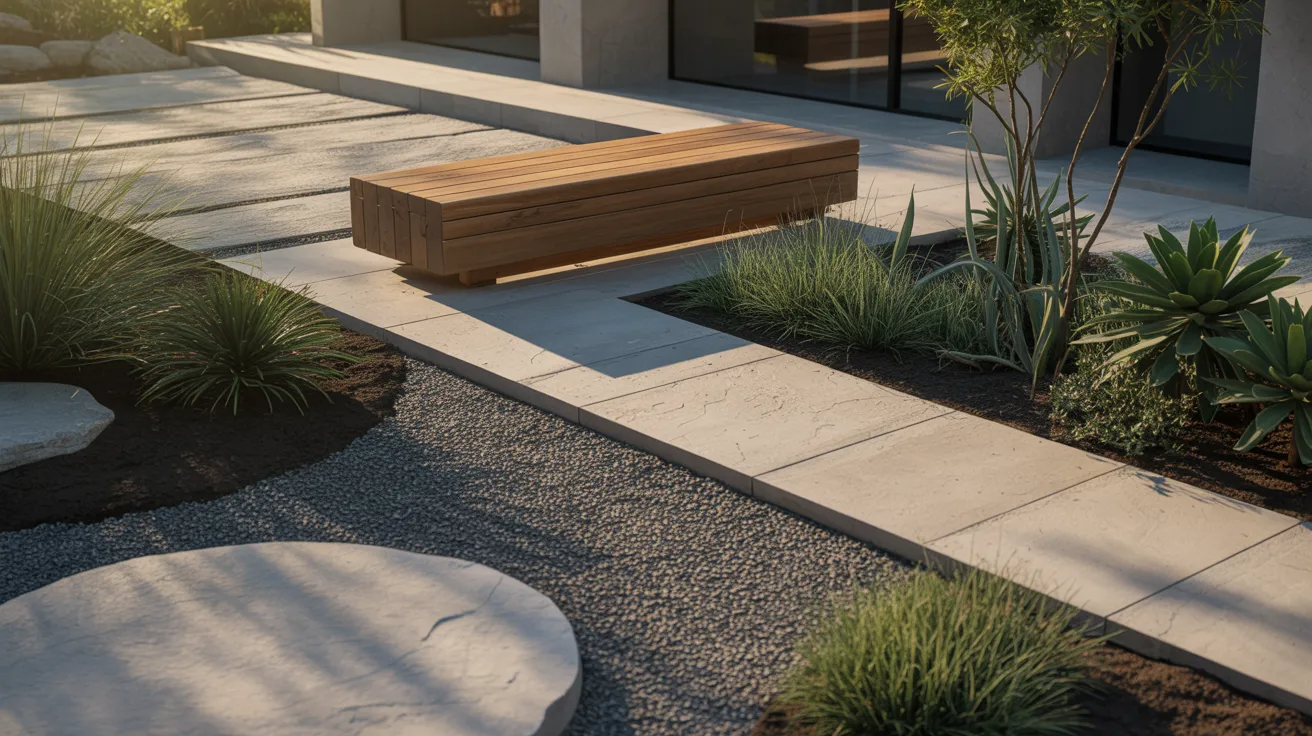
Wood, stone, and concrete fit naturally into a minimalist yard. They don’t fight with the plants or each other. Natural materials age well and blend into the outdoor setting.
A wooden bench, a concrete path, or a stone patio all feel at home in a garden. Avoid plastic or synthetic materials that look out of place over time.
When every element in your yard comes from nature, the whole space feels grounded and calm.
Actionable Tip: Use wood, stone, or concrete for paths, patios, and furniture to maintain a natural minimalist look.
11. Choose Minimalist Outdoor Furniture
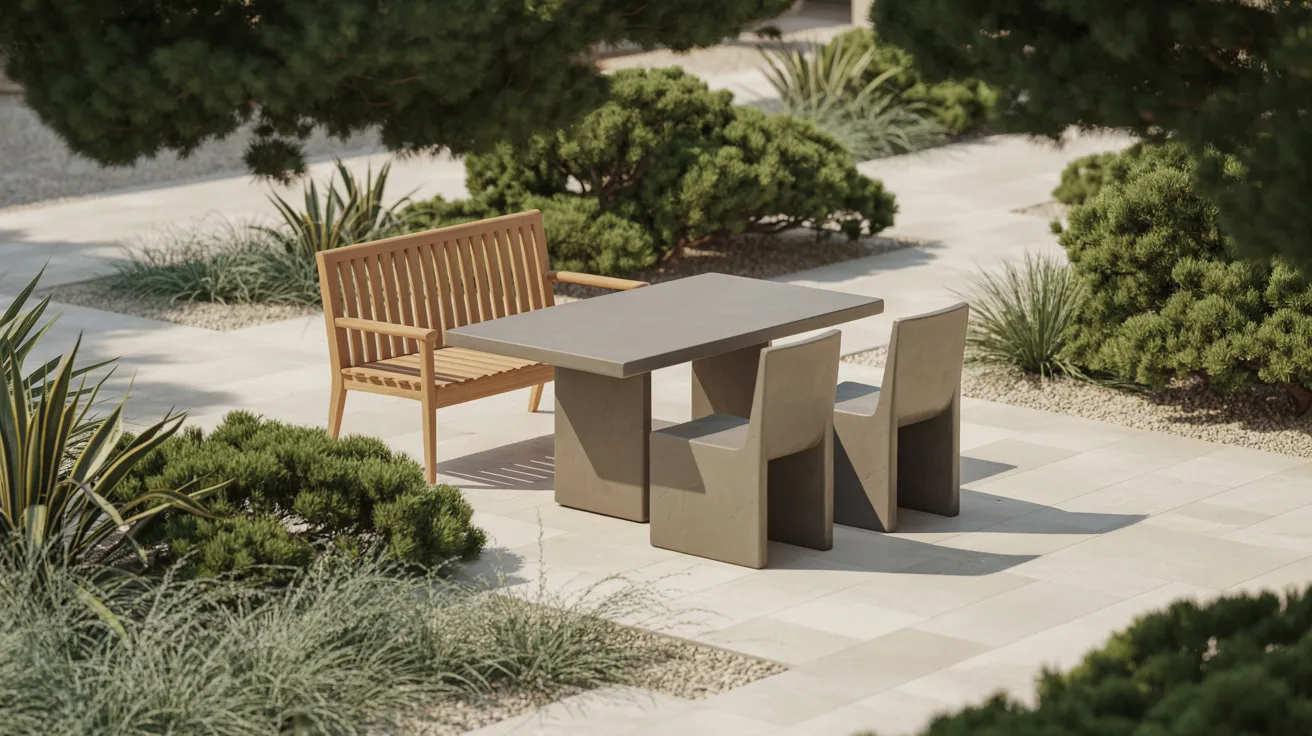
Furniture with clean lines and neutral colors does not compete with your plants or features. Simple, functional pieces keep the focus on the yard itself.
A plain wooden bench or a concrete table with two chairs is enough. You don’t need a full outdoor living set. Choose pieces that serve a purpose and fit the space.
Avoid busy patterns or too many colors. The furniture should feel like a part of the yard, not something placed on top of it.
Actionable Tip: Select functional furniture with clean lines and neutral colors to complement the landscape.
Best Plants for Minimalist Landscape Design
These five plant types work well in a clean, low-maintenance yard and add structure without adding clutter.
Ornamental Grasses
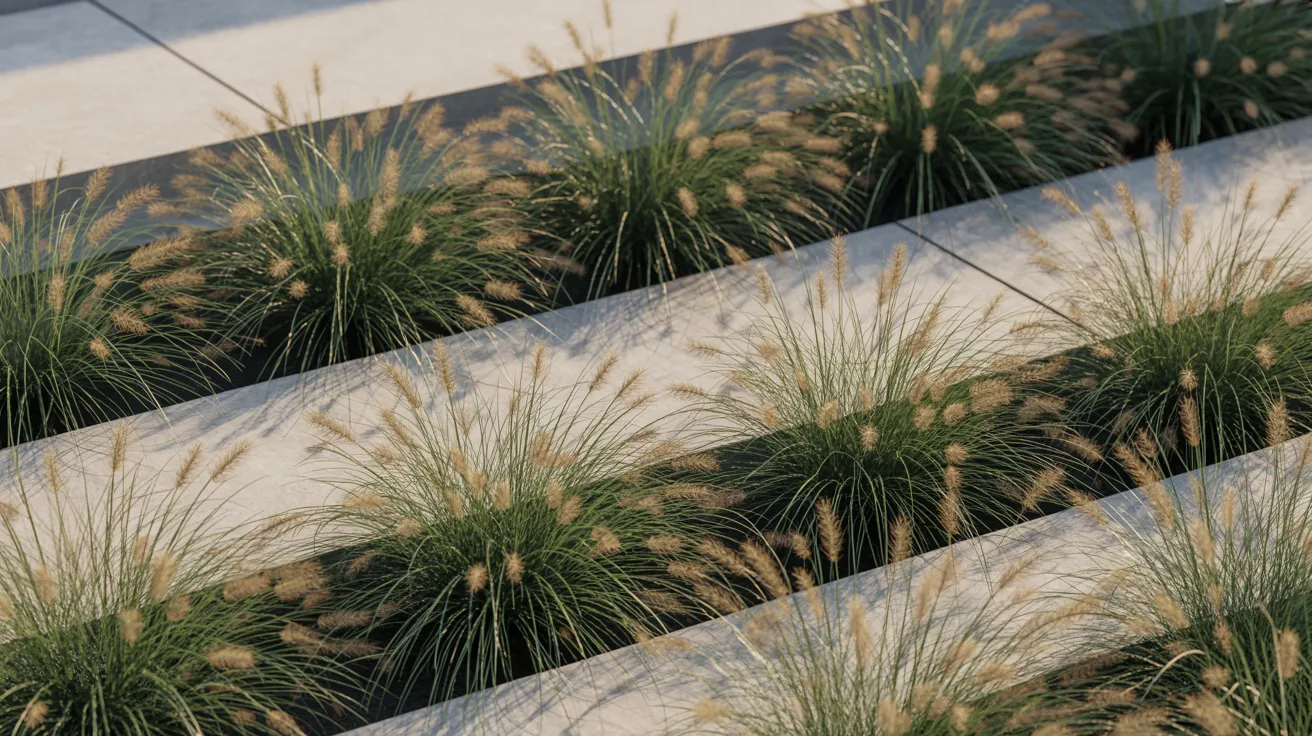
Ornamental grasses move with the wind, which adds life to a still yard. They don’t need much water or trimming.
Their soft texture contrasts well with hard materials like stone and concrete. You can plant them in rows for a clean look or in clusters as a focal point.
They come in many heights, so they work in small and large yards. Once established, they mostly take care of themselves. That makes them a smart, low-effort choice for a minimalist space.
Succulents
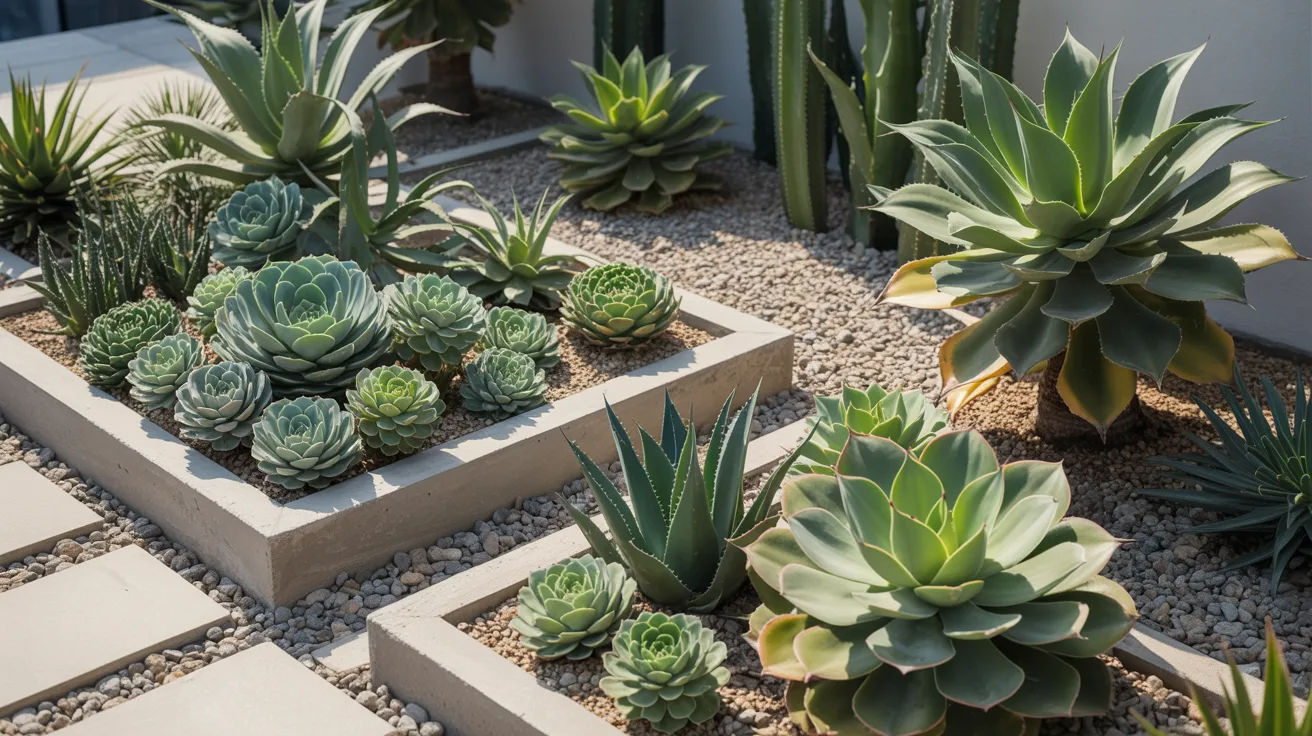
Succulents are built for simplicity. They store water in their leaves, so they don’t need frequent watering. Their sculptural shapes add visual interest without any fuss.
You can group them in a gravel bed, place them in geometric planters, or use them as ground cover. They come in many forms, from flat rosettes to tall spiky shapes.
Each one looks intentional on its own. Together, they create a modern, clean look that fits perfectly in a minimalist yard.
Evergreen Shrubs
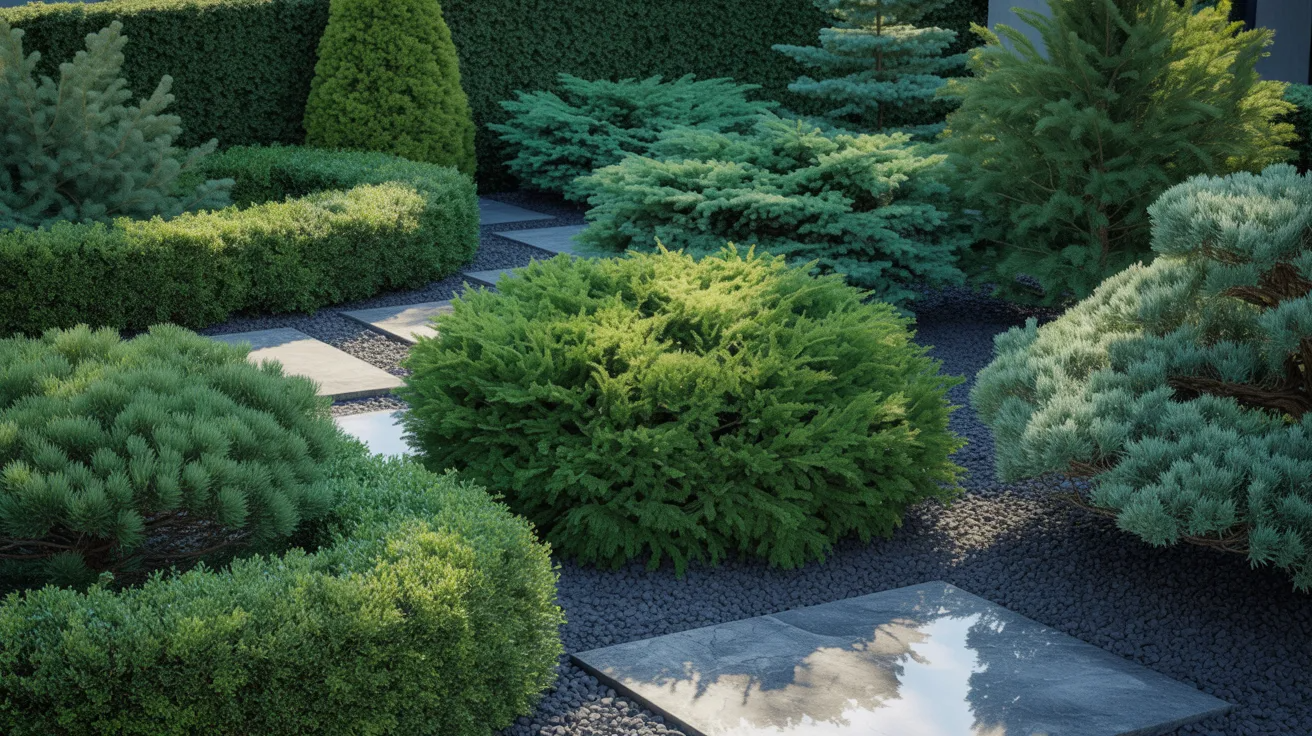
Evergreen shrubs stay green all year. That means your yard keeps its structure even in winter when most plants go bare.
They grow slowly and hold their shape well, which means less pruning. They work as borders, backdrops, or standalone features. Their consistent color and form make the yard feel stable and organized across every season.
If you want a yard that looks good year-round with minimal effort, evergreen shrubs are a reliable, hardworking choice.
Sculptural Trees
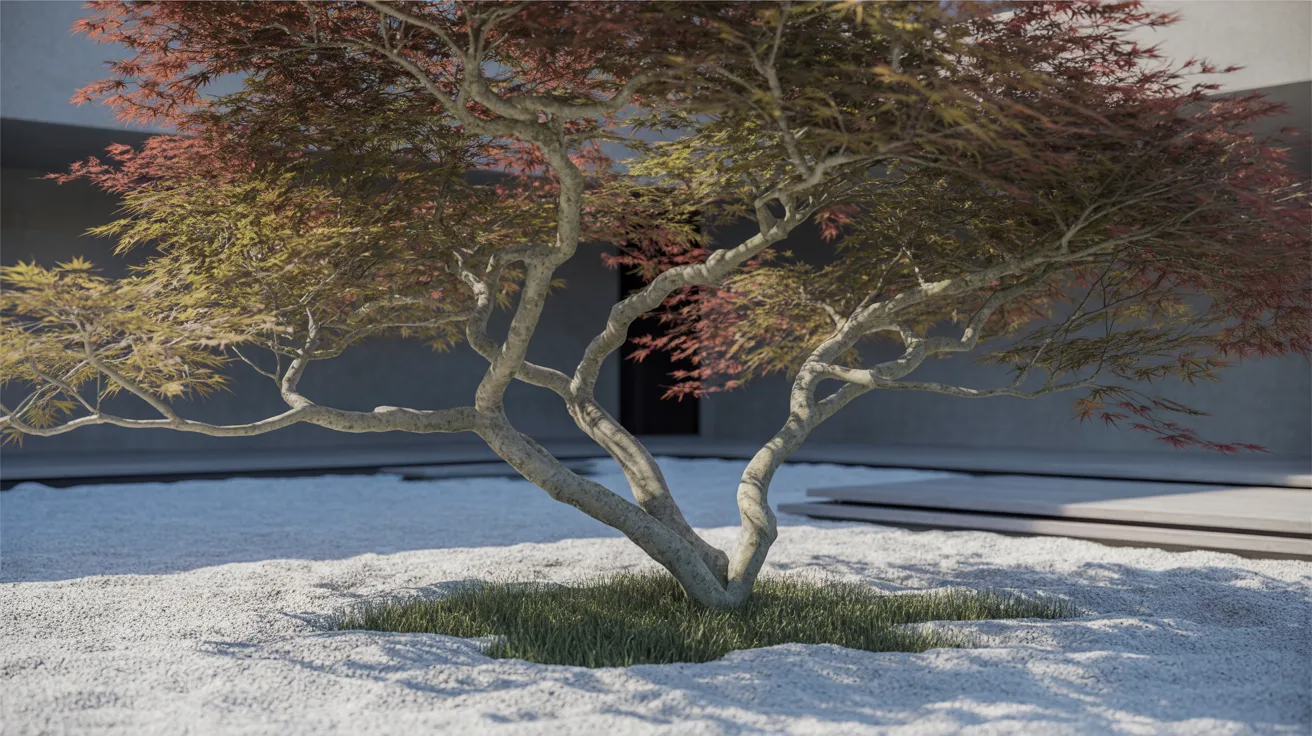
A sculptural tree does two things at once. It acts as a focal point and adds vertical height.
Trees with interesting shapes, like Japanese maples or olive trees, draw attention without crowding the space. Place one tree in a key spot and let it stand on its own.
Don’t surround it with too many other plants. Give it room to breathe and be seen. A single well-chosen tree can become the defining feature of your entire yard.
Native Low-Maintenance Plants
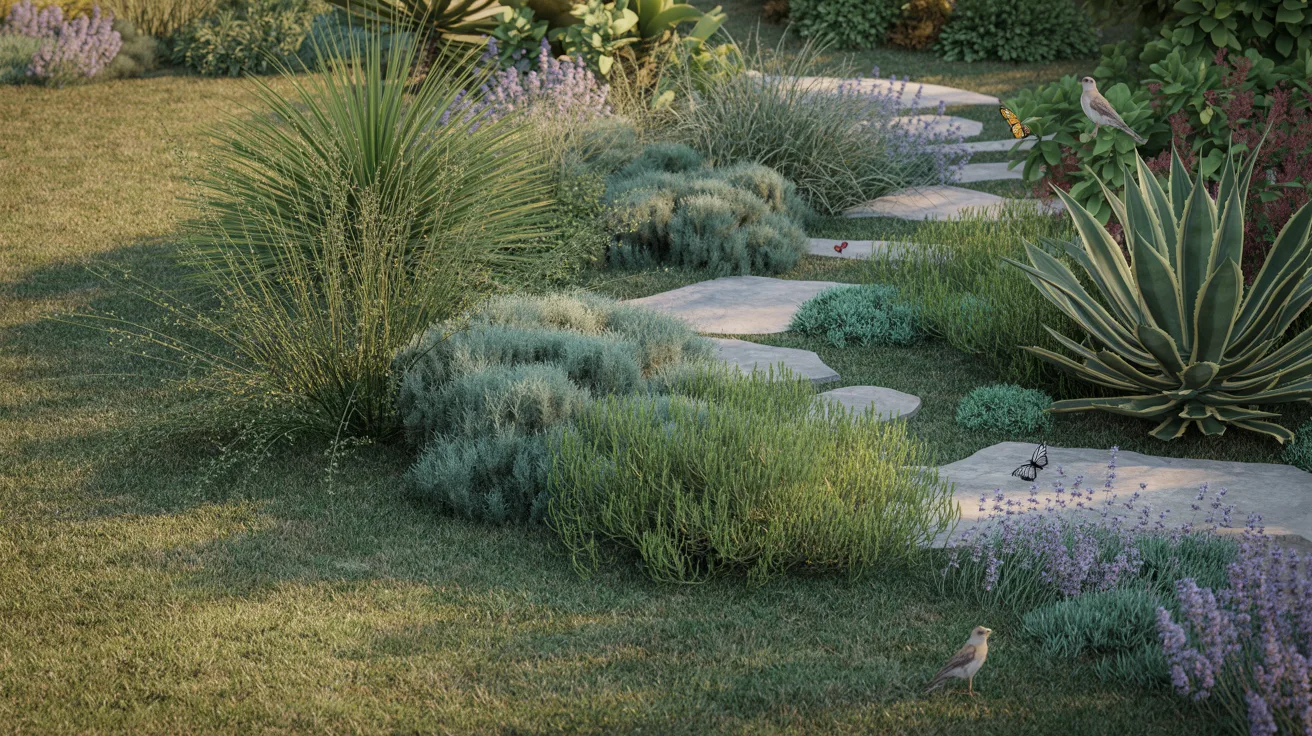
Native plants belong in your yard naturally. They grew in your region long before landscaping existed.
That means they already know how to survive your weather, your soil, and your seasons. They need less water, fewer chemicals, and almost no extra care. They also support local insects and birds.
Using native plants is one of the most practical choices you can make. Your yard works with nature instead of against it, and the results look natural because they are.
Practical Tips for Implementing Minimalist Landscaping
Simple steps make a real difference. Here’s how to move from idea to action without overcomplicating things.
- Start with a sketch: Draw your yard layout and label each area. Know the purpose of every zone before planting anything.
- Pick one color palette: Choose two or three colors and stay with them across plants, furniture, and materials.
- Keep hardscaping simple: Straight lines and flat surfaces are easier to maintain and look cleaner over time.
- Maintain clean edges: Trim plant borders and remove debris regularly. Clean edges keep the minimalist look intact.
- Remove before you add: If something does not serve a clear purpose, take it out. Less is more in a minimalist yard.
A simple yard is not an empty yard. It is a planned one.
Conclusion
I’ll be honest. I once removed too much from my yard and it looked bare. Adding back just a few purposeful things made all the difference.
You don’t need a big budget. You just need a clear plan and the patience to edit rather than add.
Pick one idea from this list and start today. Drop a comment below and tell me which tip you’re trying first.
Found this helpful? Share it with someone who needs it.
Frequently Asked Questions
What is the main idea behind minimalist landscape design?
Use fewer elements, placed with purpose, to create a clean and low-maintenance yard.
How many plants should I use in a minimalist yard?
Stick to 2 to 4 plant varieties and group them in repeated clusters.
Is minimalist landscaping expensive to set up?
No. Native plants, gravel, and simple materials keep costs low.
Can minimalist landscaping work for small yards?
Yes. Open space and vertical features make small yards feel bigger.
How do I maintain a minimalist yard without it looking neglected?
Trim edges, remove debris, and prune regularly to keep clean lines intact.