

Building a home is one of life’s biggest decisions and investments. It’s exciting, but it can also feel overwhelming if you don’t know what to expect. Many people ask, “What are the 5 stages of building a house?” The answer isn’t always simple because construction involves several key phases that work together.
Understanding what are the 5 stages of building a house helps you stay in control of your project. This blog will walk you through each stage of construction, from the first day on your land to the moment you turn the key in your new front door.
If it’s your first time building or you’ve done it before, knowing these stages will save you time, money, and stress. Let’s break down what happens during each phase and why it matters for your home.
Understanding the House Construction Process

Knowing what are the 5 stages of building a house matters because construction is a big commitment. Most homes take about 9 to 12 months to build from start to finish. Some finish faster, while others take longer, depending on size, weather, and how complex the design is. When you understand each stage, you can plan better and know when to make important decisions.
You’ll need to be involved at different points during construction. Some stages require your approval before workers can move forward. You’ll choose materials, review plans, and check on progress. Good planning at the start prevents problems later. A clear budget and timeline help keep everything on track.
Each stage of building depends on the one before it. You can’t put up walls until the foundation is done. You can’t install plumbing until the walls are up. That’s why understanding the order of construction stages is so important. It helps you see how everything connects and why certain steps can’t be rushed.
The 5 Main Stages of Building a House
When people ask what are the 5 stages of building a house, they’re looking for a roadmap. The five main stages are: planning and site preparation, foundation work, building the structure, installing systems and finishing walls, and final touches with handover. Let’s look at what happens in each one.
Stage 1: Planning and Site Preparation

The first stage, when considering what are the 5 stages of building a house, starts before any digging happens. You’ll need to choose and buy your land, then test the soil to make sure it can support a house. Weak soil can cause problems later, so this testing is important. You’ll also work with an architect to create floor plans and get all your building permits from local authorities.
Once the paperwork is ready, you’ll create a detailed budget. This includes costs for materials, workers, and extra expenses that might come up. After that, the physical work begins. Workers clear the land of rocks, trees, and debris. They mark out where your house will sit according to the approved plans.
This planning stage sets up everything that follows. Rushing through it or skipping steps can cause delays and cost more money later. Take your time here to get everything right.
Stage 2: Foundation Work

The foundation is what holds your entire house up. Workers start by digging holes and trenches where the foundation will go. Then they pour concrete into these spaces. The concrete needs time to cure, which means it needs to harden properly. This can take several days, and you shouldn’t rush it.
After the concrete cures, workers apply waterproofing to keep moisture out. They also do anti-termite treatment to protect your home from insects. The plinth beam gets installed next, which supports the walls that will go on top. Workers then backfill around the foundation, packing dirt back into the spaces around it.
A strong foundation is critical for your home’s strength and stability. Problems with the foundation are expensive to fix later. That’s why this stage needs careful attention and quality materials. Don’t cut corners here.
Stage 3: Building the Structure
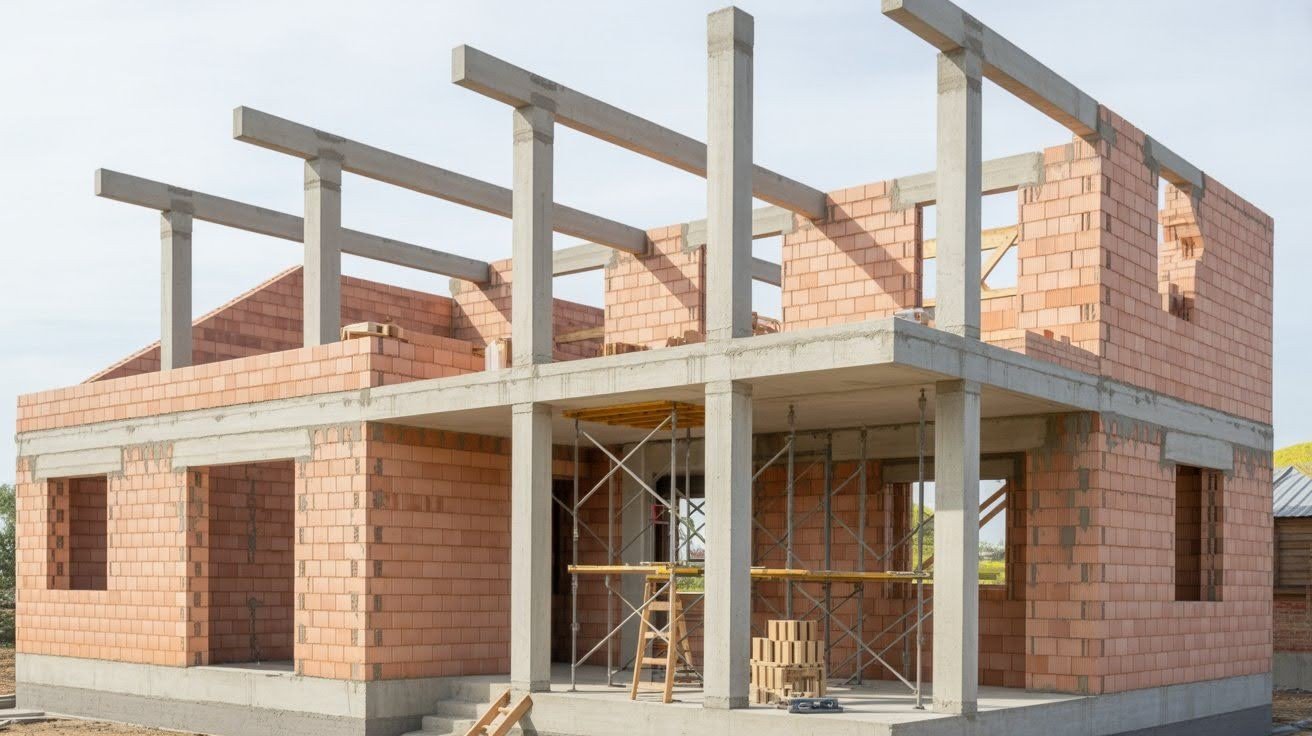
This is when your house really starts to take shape. Workers install columns and beams that support the building. These create the frame that holds everything up. Then they construct walls using bricks or concrete blocks. Internal walls go up to divide the space into rooms.
The roof slab comes next, covering the top of your house. Workers also add frames for windows and doors at this stage. You can finally see how big each room will be and where everything sits. This is an exciting time because your house stops looking like a construction site and starts looking like a home.
Good supervision during this stage is important. Make sure walls are straight, columns are strong, and everything matches your plans. Problems caught now are easier to fix than after everything is finished.
Stage 4: Installing Systems and Finishing Walls

Now the technical work begins. Electricians set up wiring, conduits, and switchboards throughout the house. Plumbers install pipes for water supply and drainage. They make sure sewage pipes sit below drinking water pipes to prevent contamination. Much of this electrical work gets concealed inside the walls.
Once the systems are in place, workers plaster the walls and ceilings. This creates smooth surfaces ready for paint. External plastering protects your home from the weather. Doors and windows get installed to provide insulation and ventilation. Your house is now enclosed and protected from the elements.
This stage requires coordination between different workers. Electricians, plumbers, and masons all need to work together. Good communication prevents mistakes that would require tearing open walls to fix later.
Stage 5: Final Touches and Handover

The last stage of what are the 5 stages of building a house involves all the finishing work. Workers lay floor tiles or other flooring materials you’ve chosen. Kitchen countertops, cabinets, and bathroom fixtures get installed. Painters cover interior and exterior walls with your chosen colors.
Lighting fixtures and electrical boards go in next. The house gets a thorough cleaning and polishing. Then comes the quality inspection, where someone checks all the work to make sure everything functions properly. This catches any problems that need fixing before you move in.
Once everything passes inspection, you receive the keys to your new home. This is the moment you’ve been working toward. Take time to walk through and make sure you’re happy with everything before the final handover is complete.
Important Tips for Smooth Construction
Building a house goes more smoothly when you follow some basic guidelines. Good preparation and attention to detail make a big difference in the final result.
Here are key tips to remember:
- Hire trusted contractors and always use quality materials, even if they cost a bit more upfront
- Conduct regular site inspections at each stage so you can catch problems early
- Stick to your budget and avoid making unnecessary changes once construction starts
- Keep all legal documents and permits organized and easily accessible
- Plan for future needs, like extra electrical outlets during the wiring stage
- Ensure proper curing time for concrete work—don’t let anyone rush this step
- Consult with family members about finishing choices so everyone is happy with the decisions
- Schedule periodic maintenance checks after moving in to keep your home in good condition
These tips help prevent common problems that many homeowners face. Taking time to do things right the first time saves money and frustration later. Remember that your contractor and workers are your partners in this process. Good communication with them makes everything easier.
Conclusion
Now you know what are the 5 stages of building a house. Each stage builds on the one before it, creating your home step by step. The foundation work creates a strong base. Installing systems and finishing walls make it functional. Final touches turn a construction site into your home.
Understanding what are the 5 stages of building a house helps you make better decisions throughout the process. You’ll know when to check on progress and what questions to ask. Proper supervision and quality materials are key to success at every stage.
Your home is a long-term investment worth doing right. Yes, it takes time and costs money, but the result is a space built exactly how you want it. With the right knowledge and a good team of contractors, building your dream home is definitely achievable.
Frequently Asked Questions
How Much Does It Cost to Build a House Per Square Foot?
Building costs vary from $100 to $200 per square foot, depending on location, materials, and finishes. Urban areas typically cost more than rural locations.
Can I Live on the Construction Site While Building?
Living on-site isn’t recommended due to safety concerns, lack of basic facilities, and exposure to dust and chemicals during construction.
What Happens If It Rains During Construction?
Rain delays foundation work and painting, but doesn’t stop all stages. Contractors cover materials and protect finished work with tarps when needed.
Do I Need to Hire an Architect and a Builder?
Yes, both are important. Architects design your home and handle permits. Builders manage the actual construction work and coordinate all workers.
How Do I Prevent Cracks in Walls After Construction?
Use quality materials, ensure proper concrete curing, allow the building to settle, and avoid making structural changes too soon after construction ends.