

Did you see that house featuring Victorian architecture, then ask yourself what makes it lovely? The Victorian house interior design style has become popular of late. The style is overall characterized by rich colors, bold patterns, and ornate individual furniture items.
It promotes creating spaces with rich character and charm around them for the home owners. This blog here below will cover all of the key aspects of what makes the Victorian style unique, how to design your home by using Victorian features, and how you can mix old and new styles.
You might live in a period Victorian property now, or you might want the Victorian style in your home. We will discuss how you can make the perfect space.
What Is Victorian House Interior Design?

Victorian house interior design comes from 19th-century England during Queen Victoria’s reign. This style follows a “more is more” idea, which means lots of decoration, patterns, and details in every room. People during this time had more money, and factories could make beautiful items faster, so homes became filled with ornate furniture and decorative objects.
This design style uses bold patterns, heavy decorations, rich jewel colors, and dark wood tones. Victorian homes often have high ceilings, large windows, and detailed woodwork that make the perfect backdrop for this layered style. The architecture and interior design work together to create rooms that feel full of life and personality.
Many people still want Victorian homes today because they offer something modern houses often lack: character and history. These spaces tell a story and create a cozy feeling that’s hard to find in newer builds. The style has lasted because it makes people feel special and comfortable at the same time.
5 Key Fundamentals of Victorian Interior Design
Creating authentic Victorian house interior design means understanding a few core ideas. Let’s look at what makes this style work.
Rich Color Palettes

Victorian rooms use deep, rich colors like burgundy red, forest green, navy blue, and chocolate brown. These bold colors create drama and warmth in a space. The Victorians weren’t afraid of dark walls or strong color choices that make a statement.
To use these colors well, pick one main color and add two or three supporting shades. For example, pair deep red walls with gold accents and dark green furniture. This creates balance so the room feels full but not chaotic.
Layered Patterns and Textures
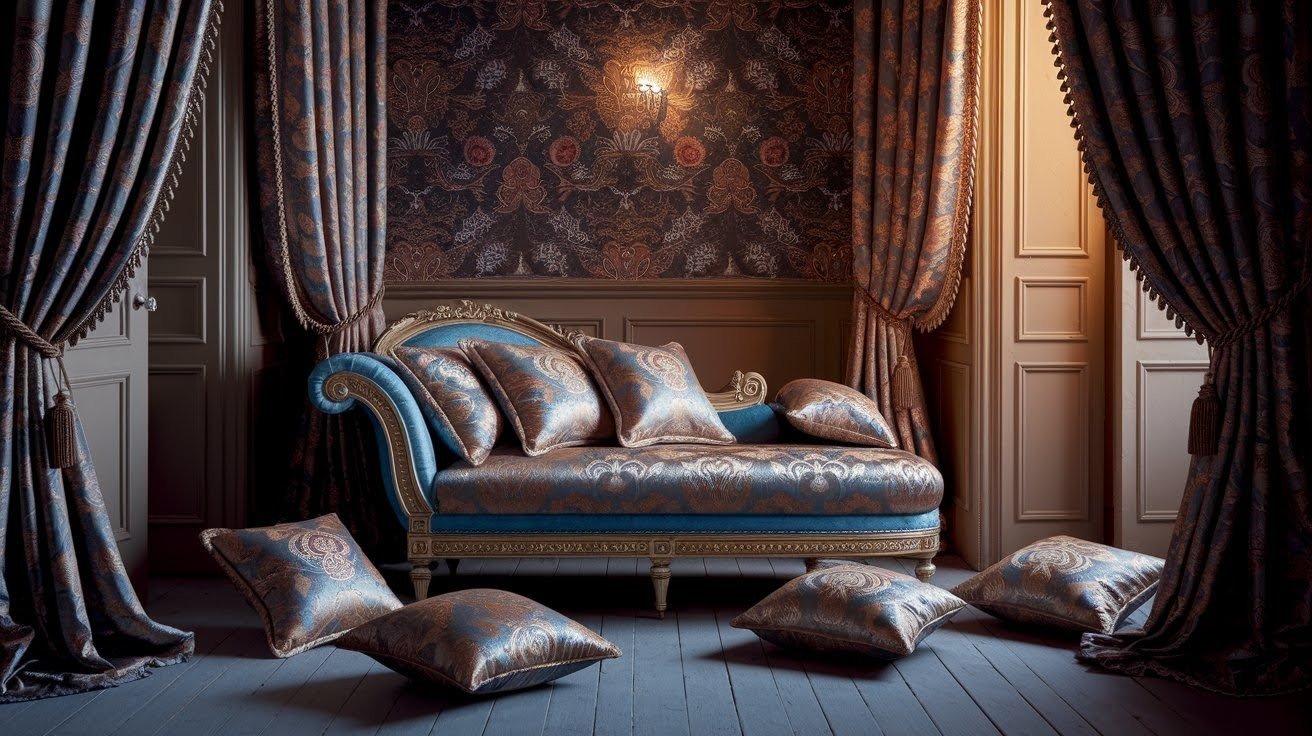
Victorian style mixes different patterns in wallpaper, fabrics, and furniture coverings. You might see floral wallpaper, striped curtains, and paisley pillows all in one room. The key is choosing patterns that share similar colors so they feel connected.
Start with one large pattern and add smaller ones around it. Mix smooth fabrics like silk with textured ones like velvet or brocade. This variety makes the space feel rich and interesting without looking messy or crowded.
Ornate Architectural Details

Victorian homes feature fancy woodwork like crown molding, decorative trim, and wainscoting on the lower half of walls. High ceilings and tall windows let in lots of light and make rooms feel grand. Fireplaces serve as the main focus point in living areas, often made from carved wood or marble.
Entry halls often have patterned tile floors that set the tone for the rest of the home. These architectural features add depth and interest to rooms. If you’re working with a Victorian house, keep these original details whenever possible, they’re what make the style authentic.
Statement Lighting Fixtures

Chandeliers and decorative lamps play a big role in Victorian house interior design. These fixtures aren’t just for light – they’re art pieces that draw your eye upward. Victorian-style lights often have crystal details, brass finishes, or colored glass shades.
The right lighting sets the mood for your whole space. Choose fixtures that grab attention and match the fancy feel of Victorian style. Table lamps with detailed bases and fabric shades add extra warmth to corners and reading areas.
Mixing Old and New

Victorian style doesn’t mean everything must be antique. This design approach welcomes pieces from different time periods as long as they share similar qualities like rich colors or detailed patterns. You can pair a modern sofa with Victorian side tables, or hang contemporary art on walls with traditional wallpaper.
The goal is to create a space that feels personal and comfortable for daily life. Mix vintage finds with new items that fit the color scheme and overall mood. This balance keeps your home from feeling like a museum while still honoring the Victorian style you love.
Main Characteristics of Victorian Interior Design

Victorian house interior design has several features that define its unique look. Understanding these elements helps you recreate the style in your own space.
Victorian interiors are known for their attention to detail and layered approach. Each element builds on the others to create rooms that feel complete and carefully planned.
Here are the main features you’ll find:
- Wallpaper: Floral patterns, damask prints, and bold designs cover the walls instead of plain paint
- Chandeliers: Large, ornate light fixtures hang from ceilings as focal points
- Ornamentation: Decorative items like vases, frames, and figurines fill shelves and tables
- Upholstery: Heavy fabrics like velvet and brocade cover plush, comfortable furniture
- Damask: This woven fabric with raised patterns appears on walls, furniture, and curtains
- Wainscoting: Wood panels cover the lower portion of walls, often painted or stained dark
- Parquet Flooring: Geometric patterns made from different wood pieces create visual interest underfoot
- Dramatic Window Treatments: Heavy curtains with valances and tassels frame windows
- Stained Glass Windows: Colorful glass panels add artistic details and filter light beautifully
- Bay Windows: Large windows that extend outward bring in natural light and create cozy seating areas
- Marble Fireplaces: Carved mantels in stone or marble serve as the room’s centerpiece
These features work together to give Victorian homes their signature look. You don’t need every element to create the style – choose the ones that work best for your space and budget.
Tips for Creating Your Own Victorian-Style Space
You don’t need to completely redo your home to enjoy Victorian house interior design. Small changes can bring this classic style to life in any space.
Start by choosing one or two main Victorian pieces, like an antique chair or ornate mirror. Build your room around these items instead of trying to change everything at once. Here are more tips:
- Focus on texture variety: Mix smooth and rough surfaces through fabrics, wood finishes, and rugs
- Don’t go all Victorian: Blend modern comfort pieces with traditional Victorian items for better daily living
- Pay attention to light fixtures: Changing your lights to Victorian-style options makes a big impact
- Keep original features: If you own a Victorian home, protect and highlight built-in details like molding and woodwork
- Create visual interest through layering: Add depth with curtains, throws, pillows, and wall hangings
Remember that Victorian style is about creating a cozy, personal space filled with things you love. Take your time finding pieces that speak to you. Visit antique shops, estate sales, and online marketplaces for authentic items at good prices. Mix these finds with quality reproductions when needed.
The best Victorian spaces feel lived-in and collected over time rather than bought all at once. Trust your instincts and have fun building your own version of this timeless style.
Conclusion
Modern homeowners again like Victorian interior design because it brings warmth, interest, and character into living spaces. The color, pattern, and craftsmanship within the Victorian scheme create distinctive and hospitable interiors.
Begin with one room. If that is too much, start with a corner of your home and make changes by adding Victorian pieces to that room that you truly love. You don’t need to possess a period home or even have a big budget, just see the detail and willingly try something a bit different.
One of the beauties of Victorian design is the way it can be integrated into a more contemporary lifestyle by mixing old and new pieces. Your home should tell your story, and in Victorian style you have the means to make your home tell an engaging one.
Frequently Asked Questions
How Much Does It Cost to Decorate in Victorian Style?
Costs vary widely based on whether you buy antiques or reproductions. You can start with small changes like new lighting or wallpaper for a few hundred dollars, or invest thousands in authentic period furniture.
Can Victorian Design Work in Small Spaces?
Yes, but use a lighter touch. Choose one or two key Victorian elements like a chandelier or patterned wallpaper, rather than filling every surface. Stick to lighter colors to keep the space feeling open.
What’s the Difference Between Victorian and Gothic Interior Design?
Victorian style is warmer and more decorative with rich jewel tones. Gothic design is darker and more dramatic with pointed arches, medieval influences, and a focus on mystery rather than comfort.
How Do I Prevent Victorian Decor from Looking Too Busy?
Use a consistent color palette throughout the room. Balance busy patterns with solid colors, and leave some surfaces clear. Not every wall needs wallpaper, and not every surface needs decorative objects.
Are Victorian Homes Energy Efficient?
Older Victorian homes often need updates for better energy efficiency. High ceilings and large windows can increase heating and cooling costs. Adding insulation, weather stripping, and efficient windows helps while preserving the home’s character.