
They have energetic colors, courtyards, thick walls, and Spanish, Aztec, and Maya styles and construction that are hundreds of years old. In this way, Mexican homes as a house form are cool for families in summer, and a lovely house inside.
Privacy and family life were important, and all types of homes, from haciendas to casitas, had these features. Nearby regions were also built with stucco, clay tiles, and wood. Rooms opened onto inside courtyards, gardens, or terraces.
In addition to the specific descriptions of the 7 archetypes of customary Mexican houses, the article covers how their concepts can be incorporated into your home.
What Is Traditional Mexican House Design?

Traditional Mexican house design focuses on creating private outdoor spaces within the home. Most Mexican houses feature walled courtyards that keep the inside cool and give families a safe place to gather. These homes blur the line between indoors and outdoors, with rooms opening directly onto gardens or patios.
The materials tell you a lot about Mexican architecture. Builders use adobe (sun-dried mud bricks), stucco, terracotta tiles, and wood. These natural materials keep homes cool in summer and warm in winter. Bright colors like blue, yellow, orange, and pink cover the walls and make each house stand out.
Spanish colonists brought Mediterranean design ideas to Mexico in the 1500s. They combined these with building methods from the Aztec and Maya people. The result is a style that values security, comfort, and beauty. Thick walls and small windows facing the street protect privacy, while the inner courtyard becomes the heart of the home.
7 Types of Traditional Mexican House Styles
Mexican architecture comes in many forms. Each style was developed for different reasons and serves different needs. Let’s look at seven main types you’ll see across Mexico and in Mexican-inspired homes worldwide.
Spanish Villas
Spanish villas are what most people think of when they hear “traditional Mexican house.” These homes show off their beauty with red barrel-tile roofs that contrast against white stucco walls. You’ll spot curved arches over doorways, windows, and walkways.
These villas can be one or two stories tall. Dark wood doors, shutters, and ceiling beams called vigas add warmth to the white walls. The entrance often features black wrought iron gates with detailed patterns.
The courtyard is the star of Spanish villas. Large gardens with fountains, tile pathways, and flowering plants create a peaceful retreat. These outdoor rooms work as extra living spaces where families eat meals, relax, and entertain guests.
Adobe Houses

Adobe houses go back to the Aztec people, who built with sun-dried mud bricks. These thick-walled homes stay cool even on the hottest days. Modern adobe houses keep this ancient building method but add updated features.
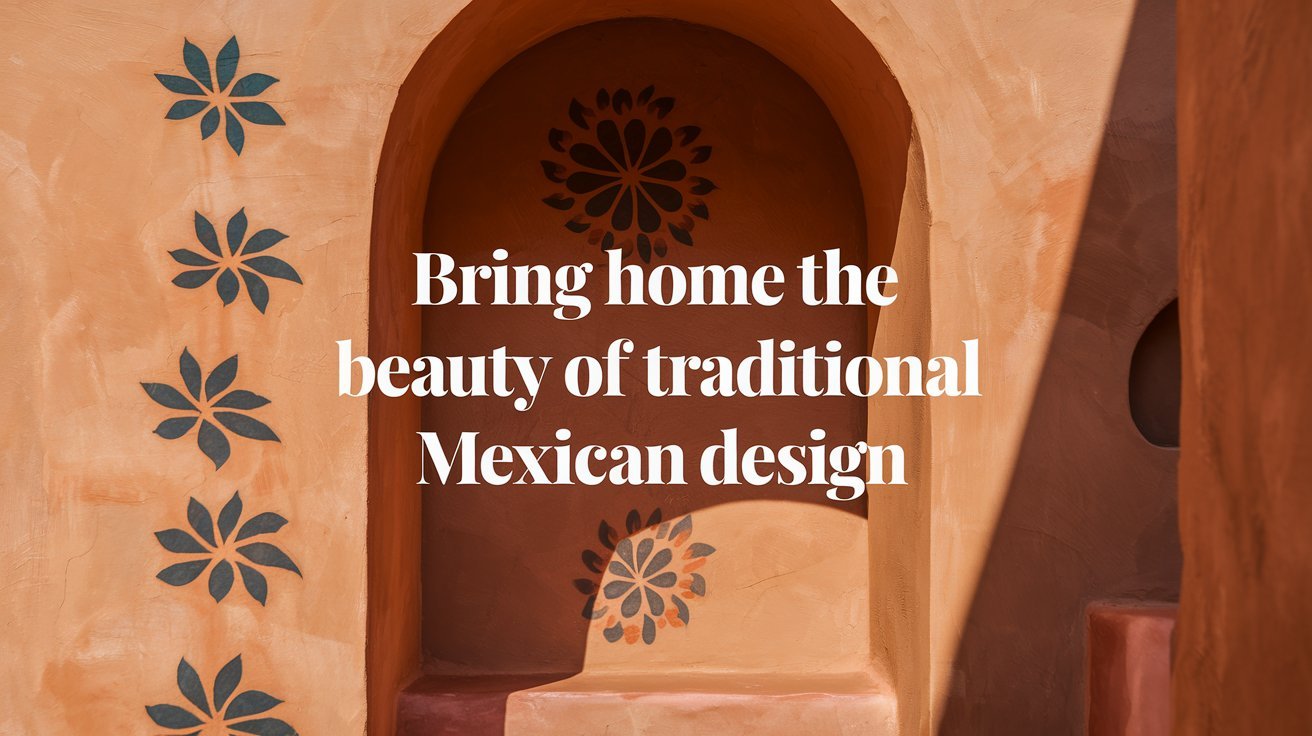
The walls have a smooth, hand-plastered look that shows slight texture. Wooden vigas stick out from the roofline, creating shadows and visual interest. Inside, you’ll find arched fireplaces covered in stucco and floors made of terracotta or red brick.
Today’s adobe homes can be large, multi-level estates. They keep the earthy, natural feel of old adobe while offering all the comforts people want. The warm brown and tan colors blend perfectly with desert and mountain settings.
Haciendas

Haciendas are sprawling one-story ranches that once belonged to wealthy families. These massive homes are spread out across the land with many wings and sections. Walking through a hacienda feels like visiting a small village.
The courtyard in a hacienda can be huge, paved with cobblestones, and filled with gardens. High ceilings and grand fireplaces with brick faces make the main rooms feel important. Each bedroom often has its own door to the courtyard for privacy.
Open-air pergolas provide shaded spots to sit outdoors. Many haciendas include pool areas surrounded by columns and arches. The rambling layout means you might walk quite a distance from one end of the house to the other, but each space feels connected to the outdoor areas.
Casitas

The word “casita” means “little house” in Spanish. These compact buildings serve as guest houses or private retreats on a property. You’ll often find casitas at beach locations where they take advantage of ocean views.
A typical casita is a simple rectangle with a bedroom, bathroom, and small living area. The design keeps things basic but comfortable. Large windows and doors let in light and connect the space to the outdoors.
People use casitas for many purposes beyond guest rooms. They work well as home offices, art studios, gyms, or teen hangouts. The separate structure gives everyone more privacy while keeping them close to the main house. Casitas have a cozy, bungalow feel that makes visitors feel welcome.
Mission Revival

Mission Revival style comes from the Spanish colonial churches built in the 1700s. These homes copy the decorative details you’d see on old mission buildings. Square bell towers and curved parapets along the roofline give them a church-like appearance.
White stucco walls and red tile roofs are standard, but the trim around windows gets fancy with carved details. Quatrefoil shapes (like four-leaf clovers) and brick patterns add interest. The style uses traditional Mexican house design elements but makes them more ornate.
Inside, Mission Revival homes burst with color. Rustic reds, burnt oranges, and deep teals cover the walls. Mosaic tiles in geometric patterns decorate floors, stairs, and walls. Every surface seems to have a decorative touch, creating a rich visual experience.
Colonial Courtyard Houses

Colonial courtyard houses put an open green space right in the center of the home. All the rooms face this inner garden. The design comes from ancient Mediterranean peristyle houses that Spanish builders knew well.
Upper stories often have covered walkways with columns that overlook the courtyard below. The exterior walls sit at the edge of the property line, which gives the courtyard maximum space. These were popular as city mansions in the 1700s and 1800s.
Trees and plants fill the courtyard, creating a private park for the family. The fortress-like outer walls have few windows facing the street. This keeps the home secure and quiet, even in busy neighborhoods. The design turns the house inward, making the courtyard the focus of daily life.
Modern Mexican Houses

Modern Mexican houses take old ideas and update them for today. Architects use clean lines and simple shapes, but include touches from traditional Mexican house design. The homes honor Mexican culture while meeting current needs.
These houses often use reinforced concrete instead of adobe. Roofs are flat or have a gentle slope rather than the steep pitch of tile roofs. Colors tend toward neutral earth tones like beige, tan, and gray that echo the natural landscape.
The connection between inside and outside remains important. Large glass doors open onto patios and gardens. The look is minimalist, with less decoration than older styles. But you’ll still see key Mexican elements like courtyards, natural materials, and an emphasis on outdoor living spaces.
Design Tips for Traditional Mexican House Style
Want to bring Mexican style into your home? You don’t need to build a whole new house to capture the spirit of traditional Mexican house design. Start with a few key elements that speak to you.
- Embrace Bold Color
- Incorporate Talavera Tiles
- Create Indoor-Outdoor Flow
- Use Natural Materials
- Add Decorative Ironwork
- Install Spanish Tile Roofing
- Design a Central Courtyard
- Feature Arched Elements
- Include Wooden Vigas
- Plant Native Vegetation
- Layer Textures
These changes can be small or large, depending on your budget and goals. Even one or two Mexican-inspired features can change the feel of a room or outdoor space.
Conclusion
Customary Mexican house styles range from large haciendas to small adobe houses, but all are designed to stress beauty, livability, and harmony with the environment and to be integrated with the family living in and around them.
Homeowners have come around to colorful indoor-outdoor architecture with handcrafted elements present in home design with Mexican influences, which endures and seems modern, in the United States and around the world.
Customary Mexican design, however, has persisted, those who build and remodel houses are free to express their tastes in furniture, colors, architectural details, and style, living within the above. Play can start in just one room or an outdoor space.
Frequently Asked Questions
What Materials Are Best for Creating an Authentic Mexican-Inspired Home?
Use stucco or adobe for walls, Spanish clay tiles for the roof, terracotta for floors, and wrought iron for gates and fixtures. Natural wood works well for doors, beams, and shutters. These materials create an authentic look.
How Do I Maintain a Spanish Tile Roof?
Spanish clay tiles last 50-100 years with minimal care. Inspect yearly for cracked or broken tiles and replace as needed. Keep gutters clean to prevent water buildup. The tiles are durable and weather-resistant.
Can Traditional Mexican Design Work in Cold Climates?
Yes, with changes. Add proper insulation behind stucco walls and under tile roofs. Install energy-efficient windows. Use Mexican design elements like colors, tiles, and arches while meeting your climate’s building requirements.
What Is the Difference Between Spanish Colonial and Mexican Architecture?
Mexican architecture evolved from Spanish Colonial design by mixing in native building methods and local materials. Mexican style tends toward brighter colors and incorporates Aztec and Maya influences that weren’t in the original Spanish buildings.
Are Walled Courtyards Practical for Small Properties?
Absolutely. Scale the courtyard to your lot size. Even a small enclosed patio with potted plants and a fountain creates that courtyard feeling. The key is making an outdoor room that feels private and peaceful.