
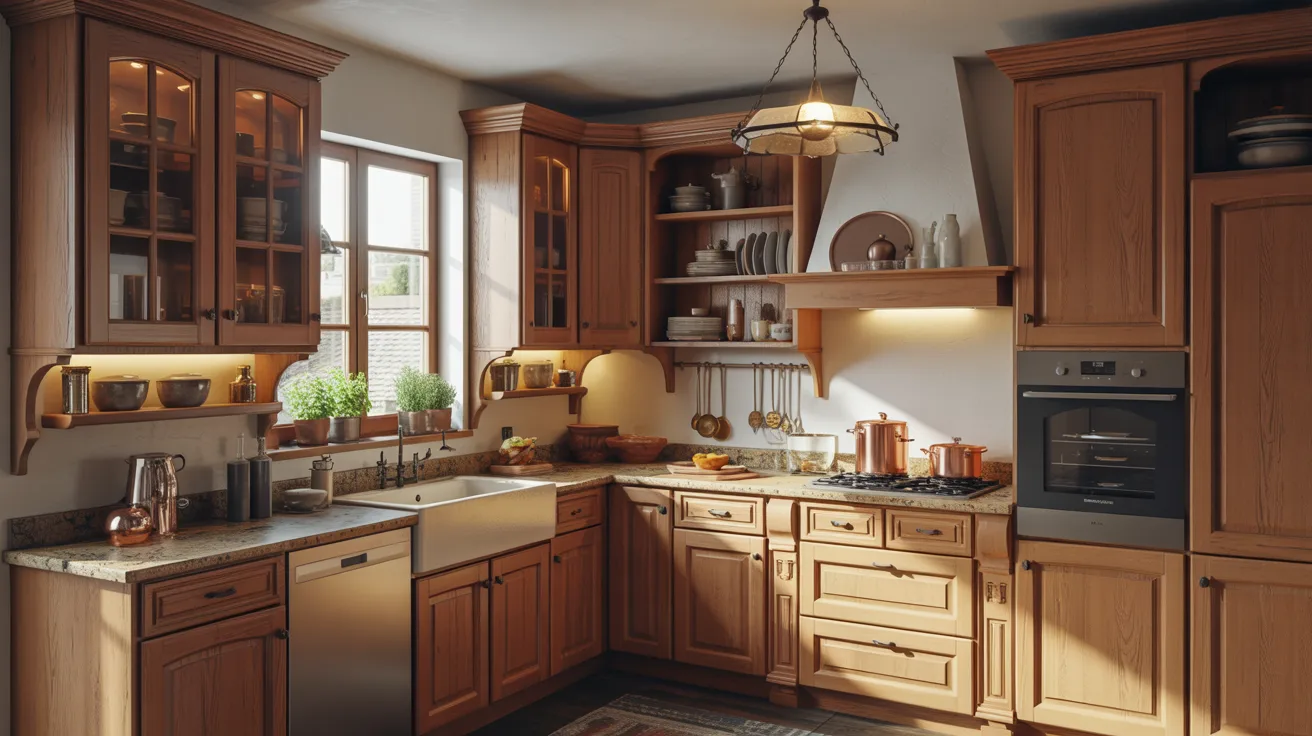
If you’ve been thinking about redesigning your kitchen, traditional German kitchen design might be exactly what you need.
I’ve spent time researching this style, and honestly, it changed how I think about kitchen spaces.
In this article, I’ll walk you through what makes this design so special, from its core ideas to practical tips you can use at home.
We’ll cover materials, layouts, storage, lighting, and more. This guide is built on real design principles used by German craftsmen for decades.
Let’s get into it.
What Is Traditional German Kitchen Design?
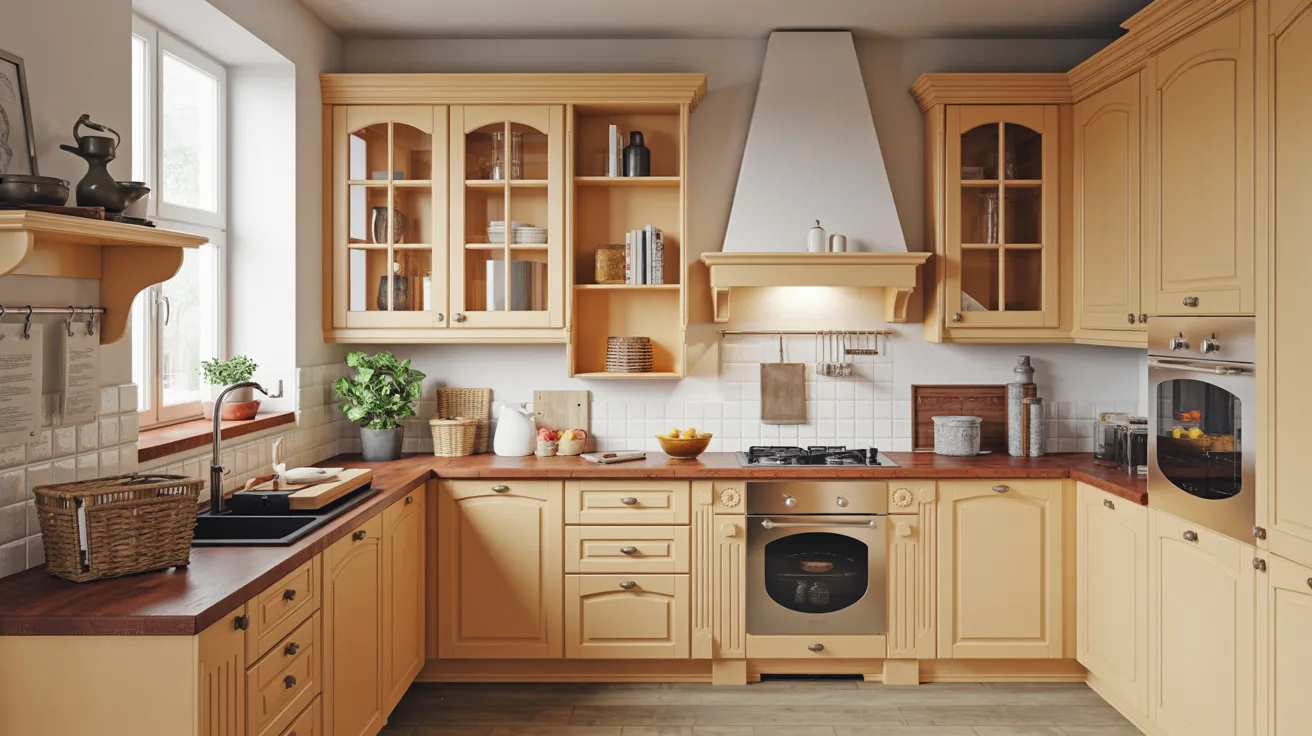
Traditional German kitchen design is built on order, practicality, and natural materials. It focuses on making the kitchen work well every single day.
Solid wood cabinets, clean lines, and smart storage are at the core of this style. Nothing is placed without a reason. People love it because it does not follow trends.
It stays useful and good-looking for years without feeling outdated. Unlike modern kitchens that feel minimal and cold, German traditional kitchens feel warm and lived-in.
They use natural textures and classic finishes. Instead of hiding everything behind flat panels, they show real craftsmanship through visible woodwork and detailed cabinet framing.
Core Philosophy Behind German Kitchen Design
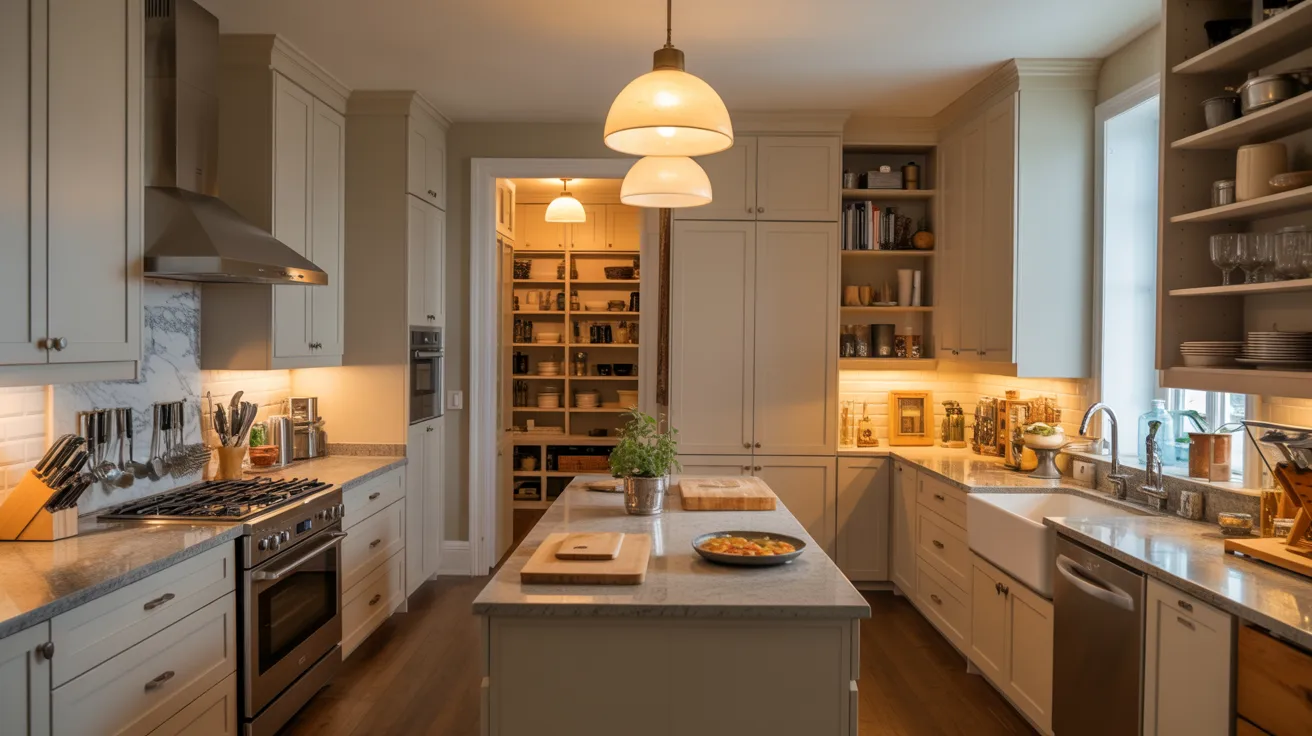
Understanding the thinking behind this style helps you make smarter design choices for your home.
Functionality and Efficiency First
Every design decision starts with one question: does it work? Storage must be easy to reach. Counters must have enough space.
Appliances must fit into the layout without breaking the flow. Function always leads.
Clean, Practical, and Organized Layouts
The layout follows a simple rule: everything has a place. Cooking zones, prep areas, and storage are all planned carefully. This reduces mess and saves time during cooking.
Balance of Beauty and Everyday Use
This style does not ask you to choose between good looks and daily use. It offers both. The kitchen looks warm and inviting, but it can also handle heavy daily use without showing wear too quickly.
Long-Lasting Quality and Craftsmanship
German kitchens are built to last decades. Materials are chosen for durability. Joints are strong. Finishes are applied properly. You invest once and enjoy it for a long time.
Characteristics of Traditional German Kitchen Design
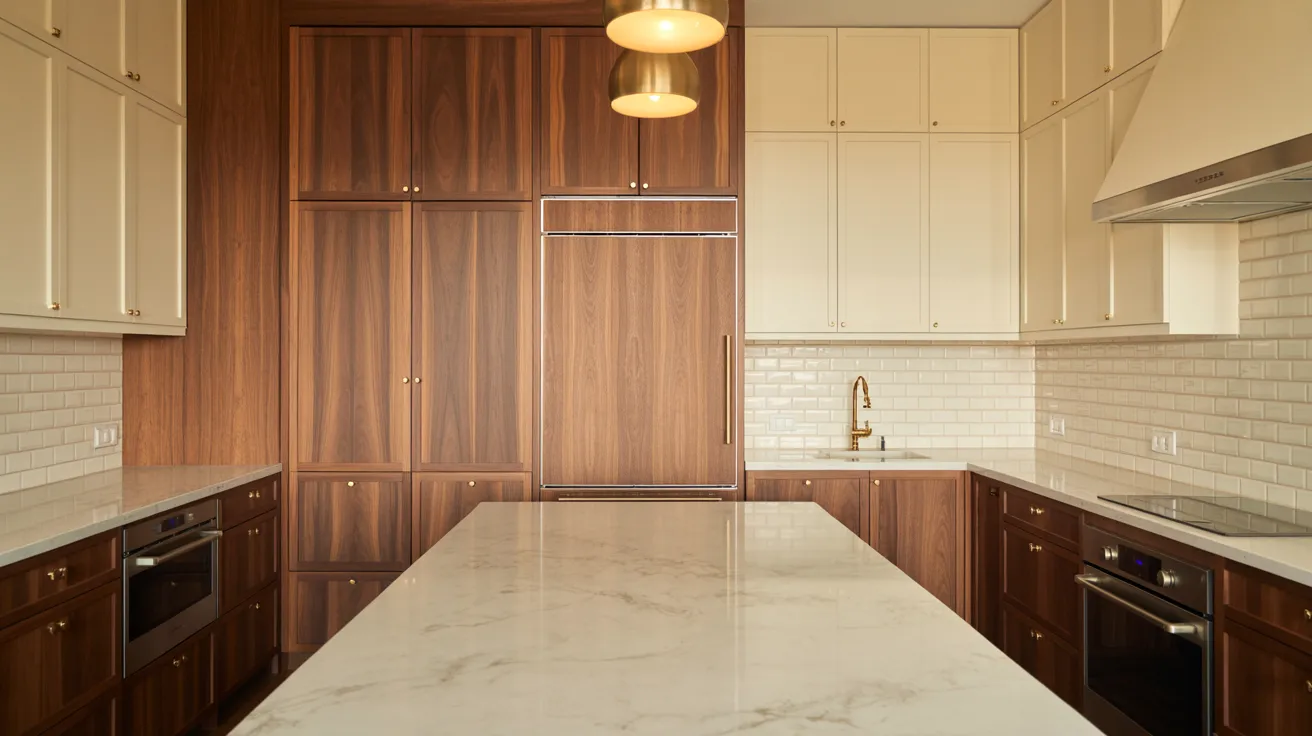
These key features define the look and feel of a traditional German kitchen.
Natural Materials Like Wood, Stone, and Ceramic
Wood is the heart of this style. Oak, pine, and walnut are popular choices. Stone counters and ceramic tiles add texture. These materials feel honest and grounded.
Neutral and Timeless Color Palettes
Colors stay calm. Whites, creams, soft grays, and warm browns work best. These tones do not compete with each other. They create a steady, welcoming atmosphere.
Strong Focus on Storage and Accessibility
Storage is not an afterthought. Deep drawers, tall cabinets, and corner solutions are all planned from the start. Everything should be reachable without climbing or digging.
High-Quality Built-In Appliances
Appliances are built into the cabinetry. The oven, refrigerator, and dishwasher blend in. This keeps the visual flow clean and consistent.
Communal and Family-Friendly Layouts
The kitchen is designed for more than just cooking. It should welcome family members and guests. An island or large table nearby creates a space where people can gather.
Important Design Elements of a German Kitchen
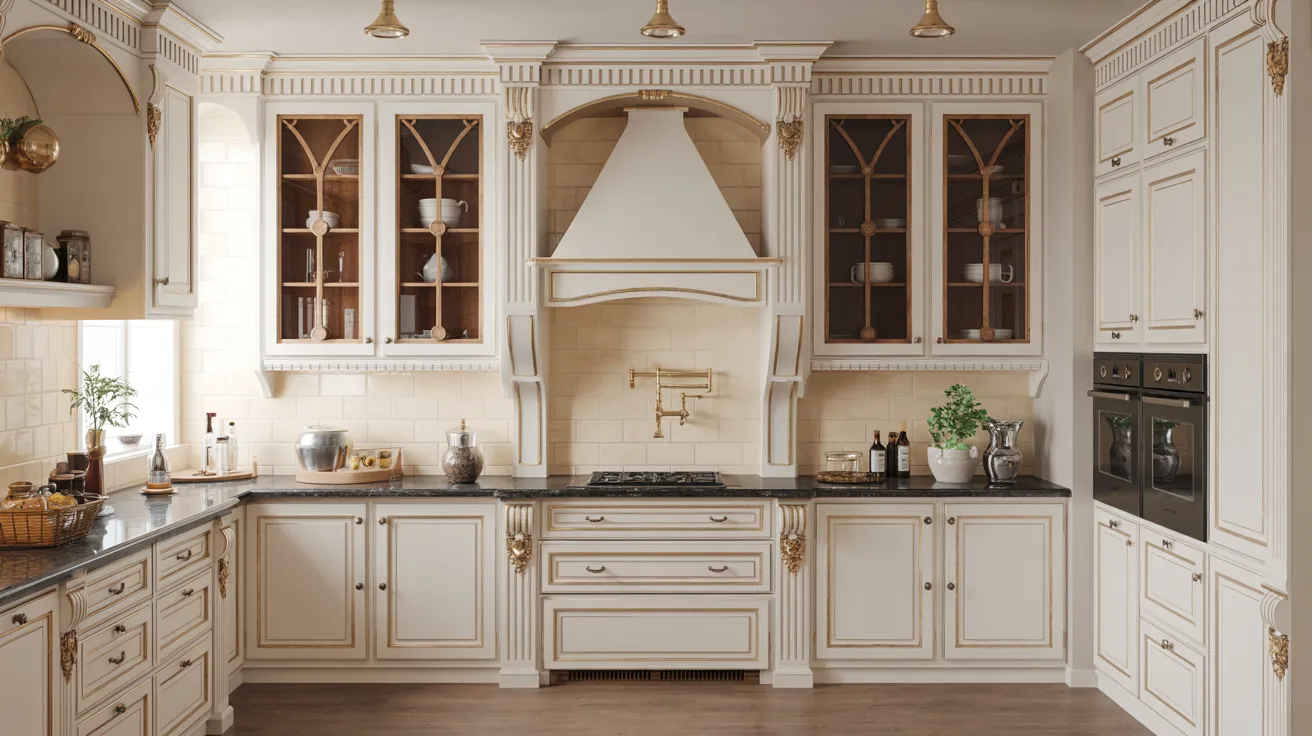
The details that give traditional German kitchens their timeless and recognizable character.
Framed Wood Cabinets and Classic Finishes
Framed cabinets have a visible outer edge that gives the kitchen structure. Classic finishes like matte paint or natural wood stain keep things grounded without looking dated.
Glass-Front Cabinets and Open Shelving
Glass-front doors let you display quality dishware. Open shelves add a relaxed, lived-in feel. Both options break up the heaviness of all-solid cabinet fronts.
Brass or Copper Hardware Details
Hardware matters. Brass or copper handles and knobs add warmth. They age nicely too, developing a patina that adds character over time.
Crown Molding and Traditional Cabinet Styling
Crown molding at the top of cabinets connects them to the ceiling. This finishing touch gives the kitchen a complete, polished look without being overdone.
Durable and Functional Cabinet Construction
Drawers use full extension slides. Hinges are soft-close. Shelves are adjustable. These internal details make daily use smooth and keep the kitchen working well for years.
Flooring, Countertops, and Materials Used
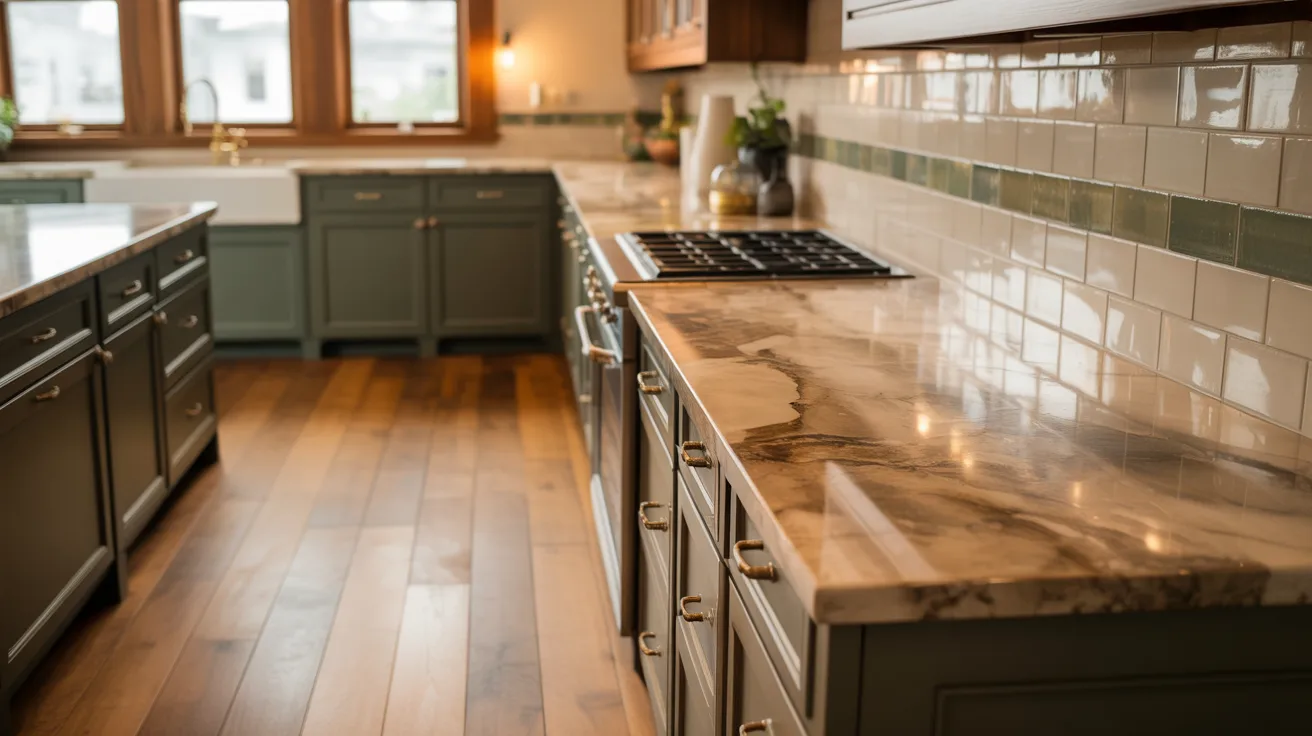
The right materials make a traditional German kitchen both grounded and long-lasting.
Natural Stone, Hardwood, and Ceramic Flooring
Stone tiles, hardwood planks, and ceramic floors are the most common options. Each brings warmth and durability. Hardwood adds richness. Stone adds texture. Ceramic is easy to clean.
Granite, Marble, and Soapstone Countertops
Granite is the most popular choice for countertops. It is hard, heat-resistant, and looks great for years. Marble adds a softer tone. Soapstone is less common but offers a matte, traditional finish.
Earthy Tones and Natural Finishes
The color story stays rooted in nature. Browns, tans, creams, and soft greens tie everything together. Finishes are matte or lightly oiled rather than high-gloss.
Easy-to-Maintain Surfaces for Daily Use
All materials are chosen with cleaning in mind. Sealed stone wipes clean easily. Ceramic tiles resist staining. Hardwood floors can be refinished when needed. Nothing requires special care routines.
Storage and Functionality in German Kitchens
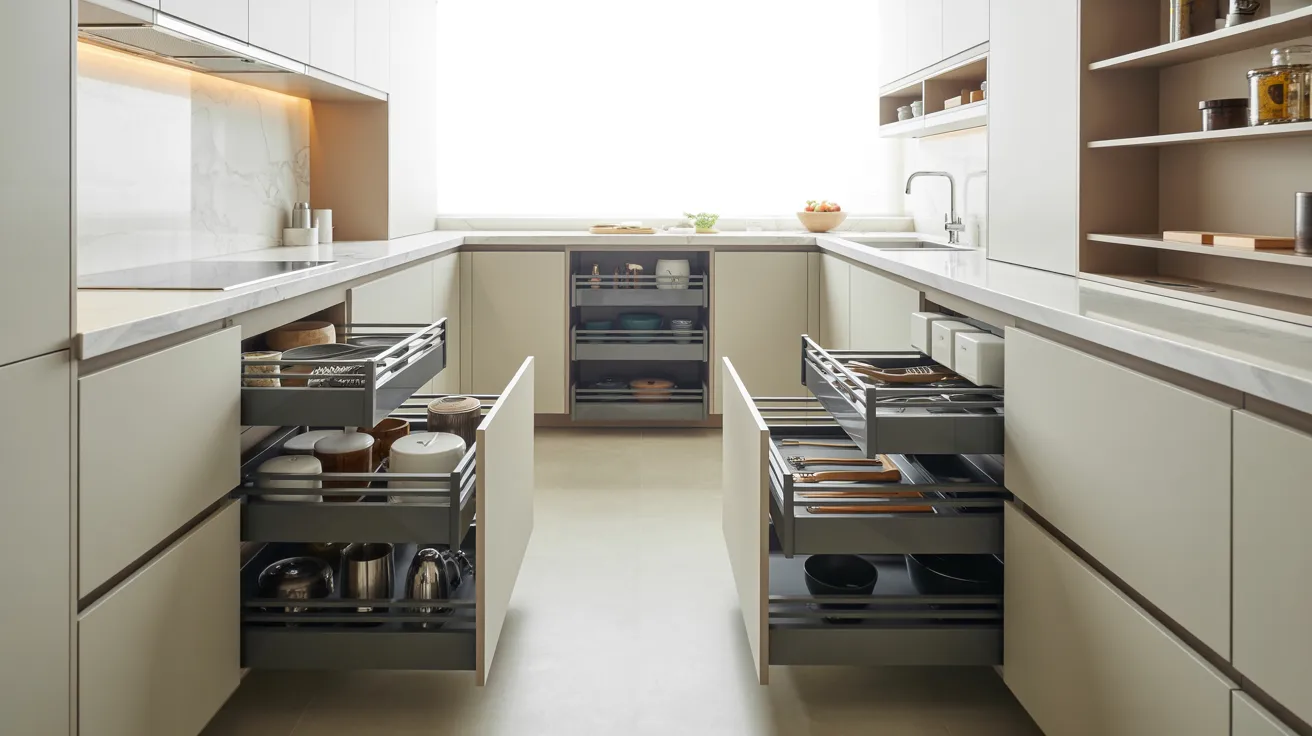
German kitchens are designed so that every inch of space has a purpose.
Smart Storage Systems and Built-In Organization
Pull-out drawers, spice racks inside cabinet doors, and deep pot storage are standard. Nothing is left to chance. Each zone has a storage solution that fits it.
Efficient Use of Space and Easy Accessibility
Items used every day are stored at arm level. Rarely used items go higher or lower. This simple rule makes cooking faster and less tiring.
Integrated Cabinets and Appliance Layouts
The refrigerator sits inside a cabinet panel. The oven is built into a tall unit. This integration keeps the kitchen looking tidy and helps maintain a consistent visual rhythm.
Minimal Clutter Design Approach
Surfaces stay clear. Only the essentials sit on the counter. Everything else goes inside. This keeps the space calm and easy to work in.
Lighting and Ambience in German Kitchen Design
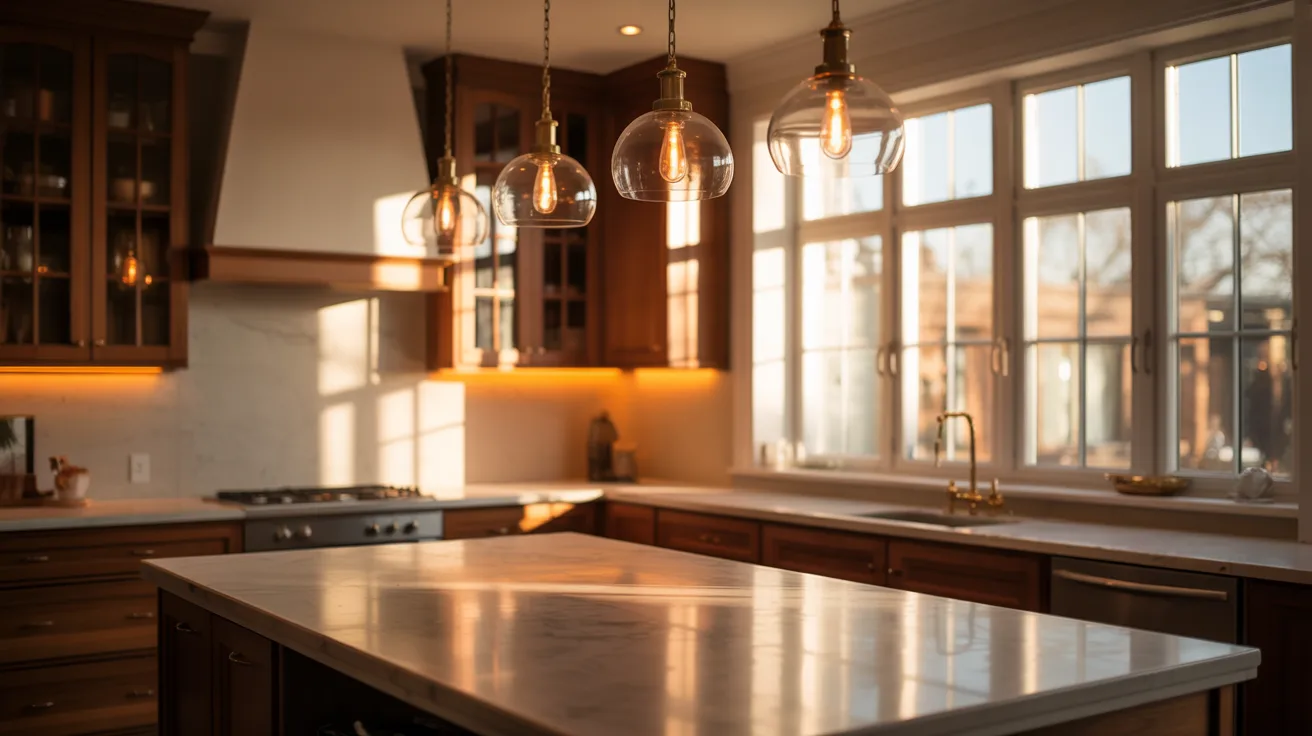
Good lighting makes the kitchen feel warm, functional, and inviting at any time of day.
Warm and Soft Lighting Concepts
Warm white bulbs create a cozy feeling. Avoid cold, harsh lights. The goal is a kitchen that feels comfortable whether you’re cooking dinner or having a morning coffee.
Pendant Lights and Classic Fixtures
Pendant lights above the island or table anchor the space. Classic shapes in brass or matte black work well. They add visual interest without being too bold.
Task Lighting for Cooking Areas
Under-cabinet lighting is important. It lights up the counter directly, making chopping and reading recipes much easier. This is both functional and practical.
Maximizing Natural Light in Kitchen Spaces
Large windows, light-colored walls, and reflective surfaces all help bring in more daylight. Natural light makes the kitchen feel bigger and more open.
Tips to Create a Traditional German Kitchen Style
Simple, practical steps to bring this kitchen style into your own home.
- Plan how you use your kitchen first, then build the design around those habits.
- Choose wood, stone, and ceramic over plastic or laminate wherever possible.
- Go with classic cabinet shapes and neutral colors that will still look good in ten years.
- Always plan for enough storage before focusing on how things look.
- Keep surfaces clear and cabinets organized every day.
- Stick to a consistent color palette to maintain a clean, calm feel throughout the space.
Conclusion
I genuinely believe that traditional German kitchen design is one of the smartest choices you can make for your home. It is not about following trends.
It is about building a space that works for your family and looks good doing it. I redesigned my own kitchen with this approach and never looked back.
The warmth, the storage, and the lasting quality made a real difference in daily life. I hope this guide helped you see the style more clearly.
Leave a comment below or share it with someone planning a kitchen update.
Frequently Asked Questions
What makes traditional German kitchen design different from other European styles?
German kitchens focus heavily on function and built-in organization. Other European styles may lean more toward visual impact, while German design always puts daily usability first.
Is traditional German kitchen design expensive to build?
It can be, since quality materials and craftsmanship are central to this style. However, the long lifespan of the kitchen means you often spend less over time on repairs or replacements.
Can I use this style in a small kitchen?
Yes. The focus on smart storage and efficient layouts makes it well-suited for smaller spaces. Every inch is planned, so even a compact kitchen can feel organized and open.
What type of wood is most common in German kitchen cabinets?
Oak is the most widely used wood. Pine and walnut are also popular. Each brings a slightly different tone, but all offer the durability this style is known for.
How do I keep a tra ditional German kitchen looking its best over time?
Regular cleaning, oiling wooden surfaces once a year, and keeping counters clear are the main steps. These kitchens are built for easy maintenance, so upkeep is not demanding.