
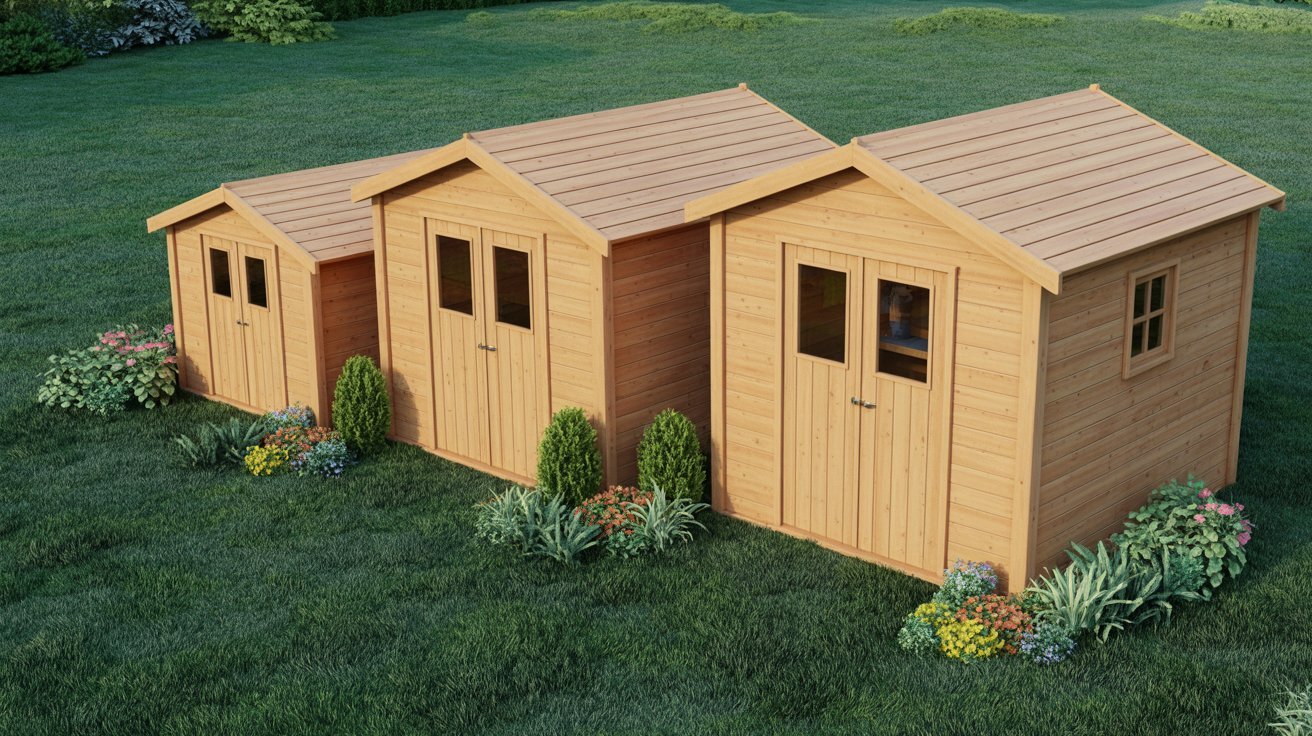
I bought a shed once without measuring properly. It was too small, and I regretted it within a month.
Picking the wrong size is one of the most common mistakes homeowners make.
Go too small, and you’re cramming everything in. Go too big, and you’re burning money on space you don’t need.
That’s exactly why I put this guide together. I’ll walk you through everything you need to know to pick the right shed size with confidence.
What Is a Shed Size Guide?
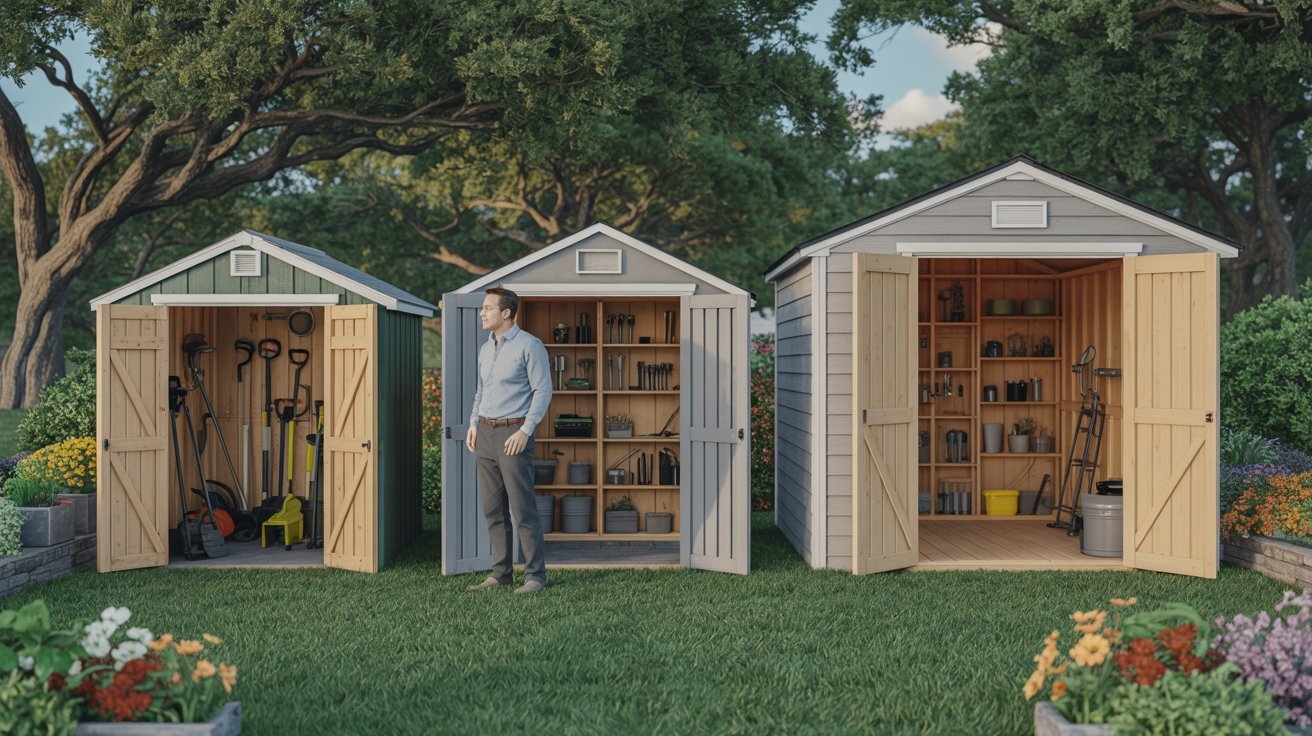
A shed size guide helps you figure out which shed fits your space and needs. It breaks down common shed dimensions so you can make a smart choice before buying or building.
Size matters more than most people think. Too small, and you’re cramming everything in. Too big, and you’re wasting money and yard space.
The right size gives you enough room to store what you need, move around comfortably, and still leave space in your yard.
How to Choose the Right Shed Size
Picking the right shed size comes down to a few simple factors: what you’re storing, how you’ll use the space, and how much yard room you actually have.
Step 1: Identify Your Storage Needs
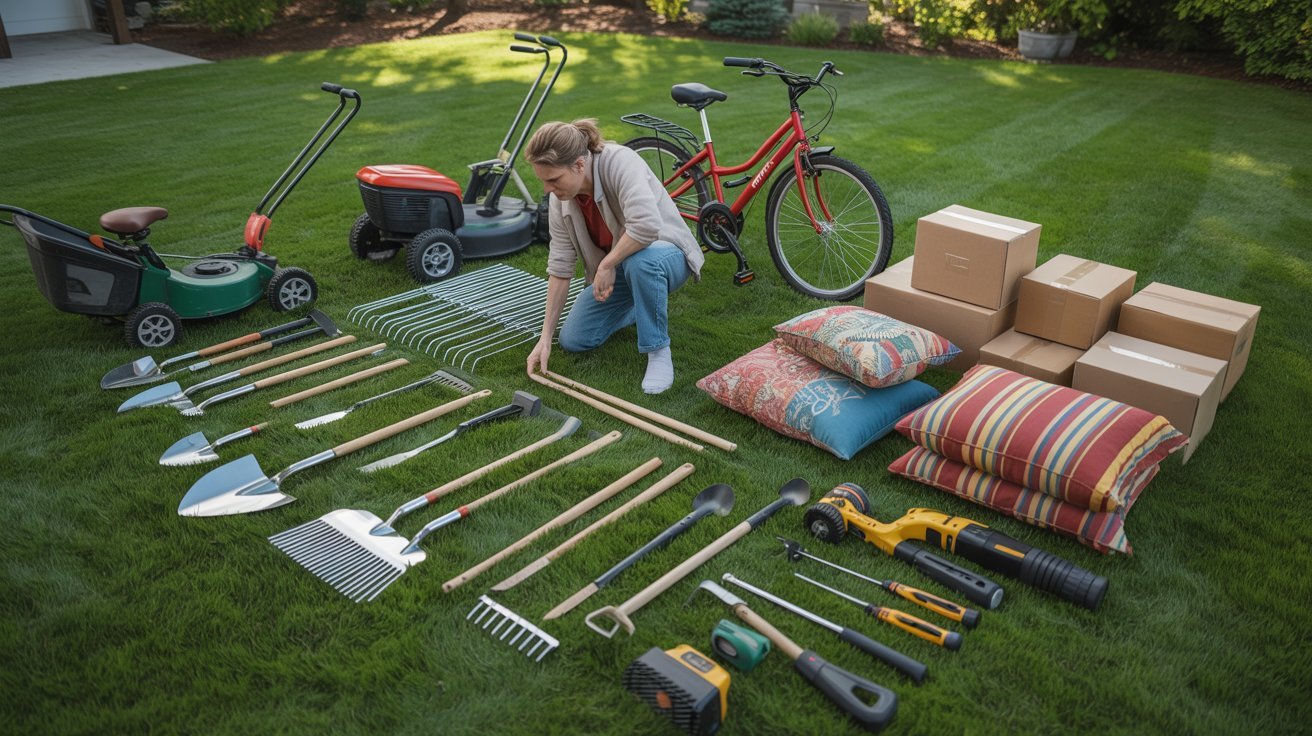
Start by listing everything you plan to store. Think tools, garden equipment, bikes, and seasonal items like holiday decorations or patio cushions.
Also think about bulkier stuff. A riding mower, outdoor furniture, or large power tools take up a lot more room than you’d expect. Write it all down before you decide on a size.
Step 2: Plan for Future Storage
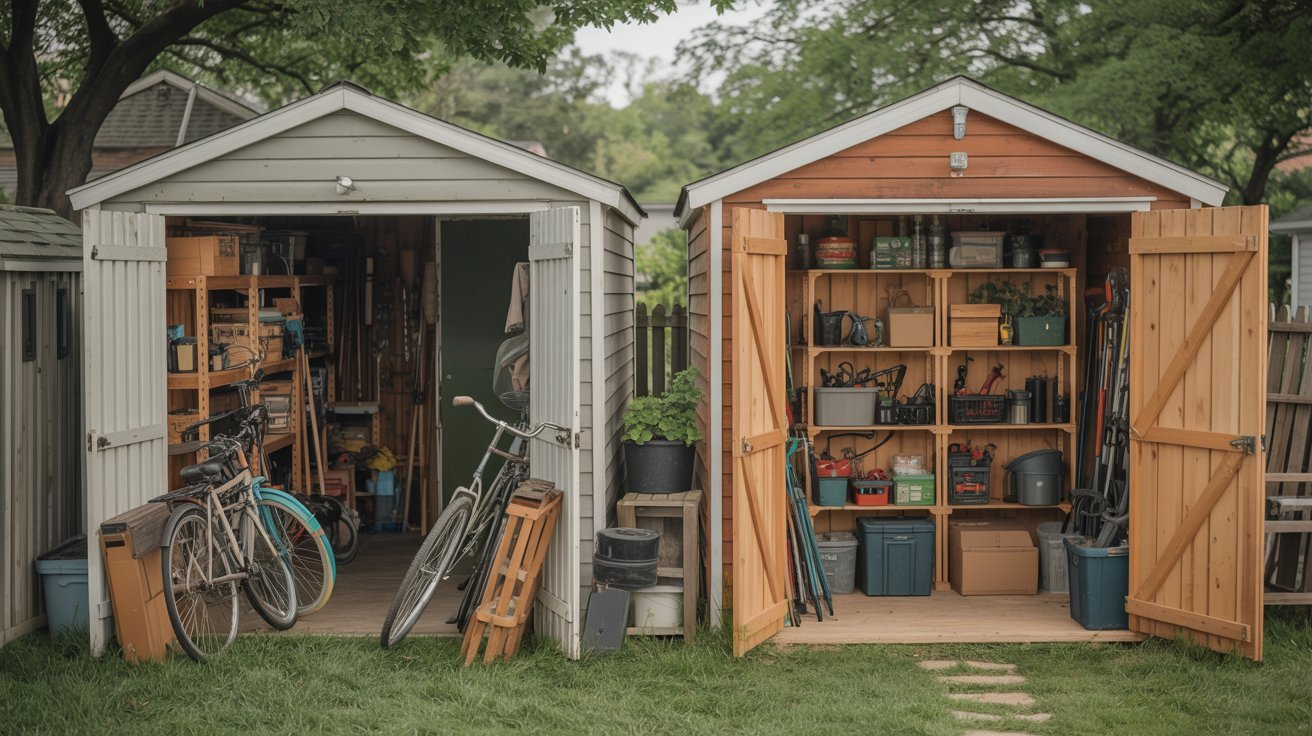
Most homeowners underestimate how much space they’ll need. You might start with a few boxes and a lawnmower, but things add up fast.
Sizing up slightly is almost always worth it. A shed that feels big today will feel just right in two or three years. Going too small means you’ll run out of room sooner than you think.
Step 3: Decide How You’ll Use the Shed
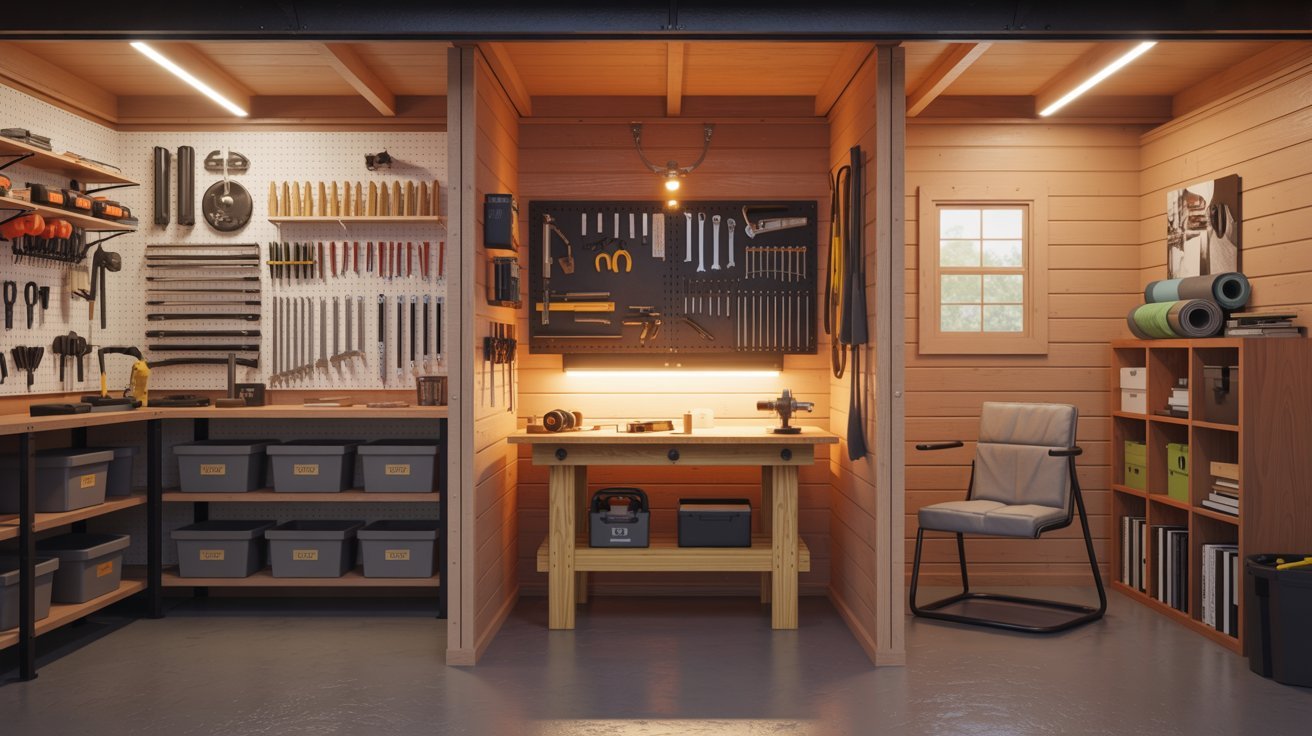
Not every shed is just for storage. Think about how you actually want to use the space.
A pure storage shed needs different dimensions than a workshop or hobby room. If you want space for a desk, gym equipment, or a craft table, you need extra square footage for movement and comfort. Multi-purpose sheds need more breathing room than basic storage sheds.
Step 4: Measure Your Available Space
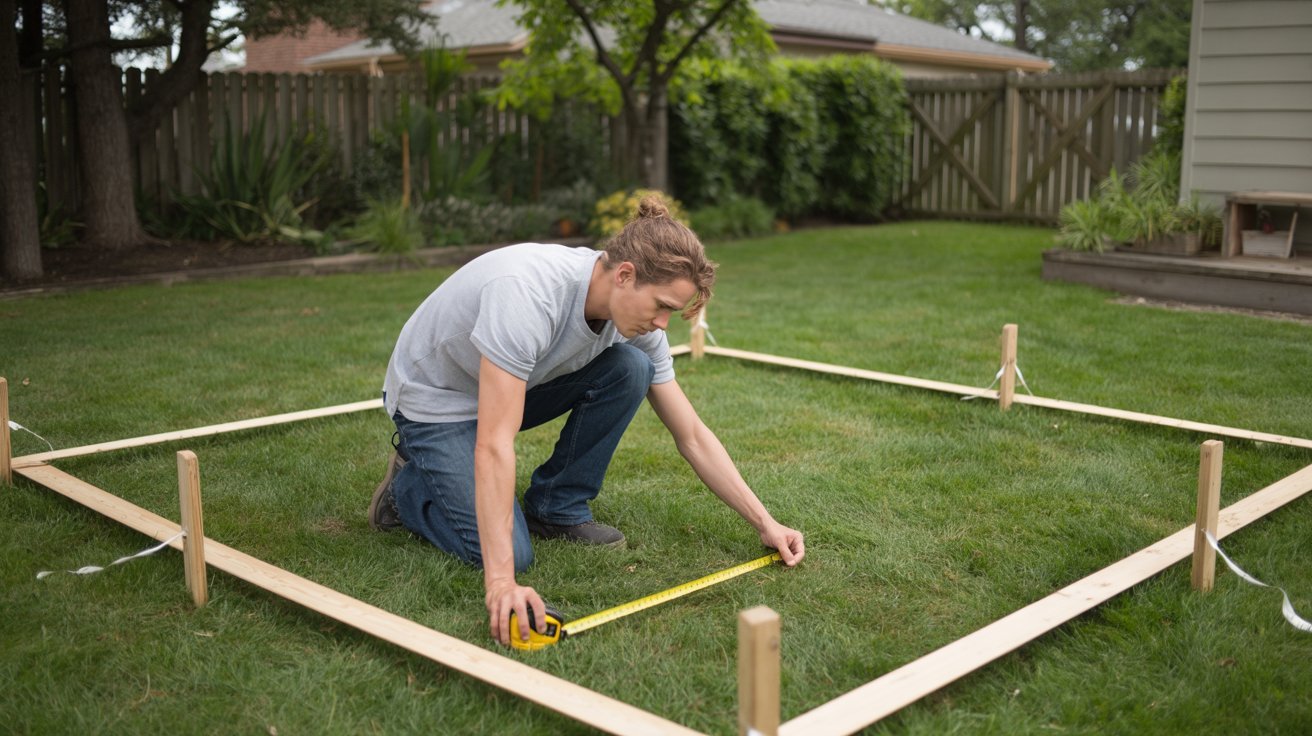
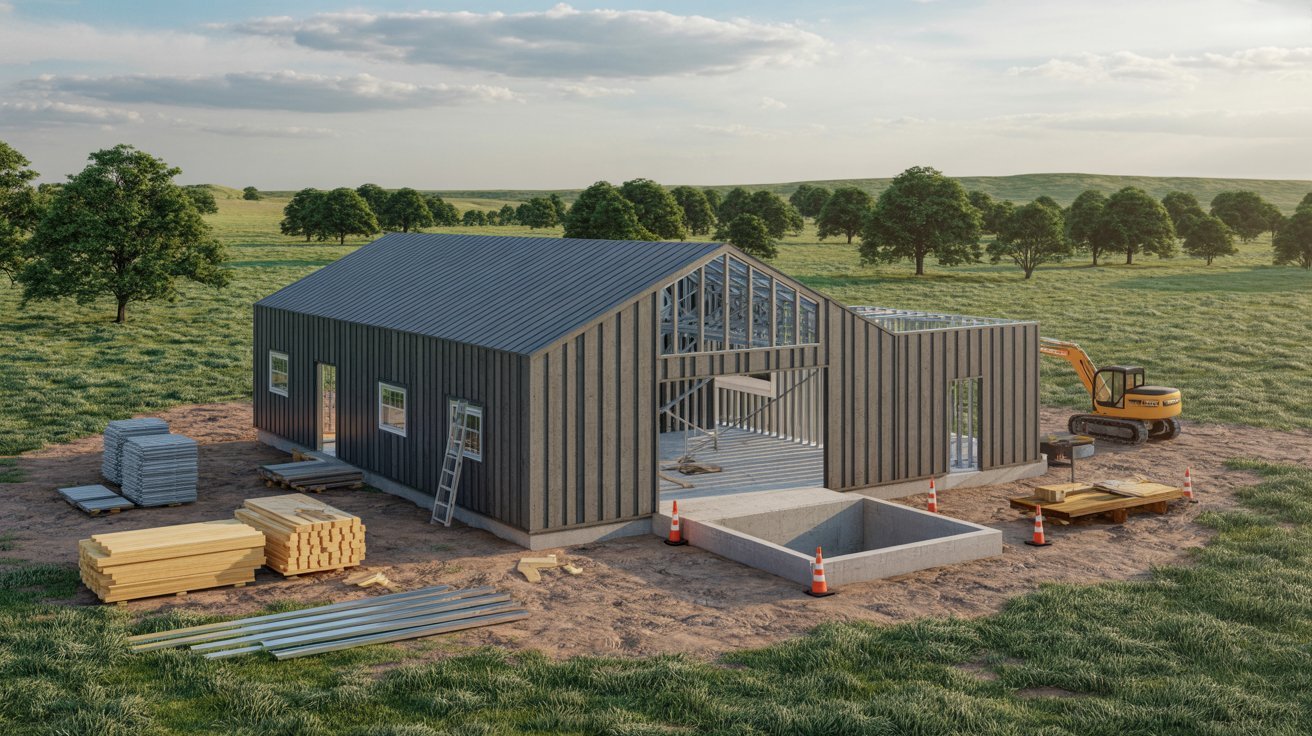
Before you commit to any size, go out and measure your yard. Mark out the footprint with stakes or chalk so you can see exactly how it fits.
Don’t forget clearance. You need space for doors to swing open, room to walk around the shed, and enough gap from fences or structures to meet local building codes. What looks fine on paper can feel tight once the shed is actually there.
Shed Size Categories Explained
Not all sheds are built the same. Here’s a simple breakdown of what each size range works best for.
Small Shed Sizes (Up to 8×12)
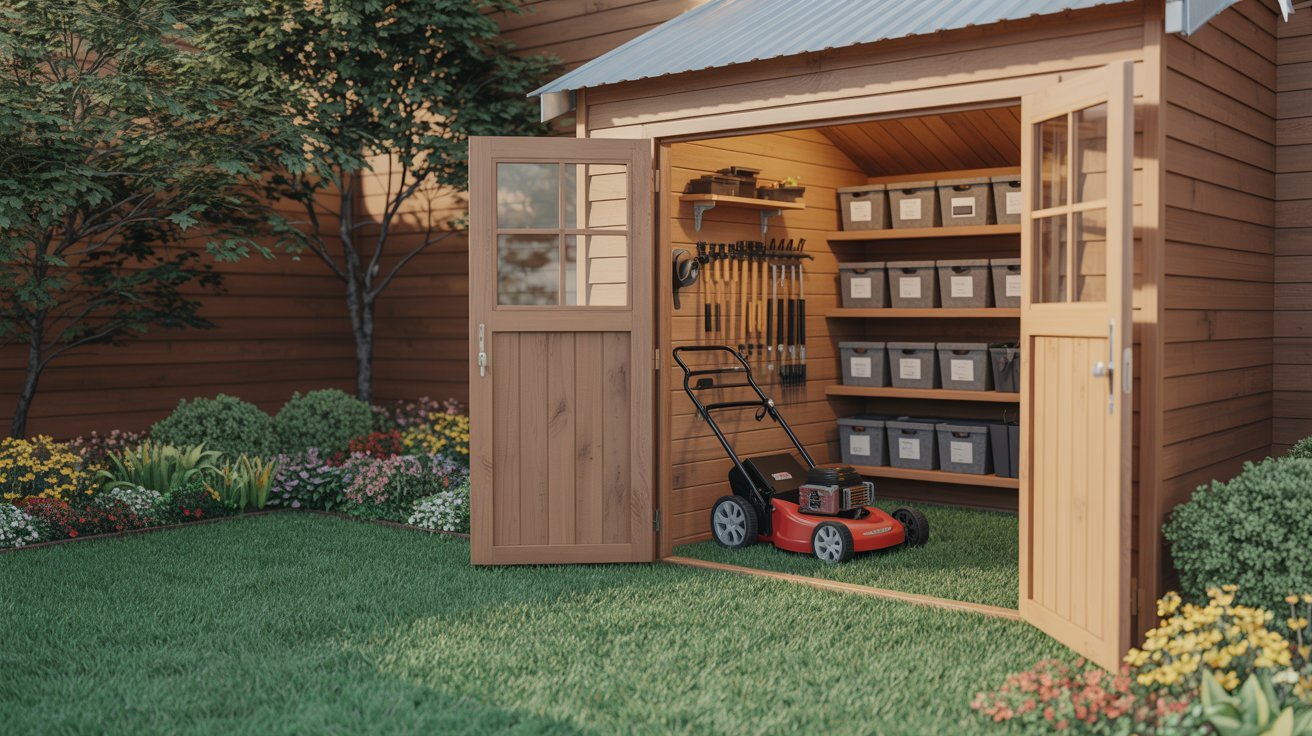
Small sheds work great for basic storage, especially if you have a compact yard. They’re easy to set up and don’t take up much space.
Best for:
- Garden tools
- Push mower
- Storage bins and boxes
Medium Shed Sizes (10×12 to 12×16)
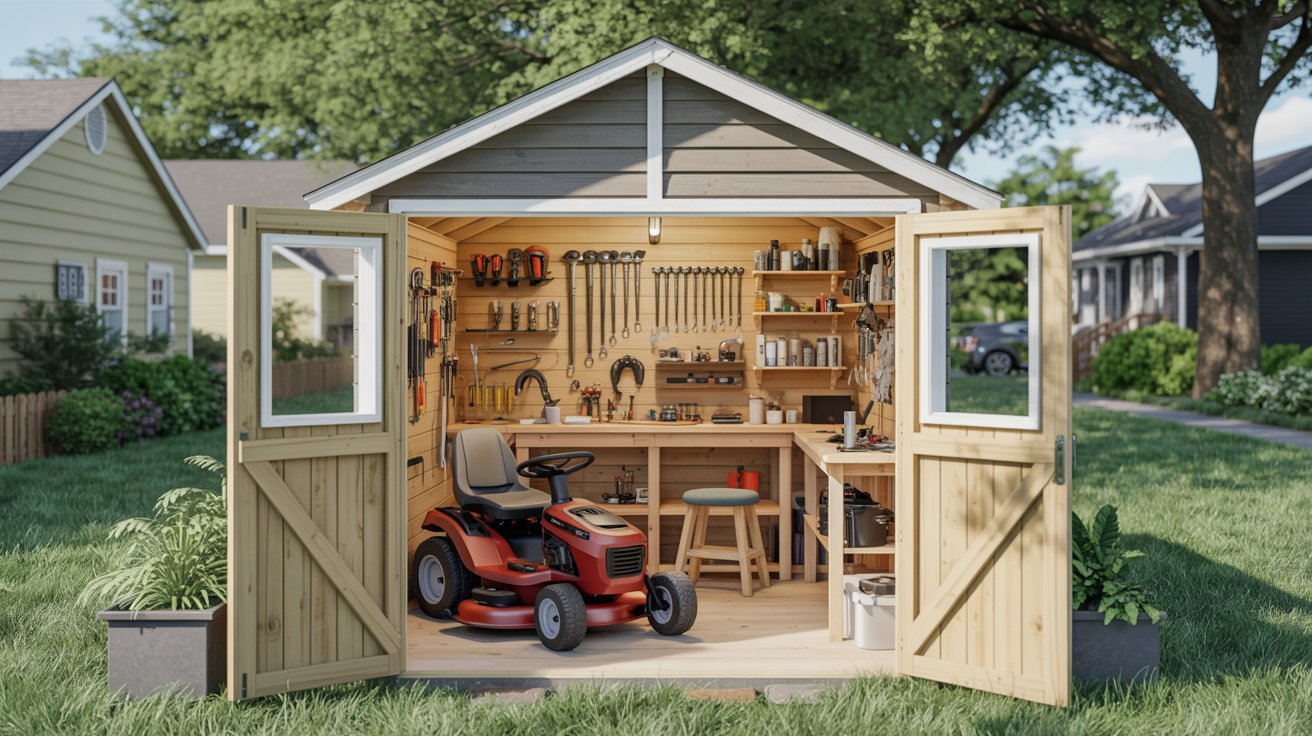
Medium sheds give you room to store more and still have space to work. This is the most popular size range for most homeowners.
Best for:
- Riding mower
- Workbench and tools
- Hobby or craft space
Large Shed Sizes (12×20 and Up)
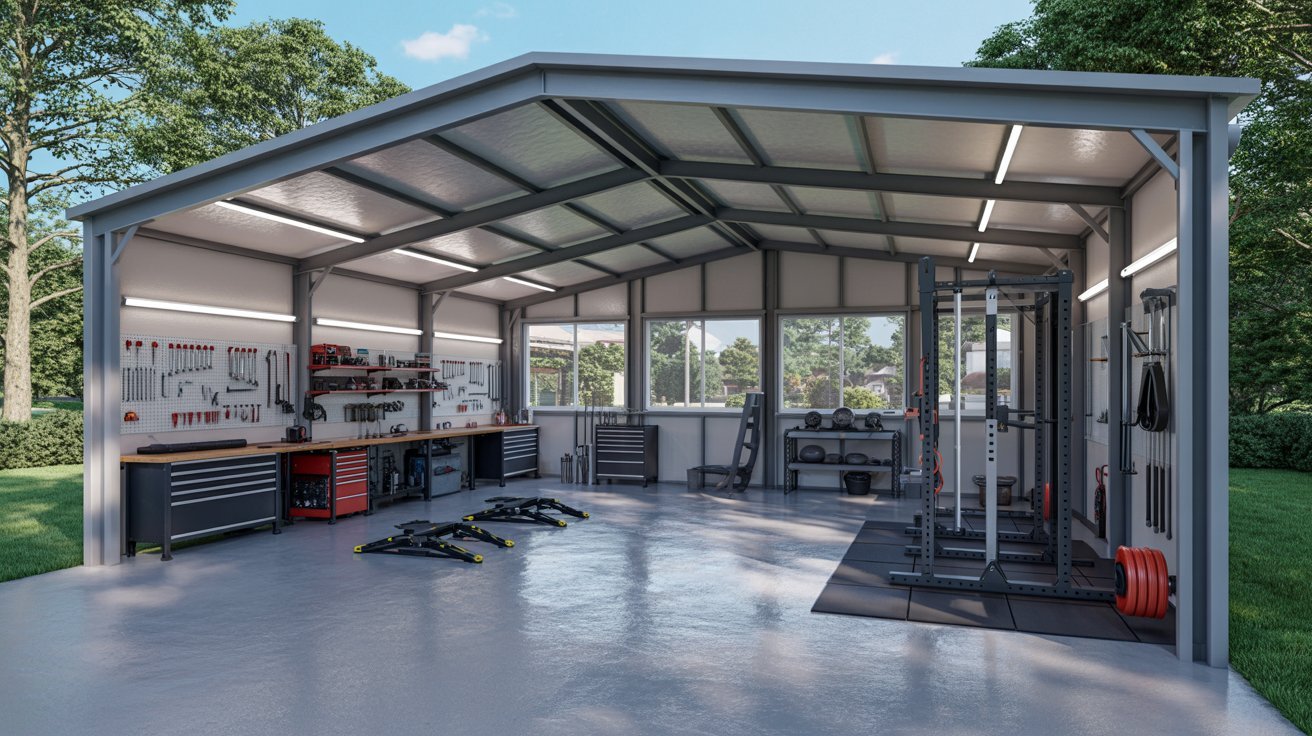
Large sheds are built for serious use. You get plenty of room for heavy storage, big equipment, or a full working space.
Best for:
- Garage alternative
- Home office or gym
- Full workshop setup
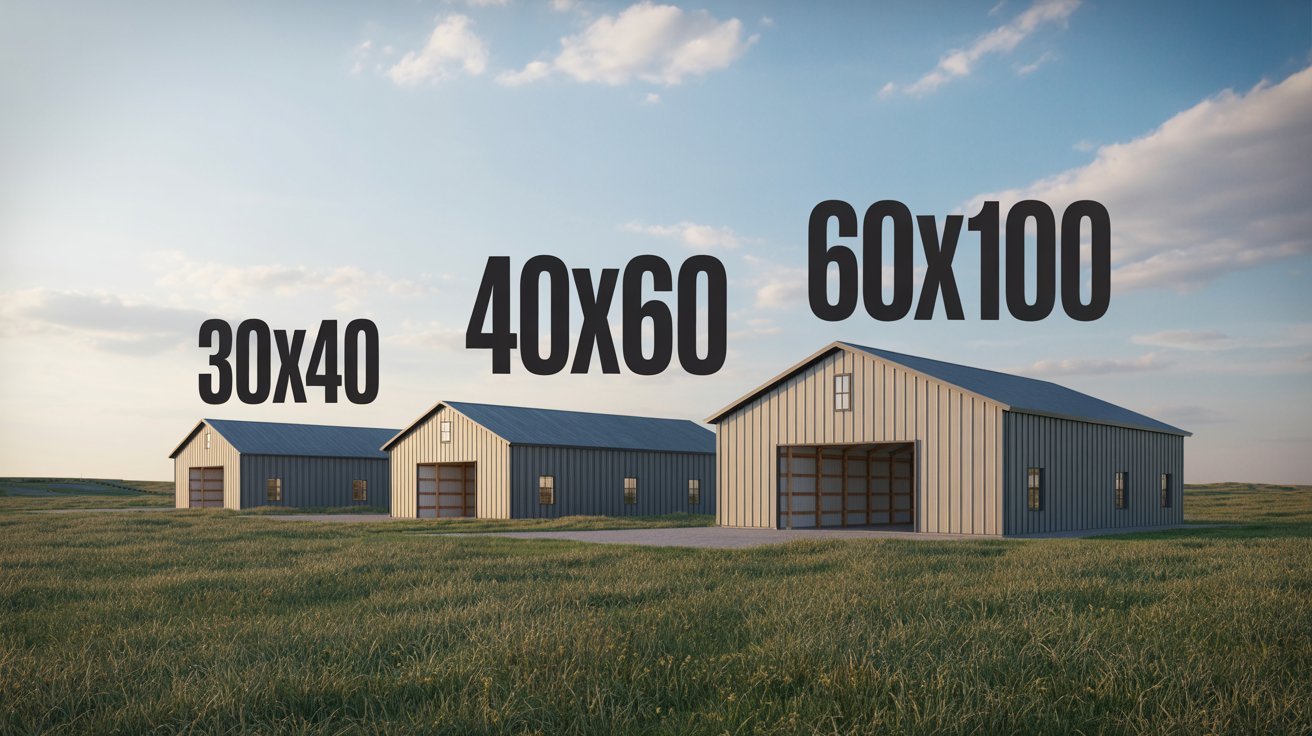
Popular Shed Sizes and What They Fit
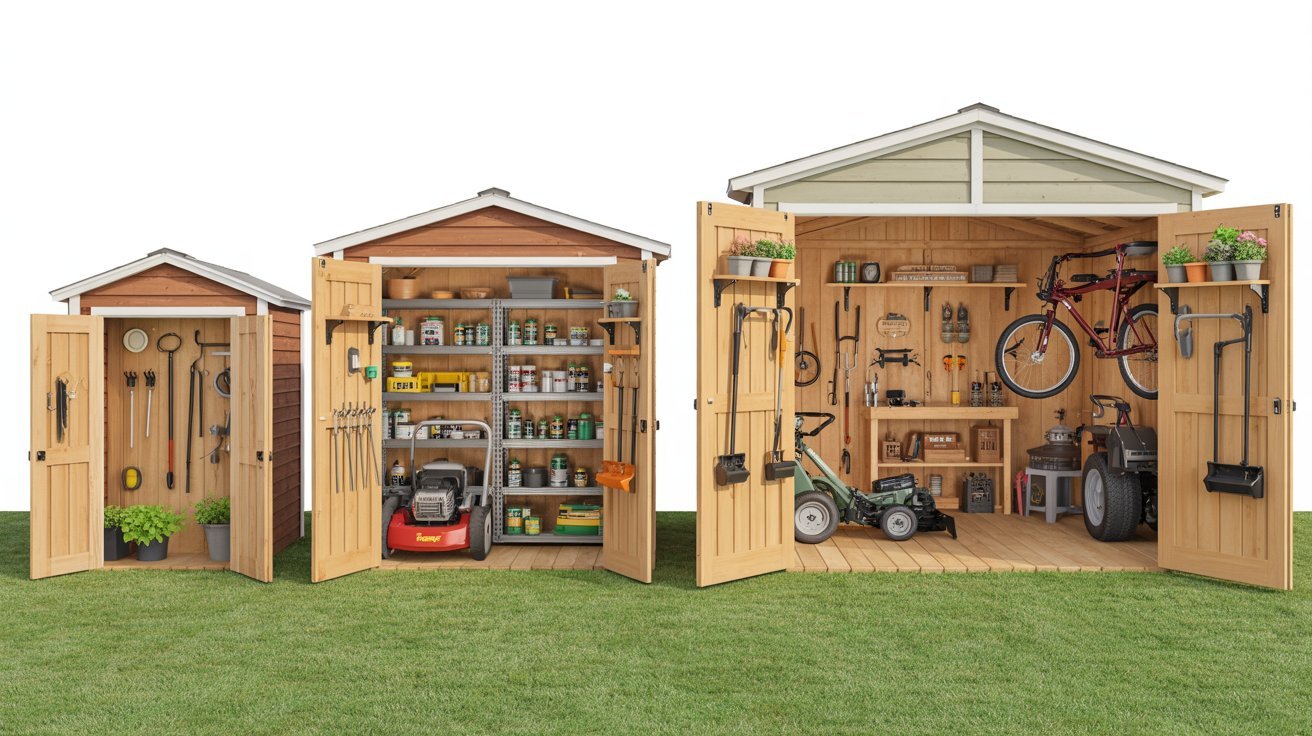
Here’s a quick look at the most common shed sizes and what you can realistically fit inside each one.
1. 6×8 Shed
This is one of the smallest options out there. It’s great for compact tool storage, hand tools, small garden supplies, and not much else. Good for tight yards with minimal storage needs.
2. 8×10 Shed
A step up in space. You can fit a push mower, a few shelves, and a decent amount of tools without feeling cramped. A solid choice for small to mid-sized yards.
3. 10×12 Shed (Most Popular)
This is the sweet spot for most homeowners. It handles multi-purpose storage well, giving you room for a mower, shelving, bikes, and even a small work area. If you’re unsure what size to get, this one is usually the safest bet.
How Much Space Do You Need Around a Shed?
Don’t just plan for the shed itself. The space around it matters too.
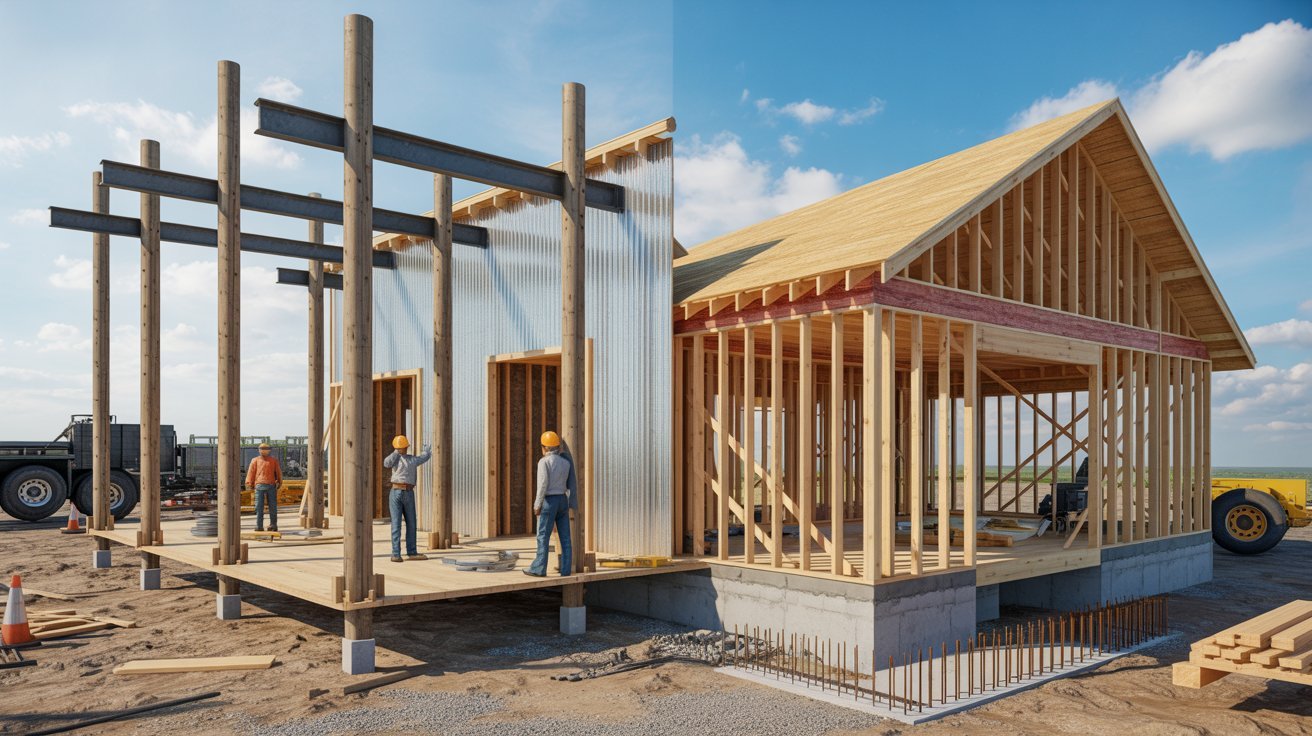
Leave enough room for doors to open fully and for you to walk around without squeezing. Your foundation type, whether gravel, concrete, or skids, may need extra space beyond the shed’s footprint.
Also keep a small walkway clear on all sides. It makes cleaning, painting, and minor repairs a lot easier down the line.
Expert Tips for Choosing the Right Shed Size
- Plan for the future, not just today. Think about what you might store two or three years from now, not just what you have right now.
- Don’t pack your shed to the ceiling. Overcrowding makes it hard to find things and even harder to get them out.
- Use a layout tool or visual planner. Many shed brands offer free online planners that help you see the space before you buy.
- Match the shed size to your yard size. A shed that’s too big can overpower a small yard and may even affect your property value.
- Leave some breathing room inside. A little extra floor space lets you move around, add shelves, and actually use the shed comfortably.
Conclusion
I’ve seen a lot of people rush this decision and regret it later. The right shed size comes down to knowing what you need, planning for what’s ahead, and being honest about your space.
Think long-term. A little extra room now saves you a lot of frustration later.
Take your time, measure twice, and pick a size you won’t outgrow in a year. Ready to get started? Shop shed sizes, use a free planner, or get a quote today.
Frequently Asked Questions
What is the most common shed size?
The 10×12 shed is the most popular choice among homeowners. It offers enough room for storage, a workbench, and basic equipment without taking over your yard.
How do I know what shed size I need?
Start by listing everything you plan to store, then measure your available yard space. Always size up slightly to avoid running out of room too soon.
Does a shed need a foundation?
Yes, most sheds need some kind of base like a gravel pad, concrete slab, or wooden skids. A proper foundation keeps the shed level and protects it from moisture damage.
How much clearance should I leave around my shed?
Leave at least 18 to 24 inches on all sides for door swing, airflow, and basic maintenance. Check your local building codes too, as some areas have specific setback rules.
Can a shed be used as a home office or gym?
Absolutely. Larger shed sizes like 12×20 and up work well as home offices, gyms, or hobby rooms. You just need proper insulation, ventilation, and enough square footage to move around comfortably.