
Thinking about a barndominium but not sure if it’s the right call? I’ve researched real builds, spoken to actual owners, and gone through the numbers so you don’t have to.
This guide covers the full pros and cons of barndominiums, how they compare to traditional homes, and what to think about before you build.
I’ll also walk you through costs, common mistakes, and tips that save money.
By the end, you’ll have a clear answer on whether a barndominium fits your goals.
What Are Barndominiums?
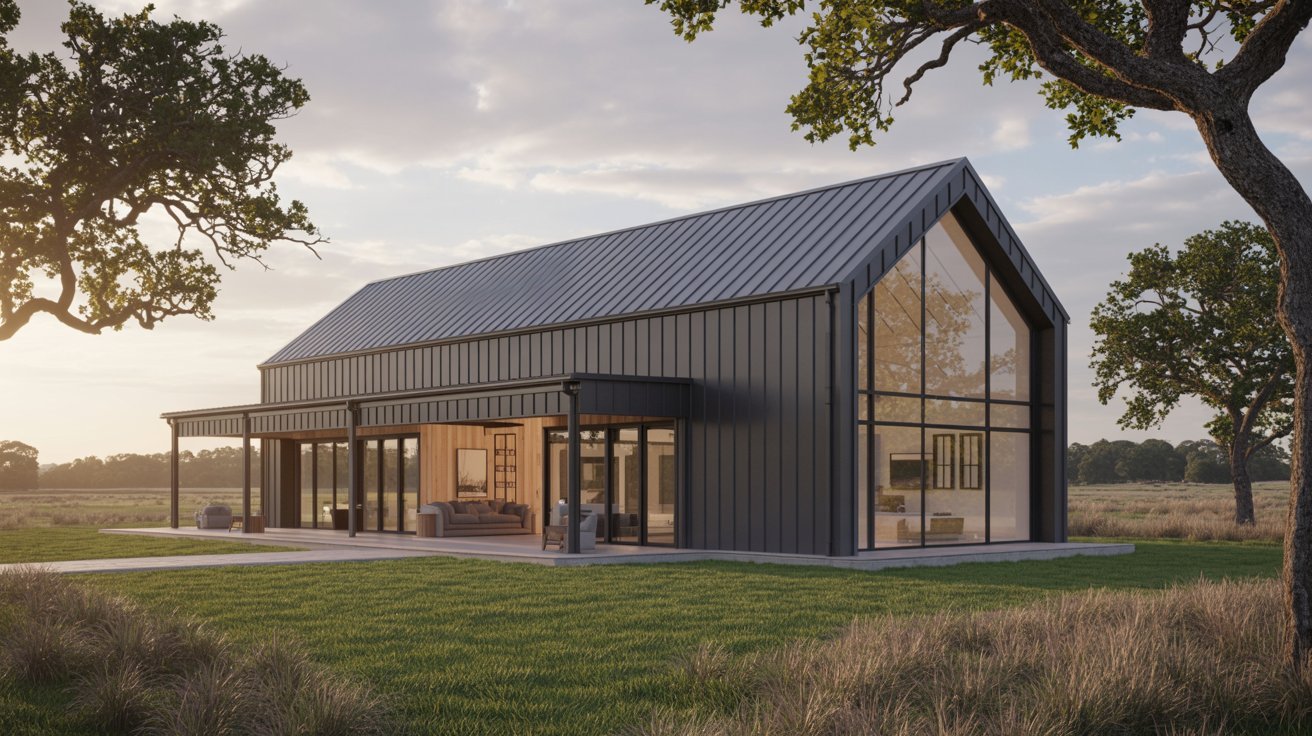
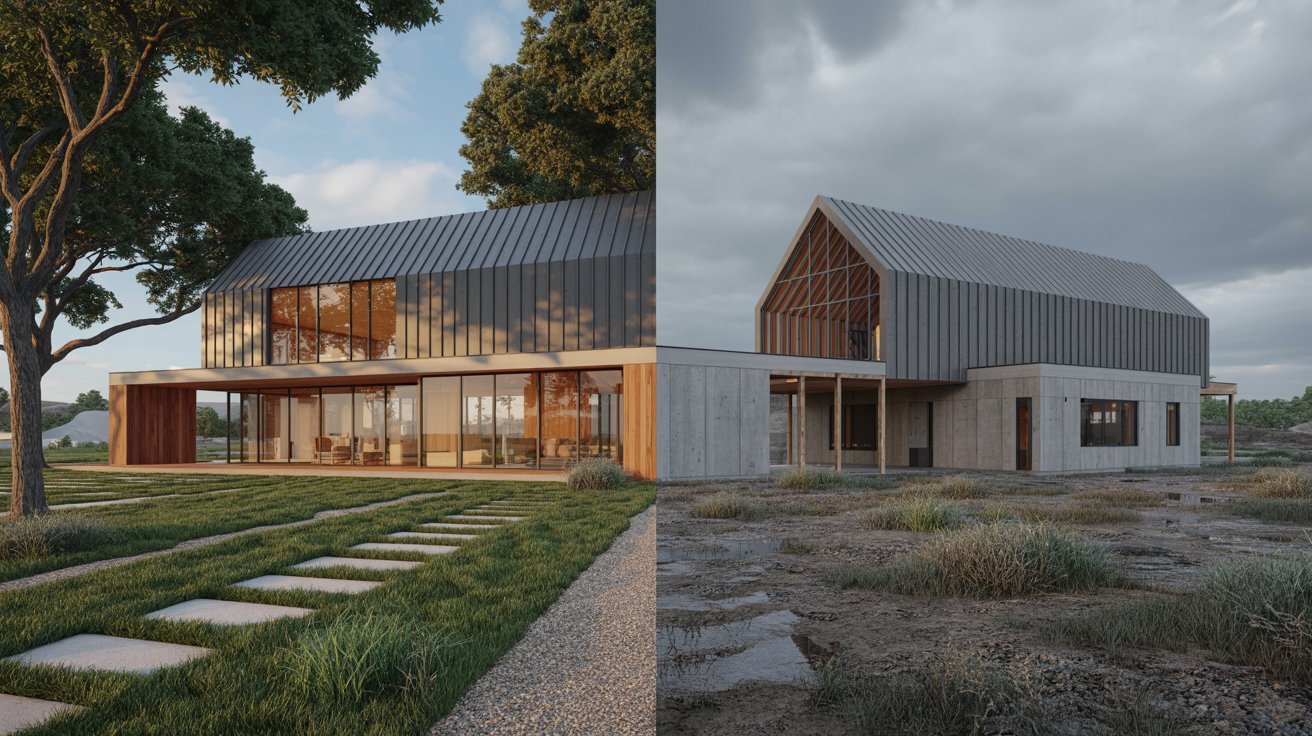
A barndominium is a metal or steel-frame structure used as a full-time home, often combined with a workshop or storage space. The name blends “barn” and “condominium.”
They started on farms but became a popular housing option for people who want more space without paying traditional home prices. Most use steel frames, making them strong and fast to build.
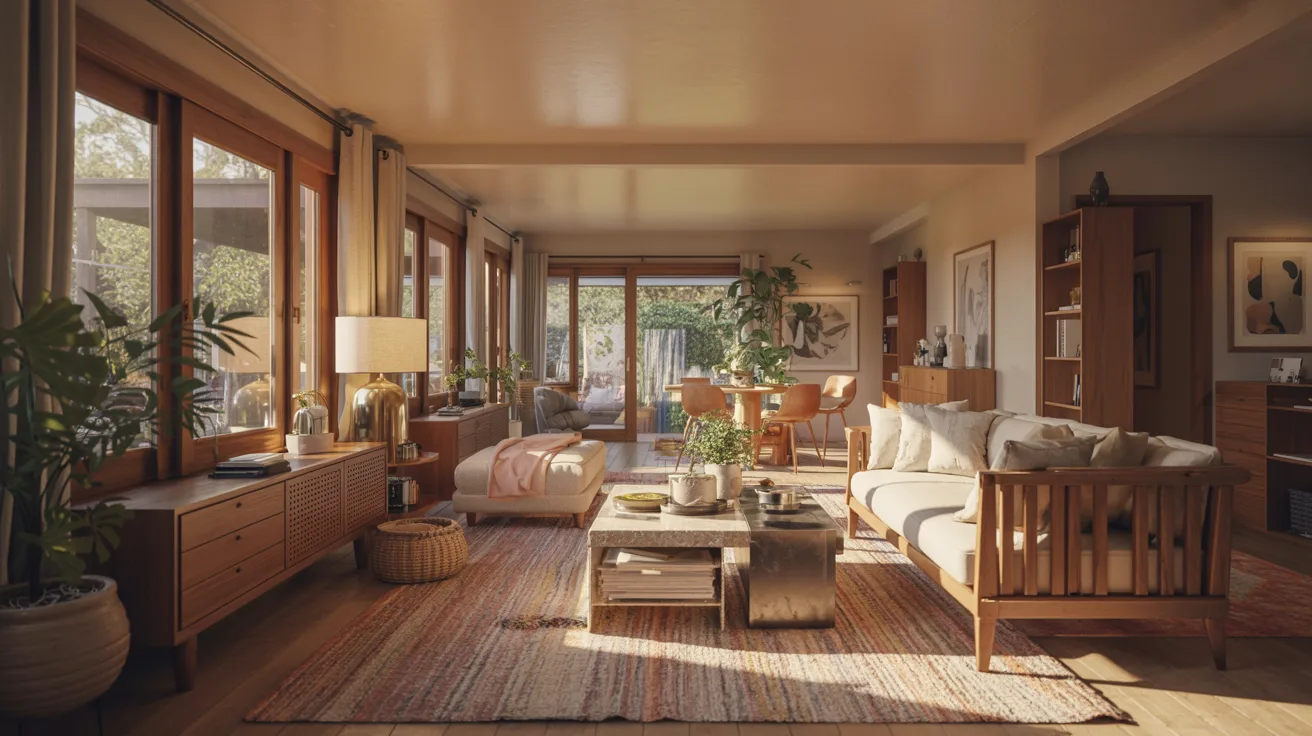
Today, many look nothing like barns. Modern barndominiums have open kitchens, full bathrooms, and large living areas.
Pros of Barndominiums
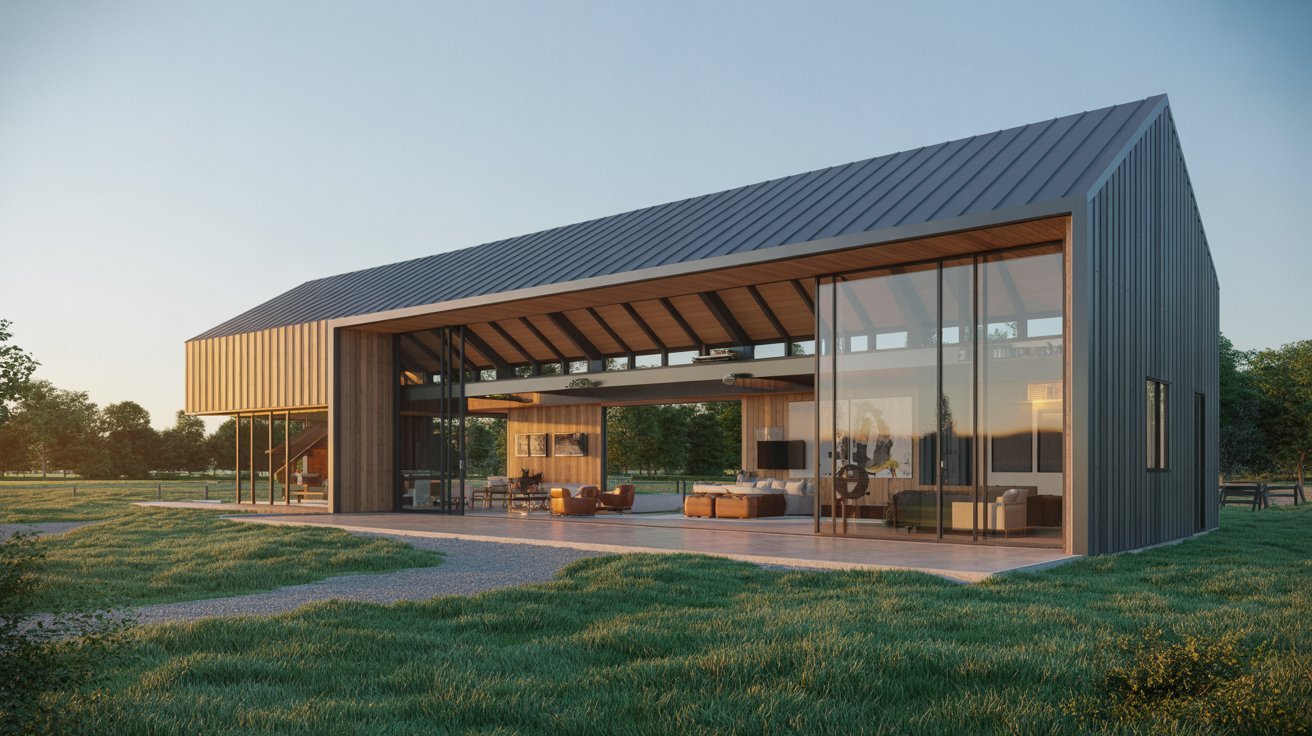
Barndominiums have real, practical advantages that attract thousands of buyers each year.
Cost-Effective Construction Compared to Traditional Homes
Building a barndominium typically costs between $50 and $150 per square foot. A traditional home averages $150 to $300 or more. The savings come from prefabricated steel kits and fewer labor hours.
Customization and Flexible Floor Plans
Steel frames don’t require load-bearing interior walls, so you can design the inside almost however you want. That kind of layout control is hard to get in a standard home build.
Faster Construction Timeline (Especially with Kits)
A traditional home can take six months to a year. A barndominium kit build often comes in at three to six months. This matters if you’re paying rent while waiting to move in.
Durability and Weather Resistance (Steel Structures)
Steel holds up against wind, snow, heavy rain, and fire better than wood. It also doesn’t warp, rot, or attract termites, making it more reliable over the long run.
Lower Maintenance Requirements Over Time
The steel structure avoids most issues that come with wood-framed homes. No rotting beams, no termite treatments, and far fewer structural repairs over time.
Energy Efficiency and Eco-Friendly Options
Barndominiums work well with spray foam insulation, which keeps energy costs low. You can also add solar panels and energy-efficient windows without major structural changes.
Spacious Open-Concept Living Design
High ceilings and wide connected rooms give barndominiums a roomy feel that’s hard to match at the same price point in a traditional build.
Cons of Barndominiums
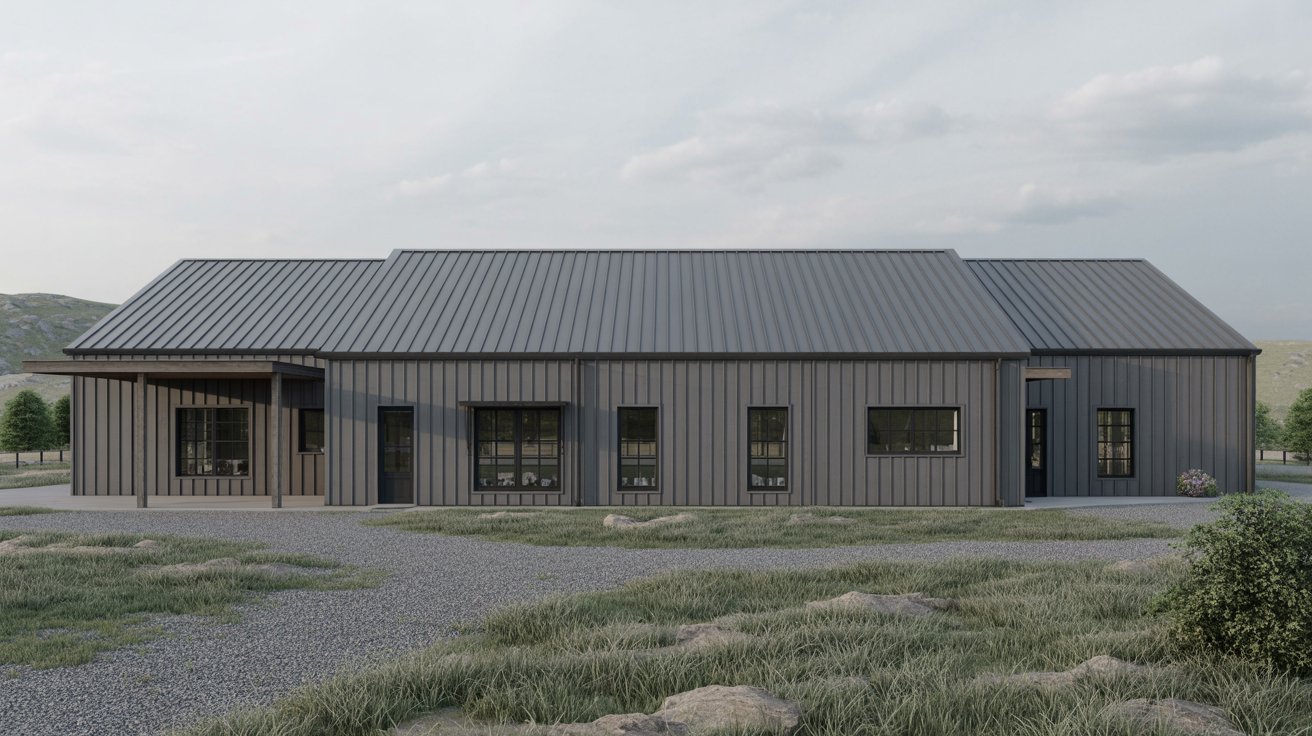
Barndominiums are not the right choice for everyone. Here are the real downsides to know before committing.
Financing Challenges and Loan Difficulties
Most conventional lenders don’t classify barndominiums as typical residential properties. You’ll likely need a USDA loan, construction-to-permanent loan, or portfolio lender, which adds steps and often higher rates.
Higher Upfront Costs for Custom Builds
Kits are affordable, but a fully custom build with high-end finishes can climb fast. Many buyers end up near or above traditional home pricing once they add everything they want.
Zoning Laws and HOA Restrictions
Many cities and HOA communities restrict metal buildings in residential zones. Check local zoning codes and deed restrictions before buying land or drawing up plans.
Limited Resale Market Compared to Traditional Homes
Barndominiums attract a specific buyer. In areas where most buyers want traditional homes, you may wait longer and accept a lower price when selling.
Potential Noise and Insulation Issues
Rain on a steel roof is loud, and exterior sounds carry more than through wood-framed walls. Skipping proper insulation during the build creates a comfort issue that is expensive to fix later.
Risk of Metal Corrosion and Long-Term Maintenance
In humid or coastal climates, exposed metal can develop rust over time. Protective coatings and regular inspections help, but this is an ongoing cost to plan for.
Structural Shifting or Foundation Concerns
A barndominium is only as solid as its foundation. Poor soil conditions or a low-quality slab can cause shifting over time. Proper site prep reduces this risk significantly.
Typically Limited to Single-Story Layouts
Most barndominiums are single-story buildings. Two-story options exist but are less common and more complex with steel frame construction.
Common Mistakes to Avoid When Building a Barndominium
These are the errors that cost barndominium builders the most time and money.
- Poor budgeting and underestimating total project costs
- Ignoring zoning regulations before buying land
- Choosing a contractor without barndominium-specific experience
- Skipping proper insulation or ventilation to cut upfront costs
- Not planning for long-term maintenance and rust prevention
Factors to Consider Before Building a Barndominium
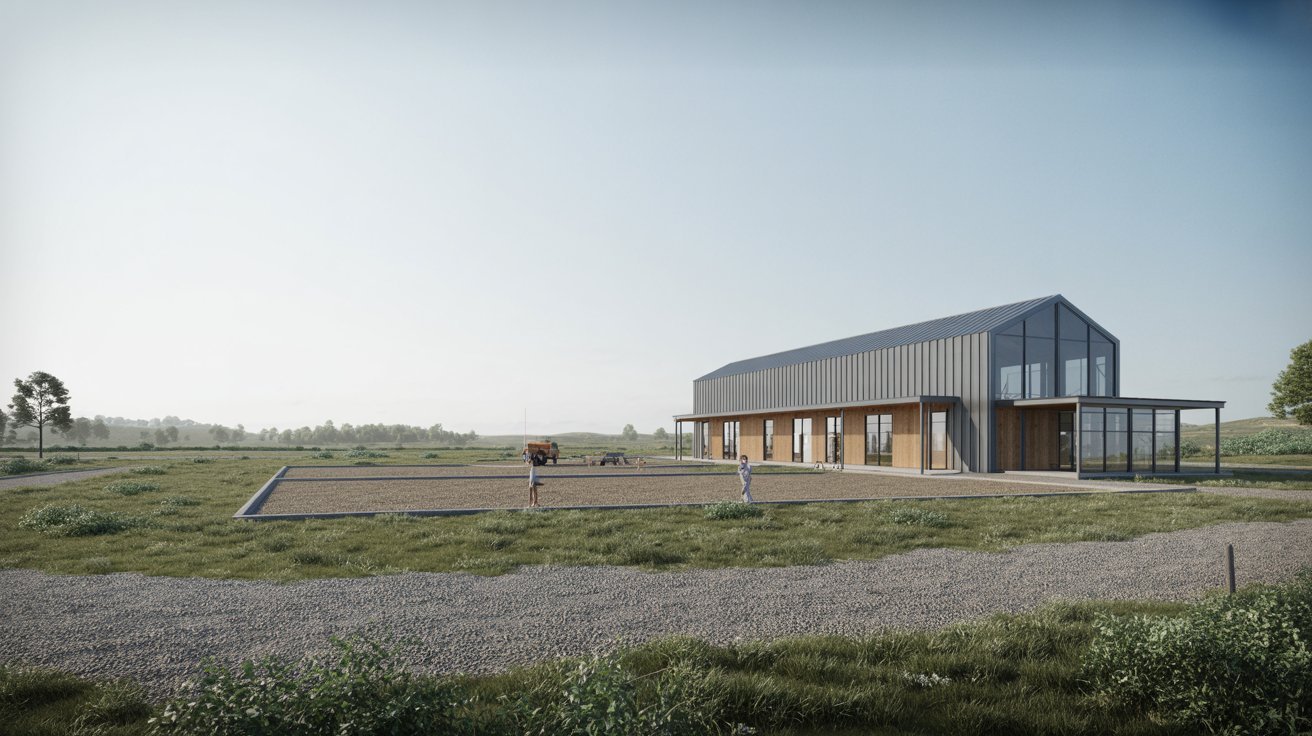
These decisions made early in the process save the most money and prevent the biggest problems.
Location and Land Requirements
Your land needs to be zoned for residential or agricultural use. Also factor in the cost of running utilities to rural sites, which often surprises first-time builders.
Budget Planning and Hidden Costs
Your base estimate is just the starting point. Land clearing, foundation work, permits, and finishes all add up. Plan for 20 to 30 percent above your initial number.
Choosing Between DIY and Professional Builders
Hiring a contractor with barndominium experience is the safer choice for most buyers. Construction mistakes cost more to fix than the savings from doing it yourself.
Local Building Codes and Permits
Every county has its own rules on insulation, electrical standards, and setbacks. Pull your permits before breaking ground to avoid problems when refinancing or selling.
Long-Term Living Needs and Lifestyle Fit
Think ahead about how your needs may change. Plan for flexibility during the design phase rather than paying for modifications after construction.
Tips to Maximize the Benefits of Barndominiums
These steps make a real difference in the quality and value of your finished build.
- Work with contractors who have built barndominiums before, not just general home builders
- Get pre-approved for financing before you start planning the build
- Invest in high-quality insulation from day one, spray foam is worth the cost
- Design your layout with a future buyer in mind, even if you plan to stay long-term
- Add energy-efficient features like solar panels and insulated windows during the initial build, not as afterthoughts
Conclusion
Barndominiums are a smart choice if you have the land, the budget, and the right location. They cost less, build faster, and give you more space than most traditional homes.
But poor insulation, zoning issues, and skipped permits can turn a good plan into a costly one.
I’ve seen builds go really well and I’ve seen them go wrong. The difference is always preparation.
Go in with a solid plan and you’ll come out ahead.
Found this helpful? Drop a comment below and share it with someone who’s been thinking about building their own.
Frequently Asked Questions
How much does it cost to build a barndominium?
Most barndominiums cost between $50 and $150 per square foot for the base build. Total project costs, including land and finishes, often land between $150,000 and $400,000 or more.
Can you get a regular mortgage for a barndominium?
Standard conventional mortgages are difficult to secure for barndominiums. Most buyers use USDA loans, FHA construction loans, or portfolio lenders that work with rural and non-traditional properties.
Do barndominiums hold their value over time?
They can hold value well in areas with growing demand, but resale is often slower because the buyer pool is smaller than for traditional homes.
Are barndominiums energy efficient?
Yes, if built correctly. Spray foam insulation and energy-efficient windows make them cost-effective to heat and cool. Without good insulation, metal buildings lose temperature quickly.
How long does it take to build a barndominium?
Kit builds typically take three to six months. Custom builds run six to twelve months depending on design complexity, permits, and material availability.