
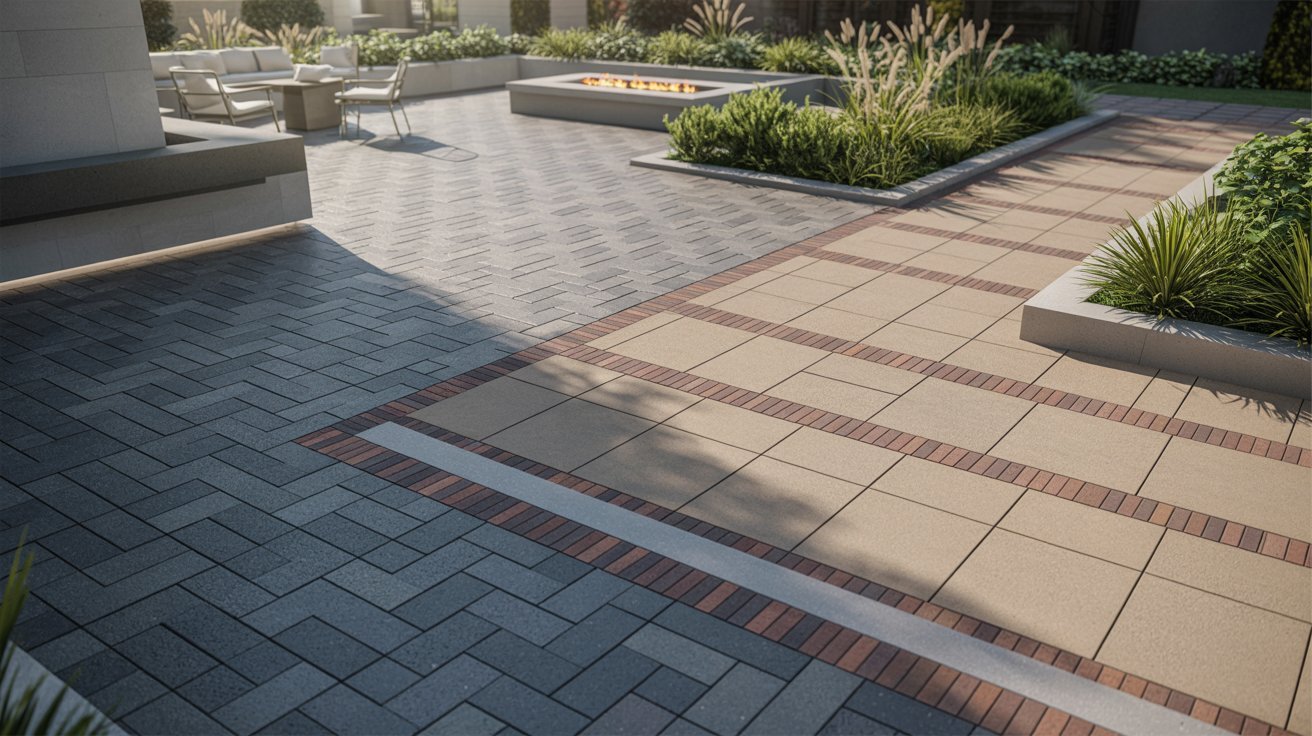
I have spent a lot of time redoing my outdoor space, and picking the right paver design made all the difference.
In this article, I will walk you through 31 paver design ideas that actually work. You will find patterns, materials, and layouts that suit different budgets and spaces.
I cover everything from simple brick styles to modern slab options. With over a decade of writing about home improvement, I know what works and what does not.
This guide will help you make a confident, informed decision.
Why Paver Design Matters for Outdoor Spaces
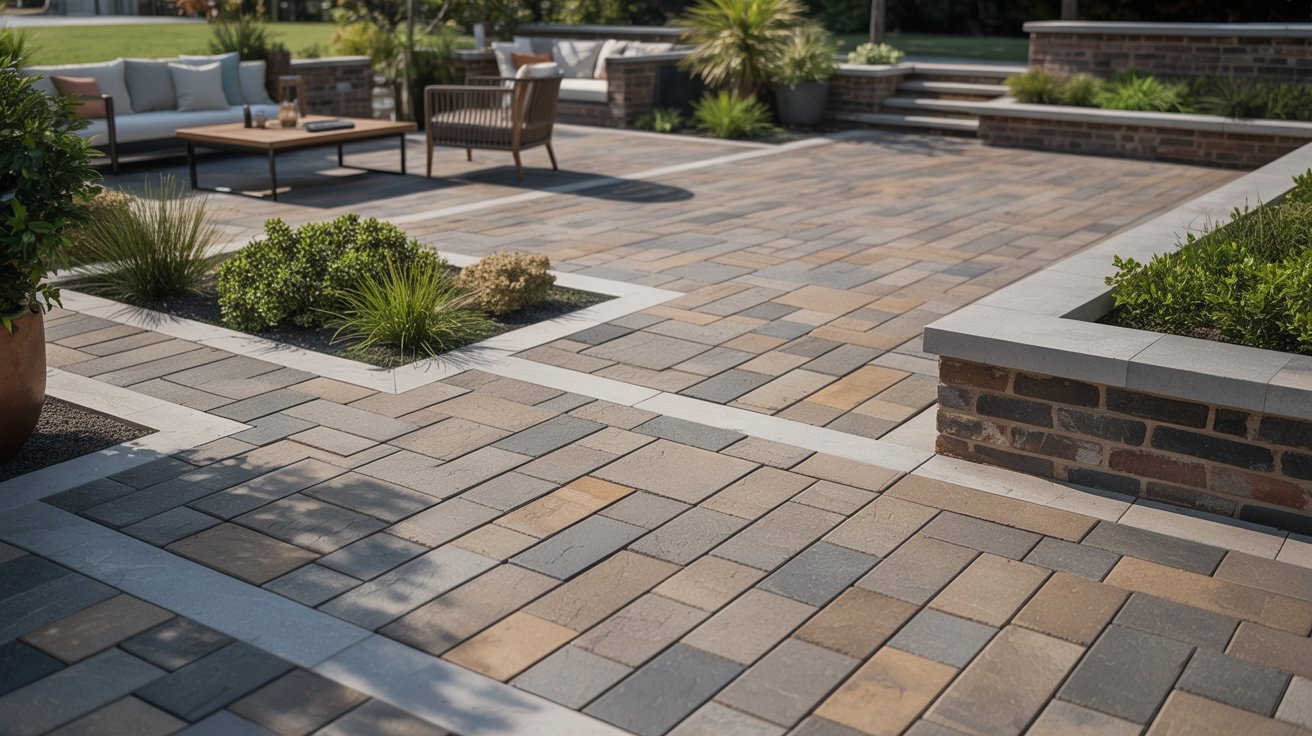
The right paver design does more than look good. It shapes how your outdoor space works every single day.
A well-planned layout improves drainage and reduces the risk of cracking over time.
It helps define different zones in your yard, such as seating areas, walkways, and dining spots. Good paver designs add to curb appeal and can increase your property value significantly.
A poor choice, on the other hand, can lead to costly repairs down the line. It can also affect safety, especially in areas prone to water pooling.
Taking time to plan the right design from the start saves both money and effort later. It is always worth getting right the first time.
31 Paver Design Ideas for Stylish Outdoor Spaces
Here are 31 tried-and-tested ideas to help you plan the perfect outdoor layout.
1. Herringbone Pattern Layout
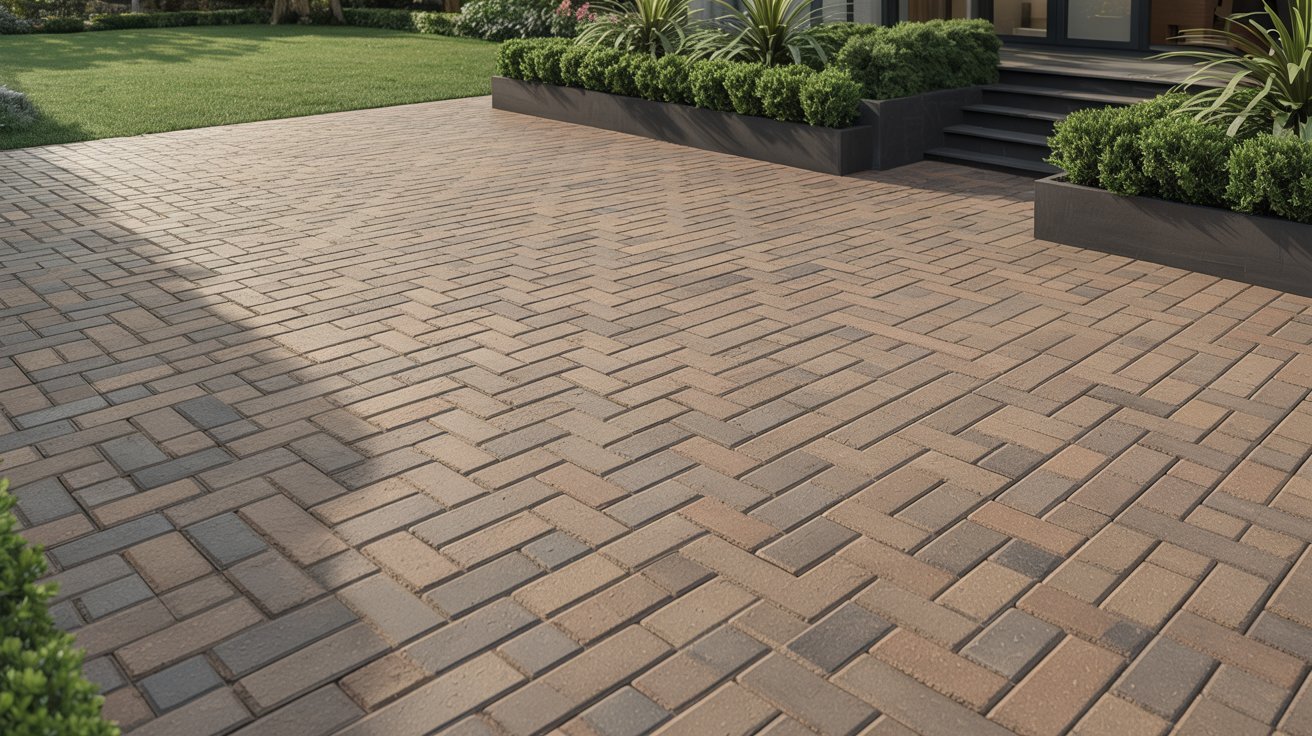
This interlocking pattern works well in high-traffic areas like driveways and patios. It offers strong stability and a timeless appearance that suits most home styles.
2. Running Bond Pattern Design
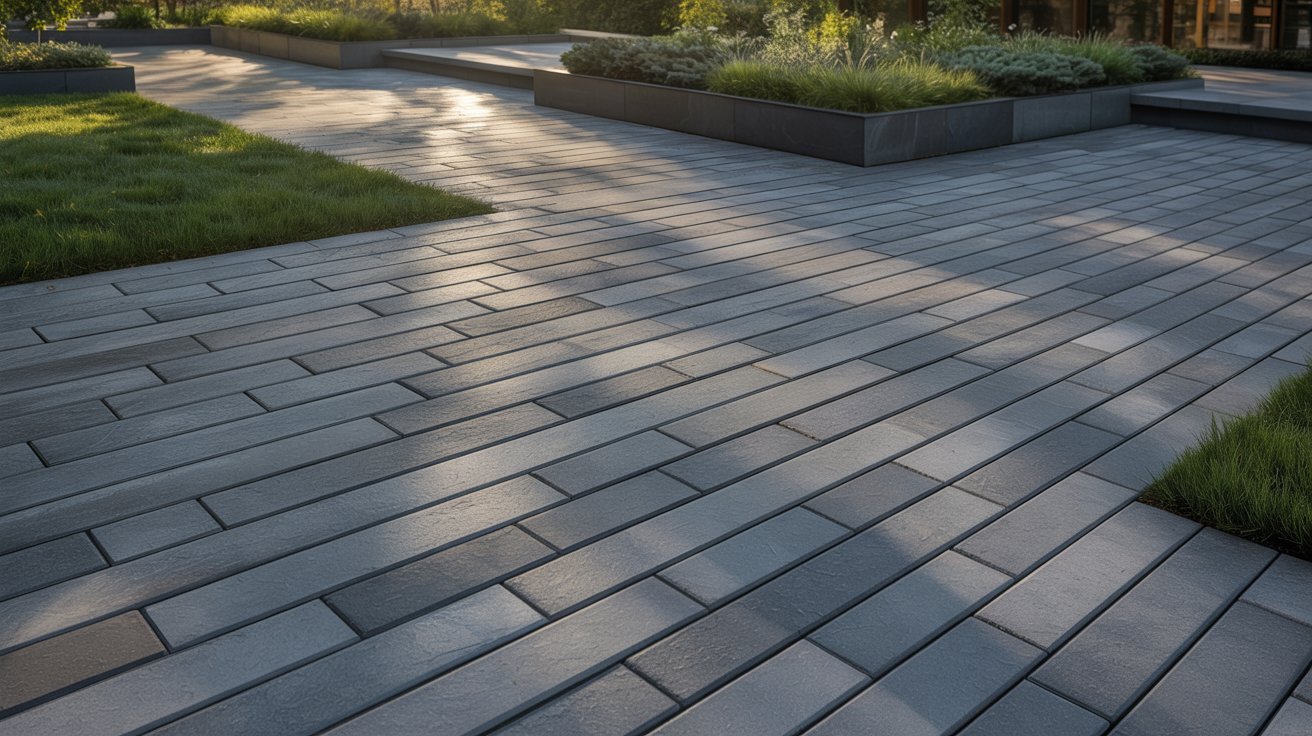
A staggered layout that creates a clean, linear flow across the surface. It works in both modern and traditional outdoor settings without looking overdone.
3. Basketweave Brick Pattern
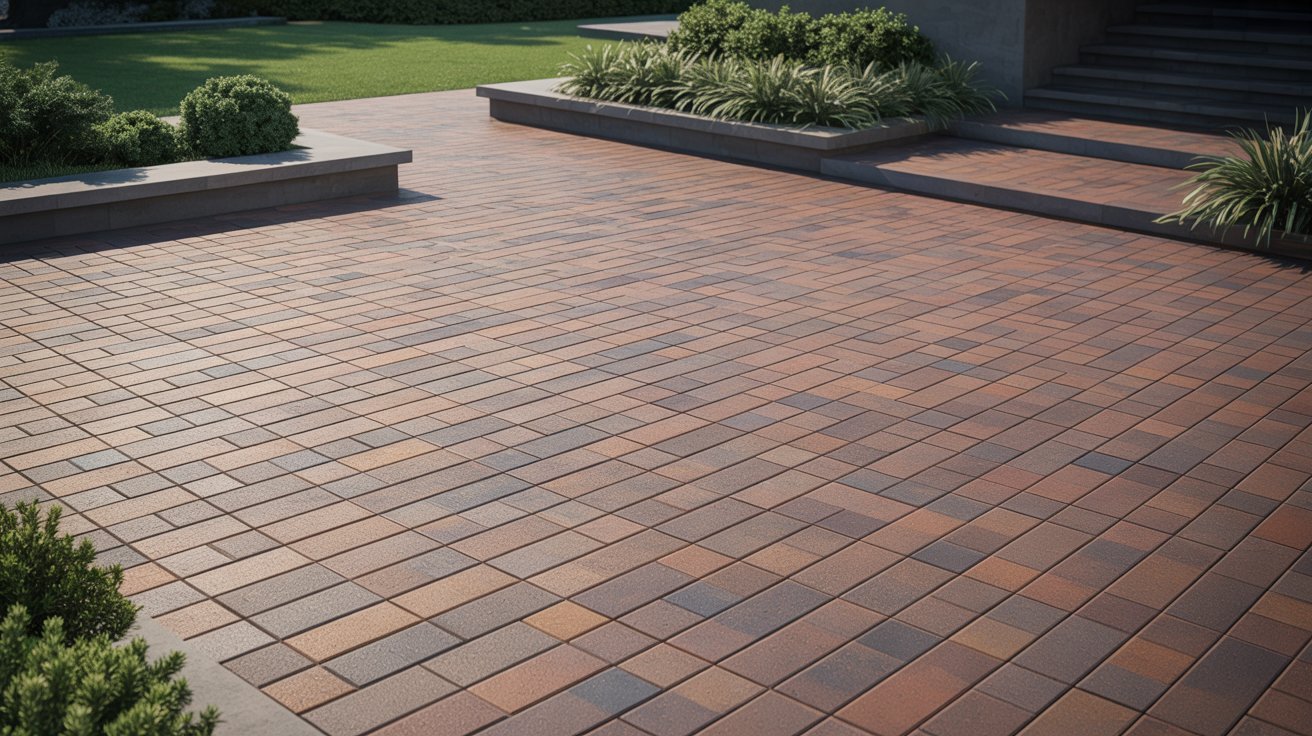
This arrangement alternates horizontal and vertical pairs of bricks. It gives a structured, decorative finish that has been popular for decades.
4. Stack Bond Minimal Layout
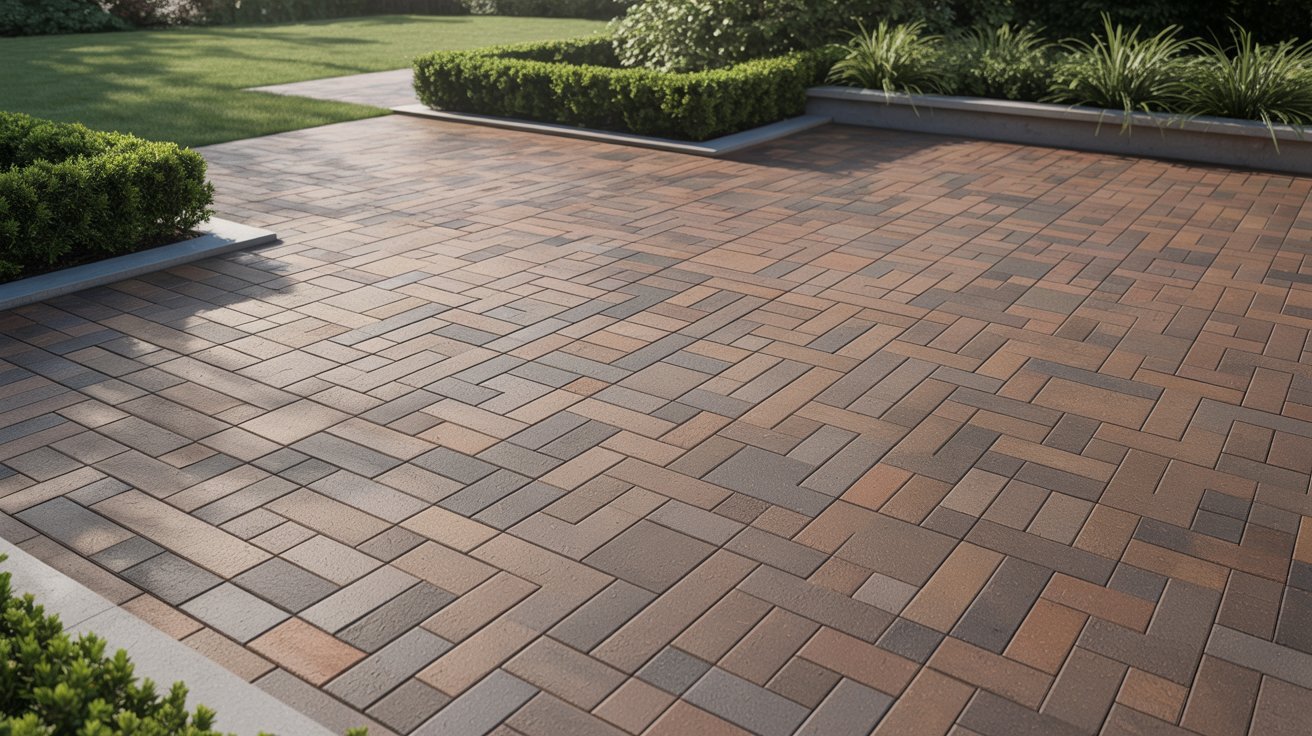
Pavers aligned in a straight grid create a sleek, contemporary look. This style works best in modern outdoor spaces where clean lines matter.
5. Modular Grid Pattern
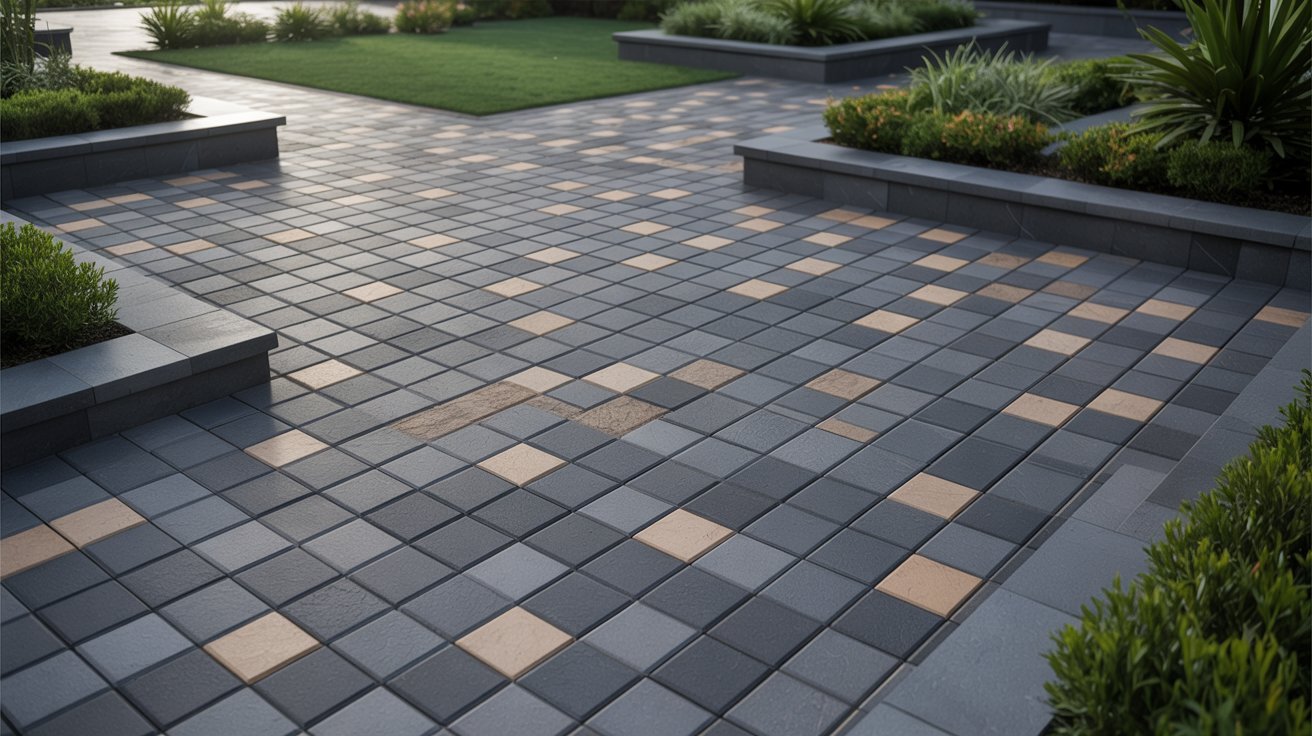
Multiple paver sizes arranged in repeating geometric patterns create a balanced layout. It adds visual interest without making the space feel busy.
6. Large Format Slab Pavers
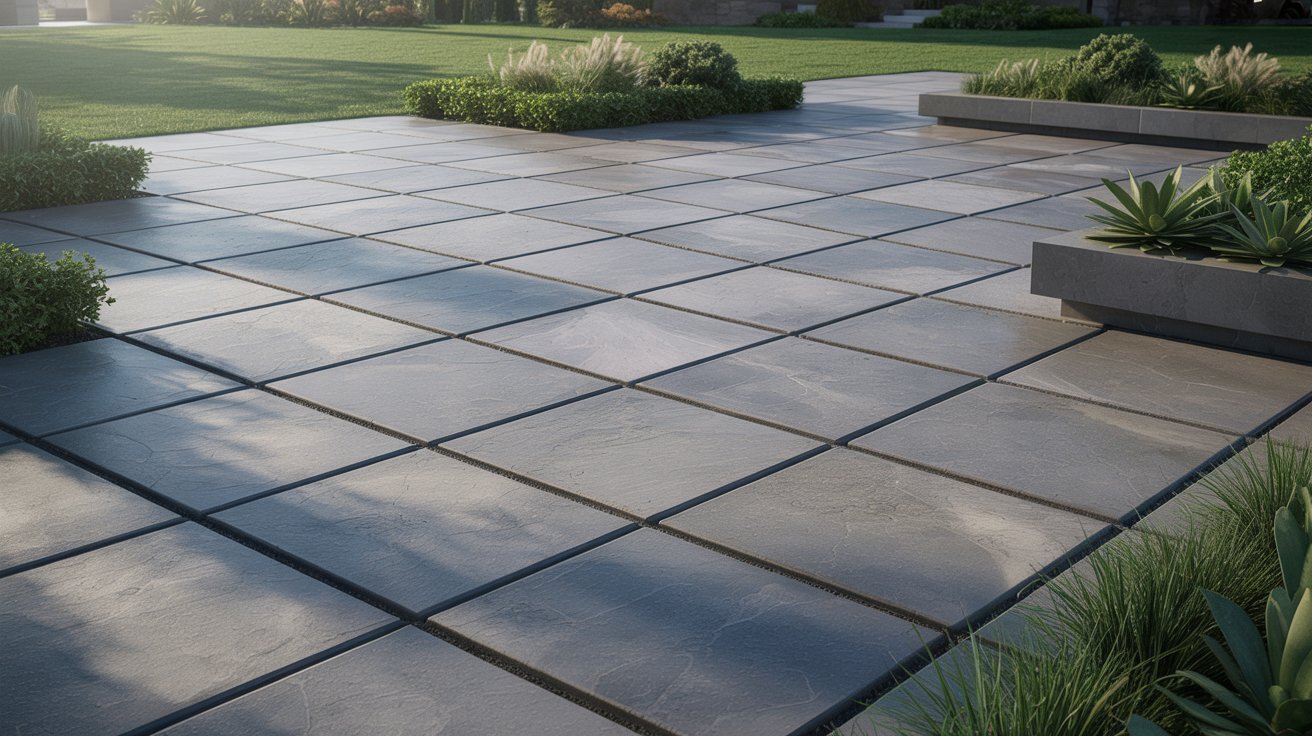
Oversized pavers give a spacious, seamless appearance to patios and open areas. They work particularly well in contemporary settings with minimal landscaping.
7. Seamless Linear Layout
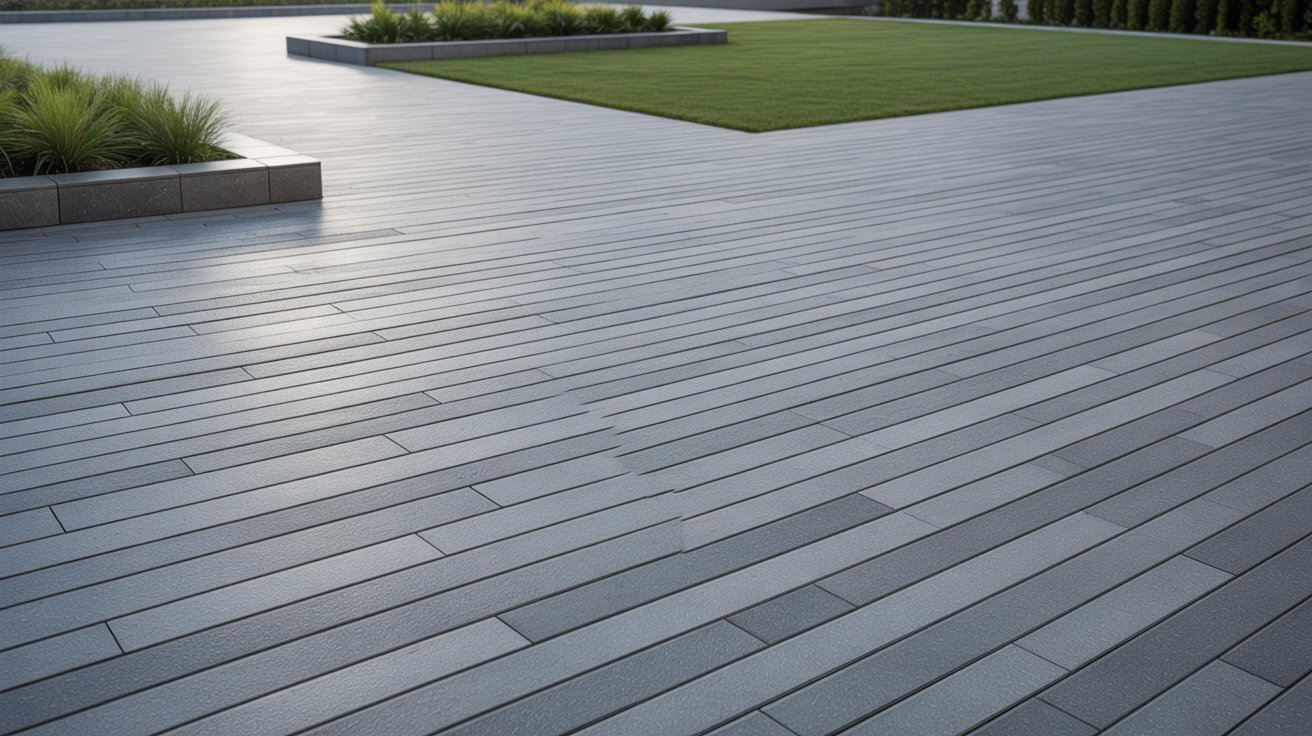
Rectangular pavers arranged in long straight lines draw the eye forward. This design gives a sense of length and simplicity to any outdoor area.
8. Monochrome Color Palette Design
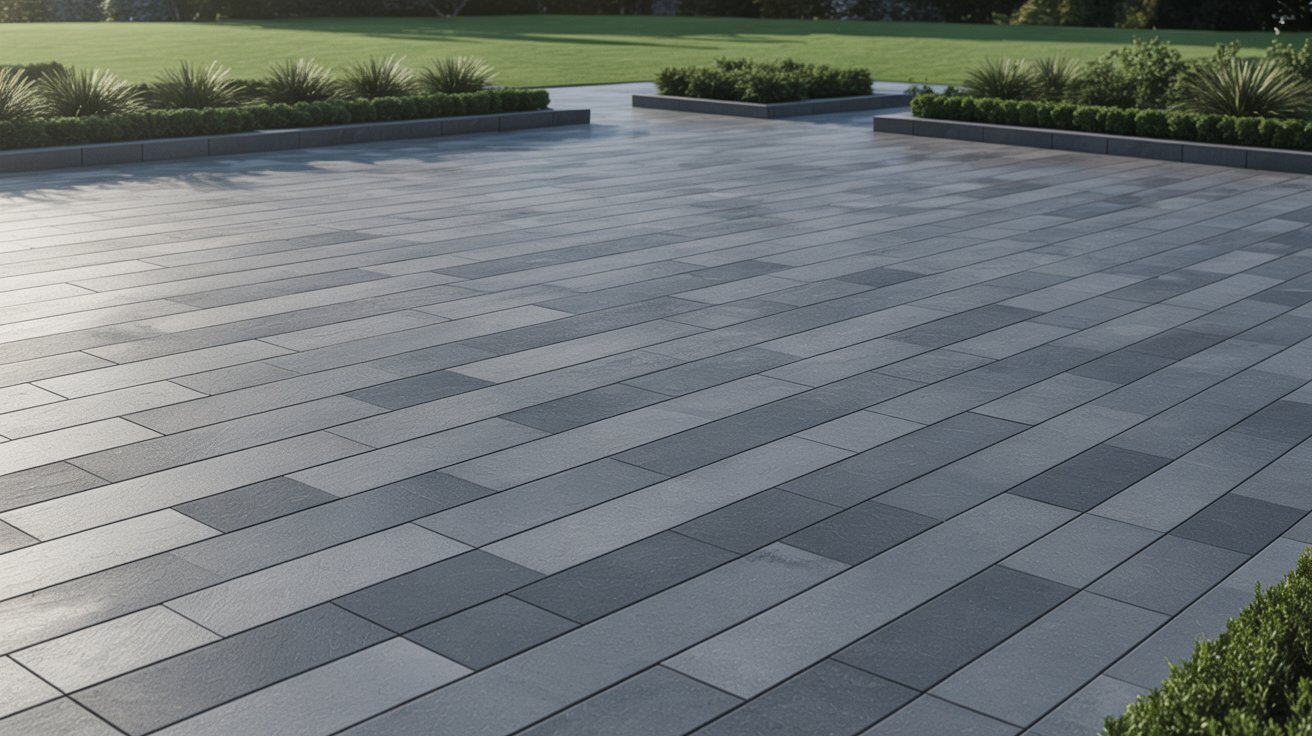
Using a single color tone throughout creates a calm, cohesive look. It works well when you want the garden or furniture to take center stage.
9. Minimalist Concrete Paver Layout
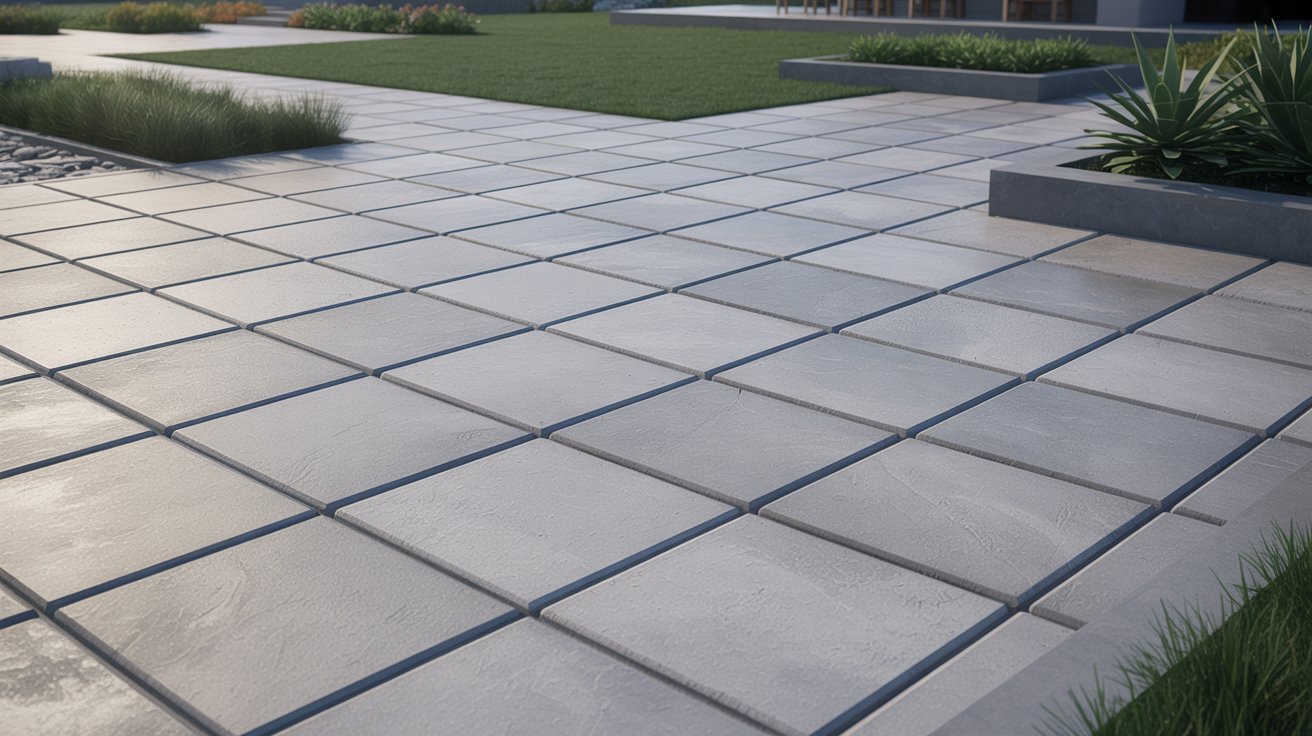
Neutral-toned concrete pavers with clean lines deliver a modern, understated outdoor look. This style suits homes with simple, pared-back architecture.
10. Floating Step Stone Design
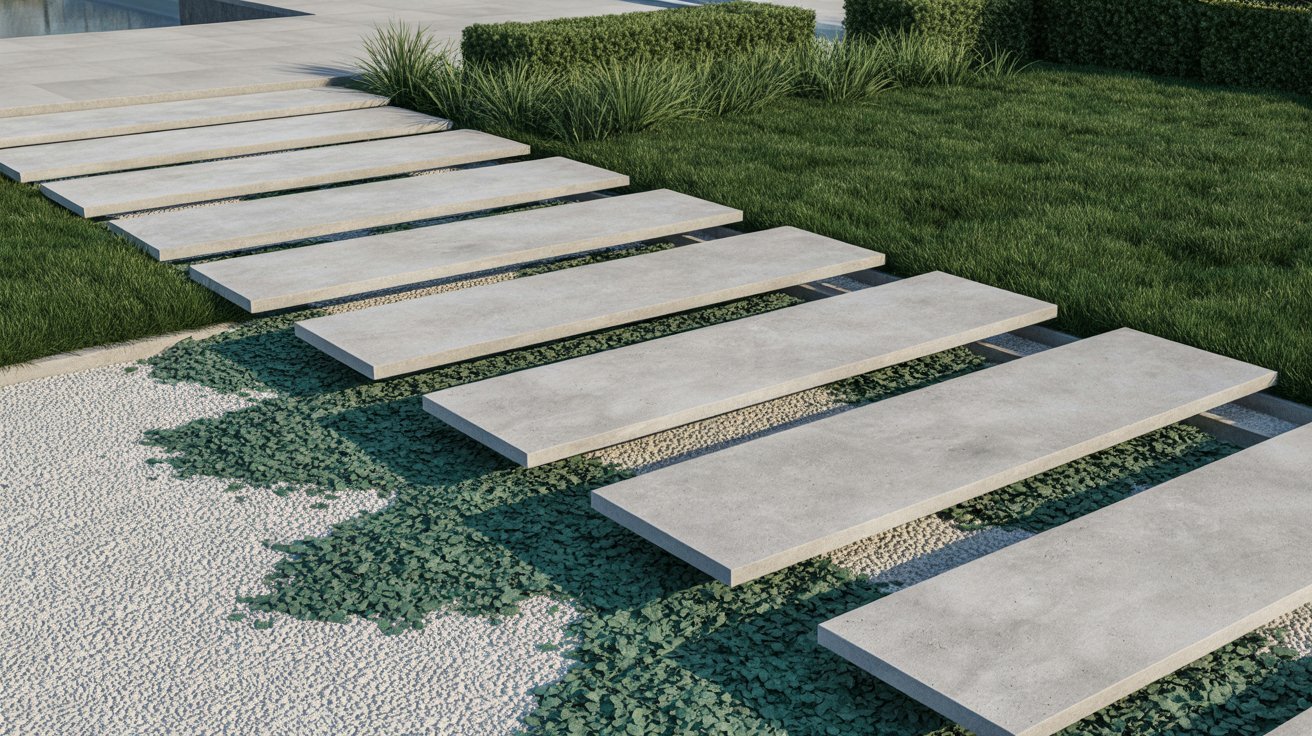
Large pavers spaced apart over gravel or grass create a light, airy effect. This is a popular choice for garden walkways and decorative paths.
11. Flagstone Irregular Layout
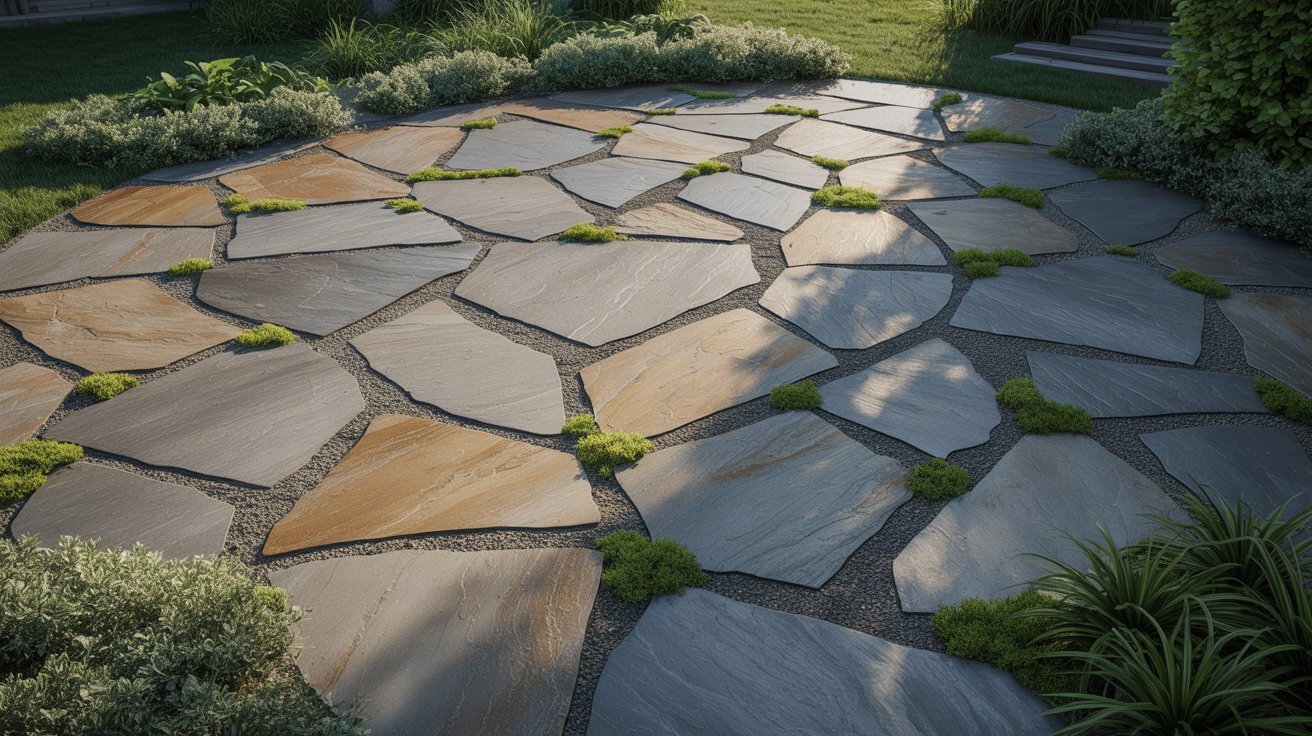
Natural stone pieces arranged in organic shapes give a rustic, earthy appearance. Each layout looks different, which makes this style feel handcrafted.
12. Natural Stone Mixed Shapes Design
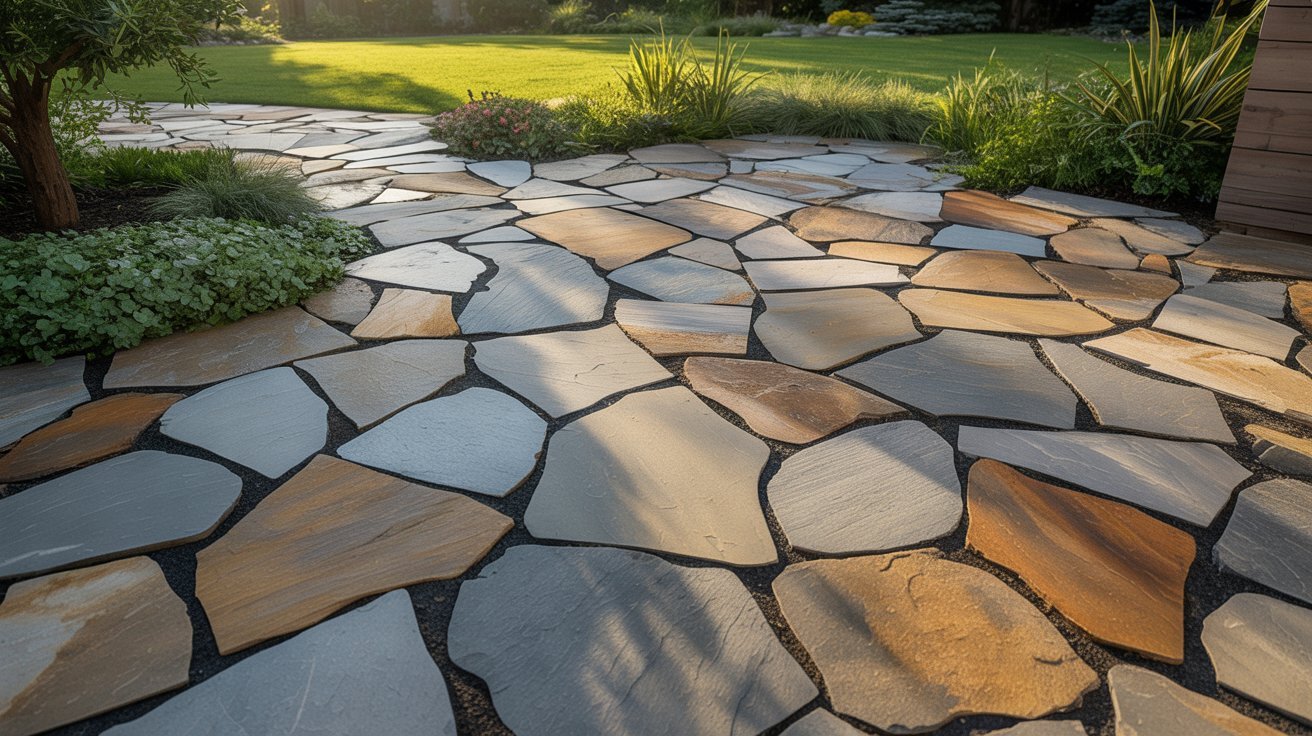
Combining different stone sizes and shapes creates a free-form, artistic layout. It works well in informal gardens or spaces with a natural feel.
13. Curved Paver Pathways
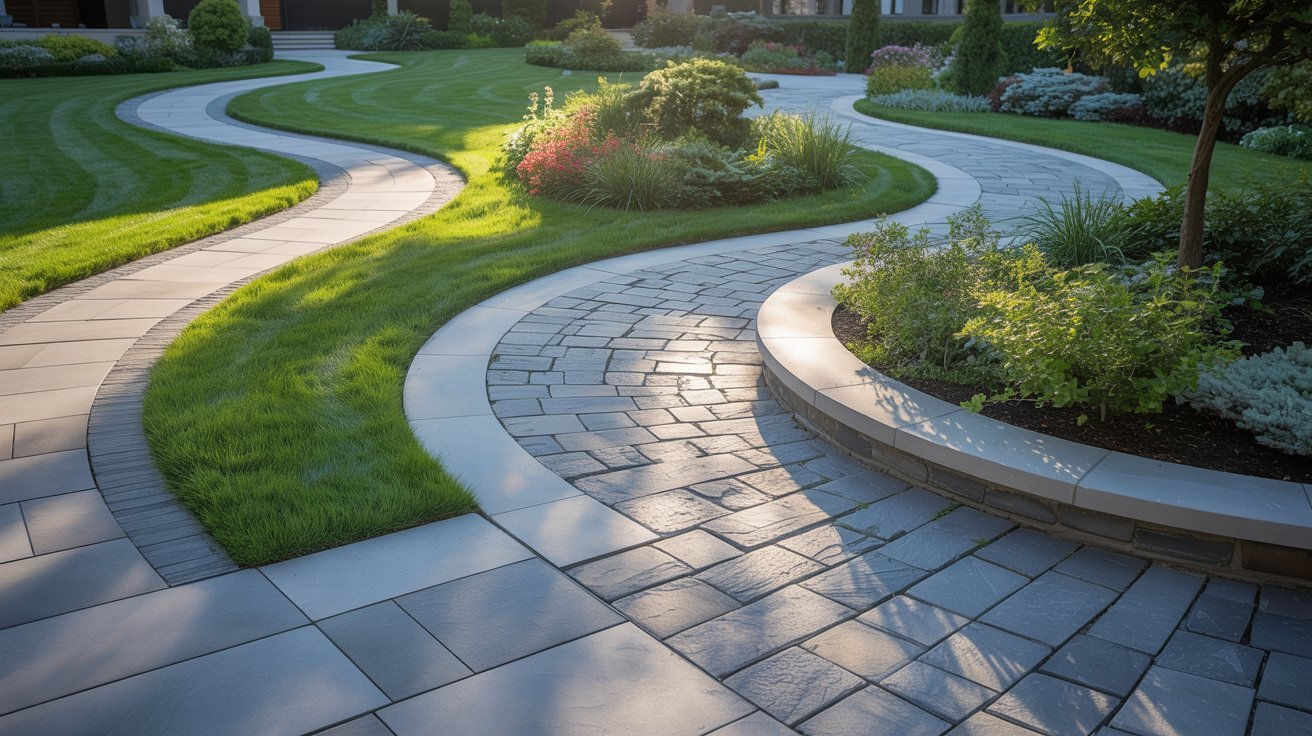
Soft curves guide movement naturally through the garden. They add a flowing look that feels relaxed and welcoming compared to straight-line designs.
14. Grass-Joint Paver Layout
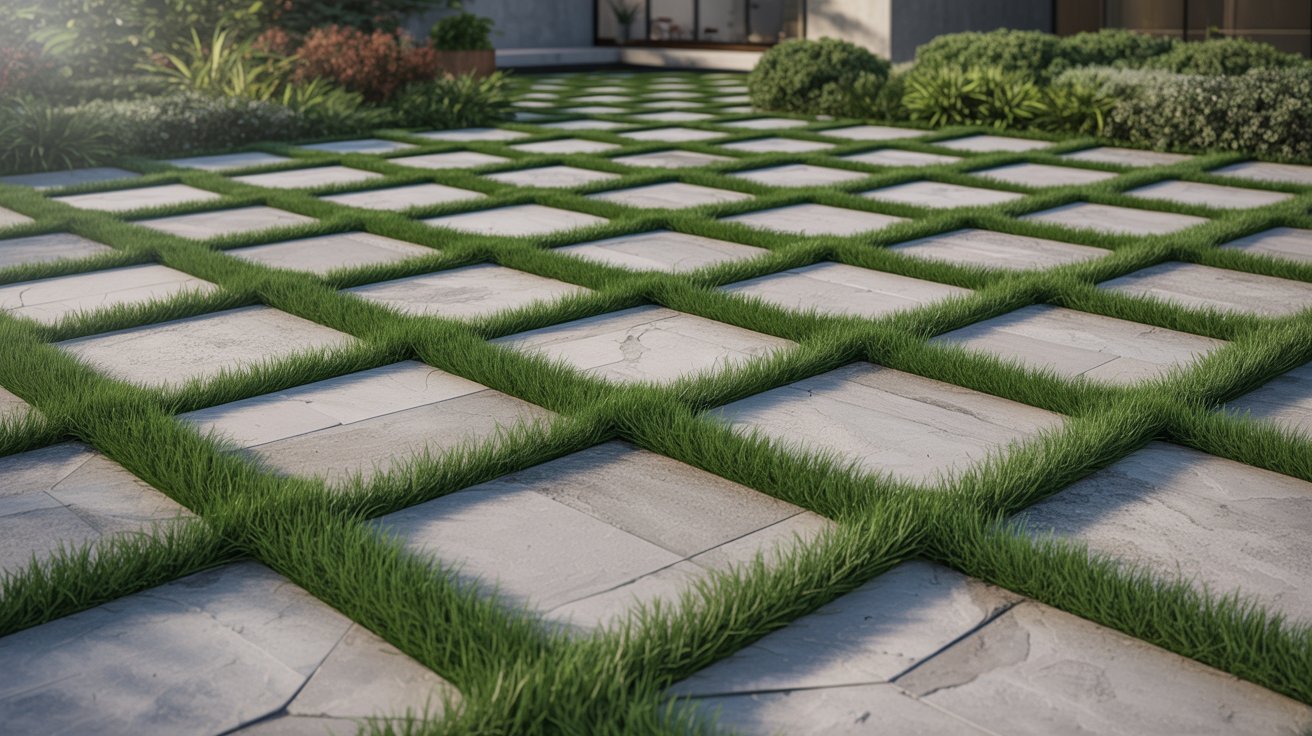
Pavers spaced with grass or ground cover between joints bring a green, eco-friendly quality to the design. It softens the overall appearance of the surface.
15. Stepping Stones Over Gravel
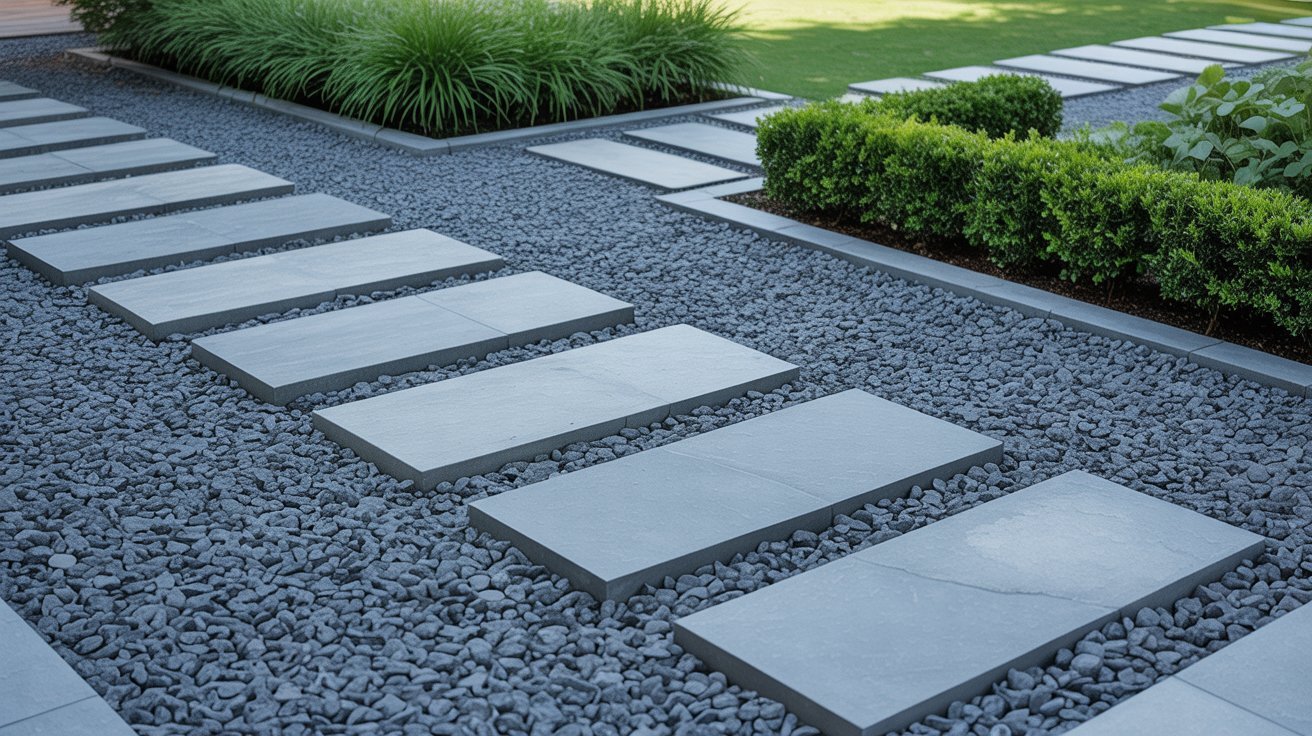
Individual pavers placed over a gravel base create informal walkways with good drainage. This is a low-cost option that still looks intentional and clean.
16. Brick Herringbone Patio Design
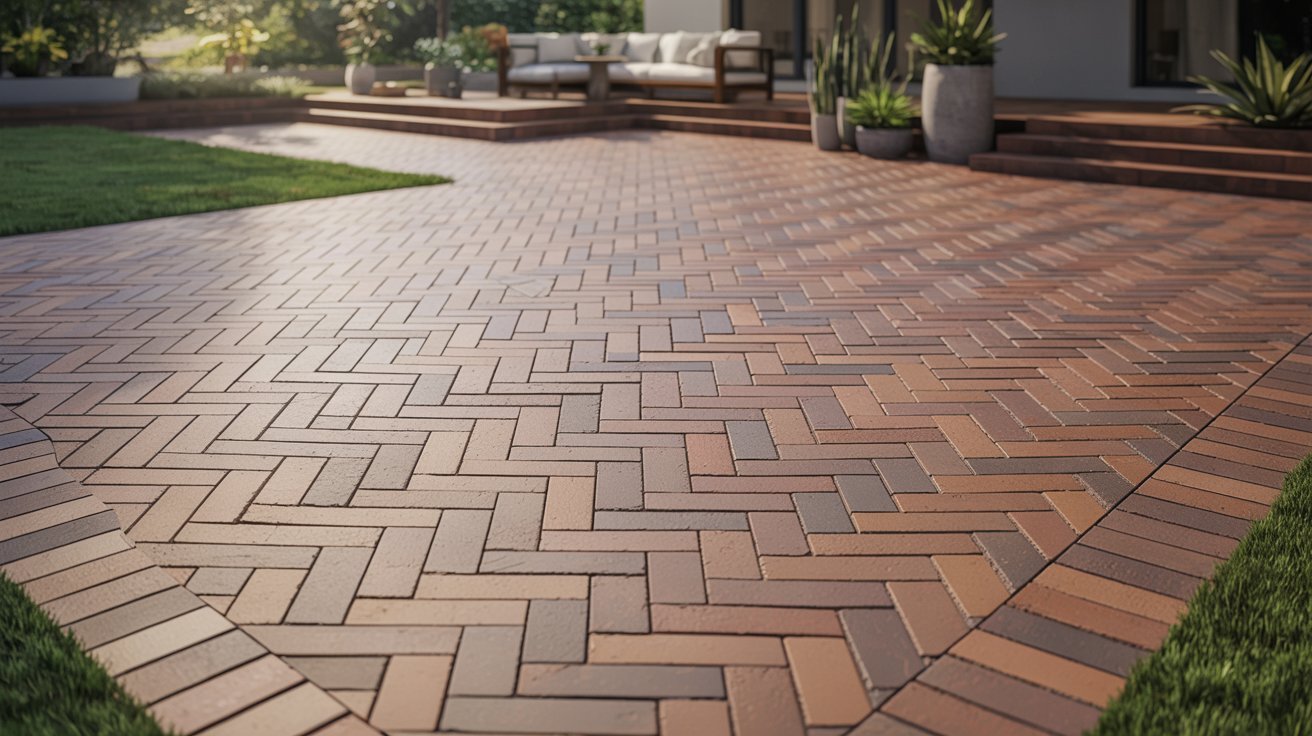
A durable brick version of the herringbone pattern that works well for patios and outdoor living areas. It combines practicality with a classic finish.
17. Brick Circular Patio Layout
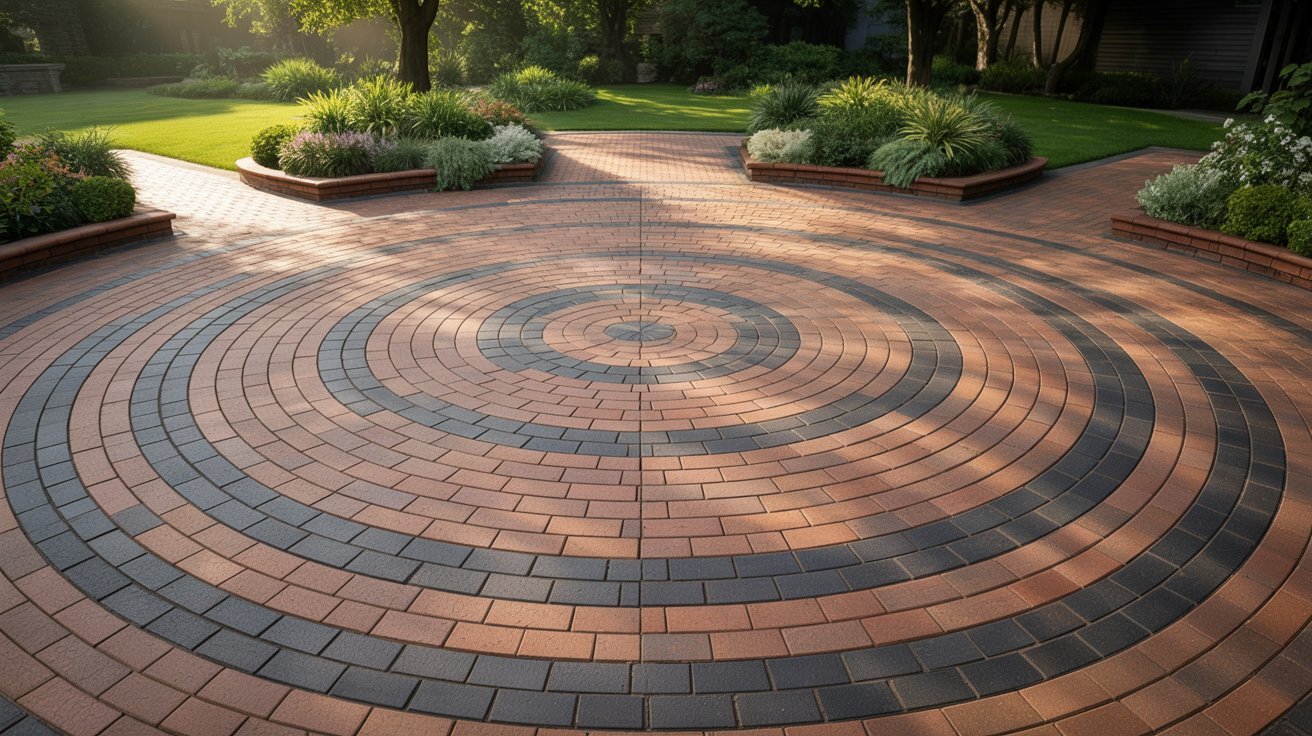
Circular brick arrangements create strong focal points in a yard. They are ideal around fire pits, seating areas, or as a central gathering spot.
18. Brick Border Accent Design
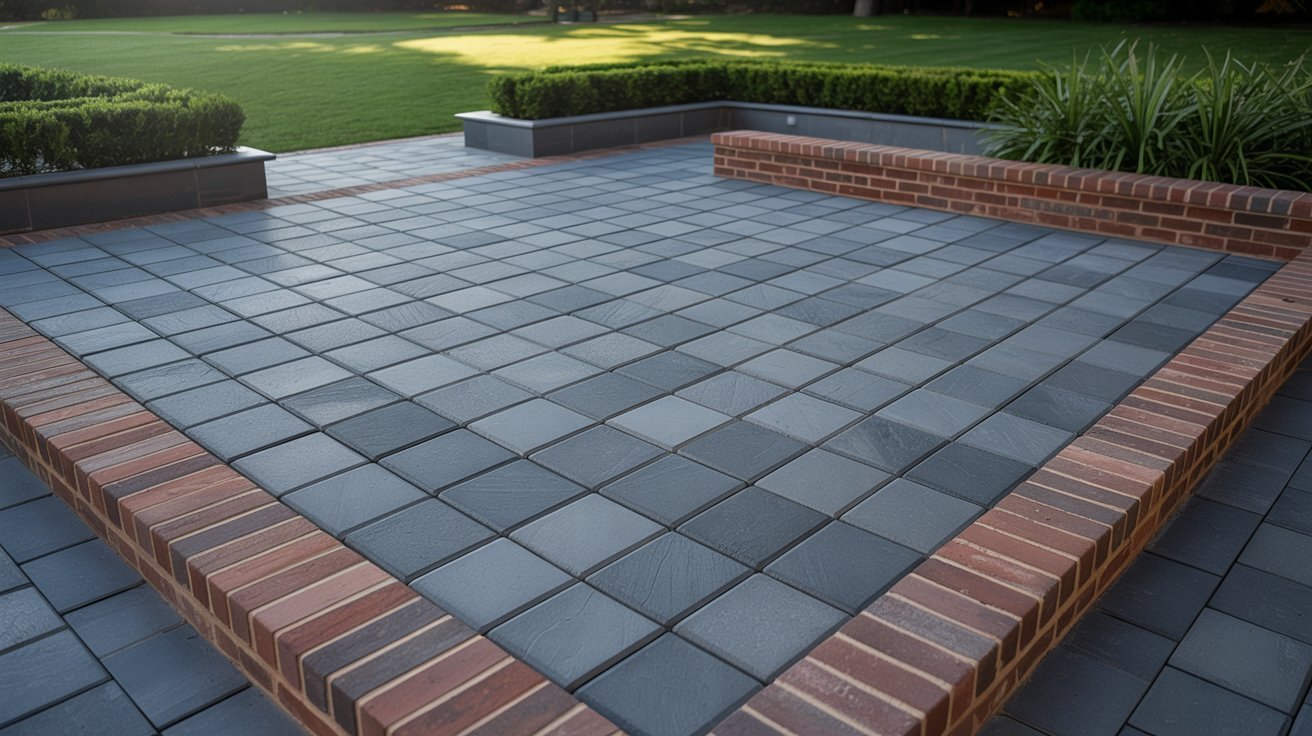
Brick borders frame patios or walkways and add contrast to the main surface. They highlight the design and give the space a finished, polished appearance.
19. Brick Backyard Patio Layout
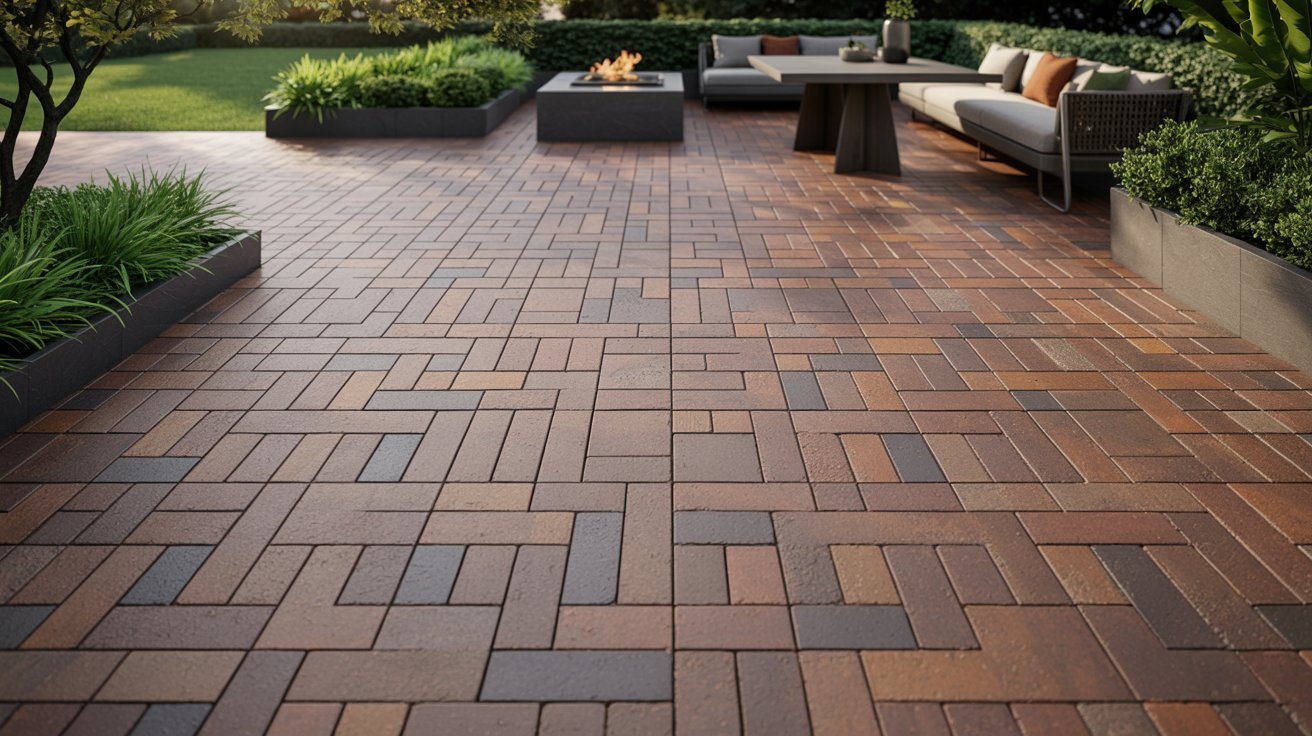
A full brick patio offers a warm, traditional, and long-lasting outdoor surface. It pairs well with older homes and classic landscaping styles.
20. Traditional Red Brick Walkway
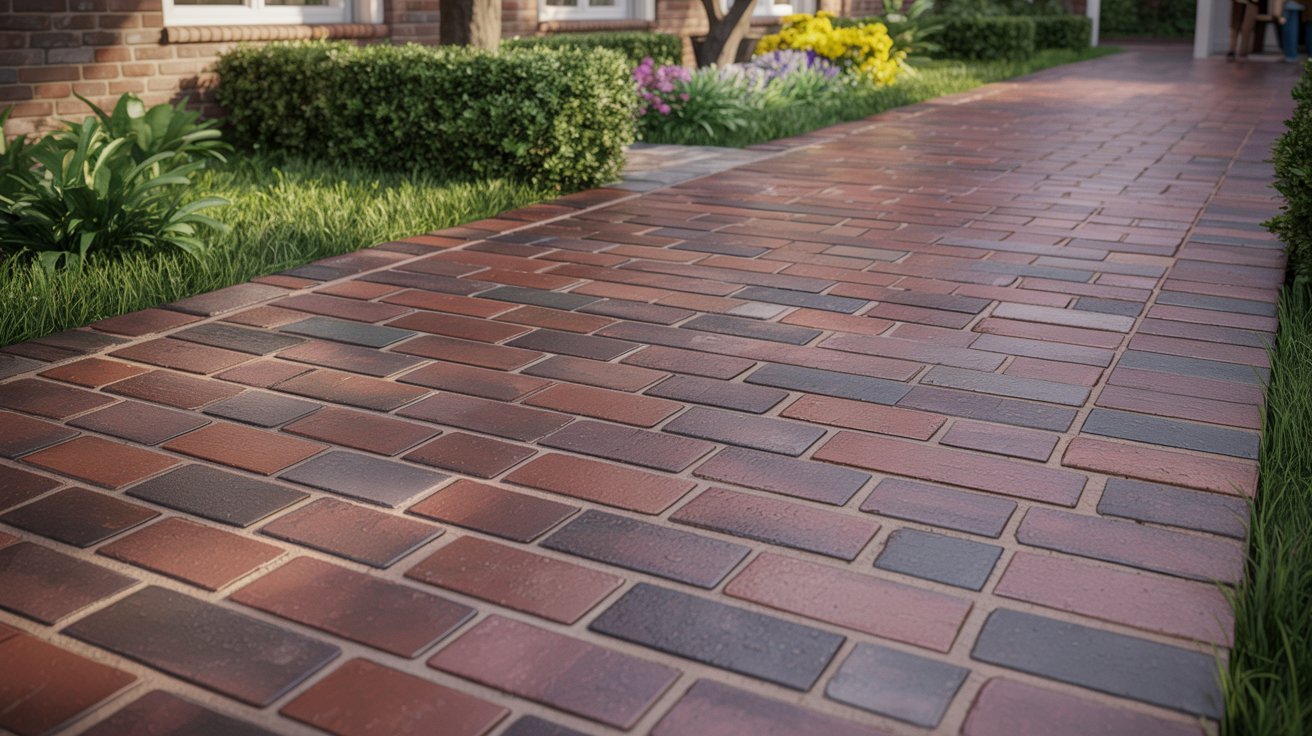
Classic red brick pathways complement most architectural styles and landscaping themes. They age well and require minimal upkeep over time.
21. Stamped Concrete Paver Look
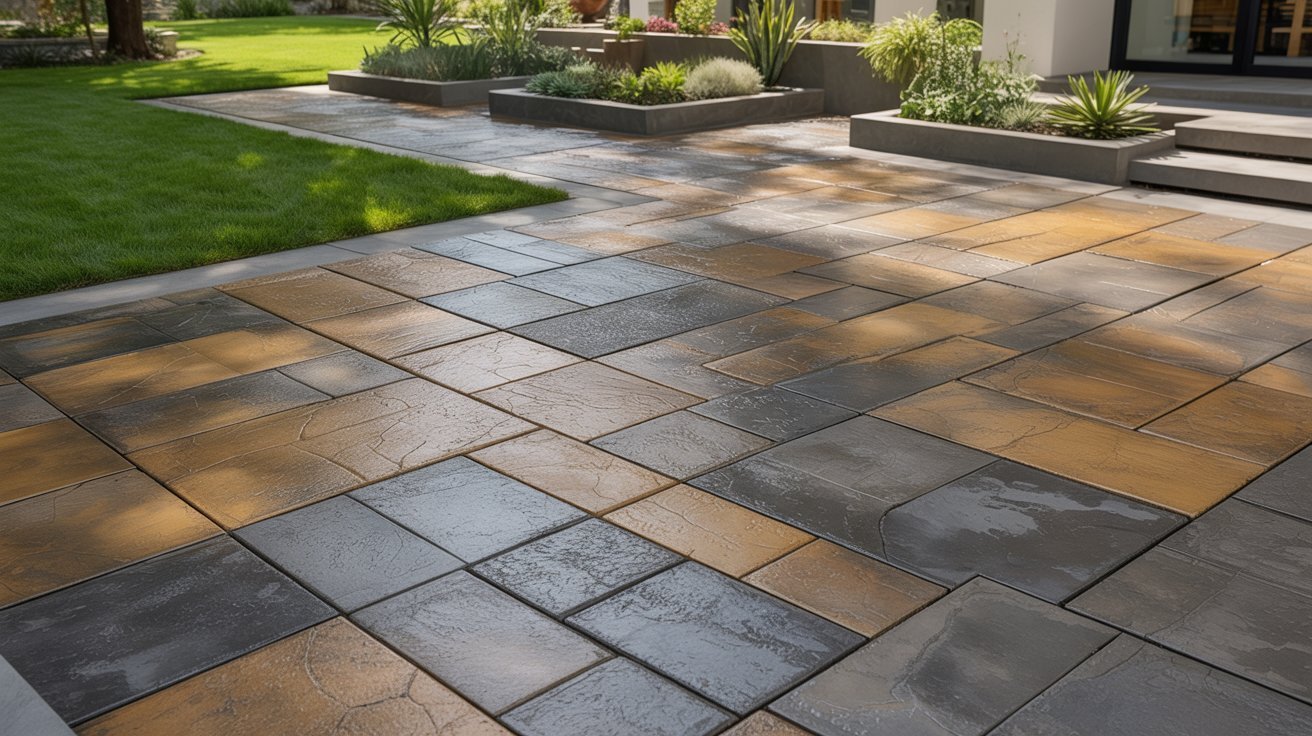
Concrete surfaces designed to mimic natural stone or brick offer a cost-effective alternative. The result looks close to the real thing at a lower price point.
22. Interlocking Concrete Patterns
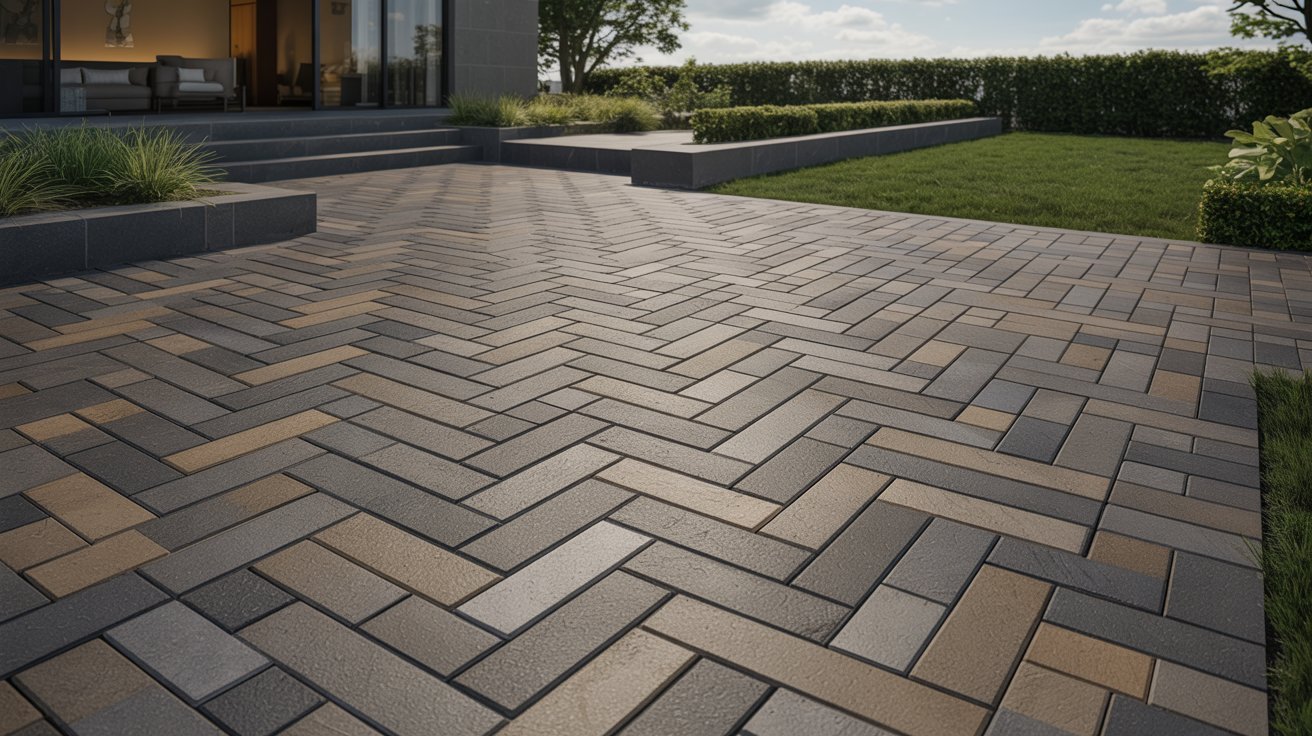
Concrete pavers that lock together add strength and stability to the surface. They are a practical choice for high-traffic areas and driveways.
23. Textured Concrete Patio Design

Surface texture improves grip and adds visual depth to a concrete patio. This makes it a sensible option for functional outdoor areas near pools or steps.
24. Concrete Paver Grid Layout
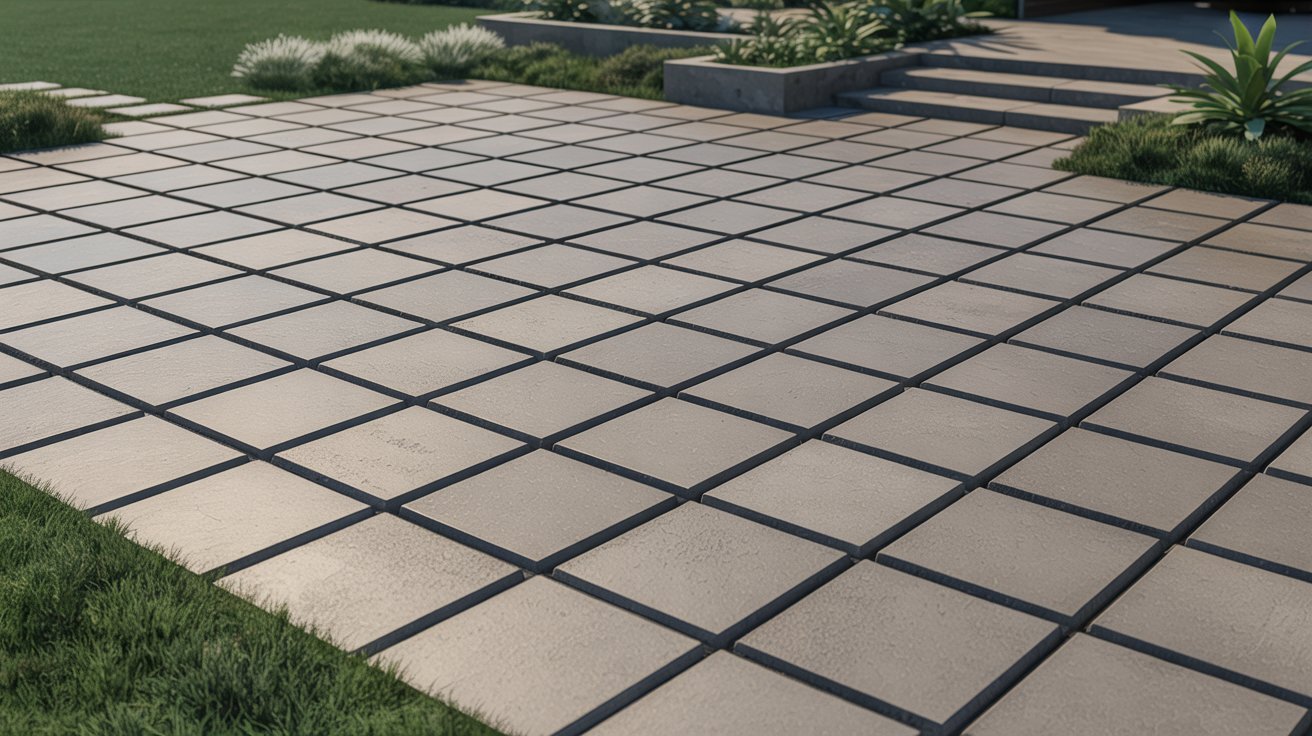
Uniform concrete pavers arranged in a grid create a neat, symmetrical appearance. This layout suits modern homes that favor order and clean geometry.
25. Stained Concrete Paver Finish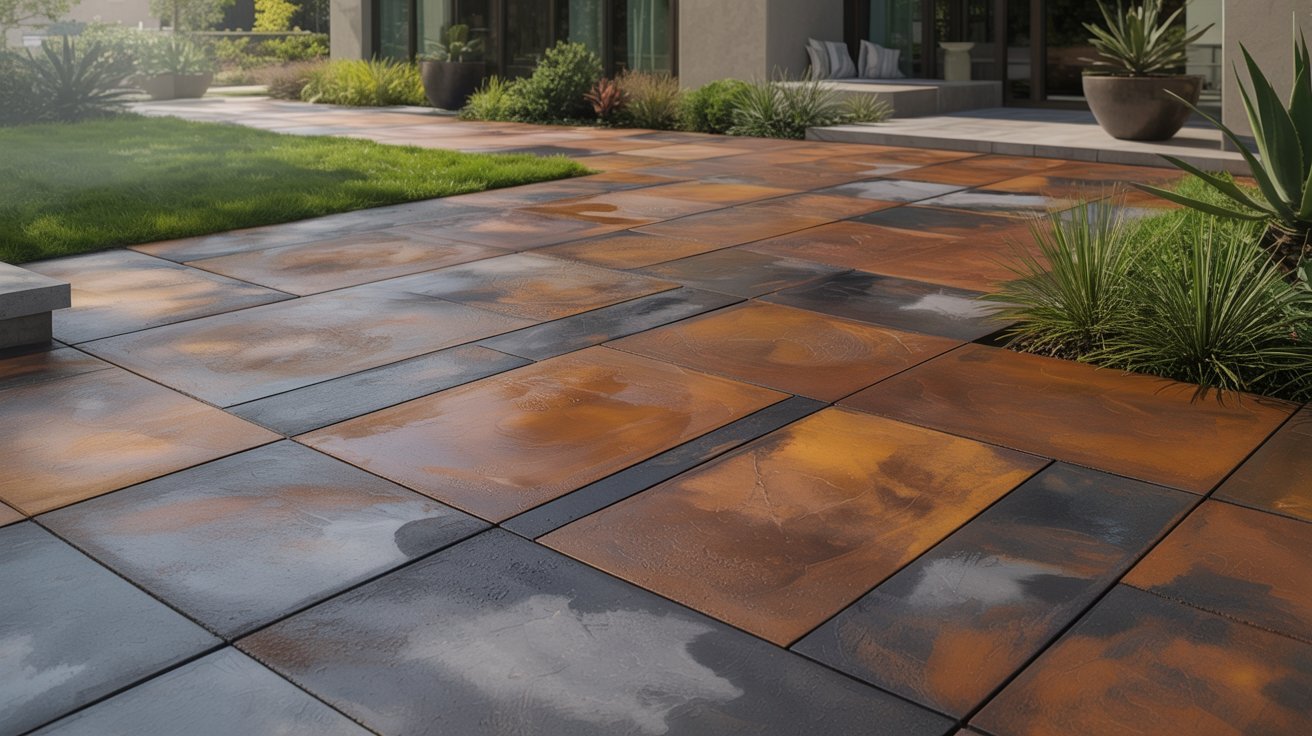
Colored or stained concrete adds visual appeal while allowing you to match your home exterior. It is a flexible option for those who want more control over the final look.
26. Marble or Travertine Patio Design
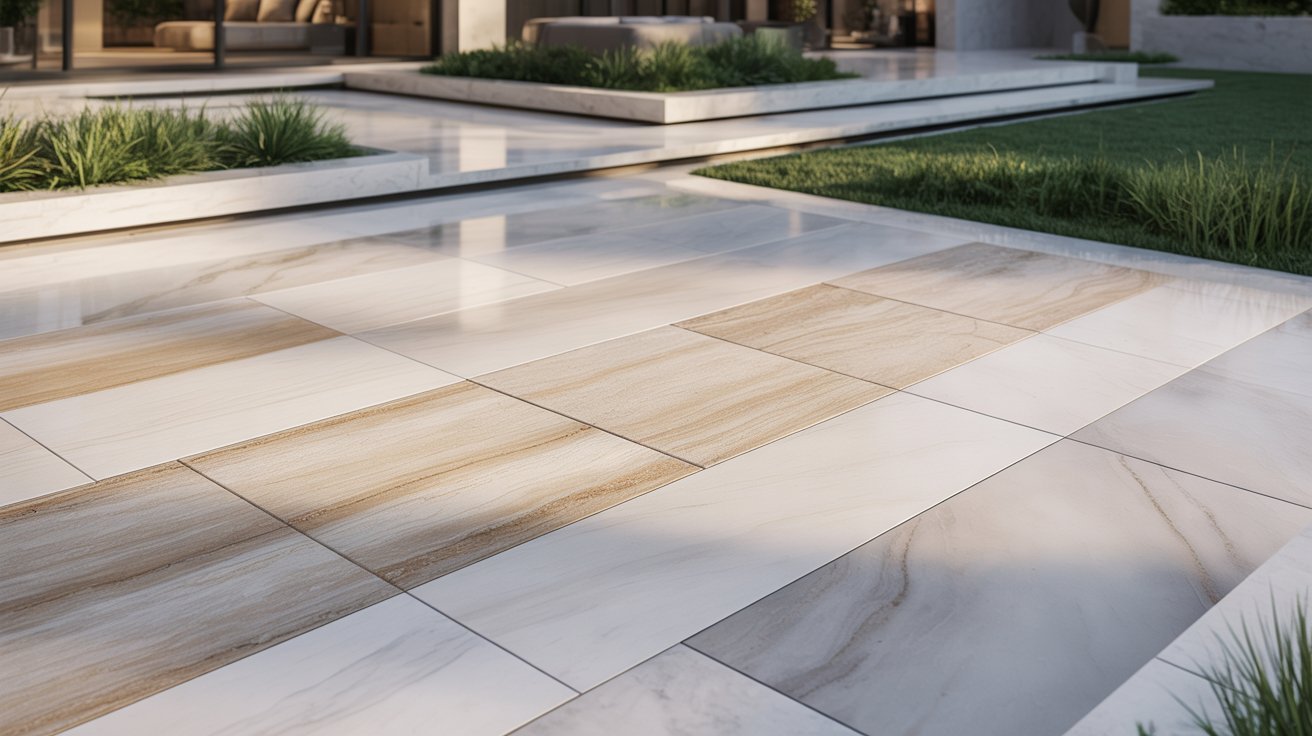
Premium natural stone options deliver a luxurious look with natural textures and tones. They work best in sheltered areas where the surface is protected from harsh weather.
27. Porcelain Slab Outdoor Design
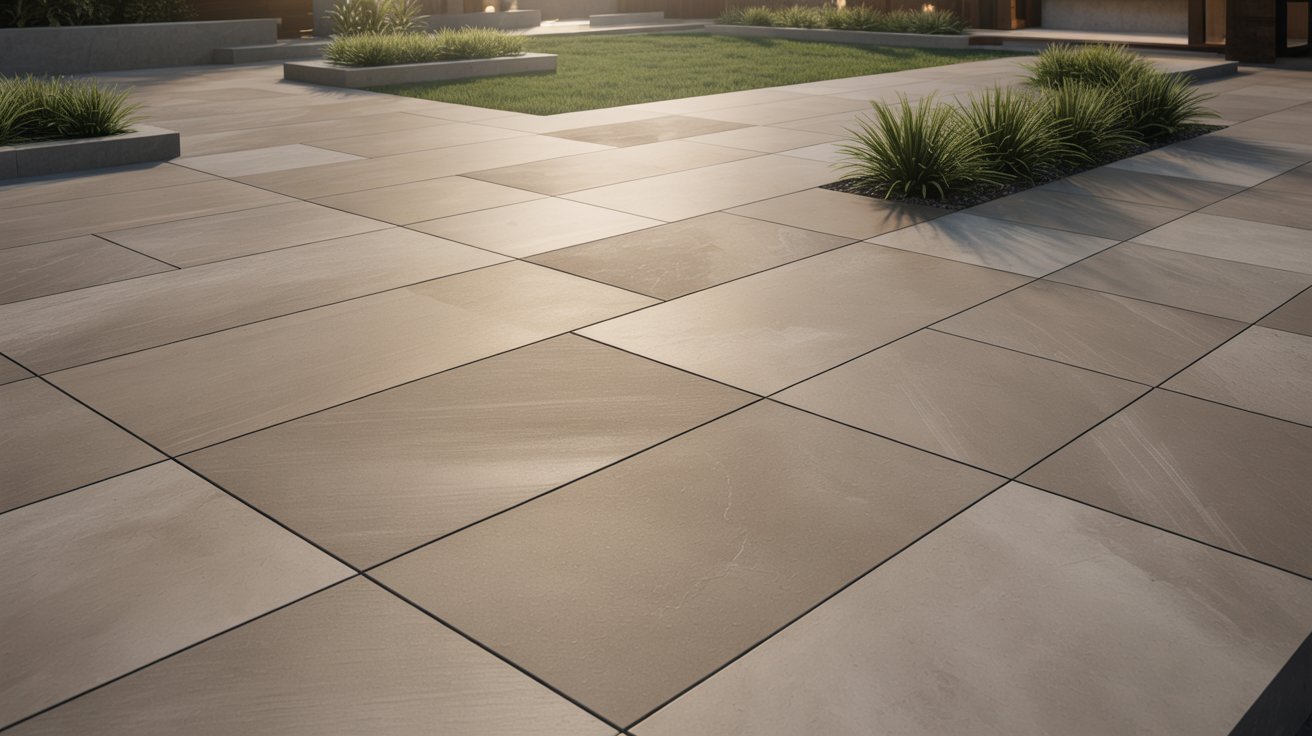
Highly durable and low-maintenance slabs resist stains, fading, and moisture damage. Porcelain is a strong choice for homeowners who want minimal upkeep.
28. Mixed Material (Stone and Wood Look)
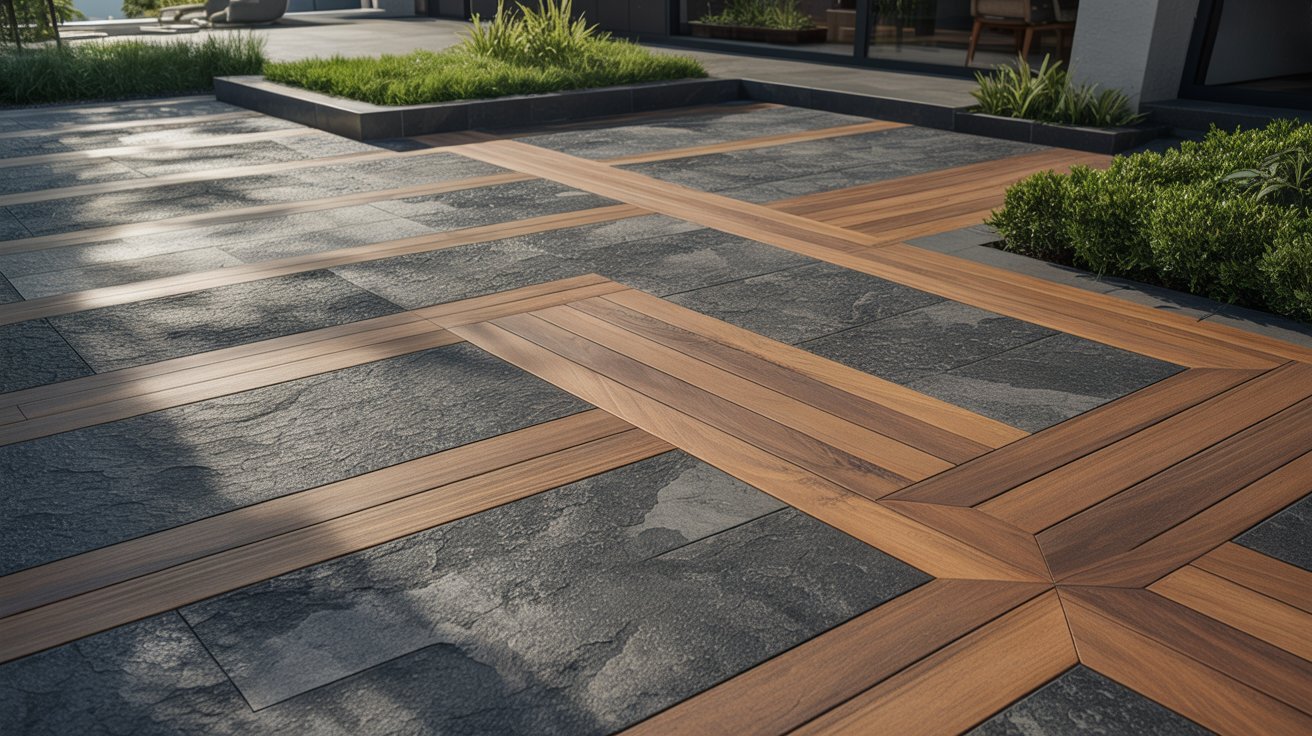
Combining stone and wood-look pavers creates a creative, layered design. The contrast of textures adds character to patios and pool areas.
29. Pool Deck Paver Design
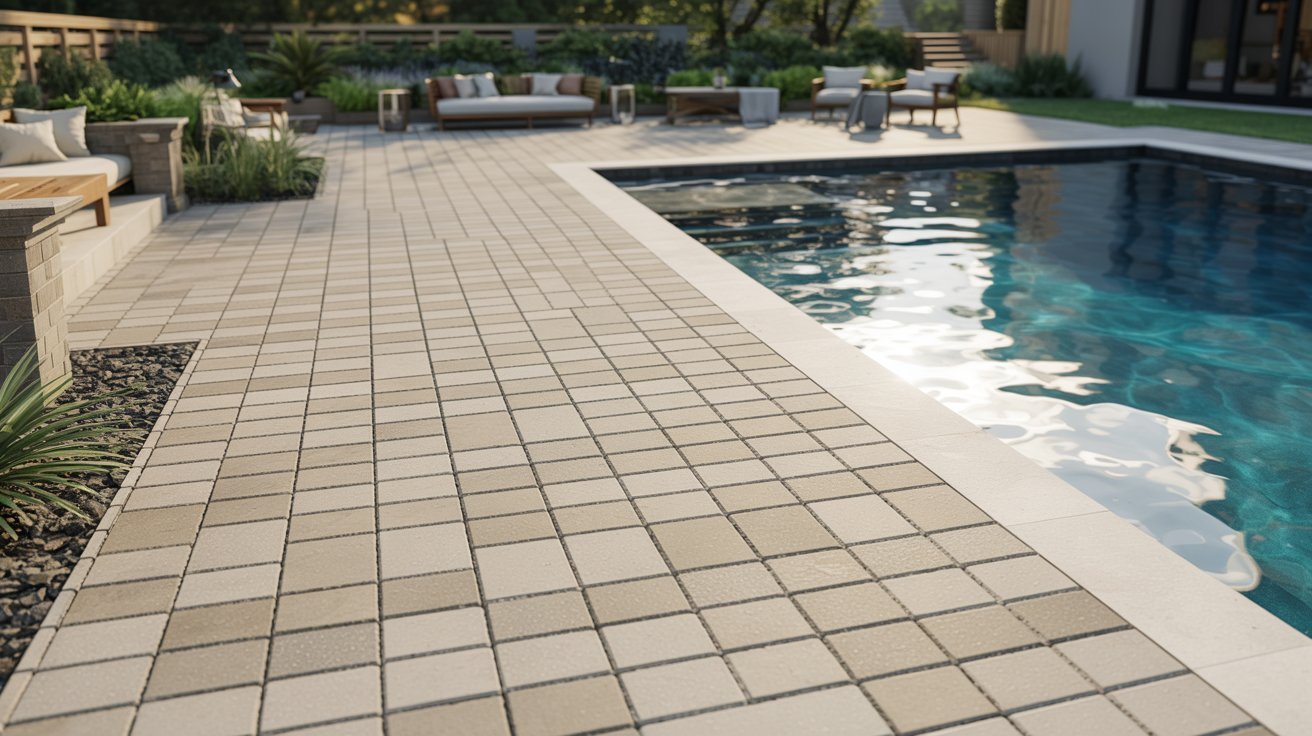
Slip-resistant and heat-resistant pavers make poolside areas safe and functional. Choosing the right material here is important for comfort and safety underfoot.
30. Fire Pit Paver Seating Area
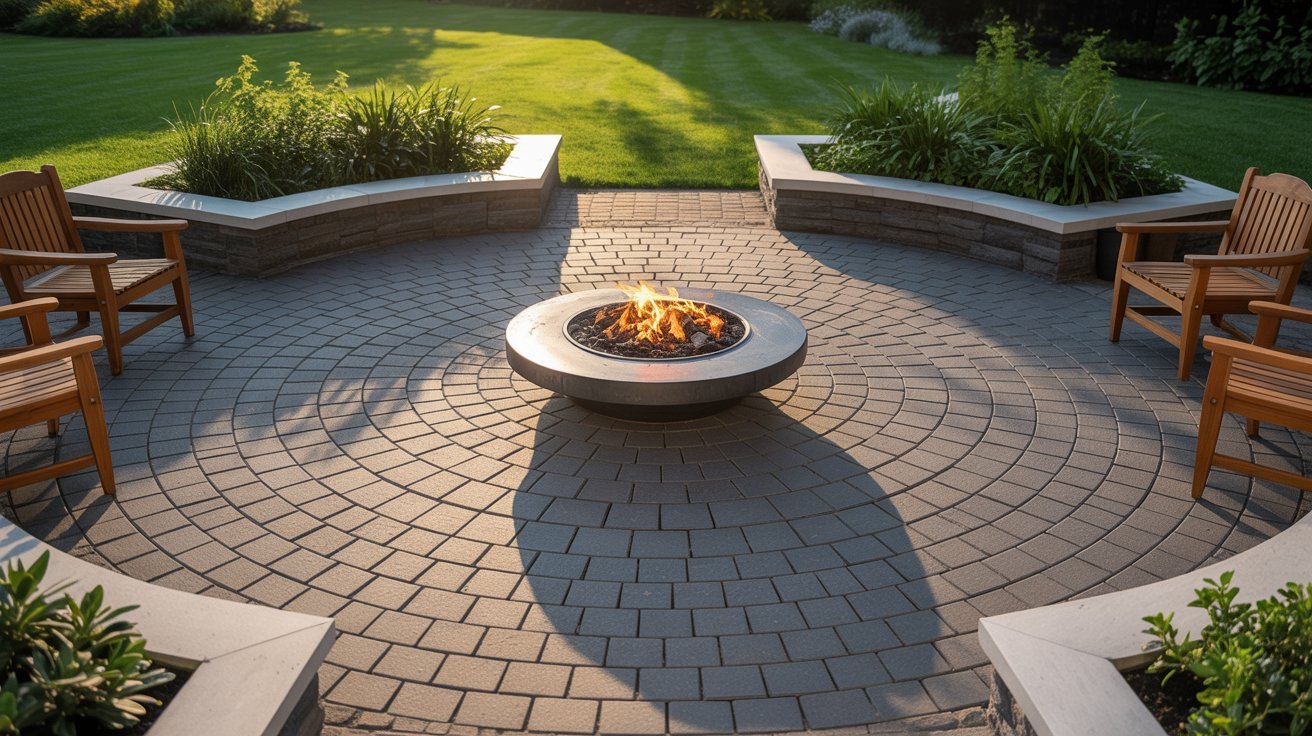
Circular or radial paver layouts designed around a fire pit create a cozy gathering space. The design draws people in and defines the area clearly.
31. Multi-Level Patio with Retaining Walls
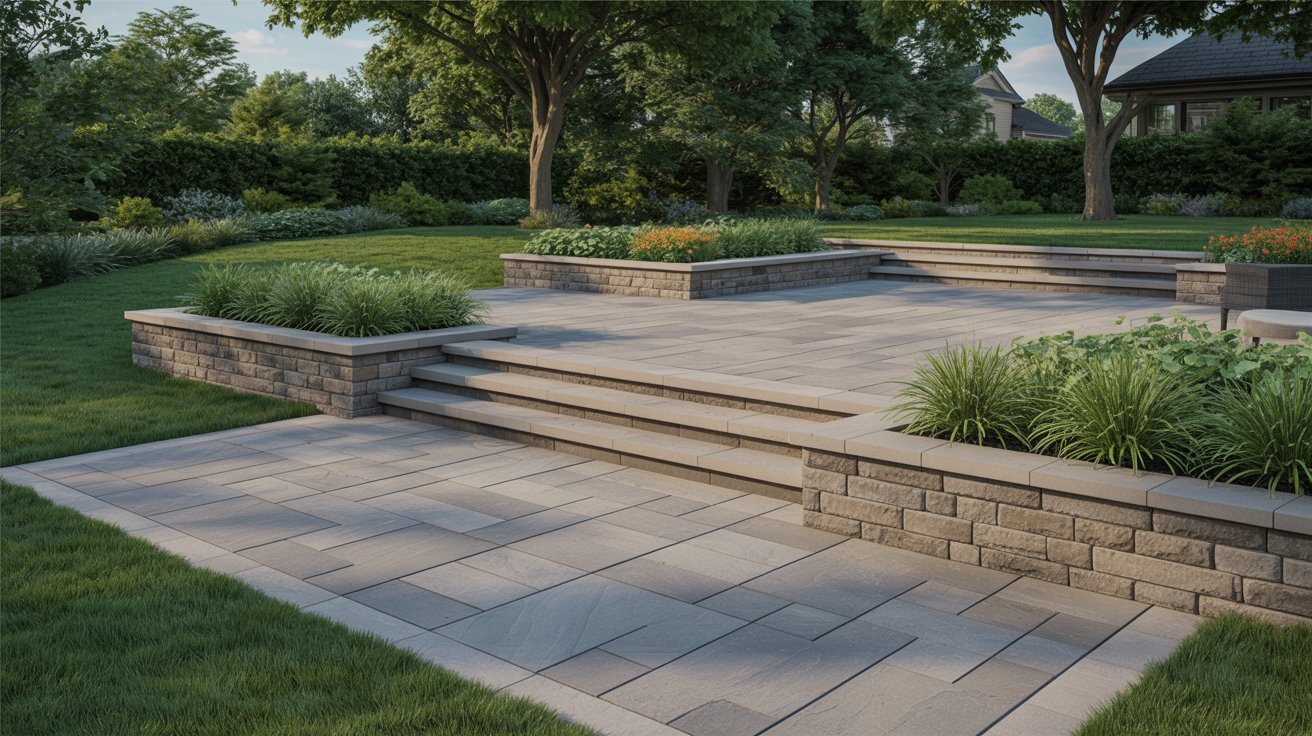
Layered patio designs use elevation changes to define separate zones. Retaining walls add structure and visual depth to sloped or uneven outdoor spaces.
Common Mistakes to Avoid in Paver Design
Even small mistakes during planning can cost a lot to fix later. Here is what to watch for.
- Skipping base preparation causes pavers to shift and crack over time.
- Overly complex patterns in small areas make the space feel cluttered.
- Poor color coordination with your home exterior makes the design feel off.
- Ignoring drainage leads to water pooling and long-term surface damage.
- Using the wrong material for your climate results in early cracking and wear.
Choosing the Right Paver Design for Your Home
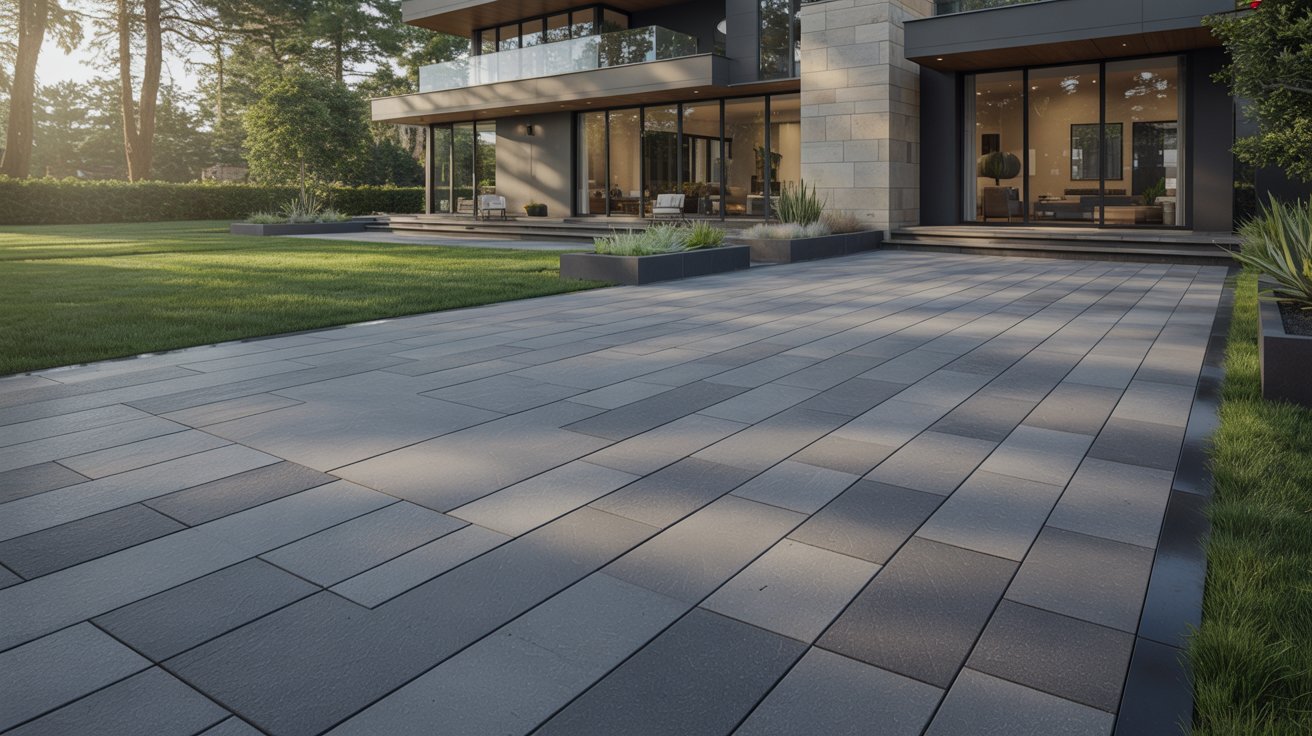
The right paver design depends on your home style, space size, climate, and budget.
Modern homes suit large-format slabs and minimal layouts. Traditional homes look better with brick or cobblestone.
Smaller patios need simpler patterns, while larger spaces can handle bolder layouts. In cold climates, go for concrete or natural stone.
In warmer areas, porcelain or marble work well. Brick and concrete are budget-friendly, while natural stone and porcelain cost more.
Match your design to your lifestyle, and you will be happy with the result for years.
Maintenance Tips for Paver Surfaces
Regular care keeps paver surfaces looking good and lasting longer. A little attention goes a long way.
- Sweep or rinse paver surfaces regularly to remove dirt, leaves, and debris before they stain.
- Reseal natural stone pavers as needed to protect against moisture and staining.
- Refill joint sand or polymeric sand if it begins to wash away or sink over time.
- Check for any shifting or uneven pavers after heavy rain or winter weather.
- Remove weeds from joints promptly before they grow and cause damage to the surface.
Conclusion
Paver design ideas give you a lot of room to work with, and that is what I love most about them.
I remember standing in my own backyard trying to figure out where to start, and the right pattern changed everything about how the space looked and felt.
You do not need a big budget or a complex plan. You just need a design that fits your home and your life.
Pick one idea from this list, start small, and build from there. Found something you like? Leave a comment below and share which paver design is your favorite.
Frequently Asked Questions
What is the most durable paver material for outdoor use?
Concrete and natural stone are among the most long-lasting options available. Both handle heavy foot traffic and changing weather conditions well over time.
How do I choose a paver pattern for a small patio?
Simpler layouts like running bond or stack bond work best in smaller spaces. They keep the area looking open and avoid a cluttered visual effect.
Do pavers need to be sealed after installation?
Not all pavers require sealing, but natural stone and certain concrete types benefit from it. Sealing protects the surface from stains, moisture, and fading.
How long do outdoor pavers typically last?
With proper installation and regular maintenance, pavers can last 20 to 30 years or more. The quality of the base preparation has the biggest impact on longevity.
Can I install pavers over an existing concrete surface?
Yes, pavers can be laid over existing concrete in some cases, depending on the condition of the surface. It is best to consult a professional to assess whether the base is suitable.