
Building a house is exciting, but costs can rise quickly. Many homeowners are surprised to find that framing is usually the most expensive part. This stage forms the skeleton of your home.
It supports walls, floors, and the roof. Framing requires a lot of materials and skilled labor. The foundation, major systems, and finishes also cost money, but framing often takes the largest part of the budget. Knowing where your money goes helps you plan carefully.
It helps you avoid costly mistakes and make smart choices about design, materials, and labor. In this guide, we explain why framing costs the most. We also show how other major expenses compare. Finally, we share tips to manage your budget while building a home you will enjoy for years.
The Most Expensive Part: Framing Your Home

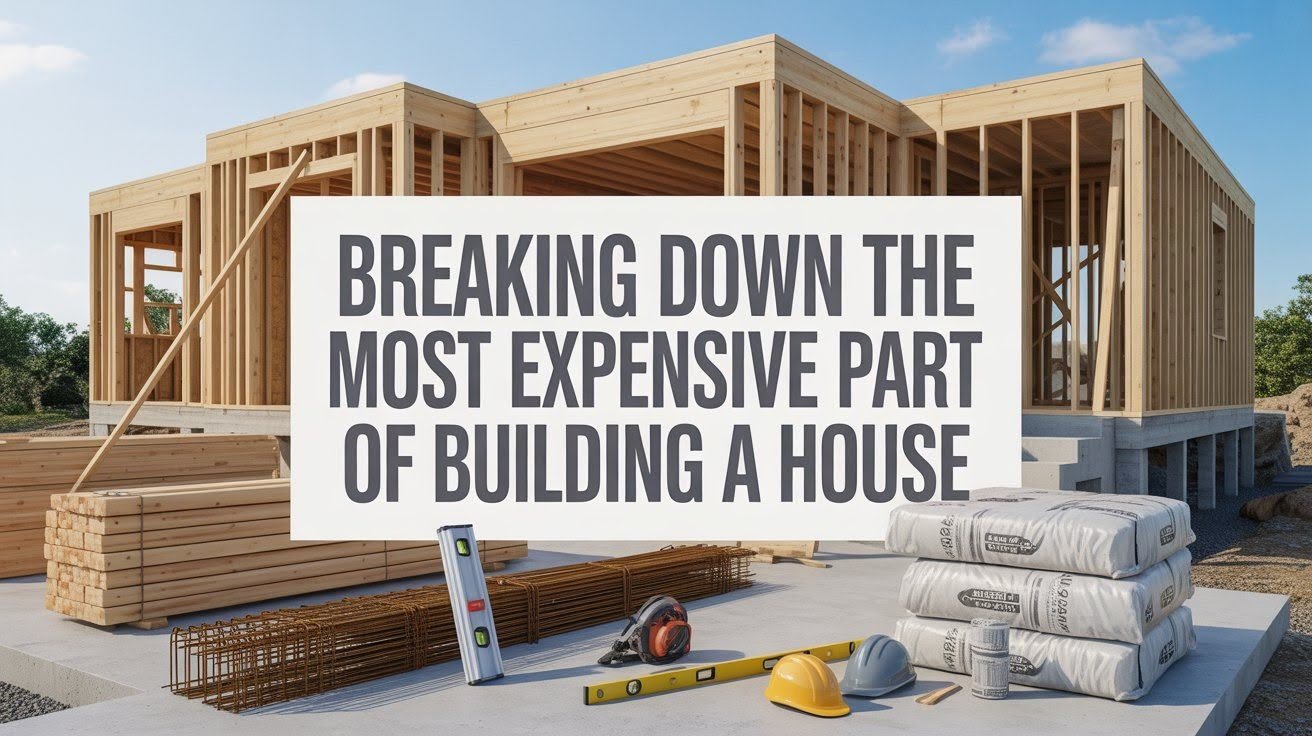
Framing is the skeleton of your home and usually costs the most. Think of it as the bones that hold everything together, walls, floors, and roof structure all come from framing. This work requires tons of lumber and skilled workers who know what they’re doing.
Several factors affect how much you’ll spend on framing. The size of your house matters most, bigger homes need more materials and labor. The type of framing method your builder uses also changes the price. Current lumber prices can swing wildly, sometimes doubling in just a few months. Labor costs vary by area, too, with some regions charging much more than others.
Most builders charge between $15 and $30 per square foot for framing. A 2,000 square foot home could cost $30,000 to $60,000 just for this step. That’s a huge range, which is why getting accurate quotes matters. This expense is worth every penny because proper framing keeps your home safe and standing strong for decades. Cut corners here, and you’ll pay for it later with structural problems.
The Foundation Comes in Second

Your foundation ranks as another major cost when building a home. This concrete base supports your entire structure and keeps water from seeping inside. Without a solid foundation, your house will crack, shift, and develop serious problems over time.
Several things affect what you’ll pay for your foundation. The type you choose makes a big difference, a simple concrete slab costs less than a full basement. Your home’s size matters, since larger footprints need more materials. Soil conditions play a role, too, especially if your land needs extra preparation. Some areas have clay soil that expands and contracts, requiring special foundation work. Climate matters as well, with cold regions needing deeper foundations to prevent frost damage.
Labor skills and material costs in your area round out the price factors. Don’t even think about cutting corners on your foundation to save money. Fixing foundation problems later costs way more than doing it right the first time. A strong foundation protects your entire investment and gives you peace of mind.
Other Big Expenses to Plan For
Framing and foundation take the top spots, but plenty of other costs add up fast. Let’s look at what else demands a big chunk of your building budget.
The Land You Build On

Buying your lot is just the start of land-related expenses. You’ll need surveys to mark property lines clearly. Inspections check soil quality and identify any problems before you build. Utility hookups for water, sewer, electricity, and gas can cost thousands of dollars.
Location affects the price dramatically. Desirable areas with good schools and low crime cost more per acre. Rural land might be cheaper to buy, but it could need well drilling and septic systems. These add-ons can match or exceed what you saved on the land price.
Hidden costs catch many people off guard. Your lot might need grading to level the ground or improve drainage. Adding a driveway, especially a long one, costs several thousand dollars. Some areas require you to install roads or contribute to neighborhood infrastructure. Always research these extras before buying land.
Major Home Systems

Plumbing, HVAC, and electrical work represent huge expenses in any new home. These systems cost so much because they require skilled workers who spend years learning their trade. The work is complex and must meet strict building codes for safety.
The number of stories in your home affects plumbing costs significantly. Two-story homes need more pipes running between floors, plus stronger water pressure systems. Bathrooms stacked on top of each other save money by sharing plumbing lines. Spreading bathrooms across your floor plan costs more.
Smart design choices help you save on systems without sacrificing quality. Grouping bathrooms and the kitchen reduces the amount of pipe needed. Choosing efficient HVAC systems costs more upfront but saves on energy bills for years. Going with standard electrical layouts instead of custom lighting plans also keeps costs down.
Roofing Materials

Your roof’s size and material type determine what you’ll spend. Bigger homes need more shingles, underlayment, and labor hours. Steep roofs cost more than gentle slopes because they’re harder and more dangerous to work on.
Asphalt shingles are the cheapest and most common choice. They last 20 to 30 years and come in many colors. Most builders include them in base prices. They work well for most homes and climates.
Pricier options include metal roofing, clay or concrete tiles, slate, and wood shakes. Metal roofs cost two to three times more than asphalt but last 50 years or longer. Tile and slate can last even longer, but cost much more and need stronger framing to support the weight. Balance your budget against how long you plan to live in the home.
Windows and Doors

Quality matters a lot when picking windows and doors. Cheap windows let heat pour in during summer and escape during winter. Your air conditioner and heater work overtime, driving up energy bills month after month.
Good windows and doors cost more initially but pay you back through lower utility costs. Proper sealing keeps conditioned air inside where it belongs. Double-pane or triple-pane glass insulates better than single-pane. Low-E coatings reflect heat, helping your home stay comfortable year-round.
Energy efficiency should guide your choices here. Check the Energy Star ratings when comparing options. Better windows might add $5,000 to $10,000 to your build cost, but that investment returns value through comfort and savings. Think of it as buying efficiency that lasts as long as you own the home.
Interior and Exterior Finishes
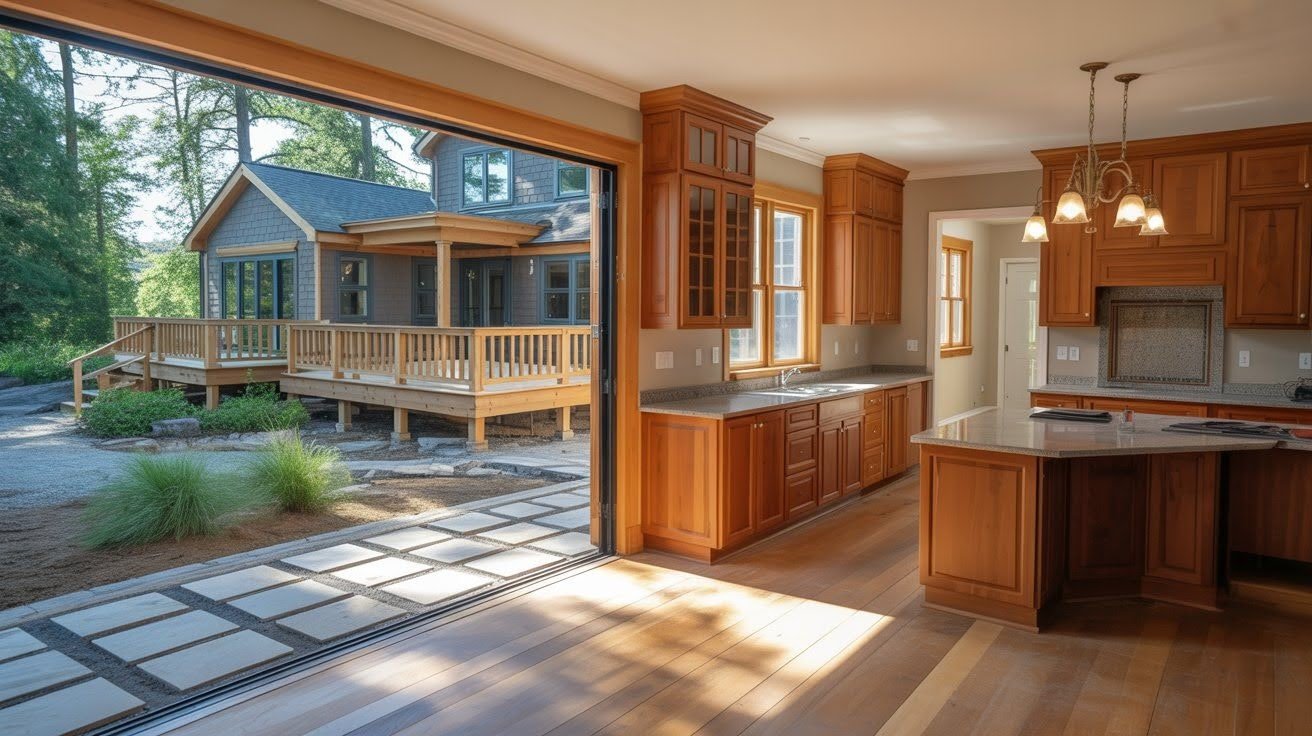
Here’s the good news: You control these costs more than any other category. Spend more on what matters to your family and less on features you don’t care about. This flexibility lets you personalize your home while staying on budget.
Interior finishes include countertops, flooring, cabinets, light fixtures, and paint. Granite countertops cost more than laminate. Hardwood floors cost more than vinyl. Custom cabinets cost more than stock options. You decide what’s worth the splurge and where you’ll save.
Exterior additions increase costs based on what you choose. Decks and patios range from simple concrete pads to elaborate outdoor living spaces. Pools can add $30,000 to $100,000 or more. Covered porches, landscaping, and gardens all cost extra. These amenities make your home more enjoyable, but aren’t necessary for the basic structure.
Tips for Managing Your Building Budget
Building a house means managing a huge budget with lots of moving parts. Smart planning keeps you from overspending while still getting the home you want. Here are some practical tips to help you stay on track.
- Work with professionals you trust, including builders, architects, and designers who listen to your needs and have solid reputations.
- Focus on features that matter most to your family’s daily life rather than trends that look good but don’t serve your lifestyle.
- Don’t cut corners on structural elements like the foundation or framing—these aren’t places to save money. ey
- Smart design choices can reduce costs without sacrificing quality, like using standard sizes for windows and doors.
- Save money on finishes rather than on your foundation or framing, since you can always upgrade finishes later.r
- Get multiple quotes for major systems to ensure fair pricing and compare what different contractors offer.
- Plan for unexpected costs by adding a 10 to 15 percent buffer to your budget for surprises that always come up
- Remember that cheap and frugal are different things. Frugal means spending wisely, while cheap means buying low-quality products that won’t last.
Professional guidance helps you avoid expensive mistakes. Experienced builders spot potential problems before they become costly fixes. They know which building codes apply and how to meet them efficiently.
Conclusion
When building a house, framing is usually the most expensive part. It forms the structure that keeps your home safe and strong. The foundation comes next, followed by major systems like plumbing, electrical, and HVAC.
Roofing, windows, doors, and finishes add more costs. Understanding these expenses helps you plan wisely. Smart budgeting and good guidance make a big difference. Choosing the right materials and design keeps costs under control. Planning for surprises with a small buffer avoids stress.
By knowing where your money goes, you can make confident decisions. You can build a home that lasts, fits your family’s needs, and stays within budget. Careful planning now saves money and headaches later, making your dream home a reality.
Frequently Asked Questions
How Much Does It Cost to Frame a 2,000 Square Foot House?
Framing a 2,000 square foot house typically costs $30,000 to $60,000. The final price depends on lumber prices, labor rates in your area, and your home’s design complexity.
Can I Save Money by Doing Some of the Work Myself?
You can handle painting, basic landscaping, and some finishing work yourself. Leave framing, electrical, plumbing, and foundation work to licensed professionals for safety and code compliance.
What’s the Cheapest Type of Foundation for a House?
A concrete slab foundation costs the least, typically $4 to $7 per square foot. Slabs work best in warm climates without freezing temperatures or on flat lots.
How Long Does It Take to Build a House From Start to Finish?
Building a house takes 6 to 12 months on average. Weather, material availability, labor shortages, and your home’s complexity all affect the timeline significantly.
Should I Build a House or Buy an Existing One?
Building lets you customize everything, but costs more and takes longer. Buying an existing home is faster and often cheaper, though you’ll compromise on features and location choices.