

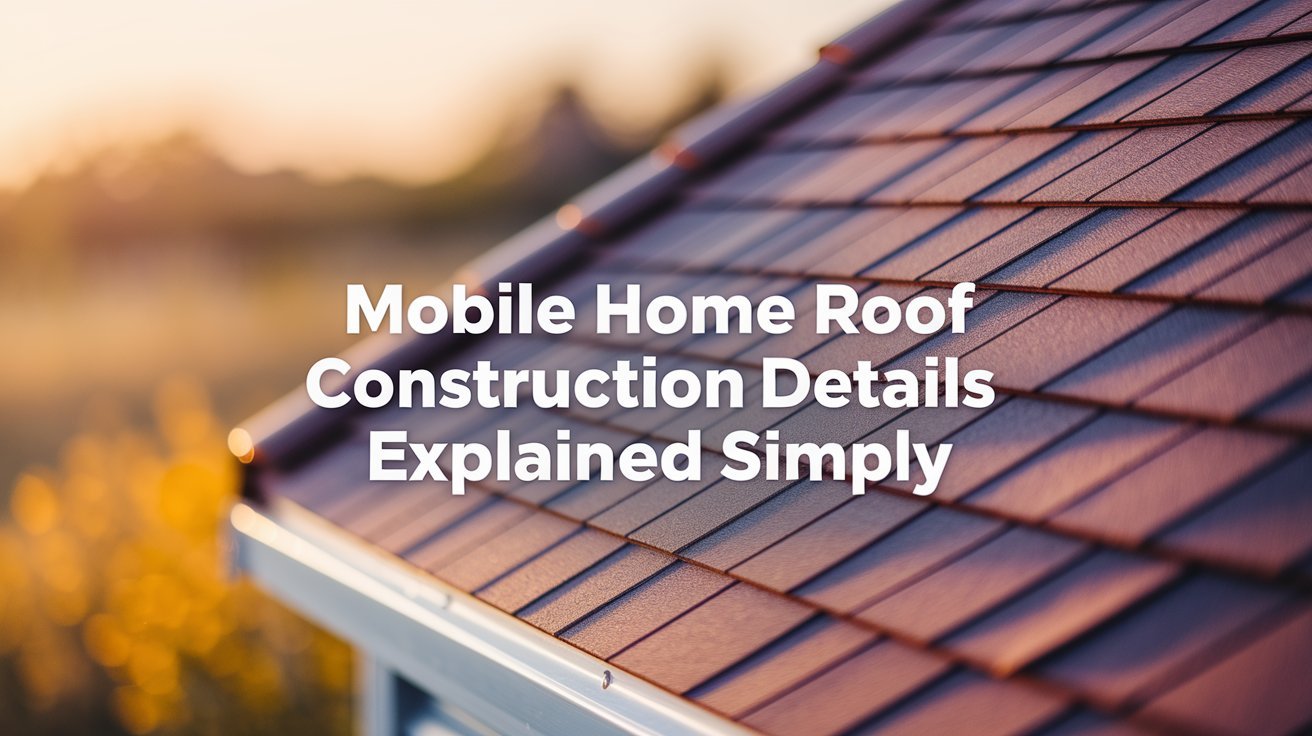
Mobile homes have specific roofing needs, and as they are manufactured structures, they are built and installed differently than the roofs of customary site-built houses.
Mobile home roofs possess less weight and a different construction than a typical residential roof. Comprehension of the differences in general can lead you to make better decisions when it comes to manufacturing, maintenance, and repairs.
This guide will cover all the details concerning mobile home roof construction, including mobile roof construction, roofing types, roofs, construction methods, and mobile roofs from framing to waterproofing. It will review common building practices and industry standards so that you can protect your investment.
Mobile Home Roof Construction Basics

Mobile home roofs use a truss system that sits on top of the home’s main frame. These trusses are lighter than what you’d find in a stick-built house. They’re designed to support the roof covering while keeping the overall weight low. The trusses connect directly to the exterior walls and must be properly secured to handle wind and weather.
Weight matters a lot in mobile home roof construction details. The entire structure can only handle so much load. Most mobile homes use 2×4 or 2×6 trusses spaced 16 to 24 inches apart. This spacing gives enough support without adding too much weight to the frame below.
Mobile home roofs come in different styles. Flat roofs are common in older models, while pitched roofs appear in newer homes. Some have a slight bow or arch shape. Each style requires different construction techniques. The roof connects to the home’s frame through metal straps and bolts, creating a secure attachment that keeps everything in place during storms.
5 Key Construction Methods for Mobile Home Roofs
Choosing the right construction method depends on your roof’s current condition, your budget, and local weather patterns. Each method has specific steps and works best in certain situations.
Traditional Roof Replacement Method

This method means removing everything down to the roof deck or trusses. Workers strip away old shingles, underlayment, and any damaged wood. They inspect the trusses for rot or damage and replace what’s needed. New plywood decking goes down first, creating a solid base.
After the deck is secure, contractors install underlayment and moisture barriers. Then they add the final roofing material, whether that’s shingles or metal panels. This method costs more but gives you a fresh start. It works best when the existing roof has serious damage or multiple layers already installed.
Roof-Over Construction Technique

A roof-over adds new roofing material on top of what’s already there. First, workers sand down rough spots and fix any loose areas. They seal gaps and make sure the surface is ready for new materials. This saves money on tear-off costs and disposal fees.
The new layer attaches directly to the old roof using longer fasteners. Contractors must check that the structure can handle the extra weight. This method works well when the existing roof is in decent shape with just one layer. It’s faster than a full replacement, but it won’t fix hidden problems underneath.
Metal Panel Installation Method

Metal roofing is popular for mobile homes because it’s light and long-lasting. Workers measure the roof carefully and cut panels to fit. Each panel overlaps the one before it by several inches. Special screws with rubber washers attach the panels to the roof deck.
Sealing happens at every seam and screw hole to prevent leaks. Ridge caps cover the peak where two roof sections meet. Trim pieces finish the edges and give a clean look. Metal panel installation in mobile home roof construction details requires precision to ensure proper water runoff and weather protection.
Flat Roof Membrane Application
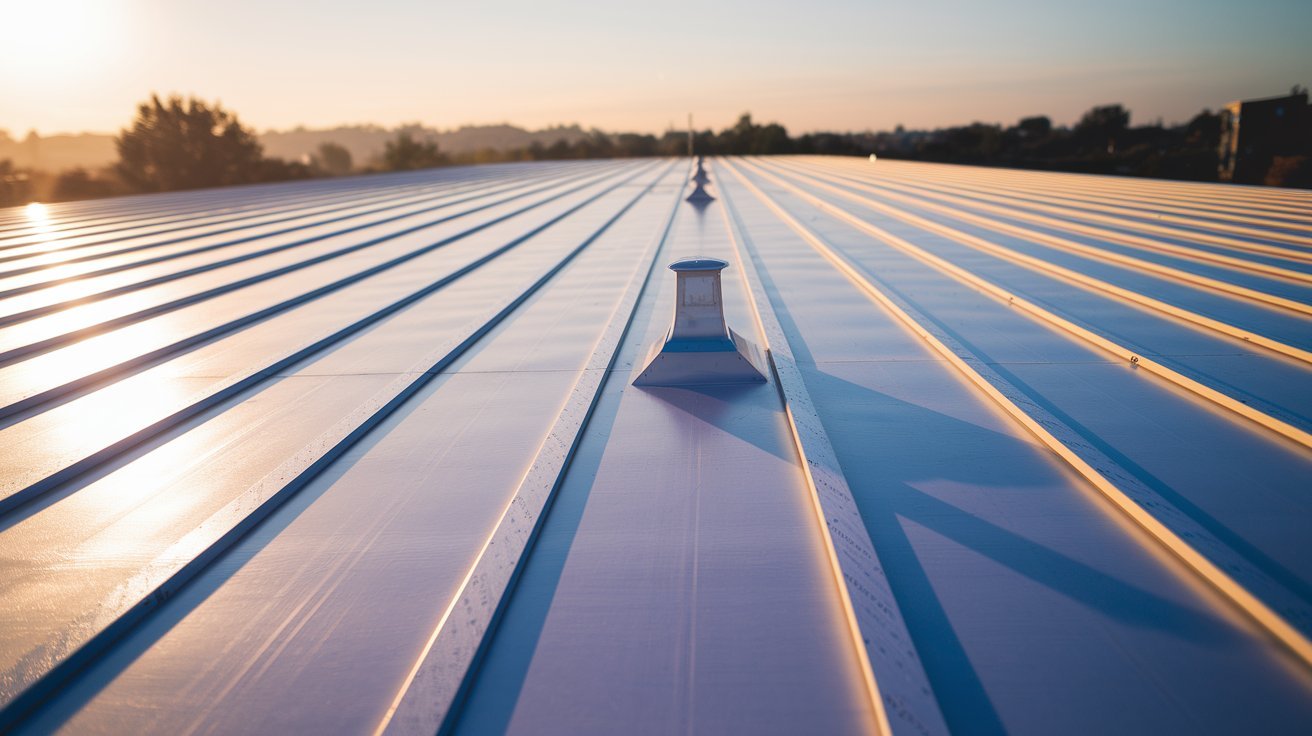
Flat roofs need waterproof membranes like TPO or EPDM rubber. The surface must be completely clean and smooth before installation. Workers roll out large sheets of membrane material across the roof. They use adhesive or heat welding to secure it down.
Seams between membrane sheets get special attention. Contractors overlap and seal each seam to create a watertight barrier. Areas around vents and other openings need extra flashing and sealant. The edges get secured and sealed to keep water from getting underneath the membrane.
Pitched Roof Conversion Construction

Some owners want to change their flat roof to a pitched style. This requires building a new structure on top of the existing frame. Contractors add new trusses or rafters to create the slope. These must be properly attached to the home’s walls with metal connectors.
Once the frame is up, workers install new decking across the pitched surface. Then they add underlayment and roofing material like regular roof construction. A pitched roof drains water better than a flat one. It also gives more attic space and can last longer because water doesn’t pool on the surface.
Essential Materials Used in Mobile Home Roof Construction

The right materials make all the difference in how well your roof performs and how long it lasts. Mobile home roof construction details include specific material choices based on weight limits and attachment methods.
- Pre-made or custom-built roof trusses
- Plywood or OSB decking (usually 1/2 to 5/8 inch thick)
- Support beams for reinforcement
- Metal straps and connectors
- Underlayment, like felt paper or synthetic materials
- Moisture barriers to stop water vapor
- Ice and water shield for edges and valleys
- Proper ventilation parts (ridge vents, soffit vents)
- Metal panels in steel or aluminum
- Asphalt shingles (3-tab or architectural grade)
- TPO membranes for flat surfaces
- EPDM rubber roofing
- Sealants and special adhesives
- Flashing for vents, edges, and valleys
- Ridge caps and trim pieces
- Drip edge components
- Gutter systems for drainage
Each material serves a specific purpose in protecting your home from the weather. Choosing quality materials costs more upfront but saves money on repairs later.
Structural Considerations During Construction

The frame of your mobile home can only support so much weight. Before adding a new roof, contractors must check the existing structure. They look for weak spots, rot, or damage in the trusses and support beams. Some older homes need reinforcement before they can handle heavier roofing materials like tile or thick architectural shingles.
Proper spacing between roof supports matters in mobile home roof construction details. Decking must have support every 16 to 24 inches to prevent sagging. Wind resistance is crucial since mobile homes sit lighter on their foundations than regular houses. Metal straps and tie-downs keep the roof attached during storms. Building codes for mobile homes vary by location, so check local requirements before starting work.
Waterproofing and Drainage Details
Water damage causes most roof problems in mobile homes. A proper slope helps water run off instead of sitting on the surface. Even flat roofs need a slight angle, usually 1/4 inch per foot minimum. Contractors create this slope during construction using tapered materials or angled trusses.
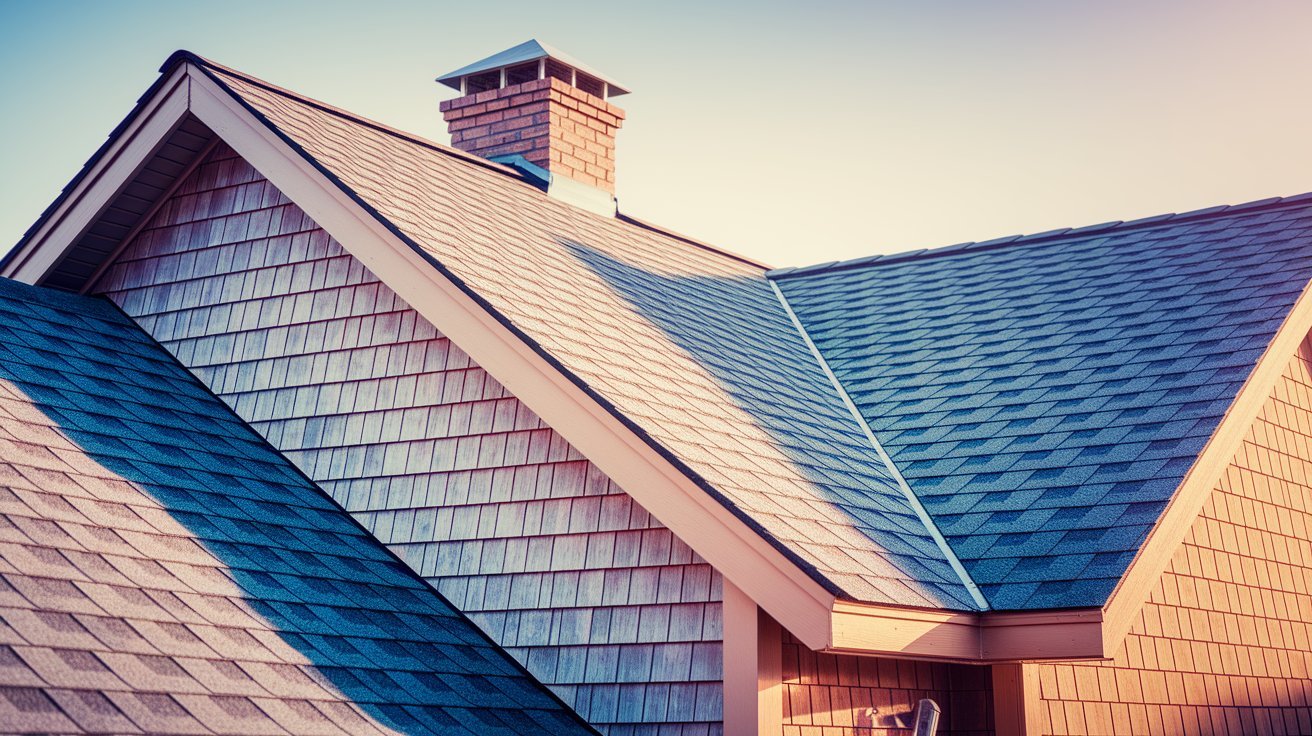
Anywhere something pokes through the roof needs careful sealing. Vents, pipes, and chimneys all create potential leak spots. Flashing goes around these areas first, then gets sealed with special caulk. Valleys where two roof sections meet need double protection with extra underlayment. Good drainage keeps water moving away from walls and prevents pooling that can damage the roof surface over time.
Tips for Successful Mobile Home Roof Construction

Getting your roof built right the first time saves headaches and money down the road. These tips help ensure quality work and long-lasting results.
- Find contractors who know mobile home roofing specifically
- Fix any damage to the existing structure before adding new materials
- Use all recommended moisture barriers and underlayment
- Build in proper ventilation from the start
- Plan your drainage system carefully
- Pick materials that work in your local weather
- Use fasteners made for mobile home applications
- Get inspections during construction and after completion
Professional installation makes a big difference in how well your roof performs. Don’t skip steps to save money if it means compromising quality or safety.
Conclusion
When building or replacing a mobile home roof, one must take into account the special structural features of the mobile home to build a durable roof with appropriate methods.
Mobile home roof construction differs from other types of roofing due to the lightweight roofs of mobile homes being mounted differently, and because mobile home roofs can either be replaced or installed as a roof-over, depending on the mobile home’s design and climate.
A well-built house is more expensive but costs less to own, because construction techniques should prevent both water and structural damage. Hire the right licensed professionals who are familiar with mobile homes to make the right decision that can protect your home for many years to come.
Frequently Asked Questions
How Long Does It Take to Construct a New Mobile Home Roof?
A complete roof replacement takes 3 to 7 days, depending on size and weather. Roof-over projects finish faster, often in 1 to 3 days. Complex pitched roof conversions can take up to 2 weeks.
Can I Add a Pitched Roof to My Flat Mobile Home Roof?
Yes, but you need to add new trusses or framing on top of the existing structure. The walls must be strong enough to support the added weight and height. A contractor should check if reinforcement is needed first.
What Permits Are Needed for Mobile Home Roof Construction?
Most areas require building permits for roof replacement or major changes. Your contractor should pull the permits and schedule inspections. Requirements vary by county and state, so check with your local building department.
How Much Weight Can a Mobile Home Roof Support?
Most mobile home roofs handle 40 to 50 pounds per square foot. This includes the roofing material, snow load, and any equipment. Heavier materials like tile usually need structural reinforcement before installation.
Should I Insulate During Roof Construction or Replacement?
Yes, adding insulation during construction is the best time. It improves energy efficiency and comfort inside your home. Use insulation rated for your climate zone and make sure ventilation stays adequate to prevent moisture problems.