
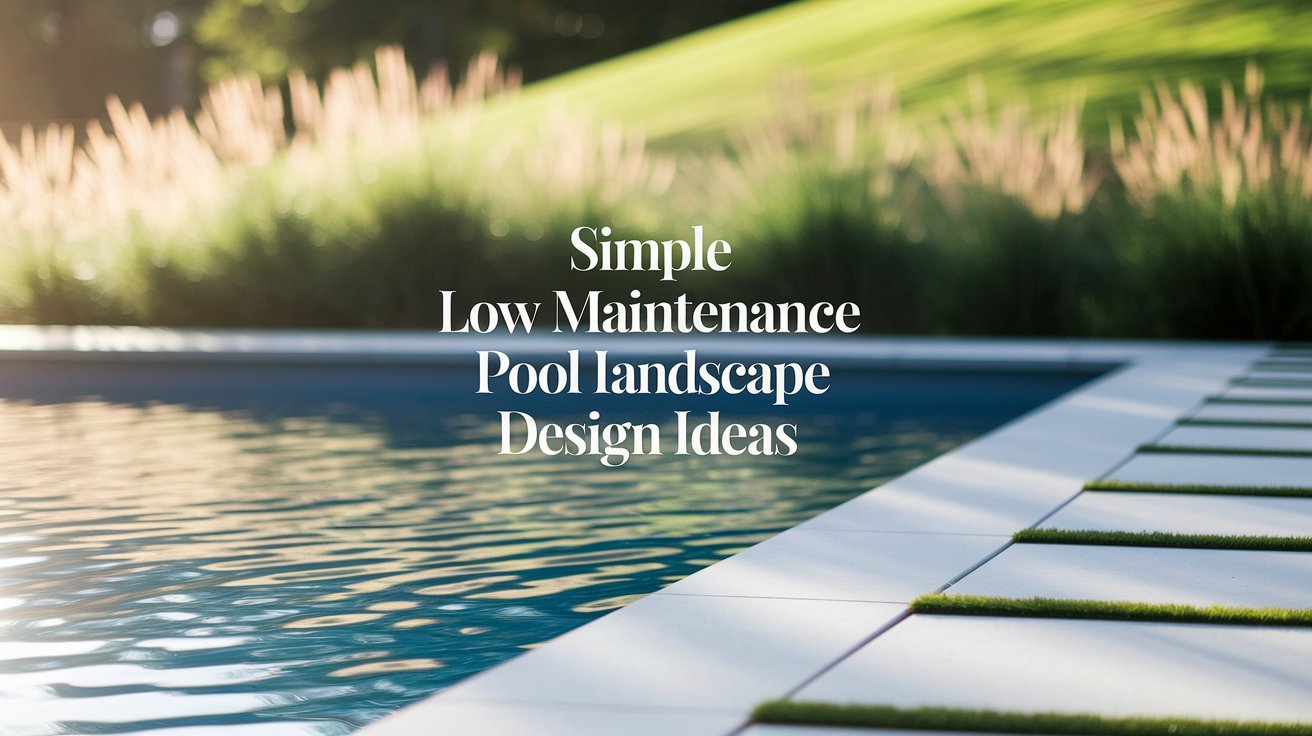
Do you want a beautiful pool area but hate spending every weekend cleaning, trimming, and fixing things? You’re not alone. Many pool owners find themselves working more than relaxing by their water.
The good news is that smart low-maintenance pool landscape design can change everything. When you choose the right plants, materials, and features from the start, your pool area almost takes care of itself.
This means more time swimming and less time sweeping leaves or replacing dead plants. In this guide, you’ll learn practical ways to create a pool space that looks great all year round without constant work. We’ll cover the best materials to use, which plants actually survive with little help, and features that make your life easier.
Why Low-Maintenance Pool Landscaping Matters?

A well-planned low maintenance pool landscape design saves you hours every week. Instead of spending your weekends pulling weeds, staining decks, or cleaning up fallen leaves, you can actually use your pool. Most people buy pools to relax, but poor landscaping choices turn them into extra chores.
Smart design also saves money over time. When you pick durable materials and plants that thrive naturally in your area, you spend less on replacements, water bills, and pool chemicals. Native plants need less watering, and the right ground cover means fewer leaves and debris ending up in your pool water.
The key to low-maintenance pool landscape design is making good choices early. Focus on materials that last without painting or sealing. Choose plants that stay green year-round and don’t drop messy flowers or seeds. Reduce grass areas that need mowing. Add features with timers or automatic systems. These decisions prevent the most common problems pool owners face.
7 Low-Maintenance Pool Landscape Ideas
Here are seven proven ideas that will cut your maintenance time in half while keeping your pool area looking clean and inviting.
1. Install Paver Patios Instead of Wood Decking

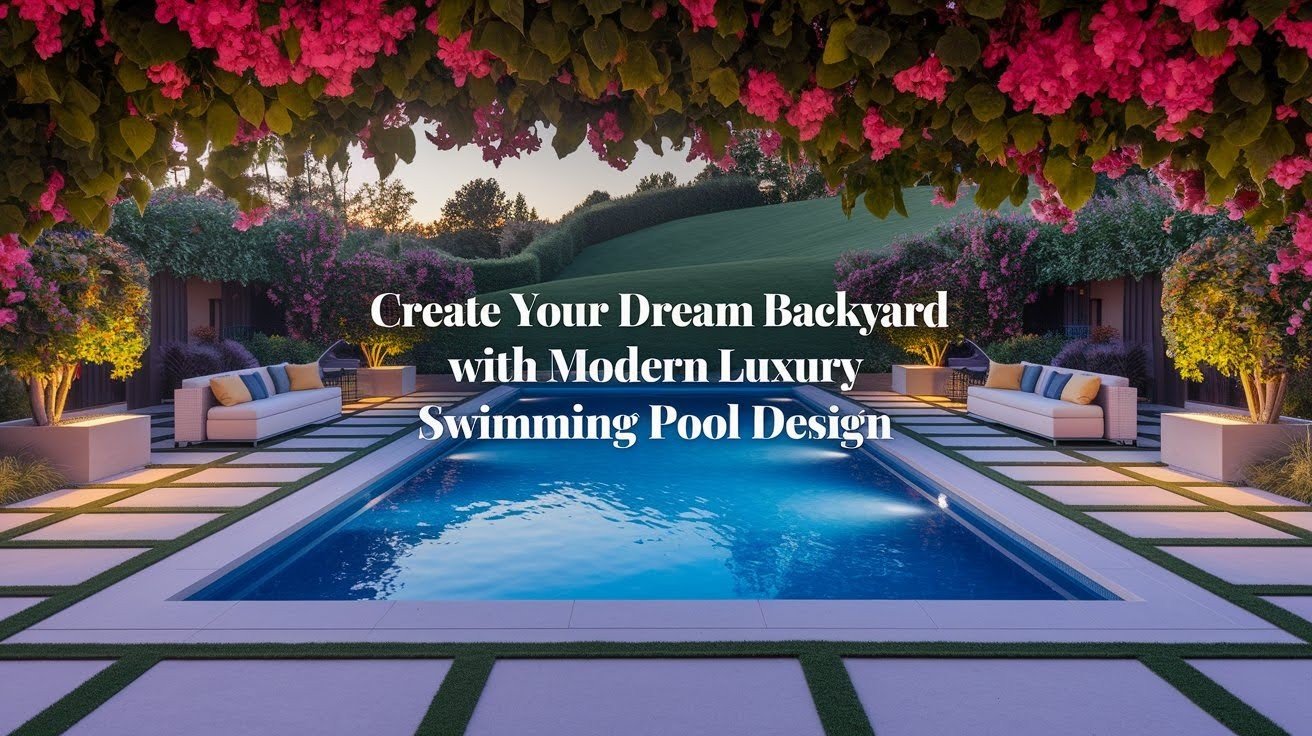
Pavers are one of the best choices for low-maintenance pool landscape design. Unlike wood decks, they never need staining or sealing. You won’t deal with rot, splinters, or boards that need replacing every few years.
Pavers come in many colours, shapes, and sizes, so you can create the look you want. They handle pool water and chemicals better than wood does. If one paver cracks or stains, you can pop it out and replace just that piece instead of rebuilding an entire section.
Most pavers have textured surfaces that are less slippery when wet. This makes them safer around pools where people walk barefoot. Once installed properly with good drainage, pavers can last decades with almost no care needed.
2. Choose Native Evergreen Plants

Native evergreens are perfect for low-maintenance pool landscape design because they’re built for your local climate. Plants like Windmill Palms, Citrus trees, and Emerald Green Arborvitae grow well without constant watering or special fertilisers. They already know how to handle your weather.
Evergreen plants keep their leaves all year, which means no massive fall cleanup around your pool. Deciduous trees drop leaves that clog filters and require extra work. Evergreens stay neat and full through every season.
These plants also provide privacy and shade without asking for much in return. Plant them once, water them for the first season, and they’ll take care of themselves. They create a green backdrop that makes your pool area feel more private and finished.
3. Use Ornamental Grasses for Texture

Ornamental grasses like Blue Fescue, Zebra Grass, and Indian Grass add movement and colour without demanding attention. Once these grasses establish their roots, they handle dry spells easily. This makes them ideal low-maintenance pool landscape designs in areas that get hot summers.
These grasses don’t need deadheading like flowers do. You won’t spend time picking off old blooms or cutting back stems every week. Most varieties only need cutting back once a year in late winter. That’s it.
Grasses sway in the breeze and create a softer look than just shrubs or trees. They come in different heights and colours, from short blue clumps to tall golden waves. They fill space beautifully without creating work.
4. Add Artificial Boulders with Built-In Features

Artificial boulders look real but serve multiple purposes in your low-maintenance pool landscape design. You can hide pool equipment, outdoor speakers, or lighting fixtures inside them. They create focal points without the ongoing maintenance that natural rock gardens require.
Unlike real stone arrangements that collect weeds and shift over time, artificial boulders stay put and stay clean. They’re made from weather-resistant materials that won’t crack, fade, or need repositioning. You can even get versions with built-in waterfall pumps that create soothing sounds.
These features are permanent solutions. Once installed, they work for years without adjustments. They don’t harbour insects like natural rock piles can, and you never need to worry about them settling or looking worn.
5. Opt for Gas Fire Features Over Wood-Burning

Gas fire pits and fireplaces are much easier to maintain than wood-burning versions. With low-maintenance pool landscape design, you want features that work at the push of a button. No chopping wood, no hauling logs, and no storing kindling.
Gas features produce no ash, which means no cleanup after each use. You don’t need to clean chimneys or worry about smoke blowing toward guests. The heat output stays consistent and controllable every single time you use it.
These features fit easily into existing patios around your pool. Many models come with remote controls or wall switches. You can turn them on as the sun sets without leaving your lounge chair. This convenience matches the whole point of a low-maintenance setup.
6. Plant Strategic Privacy Hedges

Privacy hedges using Boxwoods or Arborvitae create natural fencing that actually gets better over time. When planted close together, these shrubs fill in to block views from neighbours and reduce wind around your pool. This is smarter than installing wood or vinyl fencing that eventually needs repairs or replacement.
These shrubs grow dense on their own with minimal pruning. Most varieties only need trimming once or twice a year to keep their shape. That’s much less work than maintaining a painted fence. They’re a perfect addition to low-maintenance pool landscape design.
The privacy these hedges provide makes your pool area feel more like a private resort. They also buffer street noise and create a green wall that looks natural. Once established, they’re nearly indestructible and keep working for decades.
7. Include Prefabricated Hot Tubs

Prefabricated hot tubs are easier to maintain than custom-built versions. These units come with self-contained filtration systems that handle most of the cleaning work automatically. They’re designed for homeowners who want relaxation without complicated maintenance routines.
These hot tubs fit well into low-maintenance pool landscape design because they’re complete systems. You don’t need to build special structures or worry about custom plumbing that might leak. Most models winterise easily if you live somewhere cold.
Prefabricated options come at many price points, so you can find one that fits your budget. Installation is faster and less disruptive than custom construction. This means you can be soaking in hot water within days instead of months.
Quick Maintenance Tips for Your Pool Landscape
Even the best low-maintenance pool landscape design needs some basic care. These simple habits will keep everything looking good with minimal effort.
- Apply thick mulch around plants to reduce weeds and retain moisture
- Group plants with similar water needs together
- Install drip irrigation on timers for hands-free watering
- Choose pool-safe plants that won’t drop excessive debris
- Keep potted plants minimal or select drought-tolerant varieties
- Schedule professional inspections annually for hardscape elements
- Use landscape fabric under rock or mulch areas to prevent weeds
Following these tips takes just a few hours per season instead of hours per week. The goal is to set up systems that work automatically so you can focus on enjoying your outdoor space instead of maintaining it.
Conclusion
Smart, easy-care pool design starts with good planning before you build or plant anything. When you choose strong materials, local plants, and automatic features, your pool area can look nice without needing much work.
Think about what is most important to you. Do you want more privacy? A space to host friends? Or a pool for daily exercise? Your main goals should guide your design choices. Remember, low maintenance doesn’t mean plain or dull.
Talk to landscaping experts who know your local weather and can make a plan that fits your space. Spending time on good design now will save you work later. This summer, you could be relaxing in your pool instead of cutting plants around it.
Frequently Asked Questions
What Type of Pool Shape Requires the Least Maintenance?
Geometric pools with straight lines and simple curves collect less debris and are easier to clean than freeform pools with many curves and crevices.
How Can I Reduce Debris Falling Into My Pool?
Plant trees and shrubs at least 10-15 feet away from the pool edge. Avoid messy plants like fruit trees, maples, or anything that drops flowers, seeds, or sap regularly.
Are Retaining Walls Worth the Investment for Pool Areas?
Yes, retaining walls prevent erosion and reduce soil washing into your pool. They create level planting areas and reduce long-term maintenance by controlling water flow and preventing landscape damage.
Should I Choose Natural or Artificial Turf Around My Pool?
Artificial turf needs no mowing, watering, or fertilising, making it lower maintenance. Natural grass requires weekly cutting and more water, but feels softer and stays cooler in hot weather.
How Often Should Pool Landscaping Be Updated?
Pavers and hardscaping last 20-30 years. Plants may need replacing every 10-15 years. Update small elements like cushions and decorations every 3-5 years to keep things looking fresh.