

The advantages of living in a landed house are having more space and the freedom to do renovations. You own every floor and every room. You have total ownership.
This means you can push the design just a little more, have room to switch up styles between rooms, or fit in larger furniture.
This guide will look at 7 popular landed home designs and offer advice on approaches and considerations you should take when designing your home, if you have landed a new house or are looking to remodel or refurbish your existing home.
What Makes Landed House Interior Design Special

When you’re planning a landed house interior design, you have advantages that other homes don’t offer. You own the land, which means you can make major changes to the layout. Want to knock down a wall? You can do that. Want to add built-in features? Go ahead.
The extra floor space is a game-changer. You have multiple rooms across different levels. This gives you the chance to try different design themes in each space. Your living room can look modern while your bedroom feels cozy and warm. You won’t feel cramped when you add that big dining table or comfortable sofa.
Open-plan living works great in landed houses. You can connect your kitchen, dining area, and living room into one large space. With more windows across multiple floors, natural light fills your home throughout the day. These features make landed house interior design more flexible and fun compared to smaller properties.
Now, let’s look at specific design styles that work well in landed homes.
7 Popular Interior Design Ideas for Your Landed House
These seven styles offer different looks and feelings for your home. Pick one that matches your personality, or mix elements from several.
Minimalistic Design

Minimalistic landed house interior design follows the “less is more” idea. You keep only what you need and love. Open spaces stay clear and clean. Each item in the room has a purpose.
This style creates a calm, peaceful feeling when you walk in. The color palette sticks to neutral tones whites, beiges, grays, and soft browns. Furniture has clean, straight lines and serves a function. Because your landed house has plenty of space, you can add one or two statement art pieces without making the room feel busy.
Eclectic Style
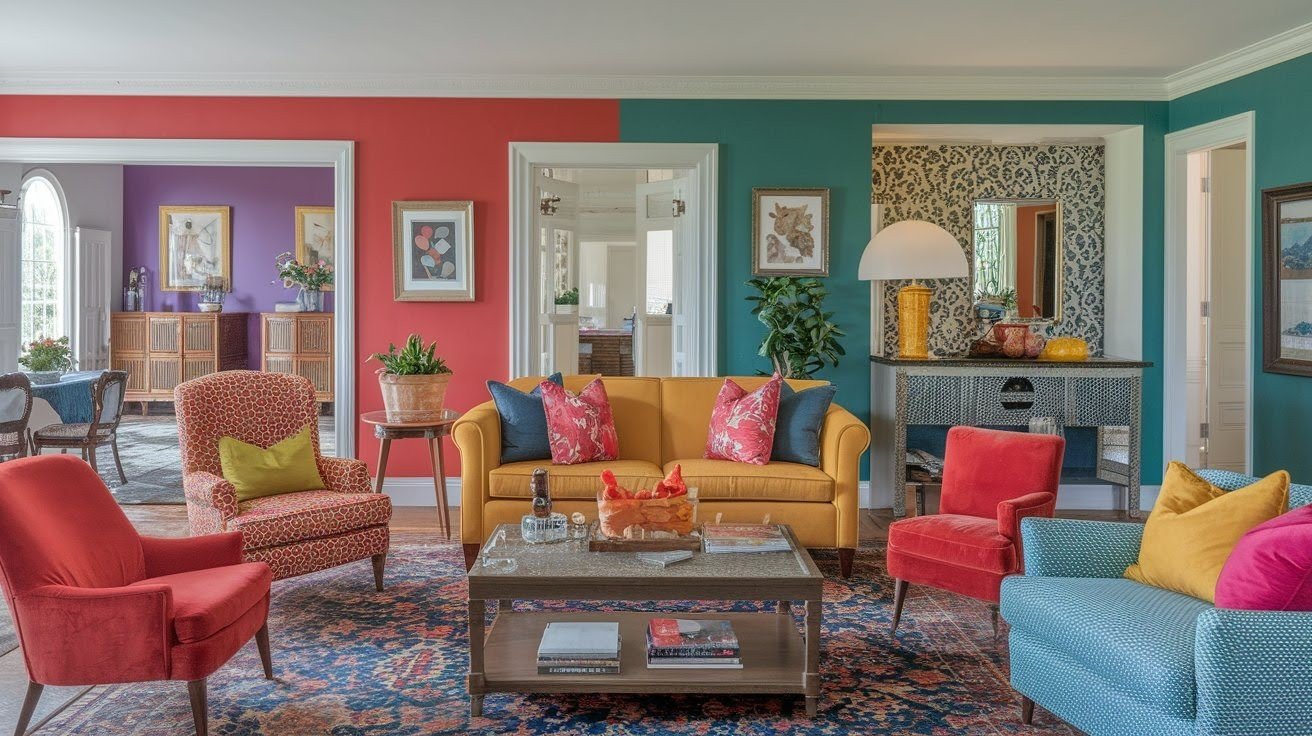
Eclectic design lets you mix different time periods, colors, and patterns in one space. It brings energy and personality into your home. You might pair a vintage chair with a modern coffee table, or combine bright pillows with a classic sofa.
This style works well for landed house interior design because you can give each room its own character. One room might feel bohemian while another looks more formal. You can use darker, bolder colors without making spaces feel small or closed in. The key is mixing textures and patterns while keeping things somewhat organized so it doesn’t look messy.
Industrial Look

Industrial design shows off raw, unfinished materials. Think exposed brick walls, visible beams, concrete floors, and metal fixtures. The color scheme tends toward cool, dark tones like charcoal, black, and deep gray.
This style gives your home a modern yet practical feel. It’s perfect for landed house interior design when you want open-plan living spaces. The raw materials pair well with modern furniture to create balance. Steel and iron elements add an edgy touch. This look works especially well in kitchens and living areas where you want a strong, bold statement.
Scandinavian Design

Scandinavian style brings together simple design, function, and coziness. It uses lots of natural light through large windows, something landed houses have plenty of. Wood is the main material, showing up in floors, furniture, and accents.
The color palette stays soft with whites, light grays, and natural wood tones. This creates a warm, inviting feeling throughout your home. For landed house interior design, Scandinavian style makes great use of all those windows by keeping spaces bright and airy. Add soft fabrics like wool throws and linen curtains to make rooms feel extra comfortable and lived-in.
Contemporary Style
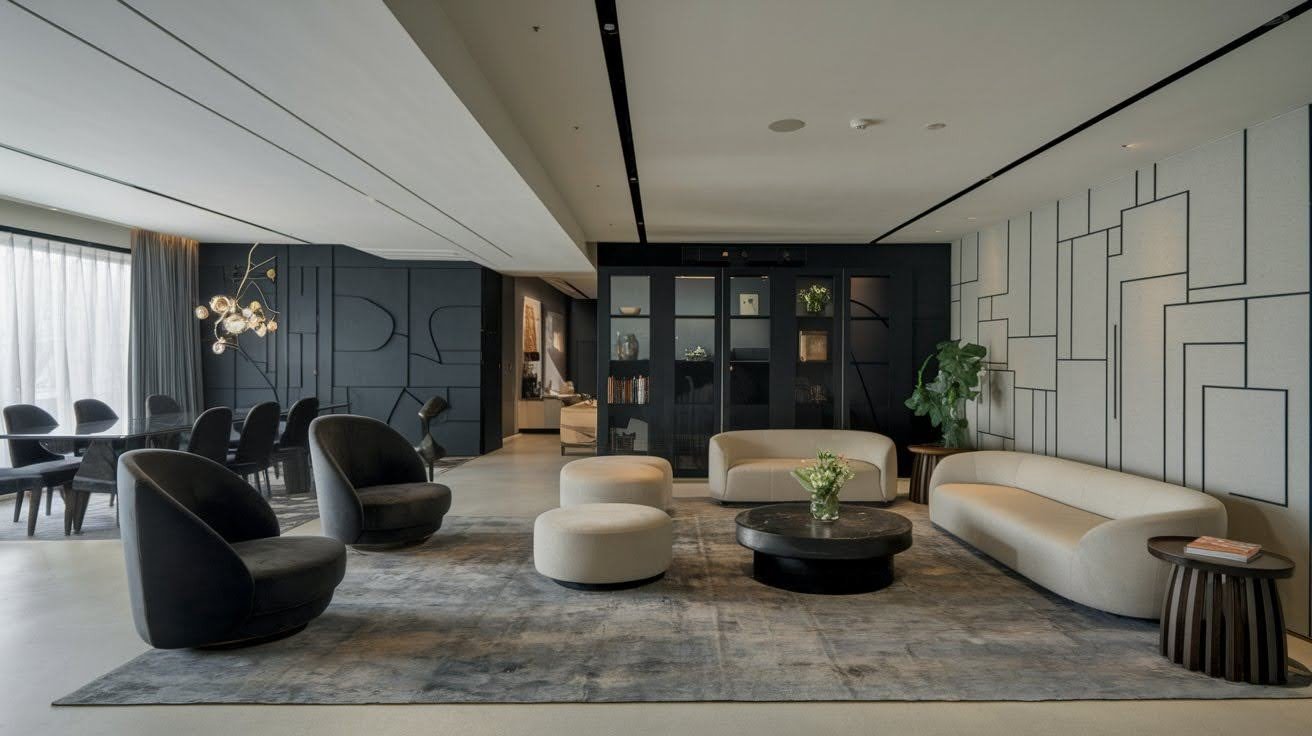
Contemporary design means what’s popular and trending right now. It takes current ideas and mixes them. You might see darker colors paired with futuristic touches, or curved furniture mixed with art deco elements.
The benefit of this style is that you can change and update it easily as trends shift. Landed house interior design works well with contemporary looks because you have space to move furniture around and try new layouts. The extra room lets you experiment without feeling cramped. This style gives you freedom to follow your taste and keep things fresh.
Traditional/Classic Design
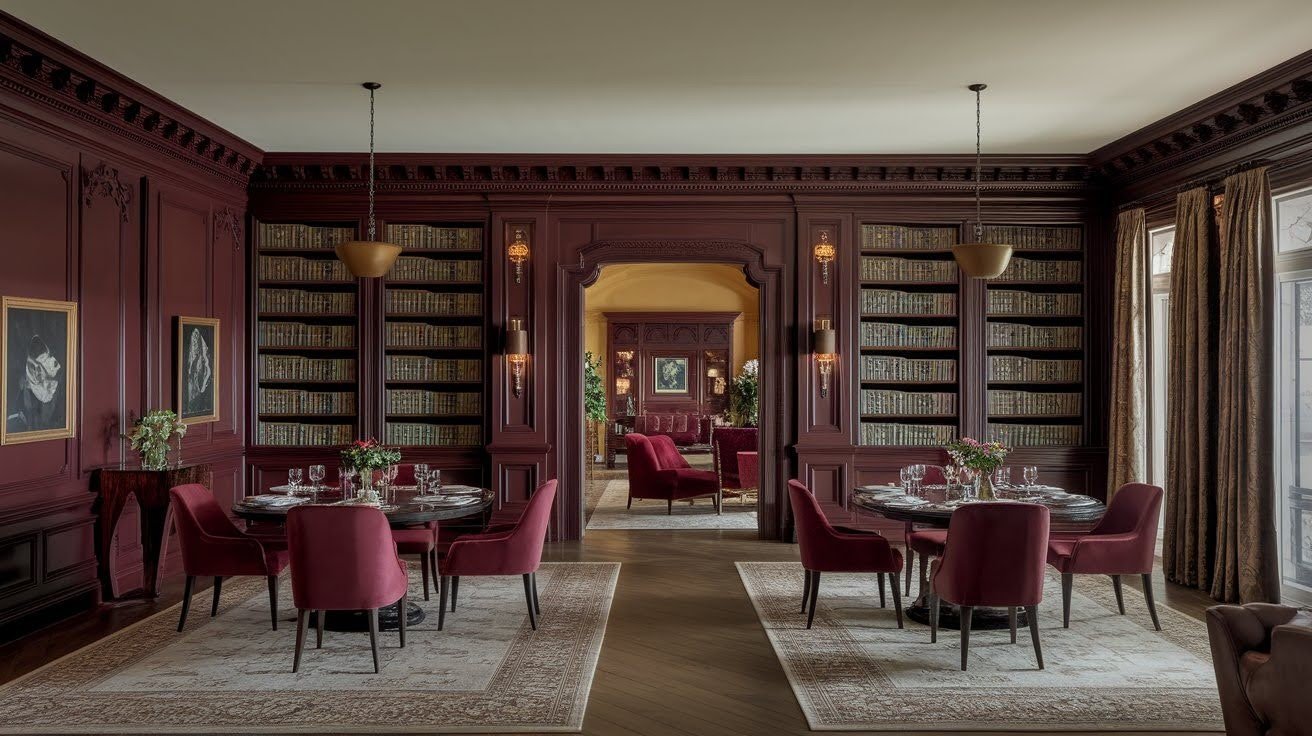
Traditional design offers a timeless look with rich materials and detailed finishes. Features include wood paneling, crown molding, built-in bookcases, and ornate details. The color palette uses warm, rich tones like burgundy, forest green, gold, and deep brown.
This style creates a formal, refined feeling in your home. It’s perfect for landed house interior design because you have space for larger furniture pieces like four-poster beds and big dining tables. Traditional design works especially well in formal dining rooms and living areas where you entertain guests. The classic look never goes out of style.
Modern Tropical Style

Modern tropical brings the outdoor feeling inside your home. It uses natural materials like rattan, bamboo, wicker, and stone. Plants and greenery play a big role, from small potted plants to larger indoor trees.
The color palette includes greens, earthy browns, and clean whites. This creates a fresh, relaxing mood perfect for unwinding. Modern tropical landed house interior design works wonderfully because you can create indoor gardens or green corners. The style suits Singapore’s climate well, helping your home feel cool and natural even during hot days.
Practical Tips for Your Landed House Interior Design
Before you start buying furniture and paint, take time to plan. Set a clear budget so you know what you can afford. Think about how your family will actually use each room. This helps you make smart choices.
Here are some key tips to remember:
- Consider the flow between spaces and how people move through your home
- Don’t fill every corner leave some breathing room
- Choose one main style, but allow some flexibility for personal touches
- Use different types of lighting to create various moods
- Plan storage solutions for all that extra space
- Work with professionals if the project feels too big
- Test paint colors on your actual walls before painting the whole room
- Think long-term when buying furniture quality pieces last longer
- Keep function in mind, not just how things look
- Take measurements before buying large items
Remember that your home should work for your daily life. Beautiful rooms that you can’t actually use won’t make you happy. Find the balance between style and comfort.
Conclusion
There is no other property type that gives you the design freedom of a landed house. You have the space, the flexibility and the control to create exactly what you want.
These seven styles have all been detailed here. Choose the one that resonates with you and your way of life. Or mix elements of several styles to create your own look.
The best landed house interior design comforts and makes people happy upon each return home. Consider the daily life of your family. It should reflect on who you are.
Try to design one room at a time, and don’t rush your interior planning project.
Frequently Asked Questions
How Much Does It Cost to Design a Landed House Interior?
Costs vary widely based on your home size, materials, and scope. Basic design might cost $50,000-$100,000, while full renovations can reach $200,000 or more. Your choices in furniture and finishes make the biggest difference.
How Long Does It Take to Complete Interior Design for a Landed House?
Most landed house projects take 3-6 months from start to finish. The timeline depends on renovation scope, material availability, and contractor schedules. Planning and design typically take 4-6 weeks before work begins.
Should I Hire an Interior Designer or Do It Myself?
DIY works if you have design skills, time, and a clear vision. Hiring professionals helps avoid costly mistakes and saves time. Consider your budget, experience level, and project complexity when deciding.
Can I Mix Different Design Styles in My Landed House?
Yes, mixing styles can work well. Keep a common thread like a color palette or materials to tie rooms together. Use the main style in common areas and try different looks in private spaces.
What Are the Best Materials for Landed House Interiors in Singapore?
Choose materials that handle humidity well treated wood, tiles, and moisture-resistant paint. Natural stone, bamboo, and rattan work great for tropical climates. Avoid materials that warp or mold easily.