

Does it seem like your living room is smaller than it is? A suitable furniture arrangement can help you with that challenge. This occurs when rooms are not properly designed.
Interior design space planning is the process of organizing your rooms for aesthetics and improved daily life. Interior designers locate furniture and other objects to optimize function and appearance in the room.
Well-executed space planning makes the most of every square foot, makes homes easier to navigate, makes living spaces feel more spacious, and makes a home overall more livable. This article, which explains how to create a small space plan, offers the fundamentals of space planning and a plan for achieving it.
What Is Space Planning?
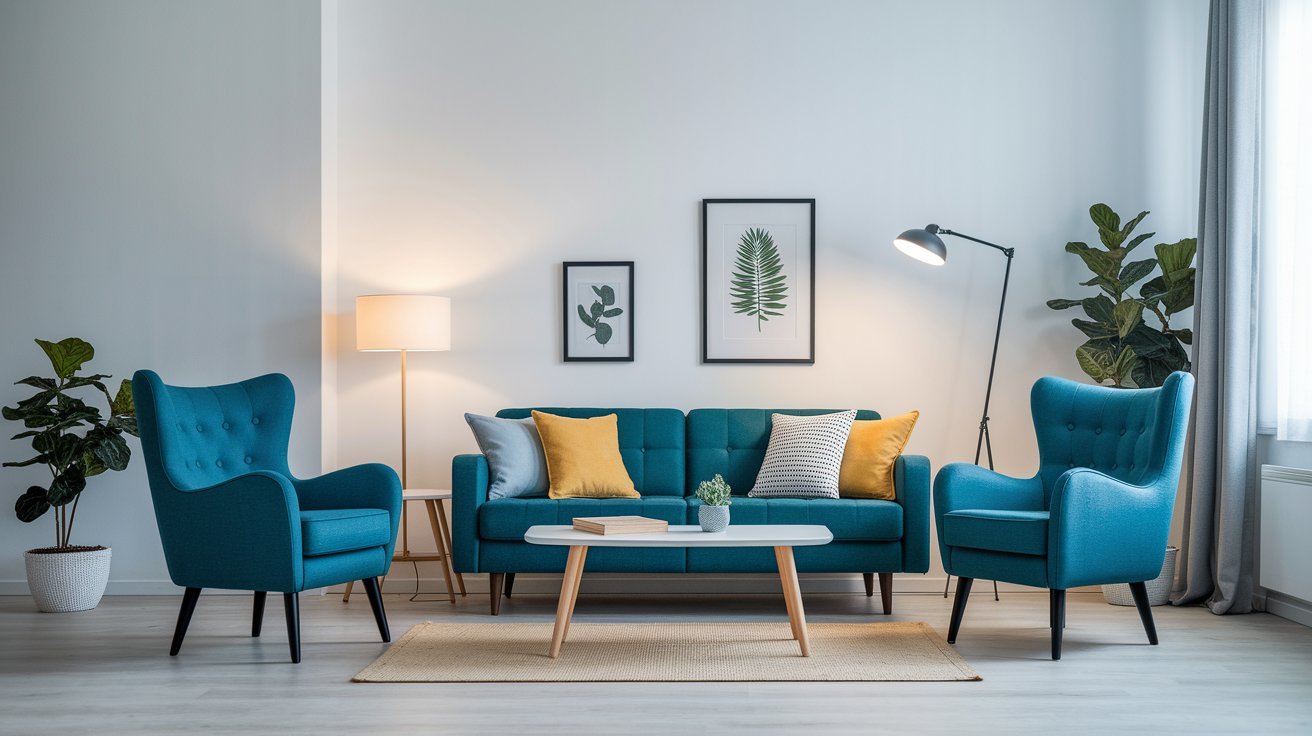
Interior design space planning means arranging furniture and other elements to use your space in the best way possible. It’s a mix of art and problem-solving that makes rooms both pretty and useful.
The main goals are simple. You want rooms that work well for what you do every day. You need smooth paths to walk through. And you want a balance between how things look and how they work.
Several key parts make up good space planning. These include how you lay out furniture, how people move through areas, and how you group spaces by what they’re used for. When beginners understand these basics, they save money and avoid mistakes. Most importantly, they create homes that actually fit how they live.
Why Space Planning Matters for Your Home
Planning your space well makes a real difference in how your home feels and functions.
Getting More from Your Square Footage

Small rooms can feel and work like they’re much bigger when you plan them right. The key is smartly using every corner.
Look for furniture that does more than one job. A storage ottoman holds blankets and gives you a place to sit. A sofa bed turns your living room into a guest room when needed.
Creating Better Flow

Moving between rooms should feel natural and easy. Interior design space planning helps you set up clear walkways that make sense for how you actually use your home.
Nobody wants to squeeze past furniture or take the long way around. When you avoid awkward placement that blocks paths, everyone in your home moves more comfortably.
Building a Balanced Look
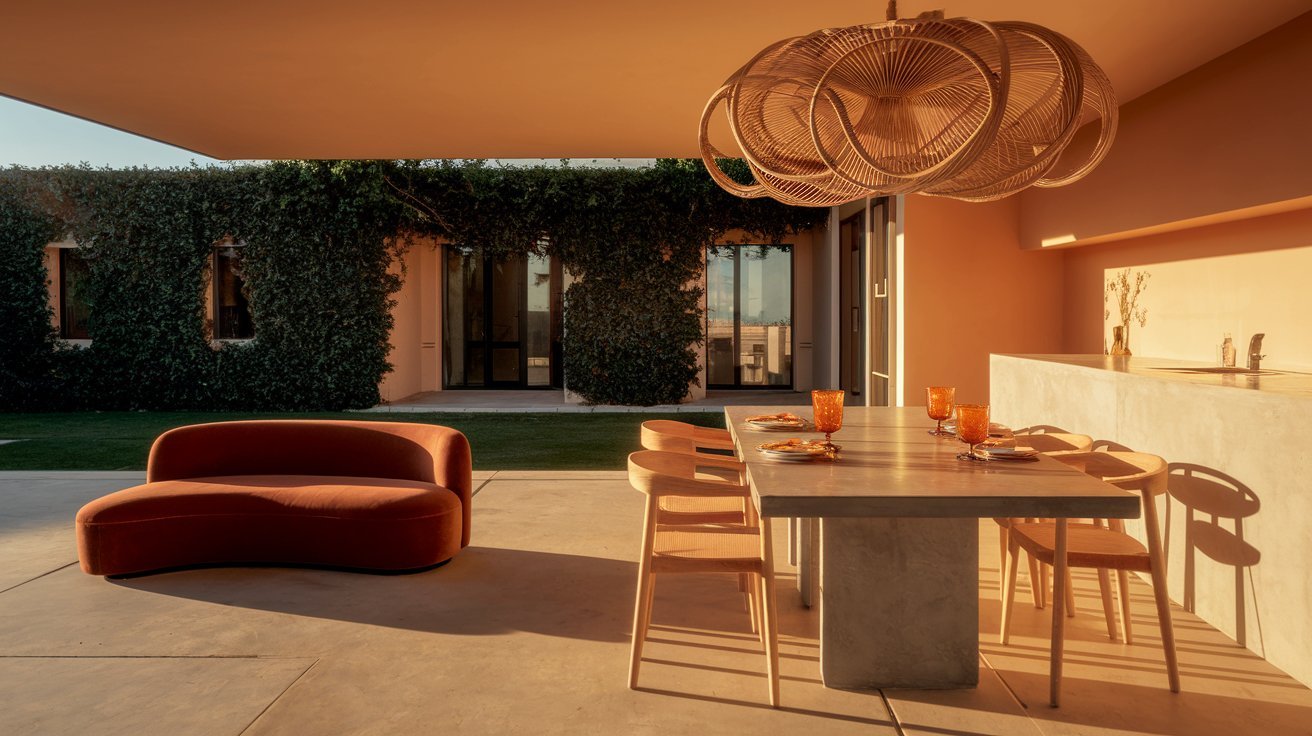
Rooms should feel “just right” when you walk in. This happens when furniture fits the size of each space properly.
Balance matters between different areas, too. When your living room, dining room, and kitchen all work together visually, your whole home feels more put-together.
Your Step-by-Step Space Planning Guide
Follow these five steps to plan any room in your home successfully.
Step 1: Measure Your Space

Start by taking careful measurements of your room’s length, width, and height. Write everything down so you don’t forget.
Mark where windows, doors, and built-in features sit. Note your outlets and light switches on your sketch too. Look for problem areas like odd corners or low ceilings that might limit what you can do.
Step 2: List What You Need

Write down every activity that happens in the room. Think about who uses the space and exactly how they use it.
Sort your list into must-haves and nice-to-haves. This helps when you need to make choices. Don’t forget about storage—most rooms need more than people first think.
Step 3: Draw a Basic Floor Plan

Sketch your room shape on paper, or use a free app if you prefer. Add the doors, windows, and features that can’t move.
Try out different ways to arrange your furniture on paper first. Interior design space planning works best when you test several layouts before picking one. This saves you from moving heavy furniture around multiple times.
Step 4: Choose Your Furniture

Pick pieces that actually fit your measurements. Furniture that’s too big ruins even the best plan.
Think about options that serve multiple purposes. A coffee table with shelves stores books and magazines. Consider how heavy each piece looks visually, not just its real weight. Make your full list before you start shopping.
Step 5: Test and Adjust

Use painter’s tape to mark where furniture will sit on your floor. This lets you see the real space each piece takes up.
Walk through the room like you normally would. Open doors and drawers to make sure nothing blocks them. Change your plan based on what feels right when you actually move through the space.
Common Mistakes DIYers Make
Even people who follow all the steps can make these common errors. Here’s how to avoid them.
- Putting Too Much in One Room
- Choosing Furniture That’s the Wrong Size
- Forgetting About Traffic Flow
- Not Planning for Future Needs
Pick movable pieces instead of built-ins when you can. A bookshelf on wheels beats a built-in unit if you might rearrange later. Think about life changes coming up—like kids, working from home, or aging parents moving in. Rooms should adapt as your needs shift.
Conclusion
In interior design, space planning is the act of designing interior spaces so they can be lived in and so they can make your home function more efficiently.
Measure everything, plan it out on paper first, try out your furniture arrangements with mock furniture, and work in one room at a time so you’ll get better as you go.
Don’t be afraid to mix things up again, and don’t be discouraged if it takes a few tries. Any home is supposed to be a labor-saving device. Put in the trouble and planning.
Frequently Asked Questions
How Much Does It Cost to Hire a Professional for Space Planning?
Professional space planners typically charge $50-150 per hour or $200-600 per room. It’s worth hiring one for difficult spaces, whole-house planning, or when you feel stuck.
Can I Do Space Planning Without Special Software?
Yes! Graph paper, a pencil, and a tape measure work great. Free apps like Roomsketcher or Planner 5D help too. You don’t need expensive programs to plan well.
How Long Should Space Planning Take?
Plan 2-3 hours for a small room and 4-6 hours for larger spaces. This includes measuring, sketching layouts, and testing options. Whole-house planning takes several days spread over weeks.
What’s the Biggest Space Planning Mistake People Make?
Buying furniture before measuring and planning the layout. This leads to pieces that don’t fit or work together. Always plan first, shop second.
Should I Plan My Entire House at Once or Room by Room?
Room by room works better for most people. It’s less overwhelming and lets you learn as you go. However, keep the whole house in mind so rooms feel connected.