

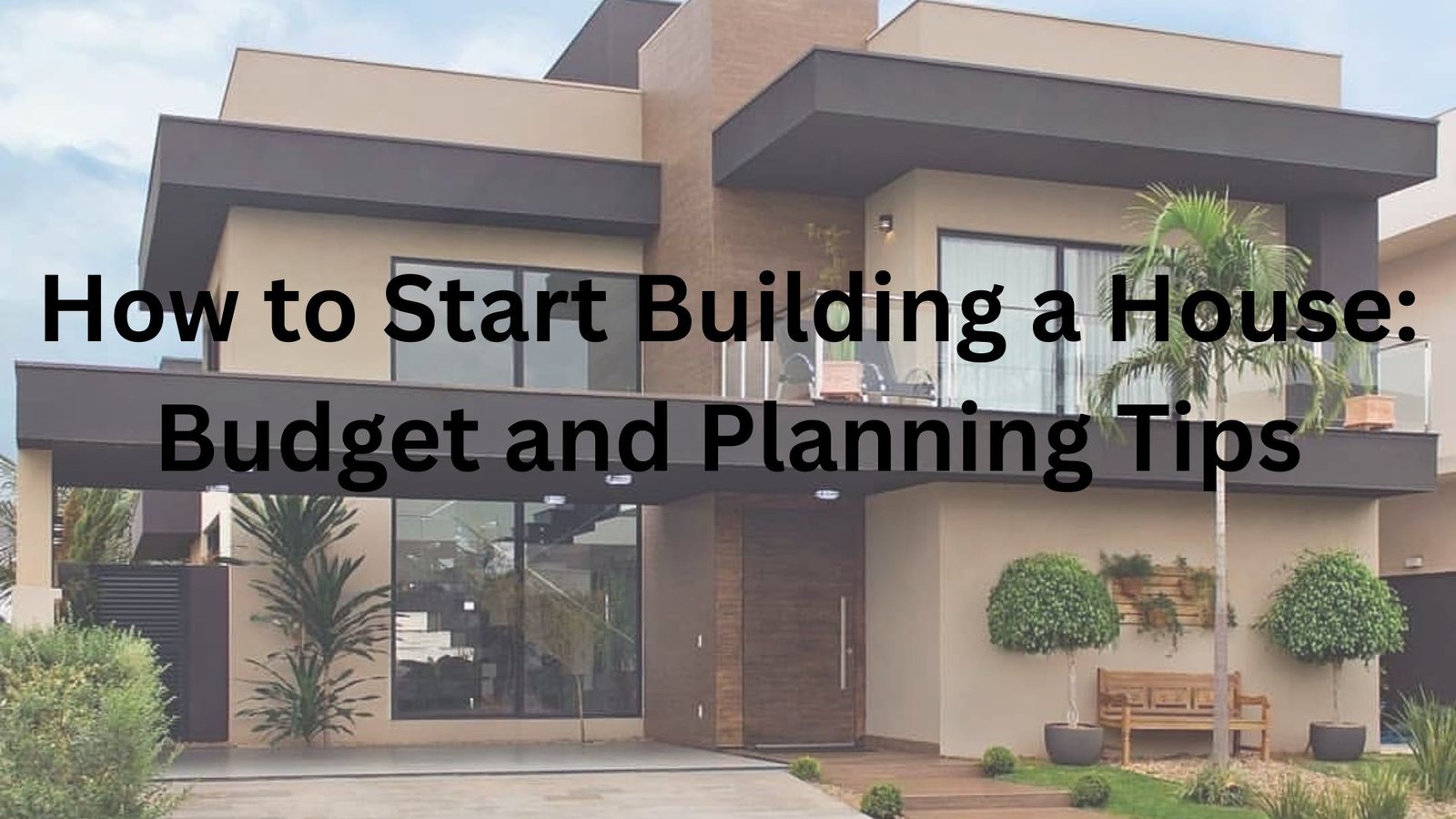
Building your own house is one of the biggest decisions you’ll ever make. It’s exciting to think about designing every room exactly how you want it, but the process can also feel overwhelming if you’re not sure where to begin.
Many people dream of creating their perfect home, but they don’t know what steps to take first or what problems might come up along the way. Learning how to start building a house means understanding what comes before you ever break ground.
You need to plan your budget, choose the right location, and put together a team of professionals who can help. This blog will walk you through everything you need to know before construction begins. By the end, you’ll have a clear idea of how to start building a house the right way.
What You Need to Know Before Starting House Construction?

Before you think about laying a foundation, you need to figure out what matters most to you. Do you need a home office? How many bedrooms will your family use? What kind of neighborhood do you want to live in? These questions help you focus on what’s truly important. When you know your priorities, you can make better choices about design and features.
Next, create a complete plan and a budget that covers everything. Your budget should include the cost of land, construction materials, labor, permits, and landscaping. Don’t forget to add 10-15% extra for unexpected problems. Things like bad weather, material price increases, or hidden site issues happen on almost every project. Having extra money set aside keeps your project moving forward when surprises pop up.
Finally, understand that building a home takes timeusually at least two years from start to finish. You’ll spend months finding the right property, several more months on design and permits, and six to twelve months on actual construction. Research your location carefully to learn about zoning laws, building codes, and site conditions. You’ll also need to get permits and work with professionals like contractors and architects. When you know how to start building a house with proper planning, you set yourself up for success.
Essential Things to Consider Before Building Your Home
These seven areas will shape every decision you make during your build. Each one deserves careful thought and research before you move forward.
1. Set Clear Priorities for Your New Home

Start by making two lists: what you absolutely must have and what would be nice to have. Your must-haves might include four bedrooms, a large kitchen, or a flat backyard for kids to play. Nice-to-haves could be a walk-in closet, a fancy bathroom, or a three-car garage. Being honest about the difference helps you stay within budget when tough choices come up.
Think about how your family lives now and how that might change in the future. Will you need a home office? Do you want space for aging parents to visit? Are you planning to have more children? Also consider energy efficiency from the start. Installing good insulation, energy-efficient windows, and solar panels costs less during construction than adding them later. These choices affect both your comfort and your monthly bills for years to come.
2. Choose the Right Type of Home Build

You have three main options when learning how to start building a house. Spec homes are built in developments where builders create houses with some options for buyers to choose from. You get to pick things like paint colors, flooring, and fixtures, but the basic design is already set. These homes cost less and finish faster than custom builds.
Tract homes follow pre-planned designs in communities where many houses look similar. They’re the most affordable option and have the shortest timelines. Custom homes give you complete control over every detail, from the floor plan to the doorknobs. You work directly with an architect and builder to create exactly what you want. Custom homes cost the most and take the longest, but you get a one-of-a-kind result. Compare the costs and control levels for each option to decide what fits your needs and budget best.
3. Create a Realistic Budget with Room for Changes
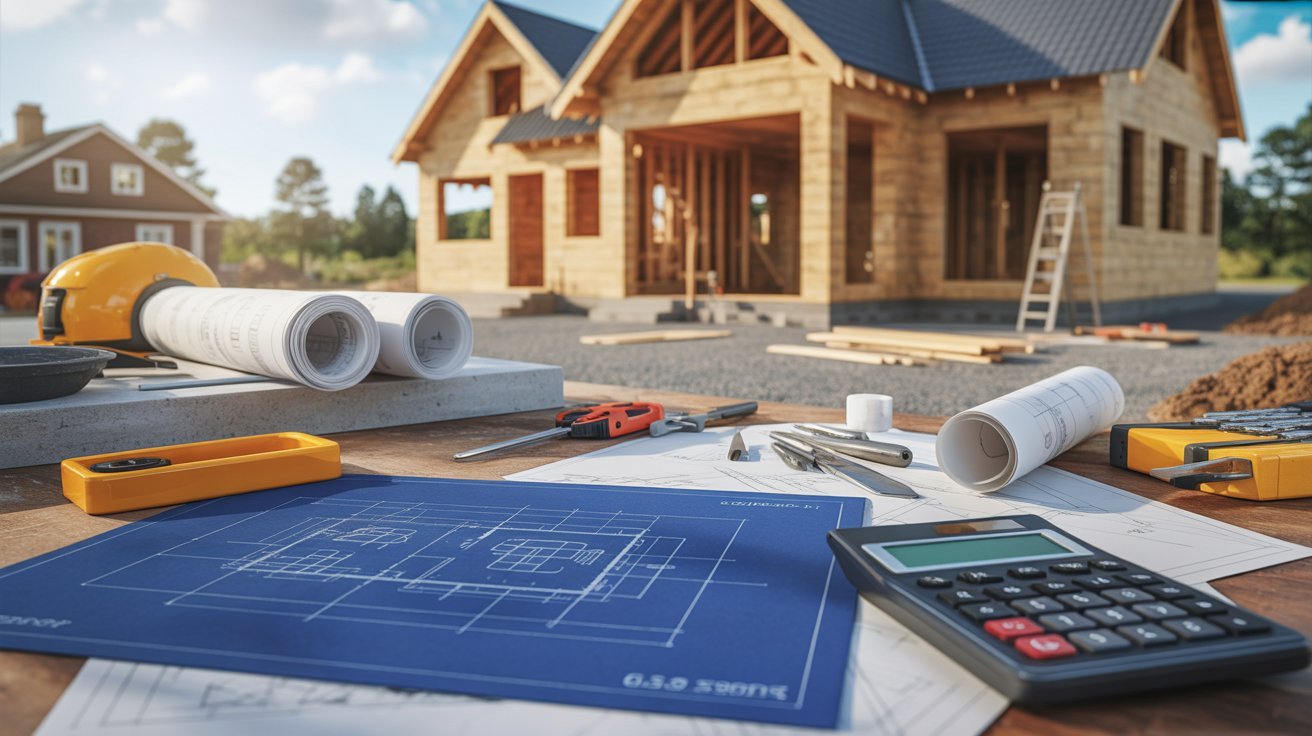
Research what homes cost per square foot in your area. This gives you a starting point for planning. Remember that your total budget needs to cover more than just construction. You’ll pay for land, permits, inspections, landscaping, driveways, and utility connections. Each of these adds up quickly.
Set aside 10-15% of your total budget for things you can’t predict. Material prices might go up. You might find rock under your building site that needs removal. The weather could delay work and increase labor costs. Online tools like BuildBook can help you estimate costs and track expenses. Be ready to speak up for your budget throughout the process. Contractors and designers will suggest upgrades, but you need to decide what’s worth the extra money and what isn’t.
4. Understand the True Timeline for Building

Building a house takes much longer than most people expect. First, you’ll spend several months looking for the right property and interviewing professionals. The design phase takes three to five months while your architect creates plans and you make decisions about layout and features. Then you’ll wait one to three months for permits, though this varies a lot by location.
Construction itself usually takes six to twelve months, depending on the size and complexity of your home. Always add buffer time for delays caused by weather, material shortages, or inspection problems. From the day you start looking at land to the day you get your keys, expect at least two years. Some projects take even longer. Understanding this timeline helps you plan when to sell your current home, when to give notice on a rental, and when you can actually move in.
5. Research Your Building Location Thoroughly
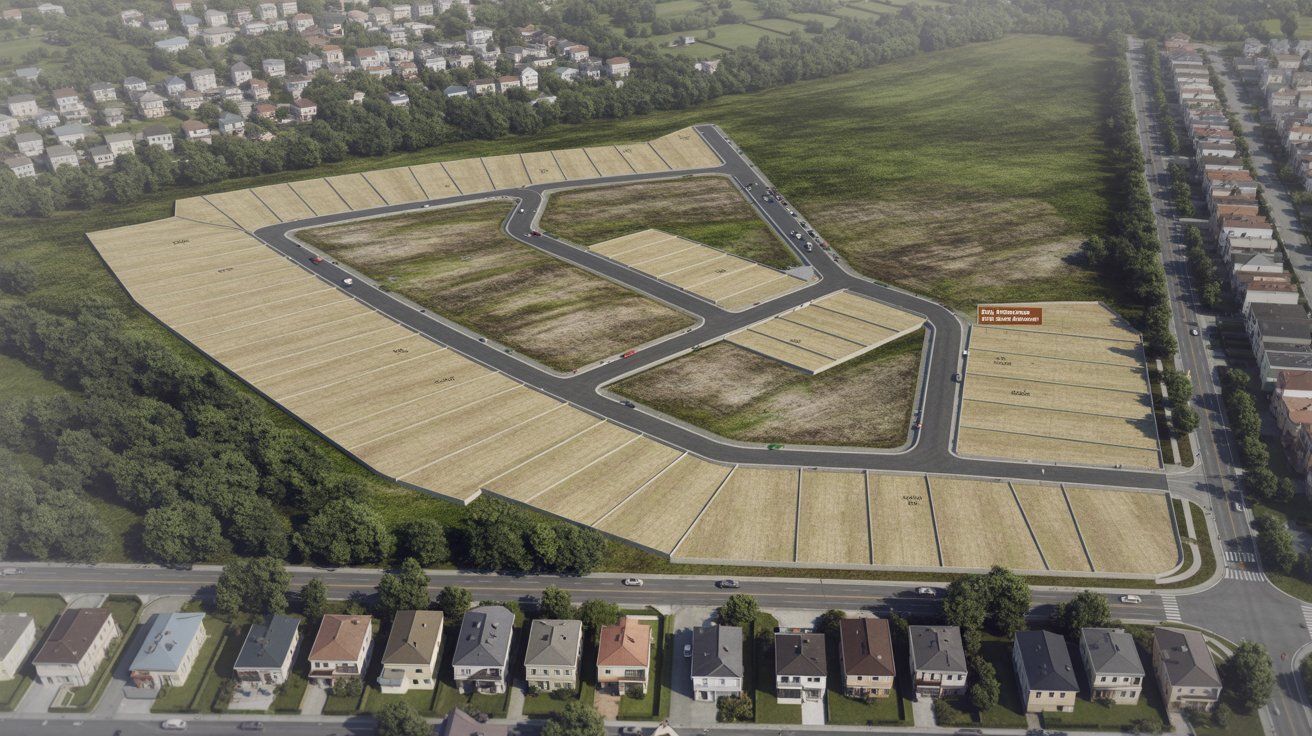
The location you choose affects everything about how to start building a house. Check local zoning laws to make sure you can build the type and size of home you want. Some areas limit building height, require certain setbacks from property lines, or don’t allow certain home styles. Building codes tell you what standards your home must meet for safety and quality.
Look at the physical features of the land. Is it flat or sloped? Does water drain well, or does it flood? Can construction trucks reach the site easily? Check if utilities like water, sewer, and electricity are already available or if you’ll need to pay to bring them to the property. Research the quality of local schools, nearby shopping and services, and neighborhood safety. Also, think about weather patterns and natural disaster risks. If you’re building in an area with hurricanes, earthquakes, or floods, you’ll need special insurance and construction methods that meet local requirements.
6. Assemble Your Building Team Early

Finding the right general contractor or custom home builder is one of the most important steps. This person will manage your entire project, including hiring and overseeing all the specialists you need. The average home construction project uses about 22 different subcontractors for jobs like plumbing, electrical work, roofing, and painting.
Your contractor handles getting permits, creating cost estimates, and setting timelines. They solve problems that come up during construction and make sure everything meets building codes. Interview at least three contractors before making your choice. Ask for references and visit homes they’ve built in the past. Check their licenses and insurance. A good contractor makes the difference between a smooth build and a stressful one.
7. Learn About Permits and Regulations

You cannot legally start construction without the right permits. Building permits typically cost $1,000 to $3,000, depending on your location and project size. You’ll also need separate permits for electrical work ($10-$500), plumbing ($50-$500), and HVAC systems ($250-$400). Some areas require additional permits for things like driveways, septic systems, or tree removal.
Your contractor usually handles all permit applications, but you should understand what’s required. Each permit requires inspections at different stages of construction. If the work doesn’t pass inspection, you’ll need to fix the problems before moving forward. Never try to skip permits to save money or time. Building without permits can result in huge fines, difficulty selling your home later, and problems with insurance claims. Following the rules protects your investment.
Helpful Tips for First-Time Home Builders
The more research you do before starting construction, the fewer problems you’ll face later. Take your time learning about every step of the process and don’t be afraid to ask questions.
- Visit model homes and active construction sites to see what different building methods look like
- Ask your contractor to explain anything you don’t understandthere are no stupid questions.
- Get everything in writing, including agreements, changes, and cost estimates.
- Stay flexible on small details but firm on your main priorities
- Build a good relationship with your construction team through respect and clear communication
- Schedule regular site visits to check on progress and catch potential issues early
- Keep your contingency fund completely separate from your main budget
- Don’t rush important decisions just to stay on schedule
- Think about resale value even when building your dream home
Learning how to start building a house means being prepared for both the expected steps and the surprises. These tips help you stay organized and make smart choices throughout the process.
Conclusion
Building your own home requires careful planning and a lot of patience. Understanding how to start building a house means researching costs, choosing the right location, and working with professionals who can guide you through each phase.
Take the time to think through your priorities and create a realistic budget. Don’t rush the planning stage. The decisions you make now affect your home for decades. Yes, the process takes a long time, and yes, unexpected problems will come up. But when you walk into a home that’s exactly what you wanted, built the way you planned, it’s worth the effort.
Start today by writing down what matters most to you in a home. Talk to people who have built homes recently and learn from their experiences. Your dream home is waiting, you just need to take that first step.
Frequently Asked Questions
Can I Build My Own House Without a Contractor?
Most places require a licensed contractor for building homes. Even skilled builders usually can’t construct their own houses without proper licensing. Some areas let you act as your own general contractor, but you’re responsible for all problems and inspections that come up.
How Much Should I Budget for Unexpected Costs?
Set aside 10-15% of your total construction budget for surprises. Design changes, material price increases, and site problems happen often. This extra money prevents delays when unexpected issues occur during your build.
What’s the Difference Between a General Contractor and a Custom Home Builder?
Custom home builders focus on designing and building unique homes from the ground up, often creating blueprints. General contractors oversee construction projects and manage subcontractors, but might not handle design. Both can successfully manage your home building project.
How Do I Find Land That’s Suitable for Building?
Work with a real estate agent familiar with local building sites. Check zoning rules, utility access, and soil quality. Make sure construction trucks and equipment can reach the land. Review environmental limits and building codes for that specific area.
Should I Buy a Spec Home or Build Custom?
Spec homes finish faster and cost less with limited choices for customization. Custom builds give you total control but cost more and take longer. Pick based on your budget, timeline, and how much personalization matters to you. Tract homes offer a middle option.