

I remember the first time someone told me modular homes could cost half of what a traditional home does. I didn’t believe it either.
But after digging into the numbers, talking to builders, and breaking it all down, I found out the truth is more interesting than I expected.
How much do modular homes cost? It’s not a one-size answer.
The price depends on things most buyers don’t even think about until it’s too late. Stick with me.
By the end, you’ll know exactly what to expect and how to plan smart.
General Cost Overview of Modular Homes
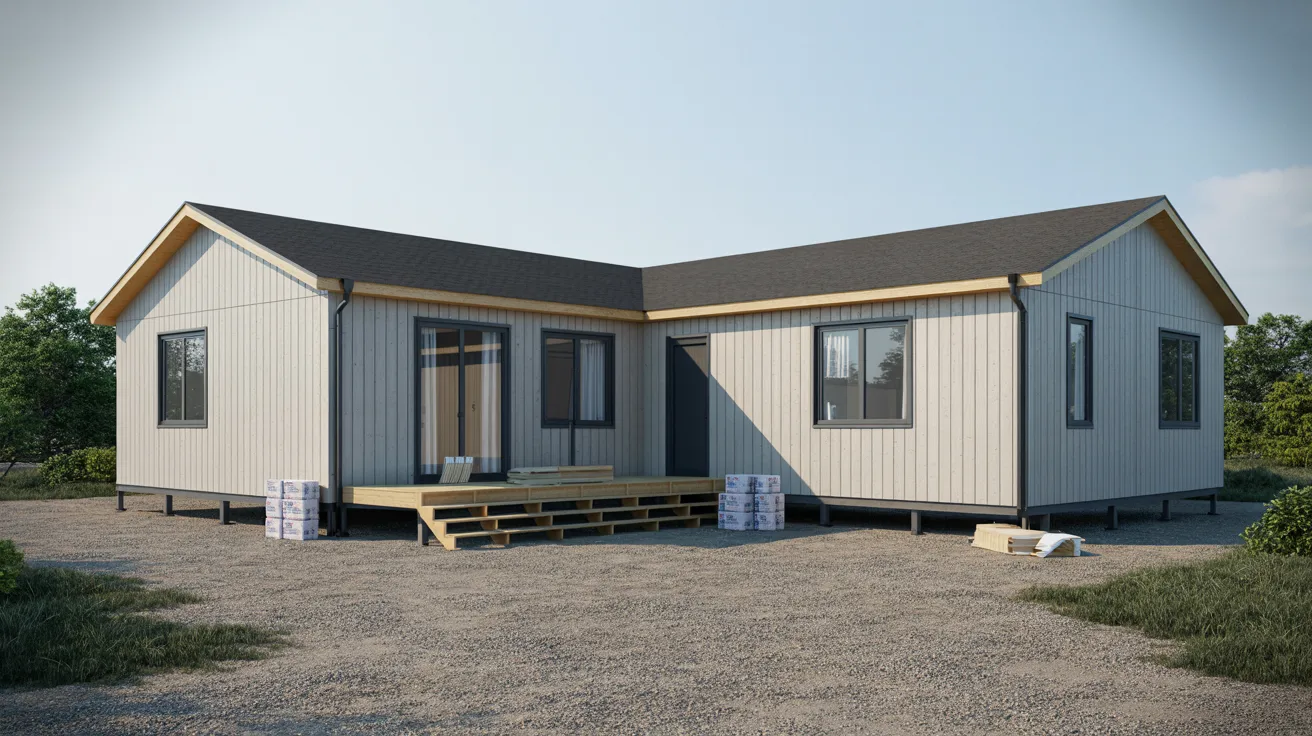
Here’s the straightforward answer first.
Most modular homes cost between $100 and $200 per square foot for the base unit. That means a 1,500 square foot home could run you anywhere from $150,000 to $300,000 before land and site work.
How much do modular homes cost to build in total? Once you factor in land, foundation, utilities, and finishing work, the full number typically lands between $200,000 and $400,000 for most buyers.
That said, it varies a lot. A simple single-story in a rural area will cost far less than a custom two-story near a city.
Compared to traditional homes, modular builds are generally 10 to 20 percent cheaper. The factory construction process cuts down on waste and labor time, and those savings get passed on to you.
Factors Influencing Modular Home Costs
No two modular home projects cost the same. Several things shape the final number, and knowing them helps you plan better.
1. Size and Square Footage

This is the biggest driver of cost. Bigger homes need more materials, more modules, and more labor on-site.
A small 800 square foot home might cost around $80,000 to $120,000 for the base unit. A 2,500 square foot home can push past $300,000 easily.
Cost per square foot also tends to drop slightly as size increases. Builders call this economy of scale.
2. Location and Site Prep
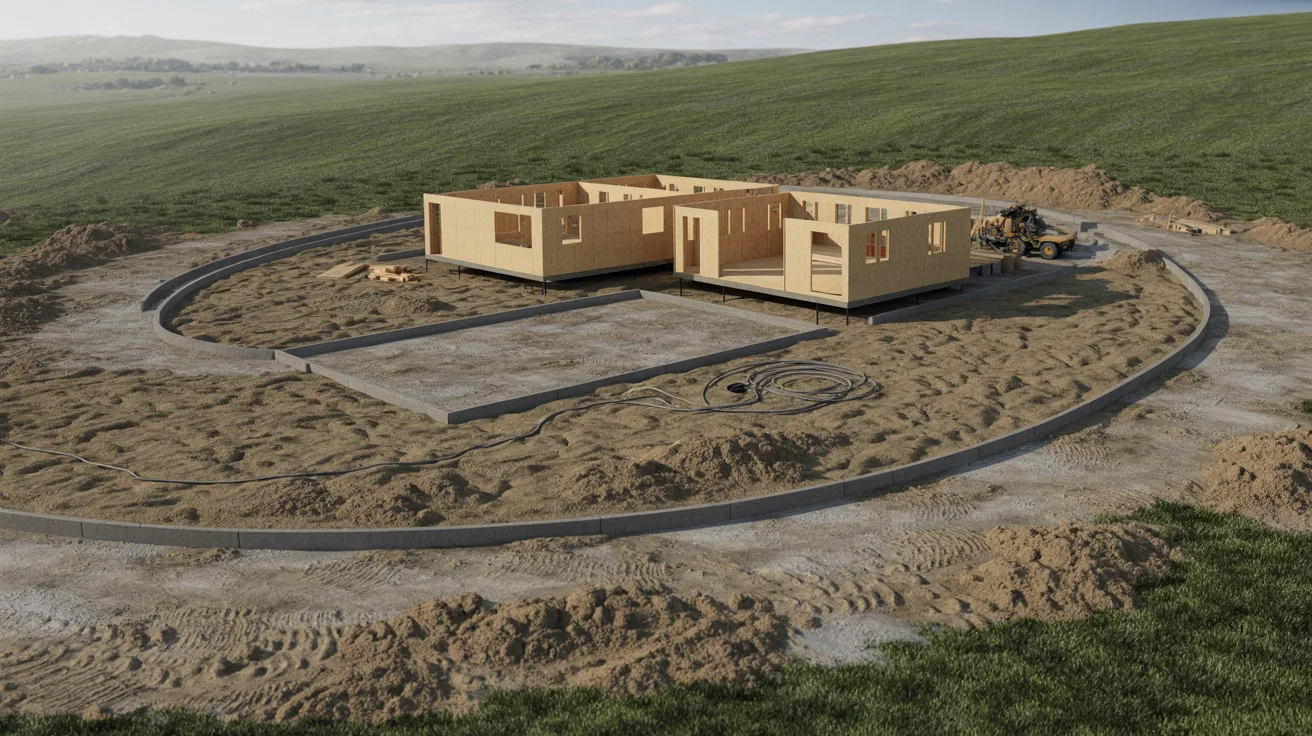
Where you build matters as much as what you build.
Land prices vary wildly by state and county. On top of that, site prep includes clearing the land, laying the foundation, and connecting water, sewer, and electricity.
Difficult terrain means higher prep costs. A flat, accessible lot is always the cheaper option.
Local building codes also play a role. Some areas have stricter rules that add time and cost to the process.
3. Design Complexity and Customization
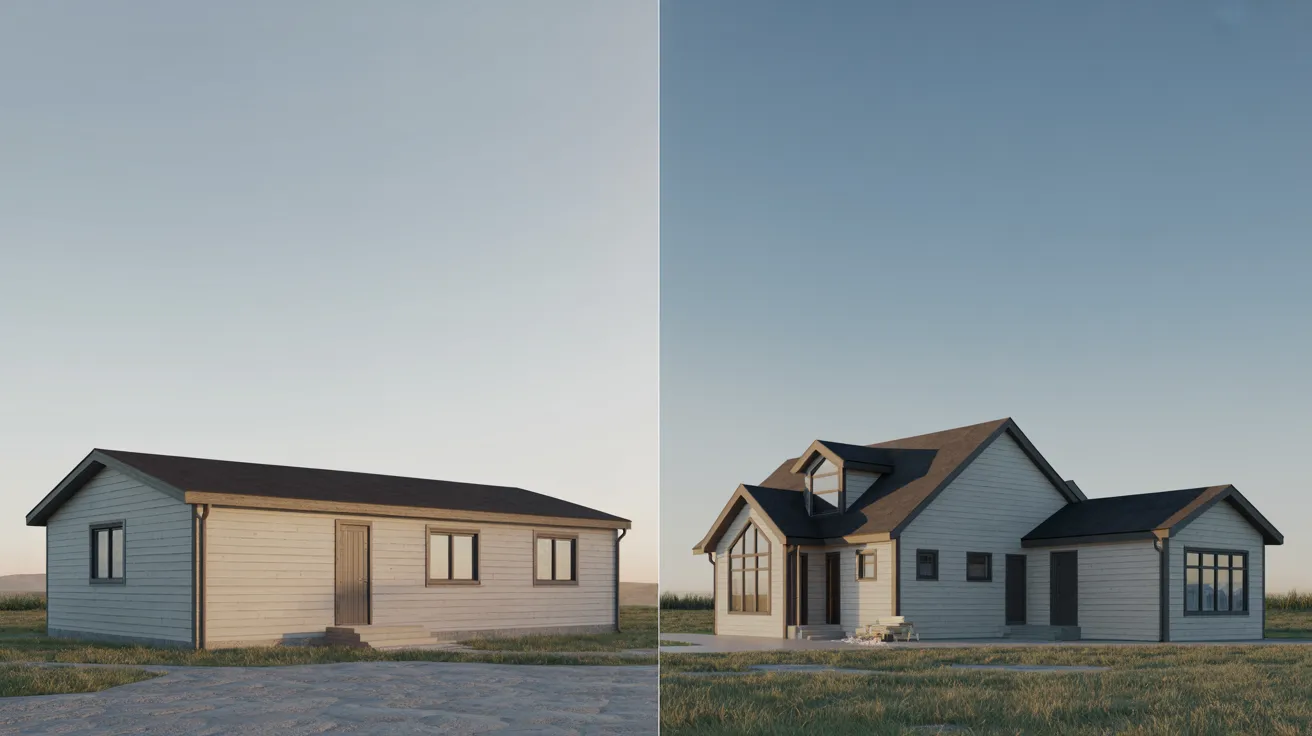
A simple rectangular floor plan costs less to build and assemble than one with multiple angles or add-ons.
Every upgrade you choose, an open kitchen, vaulted ceilings, extra bathrooms, adds to the base price. Some customizations double the original quote.
If budget is a concern, start with a standard floor plan and make small upgrades rather than going fully custom from the start.
4. Materials and Quality
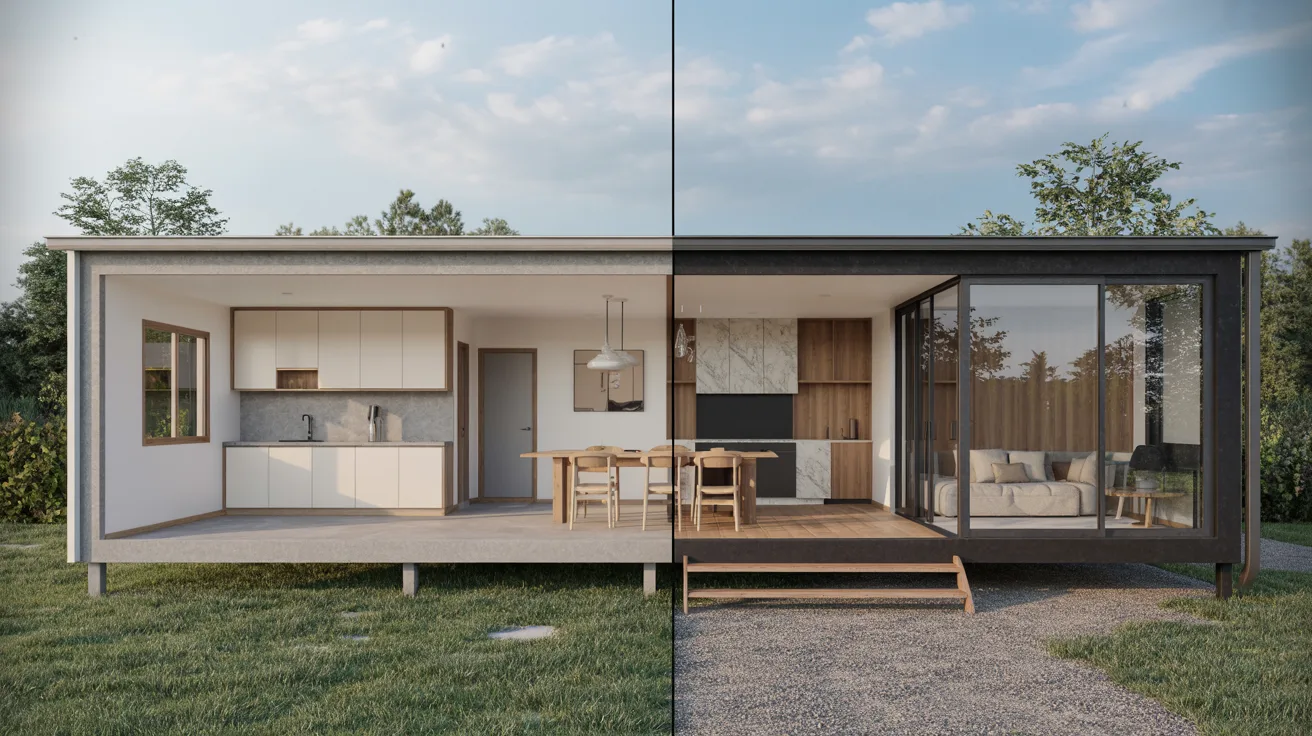
Standard materials keep costs low. Premium materials push them up fast.
Think about flooring, countertops, windows, and roofing. Choosing mid-range options across the board can save you tens of thousands.
That doesn’t mean you have to cut corners. It means being selective about where quality really matters to you.
5. Labor and Transportation

The modules are built in a factory, but they still need to be delivered and assembled on your site.
Delivery fees depend on distance from the factory to your land. Long hauls cost more. Assembly requires a crane and specialized crew, which adds another layer of cost.
Budget around $5,000 to $15,000 for transportation and on-site assembly, depending on your location and home size.
6. Permits and Fees
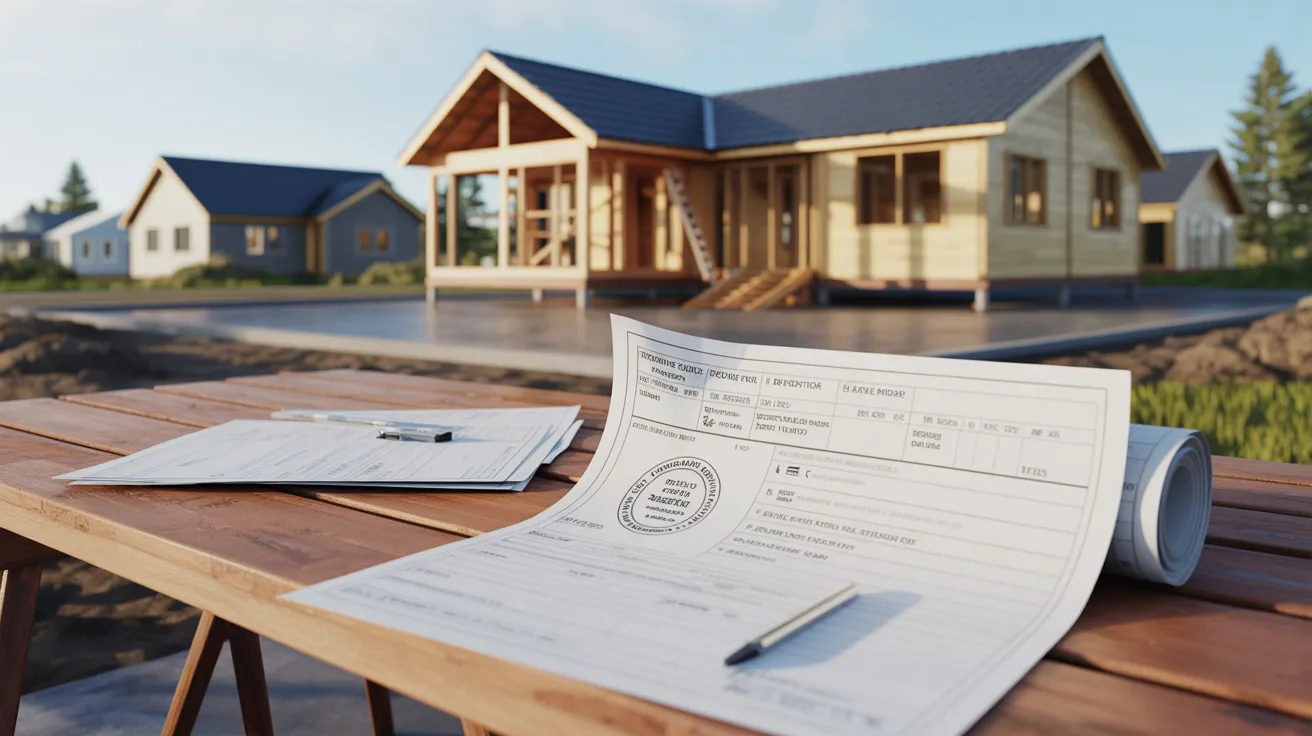
You can’t skip this part. Every modular home needs permits from your local government before construction begins.
Permit fees vary by location but typically run between $1,000 and $5,000. Inspections are usually required at multiple stages of the build.
Factor these in early. They’re not optional, and they’re easy to forget when you’re focused on the bigger numbers.
7. Financing and Insurance
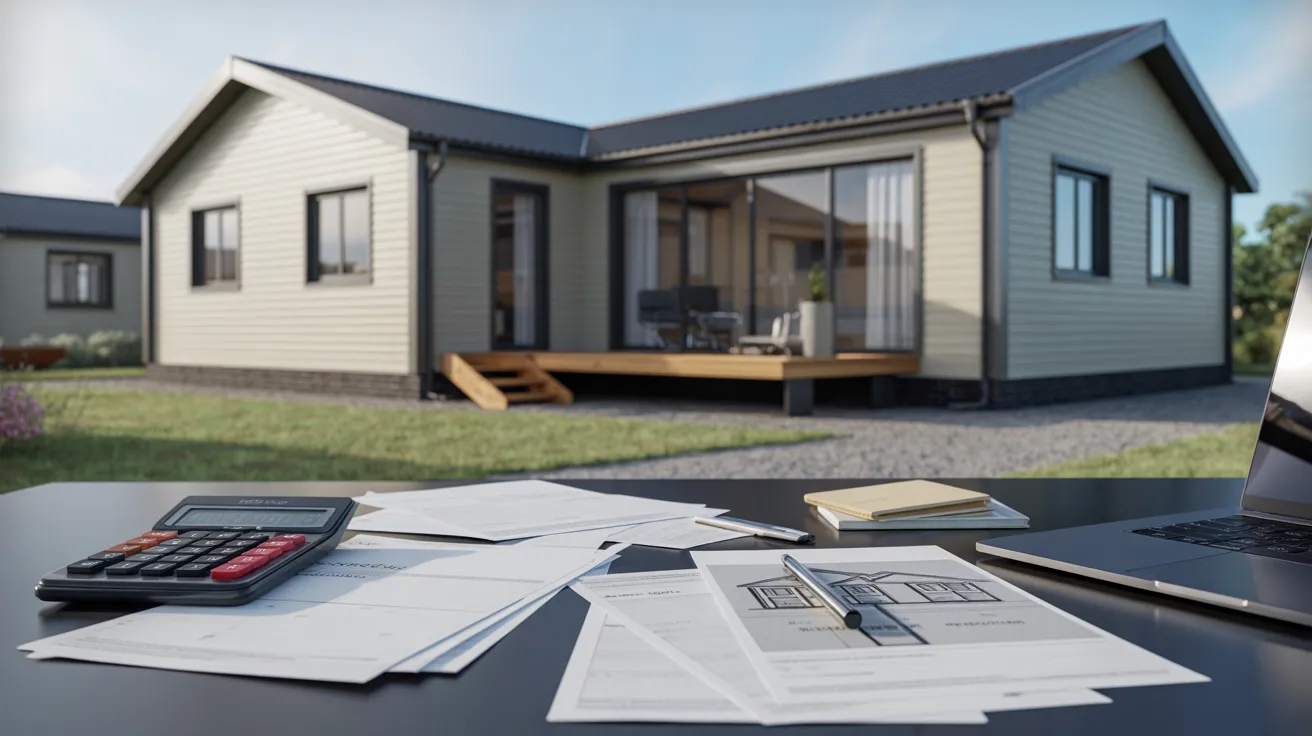
Financing a modular home works differently than a traditional mortgage in some cases.
Some lenders treat modular homes the same as site-built homes, which means standard mortgage rates apply. Others offer construction-to-permanent loans that roll building costs into one loan.
Insurance costs are also comparable to traditional homes once the structure is permanently placed. Get quotes from multiple providers before committing.
Popular Modular Home Styles and Their Costs
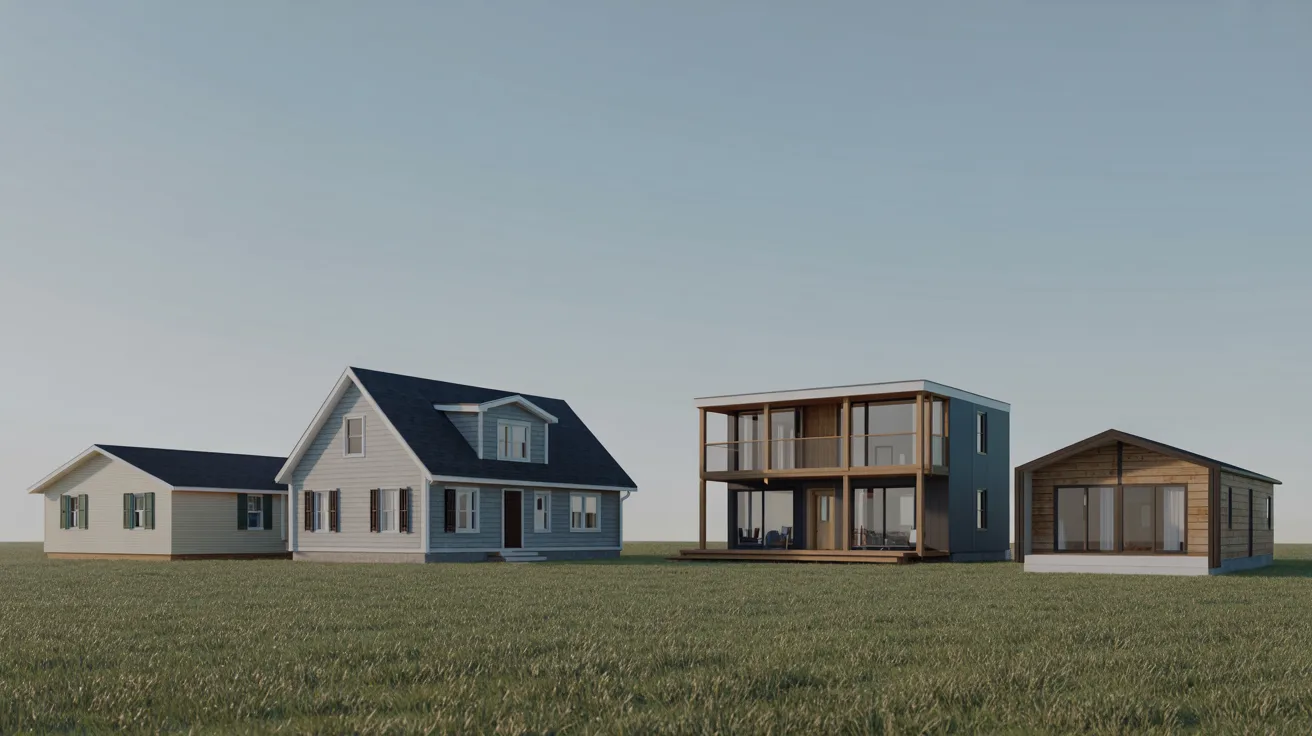
Modular homes come in more styles than most people expect. The style you choose has a direct impact on your total cost.
Here’s a quick look at common styles and what they typically cost:
- Ranch Style (Single-Story): Simple layout, easy to assemble. Costs range from $100,000 to $200,000 for a standard build.
- Cape Cod Style: Classic look with a steeper roof. Slightly more complex. Expect $150,000 to $250,000.
- Two-Story Modular: More square footage without a large land footprint. Costs run $200,000 to $350,000 depending on size.
- Contemporary/Modern Style: Clean lines, open layouts, larger windows. Premium finishes push costs to $250,000 to $400,000 or more.
- Cabin or Log-Style Modular: Popular in rural and mountain areas. Prices vary widely but start around $120,000 for a basic model.
Each style comes with its own assembly requirements and finishing needs. The more complex the design, the more time and money it takes to complete on-site.
Your best move is to compare multiple builders for each style. Prices differ significantly across manufacturers, even for the same square footage.
Tips to Save on Modular Home Costs
You don’t have to max out your budget to get a solid modular home. A few smart choices can bring the cost down significantly.
Here’s what actually works:
- Buy pre-designed plans. Custom floor plans cost more. Pre-designed ones are already tested and ready to go, which saves design fees and build time.
- Stick with standard finishes. Upgraded countertops and premium flooring are nice, but they add up fast. Standard options still look great and last well.
- Choose a site that’s ready to build on. Flat, cleared land with easy utility access cuts prep costs dramatically.
- Get at least three quotes from different builders. Prices vary more than you’d expect. Comparing bids is one of the easiest ways to save.
- Build during off-peak seasons. Some builders offer better pricing during slower months when demand drops.
The goal isn’t to go cheap. It’s to spend where it matters and pull back where it doesn’t. A little planning upfront saves a lot of stress later.
Comparing Modular Homes to Traditional Homes
Many buyers ask whether modular homes are really worth it compared to traditional builds. The answer, in most cases, is yes.
Here’s a side-by-side look:
| Feature | Modular Homes | Traditional Homes |
|---|---|---|
| Build Time | 3 to 6 months | 9 to 18 months |
| Cost Per Sq Ft | $100 to $200 | $150 to $300 |
| Price Predictability | High | Lower |
| Customization | Moderate to High | High |
| Weather Delays | Minimal | Common |
| Long-Term Value | Comparable | Comparable |
| Financing Options | Growing | Well-established |
Modular homes are built in controlled factory settings, which means fewer weather delays and tighter quality control. That directly reduces labor costs and build time.
The pricing is also more predictable. With traditional builds, unexpected costs are common. With modular, the factory quote is usually close to the final number.
Conclusion
Modular homes are not a compromise. They’re a smart choice. But the cost only works in your favor when you plan ahead.
Now you have the full picture. You know what drives prices up, what keeps them down, and what questions to ask before signing anything. So what’s your next move?
Drop your budget and home size in the comments. I’ll help you figure out what’s realistic for your situation.
And if this helped you, share it with someone who’s thinking about building. It might save them a costly mistake.
Frequently Asked Questions
How much does a typical modular home cost p3er square foot?
Most modular homes cost between $100 and $200 per square foot for the base unit, though total costs including land and site work are higher.
Does customizing a modular home significantly increase costs?
Yes, heavy customization can add tens of thousands of dollars to your total, so it’s wise to start with a standard plan and upgrade selectively.
Are modular homes cheaper than traditional homes?
Generally yes, modular homes tend to cost 10 to 20 percent less than comparable traditional builds due to factory efficiency and shorter build times.
What hidden costs should I consider when building a modular home?
Site prep, foundation work, utility connections, permits, transportation, and on-site assembly are costs that many buyers overlook in their initial budget.
How long does it take to build a modular home from start to finish?
Most modular homes are completed within 3 to 6 months, which is significantly faster than the 9 to 18 months a traditional home typically takes.