
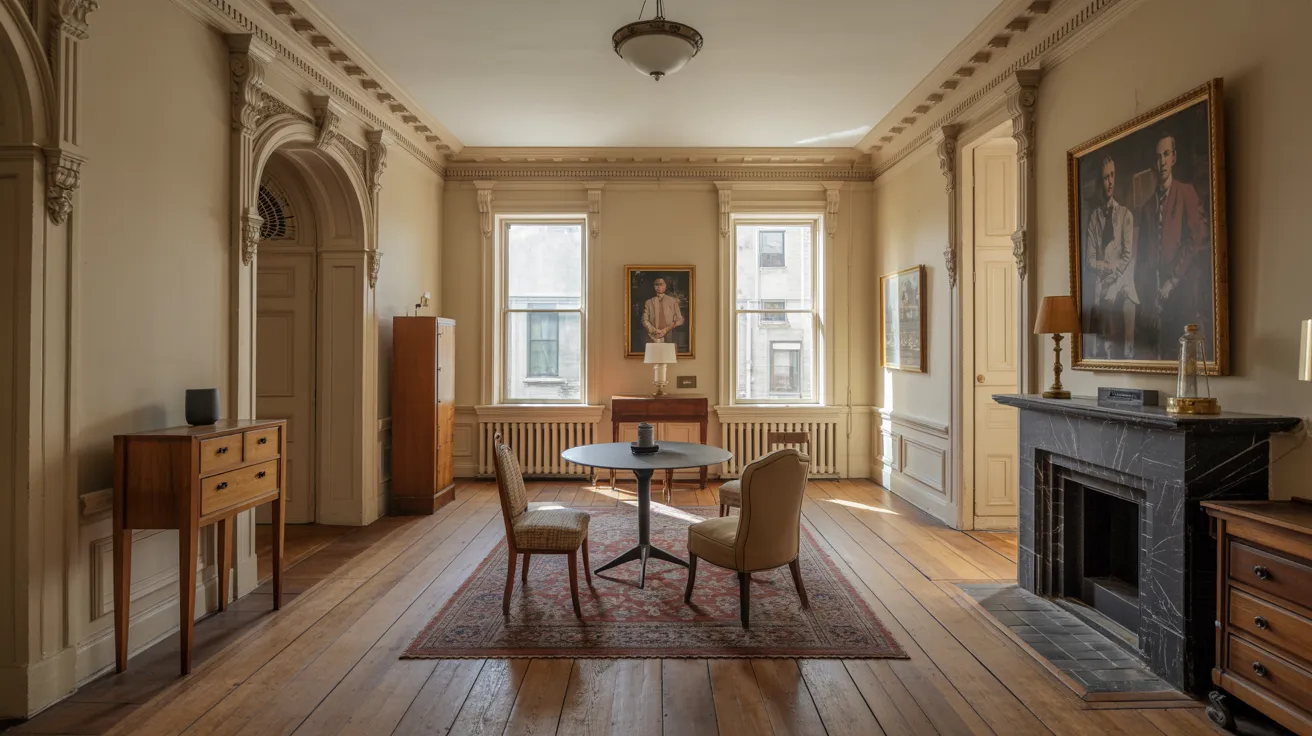
I have always loved old houses. There is something about walking into a home with original wood floors and detailed moldings that feels alive. But making these spaces work for modern life is not always simple.
This article covers historic home interior design ideas that actually work. I will show you how to preserve what makes your home special while adding real comfort.
From room-by-room tips to common mistakes people make, you will leave with a clear plan.
I have helped many homeowners find this balance, and the results speak for themselves.
Core Principles of Historic Home Interior Design

Good design in an old house starts with respect for its walls, floors, ceilings, and the story it already tells.
Most old homes have features modern builds simply cannot copy, like plaster ceilings, wide-plank floors, and hand-carved moldings. These are worth saving.
The goal is not a museum though. You still need a working kitchen, a comfortable sofa, and good lighting. Blending eras creates rooms that feel warm and real.
The best historic interiors look collected over time, not designed in a single afternoon. Add pieces slowly, avoid over-polishing, and leave the imperfections. They are part of the charm.
All Historic Home Interior Design Ideas
A full breakdown of proven ideas to honor your home’s history while making it livable and personal.
Preserve Original Architectural Details
 >
>
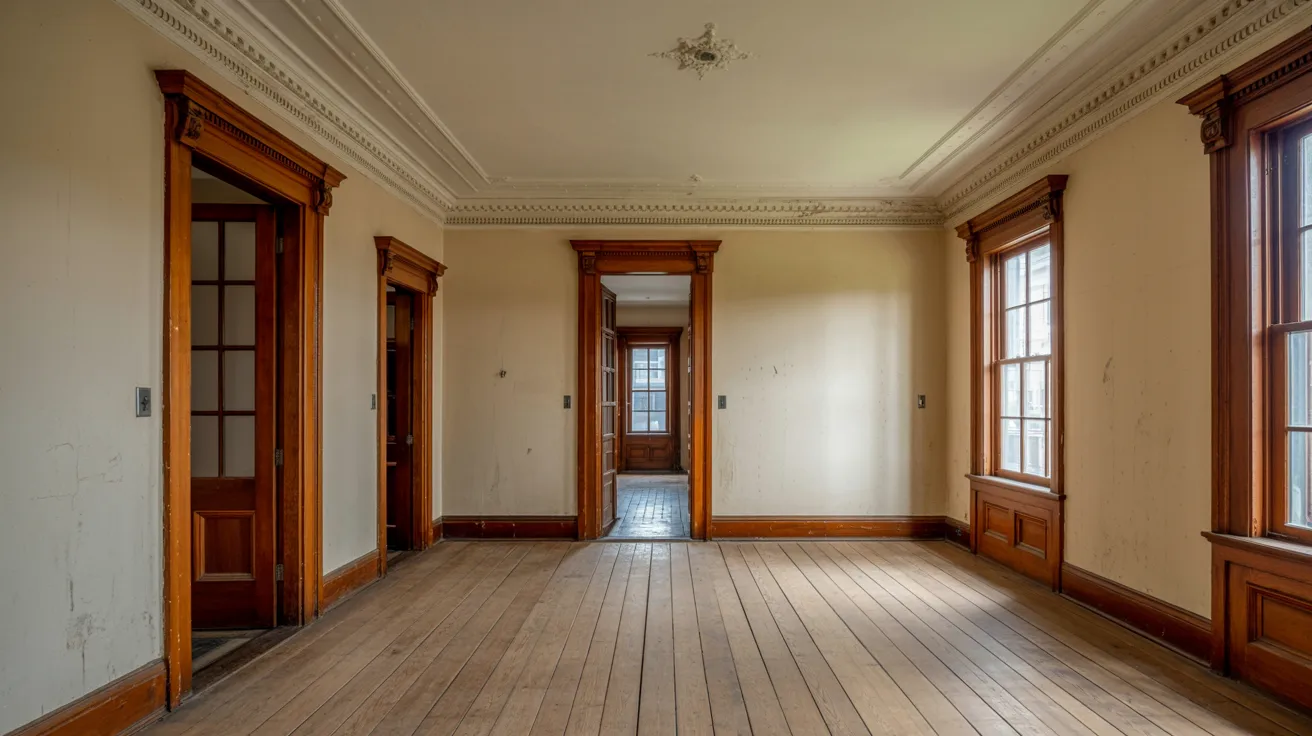
Original features give a historic home its real character. Restore crown moldings, hardwood floors, and plaster walls instead of replacing them.
Sand and refinish rather than cover. Keep the chips and uneven surfaces. They are history, not flaws.
Blend Vintage and Modern Furniture
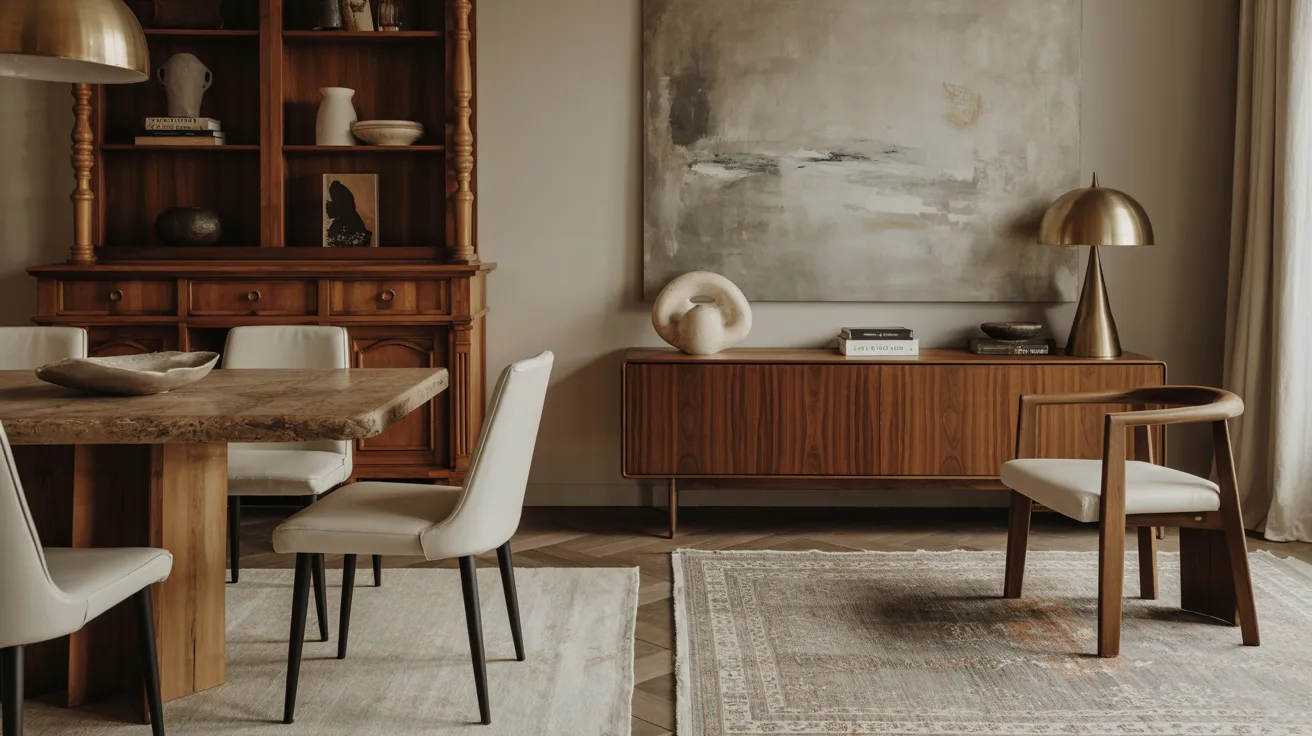
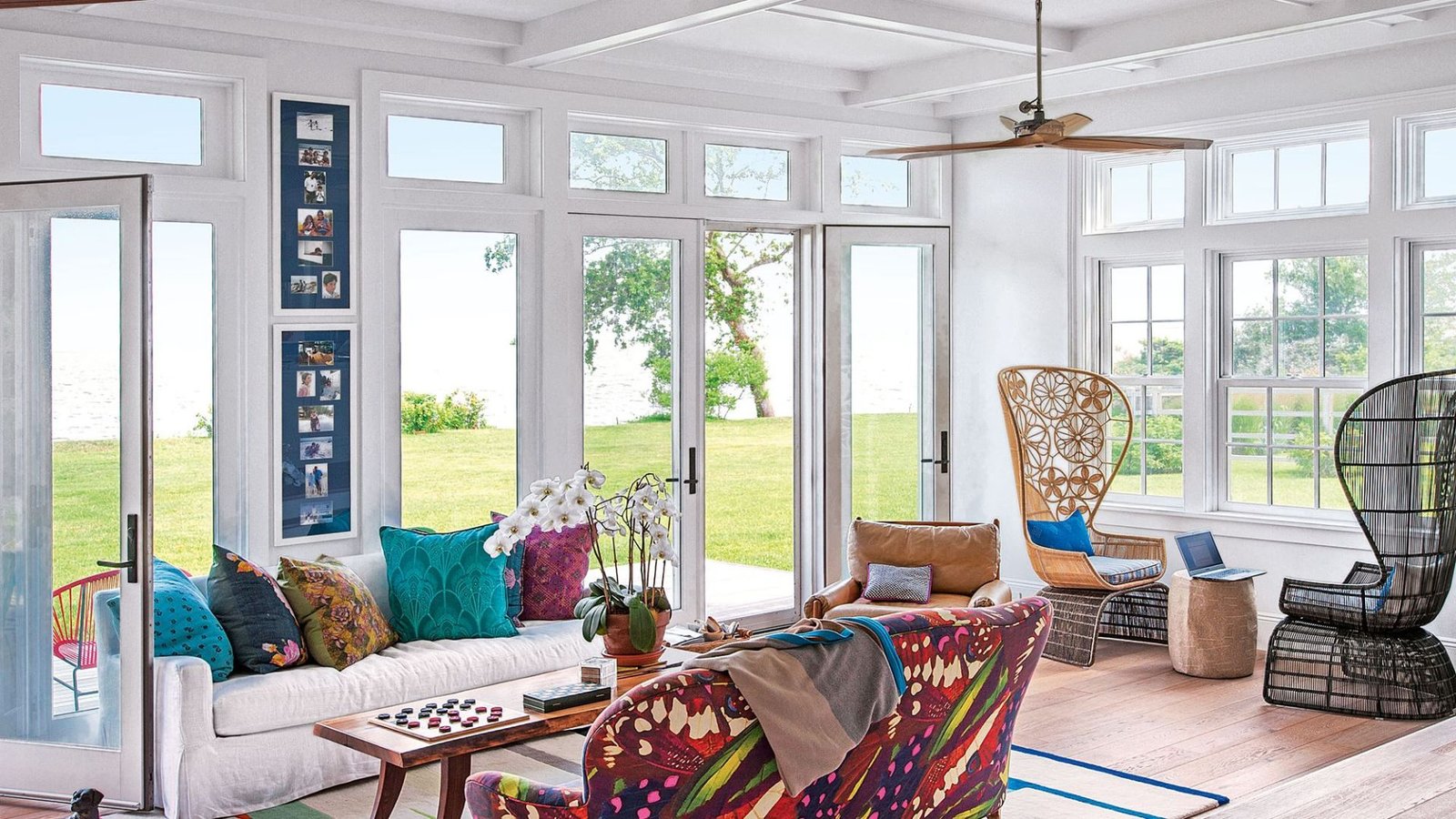
Mixing old and new is easier than matching everything perfectly. Pick one or two anchor pieces and build around them. Avoid full matching sets.
The goal is a room that looks collected over time, not put together in a single afternoon.
Use Heritage-Influenced Color Palettes
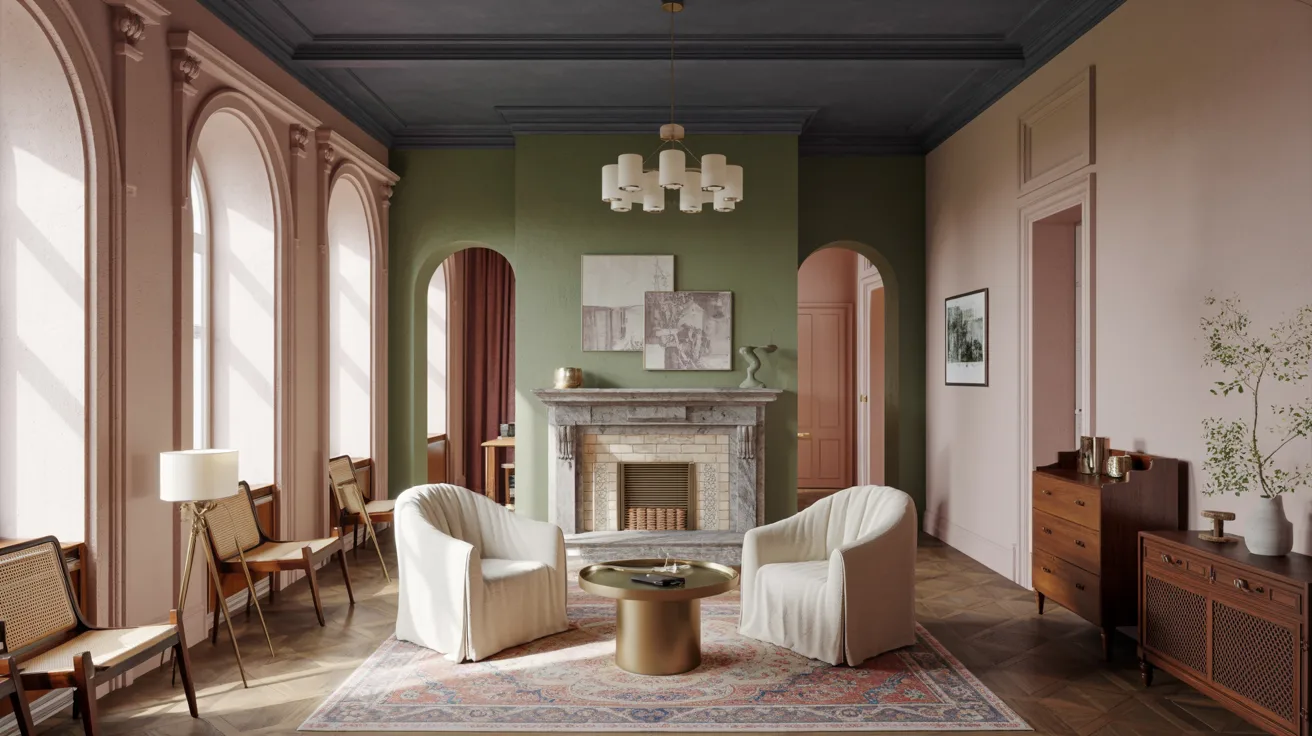
Color connects a room to its era. Start with warm neutrals like aged creams and soft whites. Layer in deeper tones through paint or textiles.
A dark green wall or navy ceiling can feel grounded and rich without being heavy.
Mix Patterns and Natural Textures
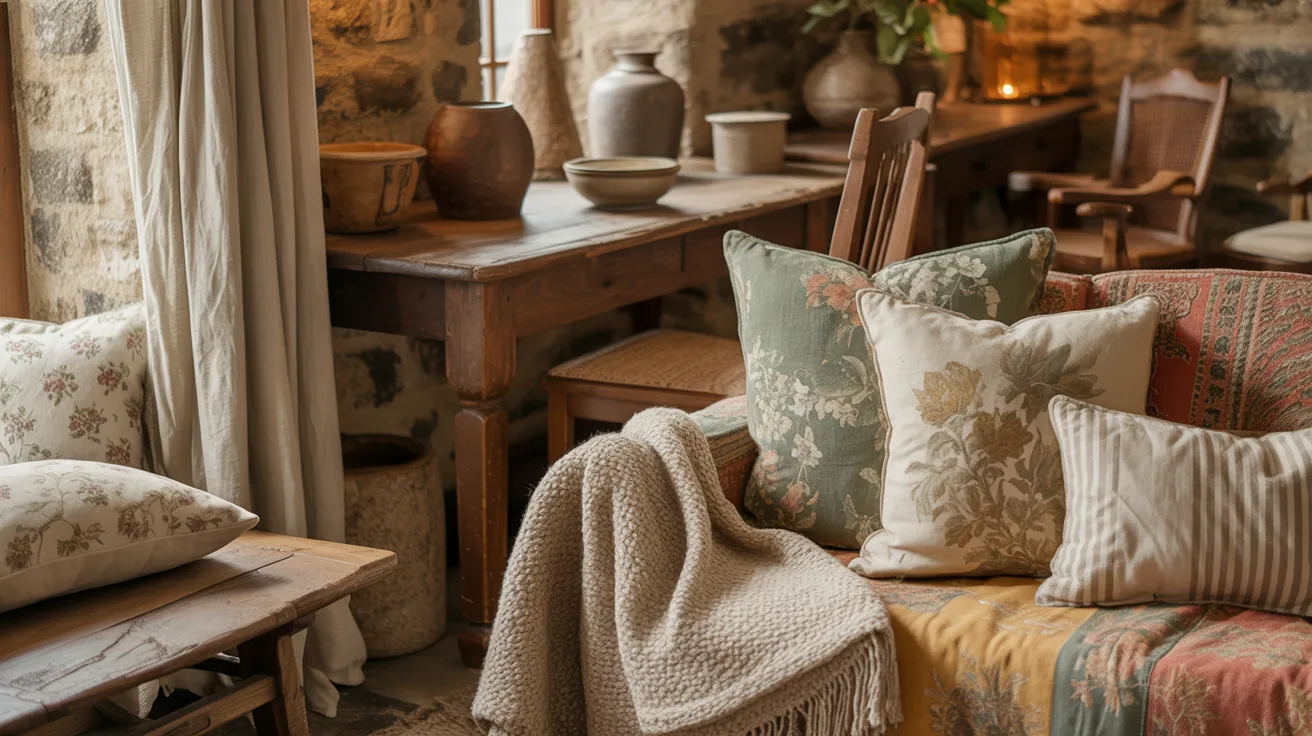
Old homes were built for layering. Combine linen, wool, wood, stone, and ceramics. Mix florals with stripes, keeping colors in the same family.
Add handmade items like pottery or knotted rugs. These bring warmth that synthetic materials simply cannot match.
Modernize Kitchens and Bathrooms Carefully
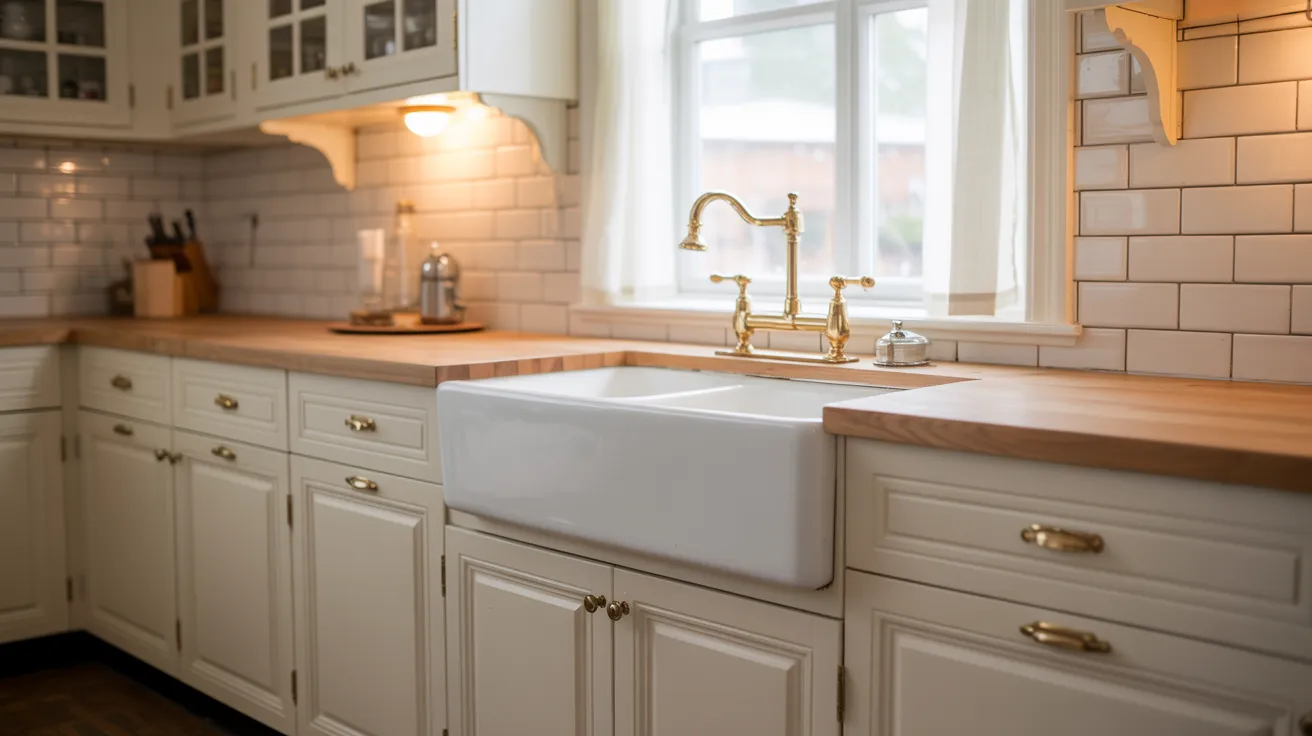
Keep the original layout if the bones are good. Choose farmhouse sinks, subway tile, and brass faucets over ultra-modern finishes.
In bathrooms, a clawfoot tub or pedestal sink reads as period-appropriate while still being fully functional.
Source and Restore Vintage Elements
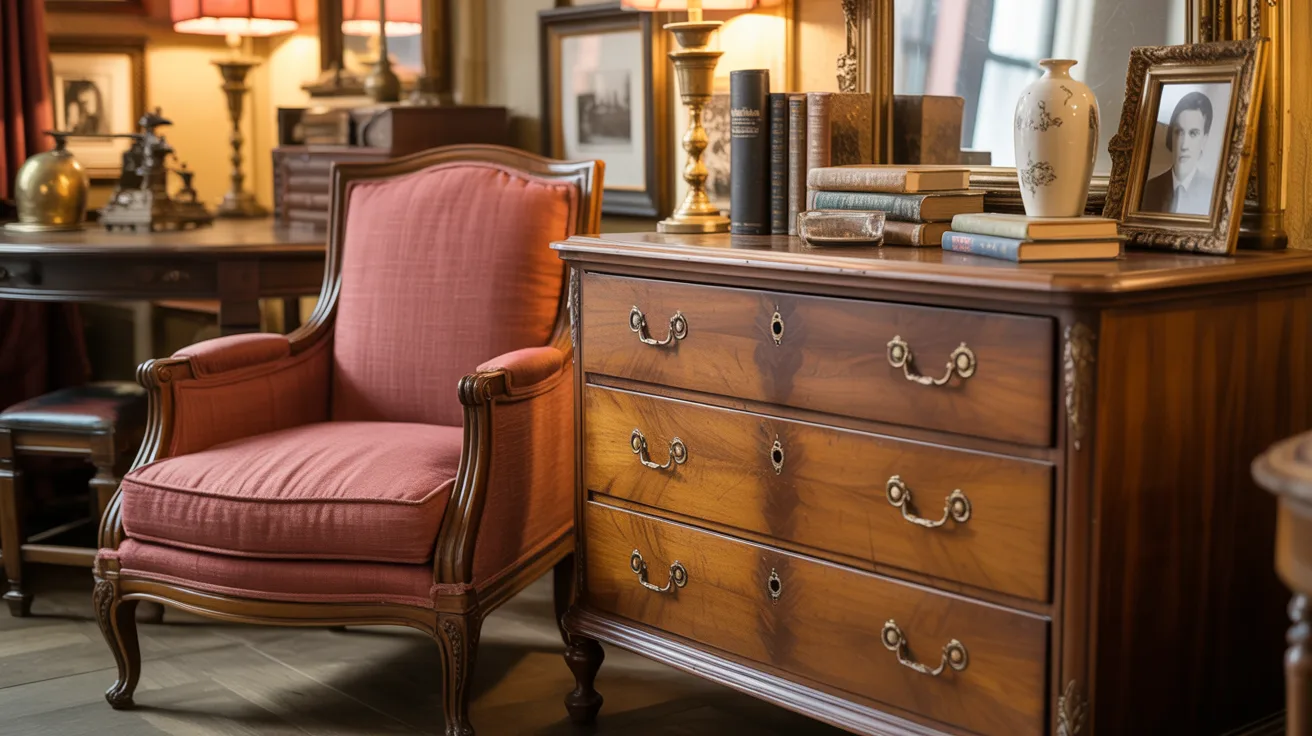
The best pieces are rarely in retail stores. Check salvage yards, flea markets, and antique shops. Restore before replacing.
Refinish old dressers, reupholster worn chairs, and rewire tarnished fixtures. Online vintage platforms also make sourcing specific eras much easier.
Creating a Balanced Old-and-New Interior Style
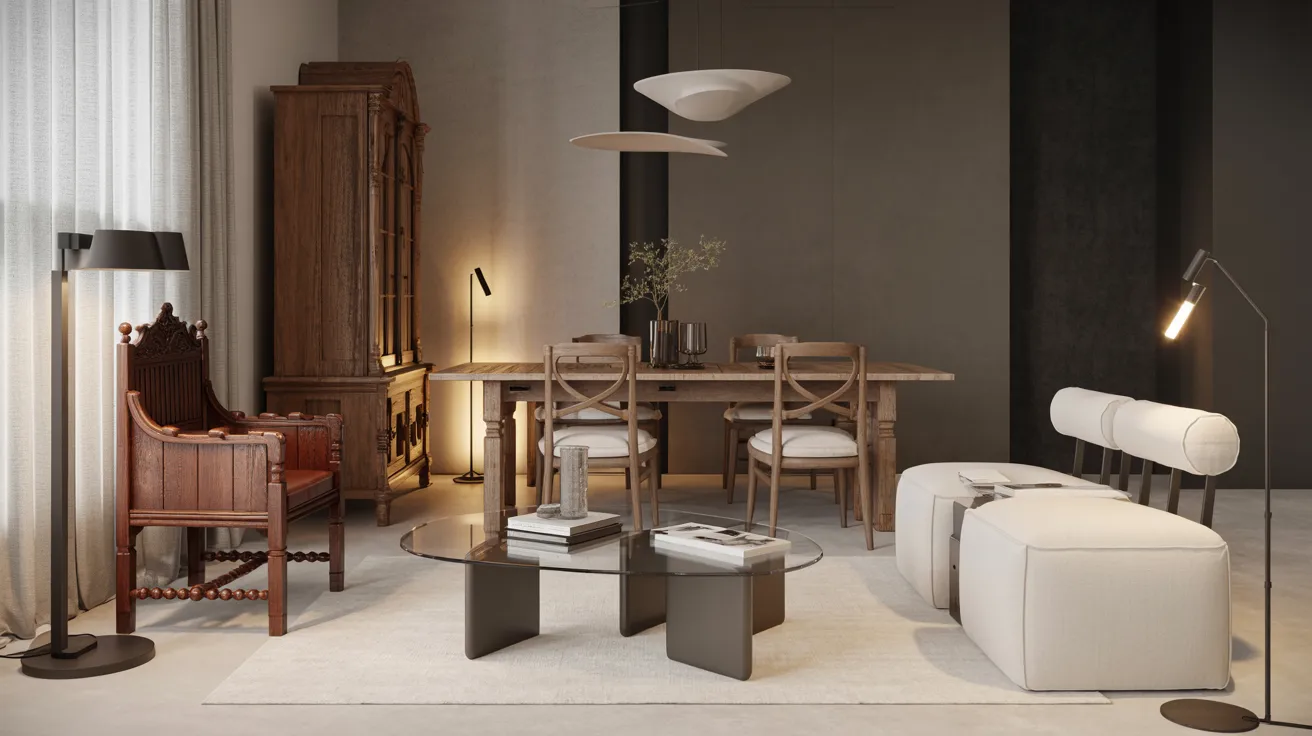
Mixing periods well takes intention. Here is how to get the balance right.
Let Different Eras Coexist
Not everything has to match the home’s era. That is actually the biggest mistake people make. The goal is contrast that feels considered.
Let a 1950s armchair sit beside an 18th-century side table. Add a modern lamp. When done with intention, the mix creates real energy in a room.
Scale and Light Make It Work
Old homes often have high ceilings and grand proportions. Furniture should feel right for the space, not lost in it. Layer your lighting too.
Use sconces, table lamps, and ceiling fixtures together to build warmth at every level, just as original homes once did with natural light and candles.
Room-by-Room Historic Home Design Approach
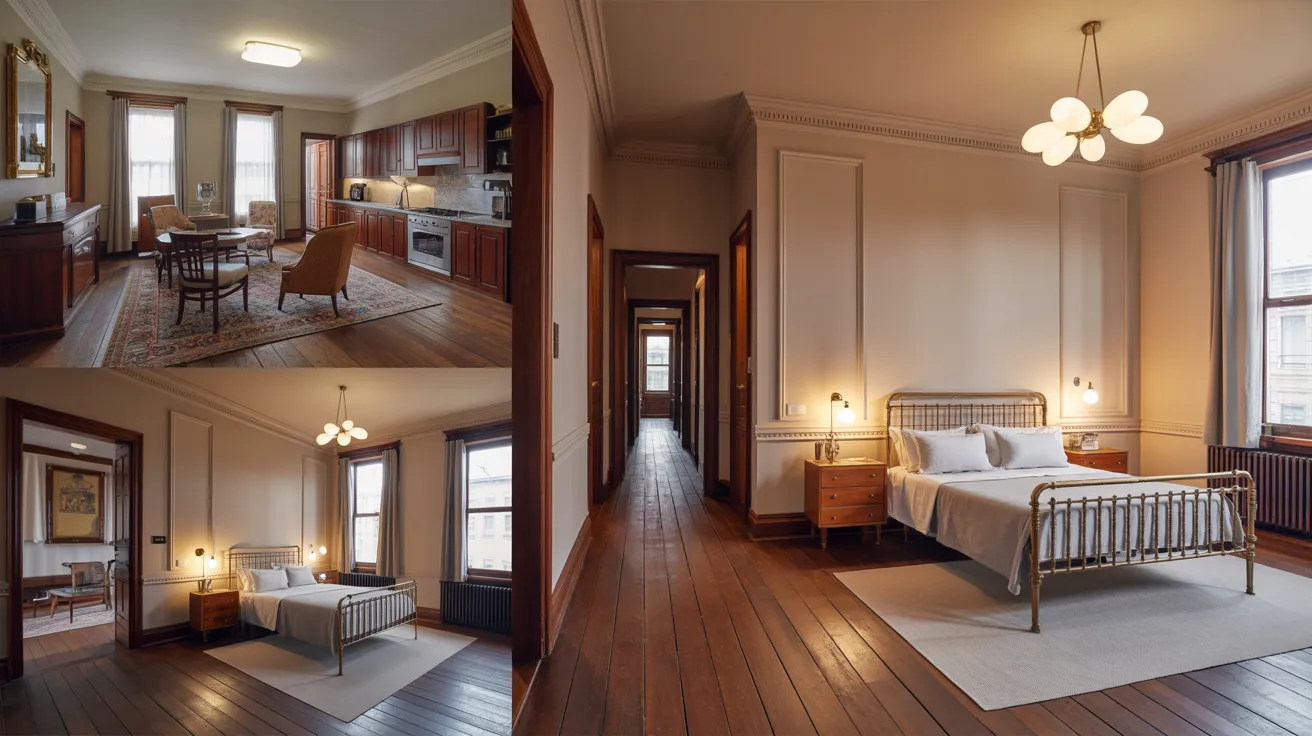
A room-by-room plan makes the process feel manageable and clear.
Living room: Use layered seating. A mix of sofas, armchairs, and ottomans. Add rugs over floors. Layer art on walls. Use a fireplace as the anchor if there is one.
Kitchen: Keep original cabinetry if possible. Add open shelving with vintage pottery. Choose stone countertops. Use unlacquered metals for hardware.
Bedroom: Go soft and cozy. Use linen bedding, layered quilts, and wood furniture. Avoid sleek modern pieces. Let the room feel like it has been lived in for years.
Bathroom: One good vintage fixture goes a long way. A clawfoot tub or a pedestal sink reads as historic. Pair it with simple white tile and warm wood accents.
Hallways: Do not ignore them. Hallways in old homes often have original stair railings, tile floors, or high ceilings. Light them well. Hang art. Let them set the tone.
Common Renovation Mistakes in Historic Homes
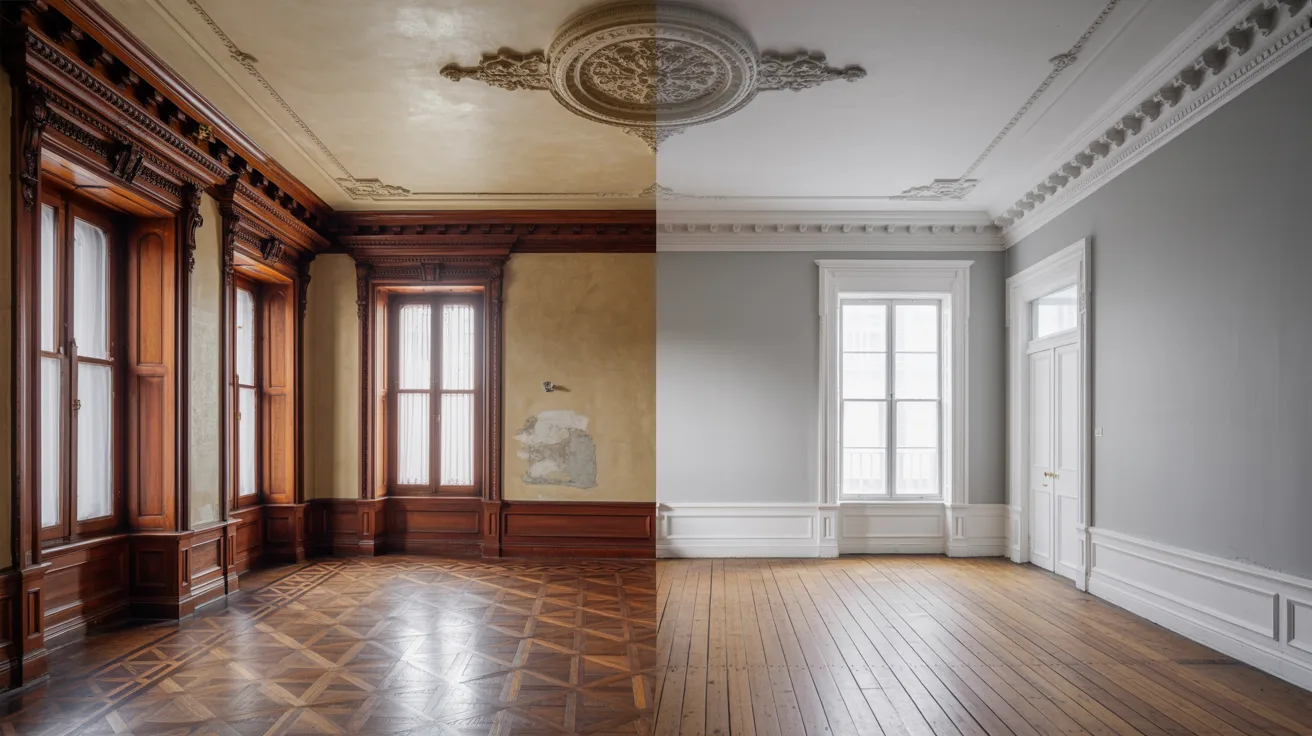
Avoid these common errors that strip character from old homes.
Mistakes That Strip Character
The most damaging thing you can do in a historic home is remove what makes it special. Tearing out original features to modernize the space kills the soul of the house.
These details took real skill to build and cannot be brought back once they are gone.
Mistakes That Hurt the Woodwork
Over-painting or covering original woodwork is one of the most common errors people make.
The grain, the color, and the age of original wood tell a story. Once it is painted over or hidden behind drywall, that story is lost for good.
Mistakes That Flatten the Look
Too many neutral tones with no contrast make a room feel empty and cold. Matching everything too carefully removes visual interest.
Ignoring the home’s original era when picking materials creates a space that feels disconnected. Old homes need depth, contrast, and a nod to their history to feel alive.
Design Tips for Timeless Historic Interiors
Simple rules that hold true across every style and period.
- Start with the architecture The bones of the house come first, let every design choice support what is already there.
- Mix old and new with intention Every piece you add should feel deliberate and have a clear reason for being in the room.
- Layer textures across every surface Floors, walls, furniture, and textiles should each offer something different to the eye.
- Use lighting to highlight what you have. A well-lit ceiling medallion or a glowing bookcase can completely shift how a room feels.
- Make livability your priority. A historic home should still be a place where people cook, read, relax, and gather daily.
- Avoid over-polishing the details. Imperfections in old homes add real character, leave them as they are and let the history show.
Conclusion
I believe old houses deserve to be lived in, not just preserved. The best rooms in historic homes feel personal. They feel used. They feel real.
If you are working on your own old house, I hope these historic home interior design ideas give you a starting point that feels right for your space.
Start small. Trust the bones of your home. And enjoy the process. Drop a comment below and share what you are working on. I would love to hear your story.
Frequently Asked Questions
How do I modernize a historic home without losing its character?
Focus on updating function, not form. Replace old plumbing and wiring, but keep original fixtures where possible. Choose period-appropriate finishes in kitchens and bathrooms to stay in step with the home’s era.
What paint colors work best in historic homes?
Warm, muted tones tend to work well. Think aged whites, soft greens, deep navies, and earthy reds. These colors were common in earlier eras and feel grounded in an old home.
Can I mix modern furniture with a historic interior?
Yes, and it often looks better than keeping everything period-specific. The key is choosing pieces that complement the scale and tone of the room rather than clashing with the architecture.
Where can I find vintage pieces for an old home?
Salvage yards, estate sales, antique markets, and online vintage platforms are all good sources. Look for items that suit your home’s original era and that can be restored if needed.
How do I preserve original wood floors in a historic home?
Clean them gently and refinish rather than replace. Use a floor-specific cleaner and avoid excess water. Sand and reseal every few years to protect the wood while keeping its original character intact.