
If a building starts sinking, cracking, or shifting, the first place to look is the footing.
I have seen what happens when footings are done wrong, and it is never a small fix.
A weak footing means a weak structure, no matter how good everything above it looks. Getting this step right from the start saves time, money, and a lot of stress later.
In this guide, I will walk you through everything, from soil preparation to concrete pouring, so you can build with confidence from the ground up.
Let’s get started.
What Is Footing in Construction?
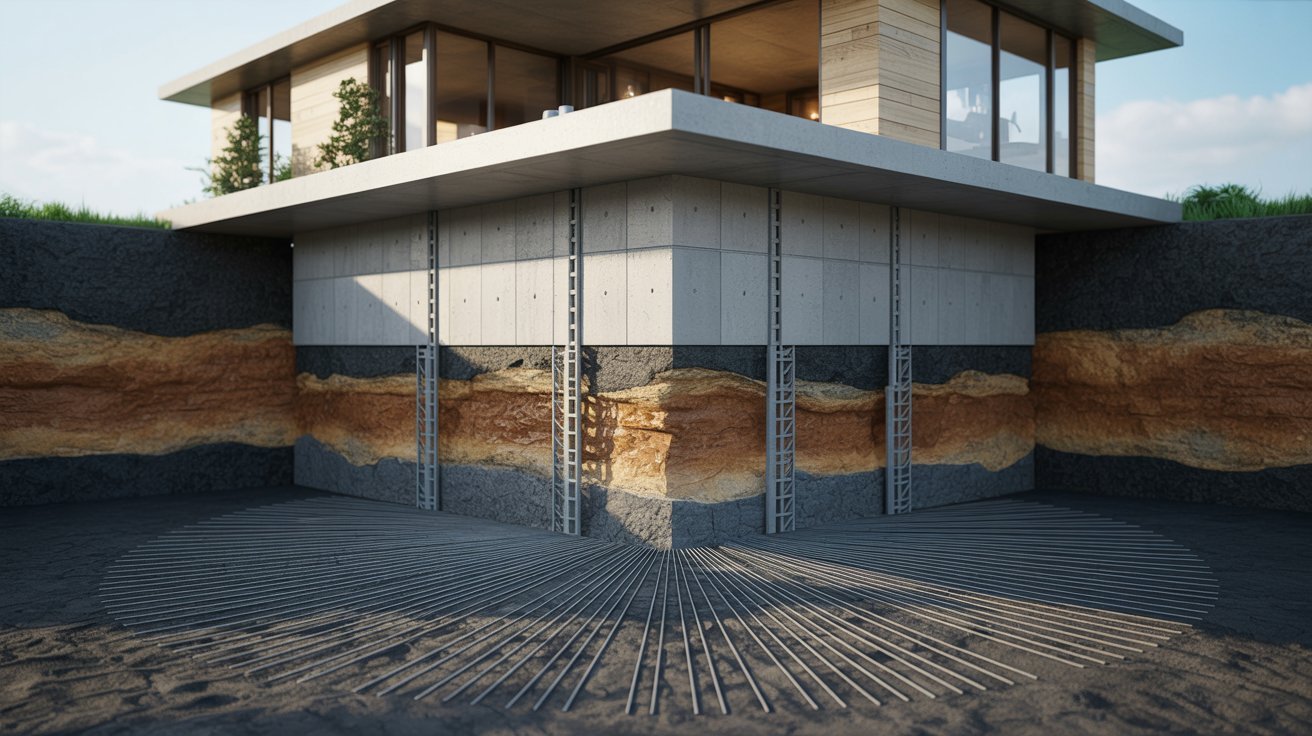
Footing is the base structure built below the ground that supports the entire weight of a building.
It sits at the bottom of the foundation and spreads the load from the structure evenly into the soil beneath it.
Without a proper footing, the weight of the building has nowhere to go, and the soil below starts to shift. Think of it as the first and most important layer of support.
The footing and the foundation work together to keep everything above ground stable and secure.
Types of Footings Used in Construction

Choosing the right type of footing depends on the soil condition, load, and the size of the structure. Here is a quick look at the most common types.
- Isolated Footing: Supports a single column. It is the most common type used in small buildings and houses where columns carry individual loads.
- Combined Footing: Used when two or more columns are close together and their footings would overlap. One footing is built to support both columns at once.
- Strip Footing: Runs in a continuous line under walls or a row of columns. It is commonly used in load-bearing wall construction.
- Raft Footing: Covers the entire base of a building with one large concrete slab. It is used when the soil is weak and the load needs to be spread across a wider area.
- Pile and Deep Footings: Go deep into the ground to reach stronger soil or rock layers below. These are used for heavy structures or when the topsoil is too soft to carry the load.
Pre-Construction Requirements for Footings
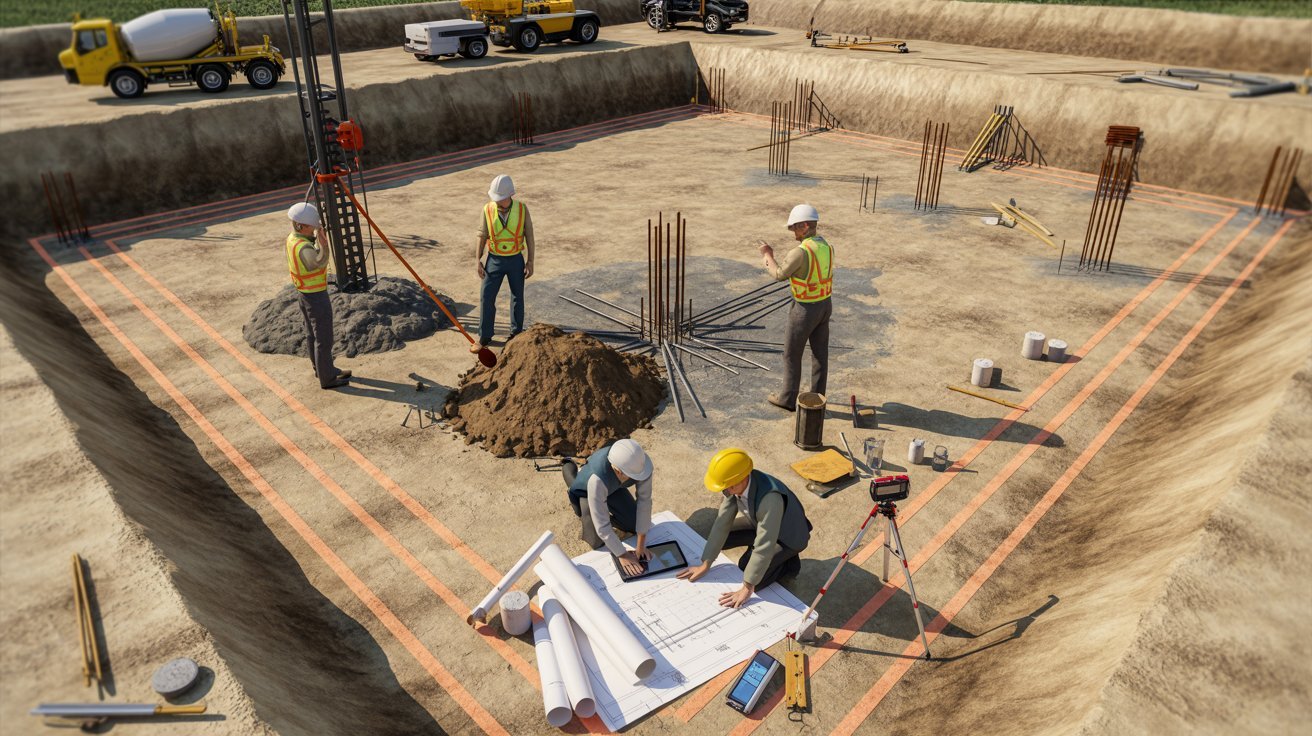
Before any concrete is poured, these three steps must be done right.
Soil Testing and Analysis
Soil testing tells you how much weight the ground can hold. Some soils are weak or expansive and swell when wet. Building without testing first leads to cracking and settlement later.
Site Preparation
Clear all vegetation, debris, and loose material from the site. Level the ground and mark the layout as per the building plan. This keeps the footing position accurate from the start.
Understanding Building Load
Estimate the total weight the structure will carry, including walls, floors, roof, and occupants. A heavier structure needs a wider and deeper footing to handle the load properly.
Step-by-Step Process of Footing Construction
Getting footing construction right comes down to following each step in order. Rushing or skipping any part of this process can affect the strength of the entire structure.
Step 1: Site Preparation and Excavation
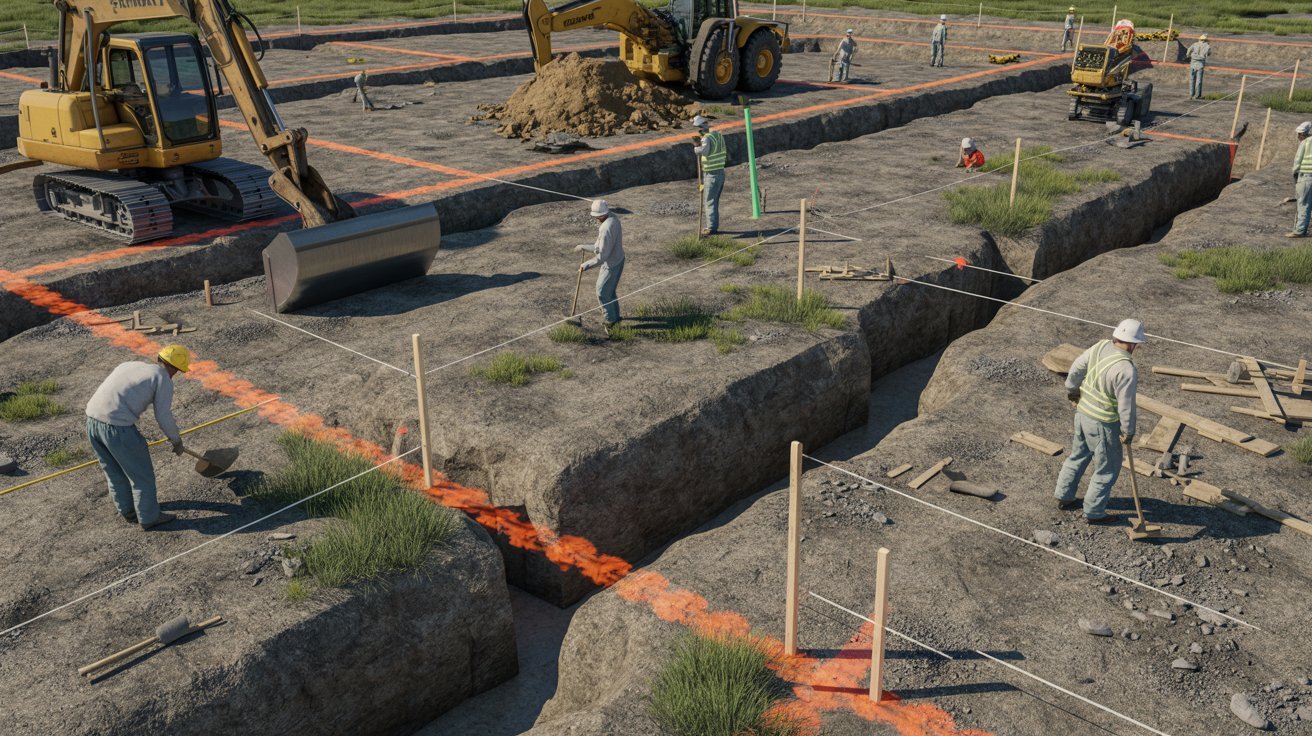
Clear and level the construction area before anything else. Mark the footing layout as per the design plan. Then excavate down to the required depth, making sure you reach undisturbed soil beneath the loose surface layer.
Step 2: Base Preparation and Soil Compaction
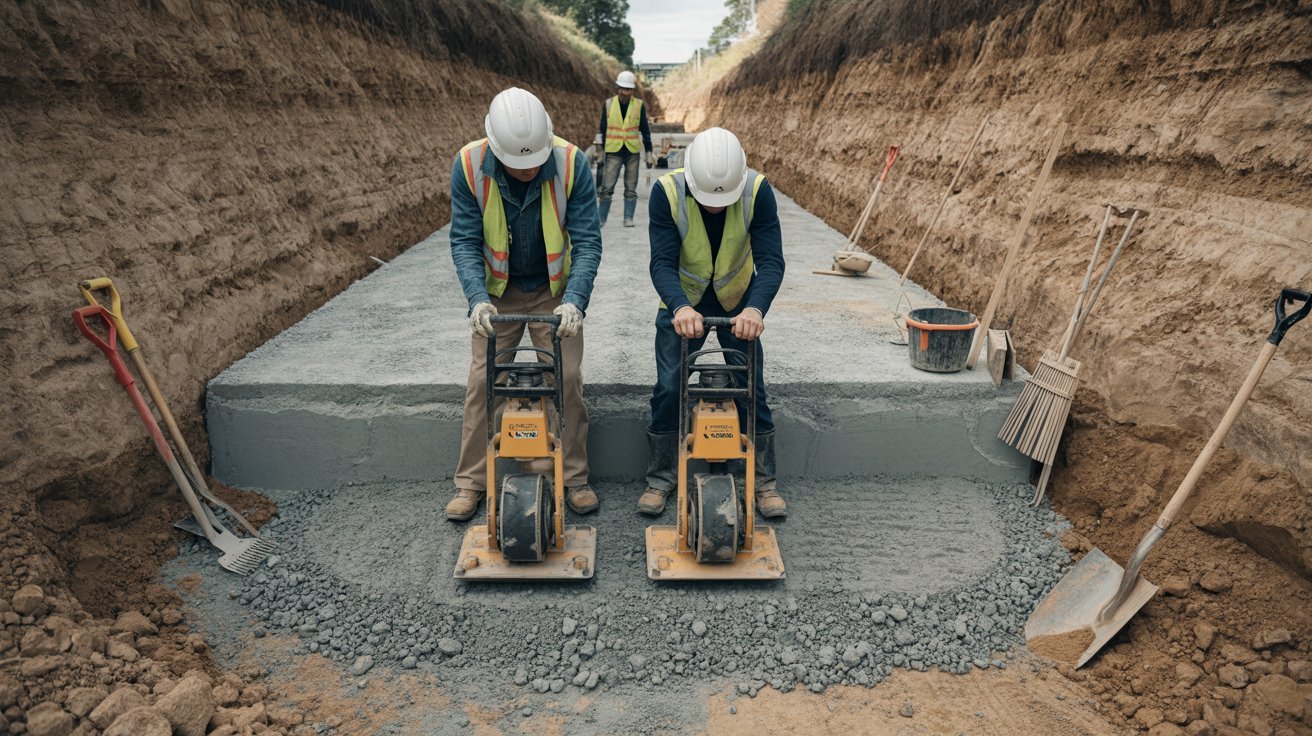
Compact the soil at the bottom of the trench to create a firm base. Add a layer of sand or gravel if the soil needs extra stability. Make sure the base is level before moving to the next step.
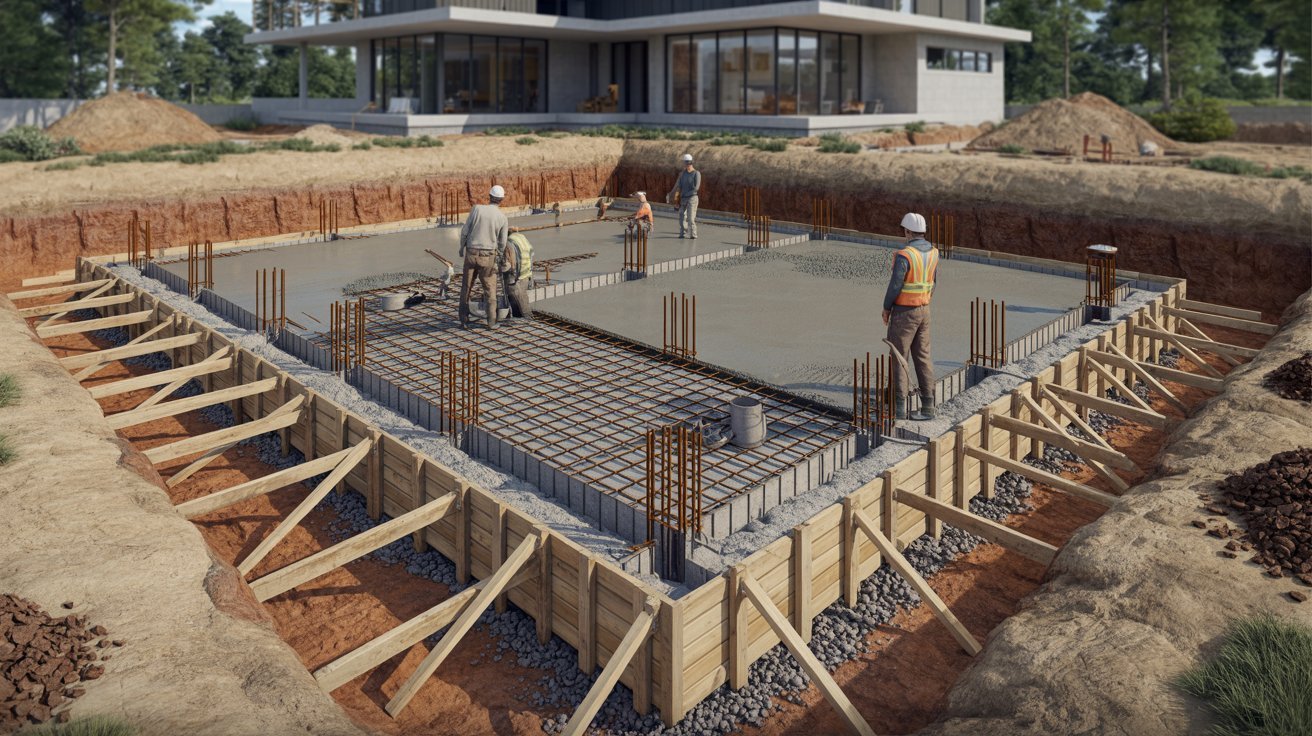
Step 3: Formwork and Reinforcement Setup
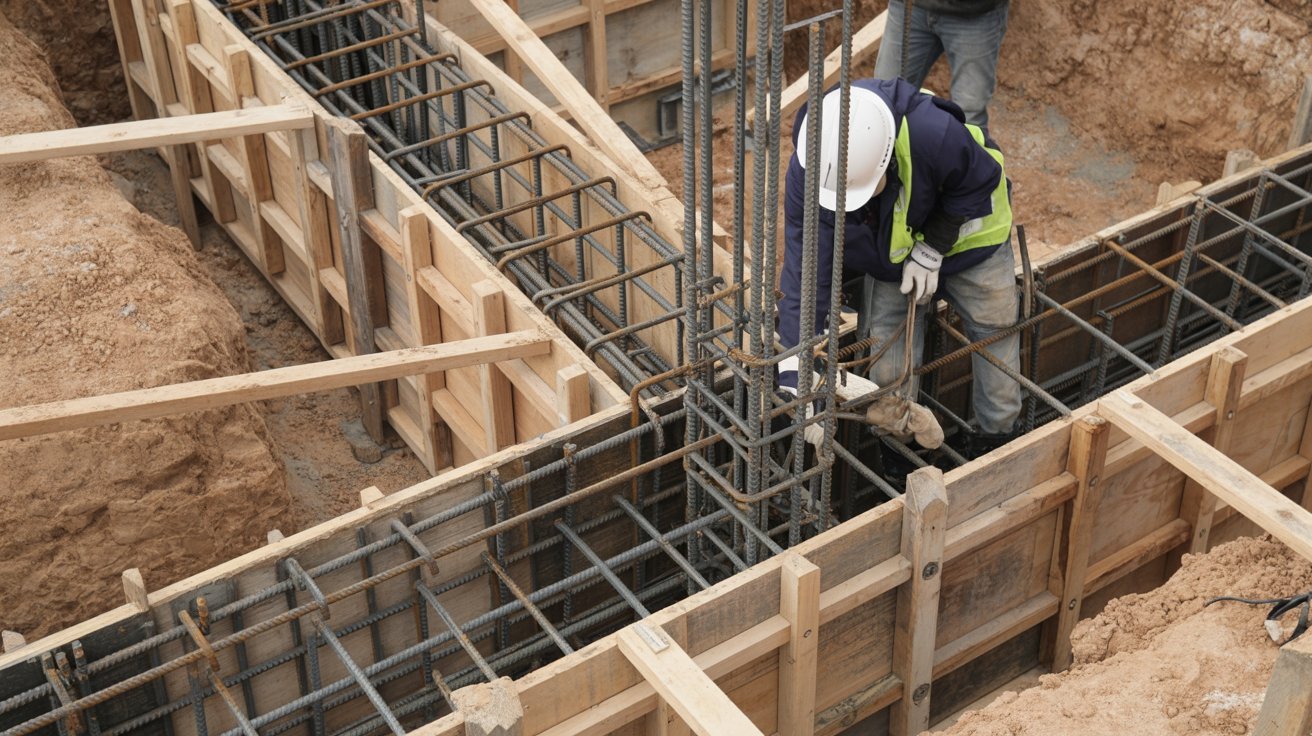
Install formwork to give the footing its shape. Place steel reinforcement bars inside as per the structural design. Check the alignment and spacing of the rebar carefully before pouring any concrete.
Step 4: Concrete Pouring and Leveling
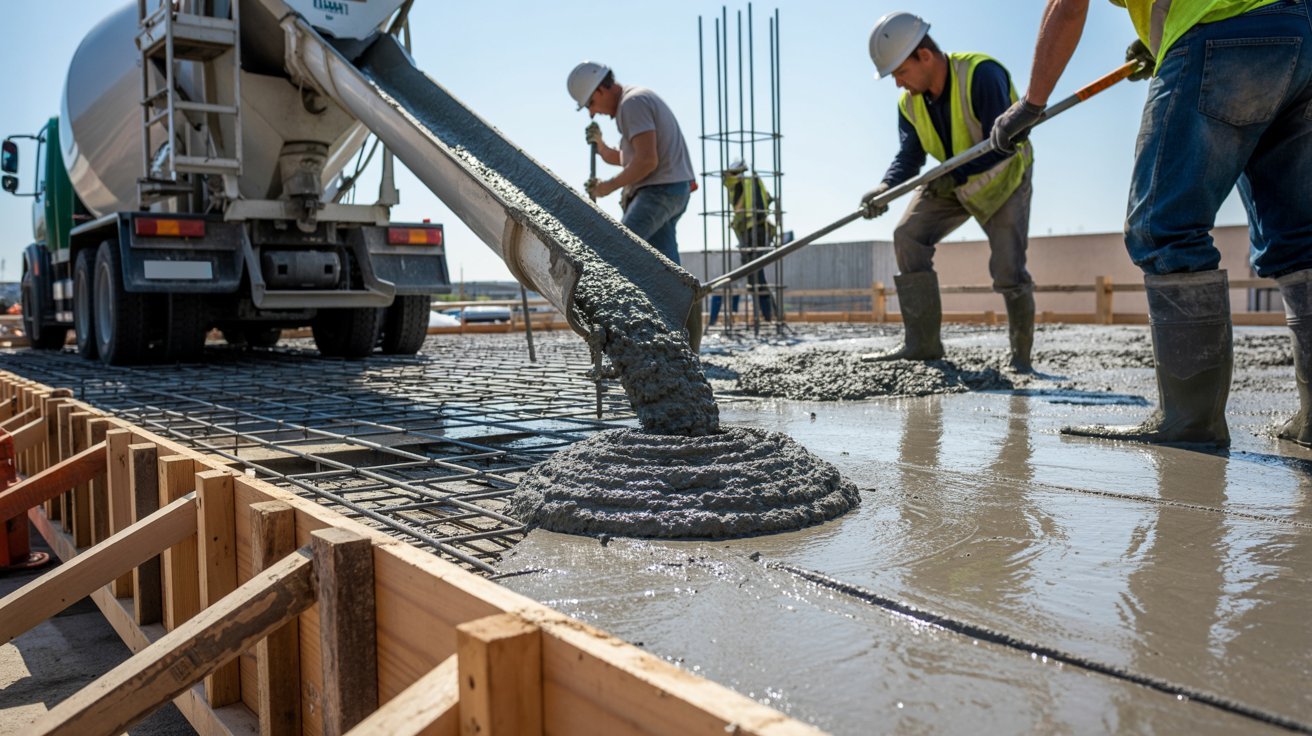
Pour concrete evenly into the formwork without leaving gaps. Use proper techniques to remove air pockets from the mix. Level the surface once poured to make sure the thickness stays consistent throughout.
Step 5: Curing and Inspection
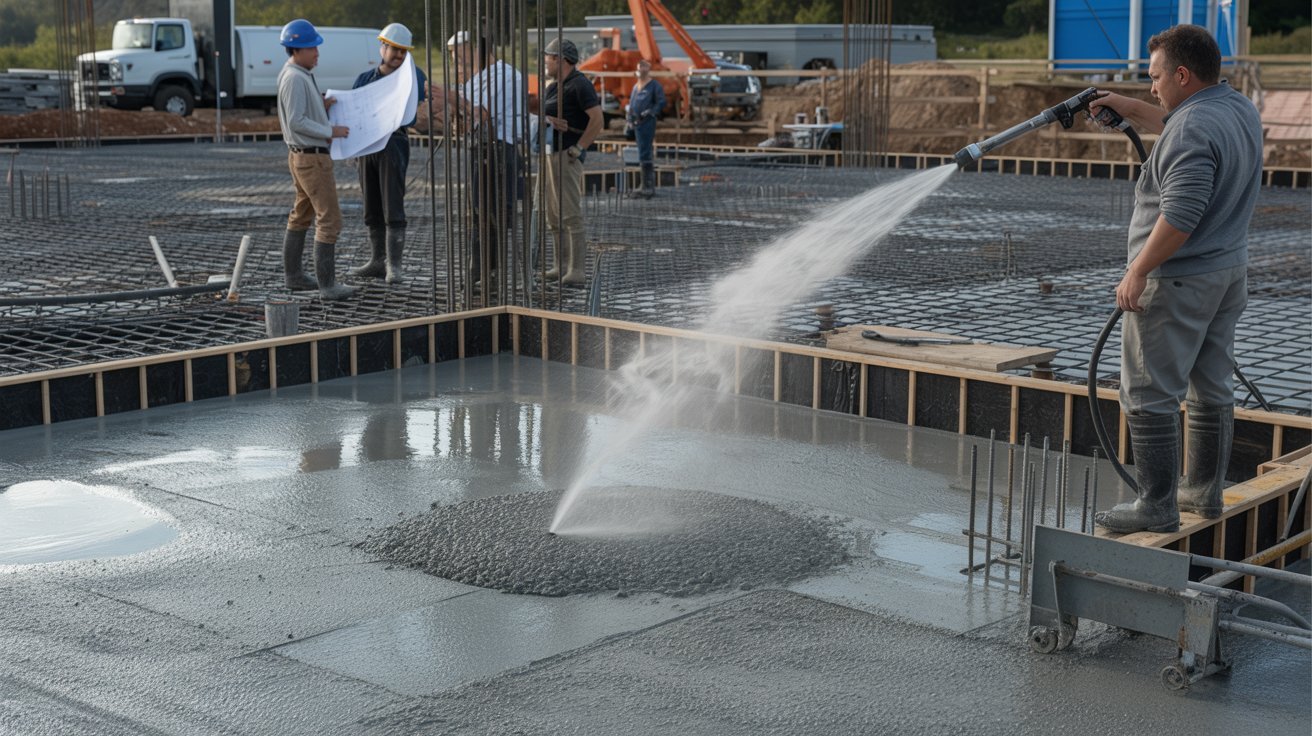
Let the concrete cure fully before applying any load. Keep the surface moist during the curing period to build strength. Inspect the footing thoroughly before starting work on the foundation above.
Important Factors to Consider While Constructing Footings
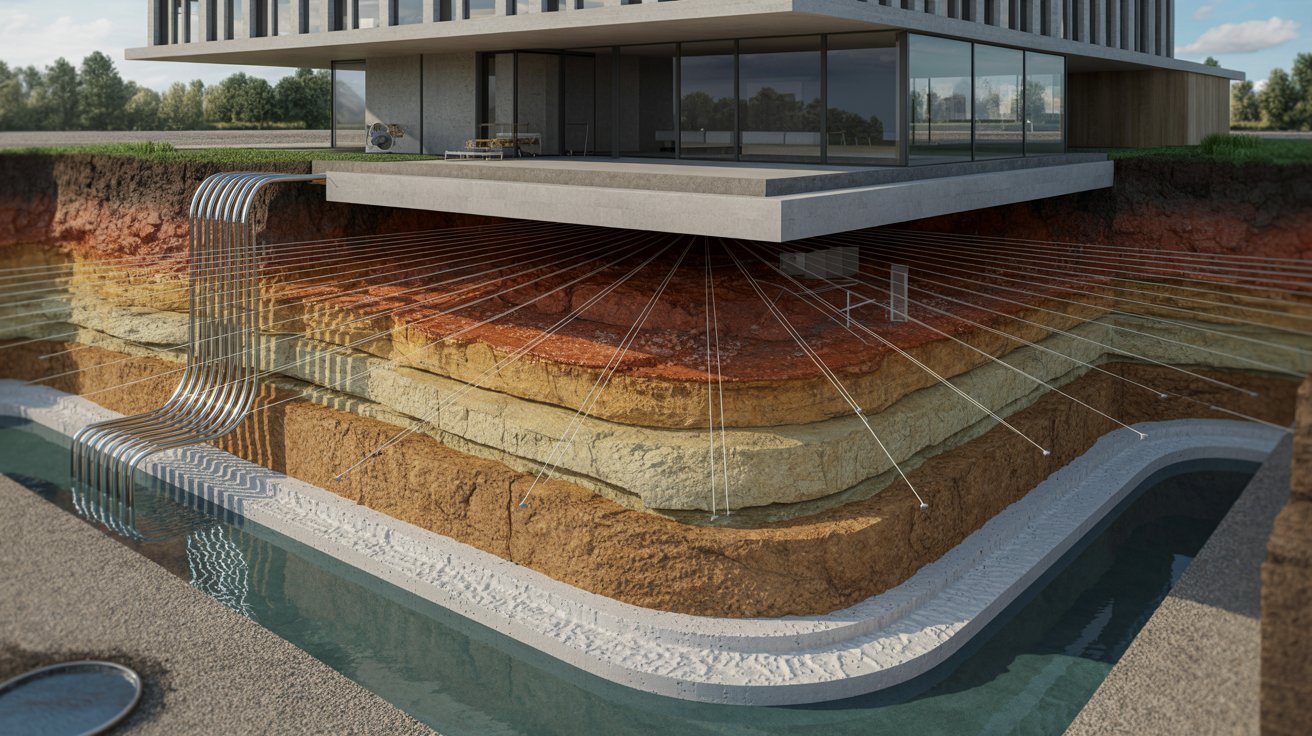
These factors directly affect how well a footing performs over time. Ignoring even one of them can lead to serious structural problems down the line.
Soil Type and Moisture Levels
The type of soil on your site determines how much load it can carry. Wet or loose soil loses its strength quickly and needs extra attention during footing design.
Climate and Frost Depth
In cold regions, the ground freezes and expands during winter. Footings must be built below the frost line to avoid cracking or shifting due to ground movement.
Water Drainage and Groundwater
Poor drainage around a footing leads to water buildup, which weakens the soil over time. High groundwater levels can also affect concrete quality and long-term stability.
Load Distribution Requirements
Every footing must be sized to handle the load it carries. Uneven load distribution puts pressure on specific points and can cause the structure to settle or crack over time.
Safety Tips During Footing Construction
- Always wear a hard hat, safety boots, and gloves on site. This basic equipment protects you from falling debris and sharp materials during excavation.
- Trench walls can collapse without warning, especially in loose or wet soil. Shore up the walls properly before anyone steps inside the trench.
- Do not park or operate heavy machinery too close to the trench edge. The added weight and vibration can destabilise the surrounding soil.
- Always have someone on the surface when workers are inside a trench. Quick response in an emergency can prevent a serious accident.
- Wet soil becomes unstable and increases the risk of cave-ins. Always check the trench walls and base after rainfall before resuming any work.
Conclusion
A strong building always starts with a strong footing. I have seen projects fail simply because this step was rushed or done without proper planning.
When you get the footing right, everything built on top of it stands firm for years. Follow the right process, test your soil, and never cut corners at the base.
If you found this guide helpful, share it with someone planning a build. Drop your questions in the comments and I will be happy to help.
Frequently Asked Questions
What is the purpose of footing in construction?
Footing supports the entire weight of a structure and transfers it safely into the ground. It prevents the building from sinking, shifting, or cracking over time.
How deep should a footing be?
The depth depends on the soil type, building load, and local frost depth. Most residential footings go at least 12 to 24 inches below the ground surface.
What type of concrete is used for footings?
A mix with a minimum strength of 2500 to 3000 psi is commonly used for residential footings. The exact mix depends on the load requirements and soil conditions of the site.
How long does footing concrete take to cure?
Concrete needs at least 7 days to gain enough strength before any load is applied. Full curing takes around 28 days for the concrete to reach its maximum strength.
What happens if footing construction is done incorrectly?
Poor footing leads to foundation cracks, uneven settling, and structural damage over time. Fixing a failed footing is expensive and often requires major repairs to the entire structure.