
Have you ever looked at a brick wall and noticed a pattern that just feels right? That’s probably Flemish bond brickwork.
It’s one of the oldest and most trusted ways to lay bricks. Builders have used it for centuries to create walls that are both strong and good-looking.
I’ve spent years studying brickwork patterns. And Flemish bond remains one of my favorites.
In this guide, I’ll walk you through what it means, how the pattern works, where it came from, and where you can still see it today.
Let’s get into it.
What Is Flemish Bond Brickwork?
Flemish bond is a brick-laying pattern that has been around for a very long time. It looks simple, but there’s real skill behind it.
Once you understand how it works, you’ll start spotting it everywhere.
Simple Definition
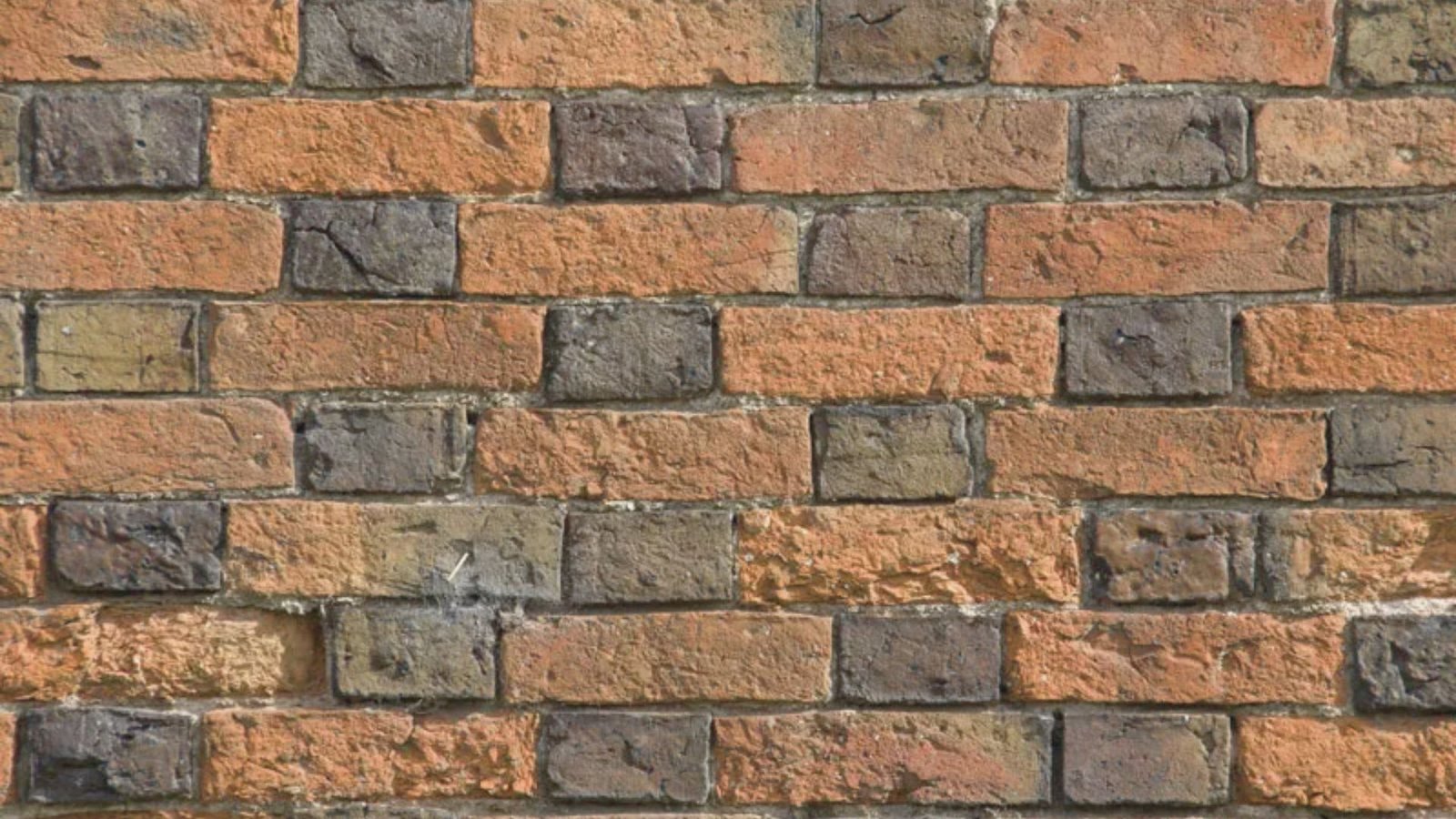
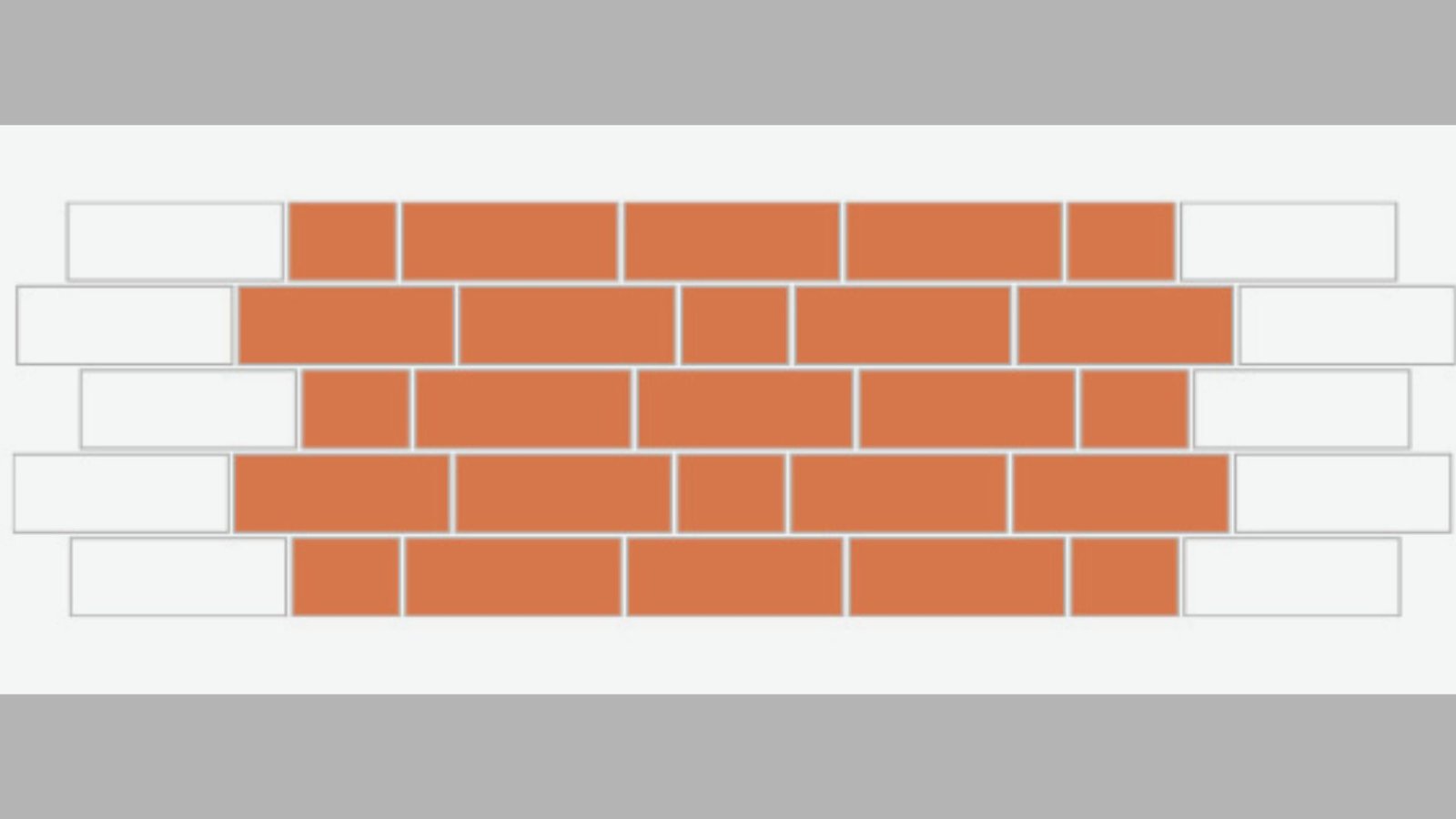
In Flemish bond, each row of bricks follows the same rule. A header (the short face) sits next to a stretcher (the long face).
This pattern repeats across the entire row. In the next row, the headers line up over the center of the stretchers below. That’s what gives it such a clean, organized look.
Key Features of Flemish Bond
- It creates a checkered look on the wall’s surface. The mix of headers and stretchers adds visible texture right away.
- The layout is balanced and symmetrical. Every row mirrors the one below it with a slight offset.
- It’s a go-to choice in traditional architecture. You’ll find it on old churches, townhouses, and civic buildings across Europe and North America.
How Flemish Bond Brickwork Is Laid
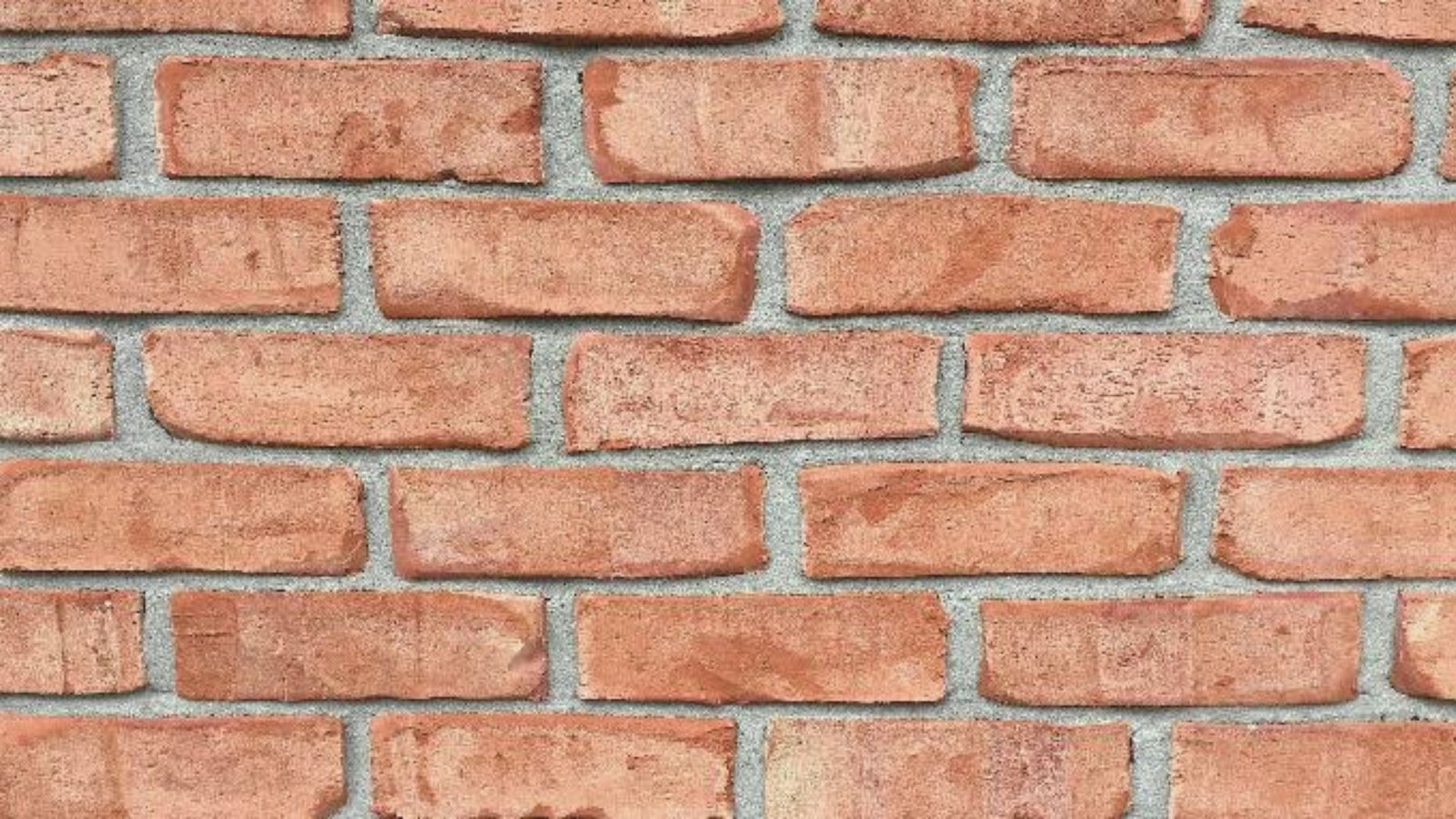
Laying Flemish bond takes patience and precision. Every brick has a specific place. Here’s how it all comes together.
Understanding Headers and Stretchers
A header shows the short end of the brick. A stretcher shows the long side. These two positions are the building blocks of every Flemish bond wall.
Bonding Pattern Explained
In each row, bricks alternate between headers and stretchers. One short face, then one long face, all the way across. In the next row, the same pattern repeats, but each header sits directly over the center of the stretcher below it. This offset spreads the load evenly and adds strength.
Role of Closers (Queen Closers)
At the end of certain rows, a full-sized brick won’t fit perfectly. That’s where queen closers come in. These are bricks cut lengthwise to a smaller width. They sit near the corners to keep the pattern aligned and the wall strong.
History and Origins of Flemish Bond
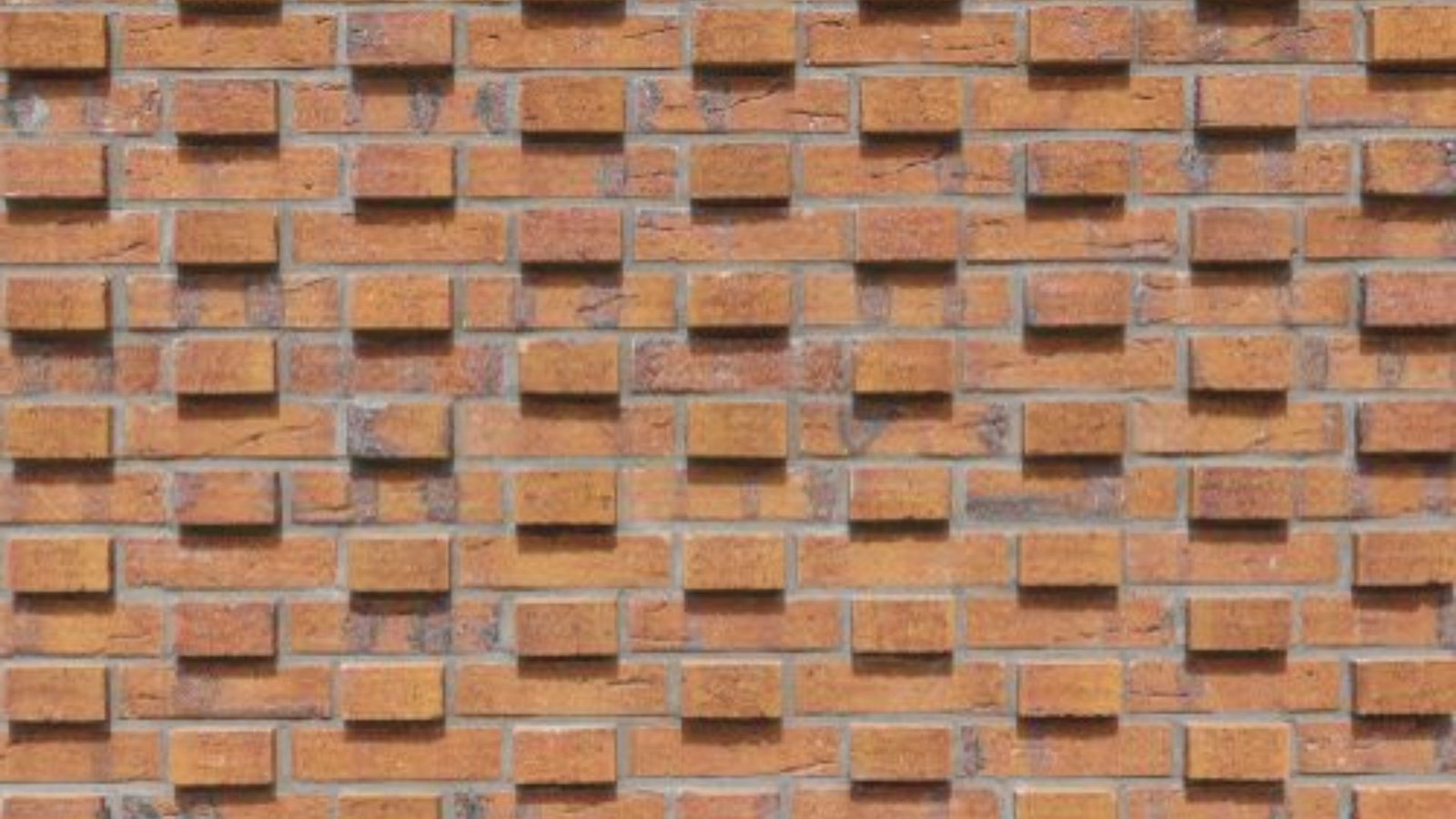
Flemish bond has a long history. It has traveled across continents and stood the test of time. Here’s a quick look at how it spread.
Early Use in Europe
This pattern first showed up in medieval northern and central Europe. Builders in regions like Flanders and Germany used it often. One of the best early examples is the Frauenkirche in Munich. Its brickwork still stands as proof of how well this method holds up over centuries.
Introduction in England
By the 17th century, Flemish bond made its way to England. It quickly became a popular choice for grand homes and public buildings. Kew Palace in London is a great example. Built in 1631, it shows the pattern in full form and still looks impressive today.
Spread to Colonial America
In the 18th century, Flemish bond crossed the Atlantic. Colonial builders in America adopted it for churches, homes, and government buildings. St. Luke’s Church in Virginia is one of the oldest surviving examples. It shows just how far this simple pattern traveled and how well it lasted.
Historical Significance of Flemish Bond
Flemish bond was never just about stacking bricks. It carried meaning.
Symbol of Skilled Craftsmanship
Not every bricklayer could pull off this pattern. It required steady hands and a sharp eye. Every header and stretcher had to line up just right. If a building had Flemish bond, it spoke to the skill behind it.
Use in High-Status Buildings
Because of the effort involved, Flemish bond was often saved for important structures. Old churches, large mansions, and public buildings used it to show quality and attention to detail.
Regional Variations
Different regions added their own twist to the pattern. In Philadelphia, builders used black glazed headers with red stretchers for a bold, high-contrast look.
In Virginia, blue-gray glazed headers created a softer, more refined feel. Each region made the pattern its own while keeping the core layout intact.
Where Flemish Bond Brickwork Is Commonly Found

You’ll spot Flemish bond on many historic buildings and landmarks. Carpenters’ Hall in Philadelphia is a great example. The Morris House Hotel also shows this pattern in full form. Both buildings have stood for centuries with their brickwork still intact.
This pattern was especially popular during the 18th century. Colonial and Georgian-style homes used it often. Builders at the time favored it for its clean look and solid structure. Many of these homes still stand today.
Advantages of Flemish Bond Brickwork
- The alternating pattern gives walls a decorative, polished look that stands out on any building.
- It adds real architectural value by making even simple structures look well-crafted and intentional.
- The symmetrical layout creates a balanced appearance that works well with both old and modern designs.
- It has been a trusted choice for centuries, which speaks to its lasting visual appeal.
Limitations of Flemish Bond
- It requires skilled labor. Not every bricklayer has the experience to lay this pattern correctly.
- Construction costs run higher because of the extra time and precision involved.
- It is not as strong as English bond, which uses full rows of headers for better load-bearing.
- The need for queen closers and careful alignment makes the process slower compared to simpler patterns.
Is Flemish Bond Still Used Today?
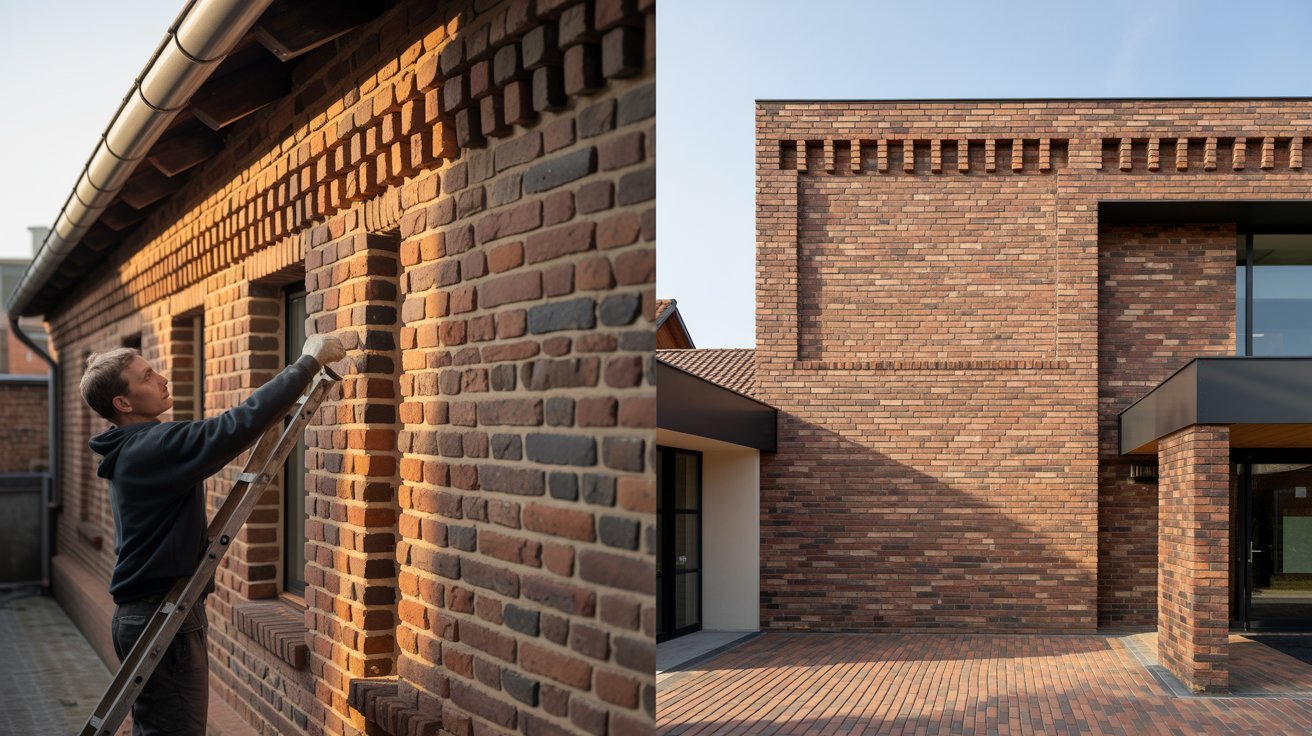
Yes, Flemish bond is still very much in use. It plays a big role in restoration projects.
When old buildings need repair, builders often match the original brickwork using this pattern. It keeps the building’s character alive.
Beyond restoration, it’s also used in modern projects for decorative purposes.
Architects choose it for feature walls, facades, and accent sections. It adds a classic touch to new construction without looking outdated.
Conclusion
Flemish bond brickwork is more than just a pattern. It’s a piece of building history that has lasted for centuries.
From medieval Europe to colonial America, this layout has proven its worth in both strength and style. I’ve always admired how something so simple can add so much character to a structure.
If you’re planning a project or restoring an old building, consider Flemish bond.
Share this guide with someone who loves architecture. And drop a comment below with your favorite brickwork style.
Frequently Asked Questions
What is Flemish bond brickwork?
Flemish bond is a brick laying pattern where headers and stretchers alternate in every row. It creates a checkered look that is both strong and visually appealing.
How is Flemish bond different from English bond?
English bond uses separate rows of headers and stretchers. Flemish bond alternates them within the same row, giving it a more decorative appearance.
Where did the Flemish bond originate?
It first appeared in medieval northern and central Europe. Over time, it spread to England and then to colonial America.
Is Flemish bond still used in modern construction?
Yes, it is commonly used in restoration projects and decorative applications. Many architects choose it for feature walls and building facades.
Does Flemish bond require special skills to lay?
Yes, it demands precision and experience from the bricklayer. Every brick must be placed carefully to keep the pattern aligned and the wall strong.