
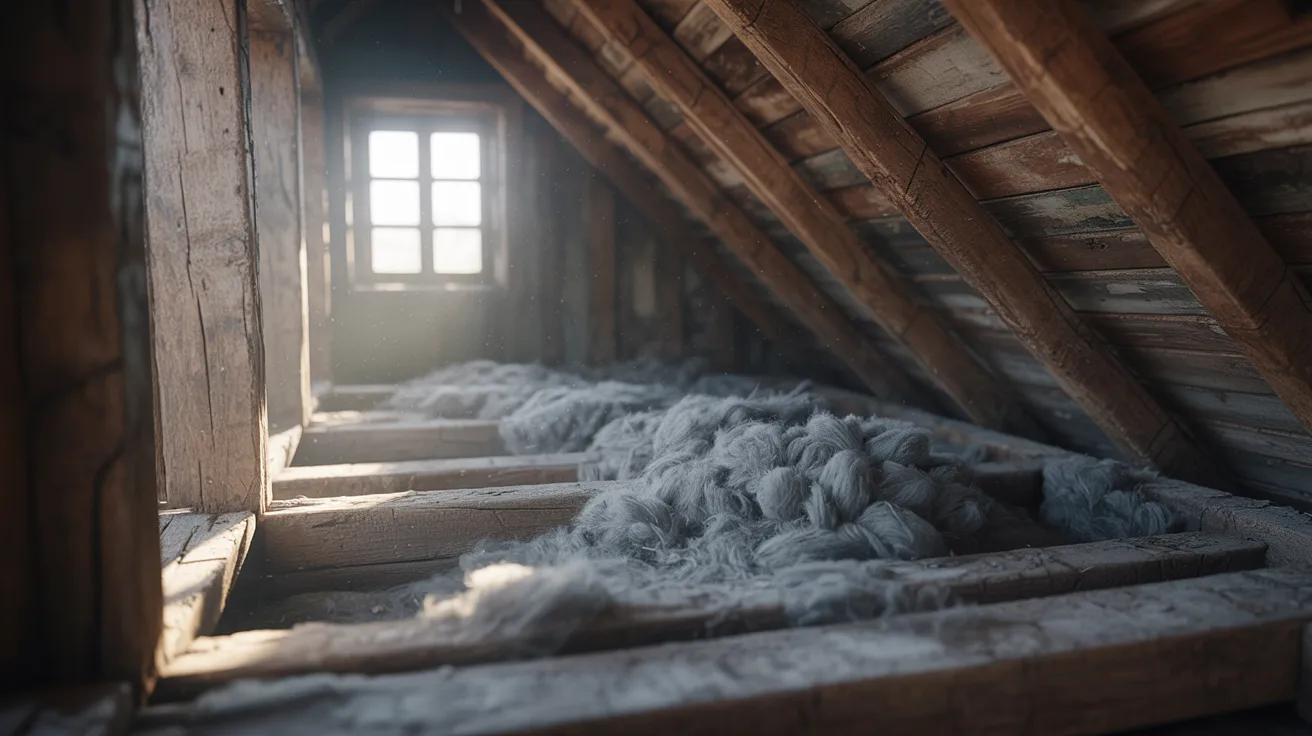
I once stood in a client’s attic, staring at a fluffy gray material packed between the beams. It looked harmless. It wasn’t. That moment changed how I look at old buildings forever.
Most people walk past asbestos insulation every day without knowing it. And that’s the scary part. It doesn’t announce itself.
If you’ve ever wondered what does asbestos insulation look like, you’re asking the right question at the right time.
This guide will show you exactly what to look for, where to find it, and why getting it wrong is not an option.
Understanding Asbestos Insulation
Asbestos is a naturally occurring mineral made of microscopic fibers.
Builders and manufacturers used it heavily in insulation from the 1930s all the way through the late 1970s. It was considered a top-choice material for its ability to resist fire and heat.
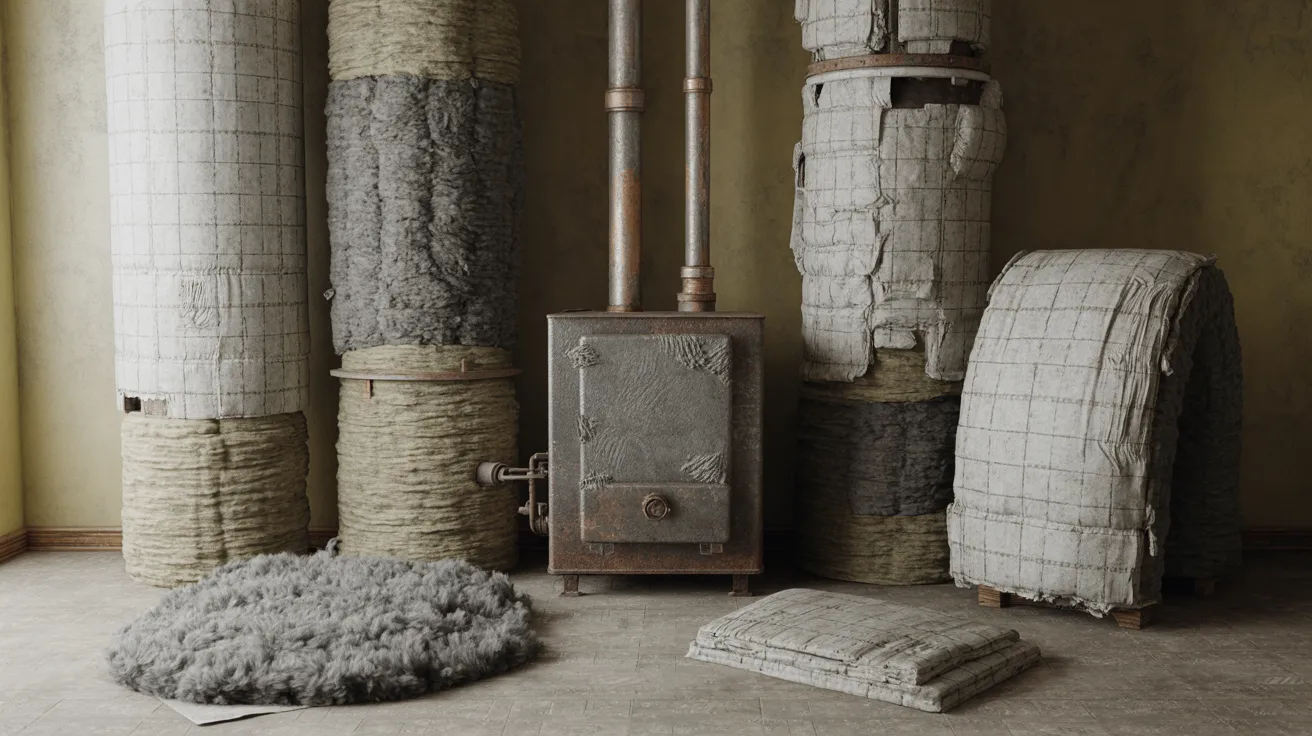
It showed up in many forms. Spray-applied coatings, pipe and boiler wraps, loose-fill material, and blanket insulation all contained asbestos at some point.
Each form looks slightly different, which is why knowing what to spot matters.
The health risks are not small. Breathing in asbestos fibers can cause asbestosis, mesothelioma, and lung cancer.
What makes it especially dangerous is that symptoms can take 20 to 30 years to appear. That delay is exactly why identifying it early is so important.
Identifying Asbestos Insulation Visually
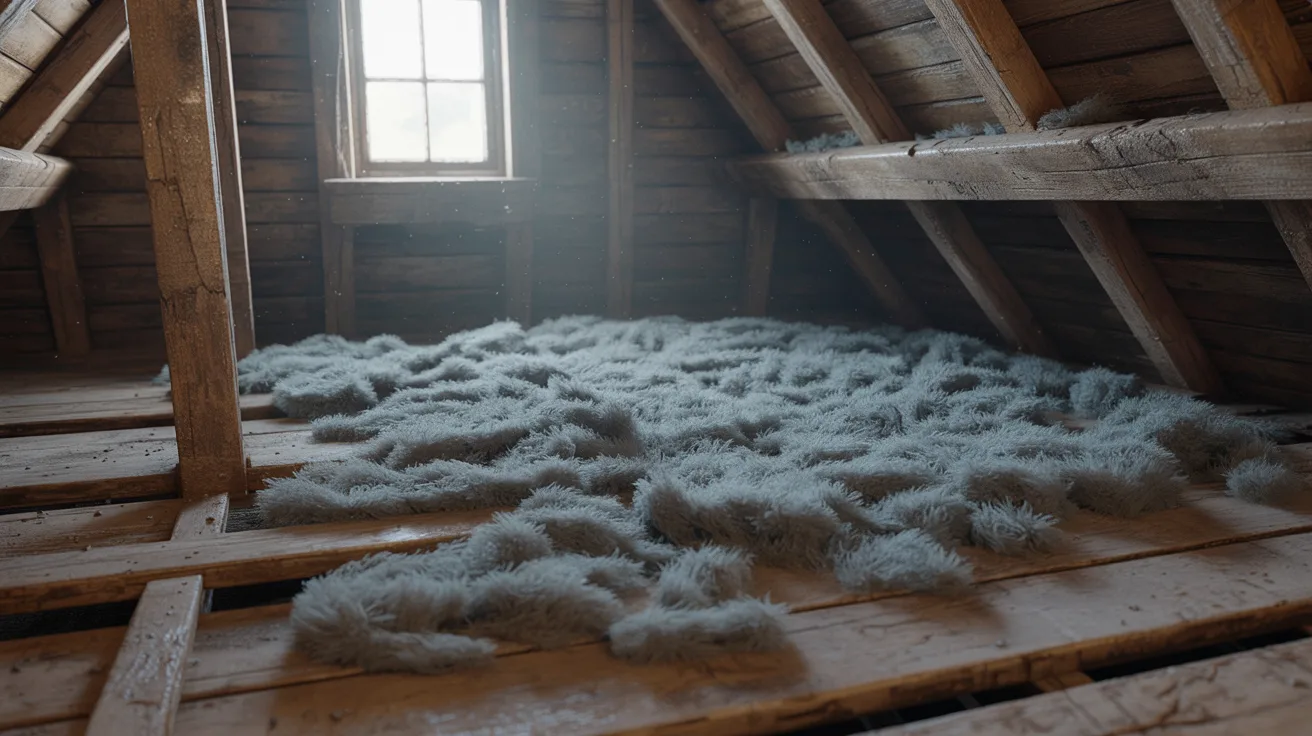
Knowing what does asbestos insulation look like is your first line of defense. A quick visual check won’t confirm everything, but it tells you enough to take the next step safely.
Common Appearances
Asbestos insulation usually has a fibrous, fluffy, or wool-like texture. It can look a lot like other common insulation types at first glance. That’s what makes it tricky.
The color is typically white, gray, or brown. Older materials may have turned yellow or off-white over time. Color alone won’t give you a definitive answer, but it’s a useful clue.
If the material is old or has been disturbed, it often becomes brittle and dusty. You might notice it crumbling or flaking at the edges. That’s the most dangerous state for asbestos to be in.
Forms Based on Installation
Different types of asbestos insulation were installed in different ways. Here’s a short breakdown to help you understand what you might be looking at.
Spray-applied asbestos was commonly used on ceilings, walls, and ductwork. It looks rough and uneven, almost like a bumpy, textured coating. Over time, it can start to flake off on its own.
Here are the main forms to know:
- Spray-Applied (Friable): Rough, uneven coating on ceilings, walls, or air ducts. Flakes off easily when touched or disturbed.
- Pipe and Boiler Wrap: Looks like layers of paper or cloth wrapped tightly around pipes. May feel stiff, corrugated, or cardboard-like.
- Loose-Fill Insulation: Granular and loosely packed, most often found in attics. Looks similar to vermiculite or coarse sand.
- Insulation Boards: Flat, rigid sheets installed inside walls or under floors. Dense and firm in appearance.
If you spot any of these in a building constructed before 1980, take it seriously. Don’t touch them, move them, or try to collect a sample yourself.
Differentiating from Other Insulation Materials
It’s very easy to confuse asbestos with other insulation materials. Fiberglass, cellulose, and mineral wool all share some visual similarities.
But there are clear differences when you look closely.
| Feature | Asbestos | Fiberglass | Cellulose | Mineral Wool |
|---|---|---|---|---|
| Texture | Fibrous, woolly, brittle | Fluffy, soft, itchy | Fine, paper-like | Dense, firm |
| Color | White, gray, or brown | Pink, yellow, or white | Gray or dark gray | Gray or white |
| Density | Medium | Low | Medium | High |
| Feel | Dry, dusty if old | Scratchy | Light and loose | Heavy and firm |
Safety tip: If you’re unsure about any insulation in your home or workplace, do not disturb it. Always consult a certified asbestos professional before taking any further action.
Tools and Methods for Safe Identification
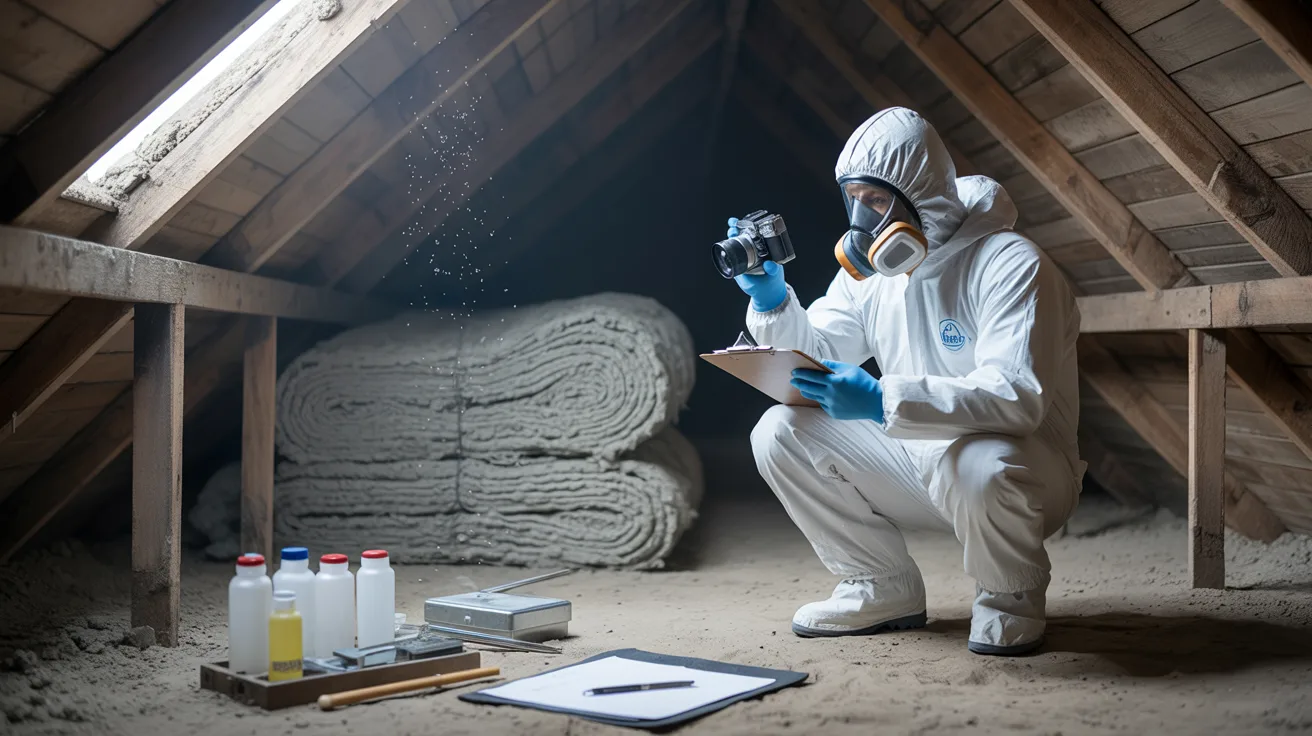
Visual inspection is always the first step when checking for asbestos. But your eyes can only do so much. Here’s how to go about it the right way.
Start by looking without touching anything. Note the texture, color, and location of the material. Take photos if you can do so safely, without getting too close.
Here’s what a proper identification process involves:
- Visual inspection: Look at texture, color, and where the material is located. Keep your distance and don’t touch.
- Sample collection: A small material sample can be sent to an accredited lab for testing. This must be done by a trained professional, not by you.
- Laboratory testing: Air and bulk sample testing gives a confirmed result. This is the only method that provides 100% certainty.
- Professional assessment: A licensed asbestos inspector can check the full property safely and give you a clear report.
Don’t rely on looks alone. A material can appear completely harmless and still test positive for asbestos. Professional testing is always worth it.
Where Asbestos Insulation is Commonly Found
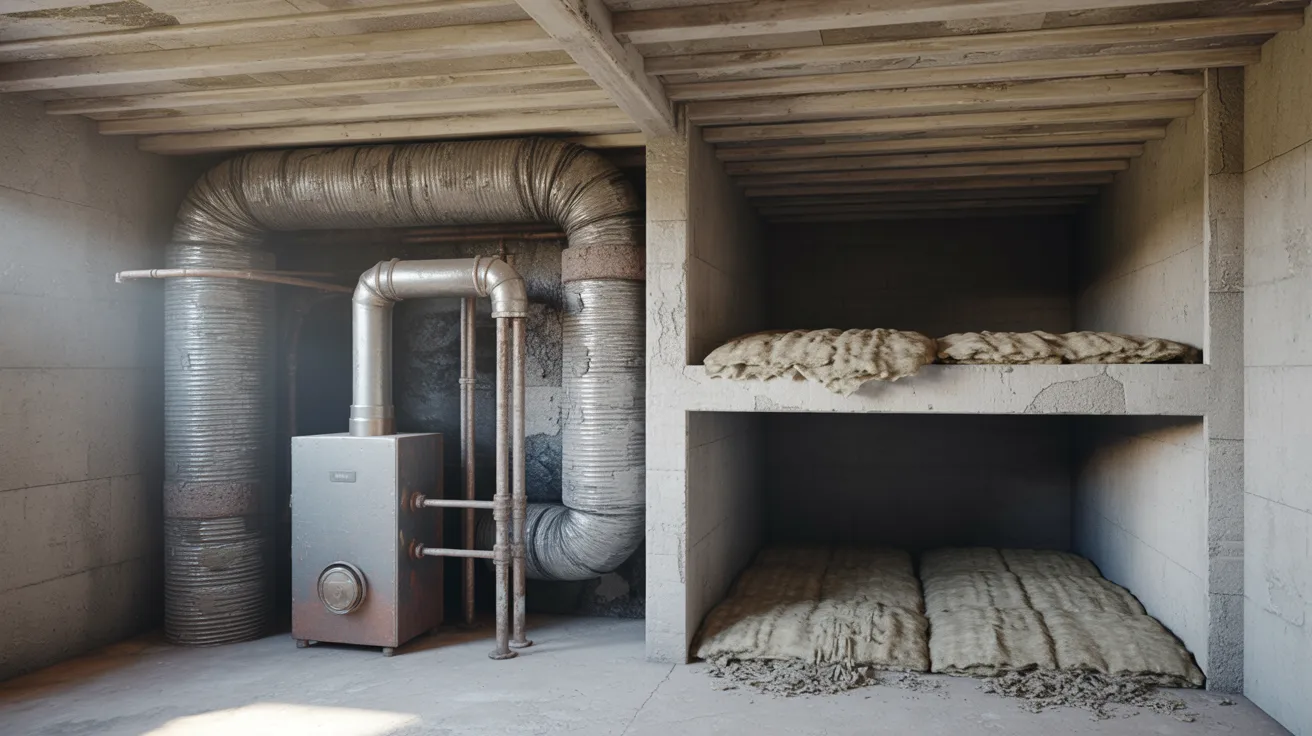
If your home was built before 1980, there’s a real chance asbestos was used somewhere inside it. At the time, it was simply the standard material. Builders didn’t know the risks the way we do now.
The most common spots are around boilers, pipes, and ductwork. Attics and wall cavities were also insulated heavily, especially in colder parts of the country. These areas are worth checking first.
Commercial and industrial buildings carry even higher risk. Factories, schools, and older hospitals used asbestos on a much larger scale. Renovation and demolition work in these buildings has turned up asbestos time and again.
Some hiding spots are easy to overlook. Beneath old floor tiles, behind drywall panels, and under roof shingles are all places where asbestos can sit undisturbed for decades. Out of sight does not mean out of danger.
Safety Precautions When Dealing with Suspected Asbestos
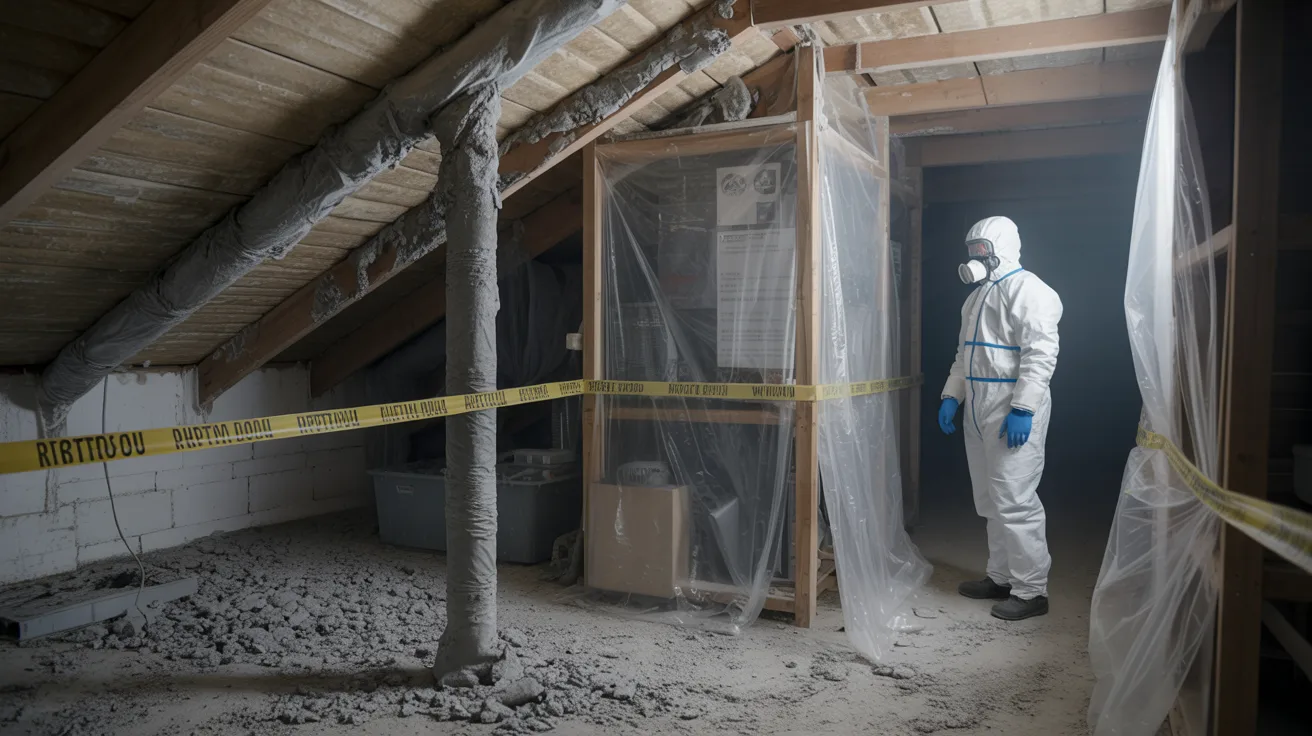
Finding suspected asbestos can feel alarming. I completely understand that reaction. But staying calm and following the right steps will protect you and everyone in the building.
The most important rule is this: don’t touch it.
Here’s what you should do instead:
- Leave it undisturbed: Any movement or contact can release fibers into the air. Even a small disturbance is enough to create a health risk.
- Use proper PPE: If a visual inspection is absolutely necessary, wear an N100 respirator and disposable gloves at minimum. Don’t go in unprotected.
- Hire a licensed professional: Only certified asbestos abatement contractors should collect samples or carry out removal work. Don’t attempt this yourself.
- Know your local regulations: Many areas have strict legal rules around asbestos removal and disposal. Check the requirements in your region before any work begins.
- Seal off the area: If you suspect the material has already been disturbed, close off the space and limit access until a professional arrives.
One wrong move can have serious, long-term health consequences. Always choose caution over speed.
Key Takeaways on Recognizing Asbestos Insulation
Let me bring the most important points together for you. Asbestos can hide in plain sight, and knowing what to look for genuinely makes a difference.
Here’s a quick recap:
- Asbestos insulation is fibrous, woolly, or brittle in texture
- Colors range from white and gray to brown or yellowed with age
- Common forms include spray-applied coatings, pipe wraps, loose-fill material, and rigid boards
- Older homes built before 1980 and commercial buildings carry the highest risk
- Visual inspection is the starting point, but lab testing is required for a confirmed result
So, what does asbestos insulation look like? In short, it’s fibrous, dull-colored, and often old-looking or crumbling.
But appearances alone can fool you. Always get it professionally tested before making any decisions.
If you spot something that concerns you, don’t wait. Reach out to a licensed asbestos inspector right away.
Conclusion
Asbestos isn’t something you want to get wrong. I’ve seen people ignore warning signs, and it never ends well. If something in your home looks off, trust that feeling.
Don’t poke it, don’t ignore it, and don’t guess.
One call to a licensed asbestos inspector can give you clarity and peace of mind. That’s worth more than any shortcut. Book a professional inspection today.
Share this guide with someone who lives in an older home. It might be the most important thing you do for them this year.
Frequently Asked Questions
What does asbestos insulation look like?
Asbestos insulation typically looks fibrous, fluffy, or wool-like and comes in white, gray, or brown shades. It may also appear brittle or dusty if it’s old or has been disturbed.
Can I identify asbestos insulation just by sight?
Visual identification can give you a starting point, but it’s not fully reliable on its own. Professional lab testing is always recommended for accurate confirmation.
Is asbestos insulation dangerous if it’s intact?
Intact, undisturbed asbestos poses a lower immediate risk, but any disturbance, even minor, can release harmful fibers into the air.
How can I safely check for asbestos insulation in my home?
Begin with a careful visual inspection from a safe distance, then hire a licensed asbestos professional to collect and test samples properly.
What materials are commonly mistaken for asbestos insulation?
Fiberglass, cellulose, mineral wool, and vermiculite are often confused with asbestos. Pay close attention to texture, color, and density to tell them apart.