
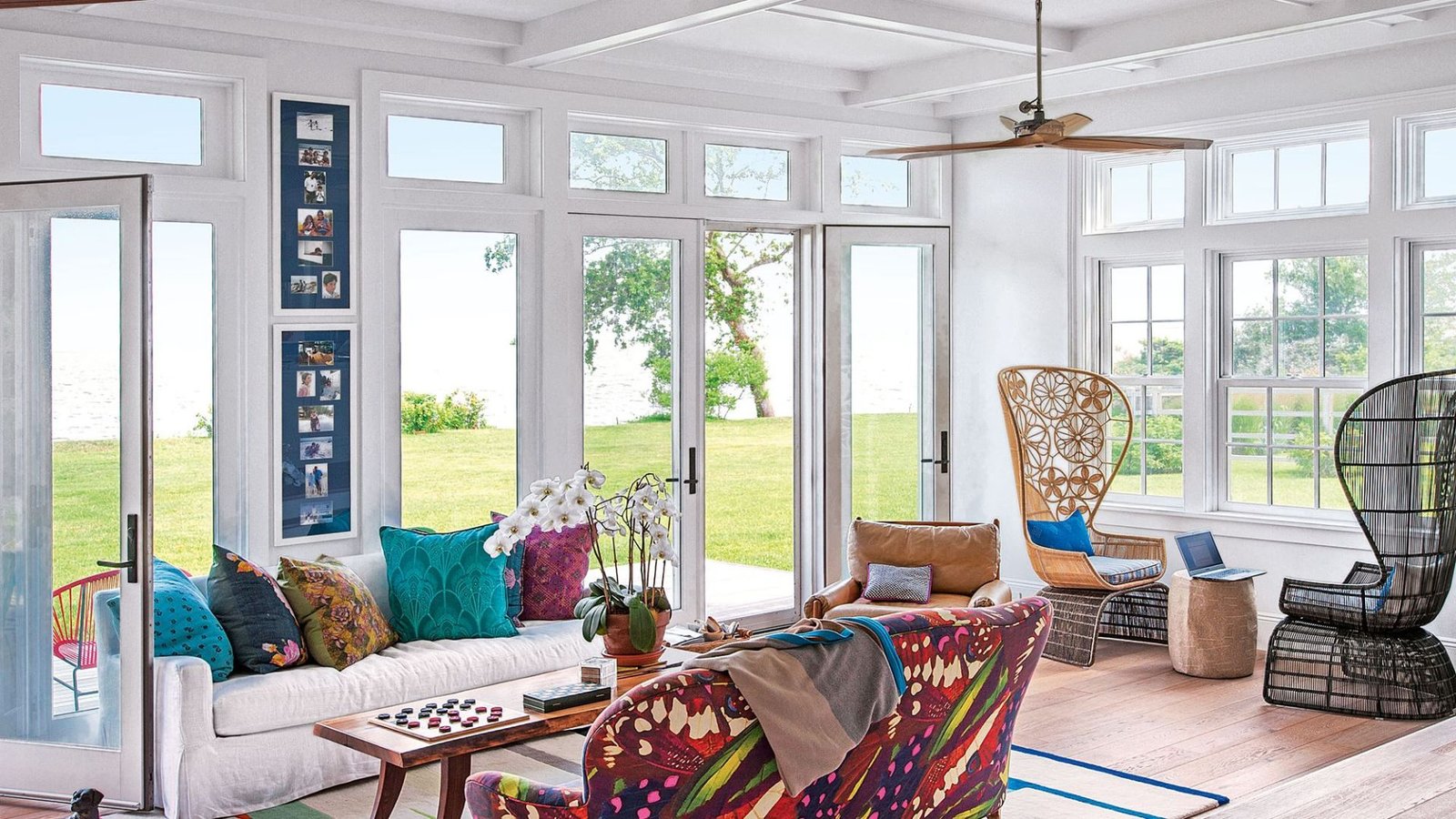
Running out of space at home is frustrating. I’ve been there, and I know how quickly a house can start feeling too small. The good news? You don’t have to move.
In this post, I’m sharing 17 home addition ideas that can give you more room, better function, and a higher property value. From master suites to mudrooms, I’ve got you covered.
I’ve researched and covered home improvement topics extensively, so you can trust what’s here.
Let’s get into it.
Why Consider a Home Addition?
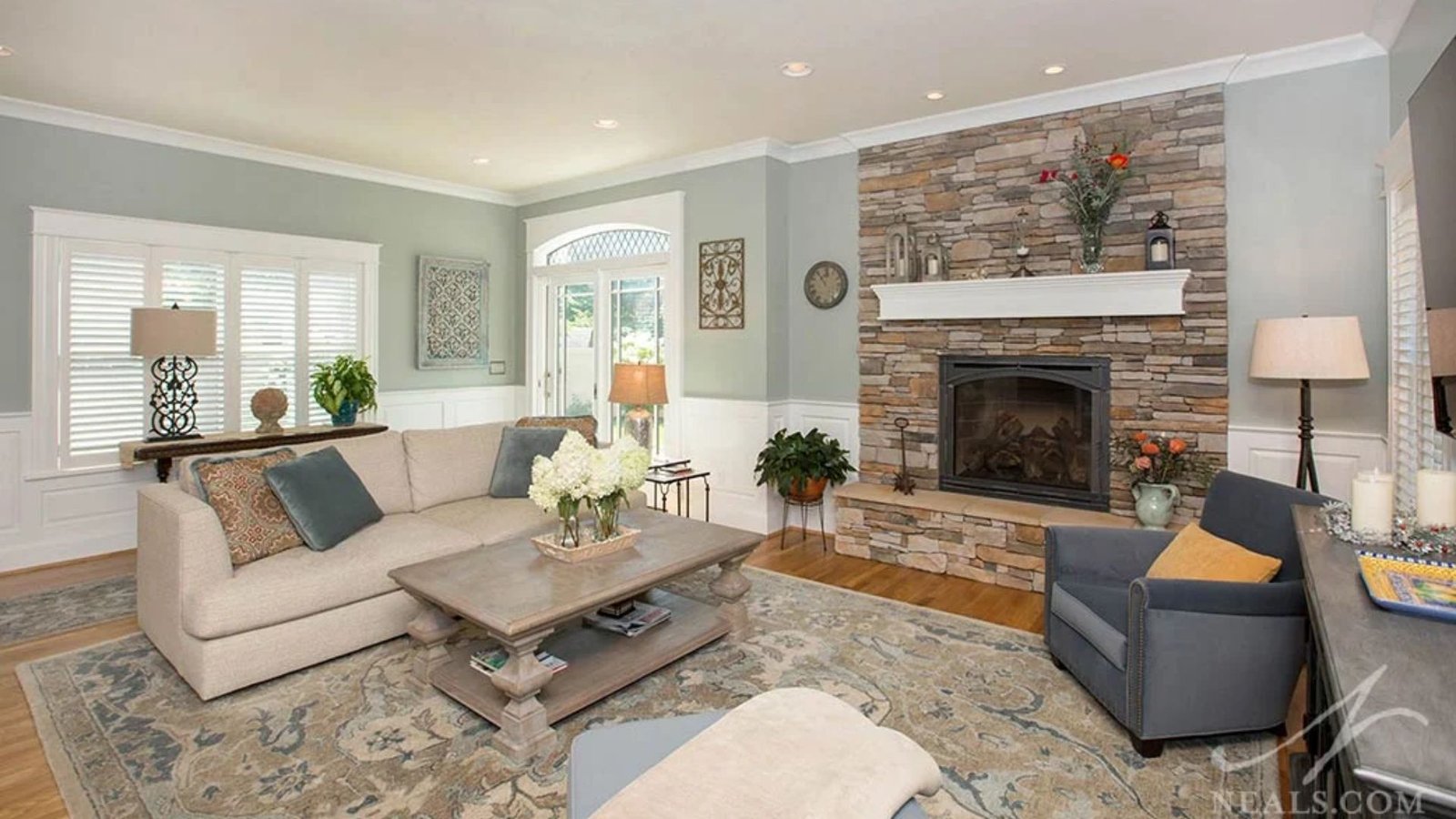
Moving is expensive, stressful, and not always necessary. A well-planned home addition can give you exactly what you need without leaving the neighborhood you love.
Buying a new home means agent fees, closing costs, and a whole lot of disruption. An addition lets you stay put and get the space you actually need.
More space means more comfort and more money when it’s time to sell. Most homeowners consider an addition when the family is growing, working from home becomes long-term, or hobbies need a dedicated room.
Whatever the reason, it’s often the smartest move you can make.
17 Home Addition Ideas
Adding more space to your home doesn’t have to mean moving. These ideas make it simple.
1. Master Bedroom or Suite Addition
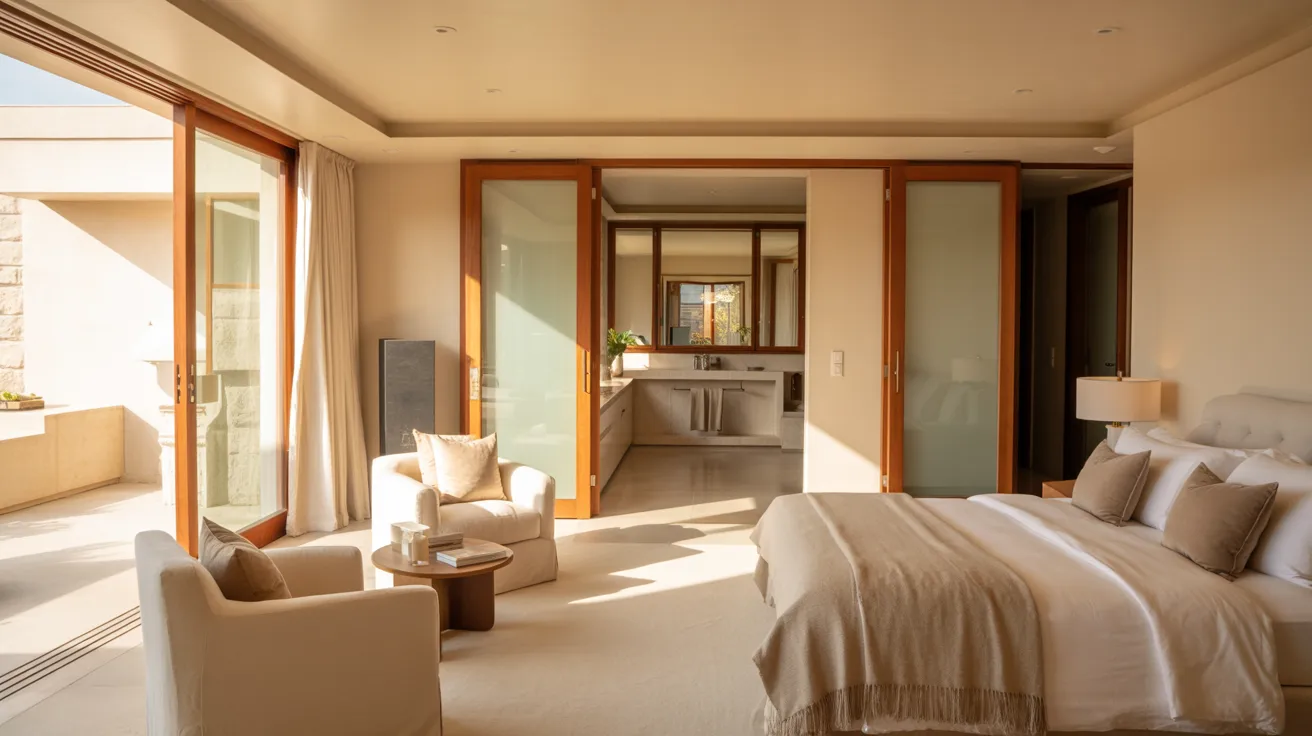
A master suite addition gives you a private retreat right inside your home, adding comfort and serious resale value.
A dedicated master suite with its own bathroom and walk-in closet is one of the top features buyers look for. Homes with one consistently sell faster and for more money.
Add a sitting area, large windows, heated floors, and a double vanity to make it feel truly worth it.
2. Great Room Expansion
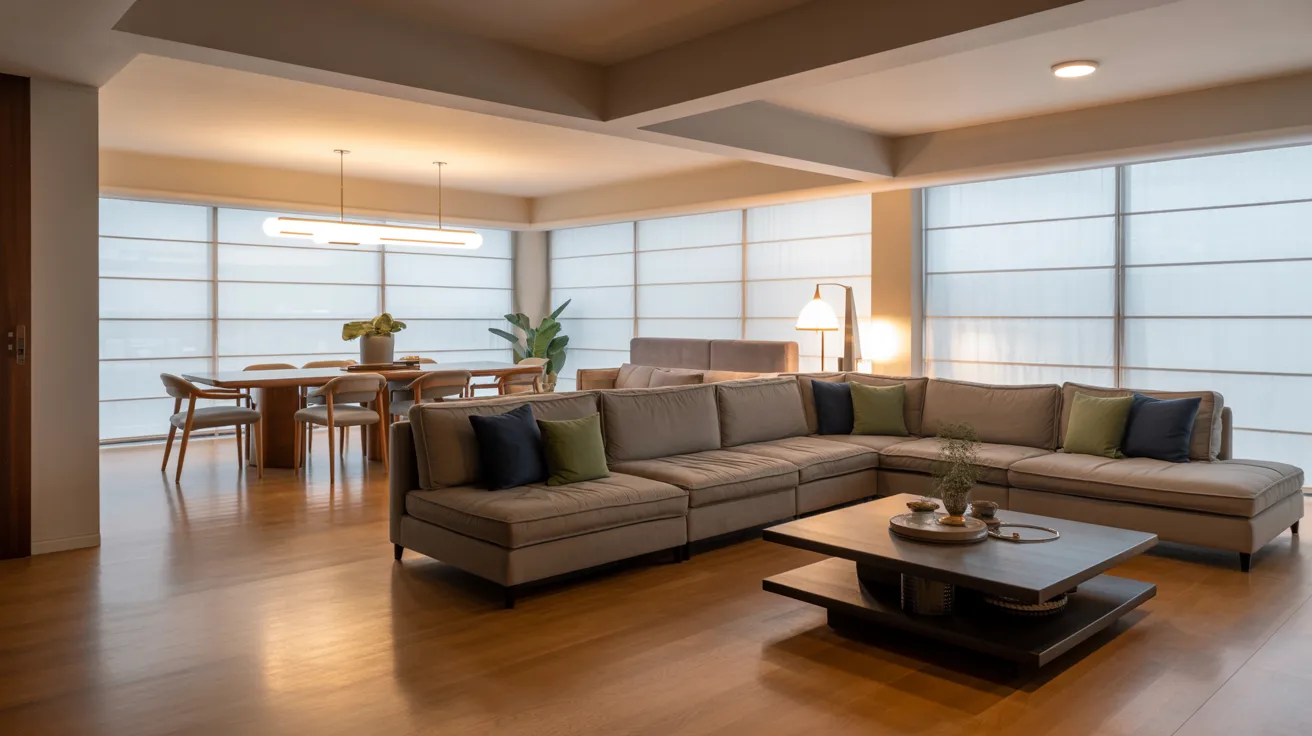
Expanding your living area creates a space where the whole family can gather, relax, and spend real time together.
A great room gives everyone room to breathe. Use an open layout, consistent flooring, and layered lighting to make the space feel comfortable and functional for everyday life.
3. Kitchen Expansion
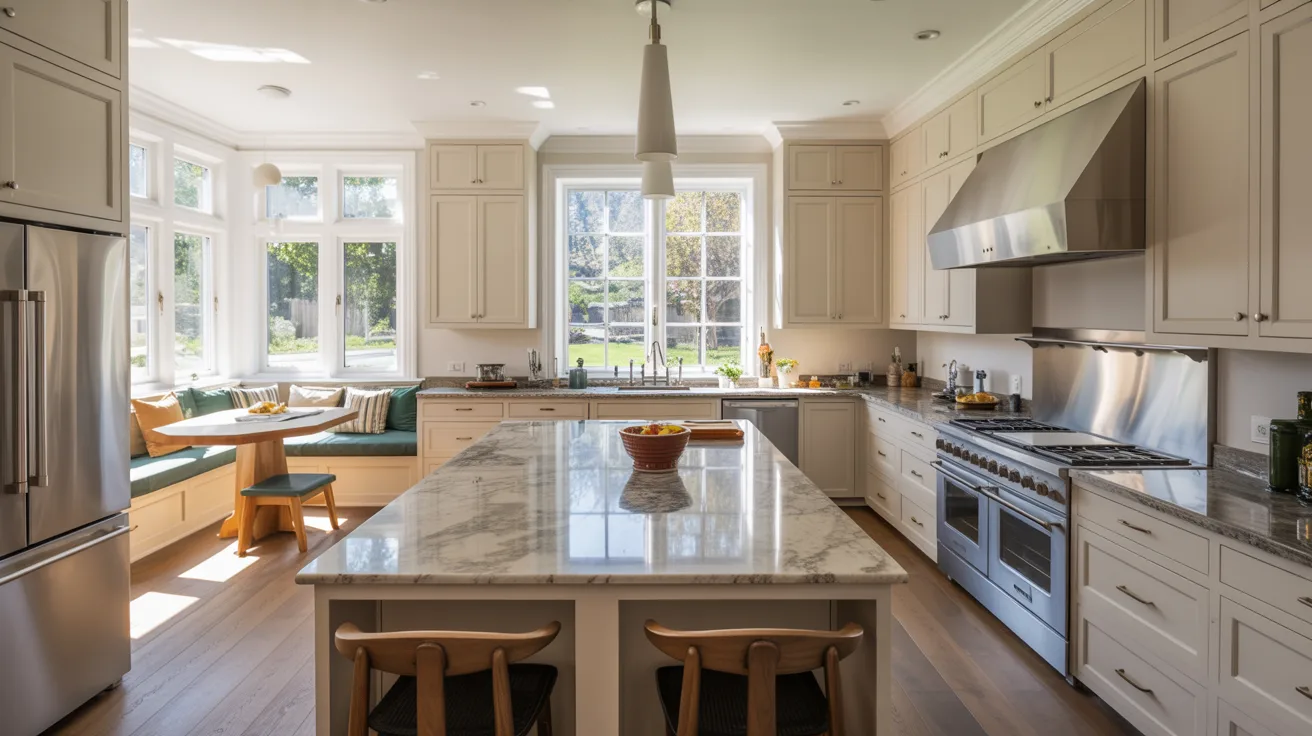
More kitchen space means more room to cook, eat, and actually enjoy the heart of your home.
Start by identifying what frustrates you most in your current kitchen.
More counter space, better storage, a kitchen island, or a breakfast nook can completely change how the space works for your family.
4. Sunroom or Screened-In Porch
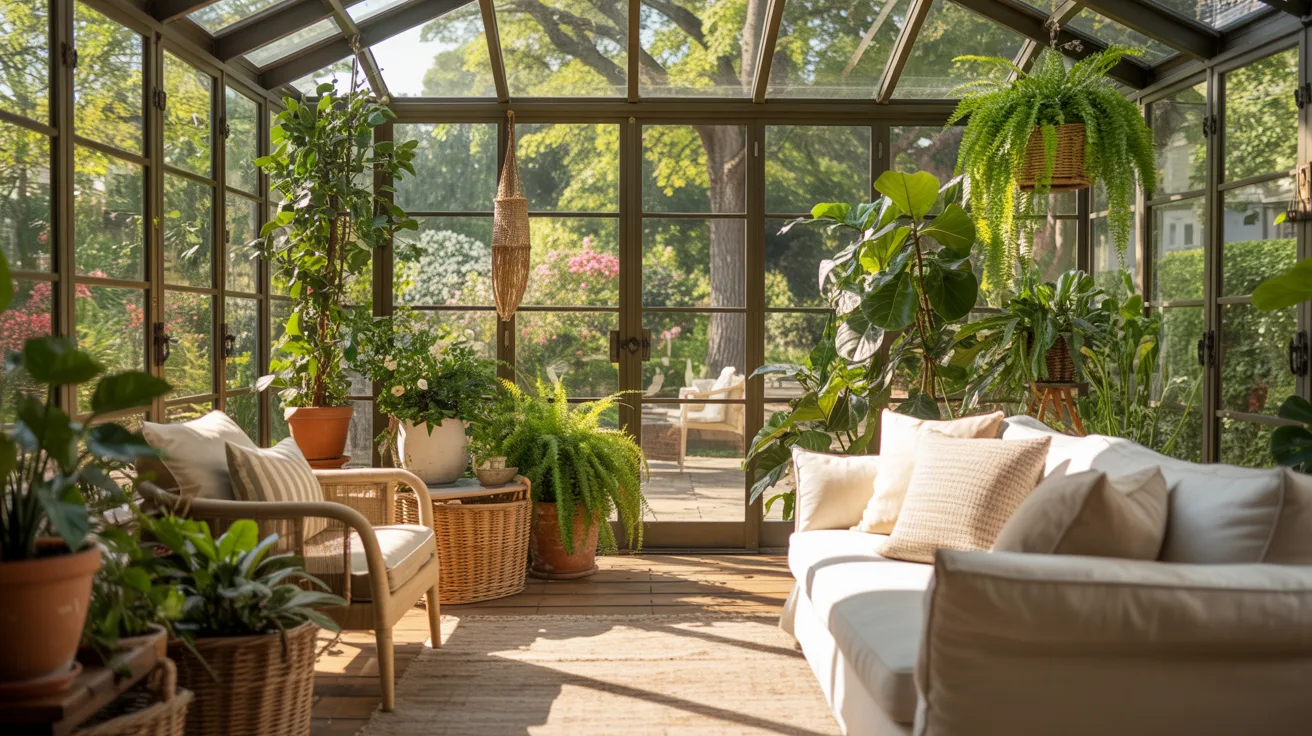
A sunroom or screened porch lets you enjoy outdoor views and fresh air without battling bugs or bad weather.
You get natural light and that open, airy feeling without actually being outside. Use it as a family room, reading nook, or a spot for plants. It’s one of the most flexible additions you can make.
5. Home Office or Study
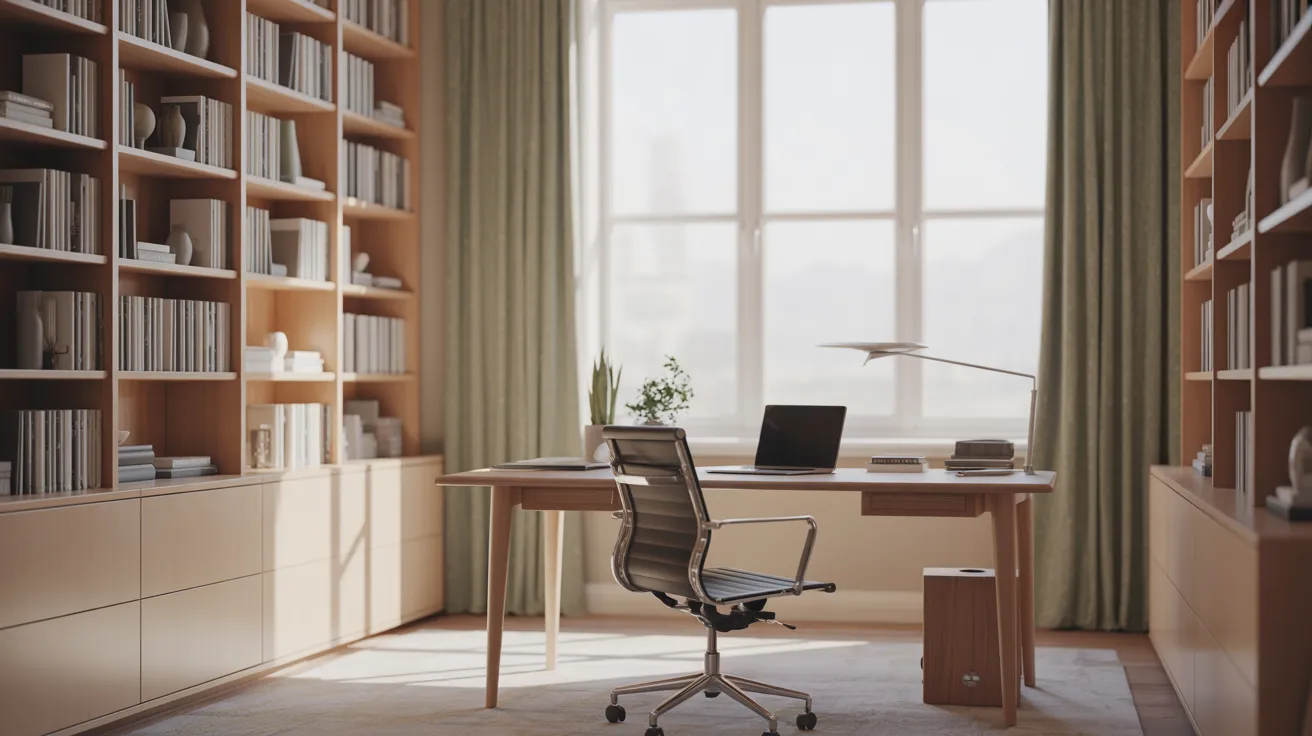
A proper home office gives you the privacy and focus you need to actually get work done without constant interruptions.
A dedicated office keeps work separated from family life. Get the lighting right, add enough storage, and don’t skip ergonomics. The right chair and desk setup will save your back over the long run.
6. Home Gym Addition
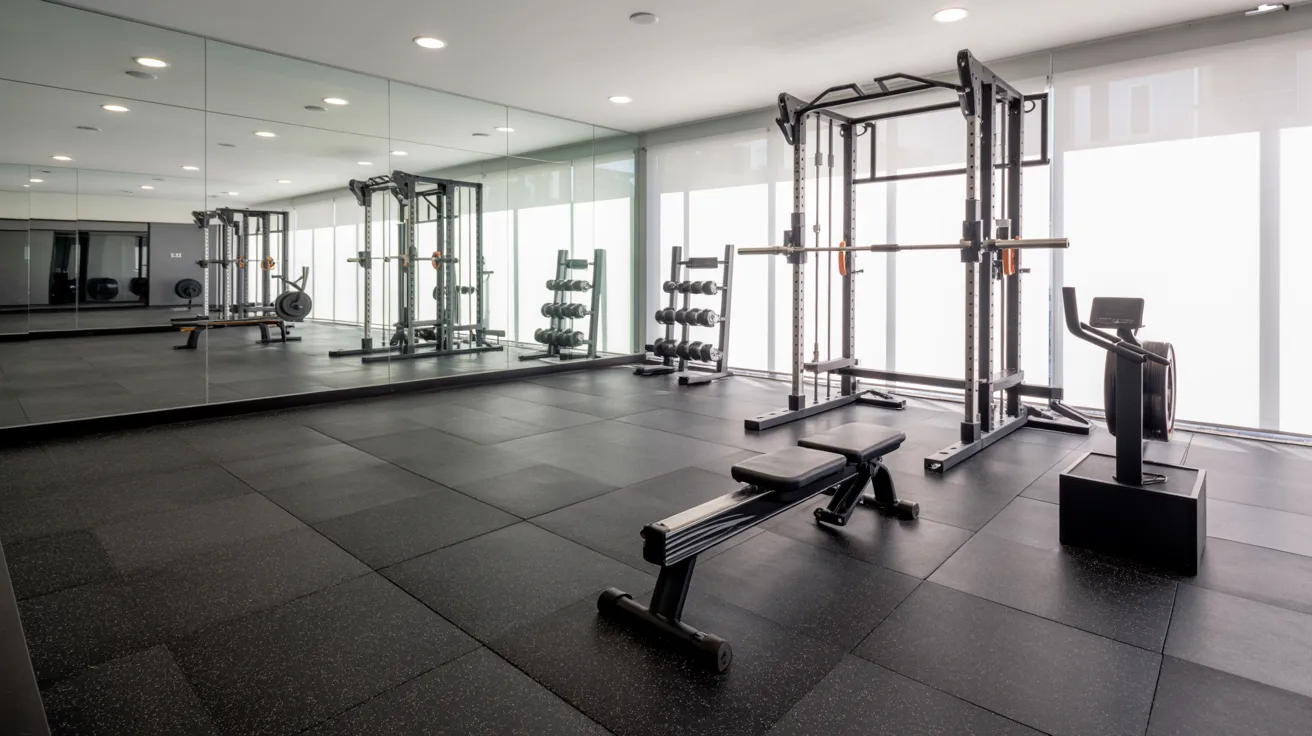
A home gym addition means no commute, no membership fees, and no waiting for equipment.
Plan the layout before buying equipment. Use rubber flooring, add mirrors, and make sure ventilation is strong. Natural light helps too. The goal is a space you actually want to use every day.
7. Entertainment or Family Room
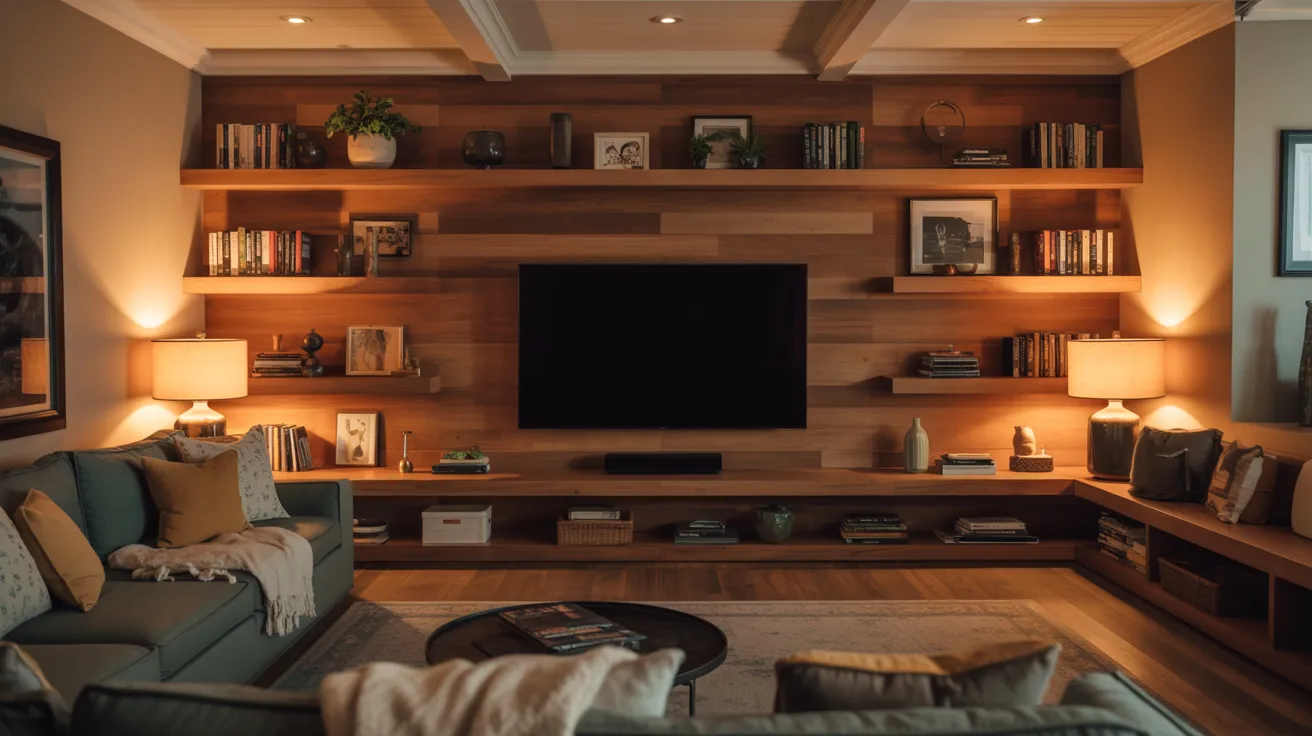
A dedicated entertainment room gives your family a go-to spot for movie nights, games, and quality time together.
Underused porches, basements, and bonus rooms are prime candidates. Add built-in media storage, shelving, and a wet bar if you entertain often.
Design the storage in from the start, not as an afterthought.
8. Kitchen Bump-Out
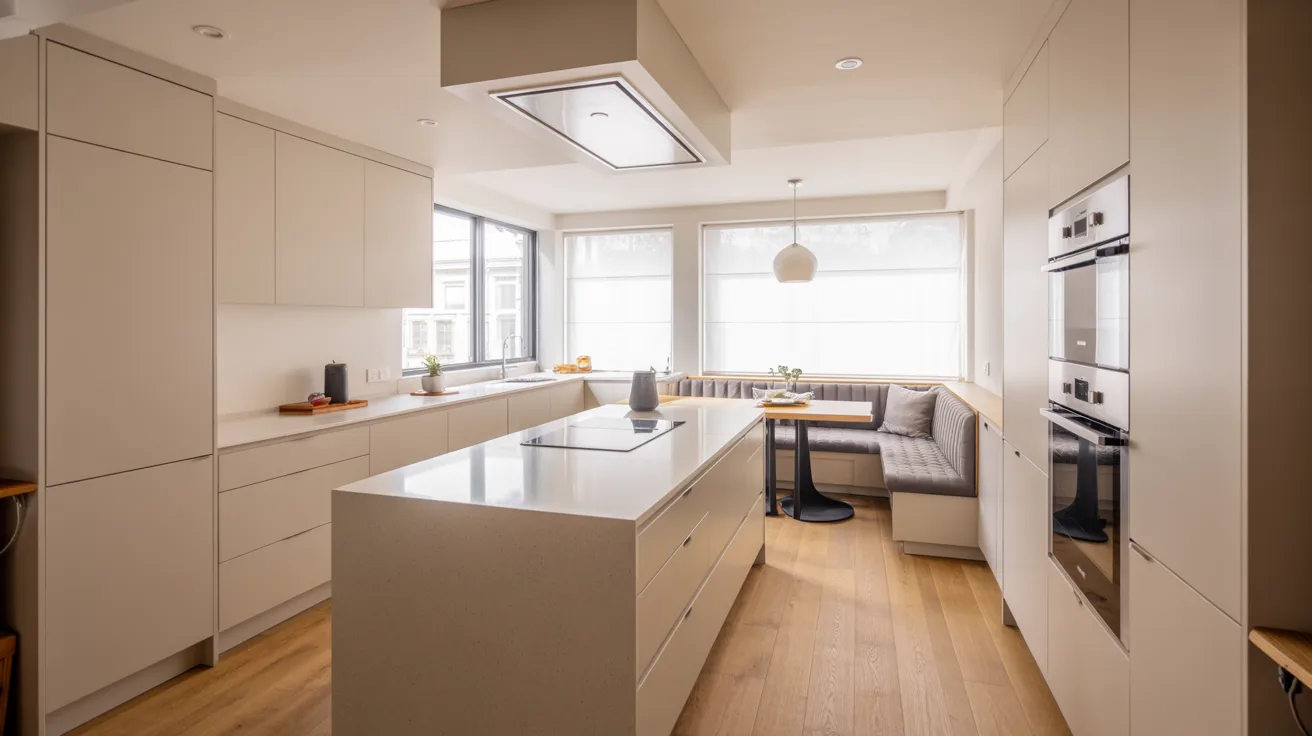
A kitchen bump-out is a small addition that gives you noticeably more cooking and dining space without a major renovation.
Extending your kitchen by just a few feet can fit a breakfast nook, extra cabinetry, or a larger island.
Using piers instead of a full foundation keeps costs down while still giving you maximum function.
9. Utility or Laundry Room Addition
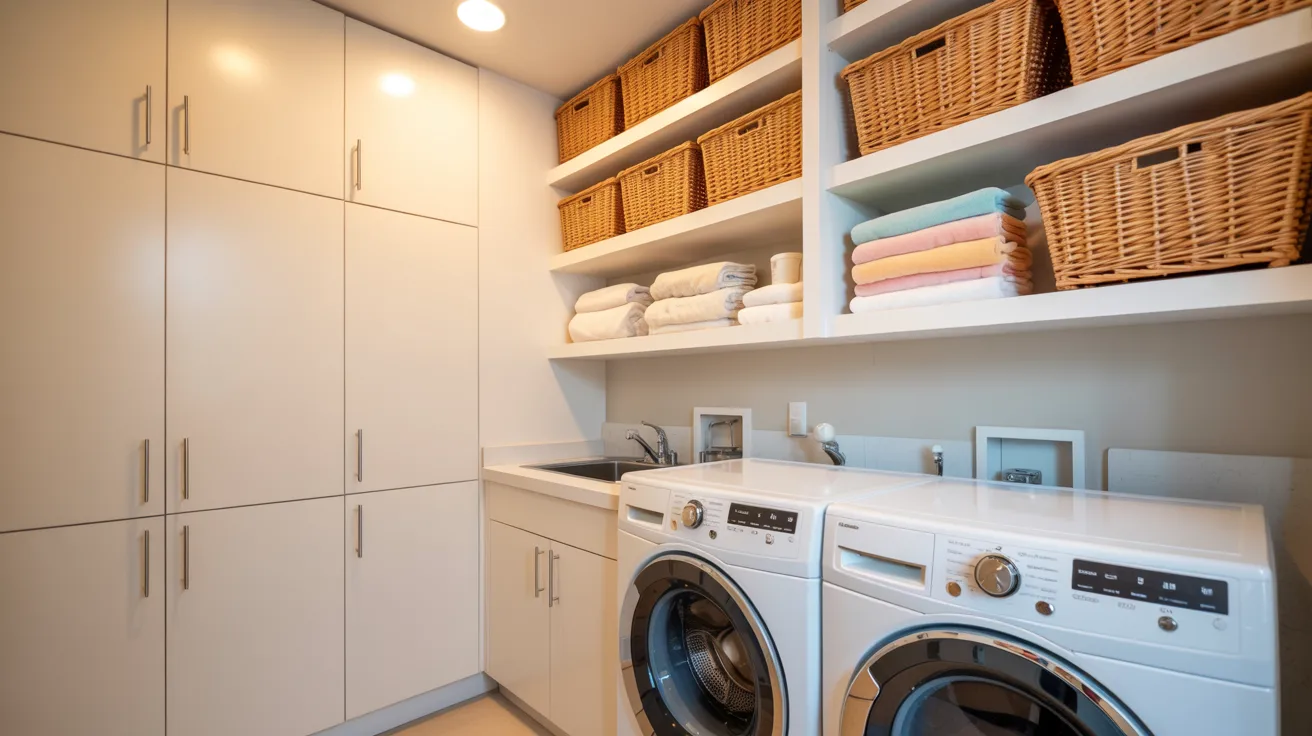
A well-designed laundry and utility room keeps the whole household running smoothly from one central spot.
The best utility rooms handle more than laundry. Think pet baths, sports gear, backpacks, and coats.
Floating cubbies, pull-out drawers, and stackable appliances keep everything organized and off the floor.
10. Bathroom Addition
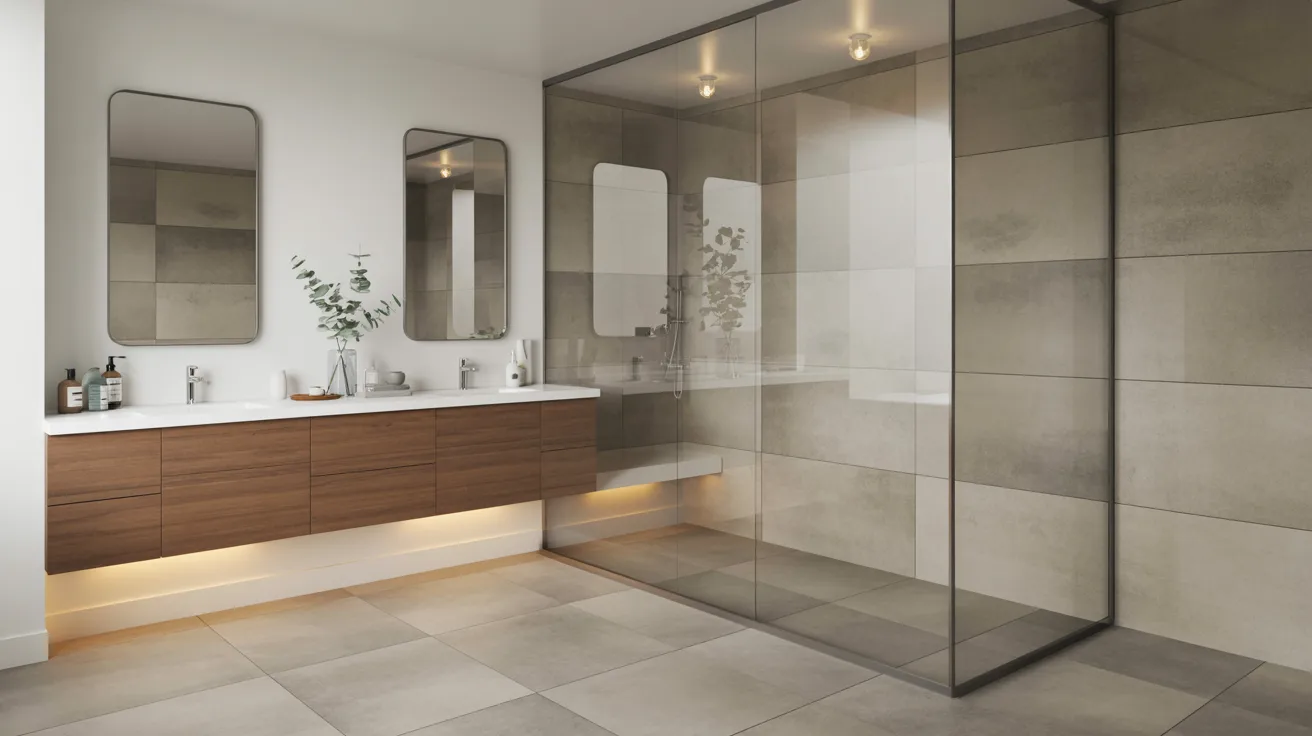
Adding a bathroom, whether for daily use or guests, is one of the most practical upgrades a home can have.
One bathroom for a full family is a daily headache. Adding a second or third removes that friction fast.
Double sinks, natural light, heated floors, and a frameless glass shower make it feel well worth the investment.
11. Open-Concept Kitchen and Dining Addition
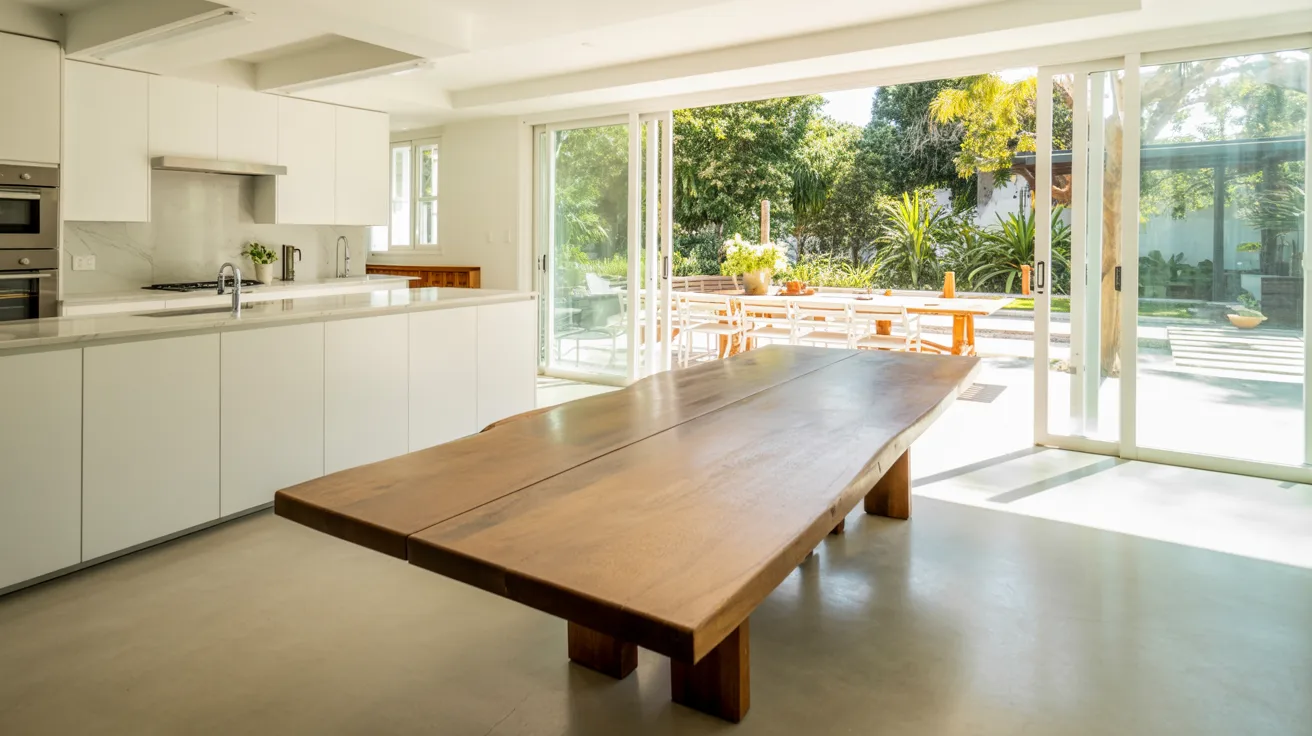
Combining your kitchen and dining space into one open area creates better flow and makes everyday meals feel less rushed.
Sliding glass doors or a screened deck blurs the line between inside and out. Keep furniture simple, lighting strong, and ventilation good.
A space that gets stuffy during cooking quickly becomes one people avoid.
12. Outdoor Living Spaces
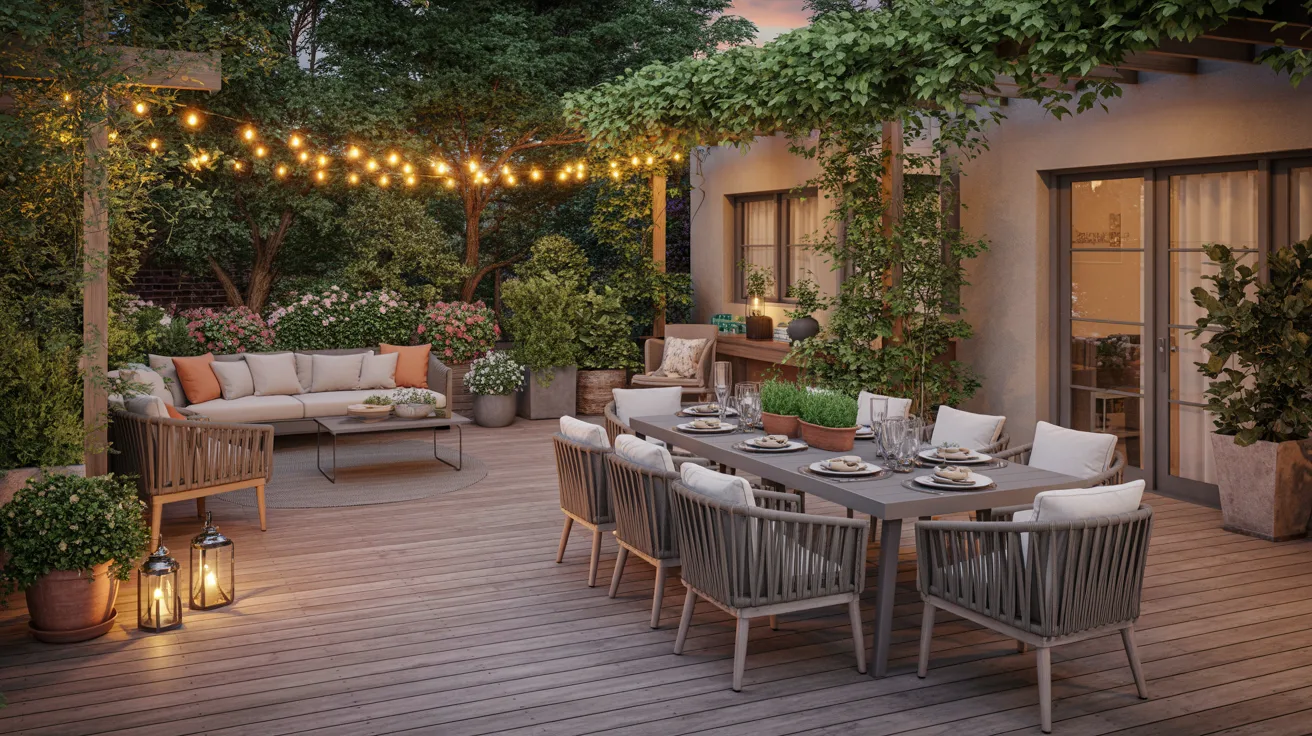
A deck, patio, or trellis addition gives you real outdoor living space that works for both relaxing and entertaining.
A deck or patio extends your usable square footage without the cost of a full addition. Match flooring materials and exterior colors to the house so the outdoor space feels connected, not tacked on.
13. Garage or Carport Additions
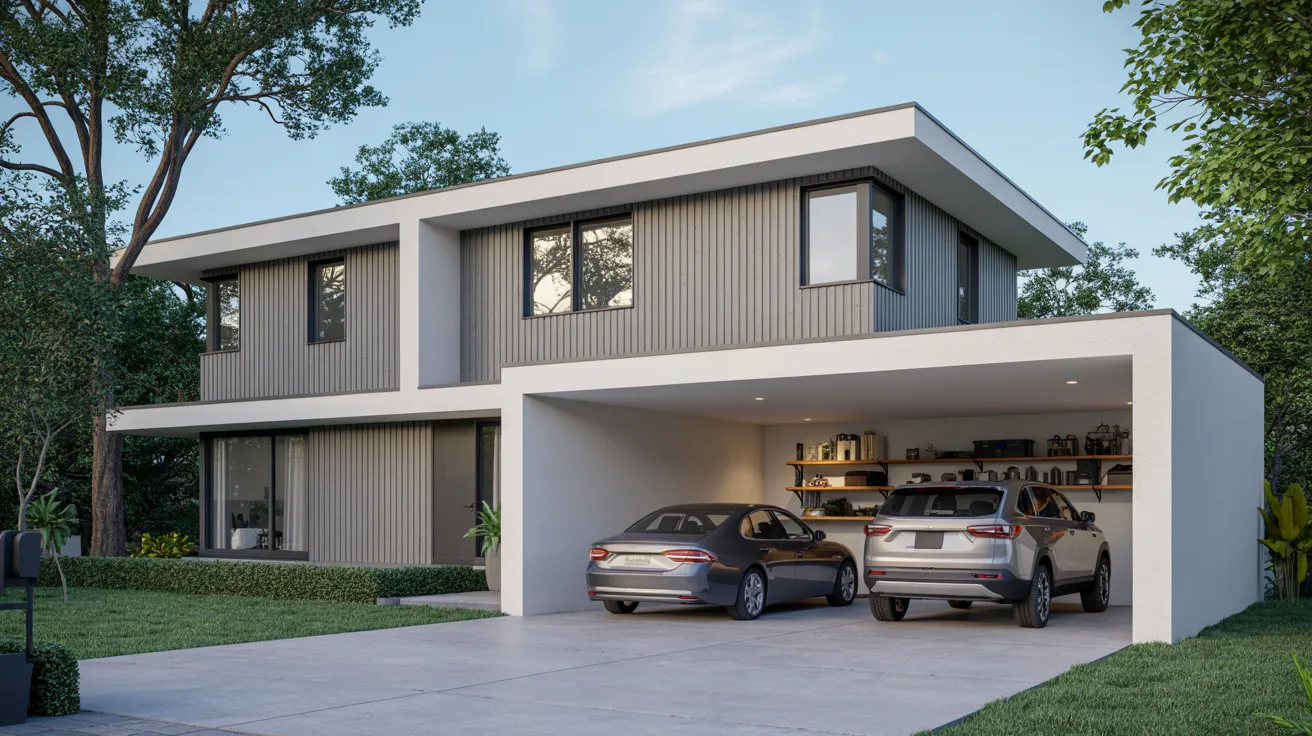
Adding garage space or a carport gives you room for cars, storage, a workshop, or even a bonus living space above.
Many homeowners convert the space above the garage into a home office, gym, or guest room.
Match the roofline, siding, and exterior details to the existing home so everything looks like it was always meant to be there.
14. Second-Story Addition
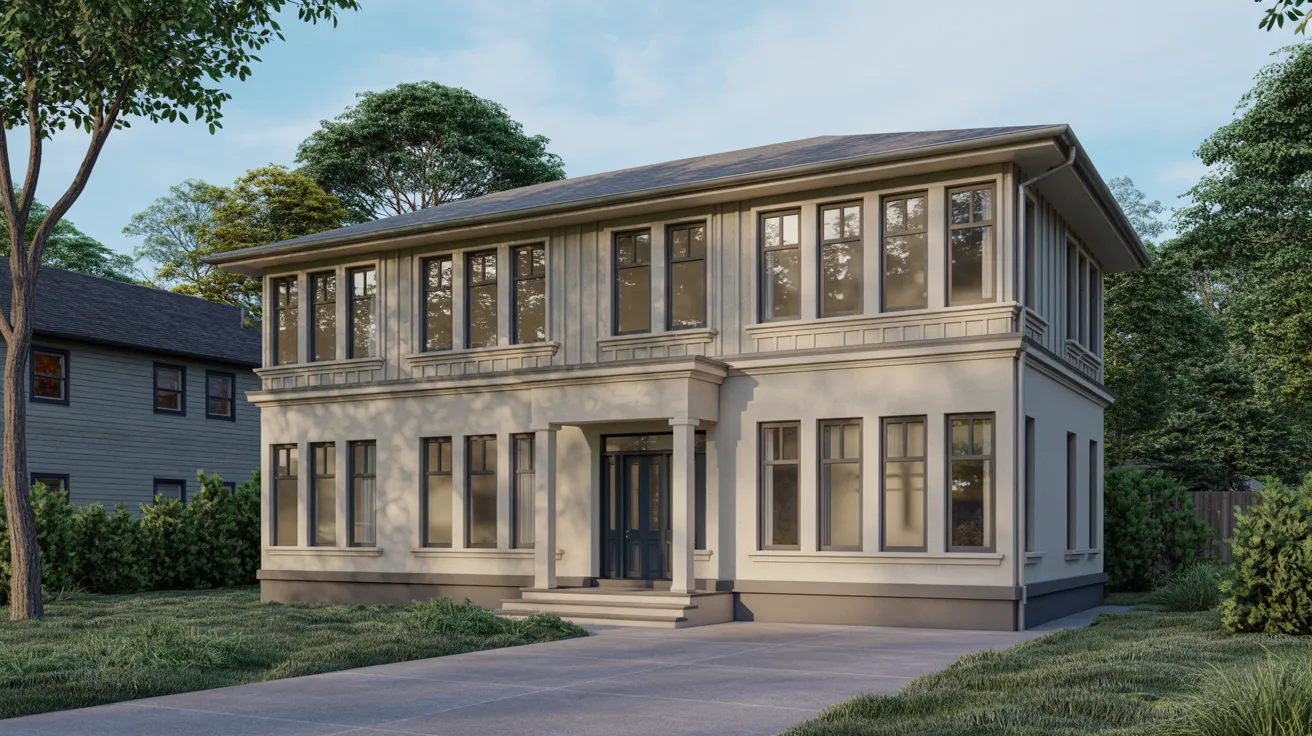
Going up instead of out is one of the smartest ways to add space without touching your yard.
A second story works especially well for ranch-style homes with structural potential.
Get a structural engineer involved early to confirm weight support, roofline changes, and overall feasibility before breaking ground.
15. Basement or Attic Conversion
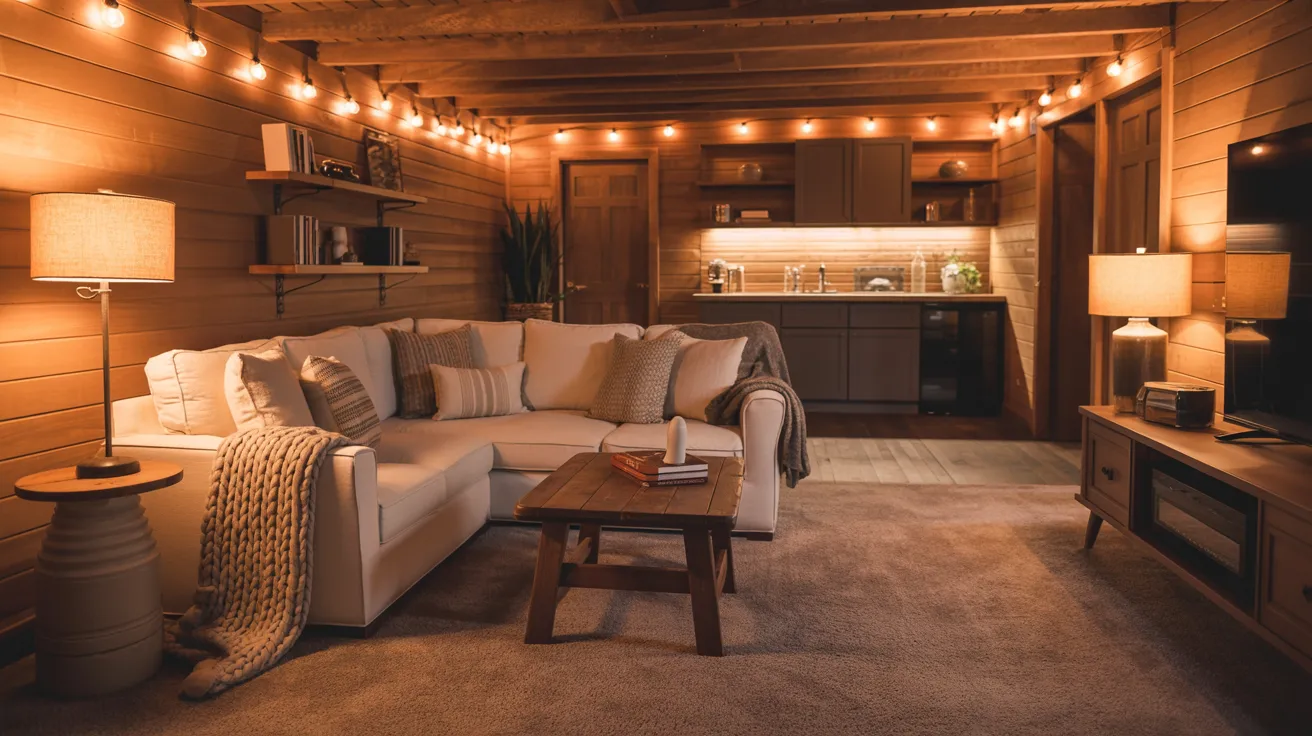
Converting an unfinished basement or attic turns wasted space into a functional room your family will actually use.
These spaces already exist, you’re just making them livable. Basements need proper lighting and egress windows.
Attics need solid insulation. Both need durable flooring that handles moisture and daily use well.
16. Guest House or Accessory Dwelling Unit (ADU)

An ADU gives you a fully separate living space that works for family, guests, or even rental income.
An ADU can house aging parents, adult children, or paying tenants. Make sure it’s self-contained with a kitchen, bathroom, and sleeping area.
Always check local zoning laws before you start planning.
17. Mudroom or Entryway Addition
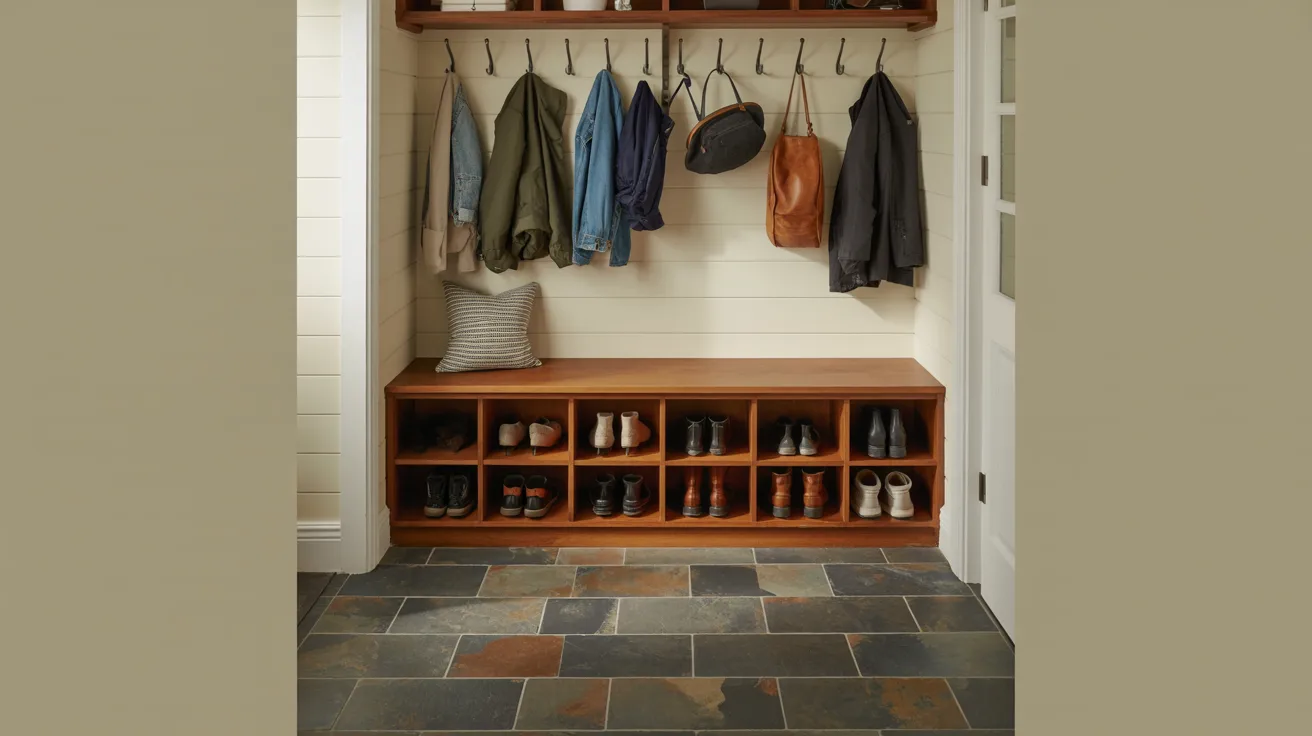
A dedicated mudroom keeps dirt, clutter, and chaos right at the door where it belongs.
Built-in benches, hooks at different heights, and durable flooring make a mudroom both functional and good-looking.
For families with kids or pets, this addition pays for itself in sanity alone.
Tips for Planning a Successful Home Addition
Good planning upfront saves you time, money, and stress later. Here’s what to keep in mind before you break ground.
- Set a realistic budget and timeline. Costs almost always run higher than expected, so build in a buffer of at least 10 to 15 percent.
- Work with trusted contractors and designers. Get multiple quotes, check references, and never pick based on price alone.
- Think about future needs. Plan for where your life is headed, not just where it is today.
- Pull the right permits. Skipping permits can cause major problems when you sell, so always build to code.
- Balance looks with function. Get the function right first, then make it look good.
Conclusion
Home additions are one of the best investments you can make in your space and your life.
I’ve personally seen how the right addition, whether it’s a mudroom or a full second story, can change how a home feels day to day.
Start with the space that frustrates you most. Plan carefully, set a real budget, and work with people you trust.
If this post helped you, drop a comment below or share it with someone planning a home addition. I’d love to hear which idea you’re considering first!
Frequently Asked Questions
How much does a home addition cost on average?
Costs vary widely based on size, location, and complexity. A small bump-out might run $20,000, while a full second-story addition can exceed $150,000.
Do I need a permit for a home addition?
Yes, in almost every case. Permits protect you legally and ensure the work is done to code, which matters a lot when it’s time to sell.
How long does a home addition take to complete?
Most additions take anywhere from two to six months. Larger projects like second-story additions or ADUs can take longer depending on permitting and contractor schedules.
Will a home addition increase my property taxes?
Very likely, yes. Adding square footage or improving your home typically raises its assessed value, which can increase your annual property tax bill.
Should I hire an architect or go straight to a contractor?
For anything beyond a simple room addition, hiring an architect first is a smart move. They help with design, permits, and making sure the addition works with your existing structure.