
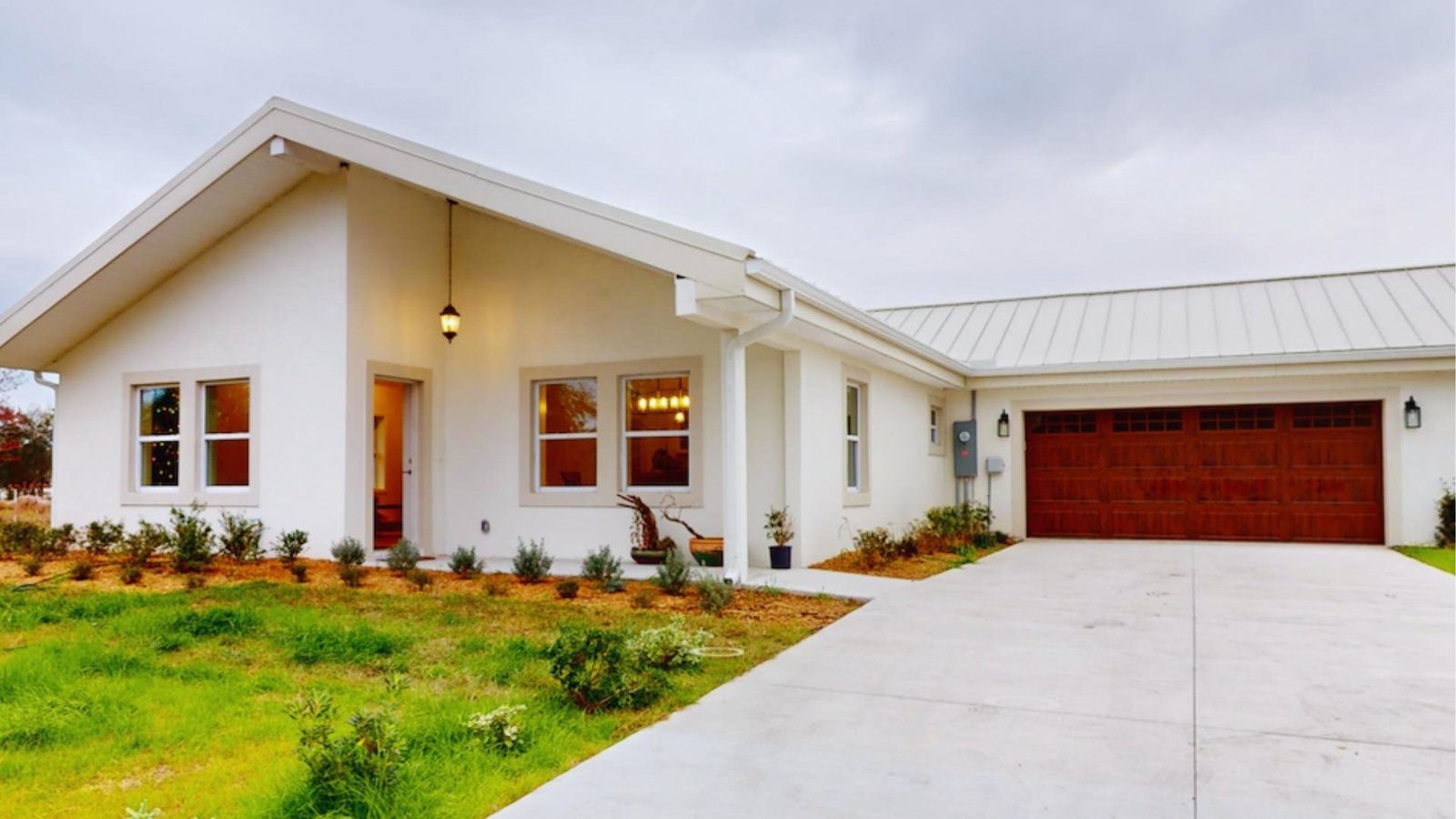
Living in a storm-prone area means one thing: your home has to be ready. I’ve spent time researching hurricane proof house design so you don’t have to guess when the next big storm hits.
In this blog, I’ll cover the best materials, smart layout plans, reinforcement tips, and retrofit options for existing homes.
You’ll also find cost breakdowns and practical advice you can actually use. This isn’t just theory.
It’s a straightforward guide built on solid research and real-world building principles to help you make confident decisions for your home.
What Defines a Hurricane Proof House Design?
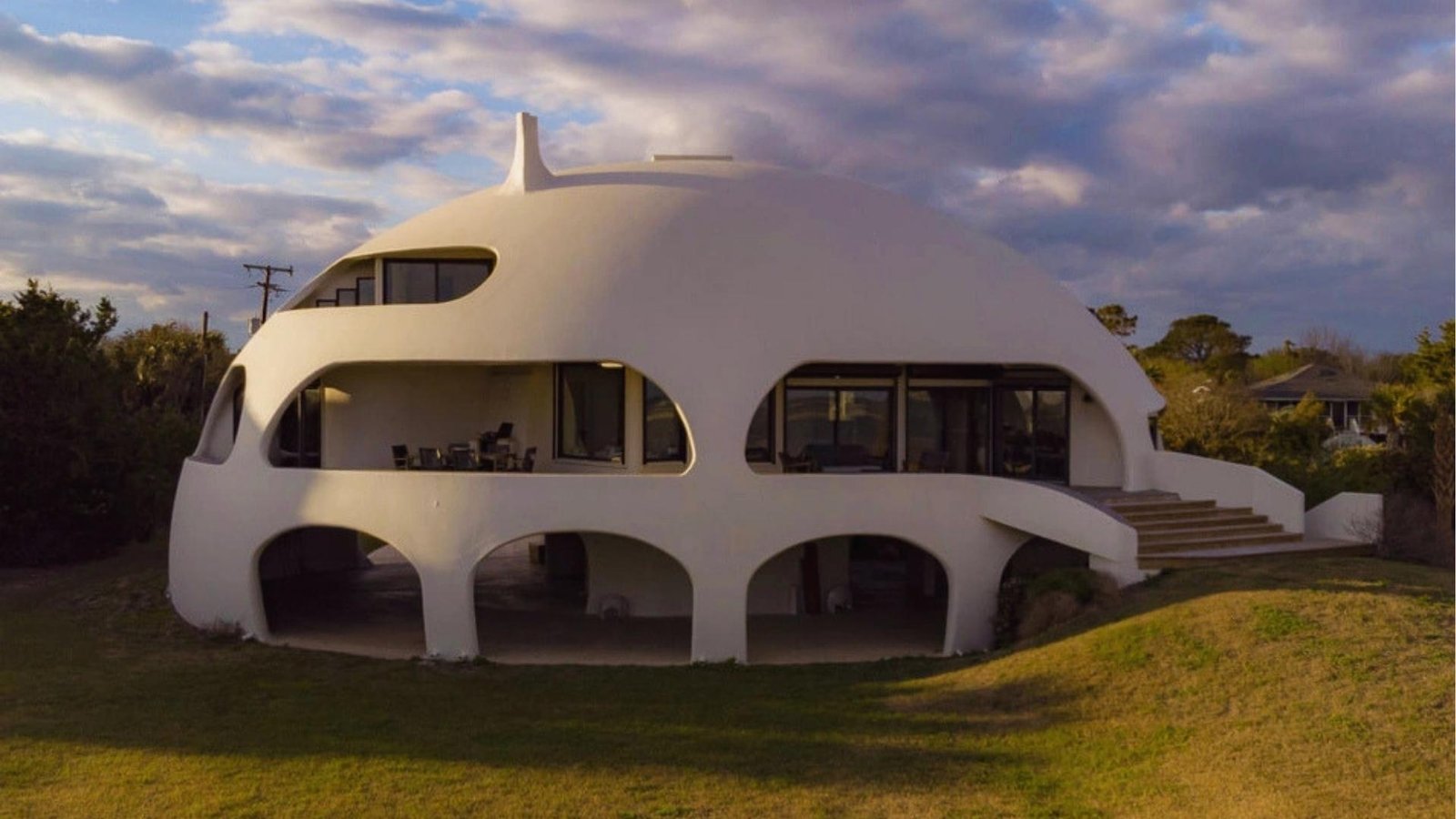
A hurricane-resistant home is built to handle three main threats: high wind, flooding, and flying debris.
The core goal is simple: the structure must withstand wind speeds above 130 mph, block water from entering through walls or floors, and resist damage from high-impact debris.
The shape of the house plays a big role here. Compact, aerodynamic structures hold up far better than homes with many corners or extensions.
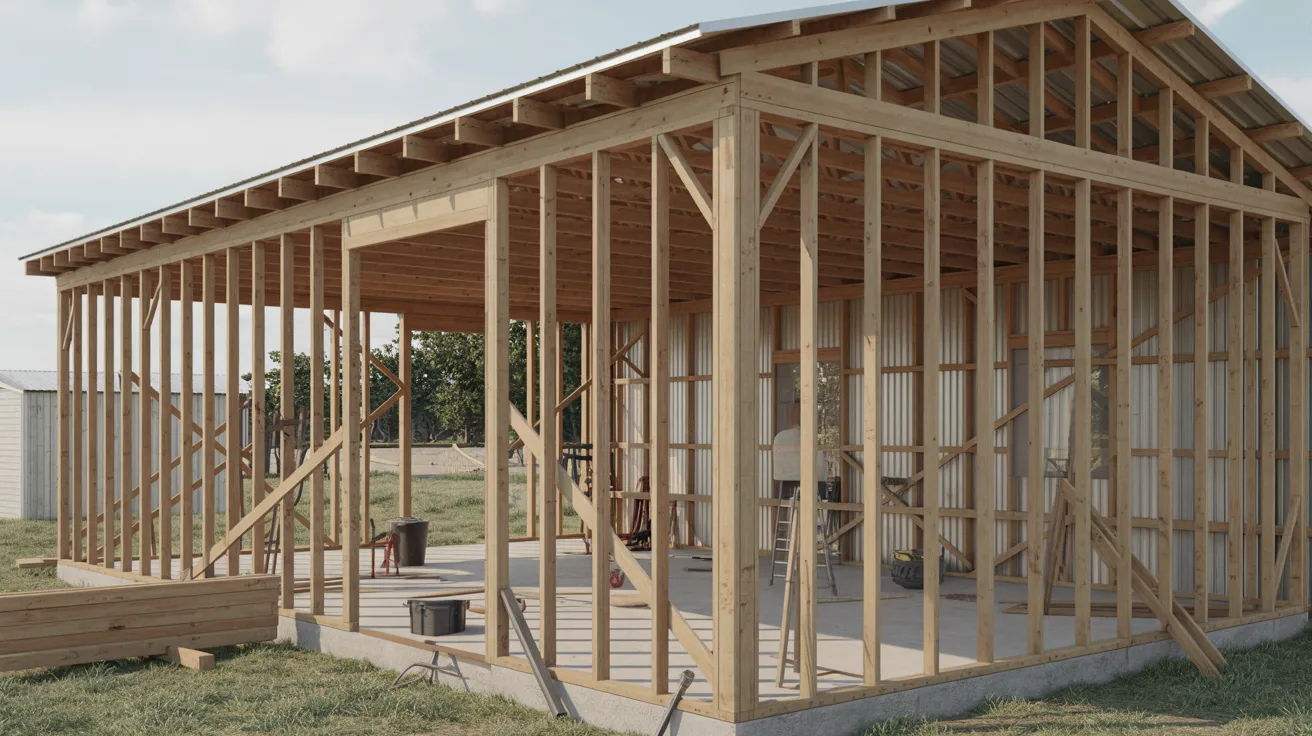
Strong roof-to-wall connections keep the entire frame intact under pressure.
Reinforced structural systems tie everything together, so the home responds as one solid unit rather than breaking apart piece by piece during a storm.
Best Materials for Hurricane Proof House Design
The right materials are the difference between a home that survives and one that doesn’t.
Reinforced Concrete
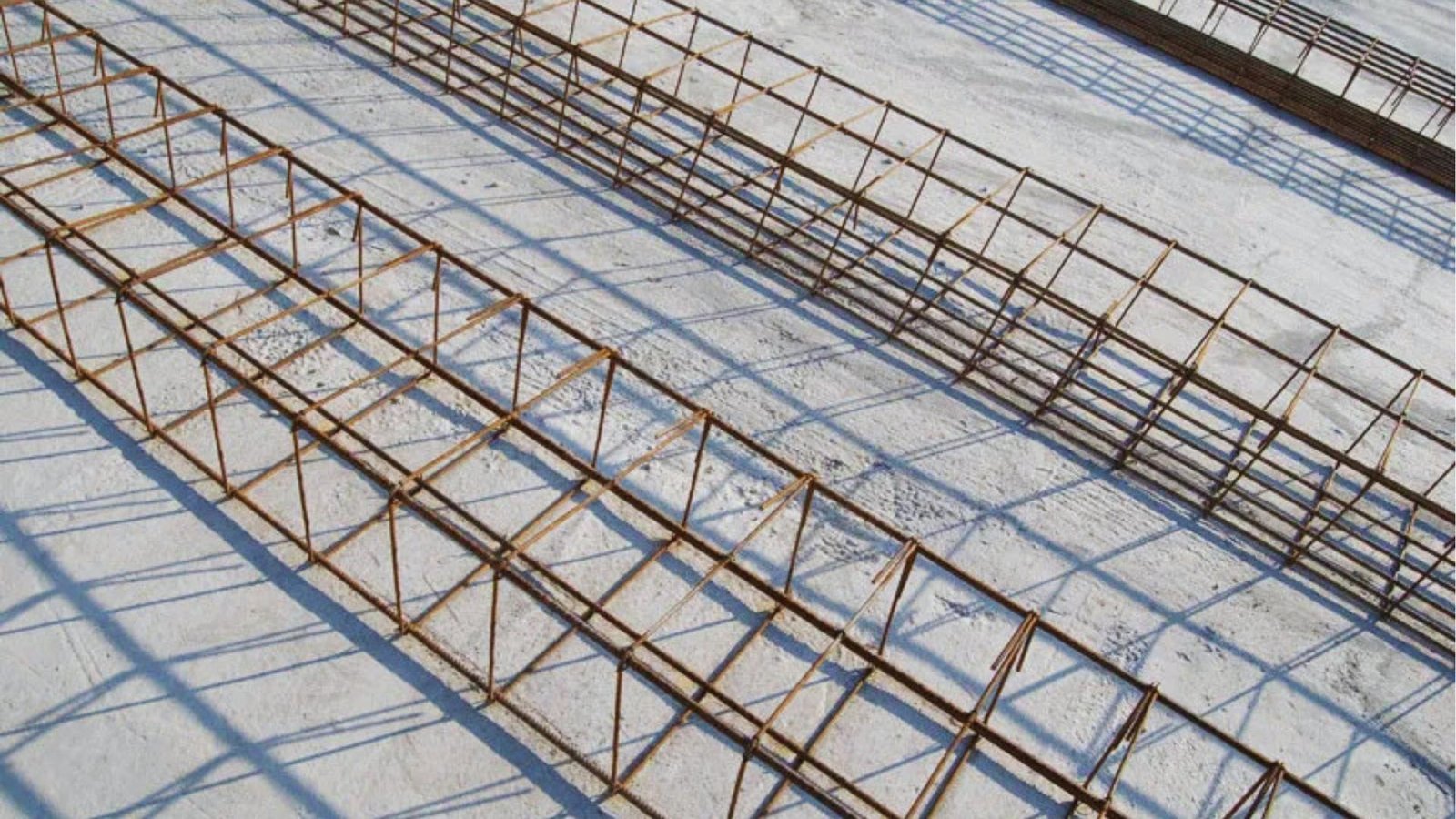
Concrete is one of the most dependable materials for hurricane-resistant construction. It handles extreme wind loads and resists moisture well.
It works best for foundations, walls, and structural cores. Homes built with reinforced concrete frames tend to perform better in post-storm assessments.
Steel Framing
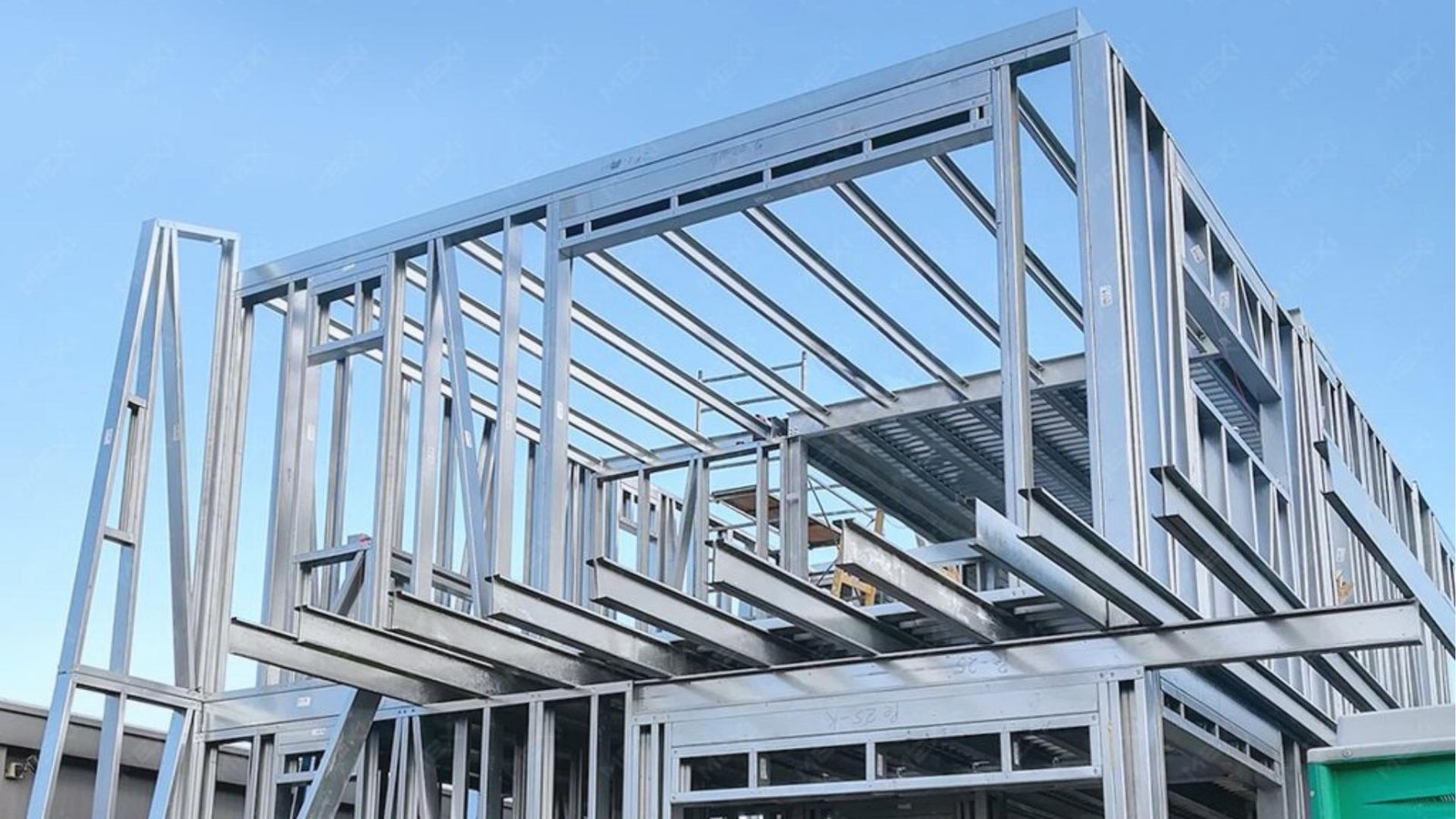
Steel framing gives your home a strong internal skeleton. It doesn’t warp, rot, or weaken under sustained pressure.
For homes in high-wind zones, steel framing provides long-term structural stability that wood framing simply cannot match.
Impact-Resistant Glass

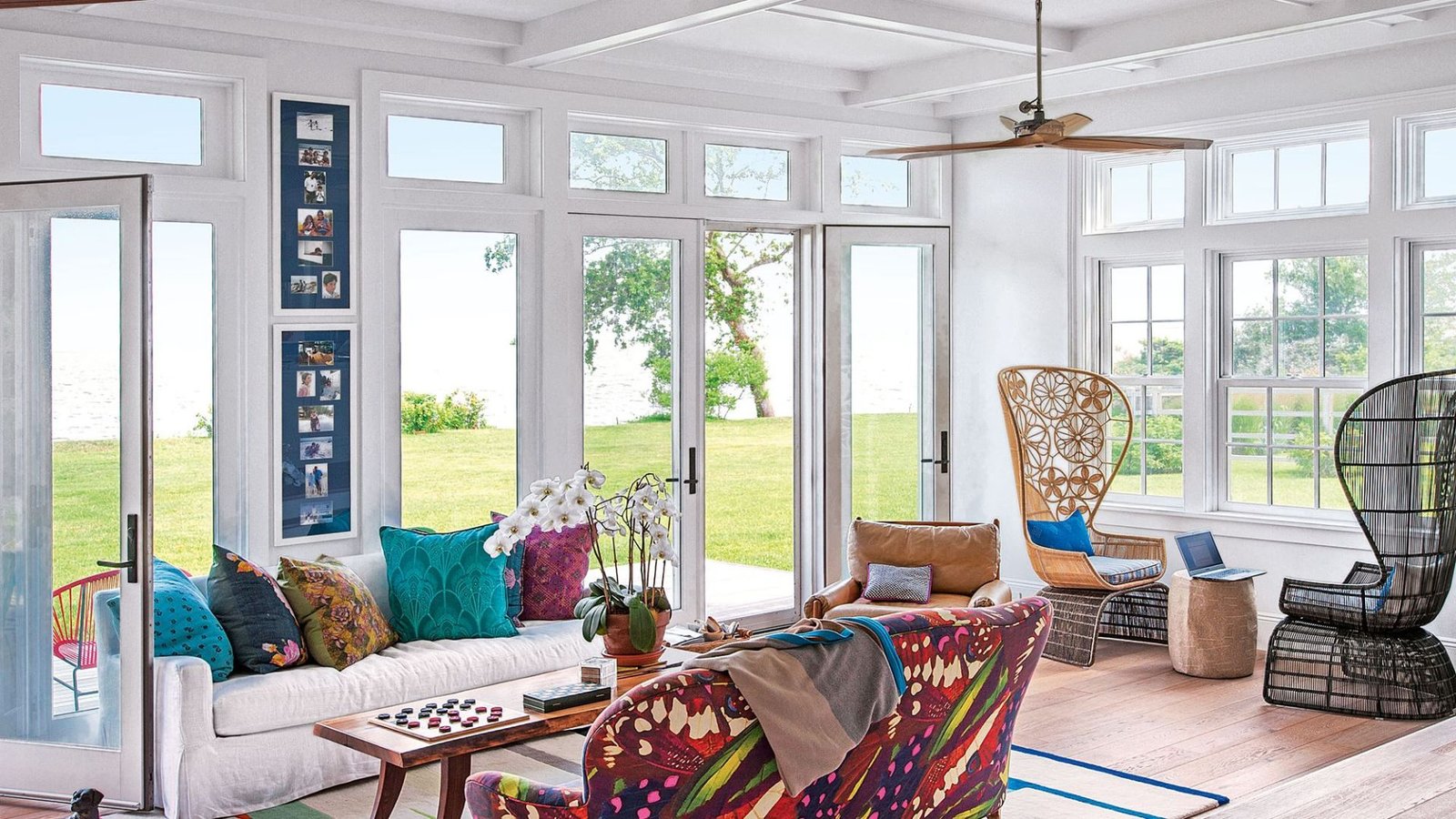
Standard glass is a weak point during a hurricane. Impact-resistant glass is made with a laminated inner layer that holds together even when cracked.
This keeps debris from entering and helps maintain internal air pressure balance, which protects the roof from being lifted.
Roofing Materials
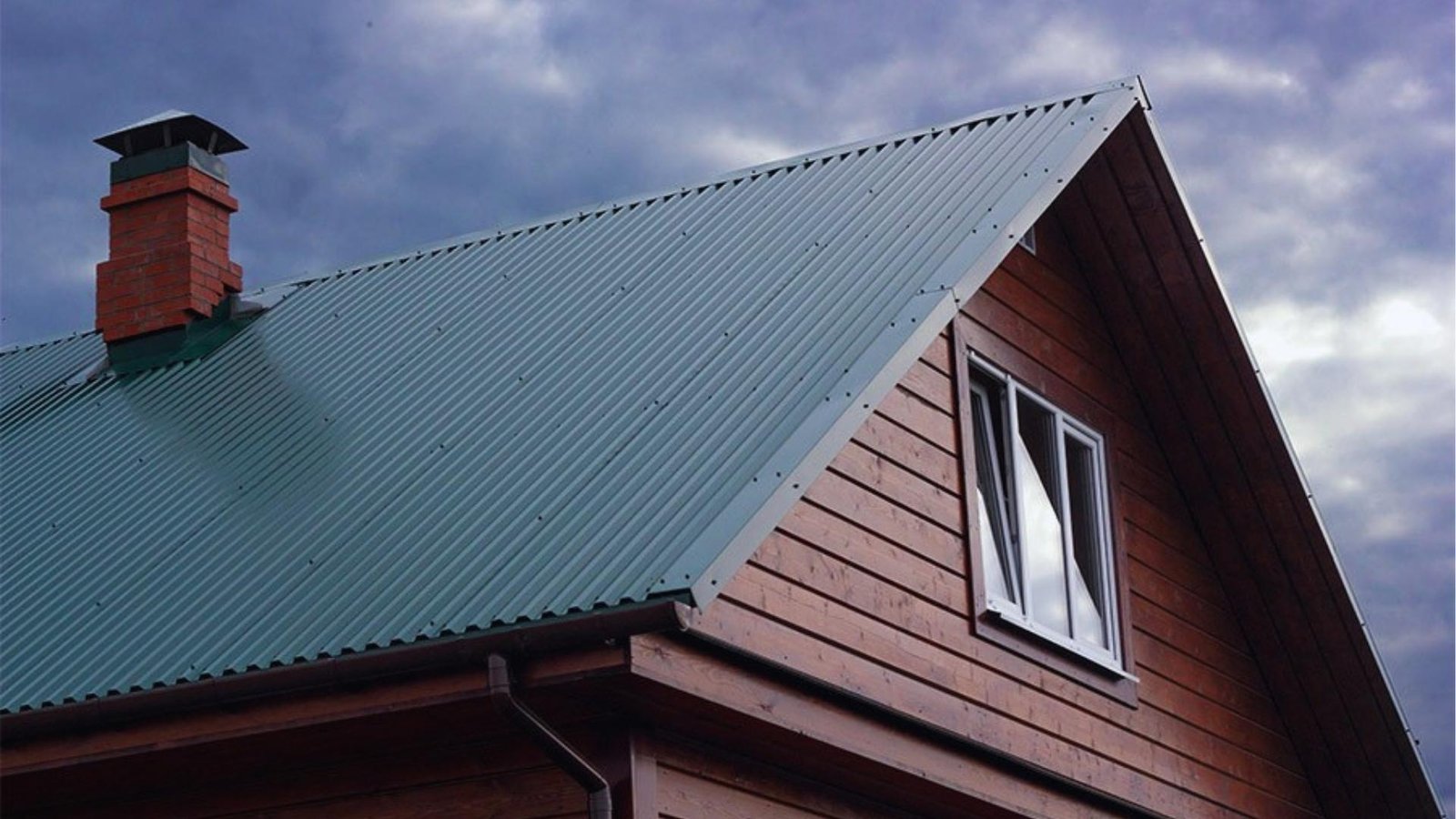
Metal roofing is a top choice for wind uplift resistance. It can be anchored tightly to the structure and holds up under prolonged wind exposure.
If metal is not in the budget, properly anchored architectural shingles with a high wind rating are a solid second option.
Hurricane Proof House Plans and Layout Strategies
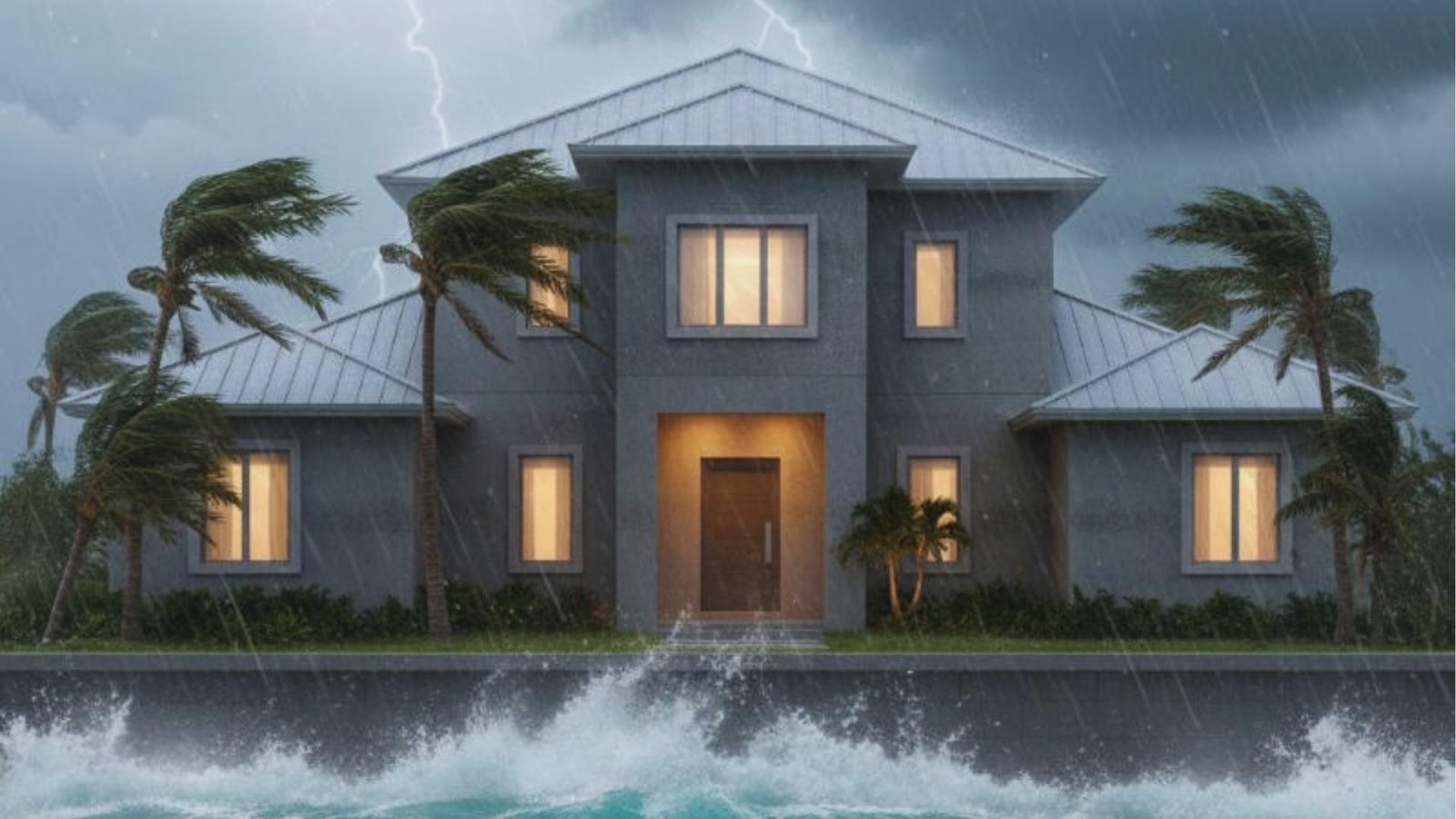
Smart layouts reduce wind resistance and lower structural risk significantly.
Uplifted Home Designs
In coastal and flood-prone regions, elevation is one of the most effective protective strategies. Homes built on raised foundations or stilts reduce flood damage risk significantly.
This is common in states like Florida, Louisiana, and Texas where storm surge is a real threat.
Simple Geometric Layouts
Square and rectangular floor plans are far more stable than complex multi-wing designs. Fewer corners mean less surface area for wind to grab.
When wind hits a simple shape, it flows around the structure more evenly instead of creating pressure pockets.
Best Roof Styles
Hip roofs are widely recommended for hurricane zones. All four sides slope downward, which helps wind flow over and around the structure instead of catching under the eaves.
Low-slope designs also perform well because they reduce the surface area exposed to wind uplift.
Structural Reinforcement Techniques
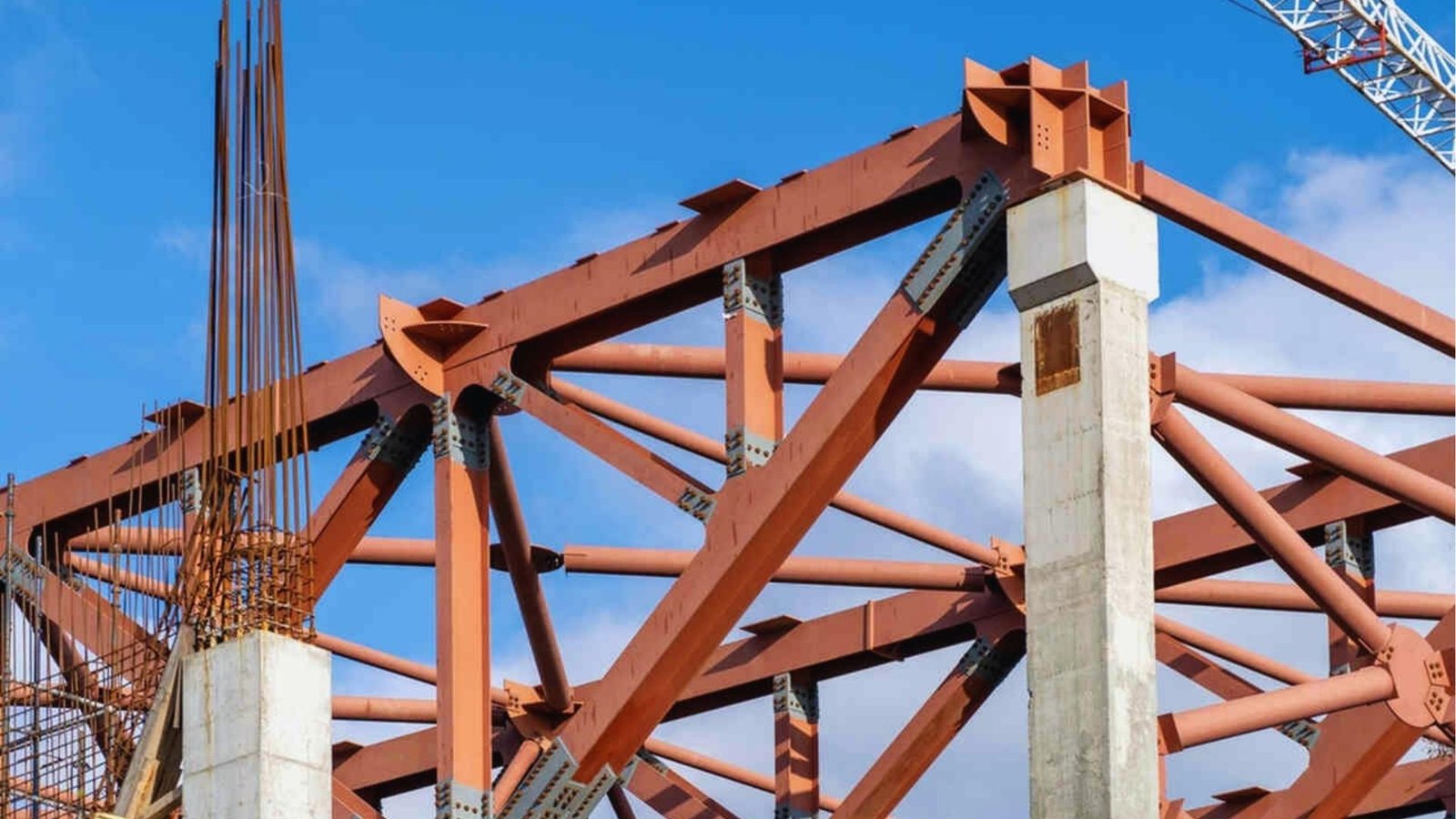
Reinforcement turns an ordinary build into one that can actually handle storm forces.
Roof and Wall Reinforcement
Hurricane straps are metal connectors that tie the roof frame directly to the wall framing. They cost very little compared to the damage they prevent.
Every rafter and truss should be anchored using these connectors in any hurricane-prone build.
Foundation Strengthening
A deep concrete base gives the entire structure a stable anchor point. In flood zones, uplifted foundations using concrete piers or piles are the standard approach.
The goal is to make sure the home cannot be shifted or undermined by water or soil movement.
Opening Protection
Windows and doors are the most vulnerable points during a storm. Storm shutters, either permanent or deployable, offer reliable protection.
Reinforced garage doors are equally important since standard doors can collapse inward under wind pressure, which leads to rapid structural failure.
Cost Considerations for Hurricane Proof House Design
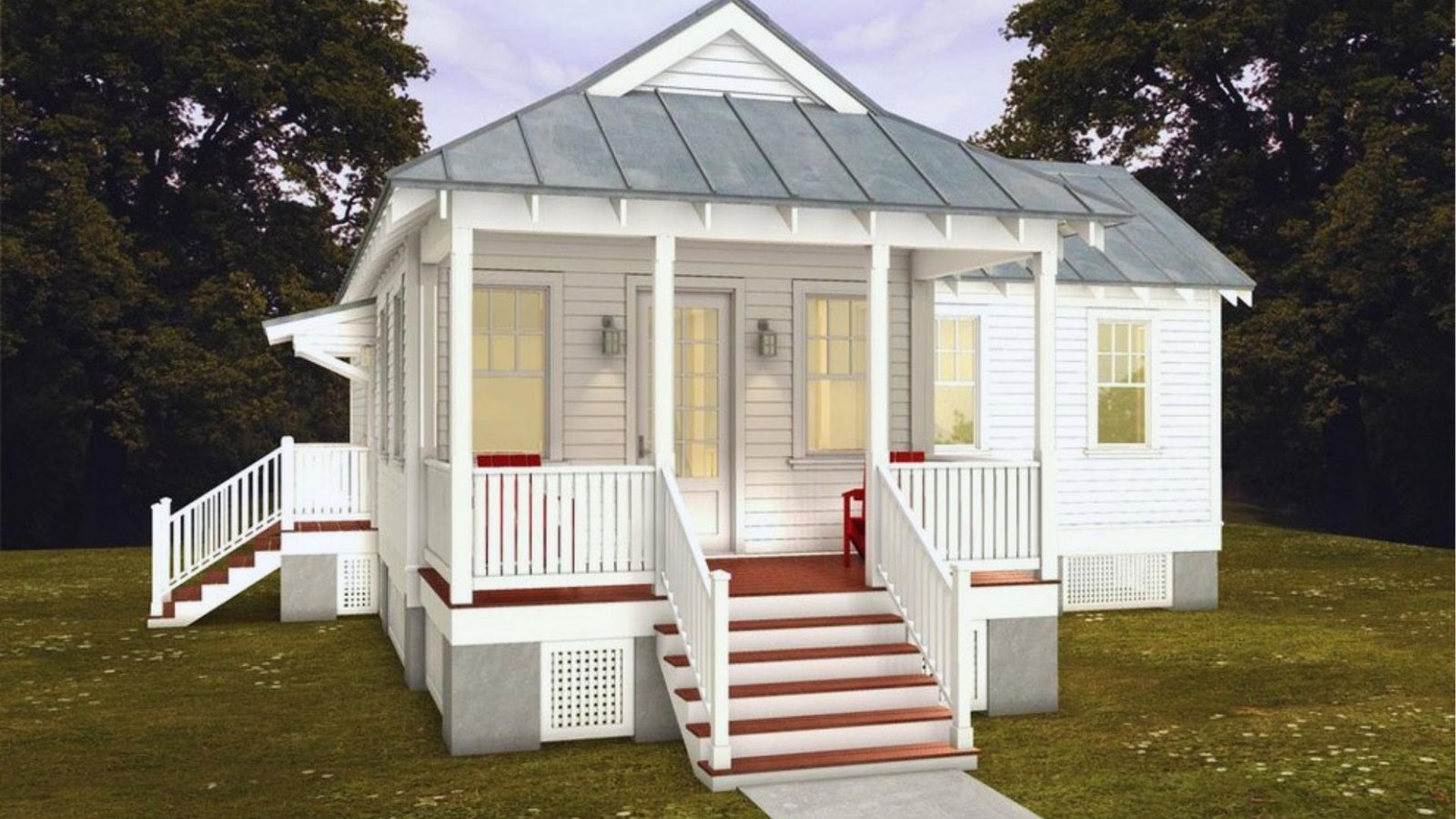
Knowing the costs upfront helps you plan without surprise bills later.
Average Construction Costs
Building a hurricane-resistant home typically costs between $150 and $300 per square foot, depending on the materials used and the location.
Homes in high-risk coastal zones often sit at the higher end of this range due to local code requirements and soil conditions.
Budget vs. Premium Options
Modular homes built to hurricane codes offer a more affordable entry point. They are pre-engineered and often meet or exceed local wind load requirements.
Custom high-performance builds using steel, concrete, and impact glass cost more upfront but reduce long-term repair and insurance costs significantly.
Designing for Existing Homes Retrofit Options
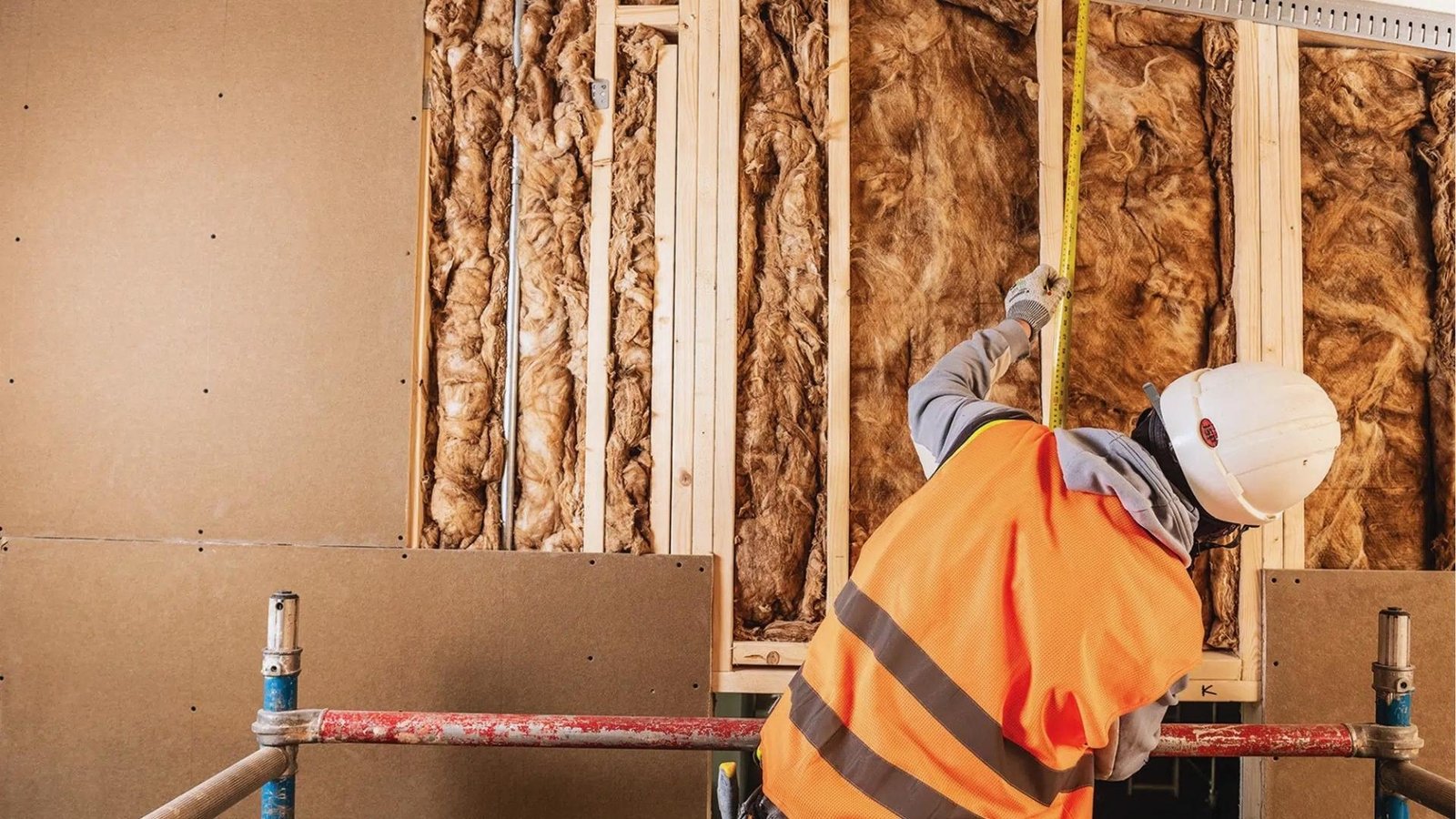
You don’t need to rebuild from scratch to make your home safer.
Structural Upgrades
If your home is already built, you can still strengthen it. Adding hurricane straps between the roof and walls is one of the most impactful retrofits available.
Metal connectors at key structural joints add significant resistance without major reconstruction.
Window and Door Improvements
Replacing standard windows with impact-resistant glass is a smart investment.
Upgrading exterior doors and garage doors to reinforced models reduces the chance of catastrophic pressure loss during a storm.
These changes also often lower homeowner insurance premiums.
Flood Protection Upgrades
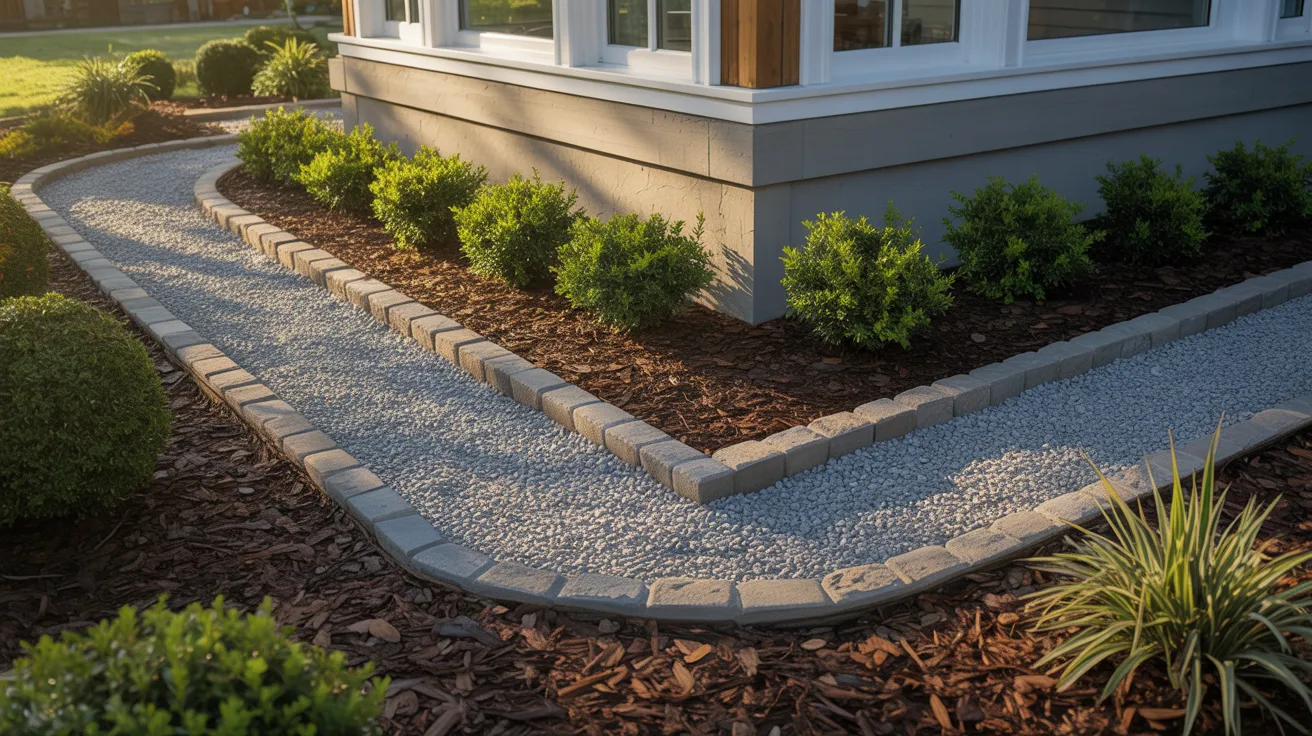
Improving your property’s drainage system helps redirect water away from the foundation.
In some cases, adding flood barriers or raising the home on a new foundation is worth the investment. Even small improvements to grading and gutters can reduce flood risk meaningfully.
Key Tips for Hurricane Proof House Design
Smart choices made before a storm hits are the ones that keep your home standing after it passes
- Prioritize structural connections Reinforce roof, wall, and foundation ties using hurricane straps and metal connectors at every critical joint.
- Choose materials wisely, Steel, concrete, and impact-rated glass outperform wood and standard materials in every measurable way during high-wind events.
- Design for wind flow Keep shapes simple and avoid unnecessary extensions, overhangs, or complex rooflines that catch wind.
- Plan for flood protection Where possible, uplift the structure and make sure drainage systems are clear before storm season begins.
- Seal and secure every opening Reinforce garage doors, install storm shutters, and upgrade to impact windows to stop debris and pressure buildup.
- Work with local building codes follows hurricane zone requirements from the start, as they are built around real storm data and save you from costly fixes later.
Conclusion
Building or upgrading a home with hurricane resistance in mind is one of the smartest decisions you can make. I know it can feel like a lot to take in.
But when you break it down, it’s really about three things: good materials, smart design, and strong connections. Start small if you have to.
Even one upgrade makes a difference. I’d love to hear what steps you’re planning.
Drop a comment below, share this post with someone who needs it, or check out our related guides for more tips on protecting your home the right way.
Frequently Asked Questions
What is the most important feature of a hurricane proof house design?
Strong roof-to-wall connections are the single most critical feature. Without them, even well-built homes can lose their roof under sustained wind pressure.
Can I make my existing home hurricane resistant?
Yes, many retrofit options exist. Adding hurricane straps, impact windows, reinforced doors, and improved drainage can significantly boost your home’s resistance without a full rebuild.
What roof shape is best for hurricane resistance?
Hip roofs are the most recommended shape. Their four-sided slope allows wind to pass around the structure more evenly, reducing the risk of roof uplift.
How much does it cost to build a hurricane proof home?
Costs typically range from $150 to $300 per square foot. The final number depends on your chosen materials, local building codes, and the size of the home.
Is impact-resistant glass really necessary?
Yes. Standard glass breaks easily under debris impact, allowing wind inside the home. Once internal pressure increases, the roof can fail. Impact glass prevents this chain reaction.