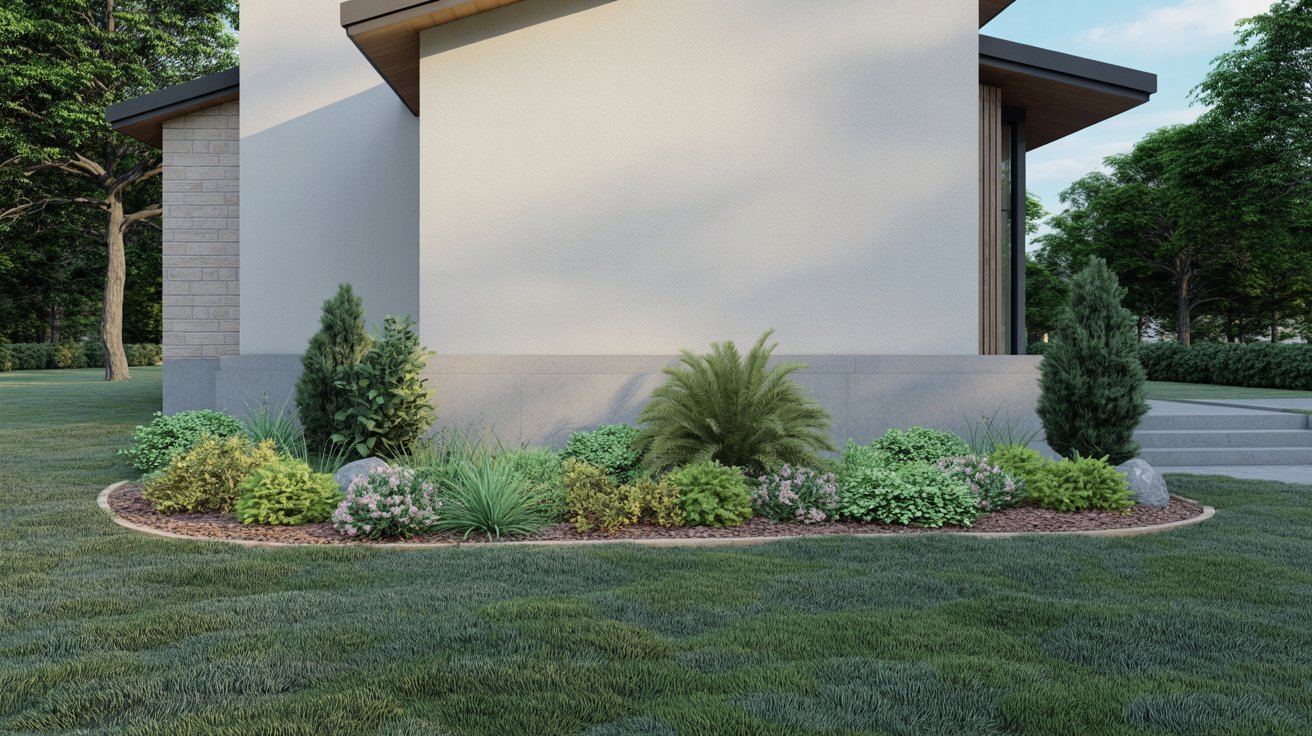

I’ve spent a lot of time figuring out what actually works in a modern garden. And liriope kept coming up. It’s one of those plants that looks good, stays manageable, and fits into almost any design.
In this blog, I’ll walk you through 7 liriope landscape design ideas for real gardens. From border edging to mass planting, you’ll find options that suit your space.
I’ll also cover companion plants, care tips, and mistakes to skip. I’ve researched and tested these ideas so you don’t have to start from scratch.
What Makes Liriope a Great Choice for Landscape Design
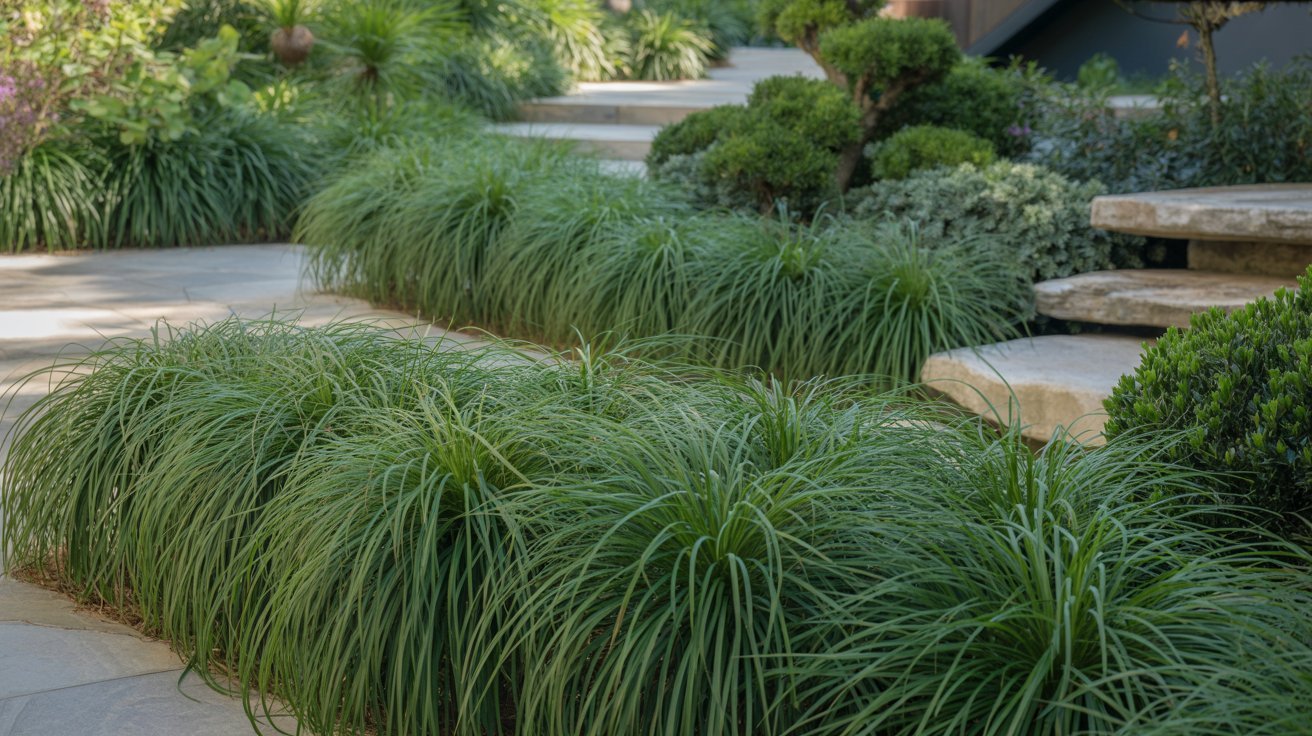
Liriope is one of the most reliable plants you can use in a modern garden.
It’s tough. It handles shade, drought, and poor soil without much fuss. That alone makes it a go-to for homeowners who want a low-effort garden that still looks put together.
Liriope comes in two main types. Clumping varieties stay in place and are great for borders. Spreading varieties work better for large open areas or slopes where you need good coverage fast.
The foliage is dark green and grass-like, which gives it a clean, structured look. Some varieties also produce purple or white flower spikes in summer, adding a seasonal pop of color.
Liriope Landscape Design Ideas for Modern Gardens
Here are seven ways to use liriope that actually work in a modern setting.
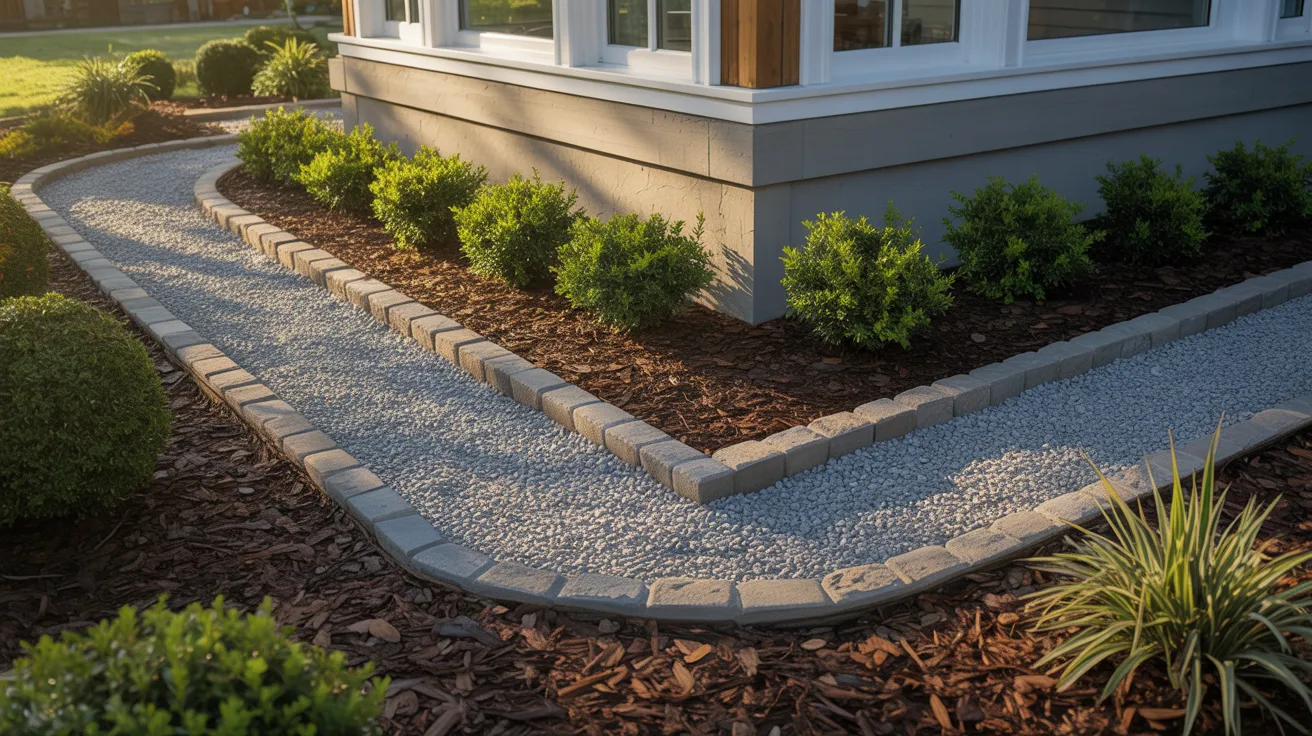
1. Liriope Border Edging Along Walkways

Planting liriope along driveways, garden paths, or walkways gives your outdoor space a sharp, finished look.
The grass-like foliage creates a natural edge without needing constant trimming. Stick with clumping varieties here.
They hold their shape well and won’t spread where you don’t want them.
2. Layered Planting with Liriope as a Front Border
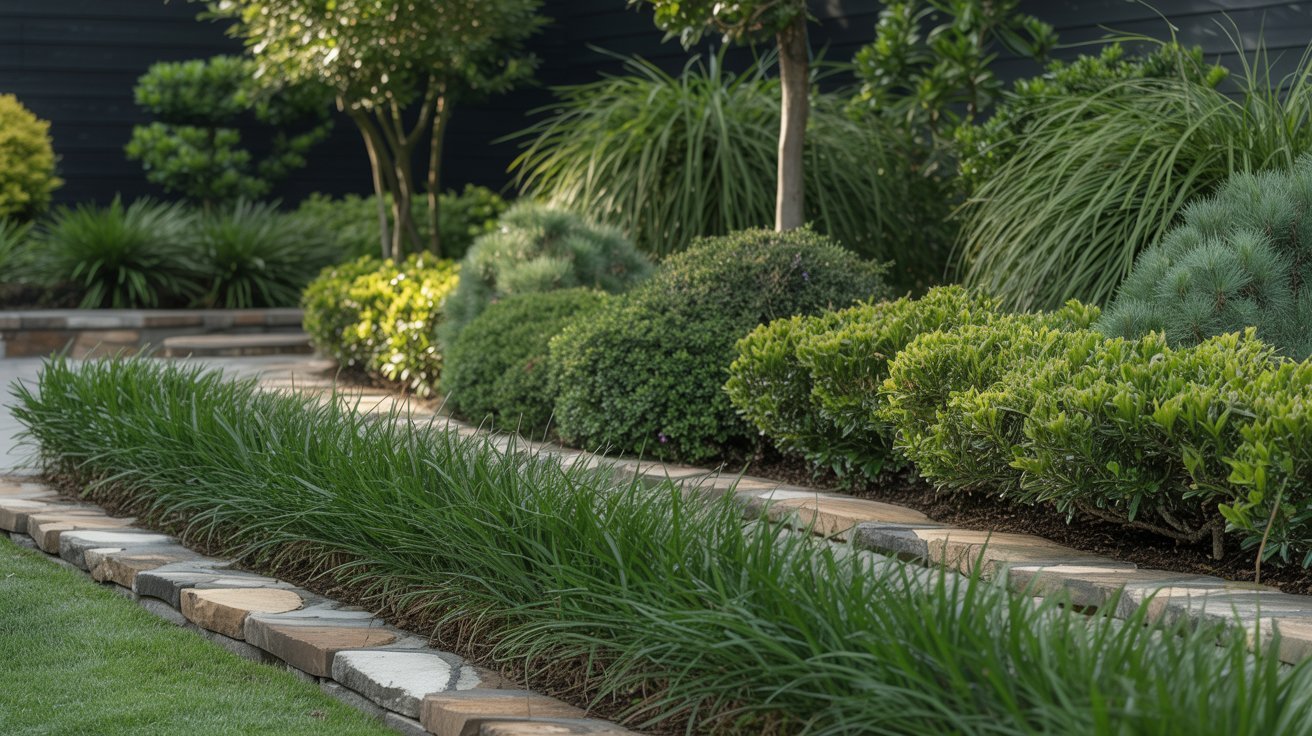
Place liriope in the front of a planting bed with taller shrubs or perennials behind it. It pairs well with hostas, ornamental grasses, or compact evergreen shrubs.
The low height keeps taller plants visible while creating a full, layered bed.
3. Mass Planting Liriope for Groundcover Appeal
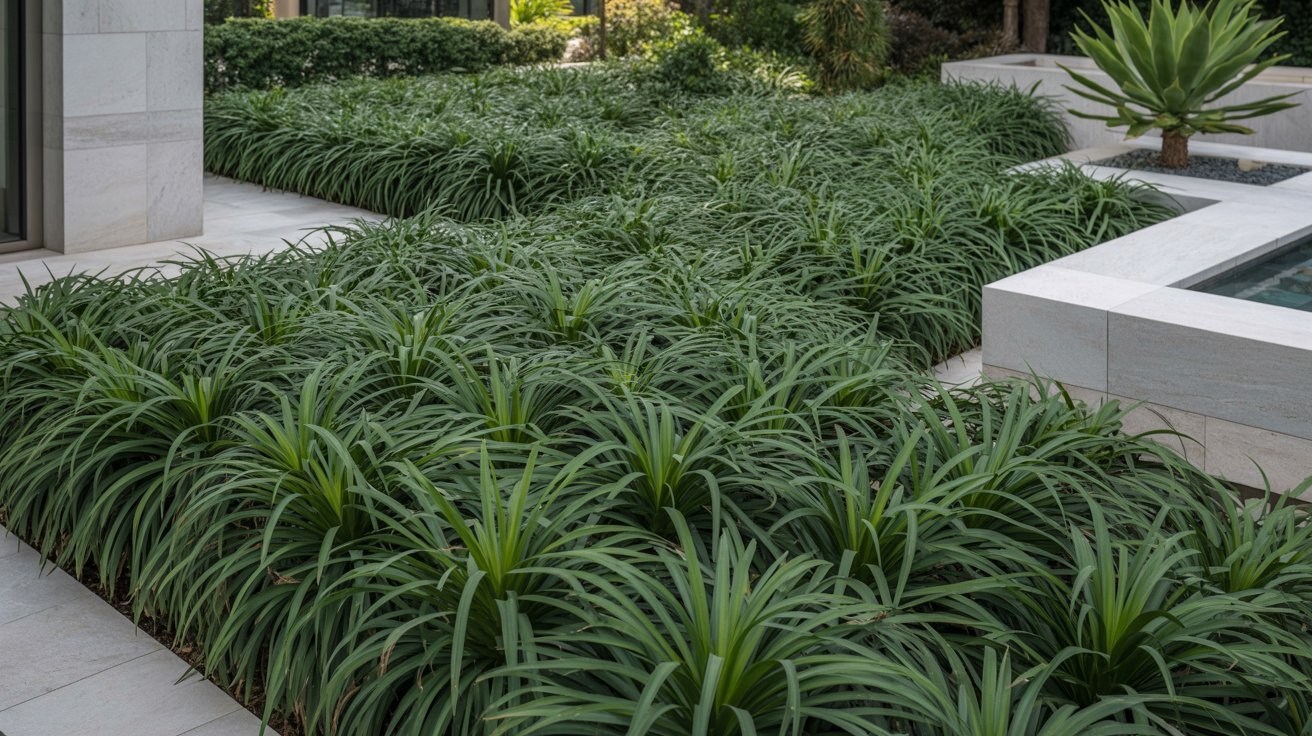
Dense groupings reduce weed growth, hold soil in place, and keep maintenance low. Spreading varieties work best here.
They fill in quickly and create a consistent, uniform look. This approach is cost-effective and requires very little upkeep once plants are settled.
4. Liriope Around Trees and Shrubs
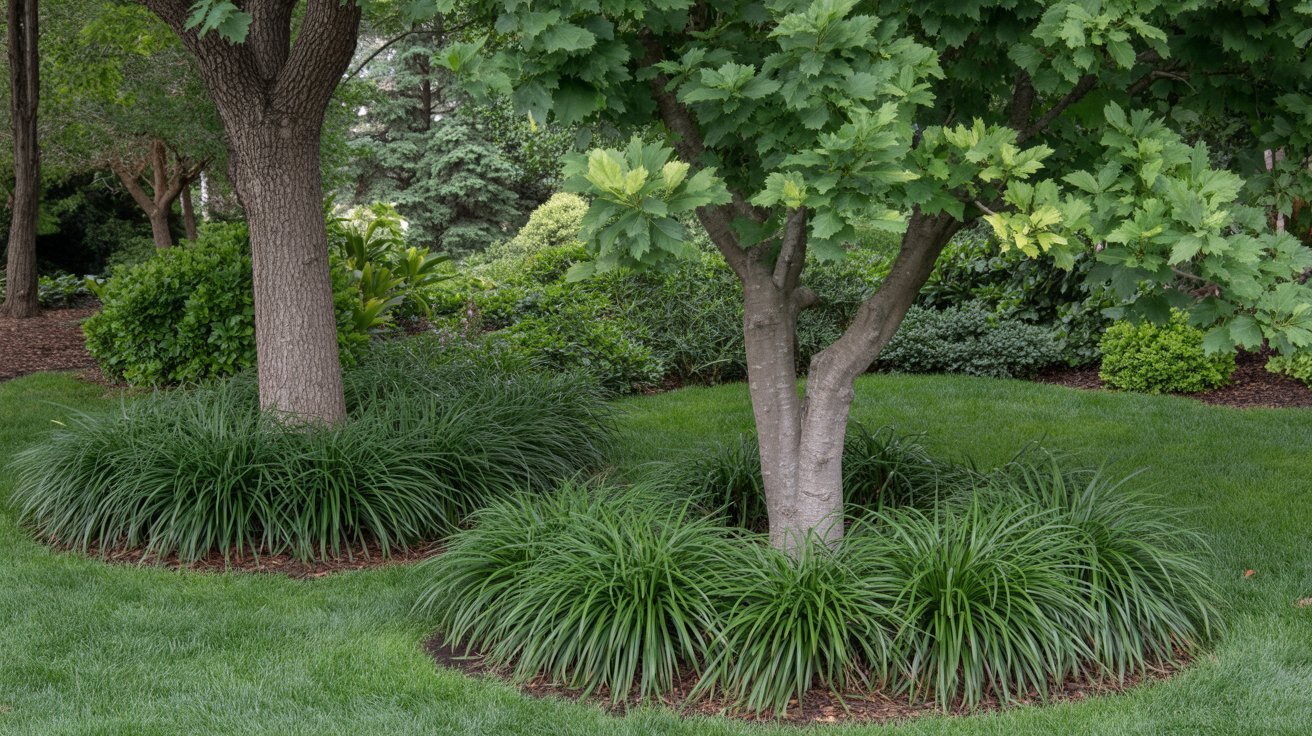
Planting liriope in circular beds around trees gives those areas a neat, finished look. It keeps weeds down around the base and works well in shaded spots where other plants struggle.
The circular pattern also adds a clean visual element to the garden.
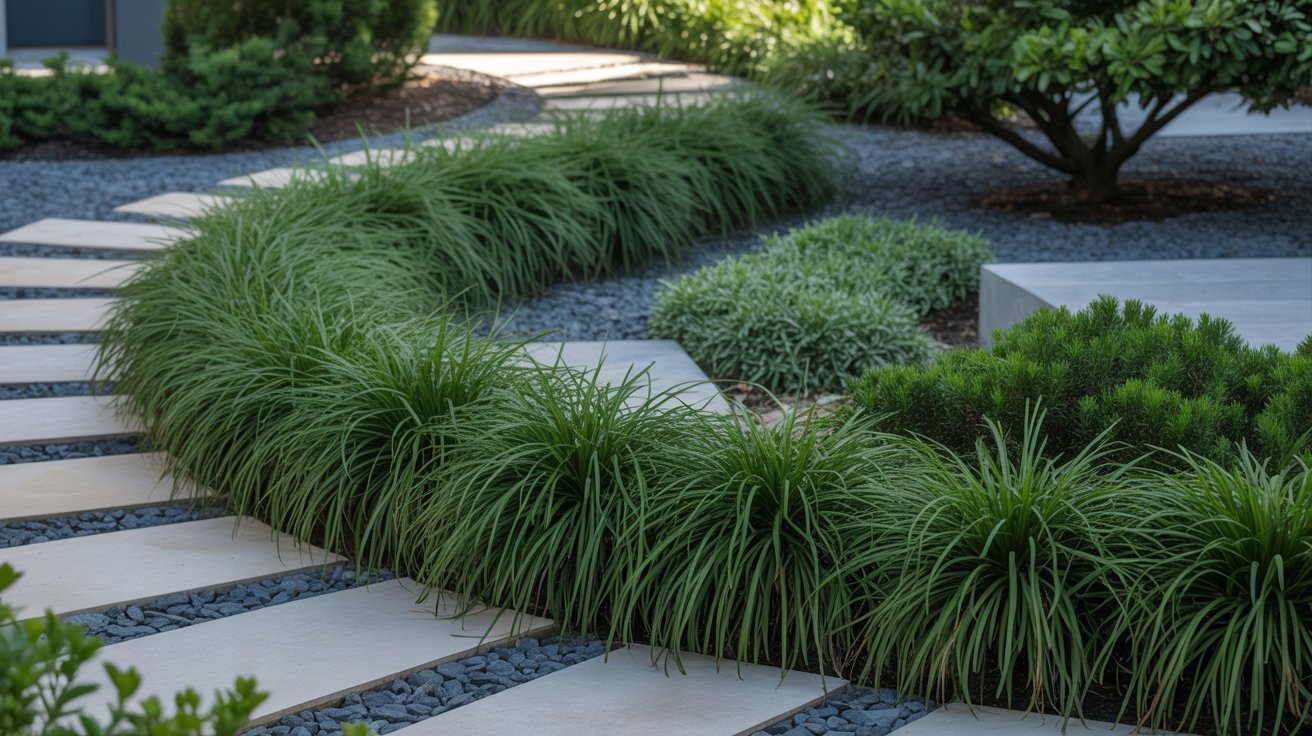
5. Liriope Mixed with Hardscape Features
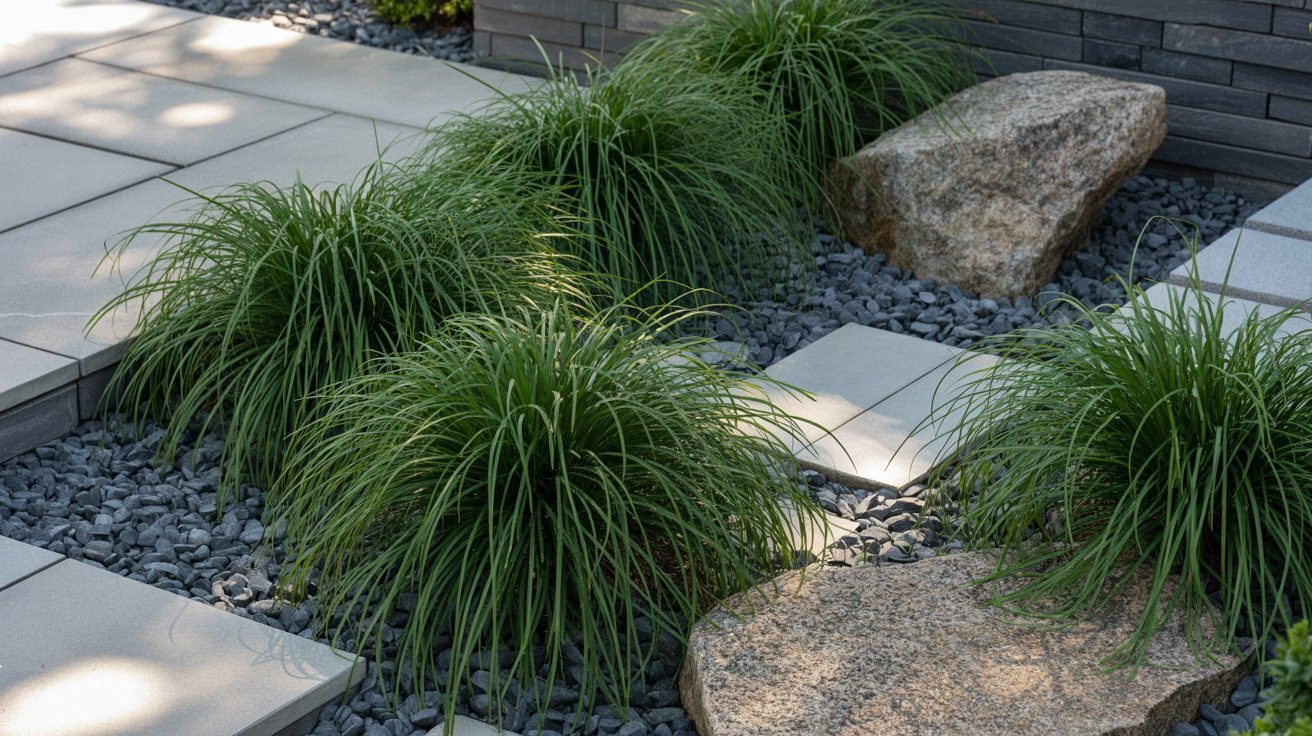
Planting liriope alongside stone paths, patios, and retaining walls adds a natural contrast to hard surfaces.
The dark green foliage breaks up concrete and pavers without overwhelming the design. Use clumping varieties to keep growth contained near edges.
6. Variegated Liriope for Color Contrast Borders
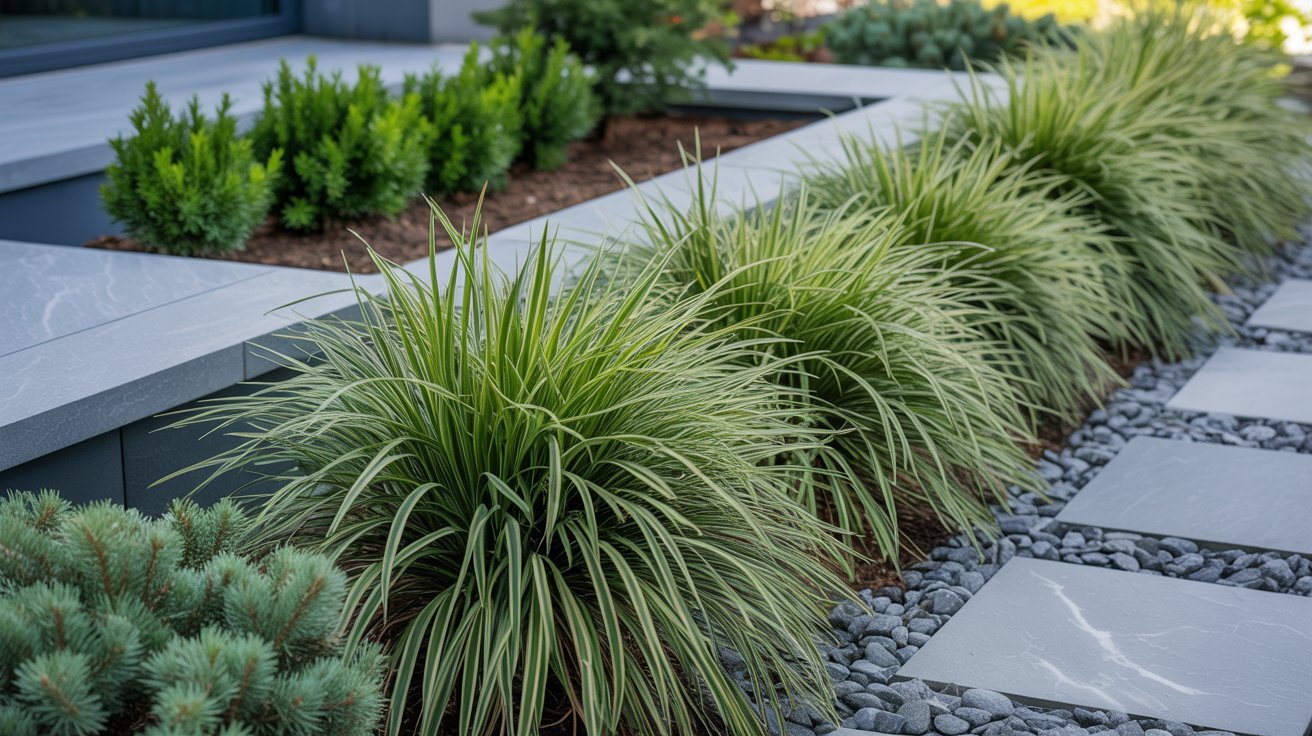
Variegated liriope has green and cream-striped foliage that stands out in a garden bed. It pairs well with darker foliage plants and flowering perennials.
Use it as an accent along borders or as a focal point in smaller garden areas.
7. Liriope in Symmetrical and Formal Garden Designs
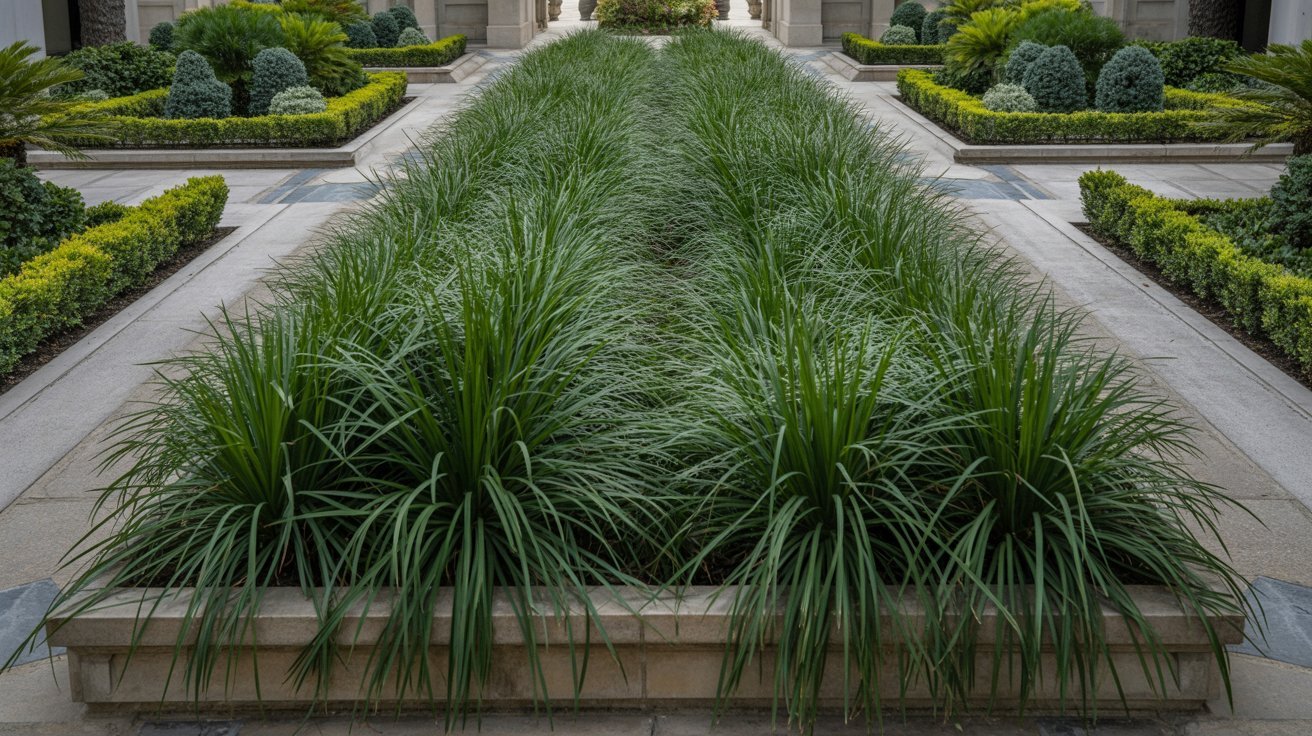
Planting liriope in straight lines or geometric patterns creates a sense of balance and repetition. It works beautifully near entryways, along formal pathways, or in structured front yard designs.
The consistent height makes it easy to maintain symmetry with minimal effort.
Benefits of Using Liriope in Modern Gardens
liriope is one of the most practical plants you can add to a modern garden. It gives you a lot without asking for much in return.
Low-Maintenance and Easy to Manage
Once established, liriope practically takes care of itself. No constant trimming, no fuss. It’s a solid pick if you want a garden that looks good without taking up your weekends.
Versatile Across Garden Styles
Liriope fits into minimalist, naturalistic, and formal garden styles with ease. I’ve seen it work in small front yards and large commercial landscapes alike. It adapts without looking out of place.
Works in Residential and Commercial Spaces
This plant scales well. It looks just as good lining a home driveway as it does framing a commercial building’s front beds. The size of the project doesn’t change what makes it useful.
Provides Year-Round Greenery
The dark green foliage stays intact through most of the year. In summer, flower spikes add an extra layer of interest. You’re never left with a bare or dull-looking bed.
Cost-Effective Landscaping Solution
Liriope is affordable to buy and doesn’t need expensive care. For homeowners working with a budget, it’s one of the best returns you’ll get from a single plant choice.
Common Mistakes to Avoid with Liriope Landscaping
- Overcrowding plants without leaving enough space between them
- Using spreading varieties in tight or confined borders
- Skipping seasonal pruning and cleanup
- Planting in the wrong light or soil conditions
- Not planning for long-term growth and natural spread
Seasonal Care and Maintenance of Liriope
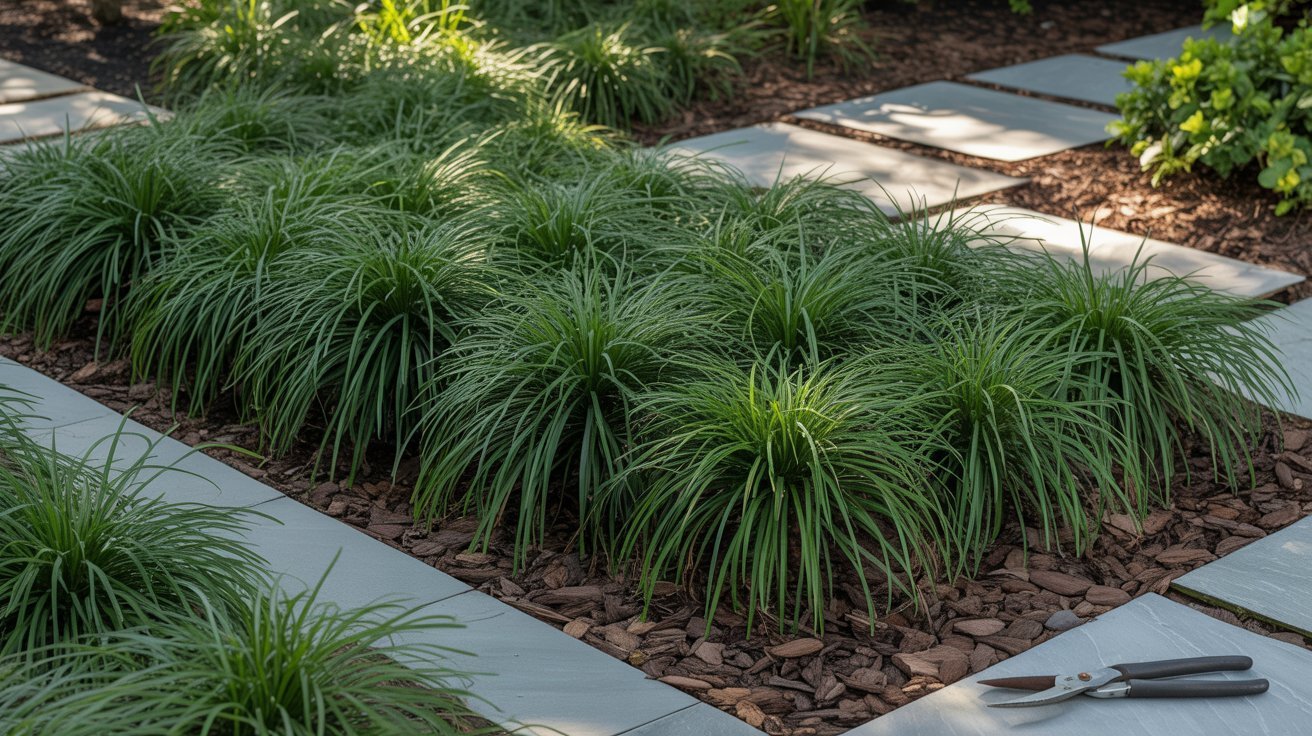
Keeping liriope in good shape doesn’t take much, but a few things matter.
Trimming Old Foliage
Trim old foliage in late fall or early spring before new growth comes in. This keeps plants looking fresh and removes any winter damage before the season starts.
Watering During Establishment
Water regularly during the first growing season while roots are settling in. After that, liriope handles dry spells well on its own without much help.
Fertilization Needs
Fertilization needs are minimal with liriope. A light application once a year is usually all it takes to keep growth healthy and steady.
Clearing Debris
Clear away fallen leaves and debris regularly. This keeps the bed looking tidy and stops any buildup that could affect the health of your plants.
Managing Spreading Varieties
Keep an eye on spreading varieties so they don’t move into areas you didn’t plan for. A quick check each season is all it takes to stay ahead of it.
Design Tips for Liriope Landscaping
- Choose clumping varieties for borders and spreading types for open areas
- Keep proper spacing between plants for healthy growth
- Combine with complementary plants for a layered, full look
- Use repetition across the garden for a cohesive, modern feel
- Check sunlight and soil conditions before you plant
Conclusion
Liriope has genuinely become one of my favorite plants to recommend for modern gardens. It does a lot without asking for much.
From clean walkway borders to full groundcover plantings, the seven ideas covered here give you real options to work with.
Pick the right variety, place it with intention, and the results will look considered and put-together. Try one idea this season and see how it changes your space.
If you found this helpful, drop a comment below and let me know which idea you’re trying first. Share this post with someone who’s planning their garden right now.
Frequently Asked Questions
Is liriope a good plant for low-maintenance gardens?
Yes, liriope is one of the easiest plants to maintain once it’s settled in. It handles drought, shade, and poor soil without much attention.
What is the difference between clumping and spreading liriope?
Clumping liriope stays in place and works well for borders. Spreading liriope fills in large areas quickly and is better suited for groundcover use.
Can liriope grow in full shade?
Liriope tolerates shade better than most groundcovers. It performs well under tree canopies and in spots that don’t get much direct sunlight.
How often should liriope be trimmed?
Trim liriope once a year, ideally in late fall or early spring. This removes old or damaged foliage and keeps the plant looking fresh for the new growing season.
Does liriope work well with hardscape features?
Yes, liriope pairs well with stone paths, patios, and retaining walls. It softens hard edges and adds a natural contrast to concrete and paver surfaces.