
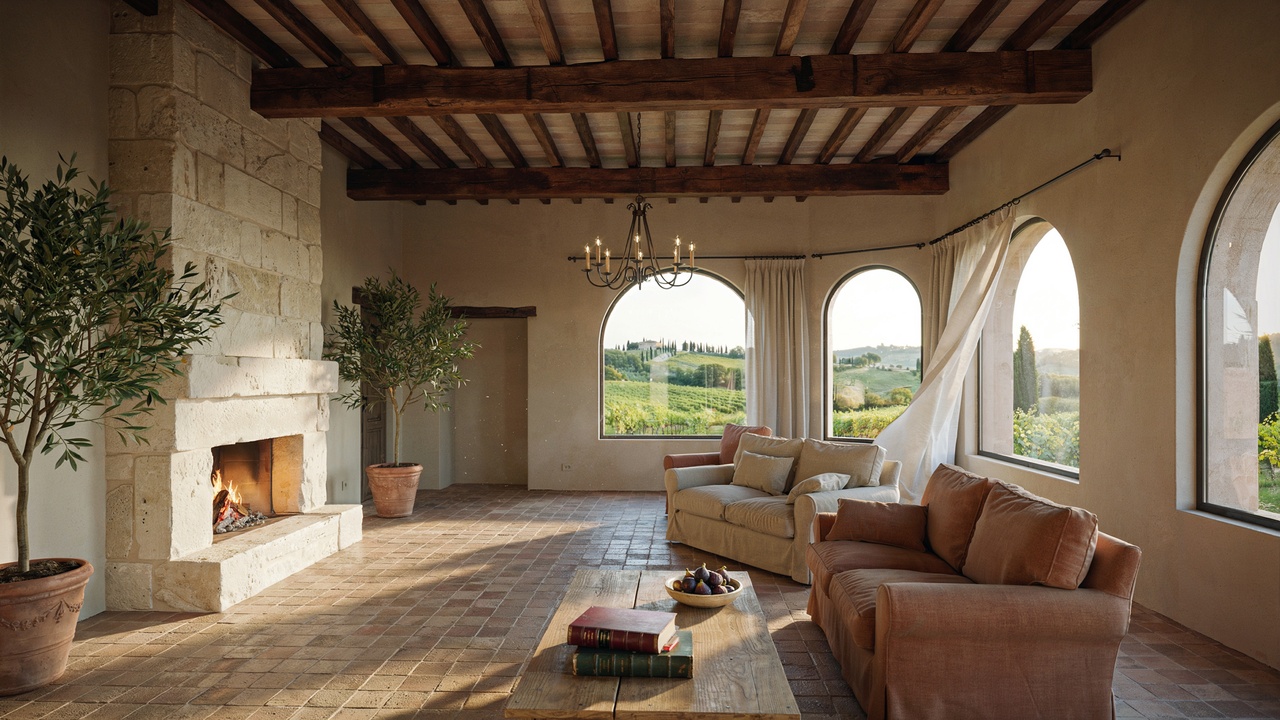
Trying to picture what your home could look like with a warm, rustic feel? You are not alone.
Tuscan Mediterranean interior design blends earthy colors, natural materials, and simple charm into one relaxed style.
This guide walks you through everything you need to know.
You will learn the key elements of this style, how it compares to classic Mediterranean design, and how to bring it into every room of your home.
We will also cover common mistakes to avoid and practical tips to get started.
I have spent years studying and testing interior styles across different homes, so these tips come from real experience, not guesswork.
By the end, you will know exactly how to create a warm, natural space that feels like your own.
Tuscan Mediterranean Interior Design Style Guide
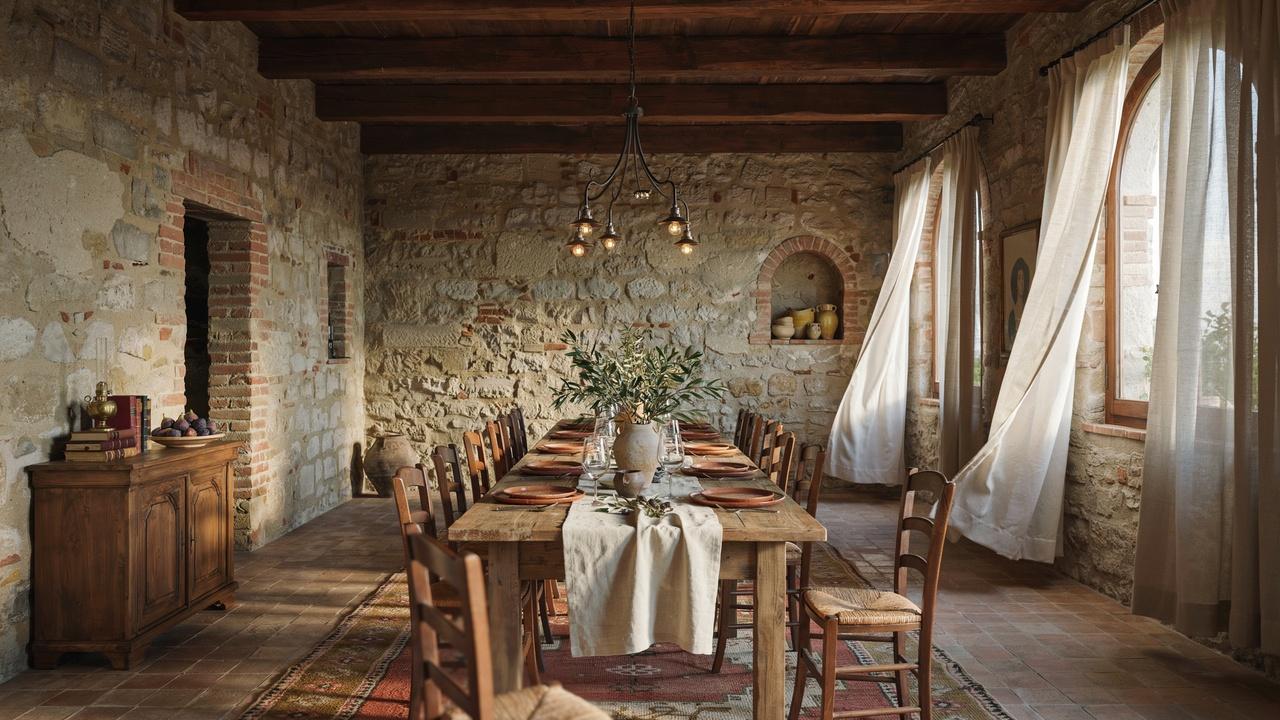
Tuscan Mediterranean style comes from the Italian countryside. It feels warm, relaxed, and welcoming.
Earthy colors like terracotta, olive green, and soft gold set the mood. Natural materials matter most. Stone floors, wooden beams, and iron fixtures give the space texture.
Arched doorways add an old world touch. Furniture stays simple and sturdy, often with a worn wood finish.
Linen curtains, woven rugs, and rustic pottery bring softness. Wrought iron lanterns give off a warm glow.
Plants like olive trees and lavender bring in a Mediterranean feel. This style suits homes that want comfort over polish.
Tuscan Mediterranean Interior Design vs Mediterranean Style
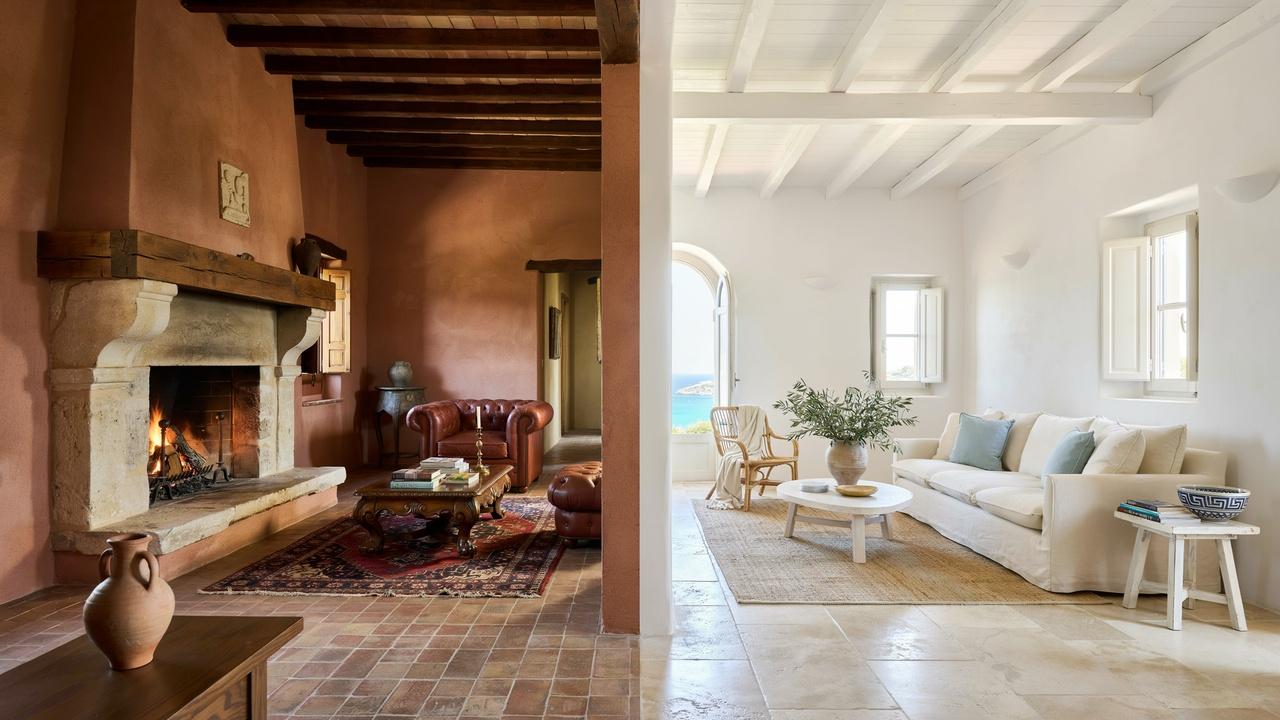
A quick look at how Tuscan and Mediterranean styles overlap and differ, helping you choose the right warm, natural look for your home.
| Category | Tuscan Style | Mediterranean Style |
| Color Tones | Earthy, burnt orange and olive | Blue and white, coastal |
| Mood | Cozy and rustic | Breezy and light |
| Wall Finish | Rough plaster | Smoother tile |
| Wood Finish | Aged, rustic | Lighter, cleaner |
| Stone Type | Heavier, textured | Lighter tones |
| Architecture | Arches, wrought iron | Arches, wrought iron |
| Materials | Stone, wood, terracotta | Stone, wood, terracotta |
| Layout | Open, outdoor connected | Open, outdoor connected |
| Furniture | Simple, sturdy | Simple, sturdy |
| Best Fit For | Warm, rustic spaces | Airy, coastal spaces |
Many homeowners blend both styles, taking warmth from Tuscan design and brightness from Mediterranean design. Think about your climate before deciding.
Key Elements of Tuscan Mediterranean Interior Design
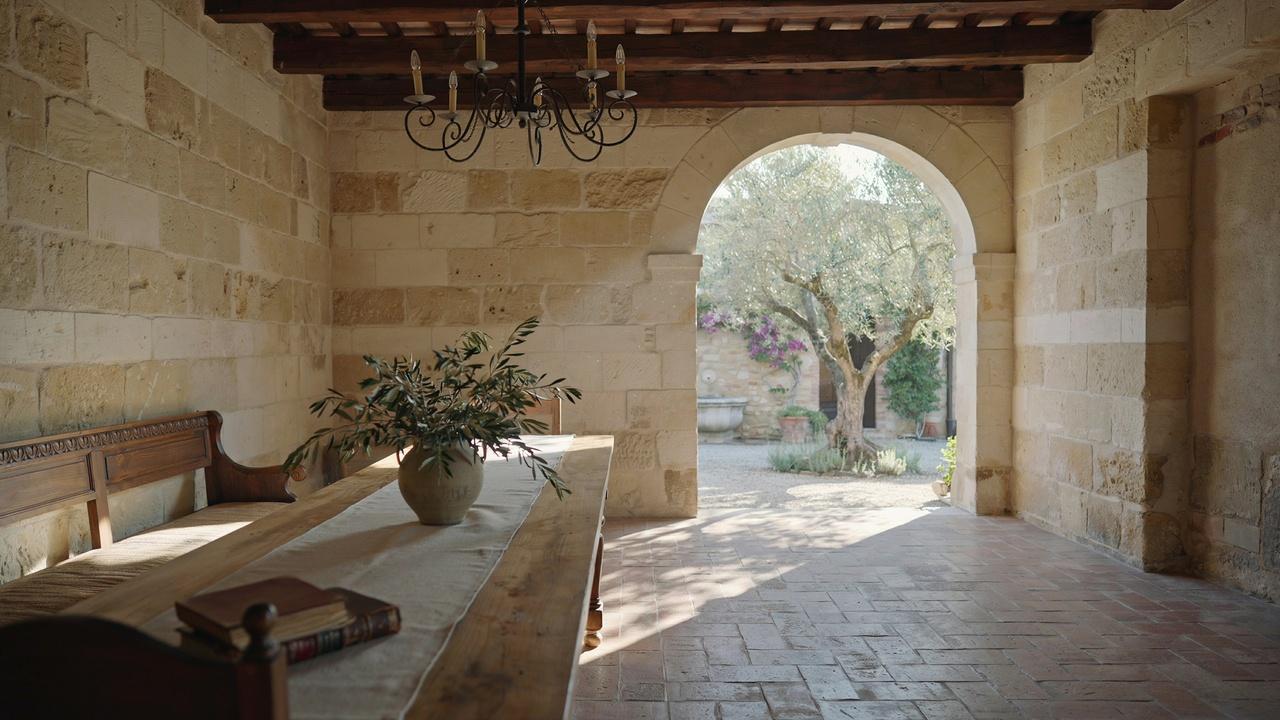
A look at the main features that define Tuscan Mediterranean interiors, from color choices to materials and layout.
Earthy and Natural Color Palette
The color base for this style comes from the land. Think terracotta, sand, olive, and warm browns. These shades create a calm, grounded feeling in any room.
Walls often stay in soft neutral tones. Accent colors come from nature, like deep greens or muted reds.
Natural Materials, Textures, and Rustic Finishes
Natural materials carry this style. Stone floors, wood beams, and terracotta tiles are common choices. These materials age well and add character over time.
Avoid glossy or synthetic finishes. Rough, natural textures fit this look far better.
Plaster walls with a slightly uneven finish give rooms depth. This texture catches light differently throughout the day, which adds warmth without extra decor.
Rustic finishes on furniture and walls keep the space feeling real, not overly polished.
Architectural Details, Iron Accents, and Indoor-Outdoor Flow
Curved doorways and arched windows are common in this style. These shapes soften the look of a room and break up straight lines.
Small details like curved shelves or rounded niches also help carry the theme through the home.
Wrought iron shows up in light fixtures, railings, and furniture legs. Wood beams across the ceiling add structure and warmth.
Handmade decor pieces, like pottery or woven baskets, give rooms a personal touch.
This style blurs the line between inside and outside. Large doors, covered patios, and courtyard views help rooms feel open to nature.
Plants, stone paths, and outdoor seating extend the living space beyond four walls.
Rustic Tuscan Mediterranean Interior Design Ideas
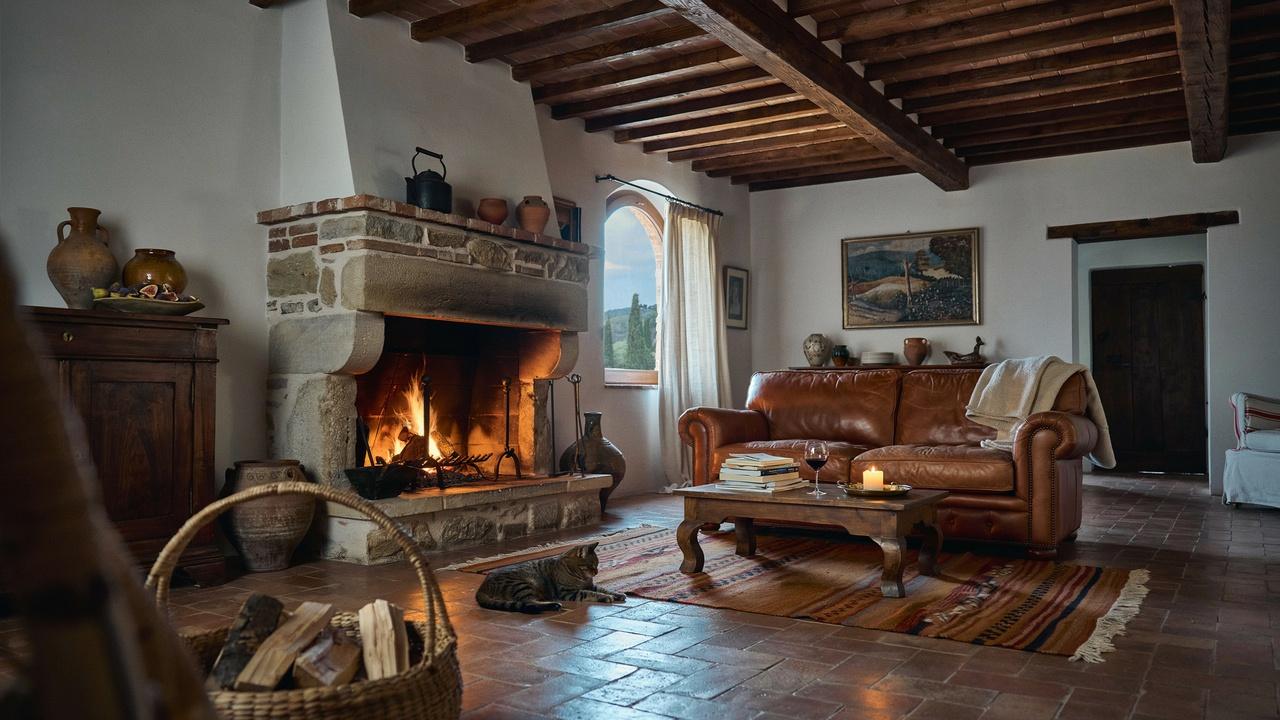
Ideas for bringing a warm, rustic Tuscan Mediterranean feel into your living spaces through furniture, lighting, and decor.
Rustic Living Room Inspiration
Mix wood, stone, and soft fabrics, with a large fireplace as the center of the room. Keep furniture simple and sturdy, and avoid anything too sleek or modern.
Traditional Tuscan Furniture Styles
Traditional furniture is solid and heavy, like carved wood tables, leather chairs, and iron accents. Worn edges and natural finishes are part of the charm, not a flaw.
Cozy, Aged, and Vintage Decor Elements
Aged decor like old wooden crates, vintage rugs, and worn pottery adds character. Mix old and new pieces so the space feels collected, not like a museum.
Warm Lighting and Textured Layers
Soft lighting from wall sconces, wrought iron chandeliers, and candles sets the mood. Layer textures, like a wool throw over a leather chair, for easy comfort.
Spanish Tuscan Mediterranean Interior Design Style
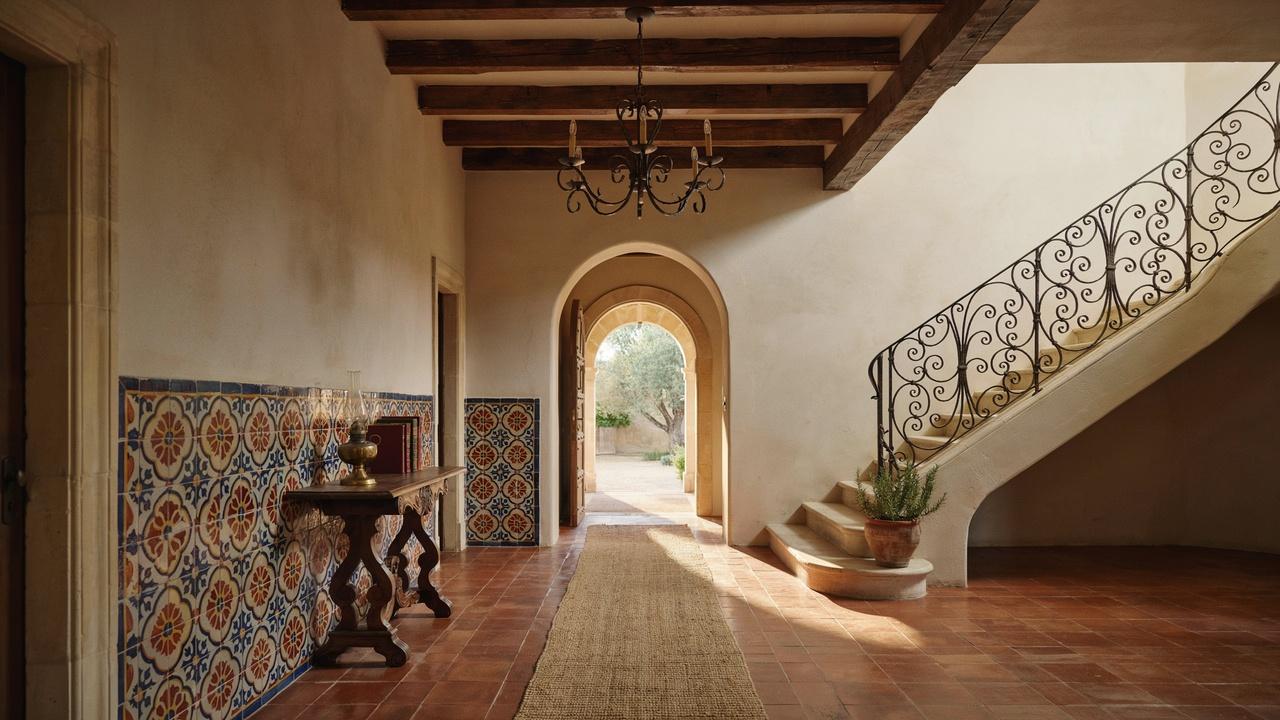
How Spanish design influences merge with Tuscan Mediterranean style through tile work, color, and pattern.
Spanish Influence in Tuscan Interiors
Spanish design brings bold patterns and colorful tile work into this style, adding more decorative detail while keeping the warmth of Tuscan style.
Decorative Tiles, Ironwork, and Color Blending
Hand painted tiles appear on kitchen backsplashes, stair risers, or bathroom floors. Iron gates, railings, and light fixtures with scrollwork add Spanish influence.
Colors stay warm but grow bolder, with deep blues, mustard yellows, and rich reds alongside terracotta and olive. Bold colors should support the space, not take over it.
Creating a Balanced Spanish-Tuscan Look
Start with a neutral base and add Spanish details through smaller pieces like tile, textiles, or light fixtures. Let one or two bold elements stand out per room.
Modern Tuscan Mediterranean Interior Design
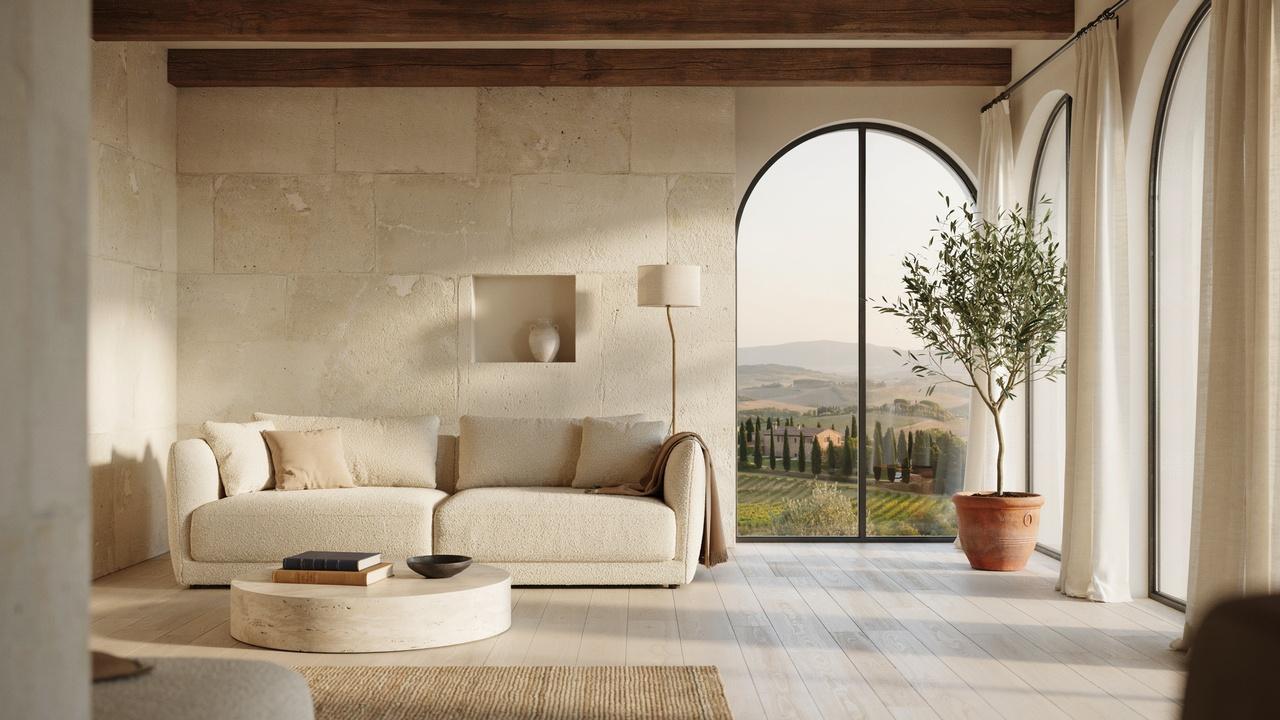
How the traditional Tuscan Mediterranean look adapts to fit current homes with cleaner lines and simpler layouts.
How Traditional Style Evolves for Modern Homes
Modern Tuscan design keeps the warmth of the original but trims back heavy detail. Walls stay simpler and furniture takes on cleaner lines, making the space feel less formal.
Minimalist Approach with Rustic Character
Fewer, well chosen pieces work better than layered decor. Rustic materials like wood and stone still play a big role, letting each texture stand out.
Open Floor Plans and Modern Furniture
Removing walls creates open, connected spaces, and large windows bring in more natural light. Modern furniture keeps simple shapes and natural materials like wood and leather, so the room stays grounded without feeling industrial.
Room-by-Room Tuscan Mediterranean Interior Design Ideas
Practical design ideas for applying Tuscan Mediterranean style to each room in your home, from kitchen to patio.
Living Room Design Ideas
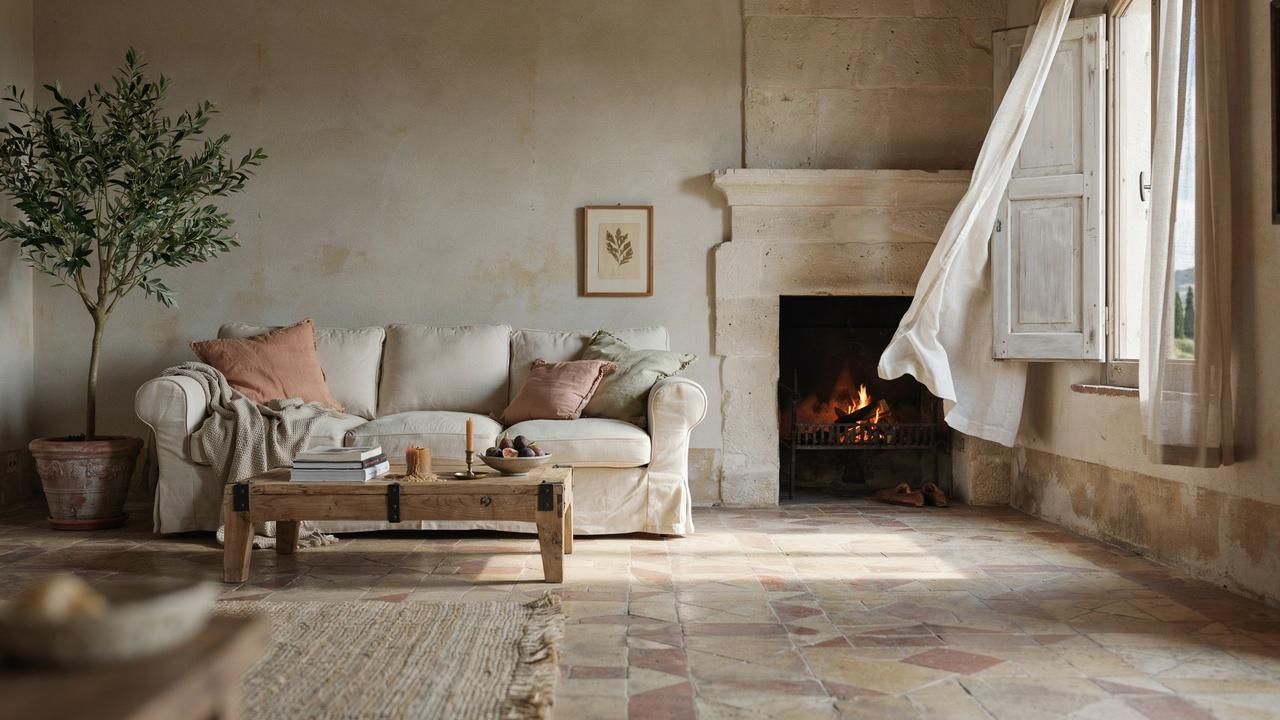
Use a mix of wood furniture, soft textiles, and stone accents. A fireplace or large rug can act as the focal point of the room.
Keep colors warm and layered rather than flat.
Kitchen Design Inspiration
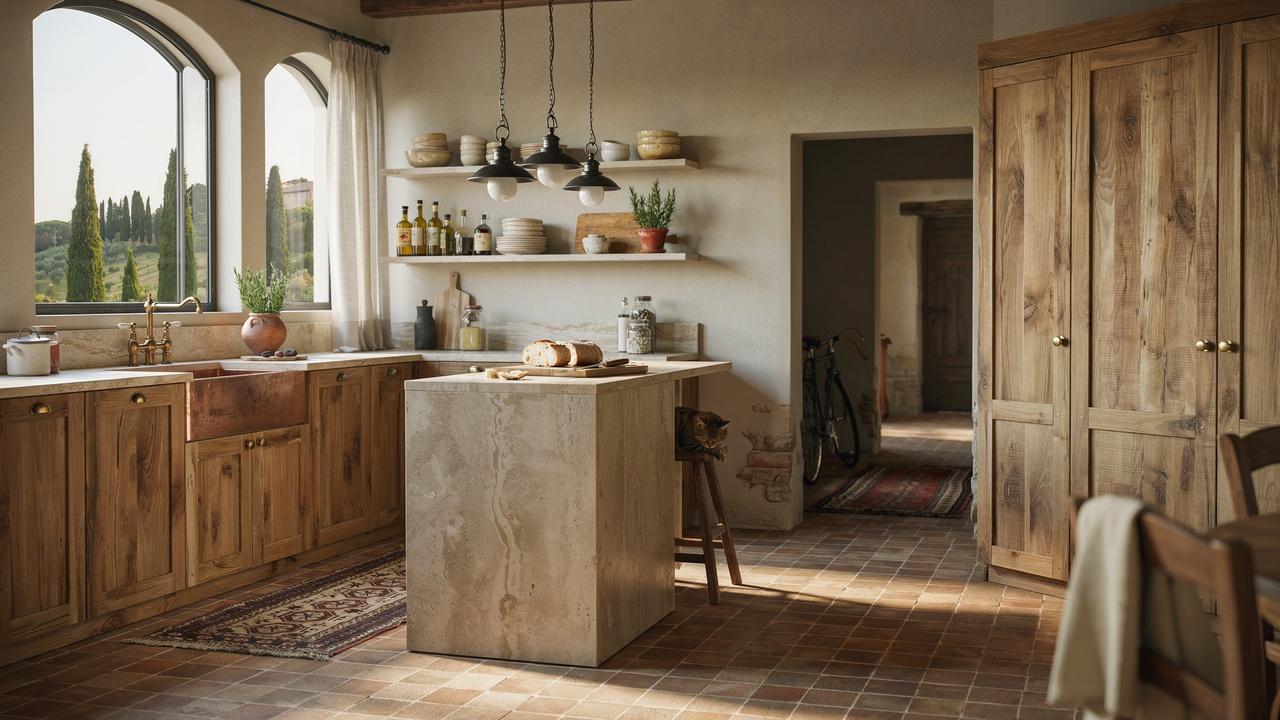
Stone countertops, wood cabinets, and terracotta tile work well together in the kitchen. Open shelving lets you display pottery and cookware as part of the decor.
Iron light fixtures over an island add a finishing touch.
Dining Room Styling
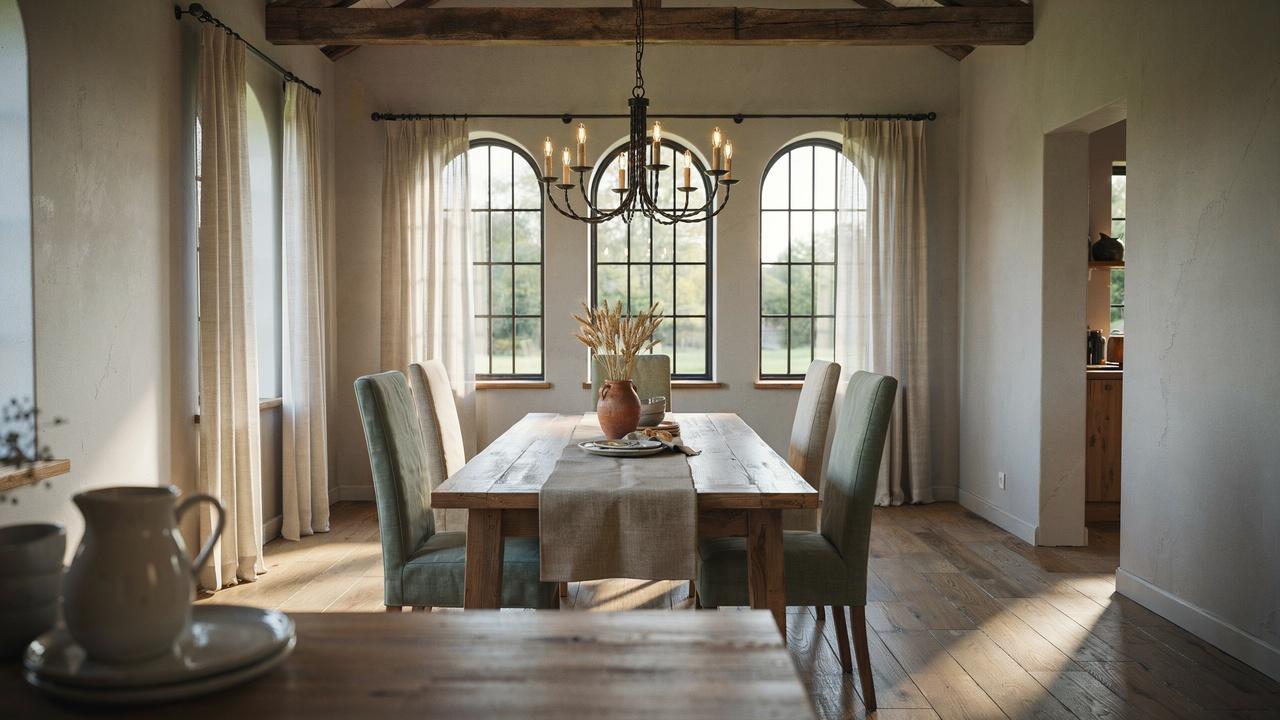
A solid wood table with simple chairs sets the tone. Add a wrought iron chandelier above for warm, low lighting.
Keep the table setting simple with natural linen and ceramic dishware.
Bedroom Atmosphere and Decor
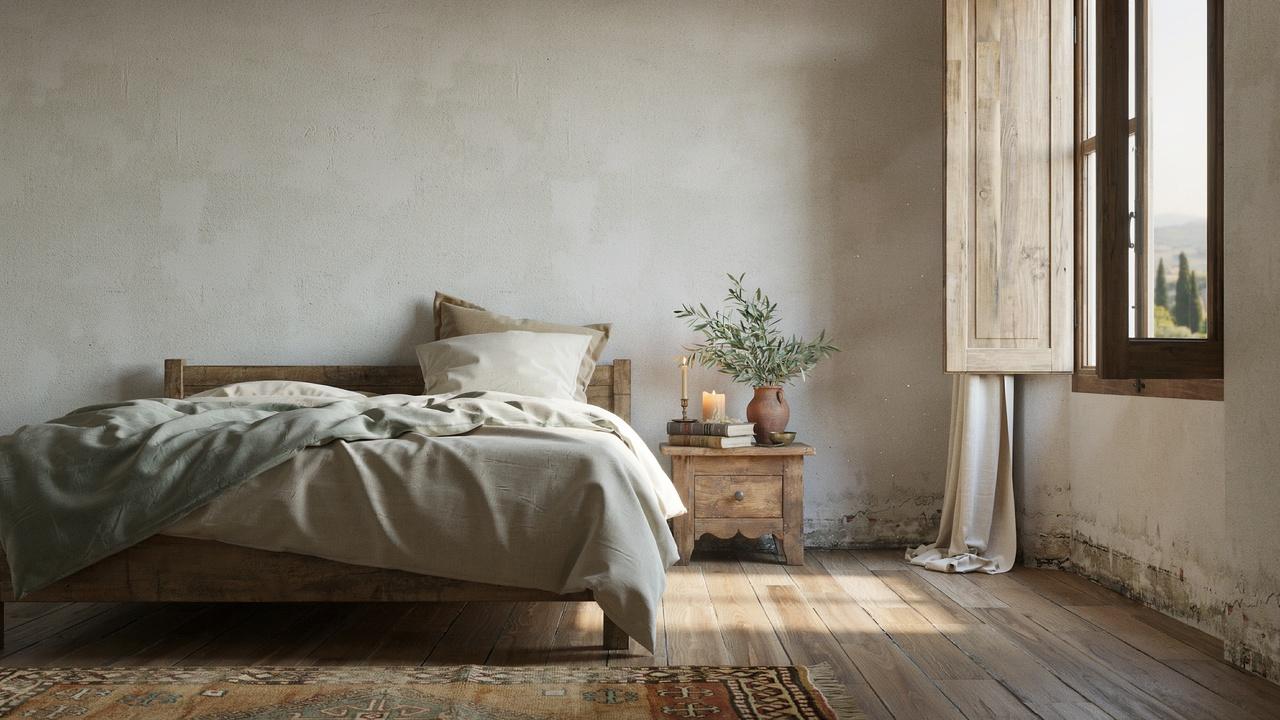
Soft, warm colors and natural fabrics create a restful bedroom. Wood headboards and simple bedding keep the room from feeling overdone.
Small touches like a woven rug or wall sconce round out the look.
Bathroom Design Elements
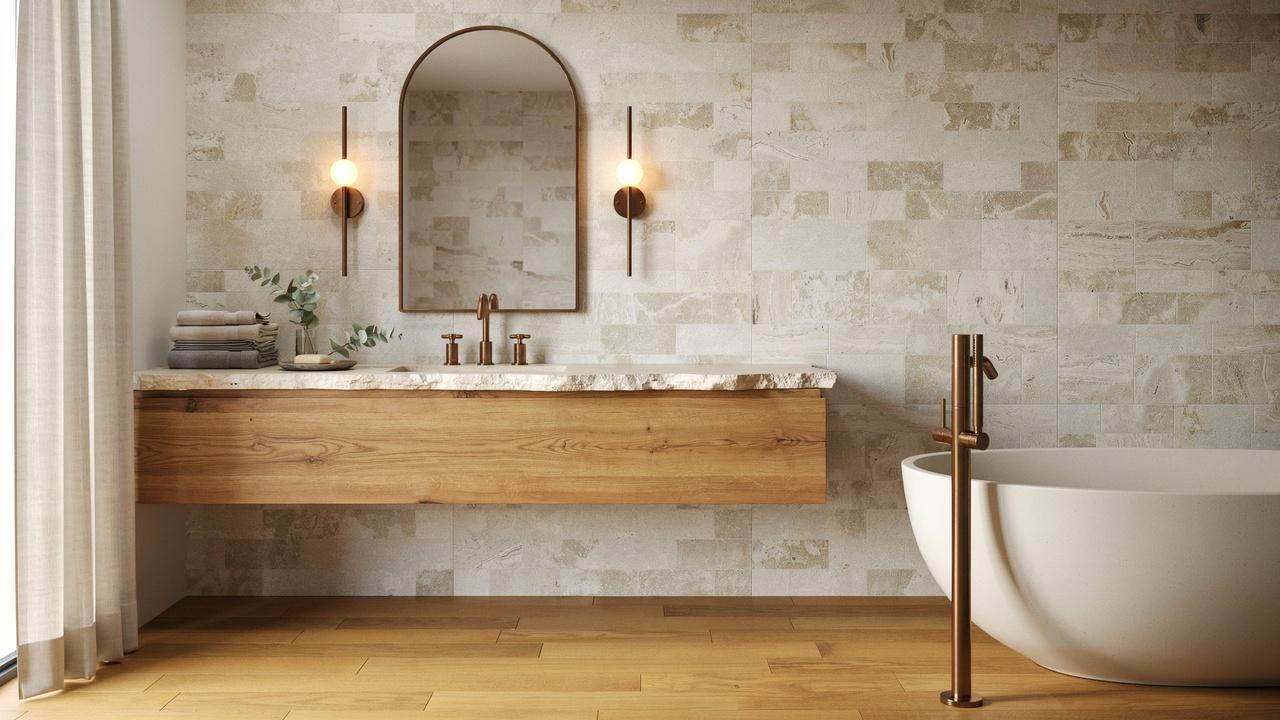
Natural stone tile and warm wood vanities fit well in a Tuscan Mediterranean bathroom. Iron mirror frames and simple fixtures keep the style consistent.
Avoid bright white or overly modern finishes here.
Outdoor Patio and Courtyard Design
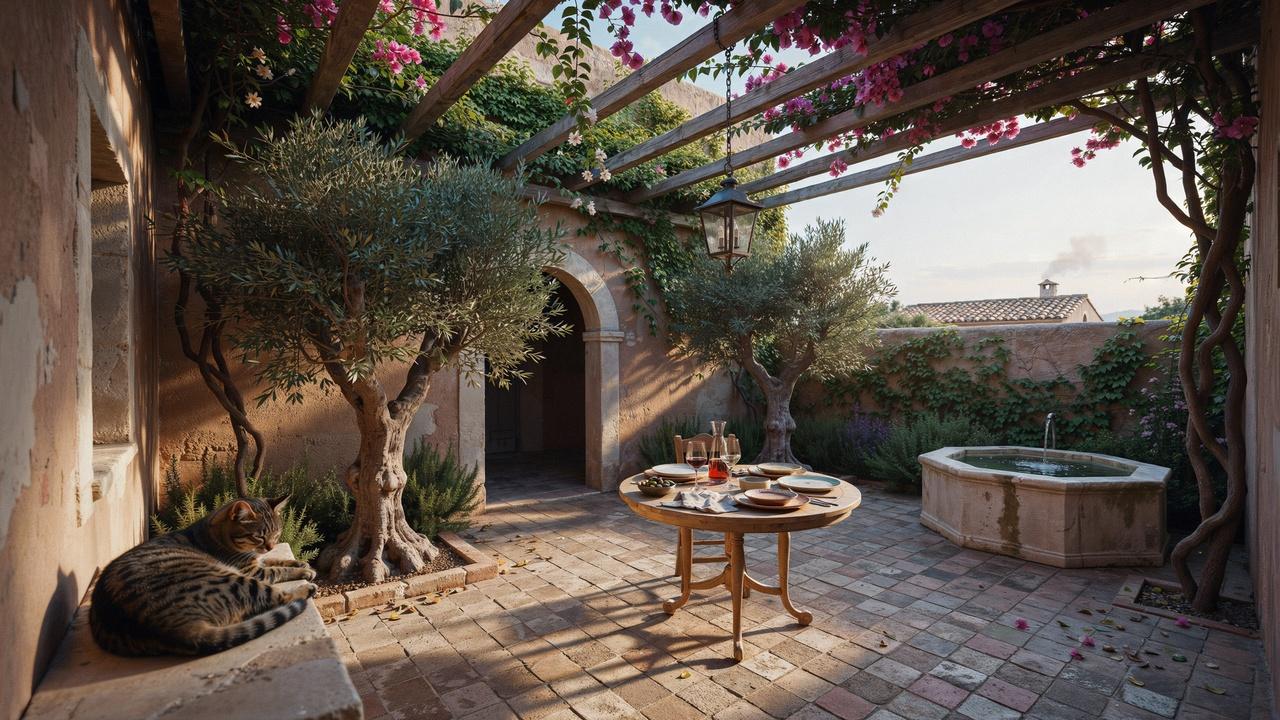
Stone flooring, potted plants, and simple outdoor furniture bring this style outside. A pergola or covered area adds shade and structure.
Keep the outdoor space simple so it feels like an extension of the home.
How to Decorate a Tuscan Mediterranean Home
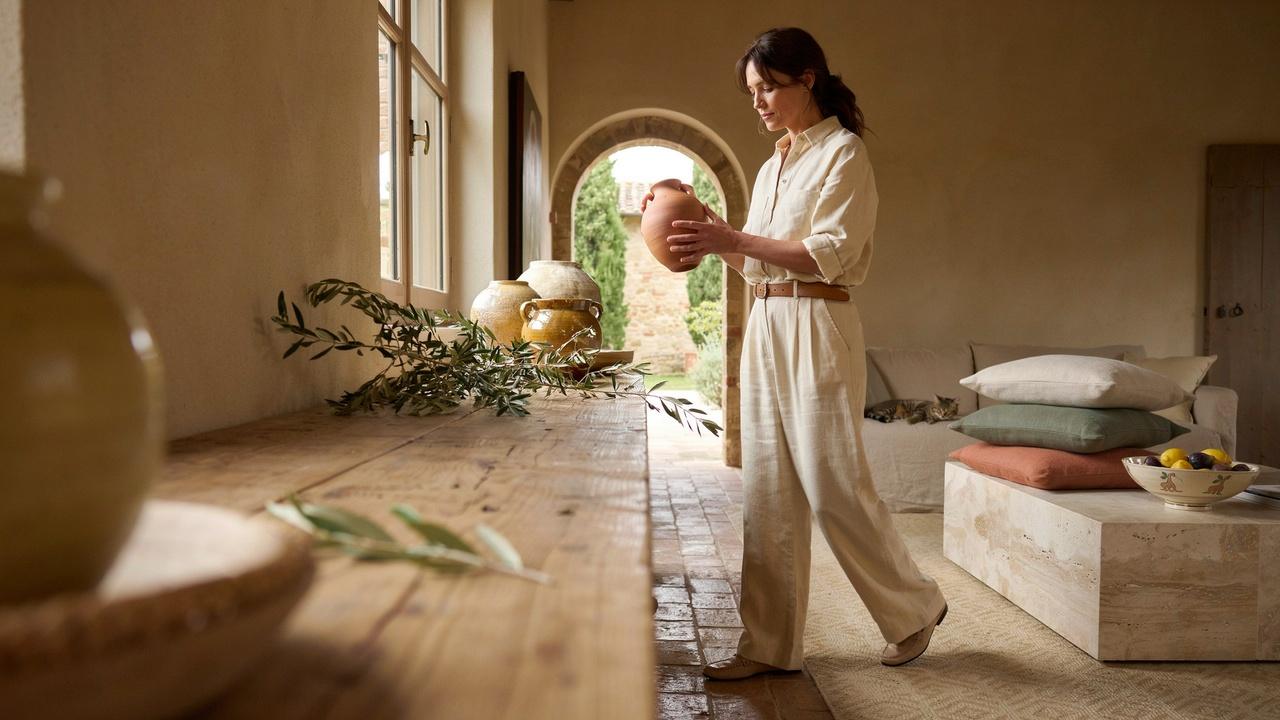
Simple steps for decorating your home in this style, from choosing materials to setting the right lighting and flow.
Mix wood, stone, iron, and fabric for depth, and stick to natural materials over synthetic ones. Add warmth with wall sconces, low hanging fixtures, and candles or lamps with warm bulbs.
Bring in plants, dried flowers, and natural wood pieces, and avoid decor that looks too polished.
Large doors or matching flooring can connect indoor and outdoor spaces, especially with outdoor furniture that matches your indoor style.
Best Colors for Tuscan Mediterranean Interior Design
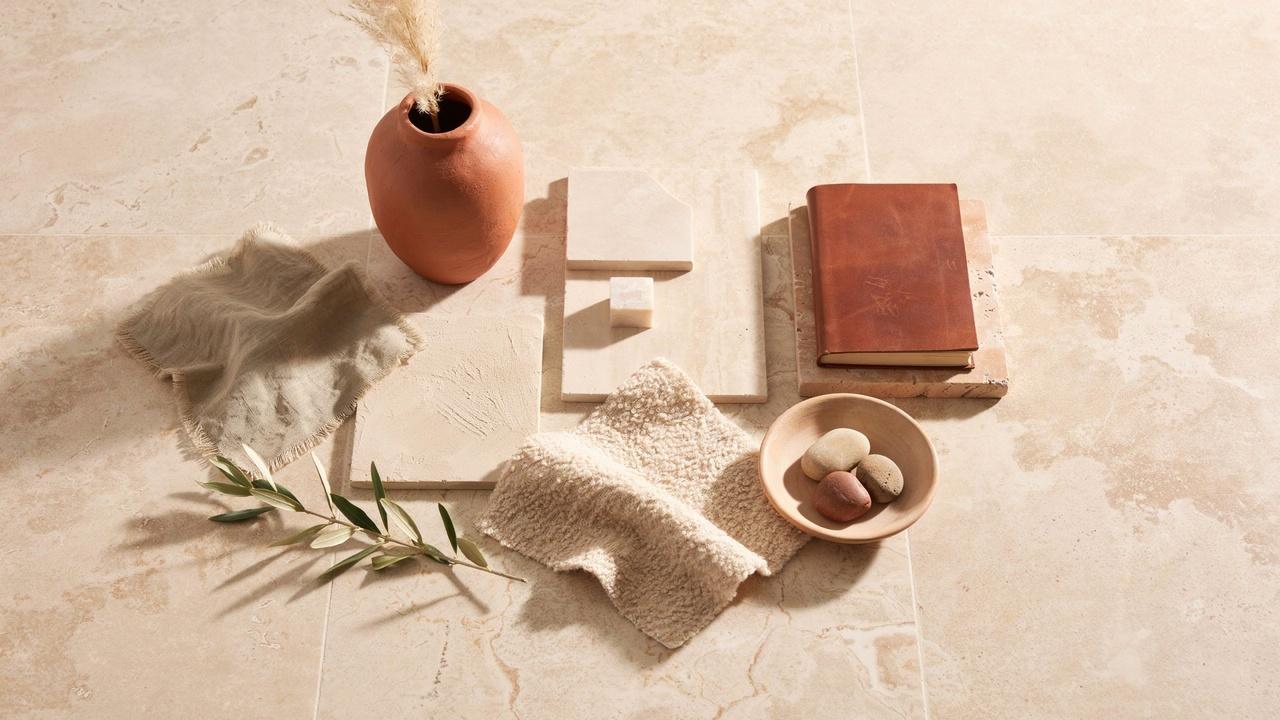
A guide to the warm, earthy colors that define this style and how to use them across walls, ceilings, and accents.
Earthy Base Tones and Accent Colors
Terracotta, beige, and olive green form the base of most rooms, adding warmth, neutrality, and a natural touch.
Use small pops of deep red, mustard yellow, or muted blue as accents, tied to natural sources like clay, wheat, or sky.
Paint Combinations for Walls and Ceilings
Pair warm neutral walls with slightly darker wood beams on the ceiling for contrast without clashing. Avoid stark white ceilings, as they feel out of place in this warm color scheme.
Furniture and Materials for Tuscan Mediterranean Interiors
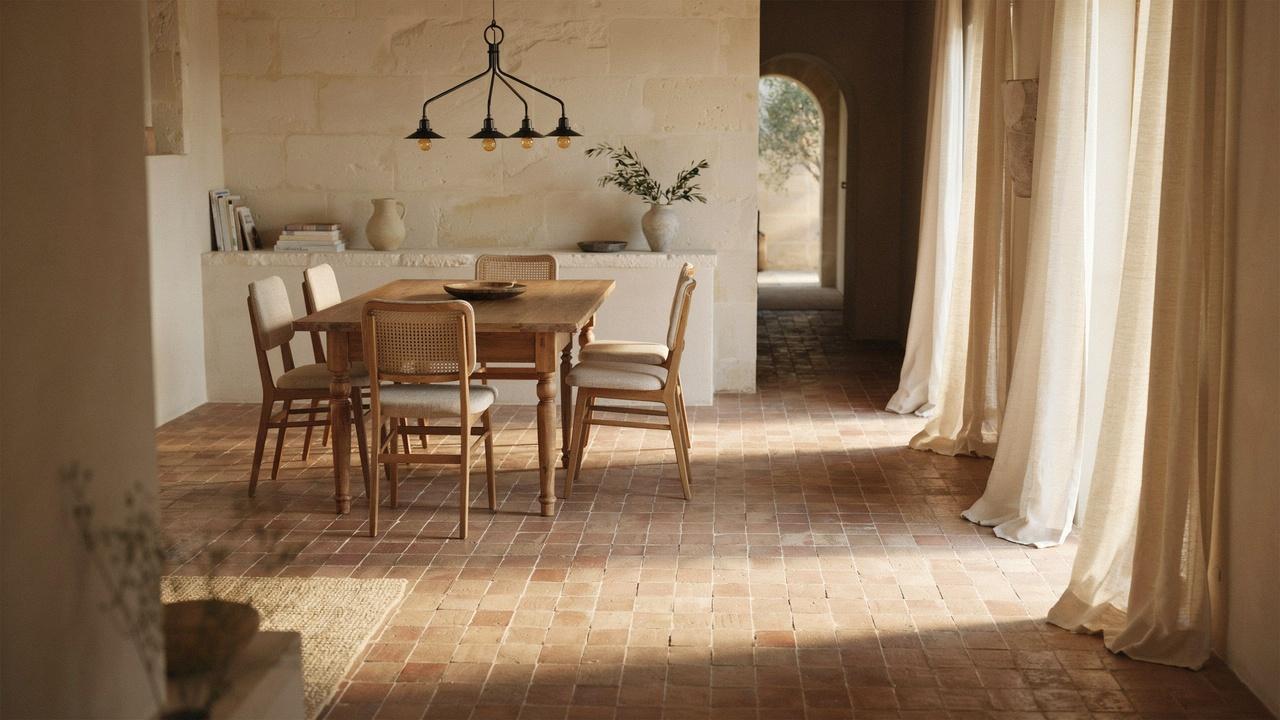
An overview of the furniture styles and building materials that support the Tuscan Mediterranean look throughout a home.
Solid Wood and Handcrafted Furniture
Solid wood furniture with visible grain and simple joinery fits best. Avoid particleboard or glossy factory finishes.
Flooring and Fabric Choices
Stone tile, terracotta, and clay based flooring hold up over time and develop character with use. Matte wood flooring also works well in bedrooms and living areas.
Linen, cotton, and leather feel natural and age well over time. Avoid shiny or synthetic fabrics, as they clash with the room.
Decorative Accessories and Lighting Fixtures
Pottery, woven baskets, and iron light fixtures should feel handmade rather than mass produced. Keep accessories simple so they support the room instead of crowding it.
Tips for Tuscan Mediterranean Interior Design
Practical tips for pulling this style together in a way that feels warm, balanced, and true to its roots.
- Start with warm neutral walls and flooring, then add color and texture later.
- Keep rustic elements like wood and stone as the focus, with modern touches in small items only.
- Use natural light and sheer curtains to bring out texture in stone and wood.
- Layer two or three textures per room to avoid a busy look.
- Choose solid wood and natural materials that last, instead of trend based pieces.
Conclusion
I still remember warming up my first rental with just a terracotta lamp and a wool throw. It made the whole room feel different.
That is the heart of Tuscan Mediterranean interior design. You do not need a full remodel to feel it. Start small. Add one warm color, one natural texture, and let the rest grow from there.
What part of this style speaks to you most? Drop a comment below and let me know.
If this helped, share it with someone planning their own home refresh, and check out our other design guides for more ideas.
Frequently Asked Questions
What colors work best for Tuscan Mediterranean interior design?
Earthy tones like terracotta, olive, sand, and warm brown form the base. Add small pops of deep red or muted blue for accents.
Can I use this style in a small apartment?
Yes, this style works in any size space. Stick to lighter wall tones and fewer pieces so the room does not feel closed in.
What materials should I avoid in this design style?
Avoid glossy, synthetic, or overly modern finishes like chrome or high gloss plastic. These clash with the natural, rustic feel of the style.
How do I mix Tuscan and Mediterranean elements without clashing?
Start with a warm neutral base, then add Mediterranean touches through tile, color, or textiles. Keep one style as the lead and the other as an accent.
Is Tuscan Mediterranean design expensive to achieve?
Not necessarily. You can start with a few key pieces, like a rug or lighting fixture, and build the look gradually over time.