
I still remember standing in a well-designed room thinking, “This just feels right.” That moment got me curious.
Where did American design come from? And why do certain styles feel so familiar?
In this blog, I cover 17 American Interior Design styles, from 1920s Art Deco glamour to 2010s DIY culture.
You will see what shaped each era and how to bring those ideas into your home today.I have spent real time studying these styles. I am here to make it simple.
Let’s get started.
Overview of American Interior Design
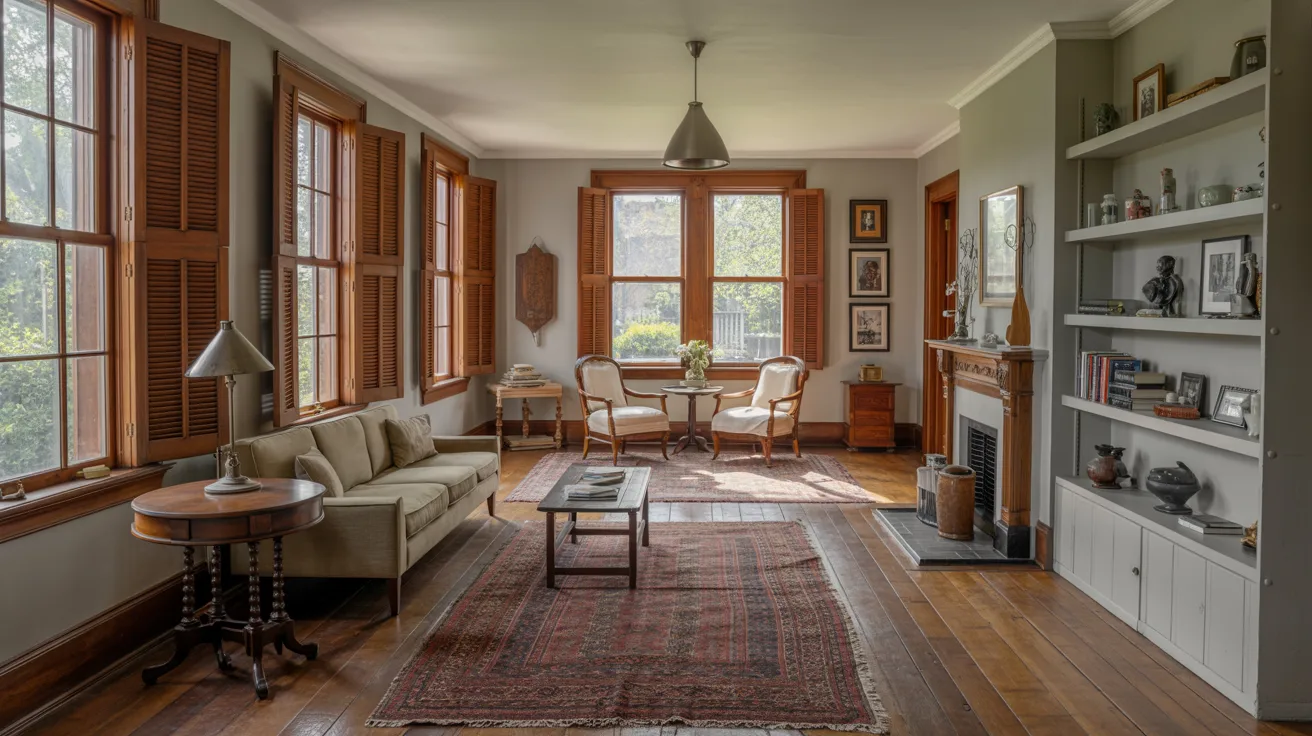
American interior design has always reflected what people were living through. Wars, economic shifts, and cultural movements all changed the way people set up their homes.
From the richness of Art Deco to the calm of mid-century living rooms, every era left its mark. New materials, global ideas, and personal values all played a role.
Understanding this history makes it easier to see why certain styles feel the way they do and how they connect to everyday life.
17 American Interior Design Styles & Influences
Each style listed here tells a story about a real moment in American life.
1. Roaring ’20s Glamour
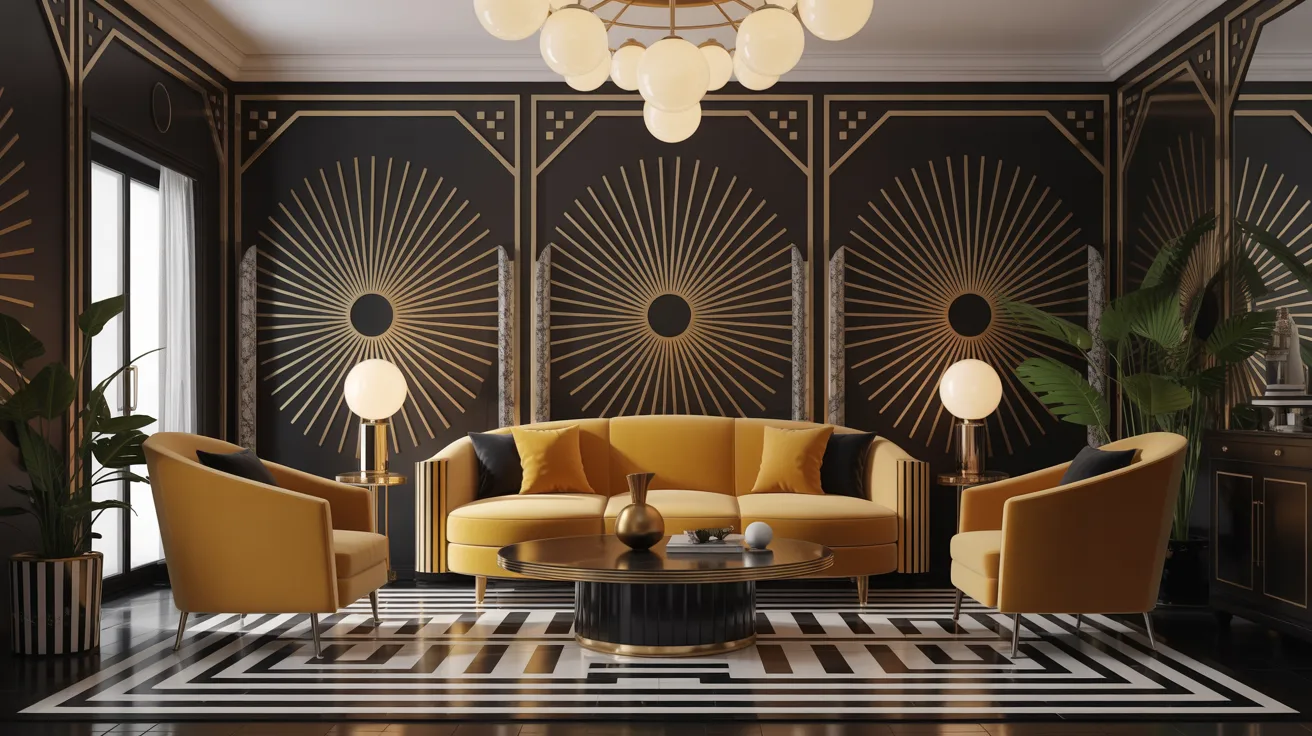
The 1920s were full of energy and optimism after WWI. Homes showed this with bold geometric patterns and sun-ray motifs.
The 1925 Paris Exposition played a big role in shaping this look. Art Deco brought a sense of luxury and prosperity into American living spaces.
2. Bauhaus & Minimalist Simplicity
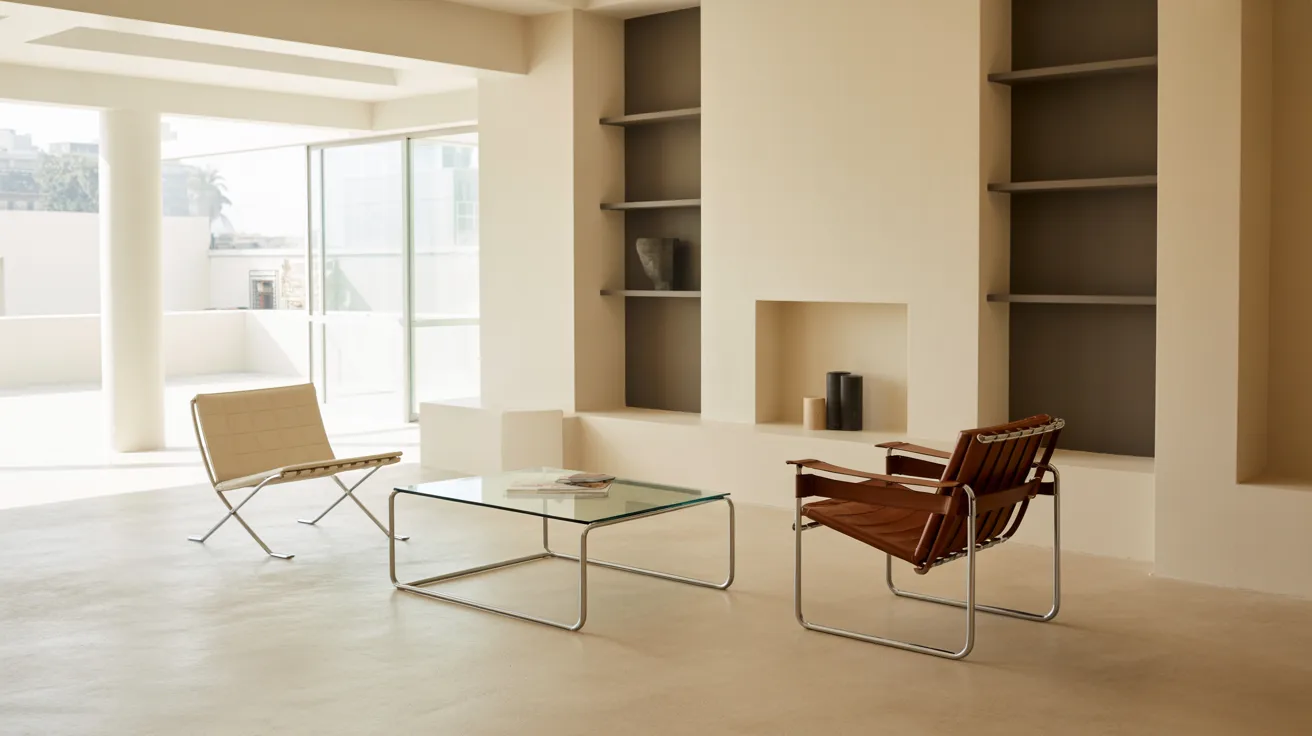
Bauhaus changed how people thought about furniture. Instead of heavy decoration, the focus shifted to function and clean lines.
Marcel Breuer’s Wassily Chair is a great example. The goal was simple: make good design available to more people, not just the wealthy few.
3. 1930s Streamline Moderne
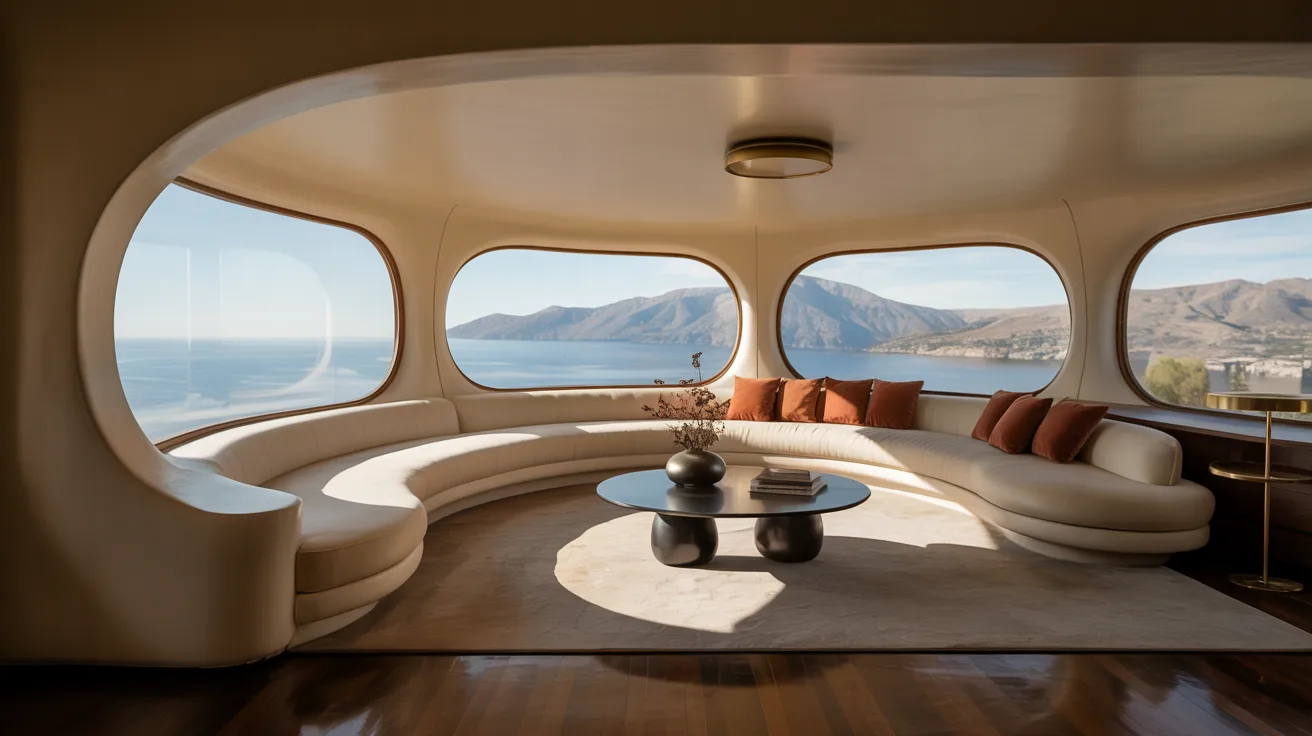
This style took cues from cars, trains, and planes. Rounded, aerodynamic shapes replaced sharp edges.
Materials like steel, glass, and lacquer gave rooms a sleek feel. The color palette stayed calm and muted, creating a modern look that never felt too loud or overdone.
4. Depression-Era Minimalism
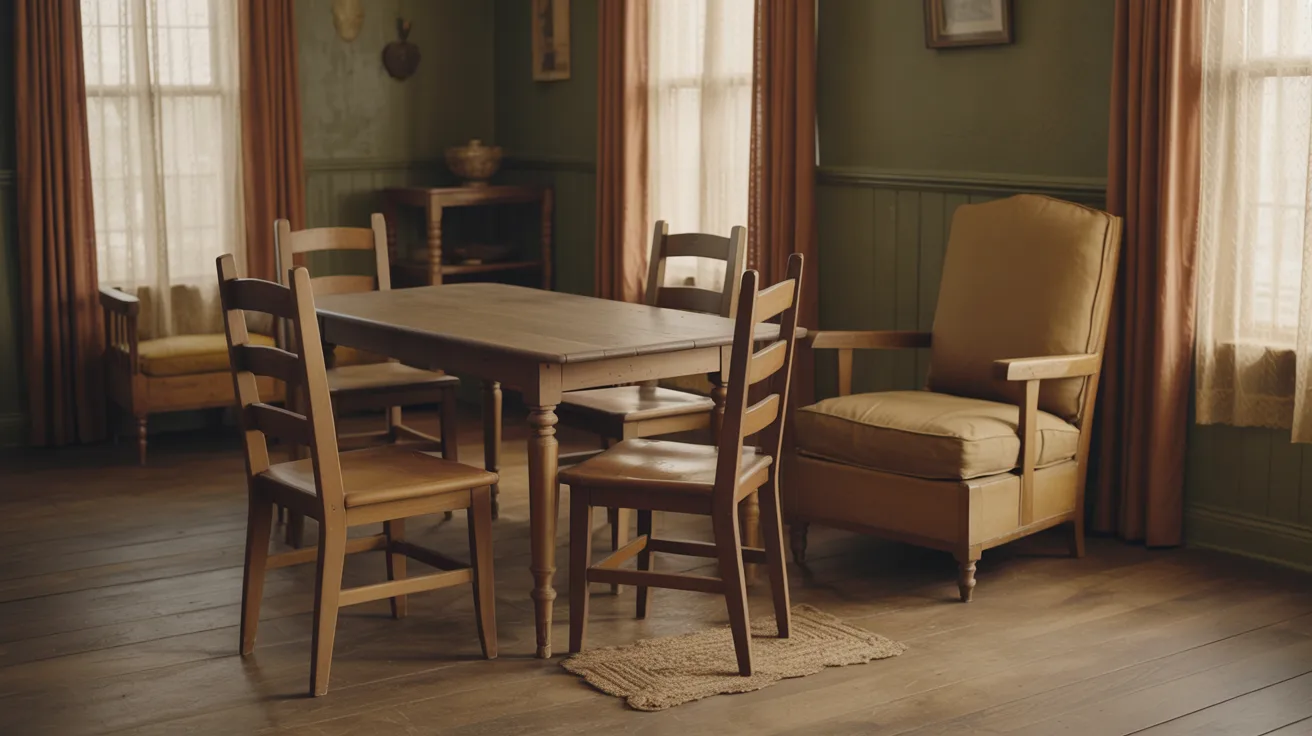
The Great Depression changed everything. People focused on what they truly needed. Furniture was practical and built to last.
There was no room for excess. This era proved that good design does not need to be expensive. Sometimes, less is exactly what the moment calls for.
5. 1940s Modernism & Technology
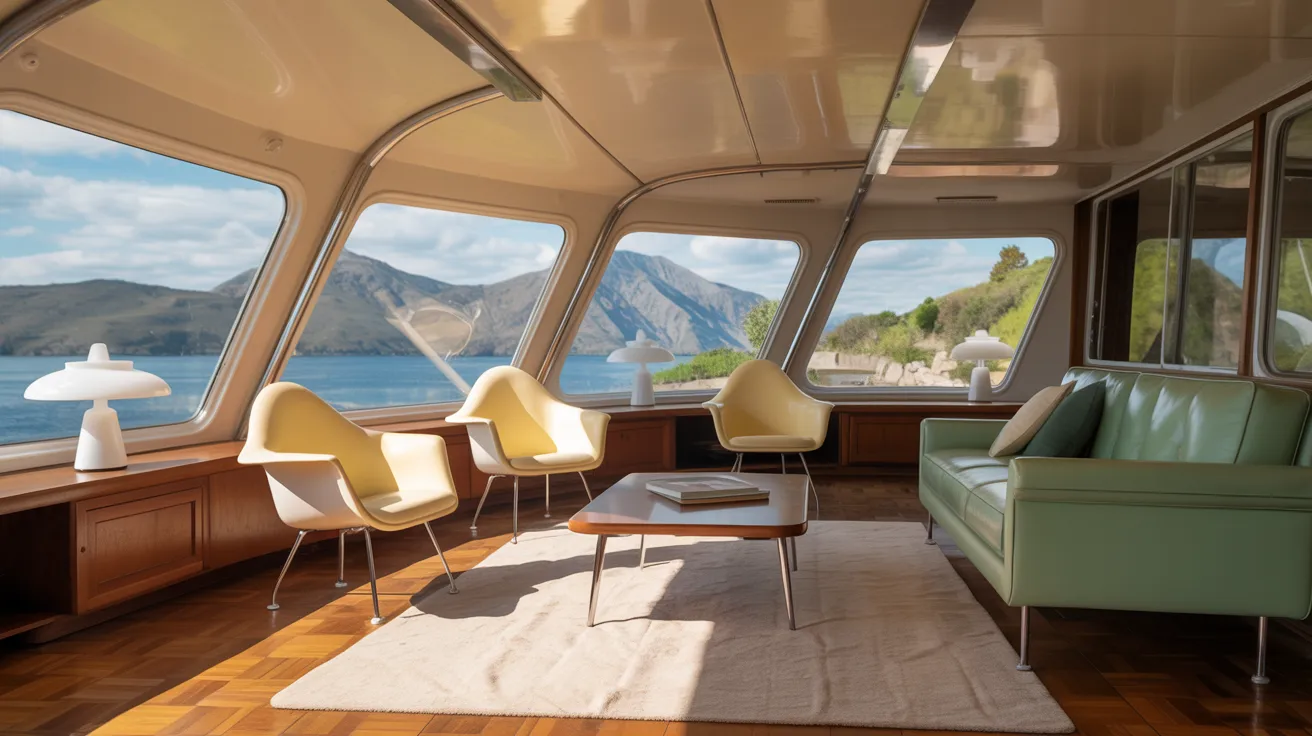
New materials like plastic, fiberglass, and metal made furniture lighter and easier to produce. The Eames LCM chair and Saarinen’s womb chair became icons of this time.
The focus was on comfort and function for everyday people, not just those with money to spend.
6. 1950s Mid-Century Modern
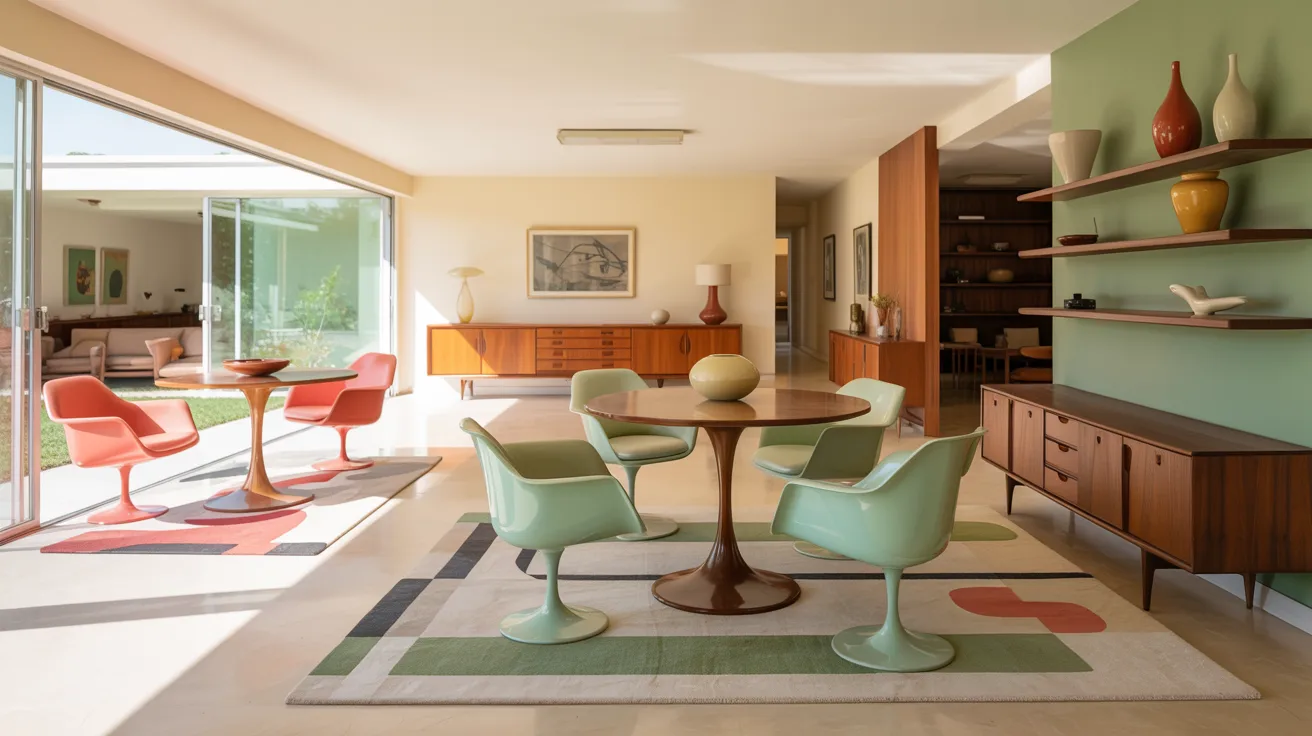
Clean lines, open floor plans, and pastel colors defined this era. Homes felt fresh and modern. Molded fiberglass chairs and pedestal tables became popular.
People wanted spaces that looked good and worked well. This is still one of the most loved looks in American homes today.
7. 1950s Scandinavian Influence
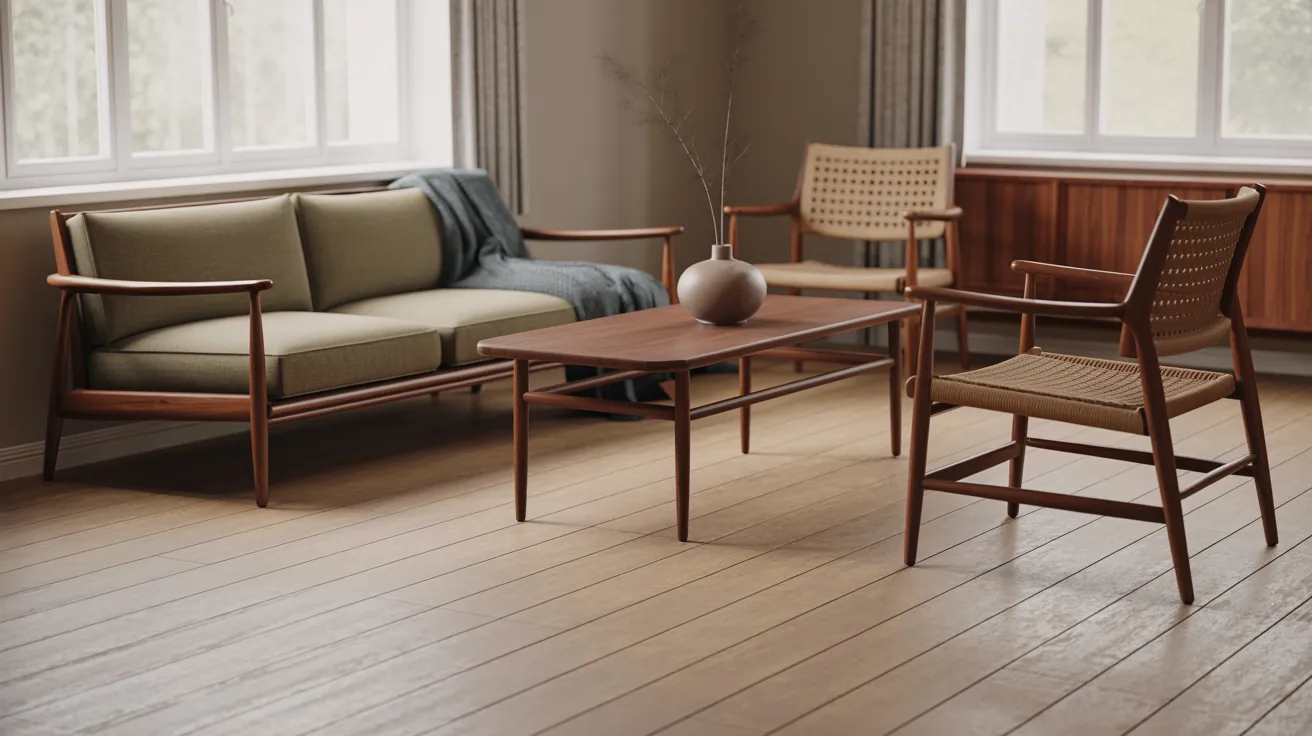
Scandinavian design brought sleek, practical furniture into American homes. Natural wood tones and muted colors created a warm and cozy feel.
The focus was on simplicity and everyday usability. It was not about showing off. It was about making life at home a little more comfortable.
8. 1960s Counterculture & Psychedelic Design
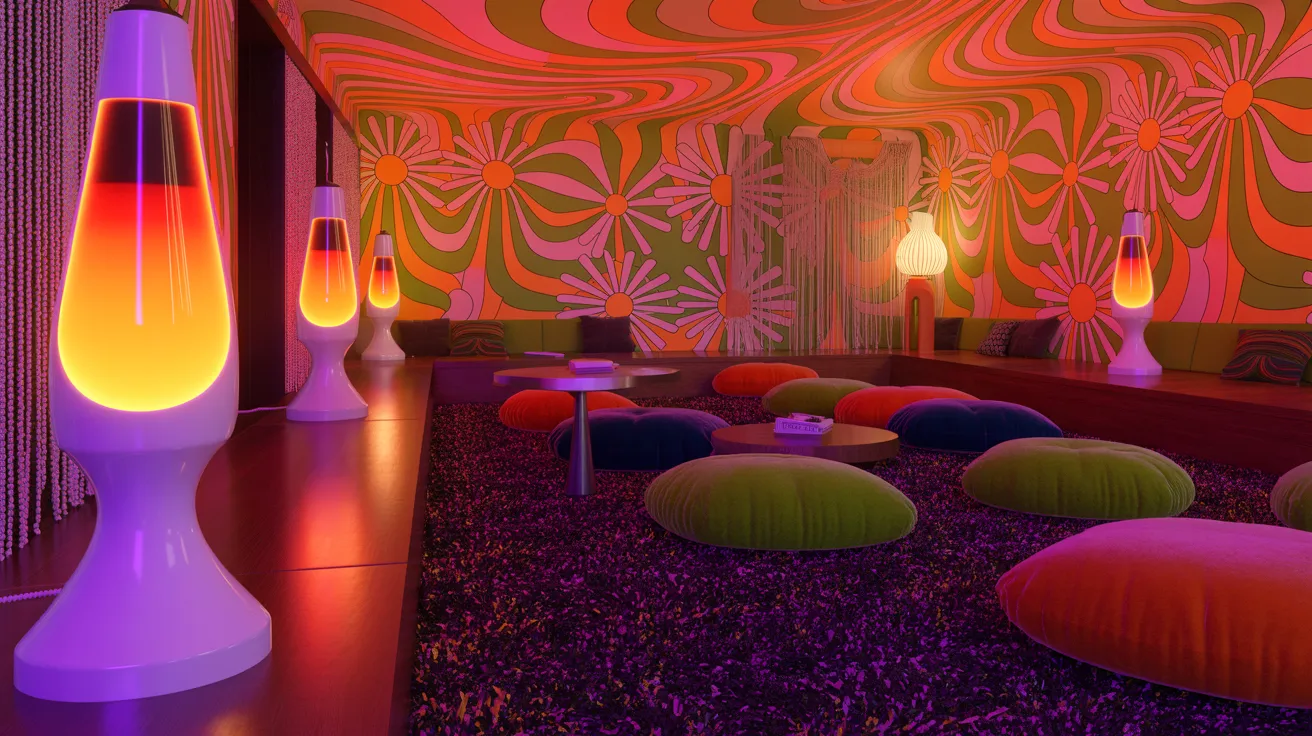
The 1960s brought big changes. Walls and upholstery got vibrant, flower-powered patterns. Lava lamps and black lights became home staples.
This was about self-expression and breaking the rules. People used their homes to say something about who they were and what they believed.
9. 1960s Futuristic & Scandinavian Furniture
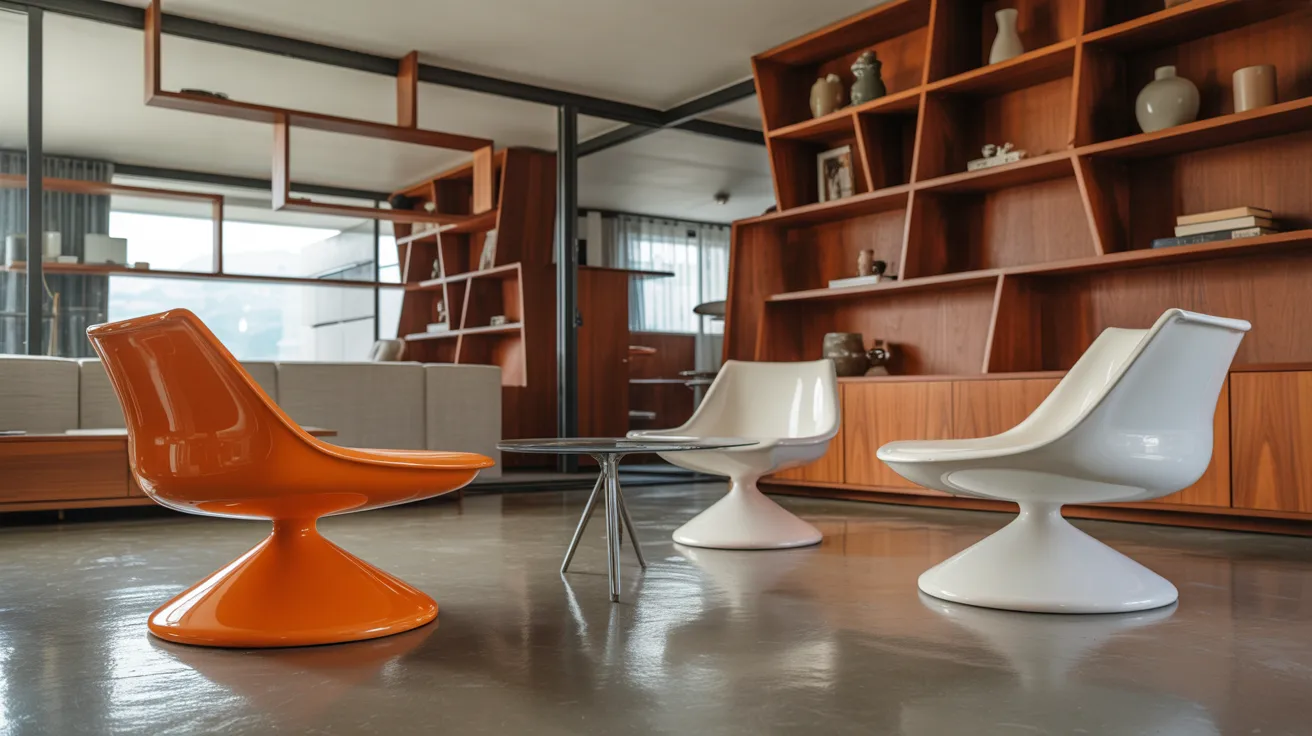
Designers pushed real boundaries in this decade. Legless plastic chairs, like those from Verner Panton, changed how people thought about seating.
Open shelving showed off personal collections. Sleek materials combined with bold shapes gave rooms a forward-looking feel that broke from tradition completely.
10. 1970s Earthy & Eco-Friendly Interiors
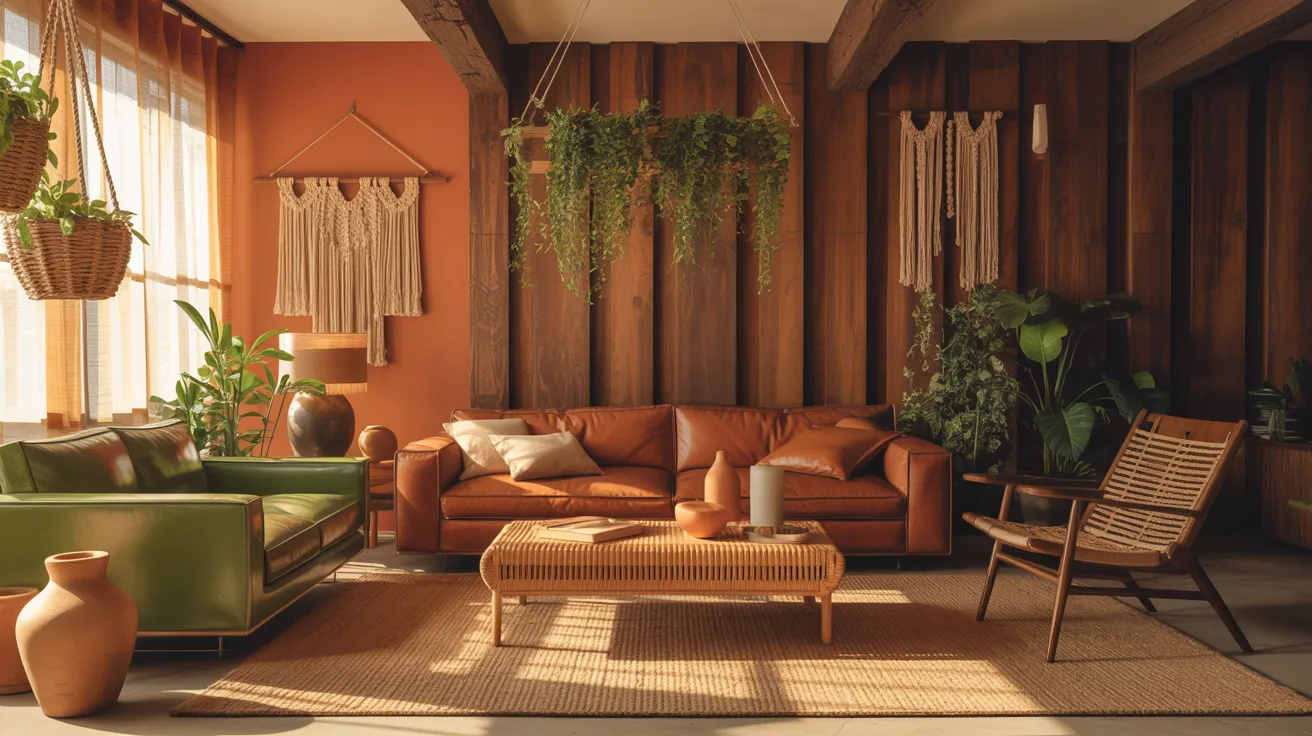
Colors like rust, avocado green, and mustard yellow filled 1970s homes. Natural materials such as wood, leather, rattan, and macramé brought warmth.
After the first Earth Day, people began caring more about the environment. Homes started reflecting that shift toward nature and mindful living.
11. 1970s Casual Comfort
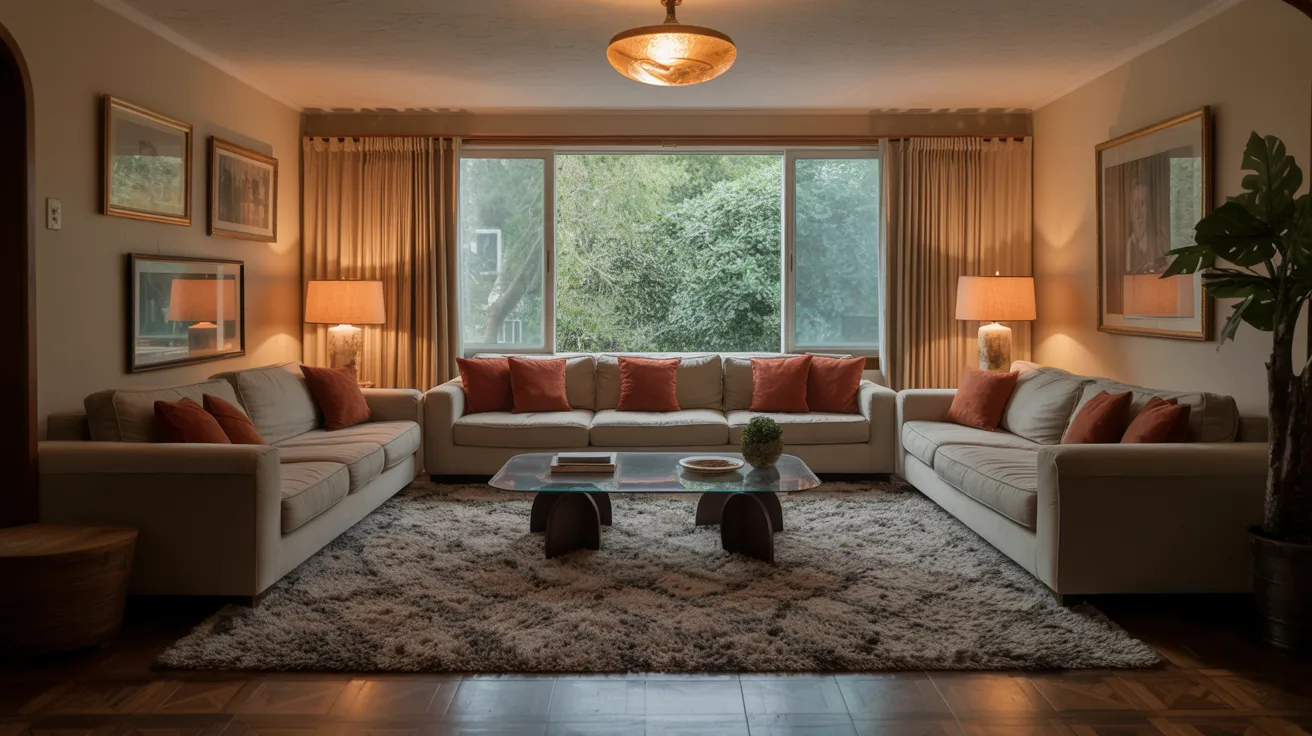
Sunken living rooms, shag carpets, and waterbeds were everywhere. Low-back couches made rooms feel relaxed and informal.
The 1970s were about slowing down and enjoying home life. Furniture was chosen for comfort, not formality. People wanted spaces that felt easy to live in.
12. 1980s Postmodern & Pop Culture
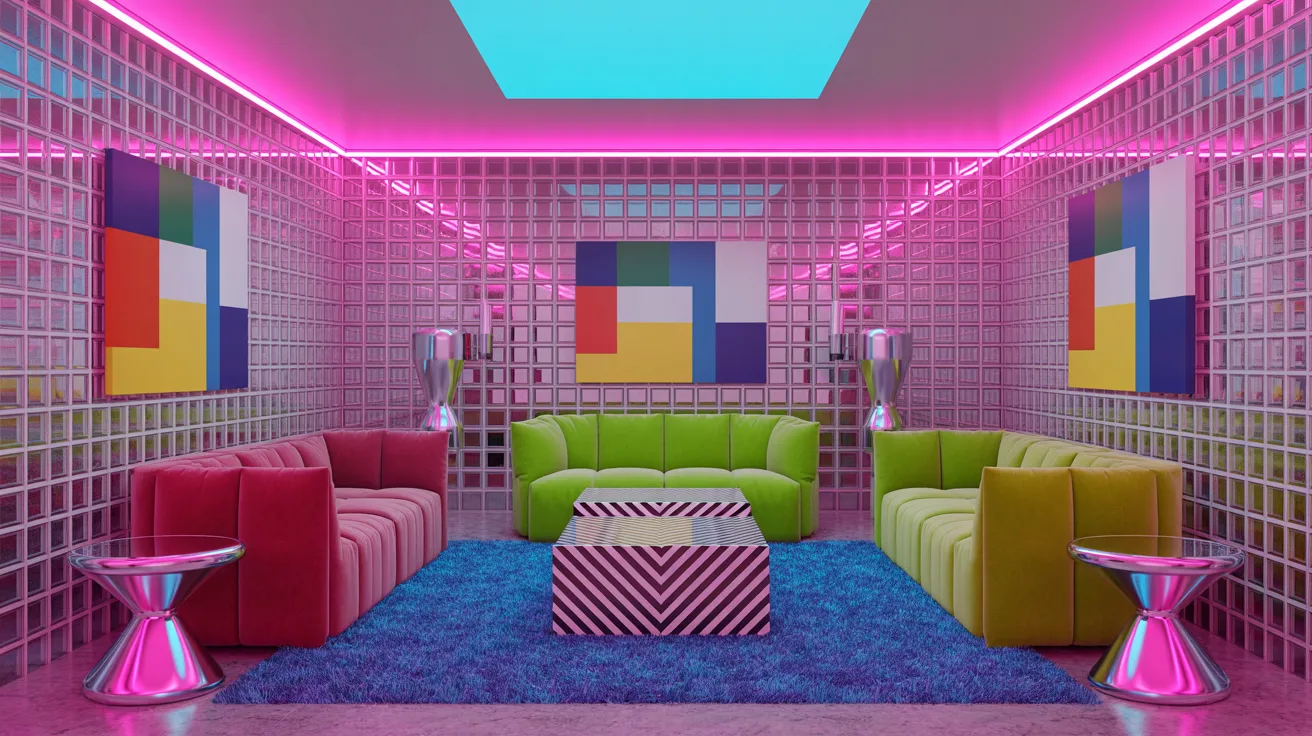
TV shows like Miami Vice and Dynasty shaped how people decorated. Neon colors, glass-block walls, and plush interiors became popular.
The Memphis Group added bold, colorful furniture to the mix. This was a decade when pop culture walked straight through the front door.
13. 1980s Maximalist Statement Pieces
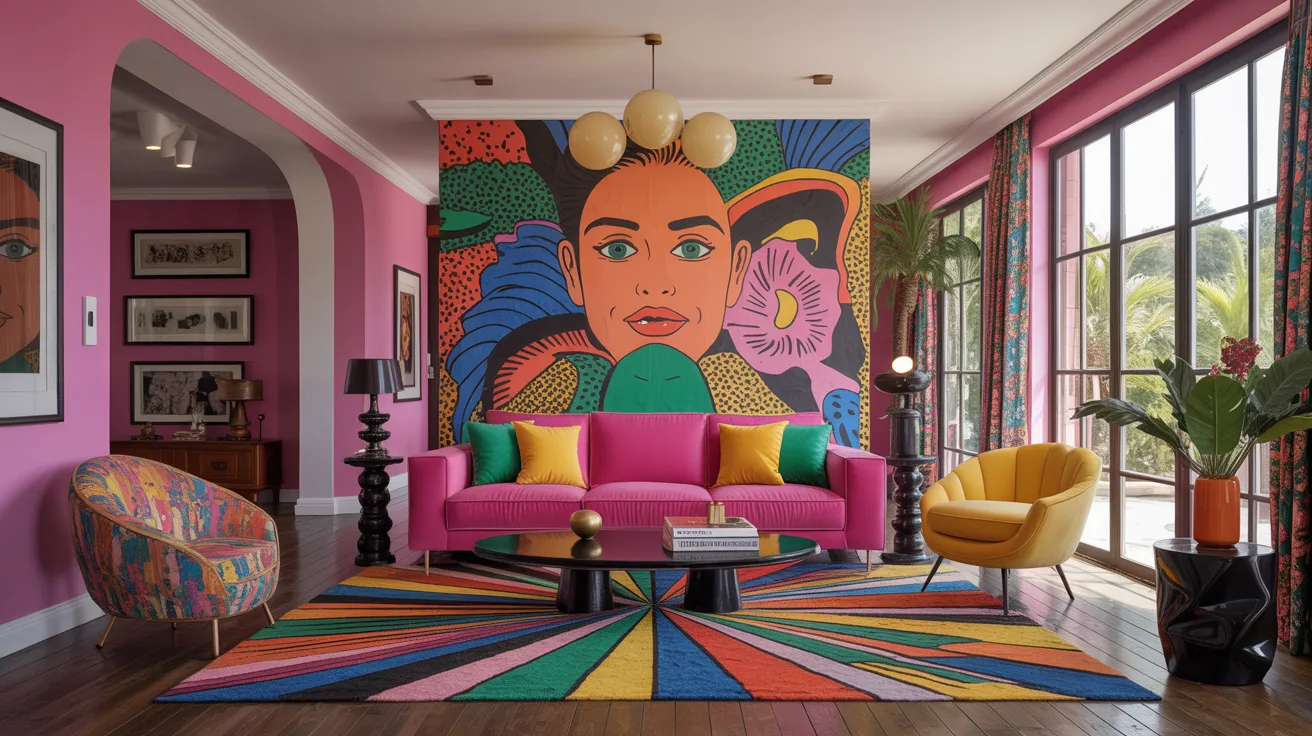
More was more in the 1980s. Vibrant patterns, clashing textures, and pop-art decor filled rooms. Media, fashion, and graphic design all made their way into homes.
People used bold interiors to show their personality. Every room was meant to make a statement about who you were.
14. 1990s Prosperity & Personal Expression
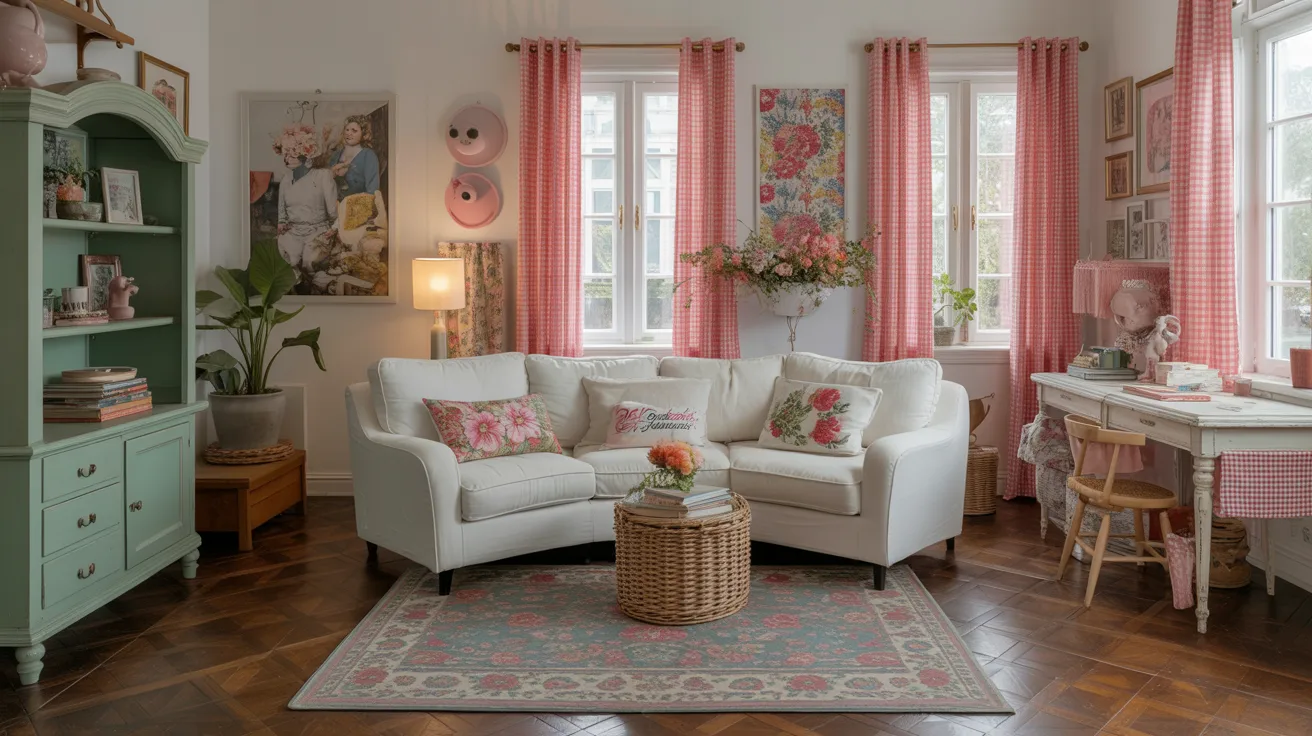
The 1990s brought maximalism, shabby chic, and floral patterns into homes. Upcycled furniture and eclectic decor were popular.
People mixed and matched styles freely and with confidence. It was all about expressing yourself through your space. Playful experimentation took center stage in this decade.
15. 1990s Sustainability & Green Living
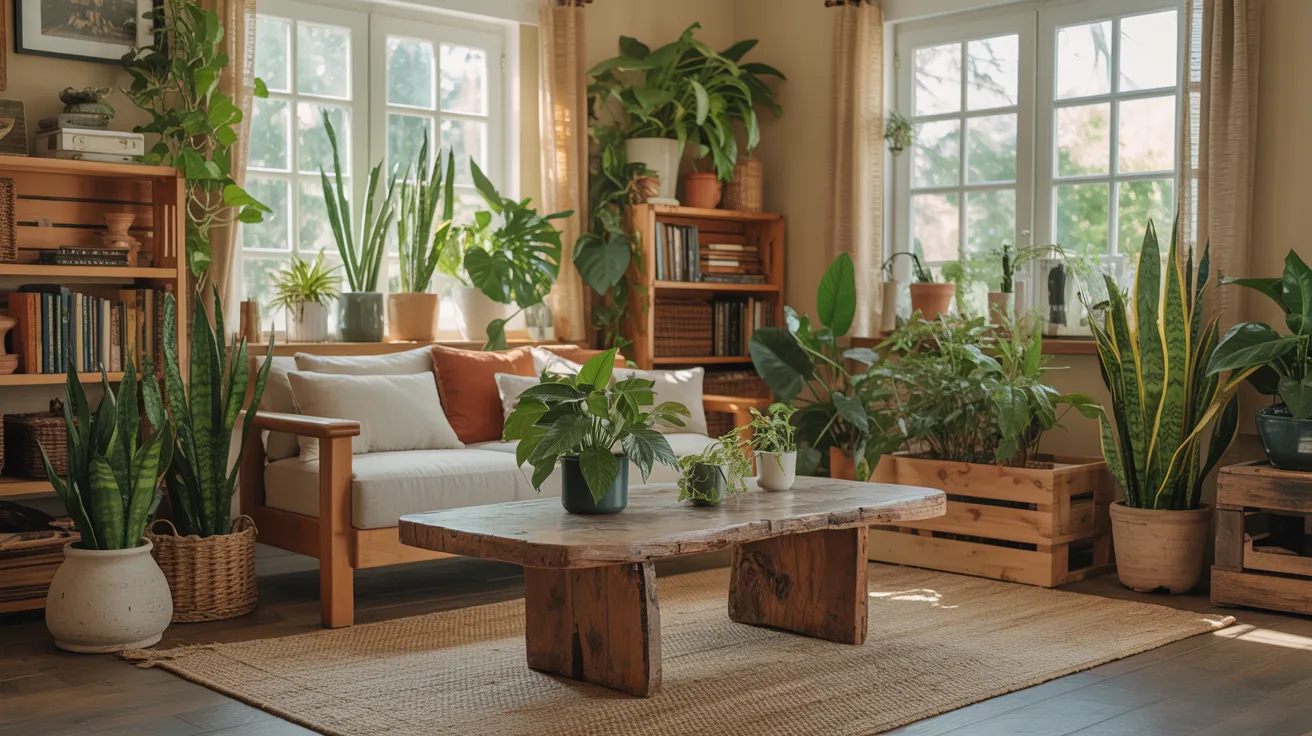
Houseplants became a real design statement. Feng Shui brought calm and positive energy into homes. People chose eco-conscious options and repurposed items more often.
Interiors were meant to feel balanced and grounding. This decade showed that a home could support well-being, not just look good.
16. 2000s Well-Being & Minimalism
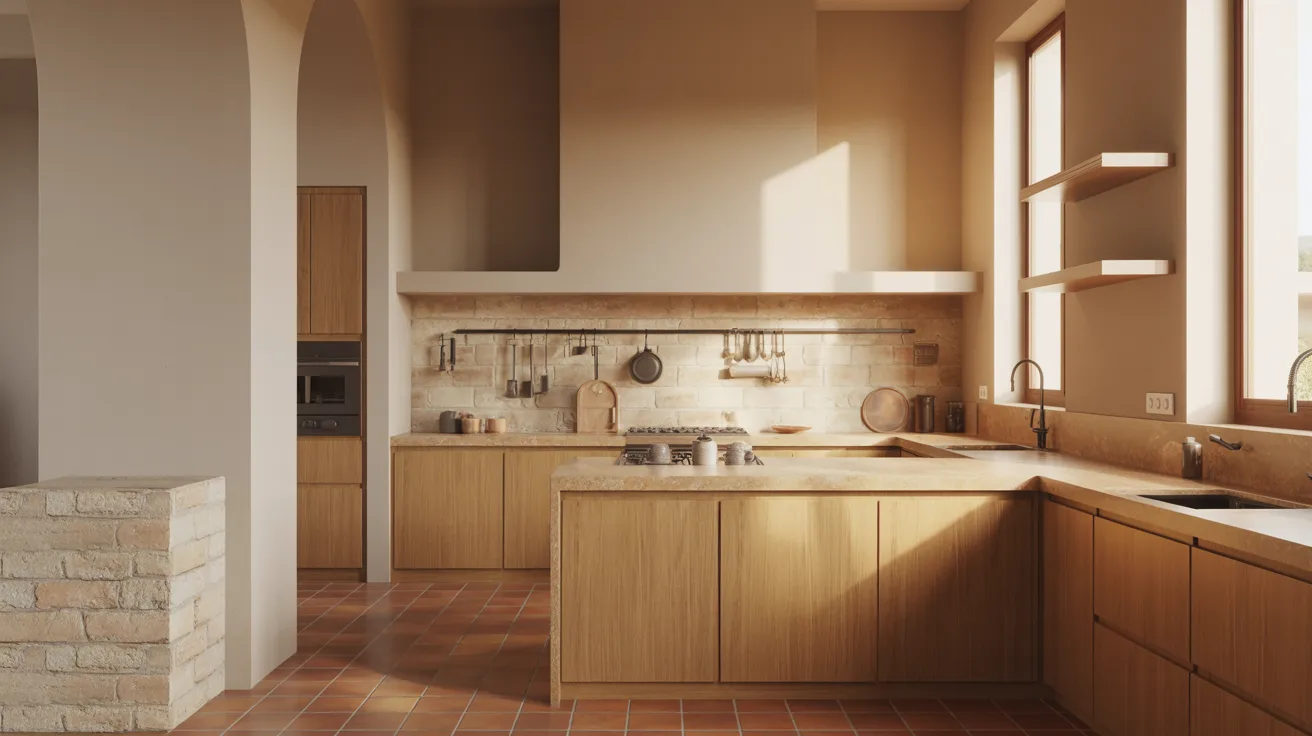
After 9/11, people wanted homes that felt safe and comforting. Tuscan-style kitchens and natural materials became popular. Durable furniture replaced flashy pieces.
Minimalist designs with warm, welcoming touches created a sense of calm. Homes became spaces for healing and security, not just for appearances.
17. 2010s DIY, Social Media & Global Influence
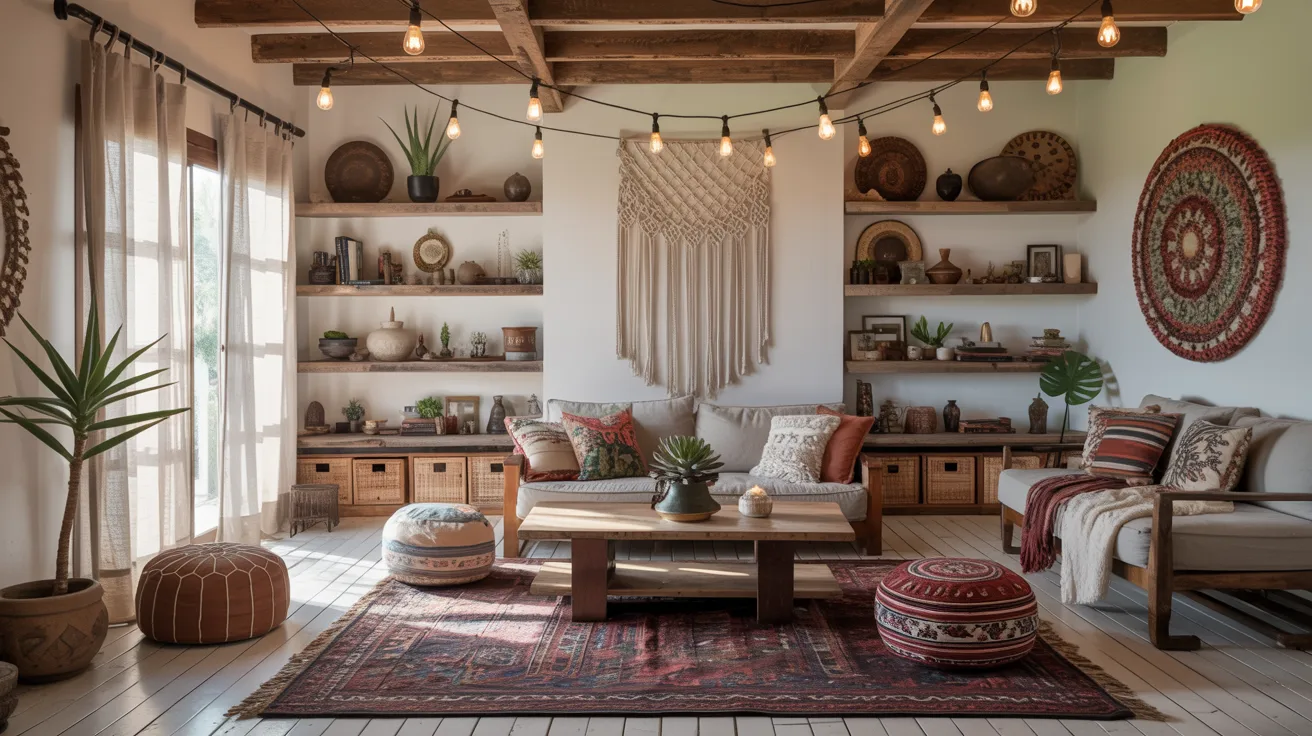
Pinterest and Instagram changed everything. People started doing their own home improvements and mixing styles freely.
Modern farmhouse, boho, and global decor came together in one space. Layering vintage with new items became the norm.
Social media turned personal style into something shared and celebrated.
Tips on How to Incorporate These Styles in Modern Homes
You do not need to pick just one era. Here is how to make it work.
- Start with one style that feels right to you. Build from there. You do not need to copy a whole decade, just take what you like.
- Mix old and new pieces freely. A vintage lamp next to a modern sofa can look really good when the tones match.
- Use color with intention. Each era had its own palette. Pick one or two shades from the style you like and work with those.
- Think about your materials. Wood, rattan, metal, and fabric all carry the feel of different time periods. Choose what fits your space.
- Keep it personal. The best-designed room feels like you, not a showroom. Add things that mean something to you.
Conclusion
American design has always told a real story about real people. Each style I shared here grew out of how people were living and what they valued at the time.
Personally, I love mixing a bit of 1970s warmth with 1950s clean structure. It just works.
The 17 American Interior Design styles I covered show that there are no strict rules. Use what speaks to you. Make your space yours.
Drop a comment below and tell me which style caught your eye. I would love to hear what you are working with at home.
Frequently Asked Questions
What is the most popular American interior design style today?
Mid-Century Modern remains one of the most popular styles in American homes. Its clean lines and functional furniture work well in both older and newer spaces.
How do I choose the right interior design style for my home?
Start by thinking about what makes you feel comfortable and at ease in a room. Look at different eras, note what appeals to you, and build from there.
Can I mix more than one interior design style in my home?
Yes, mixing styles is very common and can look great when done with care. Try pairing two or three styles that share similar colors or materials.
What materials are most commonly used in American interior design?
Common materials include wood, metal, glass, rattan, fabric, and fiberglass. The material you use often depends on the time period or style you are working with.
How has social media changed American interior design trends?
Platforms like Pinterest and Instagram made design ideas far more accessible to everyday people. Users now mix global styles, DIY solutions, and personal finds more freely than ever before.