
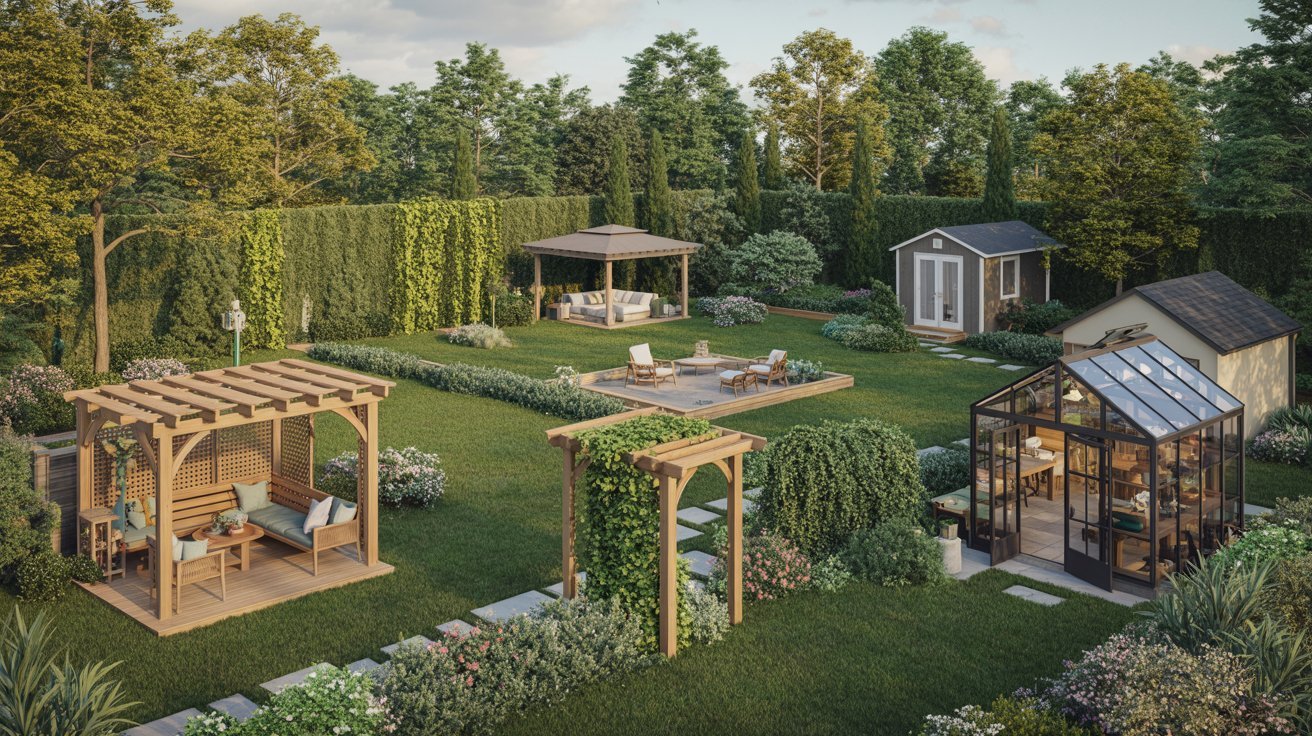
Have you ever thought about how a simple structure can change the way you enjoy your backyard?
Outdoor structures are more than just additions to your space. They provide protection from the sun and rain, offer shade on hot days, and create cozy corners for privacy.
They also make your yard more enjoyable for gatherings and leisure time. Choosing the right structure can completely improve how you use your outdoor area.
In this guide, we will take a close look at different types of outdoor structures and how they can fit your lifestyle.
Overview of Outdoor Structures
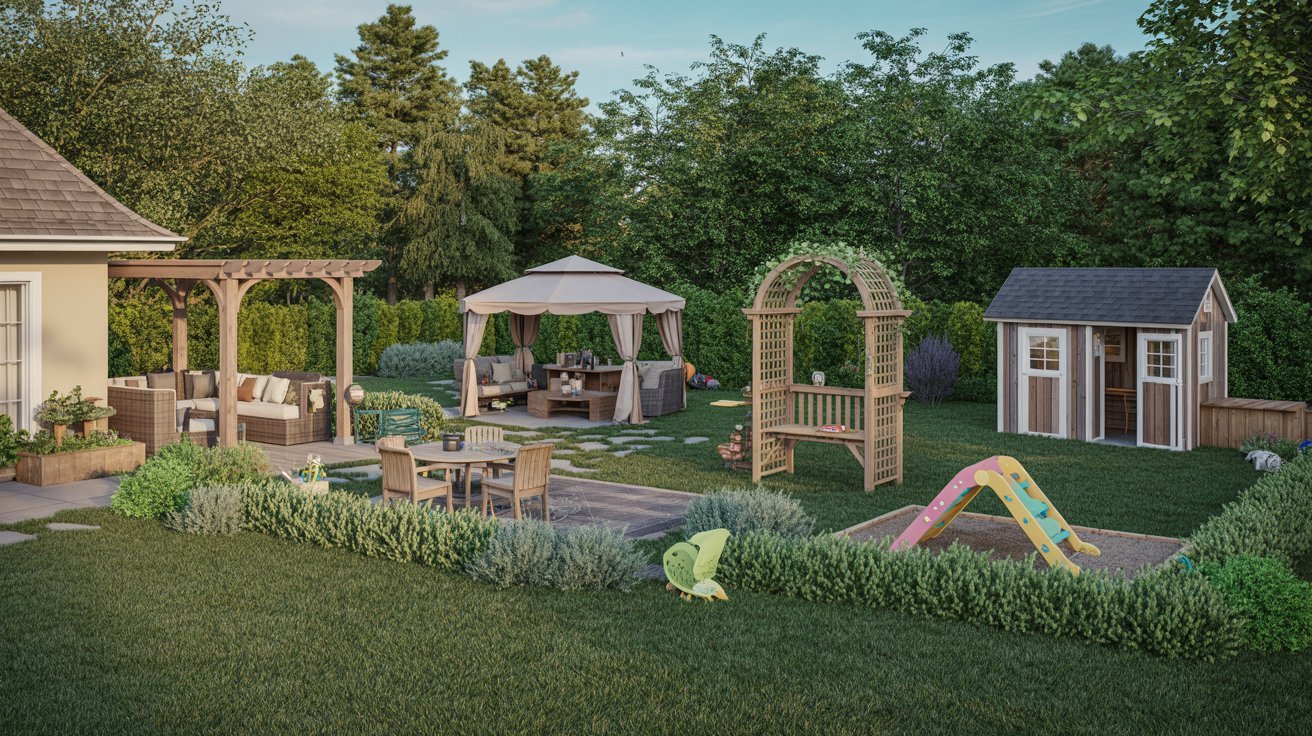
Outdoor structures can take many forms, including freestanding units, those attached to your home, purely decorative pieces, or ones built for specific functions.
When choosing a structure, it is important to consider its size, the materials used, the style, and the purpose it will serve in your backyard.
The right choice can make your outdoor area more practical and enjoyable while also improving its overall appearance.
These structures create spaces for relaxation, gatherings, or play, and they help organize your yard in a way that suits your needs.
The Most Common Types of Outdoor Structures
Outdoor structures serve different purposes and can make your backyard more comfortable and inviting. Each type offers unique features to suit specific needs.
1. Pergolas
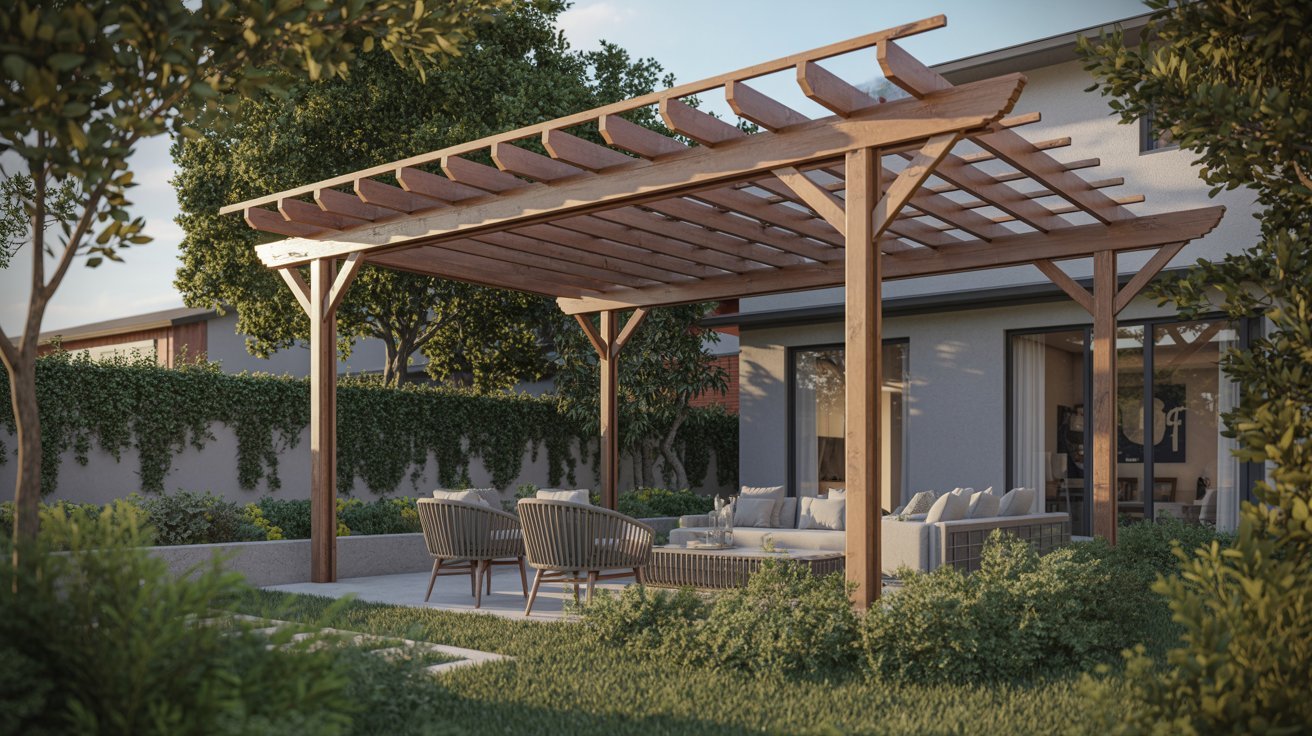
Pergolas have an open roof supported by vertical posts. They may include a canopy for extra shade. They are ideal for partial shade, defining outdoor areas, and hosting small gatherings.
Common materials include wood, vinyl, and metal. Pergolas can be built by homeowners or installed professionally.
2. Gazebos

Gazebos are freestanding, open-sided structures with a solid roof. They come in octagonal, hexagonal, or circular shapes.
These structures provide full shade and are perfect for outdoor relaxation or gatherings. They can be customized and are typically made from wood, metal, or vinyl.
3. Pavilions
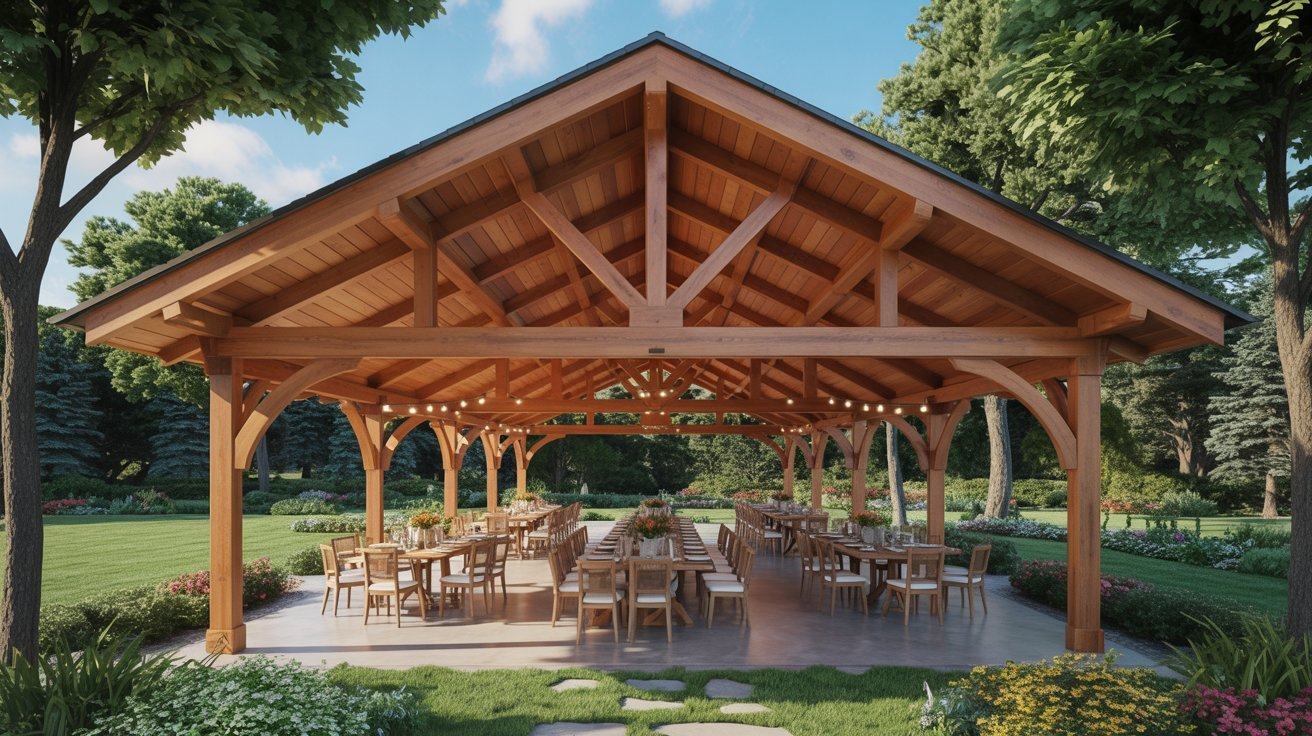
Pavilions are large freestanding structures with solid roofs and open sides. They are suitable for larger gatherings, dining, or events.
Unlike pergolas and gazebos, pavilions are more spacious and sturdy. Construction materials vary, often including wood or metal, and planning should consider durability and weather protection.
4. Arbors
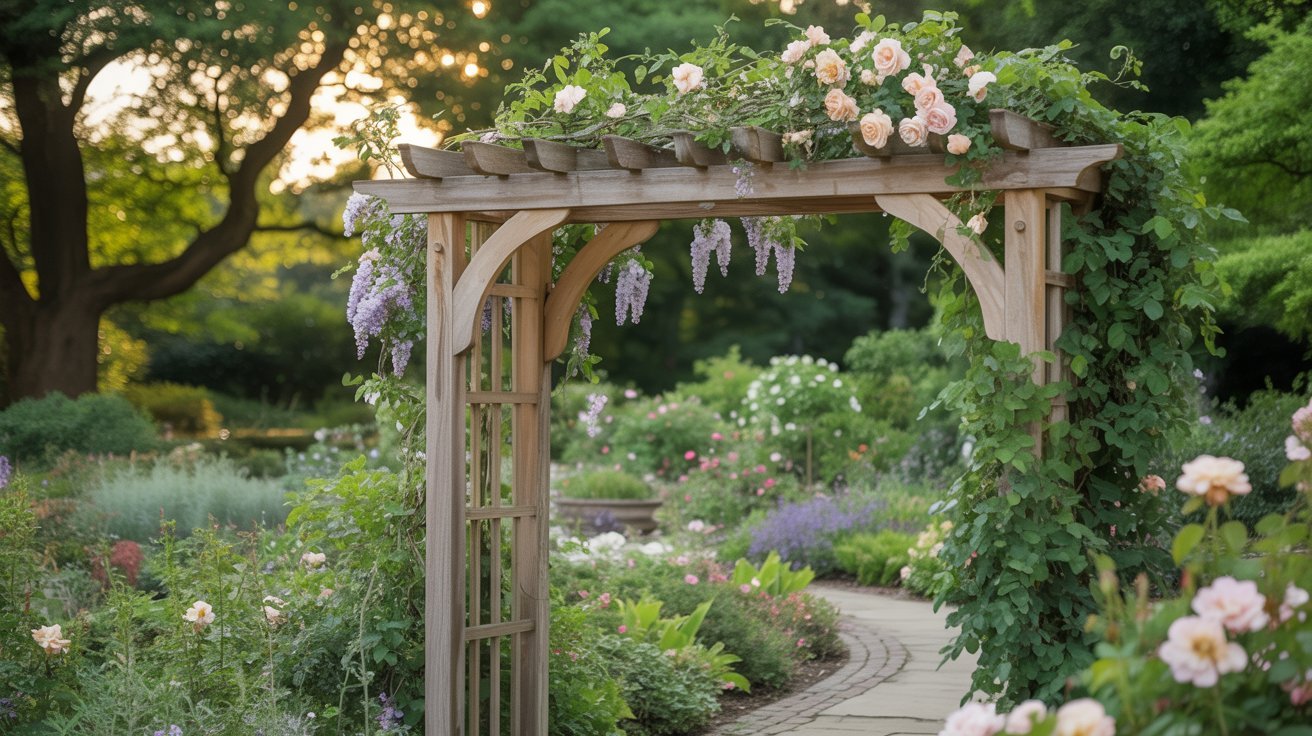
Arbors are small frameworks, often used to support climbing plants. They work well at entrances, garden pathways, or as decorative points in a yard.
They are commonly made of wood or metal. Many arbors can be built as DIY projects, adding charm to any garden space.
5. Trellises
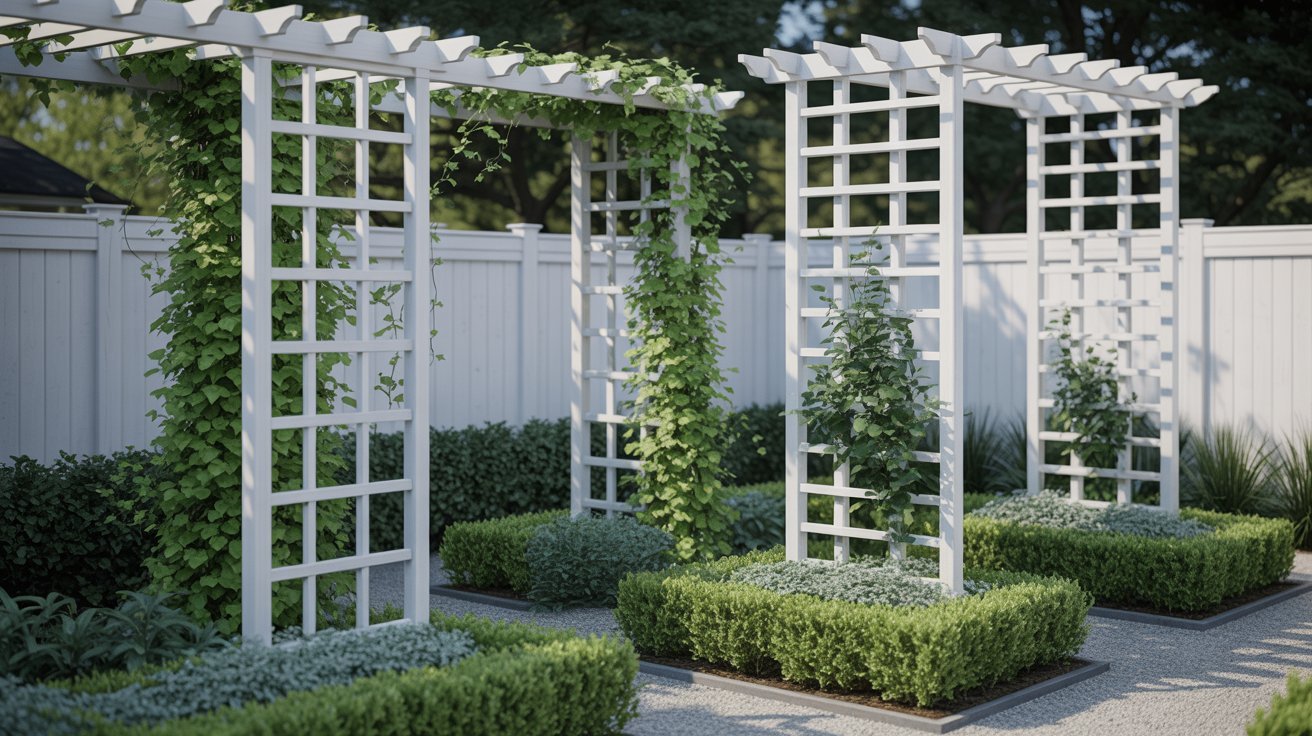
Trellises are lattice-style structures that support plants. They can divide outdoor spaces, add privacy, or serve as garden decoration.
Trellises can be freestanding or attached to walls. Common materials include wood, vinyl, or metal, and they are easy to install for personal projects.
6. Patio Covers
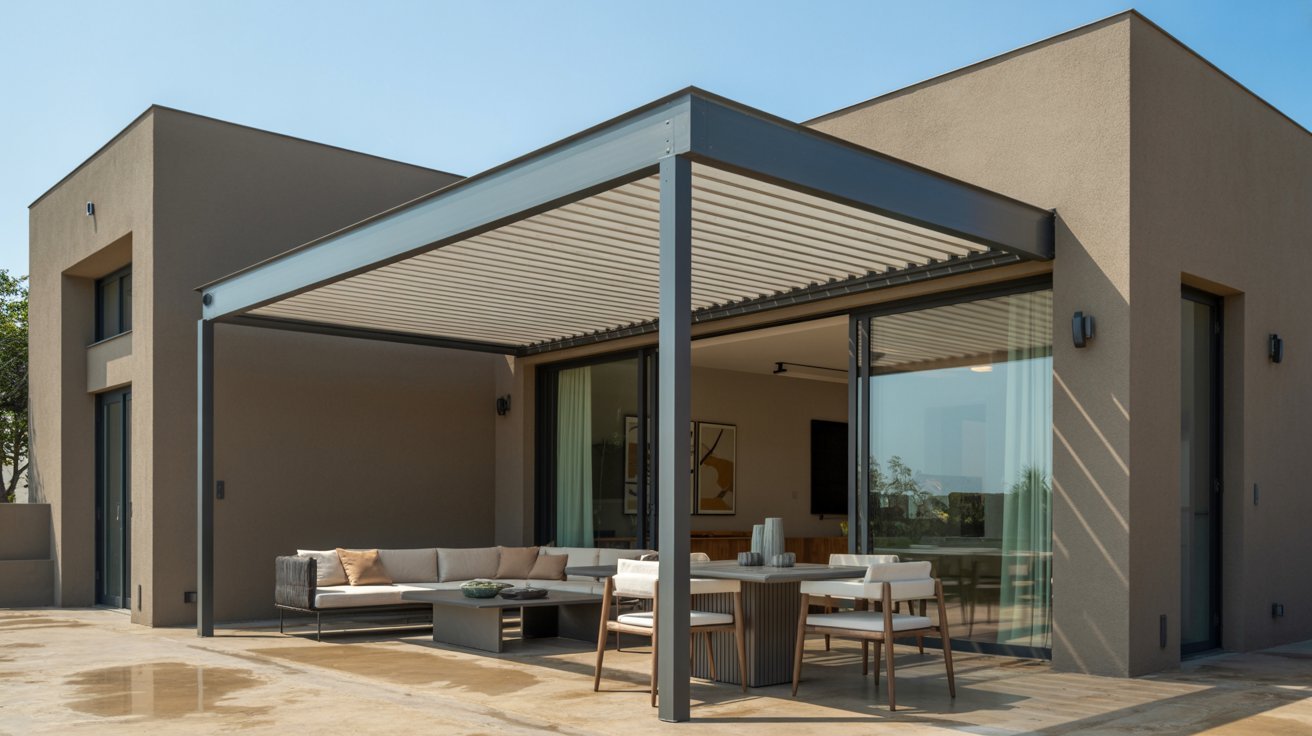
Patio covers are attached structures designed to provide shade or shelter. They protect decks, patios, or outdoor living spaces from sun and rain.
Types include open frameworks, solid roofs, or retractable covers. Materials vary, with options like metal, wood, and vinyl, suitable for DIY or professional installation.
7. Garden Bridges
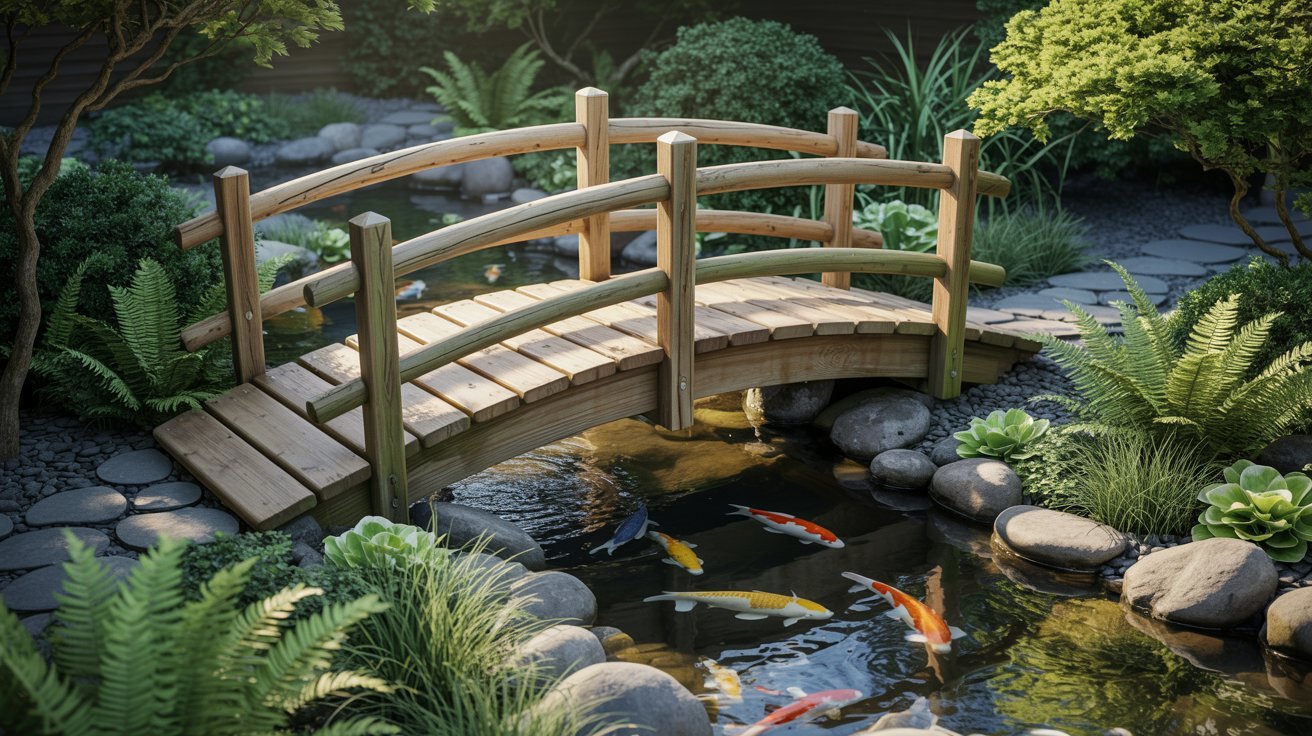
Garden bridges are small structures used to cross streams or decorative garden areas. They add charm and functionality to landscapes.
They can be freestanding or part of a larger garden design. Common materials include wood, metal, or composite materials, and many models are suitable for DIY projects.
8. Privacy Walls
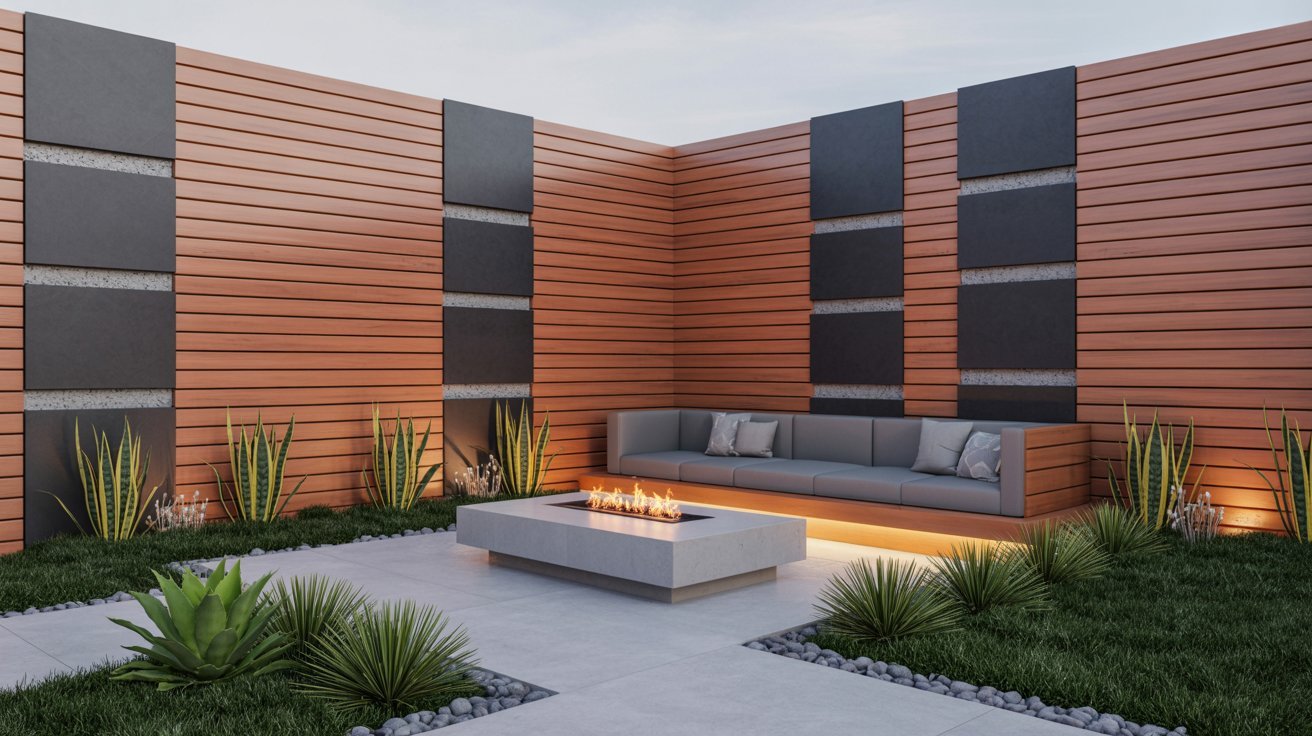
Privacy walls are panels that create barriers for backyard spaces. They block views, divide areas, and enhance the yard’s design.
Materials range from wood to metal or composite panels. Installation can be DIY or professional, and walls can be customized to fit specific dimensions or styles.
9. Shade Sails and Canopies
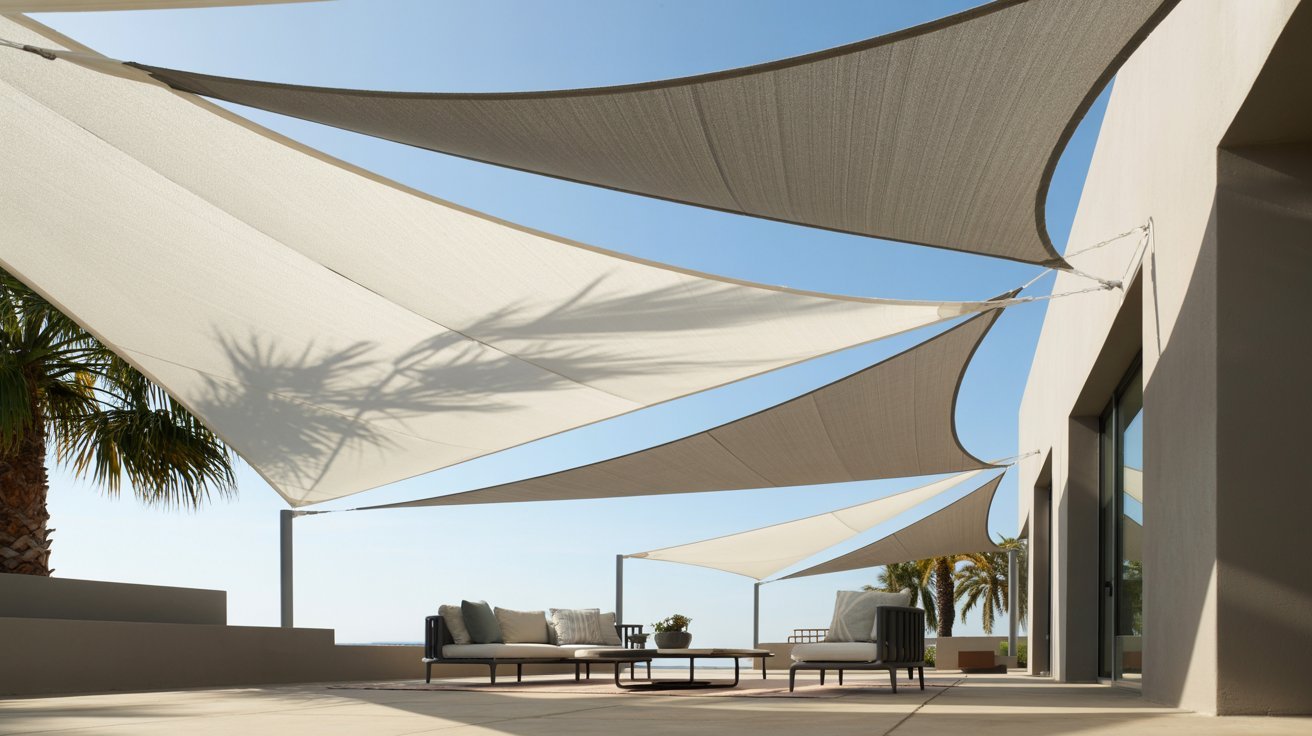
Shade sails and canopies are fabric-based structures that provide relief from the sun. They are ideal for patios, pools, or seating areas.
They come in different shapes and colors. Installation can be simple or permanent, and they can be combined with poles, anchors, or wall attachments.
10. Sunrooms and Cabanas
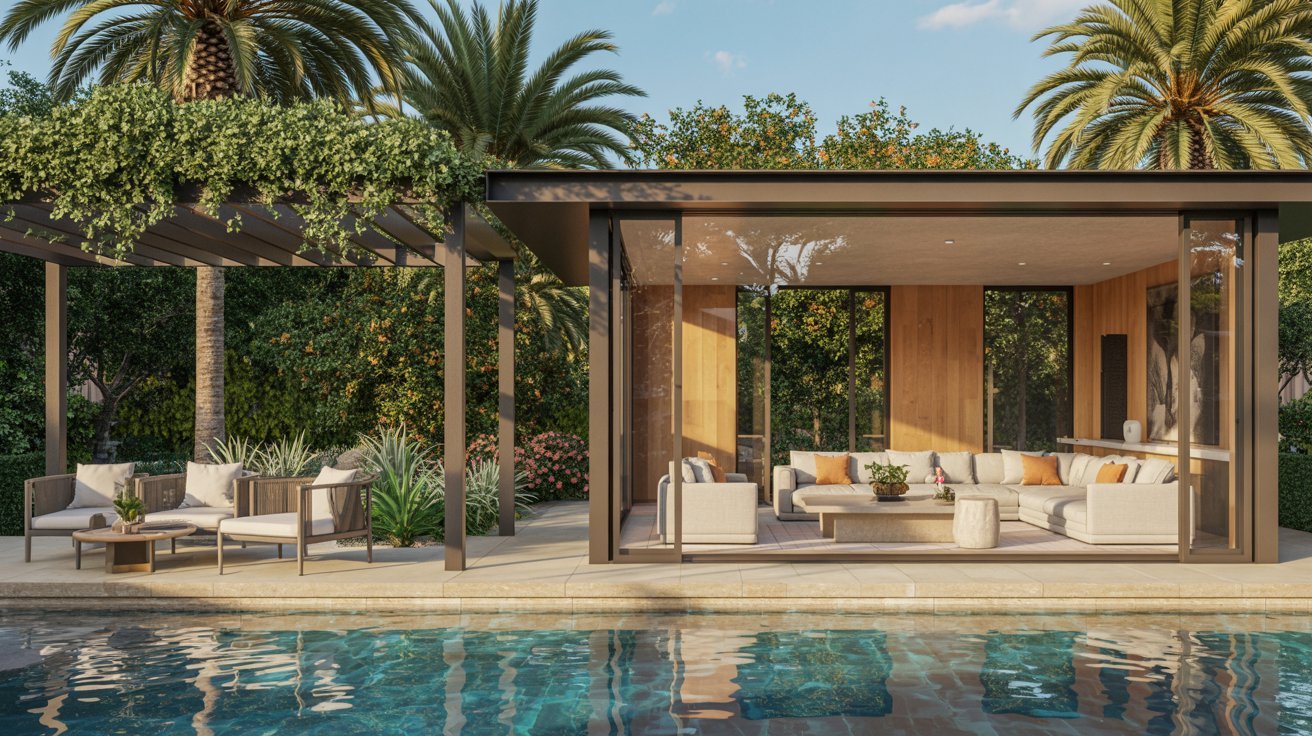
Sunrooms are enclosed glass spaces that allow year-round use while enjoying outdoor views. Cabanas are smaller, often poolside structures designed for relaxation.
Both can be customized in size, materials, and features. They enhance outdoor living and provide functional spaces for leisure.
11. Retractable Roofs and Covers
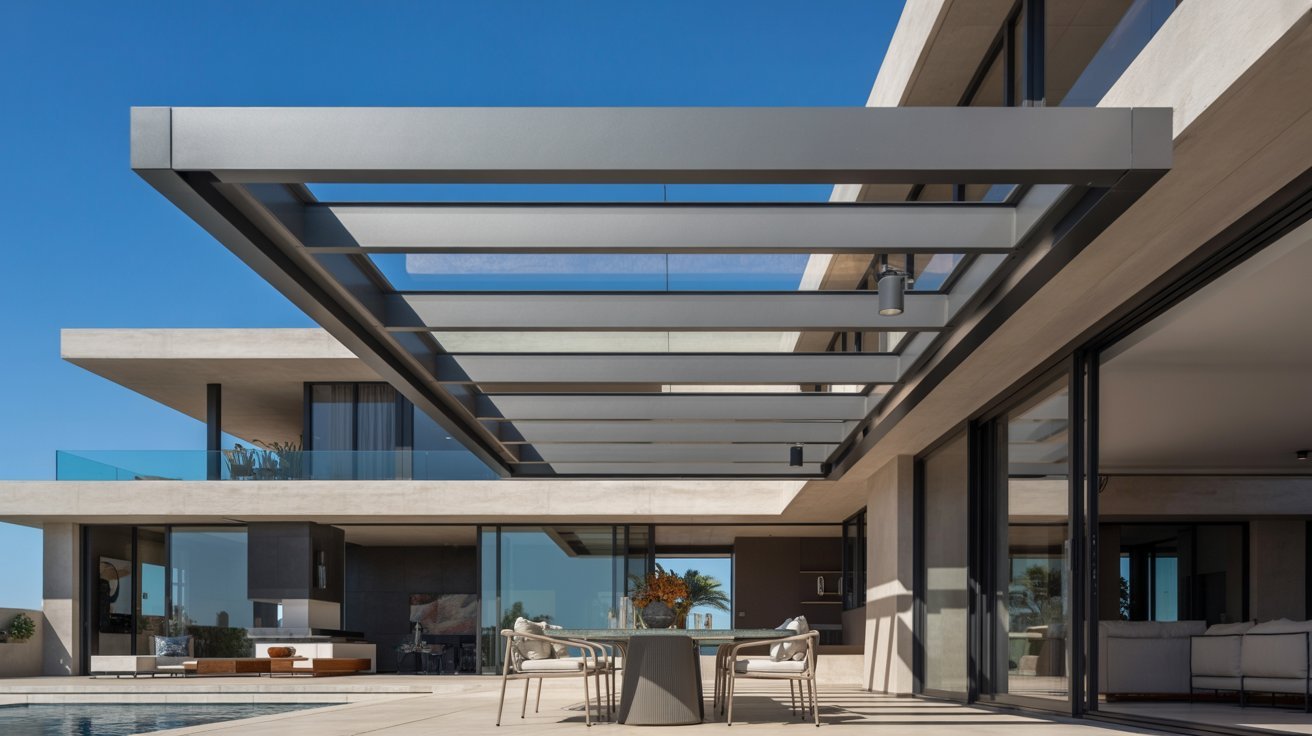
Retractable roofs or covers are flexible roof systems that can be opened or closed manually or by motor. They protect outdoor spaces from sun, rain, and wind.
These systems increase the usability of patios or decks. Many can be integrated with automation for convenience and weather control.
How to Choose the Right Outdoor Structure
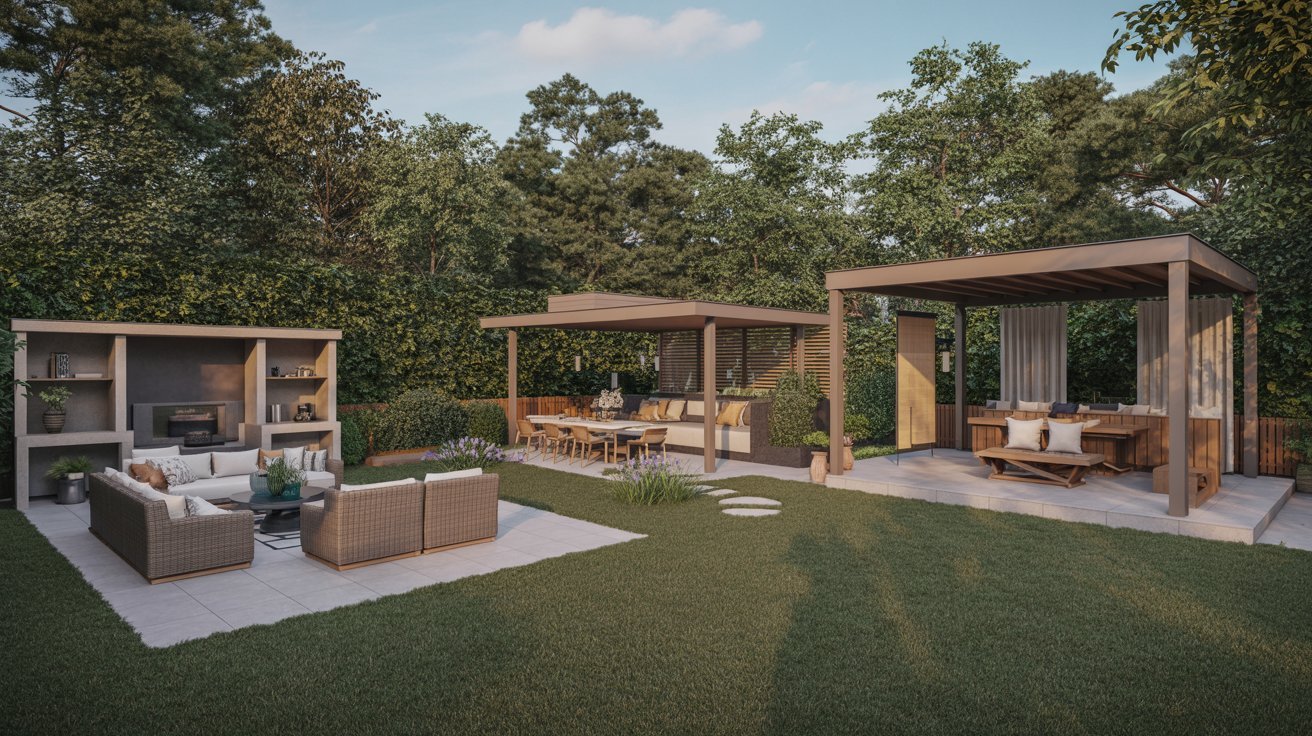
Choosing the right outdoor structure starts with understanding its purpose. Consider whether it will be used for entertaining guests, relaxing, gardening, or adding privacy.
The size of your backyard is also important, as small spaces may need compact options while larger yards allow for bigger structures.
Think about your local climate, including sun, rain, and wind, to pick suitable materials. Finally, factor in your budget and decide if you want a DIY project, a kit, or a professional installation.
Benefits of Adding Outdoor Structures
- Adds comfort and usability to your backyard, making outdoor activities more enjoyable.
- Provides shade and shelter, allowing you to spend more time outside in any weather.
- Can increase the overall value of your property with functional and attractive features.
- Creates flexible spaces for gatherings, dining, or quiet relaxation.
- Encourages family time and makes entertaining guests more convenient and enjoyable.
Conclusion
Outdoor structures offer many options, from pergolas and gazebos to trellises and sunrooms, each serving a specific purpose.
Choosing the right one depends on your lifestyle, available space, and how you want your backyard to feel.
Think about comfort, shade, and functionality when making your decision. Start small if needed and add features over time.
Take action today by exploring designs that fit your yard and begin creating a backyard space where you and your family can relax and enjoy.
Frequently Asked Questions
What is an outdoor structure?
An outdoor structure is any built element in a yard that provides shade, shelter, or decoration. It can also create functional spaces for gatherings, relaxation, or gardening.
How do I choose the right outdoor structure?
Consider the purpose, size of your backyard, climate, and budget. Pick a structure that matches your needs and fits the space comfortably.
What materials are commonly used for outdoor structures?
Wood, metal, vinyl, and composite materials are popular choices. Each offers different durability, maintenance, and design options for your yard.
Can I install an outdoor structure myself?
Many small structures like arbors or trellises can be DIY projects. Larger options, such as pavilions or sunrooms, usually need professional installation.
Do outdoor structures increase property value?
Yes, well-designed and functional structures can improve the usability and appeal of your yard. This can make your property more attractive to buyers.