
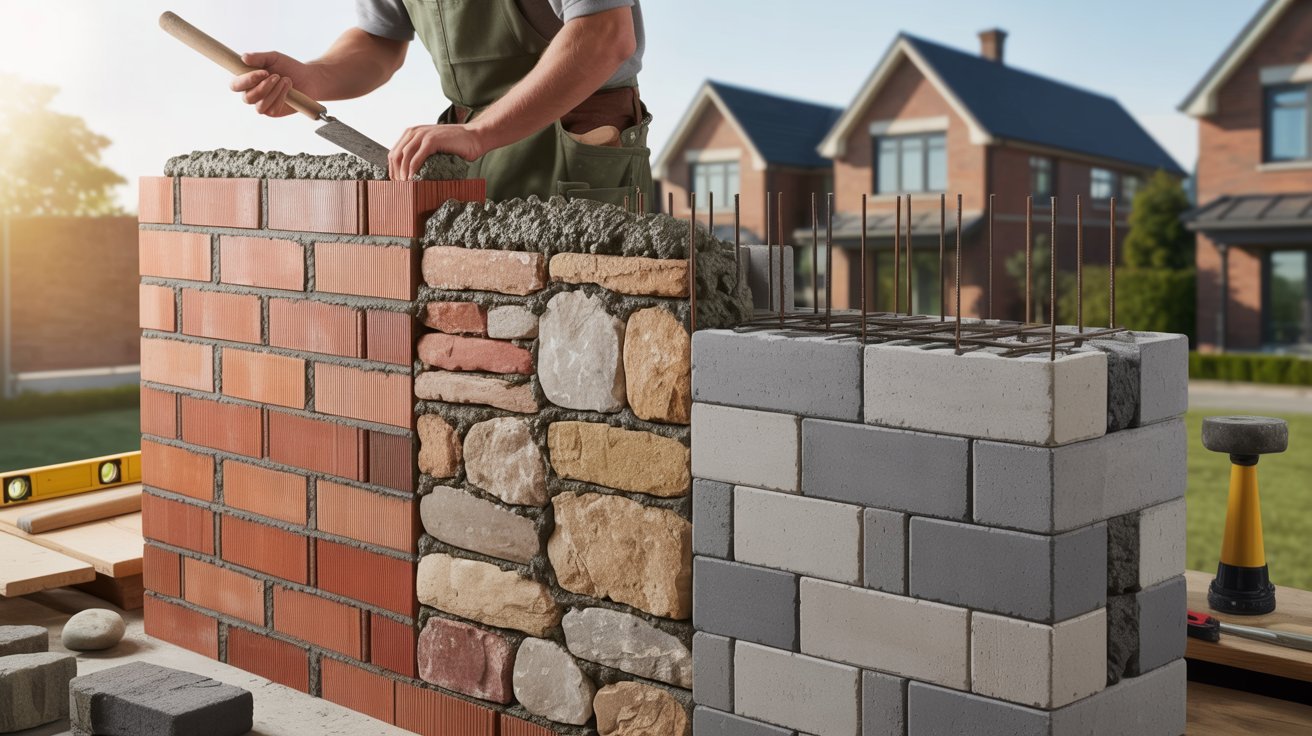
Ever walked past an old brick building and wondered how it’s still standing strong after all these years? That’s the power of masonry.
I’ve seen masonry walls hold up homes, fences, and commercial buildings for decades without losing their strength.
In simple terms, masonry means building structures by stacking materials like bricks, stones, or concrete blocks with mortar.
It’s one of the oldest construction methods, and builders still use it today for good reason.
If you’re planning a project or just curious about how walls are built, this guide breaks it all down for you.
What is a Masonry Wall?
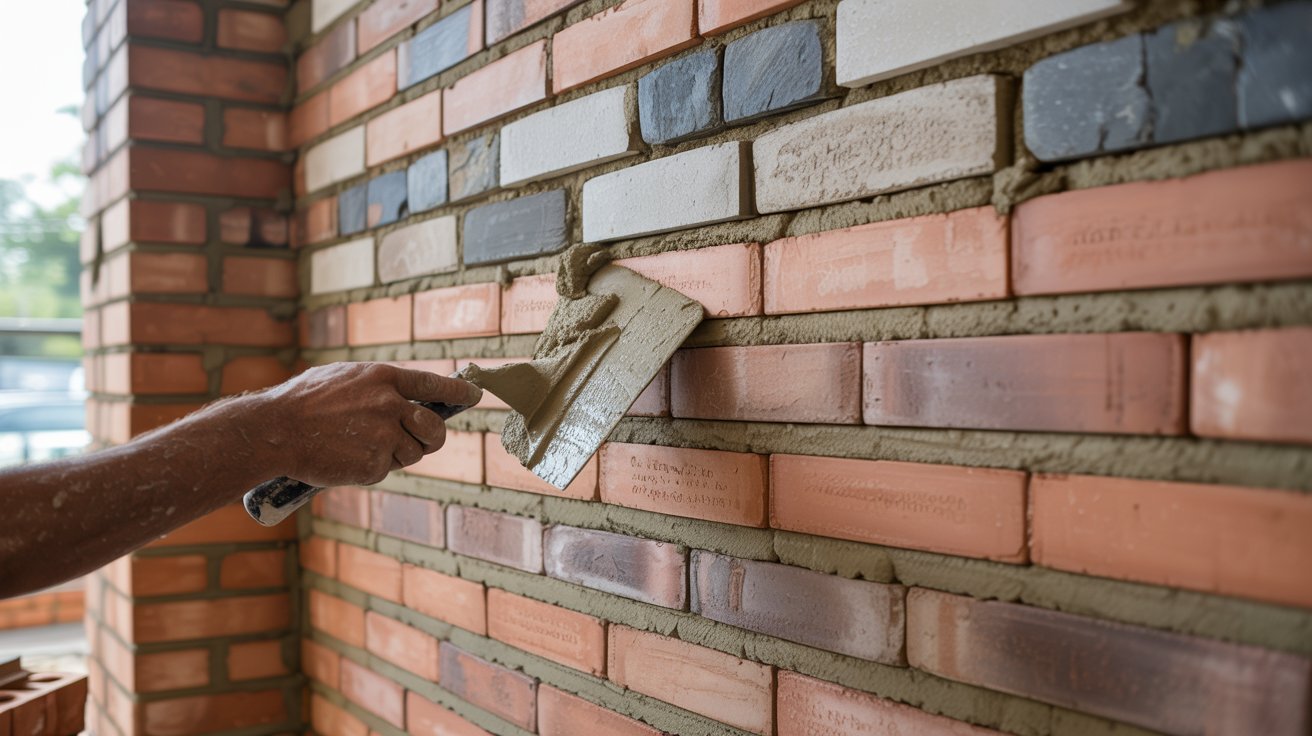
A masonry wall is one of the most reliable structures in construction. It has been around for centuries, and it still holds up well in today’s building projects.
Simple Definition
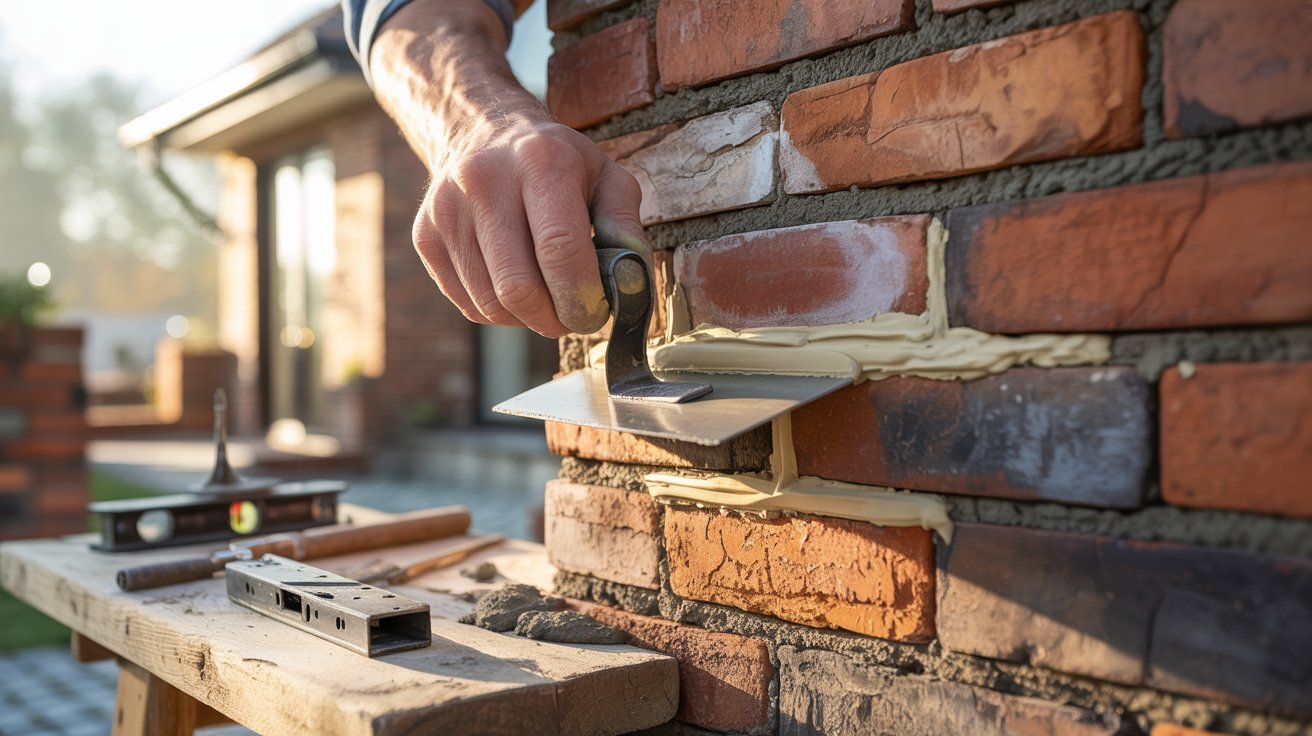
A masonry wall is built by stacking individual units on top of each other. These units can be bricks, stones, or concrete blocks. Each piece is held together using mortar.
The mortar acts like glue between the units and keeps the wall solid and stable. It’s a straightforward method, but it creates walls that last for generations.
Key Components of a Masonry Wall
Every masonry wall has two main parts:
- Masonry Units: These are the materials you can see and touch. They could be clay bricks, natural stones, or concrete blocks. Each type has its own look and strength level. Your choice depends on the project, the budget, and the finish you want.
- Mortar: This is a mix of cement, sand, and water. It fills the gaps between each unit and bonds them together. Without mortar, the wall would just be a loose stack of blocks. The right mortar mix makes a big difference in how long the wall holds up and how well it handles weather and pressure.
Together, these two parts create a wall that is strong, durable, and built to stand for years.
Types of Masonry Walls
Masonry walls come in many forms. Each type serves a different purpose based on strength, cost, and design needs.
1. Load-Bearing Masonry Wall
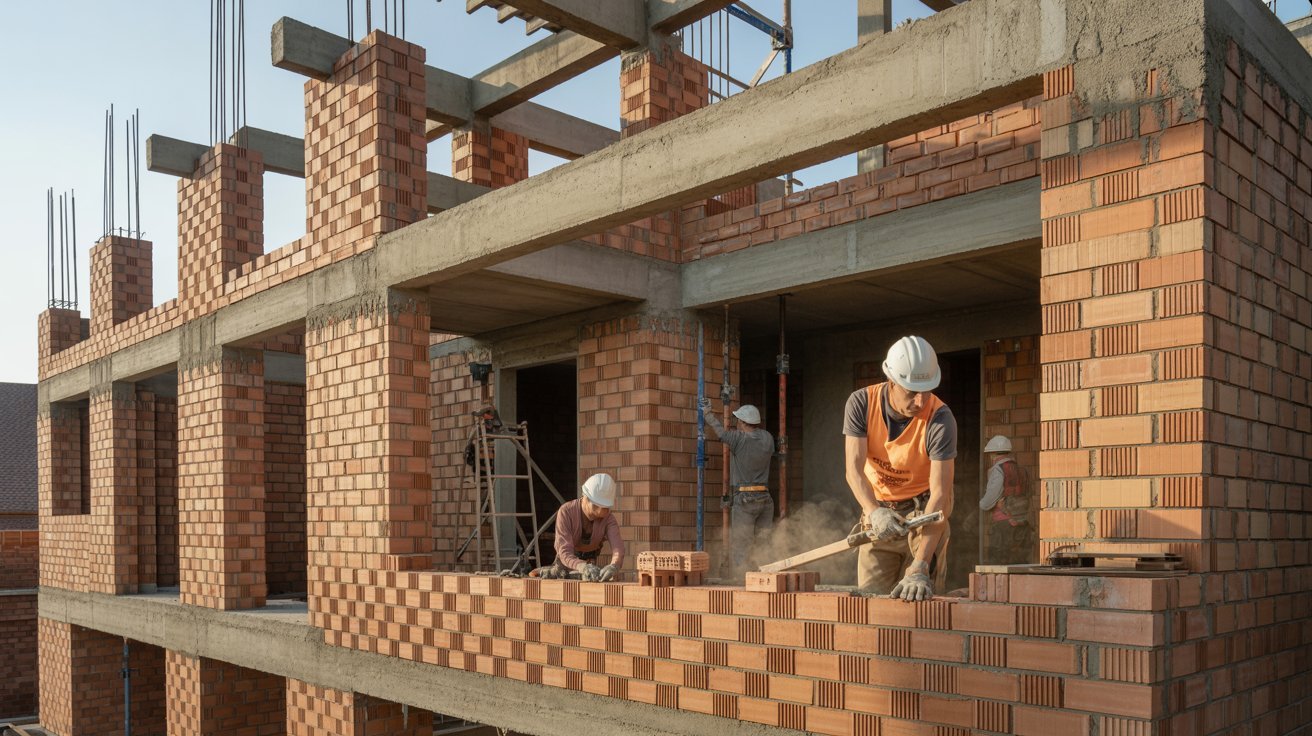
This type of wall carries the weight of the structure above it. It supports roofs, floors, and beams. You’ll find load-bearing masonry walls in most residential buildings.
They are thick, strong, and built to handle pressure from above. If you remove one without proper planning, the structure can collapse.
2. Non-Load Bearing Masonry Wall
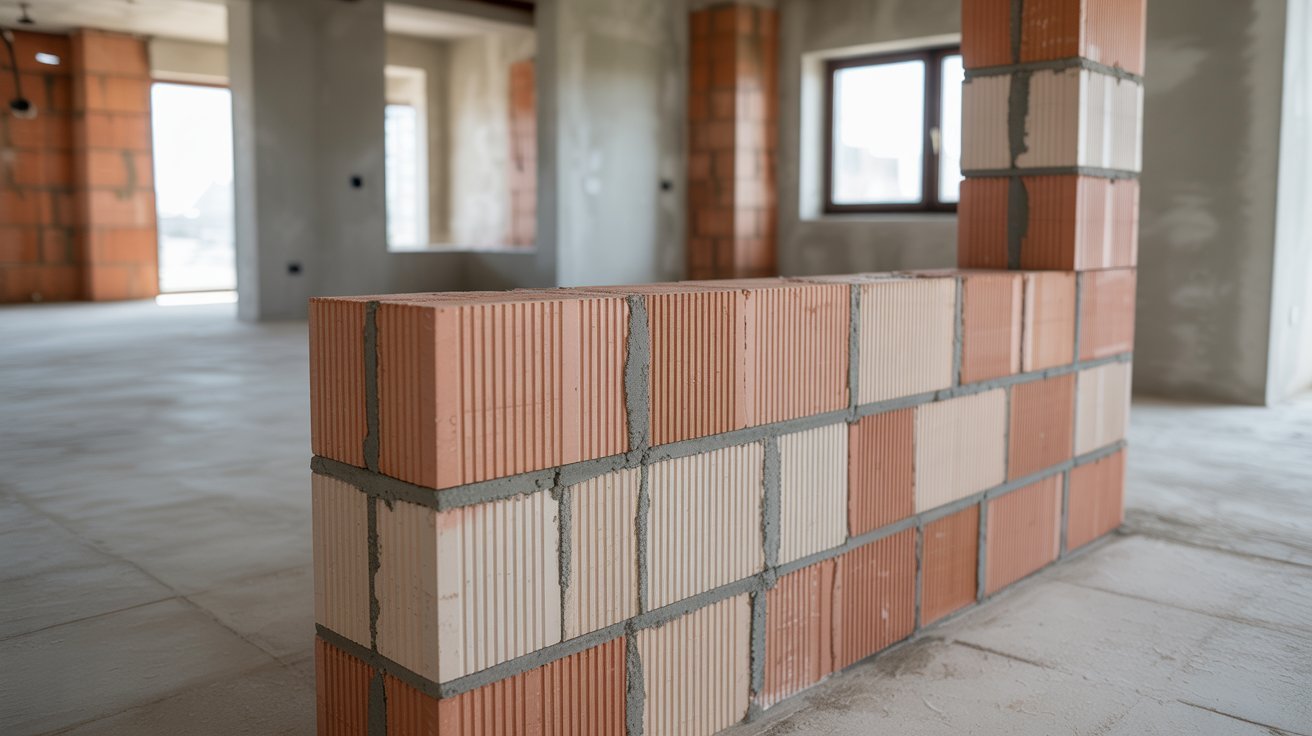
These walls don’t carry any structural weight. Their main job is to divide spaces inside a building.
Think of them as room dividers. They are thinner and lighter than load-bearing walls. You can add or remove them without affecting the building’s overall strength.
3. Reinforced Masonry Wall
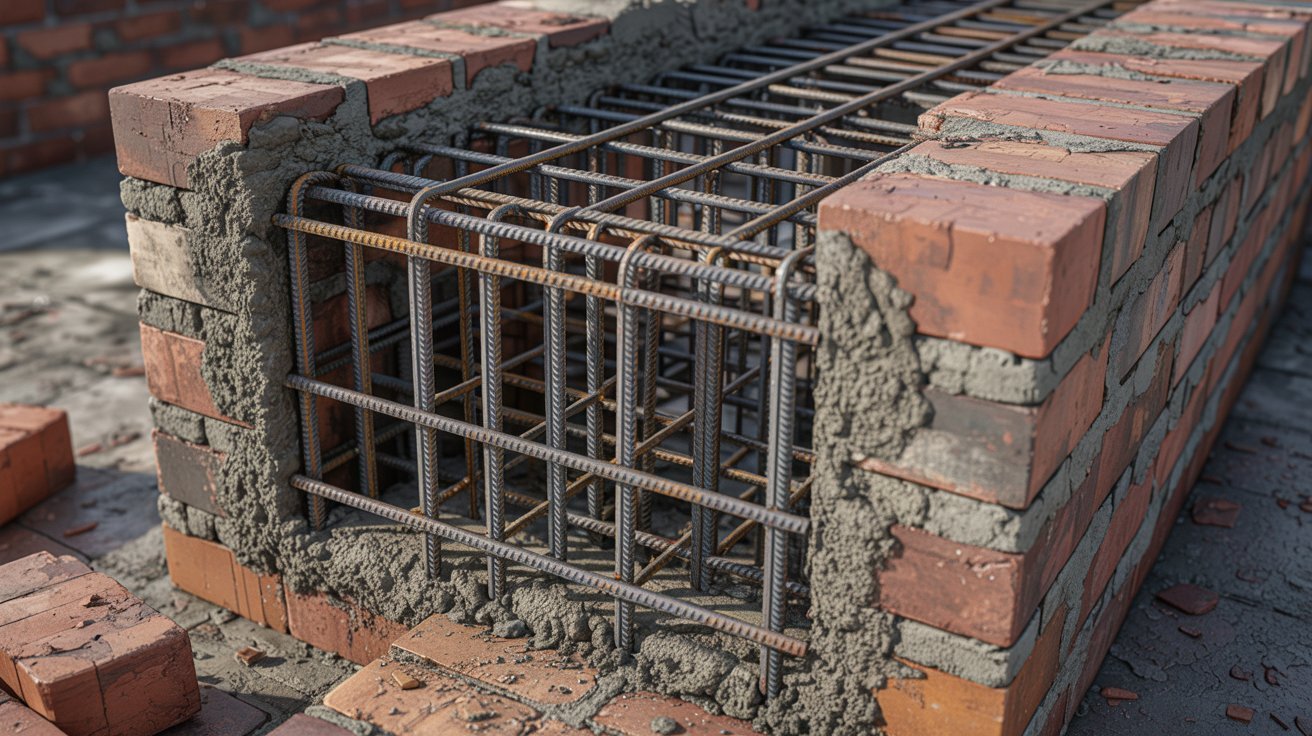
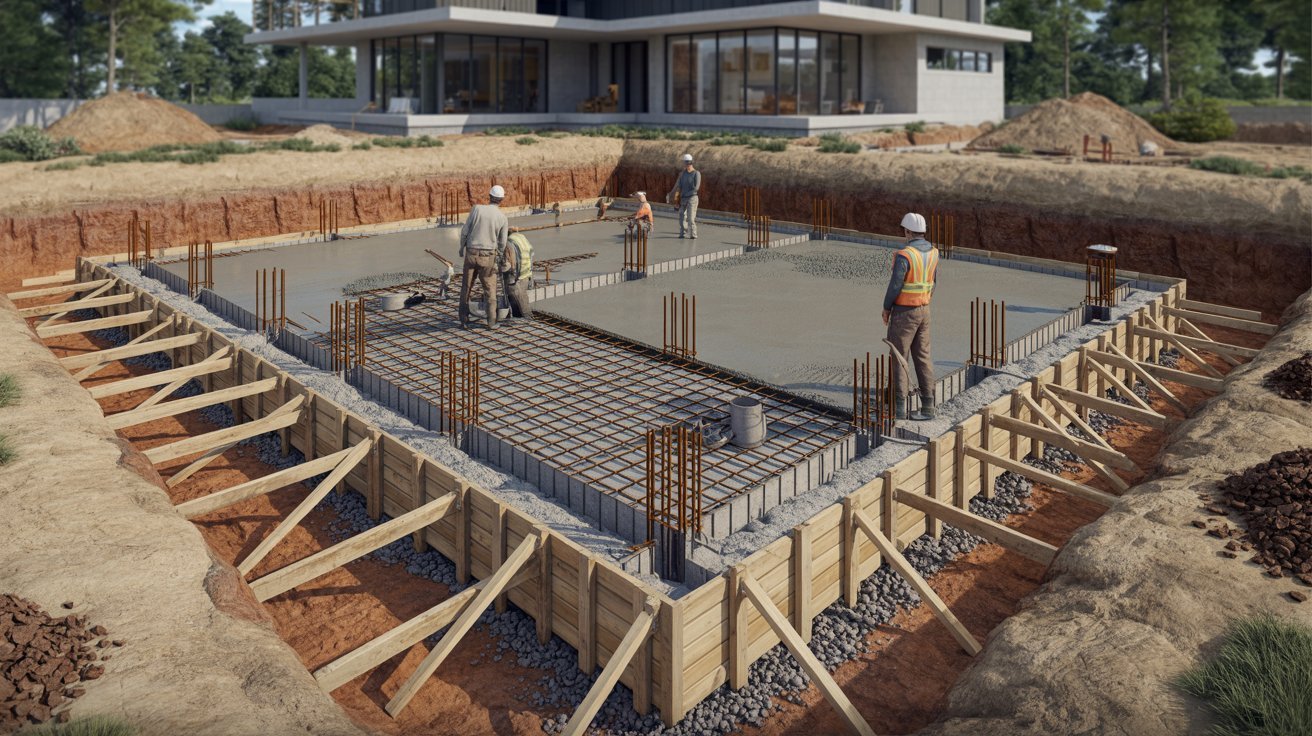
A reinforced masonry wall has steel bars or mesh placed inside it. The steel adds extra strength and flexibility.
This type works well in areas that experience earthquakes or high winds. The reinforcement helps the wall absorb shock instead of cracking under pressure.
4. Brick Masonry Wall
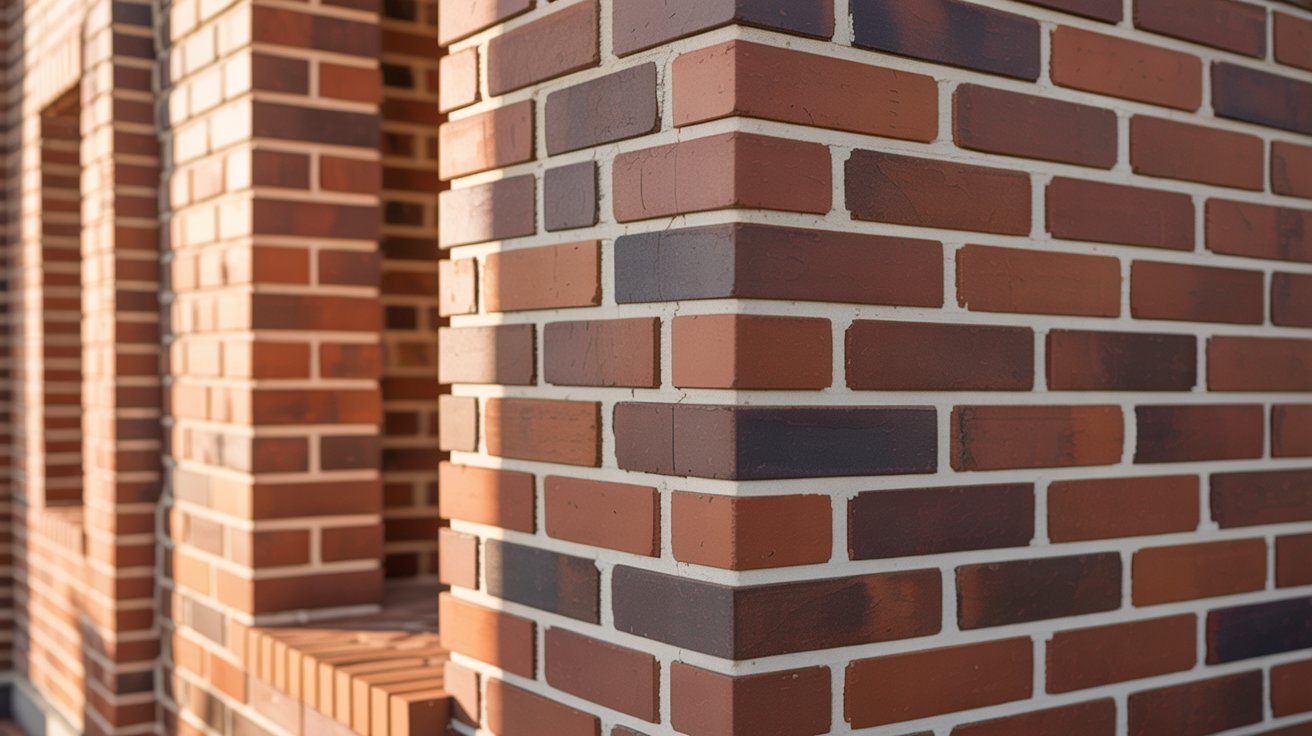
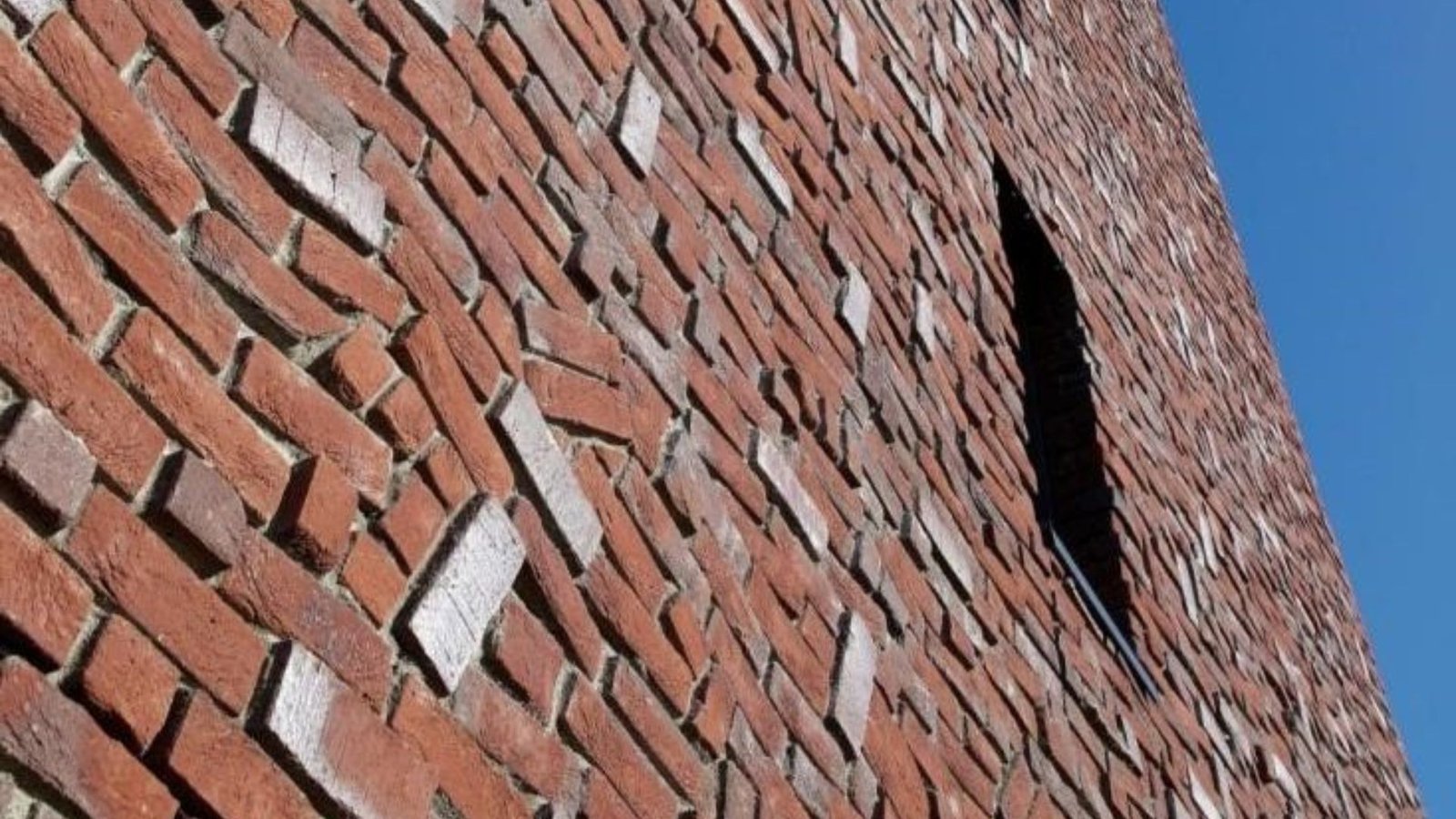
Brick masonry is one of the most traditional types. Builders have used it for hundreds of years, and it remains popular today.
Brick walls offer good insulation and a clean, classic look. They also resist fire well and hold up against harsh weather.
5. Concrete Block Masonry Wall
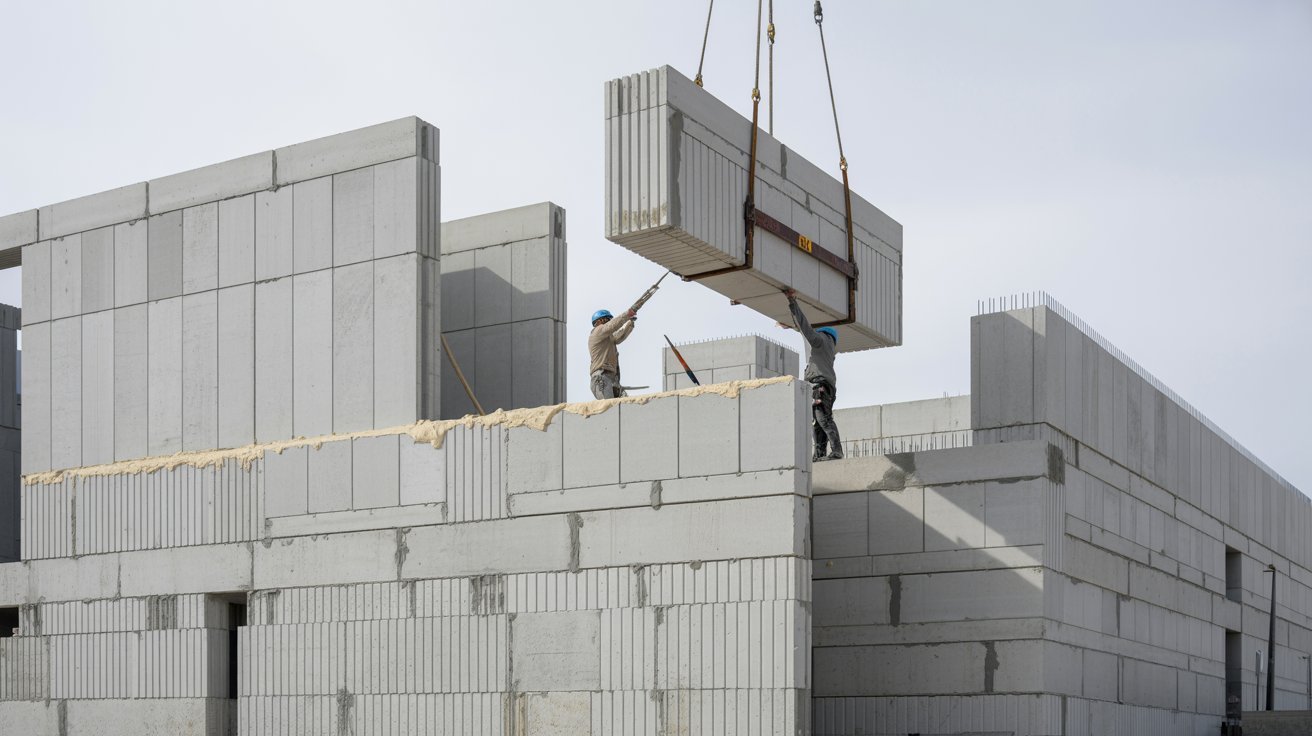
If you need something affordable and quick to build, concrete block masonry is a solid pick.
The blocks are larger than bricks, so walls go up faster. They are strong, low-maintenance, and work well for both commercial and residential projects.
6. Stone Masonry Wall
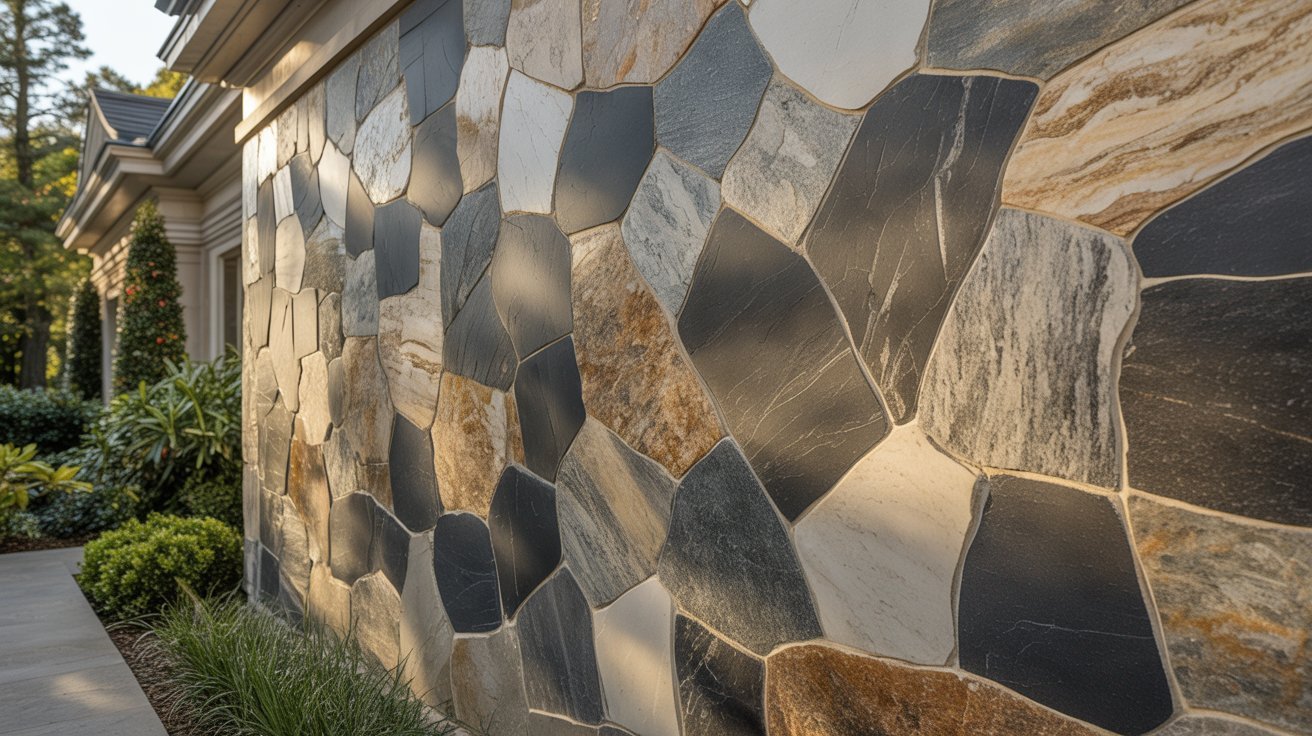
Stone walls are built using natural stone pieces like granite, limestone, or sandstone. They are extremely durable and give a rich, high-end finish.
You’ll often see them in historic buildings, luxury homes, and heritage structures. Stone masonry costs more, but it lasts longer than most other options.
7. Hollow (Cavity) Masonry Wall
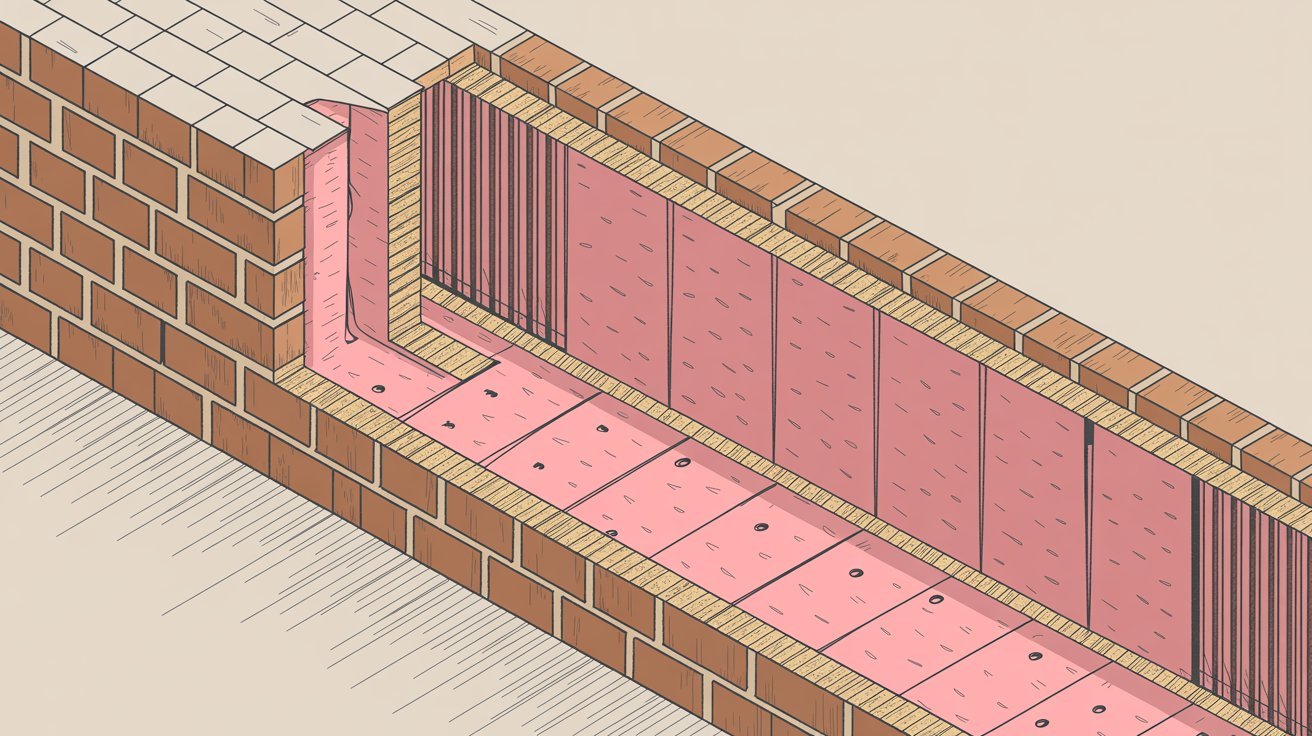
A cavity wall has two layers with a gap in between. That gap provides space for insulation and helps keep moisture out.
This design improves energy efficiency and protects the inner wall from water damage. It’s a smart choice for areas with heavy rainfall or extreme temperatures.
Common Materials Used in Masonry Walls
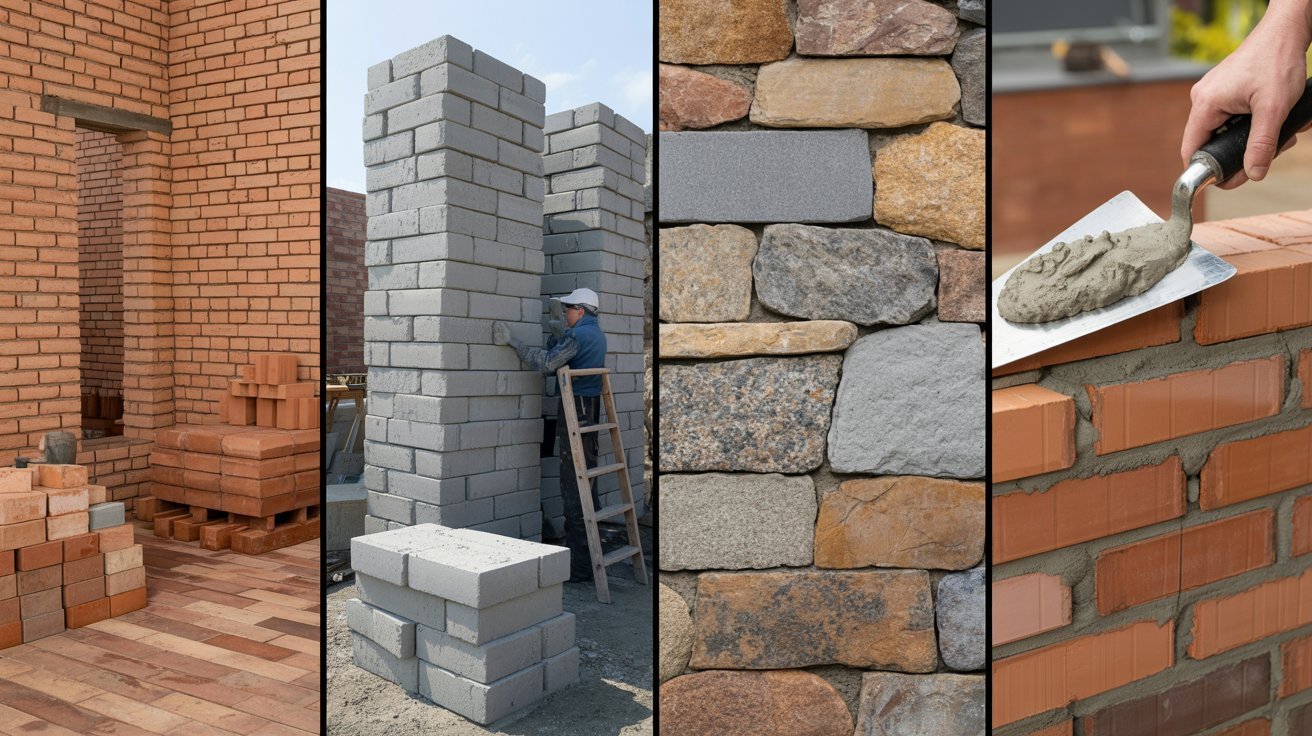
The strength of a masonry wall depends on the materials you use. Here are the four most common ones builders rely on.
1. Bricks
Bricks are made from clay and fired in a kiln at high temperatures. They come in different sizes, colors, and grades.
Bricks resist fire, handle most weather conditions well, and need very little maintenance. They are affordable and easy to work with, which makes them a top choice for homes and boundary walls.
2. Concrete Blocks
Concrete blocks are larger than standard bricks and made from cement, sand, and aggregate. Their bigger size means walls go up faster.
They are strong, budget-friendly, and commonly used in commercial buildings, warehouses, and foundations.
3. Natural Stones
Stones like granite, limestone, and sandstone have been used in construction for thousands of years. They are extremely durable and give a premium finish.
Stone walls cost more but last much longer. Builders use them in luxury homes, heritage projects, and outdoor structures.
4. Mortar Mix
Mortar is a blend of cement, sand, and water. It bonds the masonry units together and fills gaps between them.
The right mix ratio depends on the wall type and the load it carries. Without proper mortar, even the best bricks or stones won’t hold up over time.
Advantages of Masonry Walls
Masonry walls offer several benefits that make them a preferred choice in construction.
- High Durability and Strength: Masonry walls can last for decades without losing their structural quality. They handle heavy loads and resist wear over time.
- Fire Resistance: Materials like bricks and stones do not catch fire easily. This makes masonry walls a safer option for homes and commercial buildings.
- Thermal Insulation: Masonry walls keep interiors cool in summer and warm in winter. They naturally regulate indoor temperatures, which can lower energy bills.
- Low Maintenance: Once built, masonry walls need very little upkeep. They don’t rot, warp, or attract pests like wood-based walls do.
Disadvantages of Masonry Walls
Like any construction method, masonry has a few drawbacks to consider.
- Heavy Construction: Masonry walls are much heavier than wood or steel structures. This added weight requires a stronger foundation, which can increase overall building costs.
- Time-Consuming Process: Laying bricks or stones one by one takes time. Masonry construction is slower compared to prefabricated or wood-frame building methods.
- Higher Labor Cost: Skilled masons are needed for quality work. Their expertise comes at a higher price, which adds to the total project budget.
How to Choose the Right Masonry Wall Type

Picking the right masonry wall starts with your project’s needs. For structural support, go with load-bearing or reinforced masonry.
On a tight budget, concrete blocks work best. In areas with extreme weather, cavity walls offer better insulation and moisture protection.
If looks matter most, stone or veneer masonry gives a premium finish. The best choice balances strength, cost, climate, and appearance.
Conclusion
Masonry walls are built to last. From bricks to stones to concrete blocks, each type serves a different purpose based on strength, budget, and design.
I’ve seen projects succeed simply because the right wall type was chosen from the start. That one decision affects everything, from durability to long-term costs.
Take your time, assess your needs, and pick what fits your project best.
Got questions or need help choosing? Drop a comment below or share this guide with someone planning a build.
Frequently Asked Questions
What is the main purpose of a masonry wall?
A masonry wall provides structural support and protection to a building. It also helps with insulation, fire resistance, and long-term durability.
Which masonry wall type is best for homes?
Load-bearing brick masonry is the most common choice for residential buildings. It is affordable, strong, and holds up well in most weather conditions.
How long does a masonry wall last?
A well-built masonry wall can last over 100 years with minimal upkeep. The lifespan depends on the materials used and the quality of construction.
Is a masonry wall better than a wood wall?
Masonry walls are stronger, more fire-resistant, and require less maintenance than wood walls. However, they take longer to build and cost more in labor.
Can masonry walls be used in earthquake-prone areas?
Yes, reinforced masonry walls are designed for areas with seismic activity. Steel bars or mesh are added inside the wall to absorb shock and prevent cracking.