
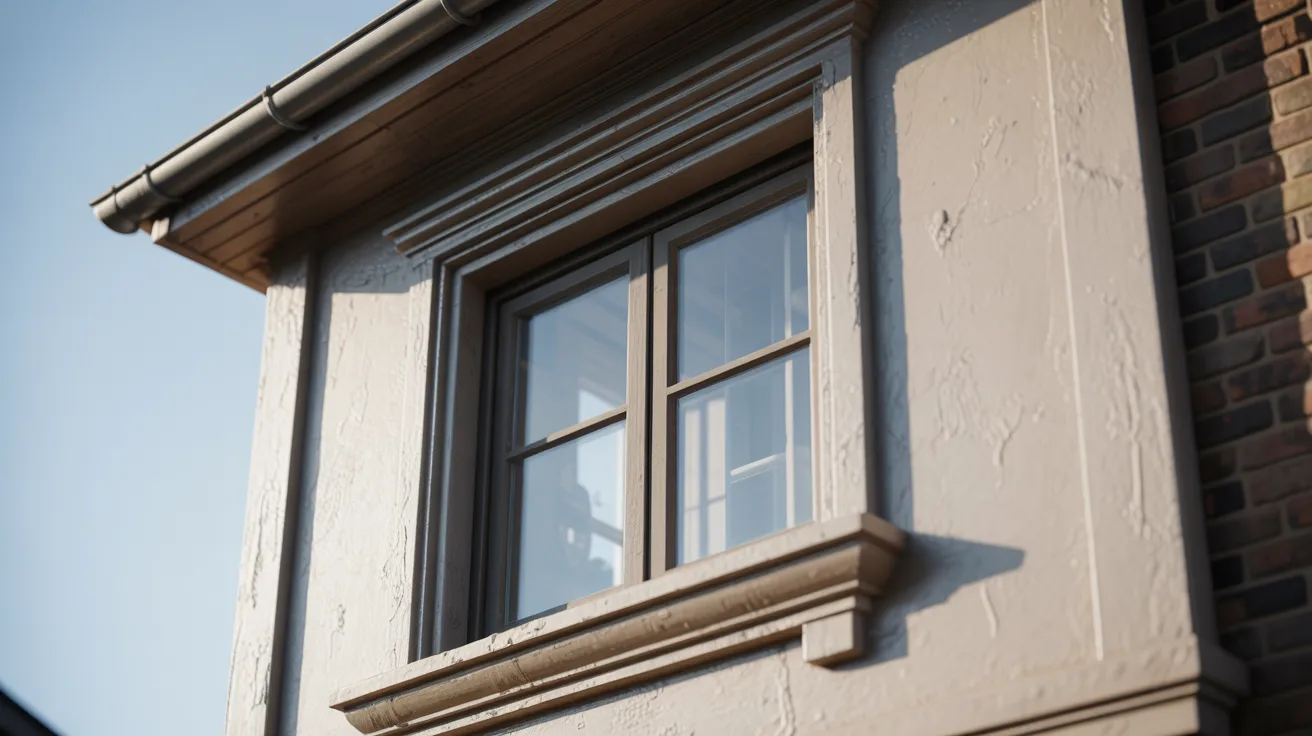
I once spent an entire afternoon trying to fix a window without knowing what the parts were actually called.
The guy at the hardware store kept asking questions I couldn’t answer. It was embarrassing and expensive.
That’s when I decided to properly learn the exterior parts of a window. And honestly, it changed how I look at every window I’ve walked past since.
There’s more going on out there than most people realise. Seven distinct parts, each doing a specific job. Miss one, and the whole window starts to fail.
Let me show you what to look for.
What Are the Exterior Parts of a Window?
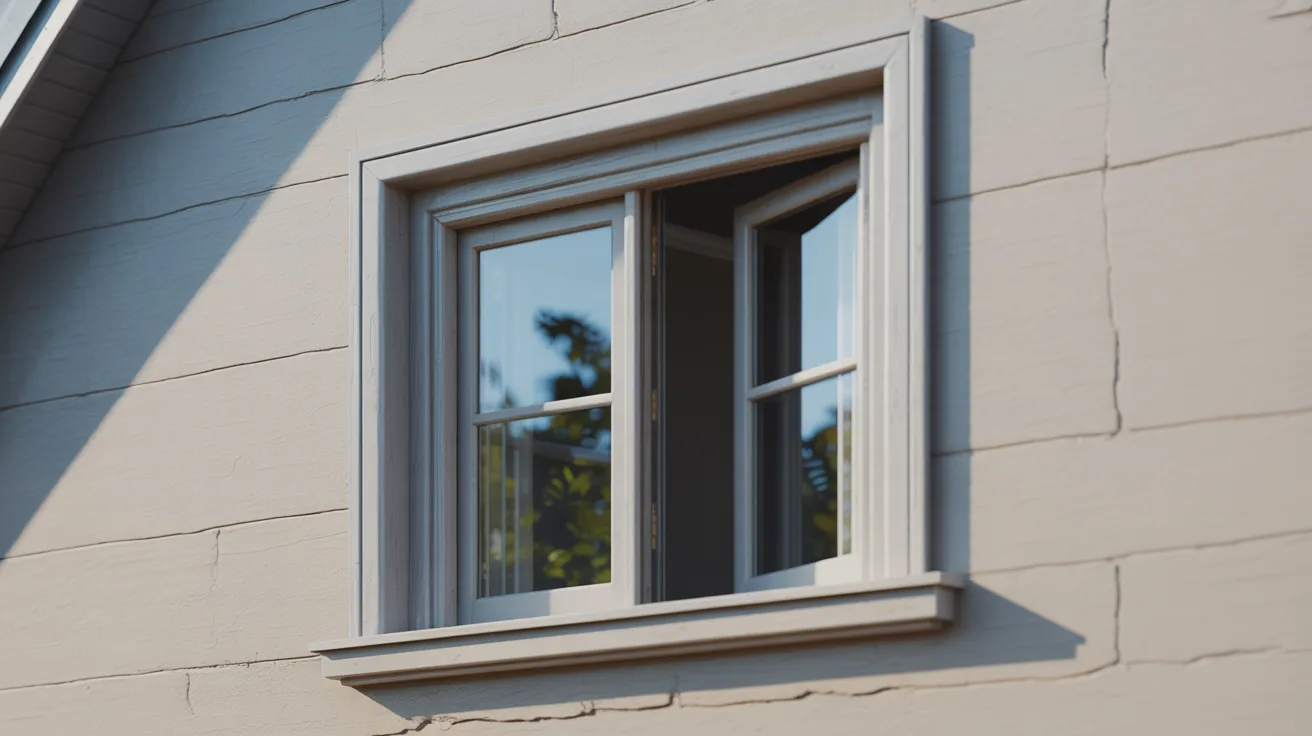
A window is made up of several individual components, each with a specific job. Together, they keep out water, wind, and cold while letting in light and air.
From the outside, the main parts you’ll see are the frame, sash, glass pane, trim, sill, head, and jambs. Each one connects to the others, and when one fails, the rest of the window feels it.
Knowing these parts helps you spot problems early. A crack in the sill, a gap in the trim, or a warped jamb can all lead to water damage if left unattended.
Each part plays a role in the overall performance and look of the window from the outside.
Detailed Exterior Parts of a Window
Let’s go through each component one by one. This is where it gets practical and useful for anyone doing repairs, replacements, or new installations.
1. Window Frame
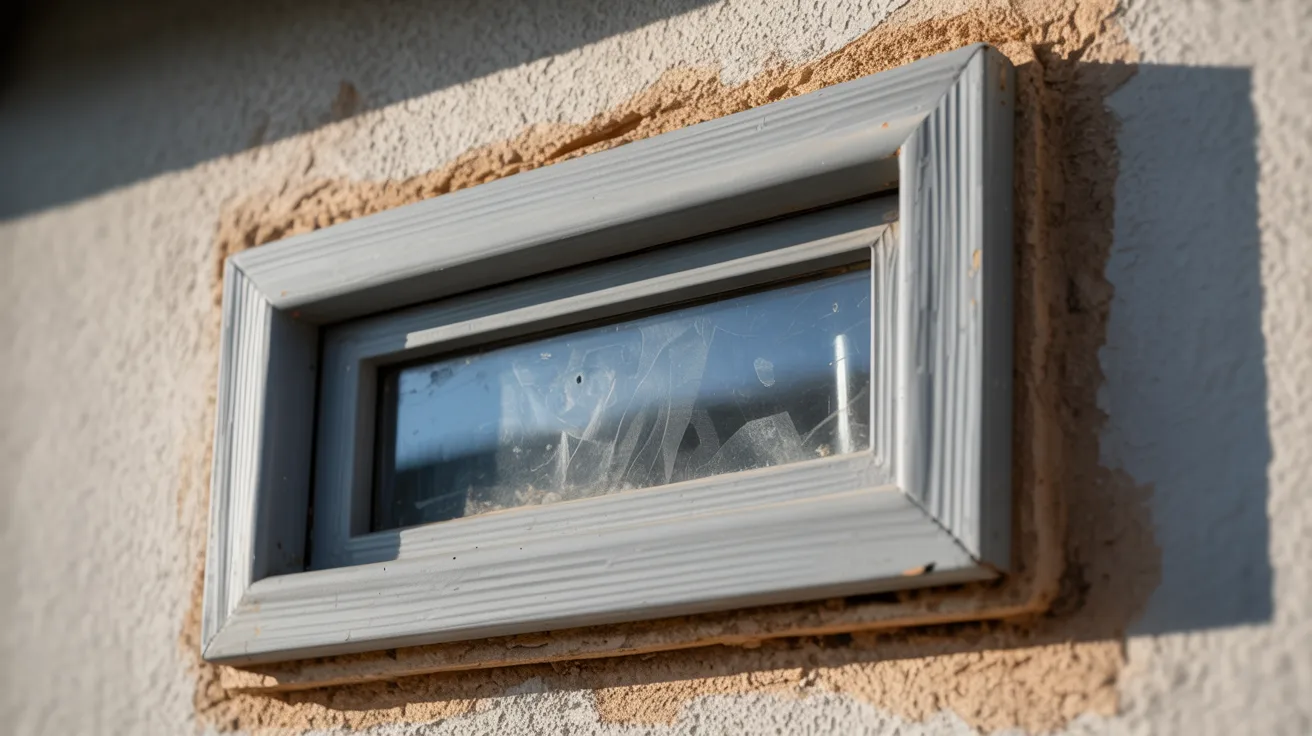
The frame is the backbone of the entire window. It’s the outer structure that holds every other part in place and connects the window to the wall of the building.
The exterior parts of a window frame determine both durability and style. Frames are commonly made from wood, aluminum, vinyl, or fiberglass, each with different strengths and maintenance needs.
Wood frames look great but need regular painting or sealing to prevent rot. Vinyl and aluminum frames are low maintenance and handle moisture well, making them popular in modern homes.
A damaged or poorly fitted frame is one of the most common causes of drafts, water leaks, and rising energy bills. It’s worth inspecting yours at least once a year.
2. Sash
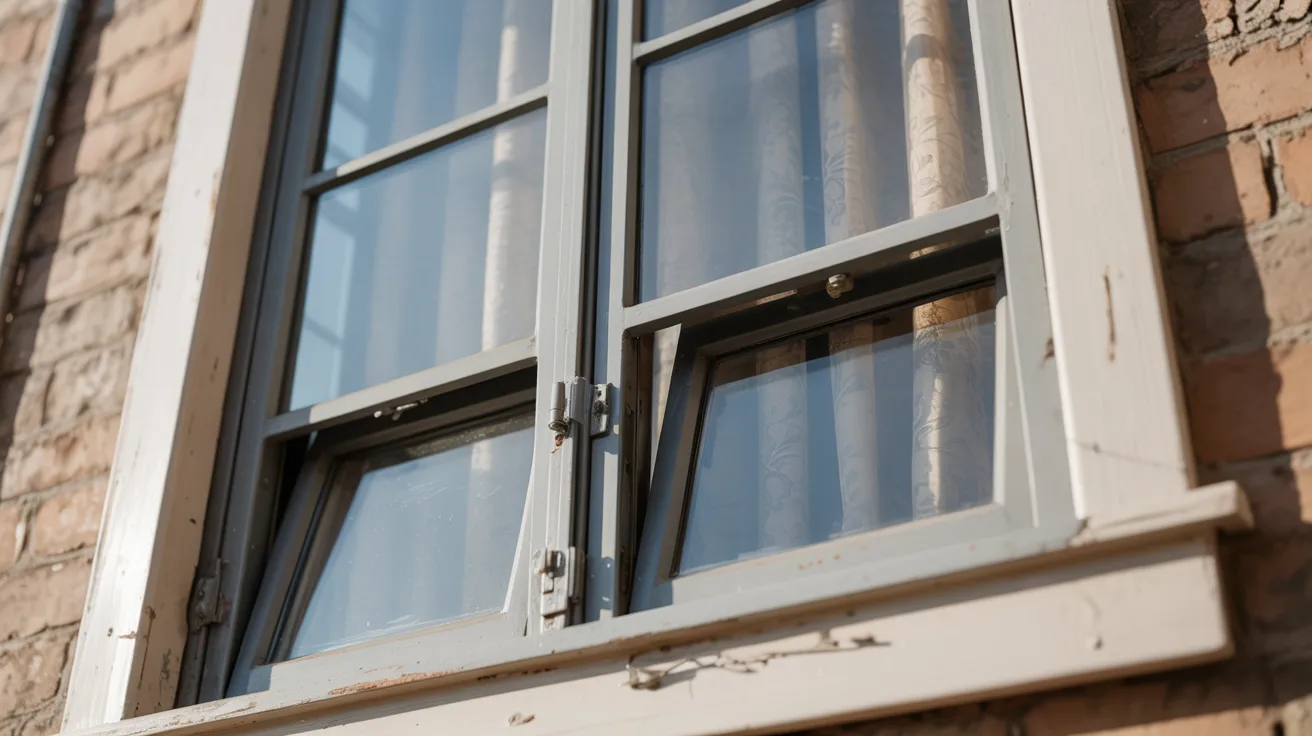
The sash is the part of the window that actually holds the glass. It sits inside the frame and is what moves when you open or close the window.
In a single-hung window, only the bottom sash moves. In a double-hung window, both the top and bottom sashes slide up and down independently. Casement windows have a sash that swings outward on a hinge like a door.
A warped or damaged sash is often why windows stop closing properly or start letting in cold air. It’s one of the more replaceable parts of the window without needing a full replacement.
3. Glass Pane / Glazing
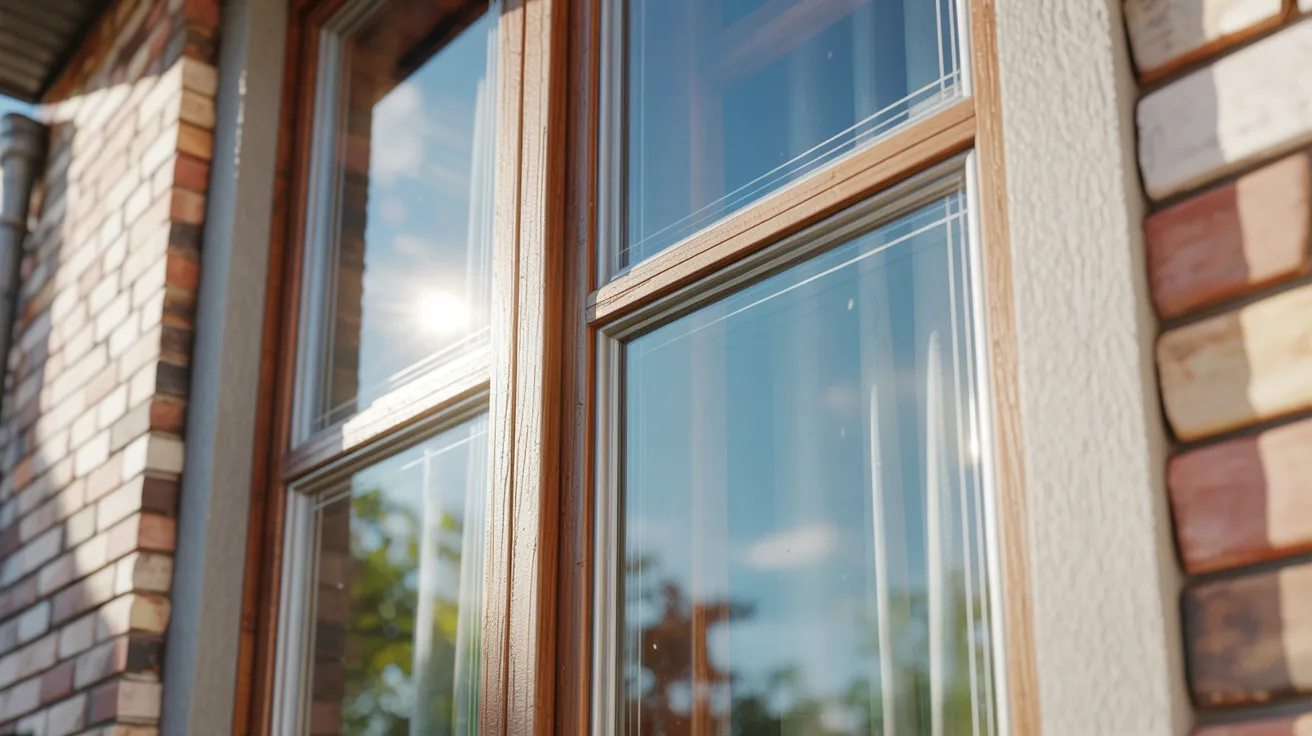
The glass pane, also called glazing, is the transparent panel that fills the sash. It’s what blocks wind and rain while still letting light through.
Single-pane glass is the oldest and least efficient option. Double-pane glass has two layers with a gap of air or gas between them, which significantly improves insulation. Triple-pane glass takes this further and is used in very cold climates.
Many modern glass panes also come with coatings. Low-E coatings reflect heat, keeping homes cooler in summer and warmer in winter. UV-protective coatings reduce fading of furniture and floors over time.
4. Exterior Trim / Casing
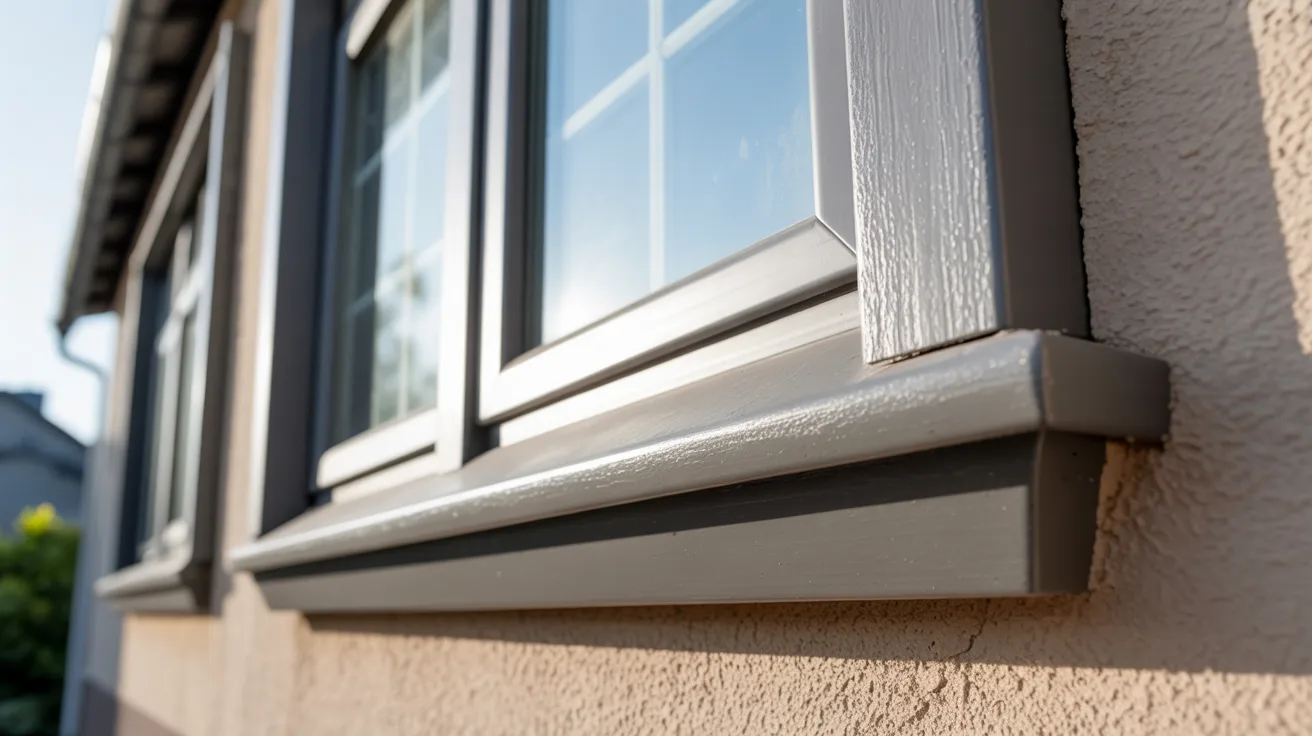
The trim, also called casing, runs around the outside edge of the window frame. It covers the gap between the frame and the wall, giving the window a finished, clean look from outside.
It’s both decorative and functional. Without it, gaps are exposed to rain and wind, which leads to moisture getting into the wall cavity behind.
Trim is available in wood, PVC, vinyl, and composite materials. Wood trim needs painting and sealing regularly. PVC and vinyl options are more weather-resistant and need far less upkeep.
5. Sill
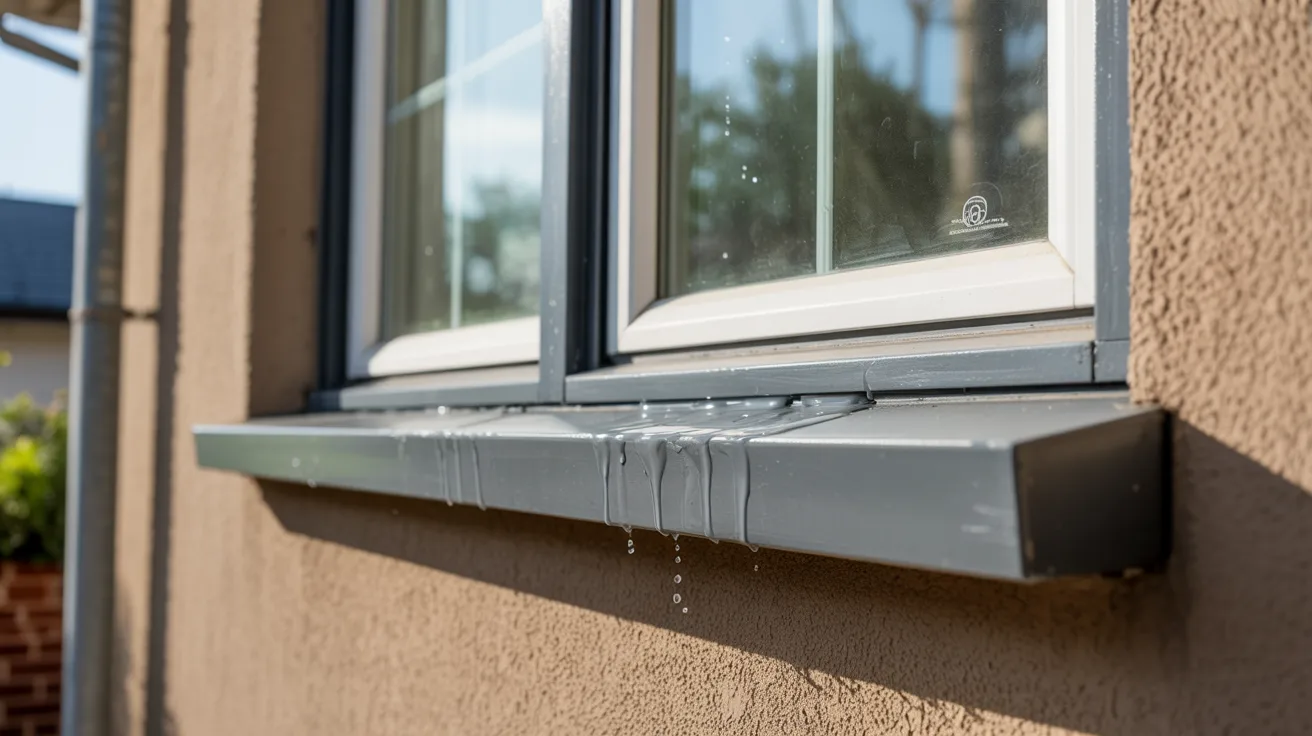
The sill is the horizontal ledge at the very bottom of the window on the outside. It’s one of the most important exterior parts of a window when it comes to water management.
A properly sloped sill directs rainwater away from the window and wall, preventing it from pooling and seeping inward. Most exterior sills are angled slightly downward for this reason.
Sills are exposed to constant weathering, so they deteriorate faster than other parts. Cracked, rotting, or damaged sills should be repaired or replaced quickly before water gets into the wall structure below.
6. Head / Top Rail
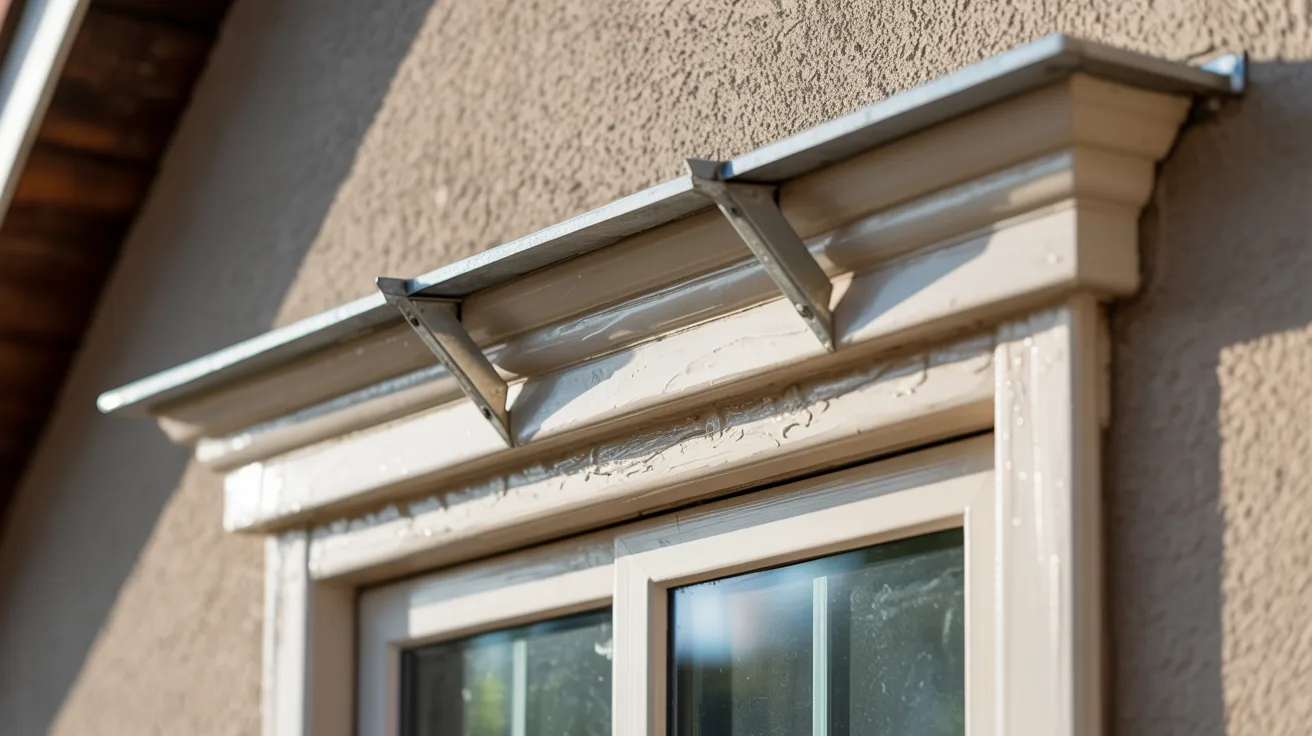
The head is the horizontal part of the frame that runs across the very top of the window. From the outside, it’s what you see above the glass at the top.
It provides structural support for the window and plays an important role in weatherproofing. A properly sealed head prevents rain from running down into the frame from above.
Flashing is usually installed above the head during construction to direct water away. If this flashing fails or was never installed correctly, the head area becomes a common entry point for leaks.
7. Jambs
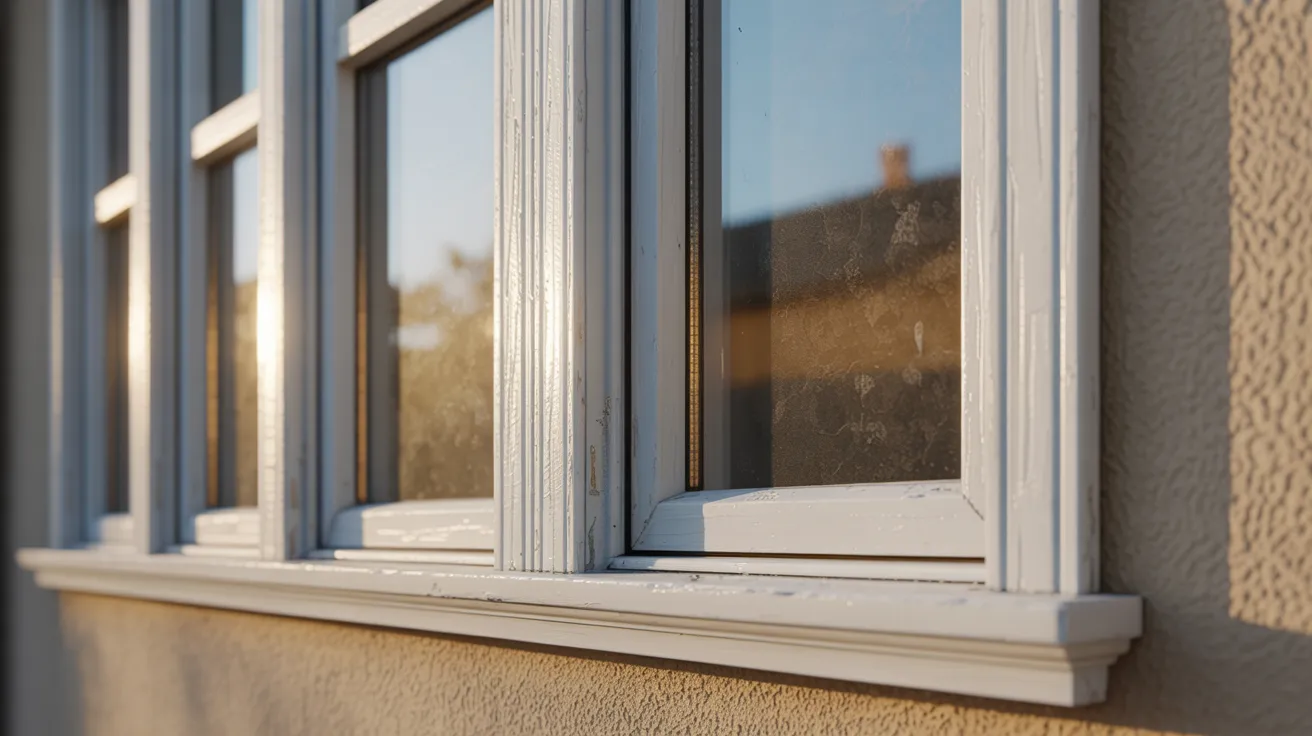
The jambs are the two vertical side pieces of the window frame, one on the left and one on the right. They run from the sill at the bottom up to the head at the top.
They support the weight of the sash and play a key role in keeping the window square and properly aligned. If jambs warp or shift, the window won’t open, close, or seal properly.
Jambs also contribute to insulation. Well-sealed jambs with good weatherstripping keep drafts out and reduce heat loss around the sides of the window. Check them for gaps or soft spots during any routine inspection.
Common Issues with Exterior Window Parts
Windows take a beating from the weather all year round. Most problems start small and become expensive if ignored.
Here are the most common issues you’ll come across with exterior window components:
- Rot and warping on wood frames and sills. This usually starts at joints and corners where moisture collects. Soft or discoloured wood is a clear warning sign.
- Peeling or flaking paint on trim and frames. Once paint breaks down, the material underneath is exposed to moisture and deteriorates faster.
- Condensation between glass panes. This means the seal on a double or triple-pane unit has failed. The insulating gas has escaped and the glass needs replacing.
- Cracked or broken glazing. Small chips can sometimes be sealed. A full crack or shattered pane needs a full glass replacement.
- Gaps around jambs or trim. These let in drafts and moisture. Re-sealing with exterior caulk is usually a straightforward fix.
For minor issues like small cracks, peeling paint, or gaps, a confident DIYer can handle most repairs. For structural problems like a warped frame, failed glazing, or a damaged sill that’s let water into the wall, a professional assessment is worth it before the damage spreads further.
Conclusion
Most window problems don’t start big. They start with one part that gets ignored for too long.
Now you know what every exterior part of a window is called and what it actually does. That puts you ahead of most homeowners. So here’s what I want you to do right now.
Go look at one window from outside. Just one. Check the sill, the trim, the frame.
See something that doesn’t look right? Describe it in the comments. I’ll help you figure out exactly what’s going on and whether it needs fixing now.
Frequently Asked Questions
What are the exterior parts of a window called?
The main exterior parts include the frame, sash, glass pane, exterior trim, sill, head, and jambs, each playing a specific role in the window’s performance and appearance.
How do I identify the exterior parts of a window frame?
Start by looking at the window from outside and use the diagram in this guide as a reference. The frame is the outer border, with the sill at the bottom, head at the top, and jambs on the sides.
Why is the window sill important?
The sill directs rainwater away from the window and wall, preventing moisture from seeping into the structure below. A damaged sill is one of the fastest routes to water damage inside a wall.
Can I replace only one exterior window part?
Yes, individual parts like the sash, glazing, trim, and sill can often be replaced without changing the entire window. A full replacement is only necessary when the frame itself is structurally damaged.
What materials are best for exterior window frames?
Vinyl is low maintenance and weather-resistant. Aluminum is strong and slim. Wood looks great but needs regular upkeep. Fiberglass is the most durable and energy-efficient option but comes at a higher cost.